A leather sofa doesn't need much from you, but what it does need, it needs consistently. Most leather that looks dry, shiny on the headrests or a bit cracked hasn't been neglected for years. It's simply been cleaned with the wrong thing, or not conditioned often enough, or parked in a sunny spot that slowly bakes it.
The kind thing about leather is that gentle care works best. Less water, softer cloths, milder cleaners. It took me a while to trust that "less" really is the answer here, because with so many other things at home, more scrubbing feels more effective. With leather, it usually does the opposite.
This guide is all about how to clean a leather sofa and keep it soft: how to find out what type of leather you have, the weekly five-minute routine, a calm monthly clean, how often to condition, gentle fixes for six common stains, what never to use, how faux leather is different and when to call a pro. (If your sofa is fabric, my guide on how to clean a couch of any fabric is the one you want.)
First, Find Out What Kind of Leather You Have
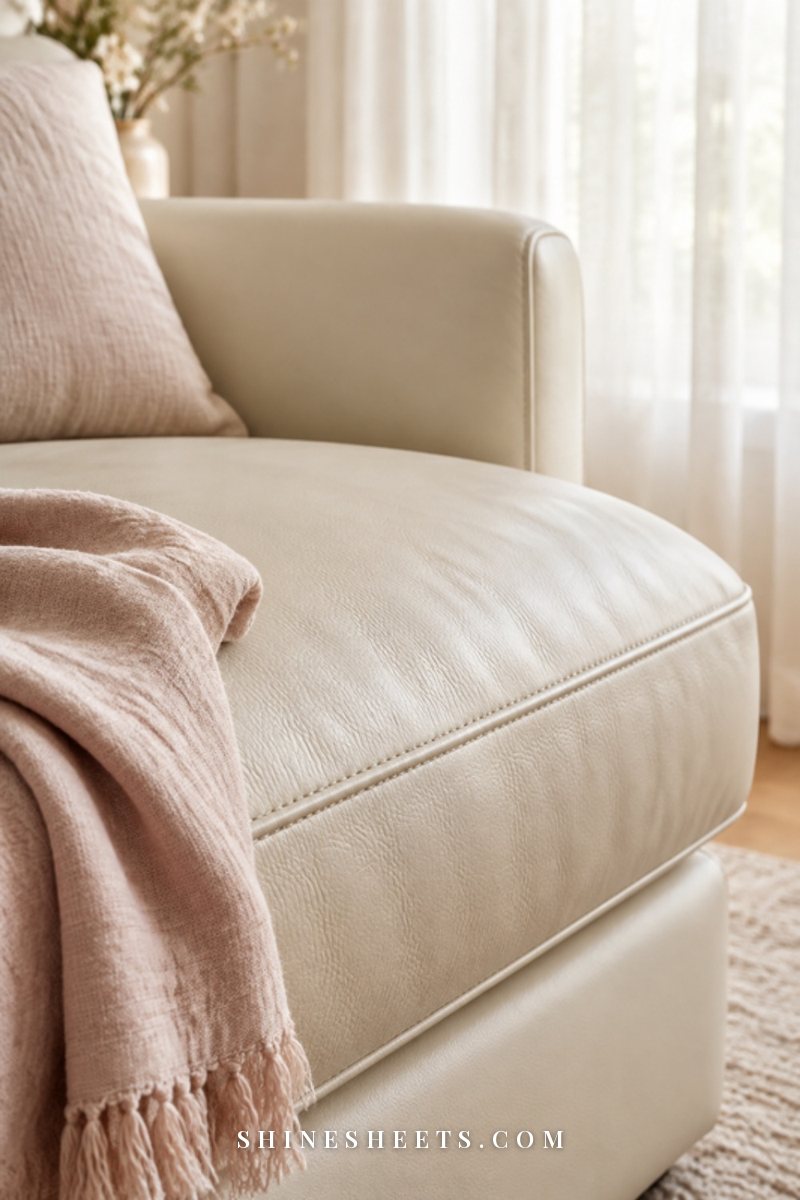
Not all leather sofas are made the same, and the type decides how much cleaning it can handle. There are three main kinds:
- Aniline leather. Natural, dyed all the way through and left without a protective coating. It feels buttery and warm, shows natural markings and absorbs liquids quickly. It's the most delicate.
- Semi-aniline leather. Aniline leather with a light protective layer. It still looks natural, but it resists stains a little better.
- Protected or pigmented leather. Coated with a pigmented finish, so the color looks even and the surface is more durable. Most family sofas are this type, and it's the easiest to care for.
The Water Drop Test
Find a hidden spot, like the back of the sofa near the floor or under a cushion. Put one small drop of water on the leather and watch for a minute.
- It soaks in fast and darkens the leather: most likely aniline. Treat it very gently and use only products made for aniline leather.
- It soaks in slowly: most likely semi-aniline.
- It beads up and sits on top: protected or pigmented leather.
Blot the drop away with a dry cloth afterwards. On aniline, the dark spot should fade as it dries.
Check the Care Tag and Guide
Look under the cushions, on the frame or in the paperwork that came with the sofa. Many manufacturers name the leather type and list the cleaners they approve. If the care guide says something different from a general tip (including anything in this article), follow the manufacturer. It's also worth checking before you use a new product, because some warranties only cover approved care.
Always Test on a Hidden Spot First
This is the one rule I'd ask you to never skip. Every cleaner, conditioner and stain fix goes on a hidden spot first: the back near the floor, the underside of a cushion or a fold near the frame.
- Apply a tiny amount the way you plan to use it.
- Wait until it's completely dry, at least a few hours (overnight is better for conditioner).
- Check in daylight for darkening, color loss, a sticky feel or a change in shine.
If anything looks different, skip that product. It feels slow, but it's much faster than repairing a patch on the front cushion.
What You'll Need
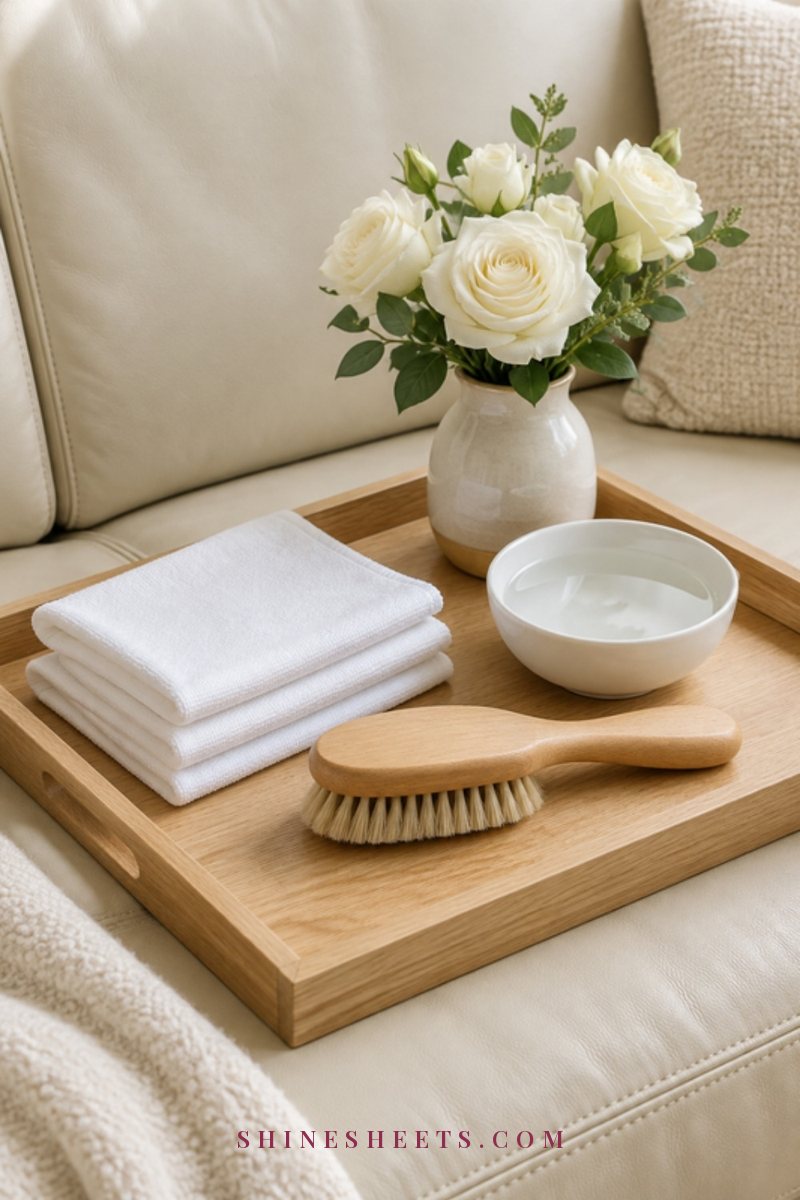
Leather care needs only a few gentle things:
- A vacuum with a soft brush attachment.
- A stack of soft white microfiber cloths. White is useful here, because you can see immediately if any color is lifting.
- A soft horsehair brush for seams, piping and textured grain.
- A pH-balanced leather cleaner made for upholstery, or a mild, unscented liquid soap without dyes and distilled water.
- A leather conditioner made for furniture.
- A small bowl, cotton swabs and a few dry paper towels for spills.
Weekly Care: The Five-Minute Routine

Dust and crumbs act like fine sandpaper on leather, especially in the creases where you sit most. A quick weekly routine keeps that from building up:
- Vacuum with the brush attachment. Go over the seats, back and arms, then run the crevice tool along the seams and under the cushions. Keep the brush on so the nozzle never scrapes the leather.
- Brush the seams. Use the soft horsehair brush along piping and stitching, where dust settles.
- Dry wipe. Wipe everything with a clean, dry microfiber cloth in long, light strokes.
- Fluff and flip. Turn and rotate loose cushions so they wear evenly.
That's it. No water, no products. If you like a little structure, add it to the weekly part of your cleaning schedule so it happens without you having to remember.
Monthly Cleaning, Step by Step
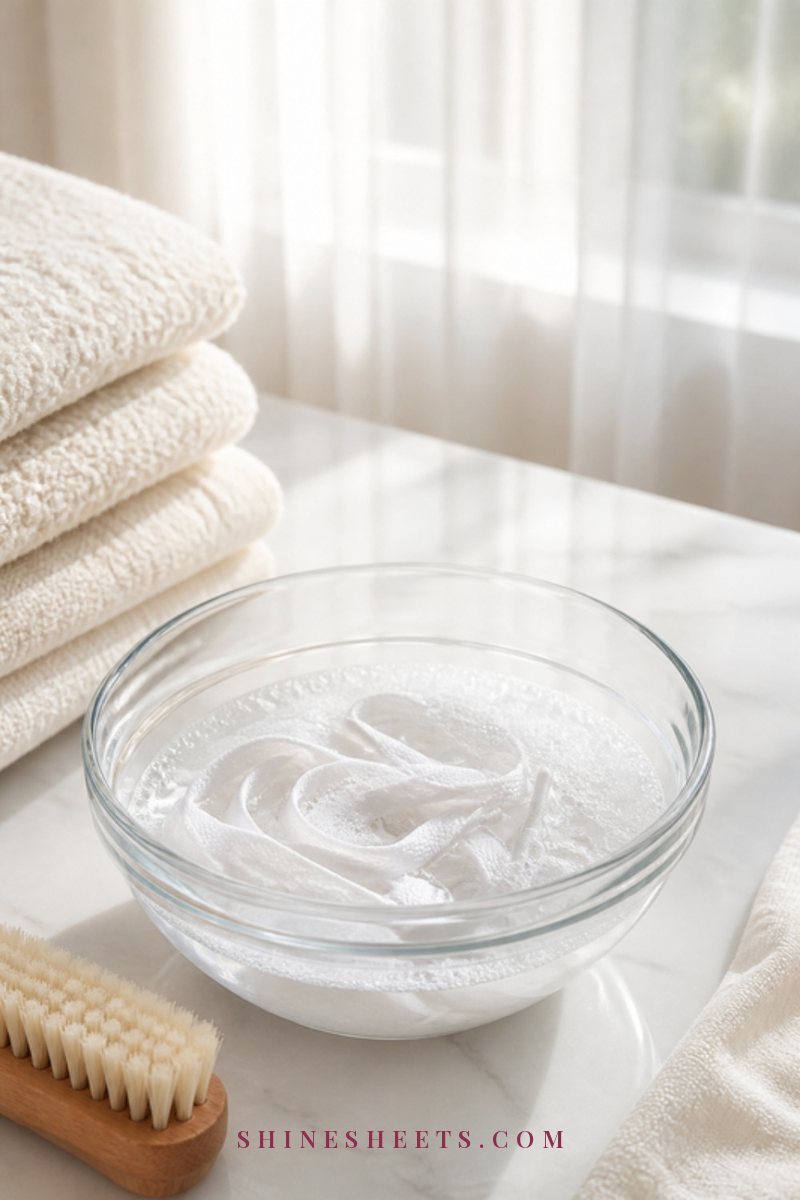
Once a month (or every few weeks if you use the sofa a lot), give it a proper gentle clean. Do the weekly routine first so you're not rubbing dust into the leather.
- Mix your solution. Use a leather cleaner as the label says, or stir a few drops of mild, unscented soap without dyes into about two cups of distilled water.
- Dampen, don't soak. Dip a microfiber cloth, then wring it out until it's barely damp. If it drips, it's too wet.
- Work in sections. Clean one cushion or panel at a time, wiping gently from seam to seam so the whole panel dries evenly.
- Dry right away. Follow immediately with a dry microfiber cloth. Don't let water sit on the surface.
- Air dry. Let the sofa dry naturally for an hour before sitting on it. No hair dryer, no heater.
Why distilled water? Tap water in many homes is hard, and the minerals can leave faint white marks or a dull film as it dries, especially on darker leather. A jug of distilled water lasts for months of monthly cleans, so it's a small thing that makes a visible difference.
Aniline leather often needs even less: a slightly damp cloth on a small area at a time, or only a cleaner made specifically for unprotected leather.
Throw pillows and blankets on a leather sofa collect body oil too, so give them a refresh on the same day. My guide on cleaning throw pillows and blankets without ruining them covers every kind.
Conditioning Every 3 to 6 Months
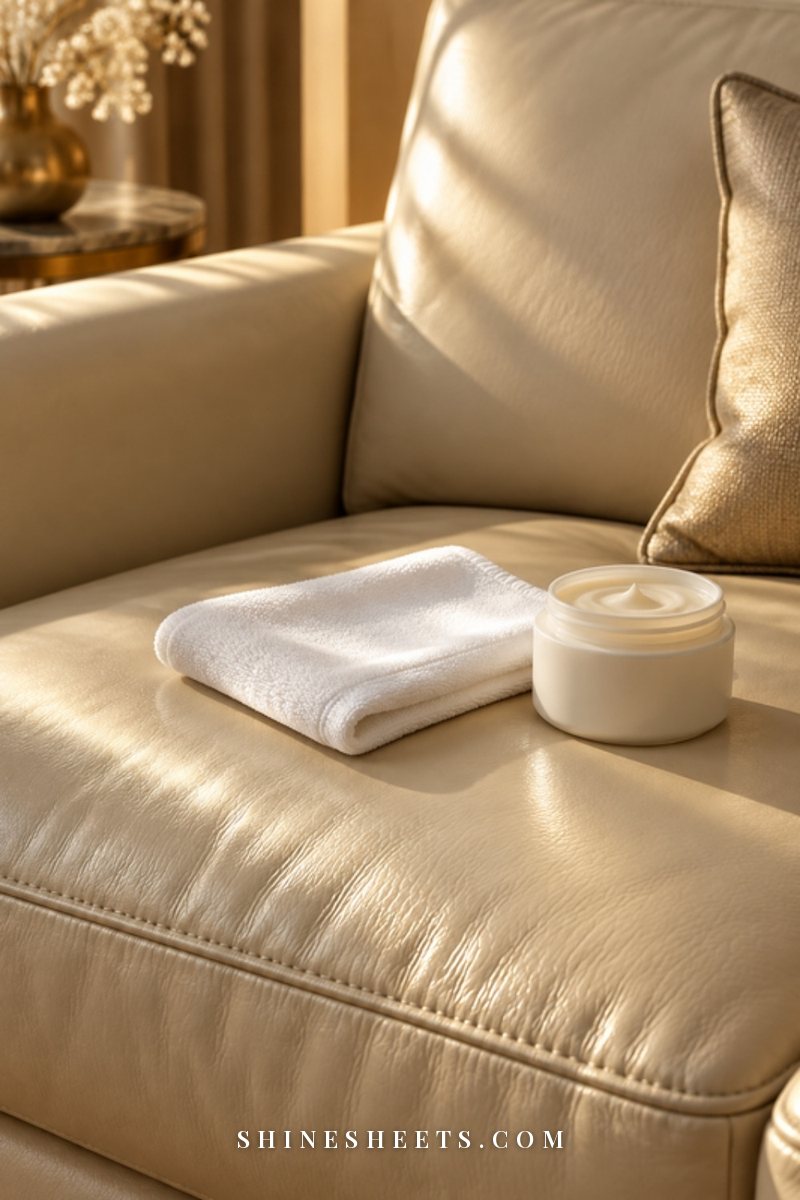
Leather is a natural material that slowly loses its oils. Conditioner puts some of that moisture back, which keeps it supple and helps prevent cracking. Every 3 to 6 months is a good rhythm, closer to every 3 months if your home is very dry, heated a lot or the sofa gets sun.
- Clean the sofa first so you're not sealing dirt in.
- Test the conditioner on your hidden spot and let it dry overnight.
- Put a small amount on a clean microfiber cloth, not directly on the leather.
- Work it in with light, circular strokes, one panel at a time. A thin layer is enough.
- Let it absorb for about an hour, or as long as the label says.
- Buff gently with a dry cloth to remove any excess, so it doesn't feel sticky.
Not sure if it's time? A few signs your sofa is asking for conditioner:
- The leather feels stiff or a little rough instead of smooth and supple.
- The color looks slightly lighter or dull in the spots you sit most.
- Fine lines appear in the creases of the seat cushions.
- A drop of water soaks in faster than it used to on protected leather.
More is not better here. Too much conditioner can leave a greasy film that attracts dust, and on aniline leather it can darken the color. Protected leather absorbs less, so use a light touch.
How To Remove 6 Common Leather Sofa Stains
For every stain, the first rule is the same: act quickly, blot instead of rubbing and always test first. Here are gentle fixes for the six stains that show up most often. If any of them is on aniline leather, be extra careful and lean toward calling a pro sooner.
1. Ink
Fresh ink on protected leather can sometimes be lifted with a cotton swab dipped in a little leather cleaner. Dab only the ink line, don't spread it, and change swabs often. If the ink is set, large or on aniline leather, stop and call a leather specialist. Ink is one of the hardest stains to remove at home, and rubbing tends to make a bigger smudge.
2. Grease and Oil
Blot with a dry paper towel straight away. On protected leather, you can dust a little cornstarch over the spot and leave it for a few hours to draw the oil out, then brush it away gently with the horsehair brush. Don't scrub, and don't add water to grease, which spreads it. On aniline leather, blot and leave it to a pro.
3. Water Rings and Spots
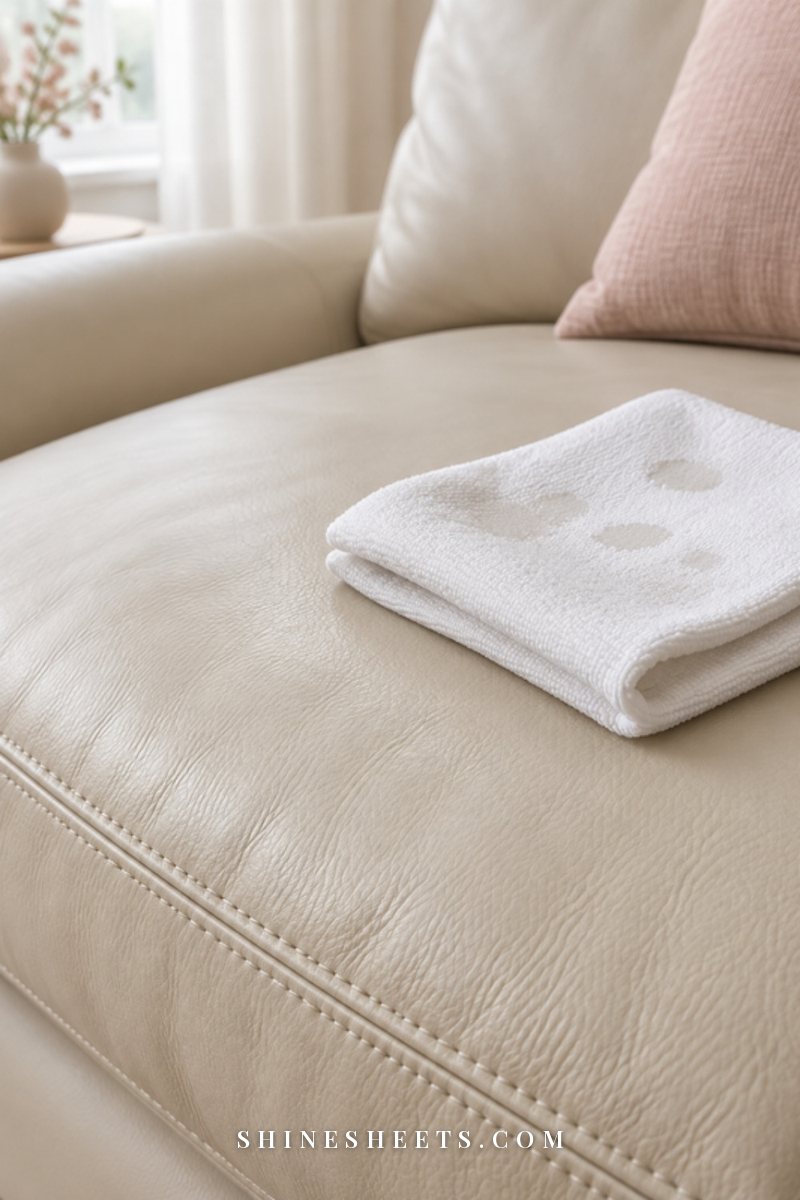
Water marks happen when one spot dries faster than the area around it. The fix sounds backwards: dampen the whole panel lightly with a barely damp microfiber cloth, from seam to seam, then let it air dry evenly. This blends the edge of the ring into the rest of the panel. Don't try to dry it with heat.
4. Pet Hair
Pet hair is more of a nuisance than a stain, but claws and grit can scratch. Use the vacuum brush attachment, then run a reusable pet hair roller or a slightly damp rubber glove over the cushions to gather the rest. A washable throw on your pet's favorite spot saves a lot of work, and keeping claws trimmed protects the surface.
5. Food and Drink Spills
Lift any solids with a spoon or a dull butter knife, then blot liquids with a dry paper towel. Wipe the area with your mild soap solution on a barely damp cloth, dry it immediately and let it air dry. For sticky spills, repeat the damp wipe once rather than scrubbing harder. For anything colored, like red wine, blot quickly and test your cleaner first.
6. Body Oil on Headrests and Arms
Those darker, shiny patches where heads and arms rest come from skin oils and hair products. Clean these spots with leather cleaner more often than the rest of the sofa, every week or two. A soft throw or a folded blanket over the headrest helps a lot. On aniline leather, darkening becomes part of the patina, and a professional degreaser is the safest way to lighten it.
For spills that land on the rug in front of the sofa, my calm guide to every type of carpet stain has you covered.
Leather Sofa Care at a Glance
Here's the whole routine in one table. Screenshot it and keep it on your phone.
| Task | How often | What to use | What to avoid |
|---|---|---|---|
| Vacuum and brush seams | Weekly | Vacuum brush attachment, soft horsehair brush | Bare nozzle, stiff brushes |
| Dry wipe | Weekly | Clean, dry microfiber cloth | Paper towels that leave lint, wet cloths |
| Gentle clean | Monthly | pH-balanced leather cleaner or mild soap in distilled water, barely damp cloth | Soaking, dish sponges, letting water sit |
| Headrests and arms | Every 1–2 weeks | Leather cleaner on a microfiber cloth, a throw over the headrest | Alcohol wipes, degreasers on aniline |
| Condition | Every 3–6 months | Leather conditioner, thin layer, buff after an hour | Too much product, oils from the kitchen |
| Spills | Right away | Dry paper towel to blot, then a barely damp cloth | Rubbing, heat to dry |
| Spot test | Every new product | A hidden spot, checked dry in daylight | Testing on the front cushion |
What Never To Use on Leather
Many common cleaning tricks are great for other surfaces and quietly damaging on leather. I'd keep these well away from your sofa:
- Vinegar. It's acidic and can dry out leather and break down its finish.
- Baking soda scrubs. Gritty and drying, and they can leave a dull white residue in the grain.
- Wipes with alcohol. Baby wipes, makeup wipes and disinfecting wipes often contain alcohol or other ingredients that strip oils and color.
- Harsh cleaners. Bleach, ammonia, all-purpose sprays, glass cleaner and furniture polish meant for wood.
- Too much water. Soaking leads to stiffness, water marks and even mildew in the padding.
- Magic erasers and abrasive pads. They remove the top finish along with the stain.
- Heat to dry. Hair dryers and heaters make leather shrink, stiffen and crack.
Plenty of my favorite cleaning hacks that save time work beautifully elsewhere in the house, but leather is the place to keep it simple.
Keep It Away From Heat and Direct Sun

Sunlight fades leather, and heat dries it out, so placement matters as much as cleaning. A few gentle habits help:
- Keep the sofa at least a couple of feet from radiators, heaters and fireplaces.
- If it sits near a sunny window, draw sheer curtains during the brightest hours of the day.
- Drape a cream knit throw over the parts that get the most sun, like the back or one arm.
- Rotate cushions and, if you can, turn the sofa slightly every few months so one side doesn't fade faster.
- In very dry, heated months, condition closer to every 3 months.
How Faux Leather Is Different

Faux leather (also called vegan leather, PU leather or vinyl) looks similar, but it's a plastic coating over fabric, so it doesn't need oils the way real leather does.
- Cleaning: wipe with a microfiber cloth and a little mild soap and water, then dry. It tolerates slightly more moisture than real leather, but don't soak the seams.
- No conditioner needed: faux leather can't absorb it, so leather conditioner just sits on top and turns sticky. Check the care tag for any specific protectant the maker suggests.
- Still avoid: alcohol, harsh cleaners, abrasive pads and heat. These cause cracking and peeling.
- Peeling: once faux leather starts to flake, it can't really be repaired at home. Gentle care slows it down, and a fitted cover is the kindest option after that.
Not sure which you have? Real leather usually has an irregular grain, a natural, warm smell and slightly rough edges on the back of the material. Faux leather has a very even pattern and a fabric backing.
When To Call a Leather Pro
A professional leather cleaner or restorer is worth calling when:
- There's set ink, a large dark stain or a stain on aniline leather.
- The color has worn away, faded unevenly or rubbed off on the arms.
- You see cracks, tears, scratches that go through the finish or loose stitching.
- A smell (smoke, pet accidents) has soaked into the padding.
- The care tag says professional cleaning only, or you're unsure what type of leather it is.
A good pro can clean, re-dye, repair and seal leather in ways that aren't possible at home, and one visit often adds years to a sofa you love.
Final Thoughts
Caring for a leather sofa is less about effort and more about gentleness: a soft brush every week, a barely damp cloth every month and a little conditioner a few times a year.
Know your leather, test before you try anything new and keep it out of the harshest sun. Do that, and your sofa will grow softer and more beautiful with every year you spend curled up on it.