Laminate floors need less cleaning than you think, and far less water than most of us use. The biggest secret to a streak-free laminate floor isn't a stronger cleaner or more scrubbing. It's a drier mop, a lighter hand and a routine that keeps grit from ever building up.
That's the part that surprised me most: almost every problem people have with laminate (streaks, dull patches, swollen edges near the kitchen sink) comes from doing too much, not too little. Once you understand how the planks are built, the whole routine gets simpler.
This guide covers exactly how to clean laminate floors without streaks or damage: what to do daily and weekly, how to damp clean safely, why streaks happen and five ways to fix them, how to lift scuffs, sticky spots and nail polish, what never to use, and how to protect your floors for years. There's also a simple care table you can screenshot.
Grab a soft cloth and a warm drink, and let's make your floors look lovely without a single soggy seam.
Why Laminate Needs Different Care

Laminate looks like wood or stone, but it's built very differently. Each plank is a sandwich of layers:
- A clear wear layer on top, which protects against scratches and everyday wear.
- A photographic design layer underneath, which is what gives the plank its wood or stone look.
- A dense fiberboard core that gives the plank its strength.
- A backing layer at the bottom for stability.
The wear layer is tough, but the core is the weak spot. It's made of compressed wood fibers, and when water seeps into the seams between planks, the core absorbs it and swells. That's when you see raised edges, bubbling or a soft spot that never quite flattens again. And unlike hardwood, laminate can't be sanded and refinished.
That's why the golden rule is simple: keep the floor clean, but keep it dry. Everything else in this guide follows from that one idea. (If you also have real wood in another room, my guide on cleaning hardwood floors without damaging them covers how that care differs.)
Daily and Weekly Cleaning: Keep It Dry
Grit is laminate's quiet enemy. Tiny bits of sand and dust act like fine sandpaper under your feet, slowly dulling the wear layer. Removing it often is the single best thing you can do for your floors.
Dry Microfiber Mop
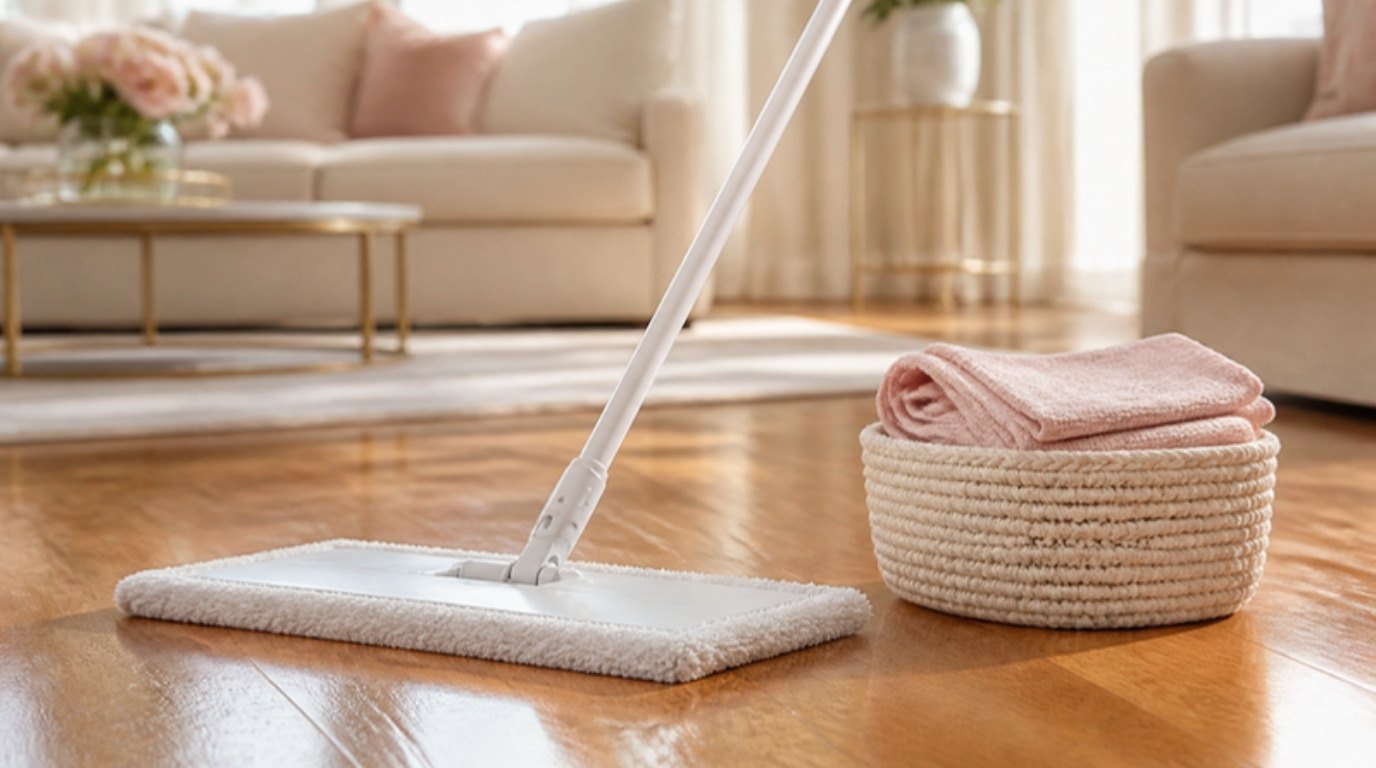
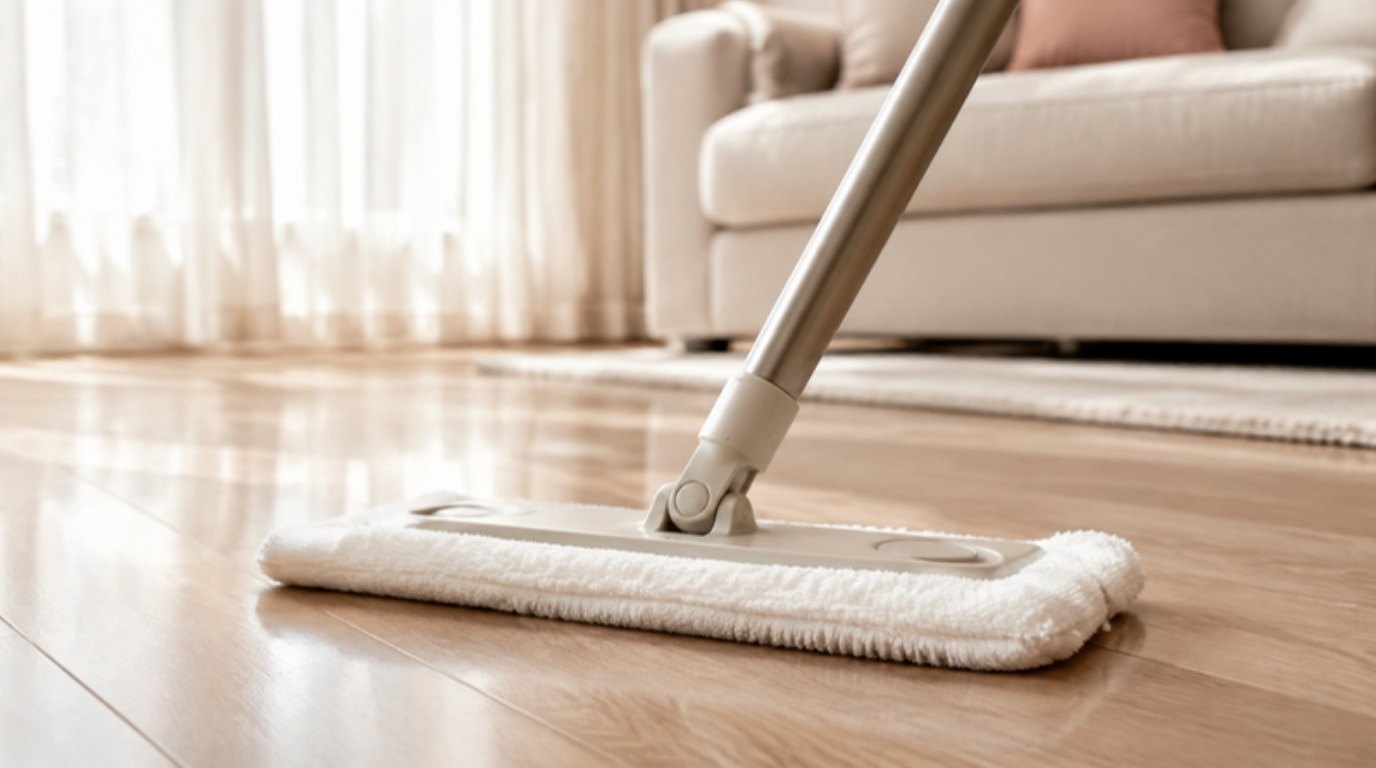
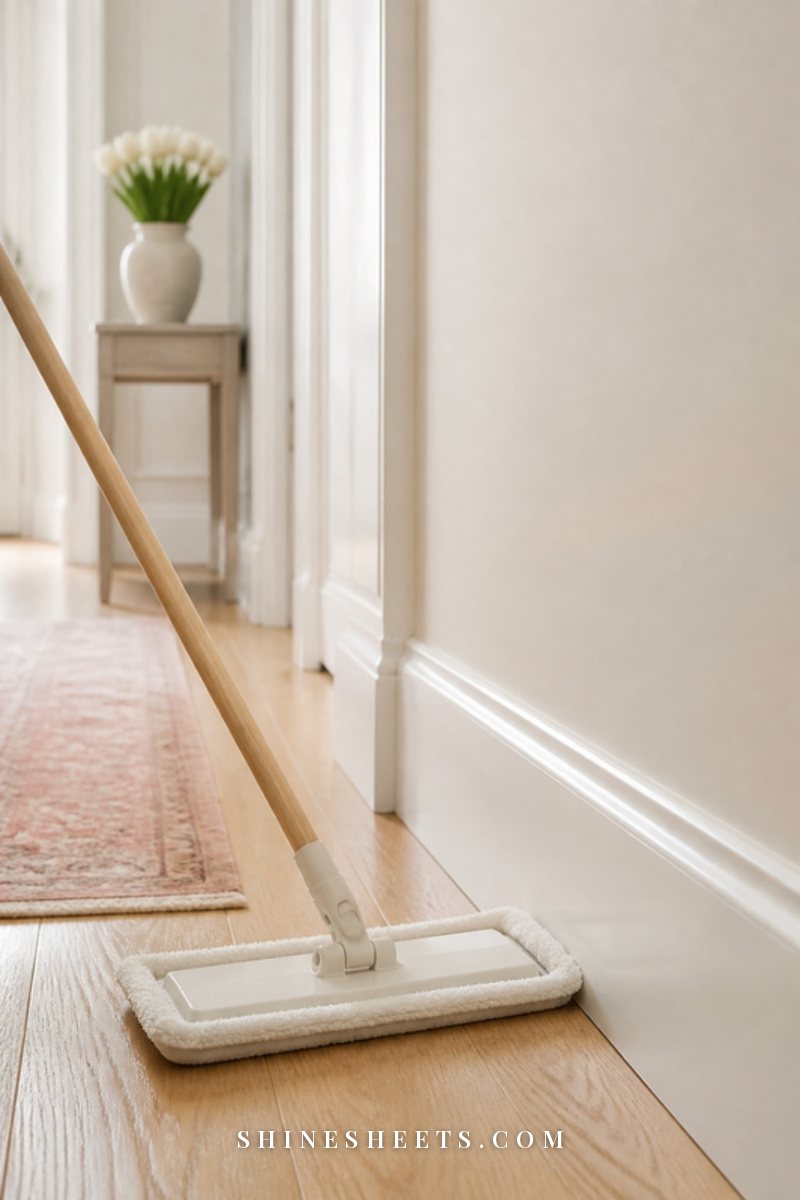
A flat microfiber spray mop with a dry pad is perfect for daily or every-other-day touch-ups. Microfiber grabs dust and hair instead of pushing them around.
- Start in the far corner of the room and work toward the door.
- Glide in long, overlapping strokes, keeping the pad flat on the floor.
- Go along the length of the planks, not across them, so dust doesn't settle into the seams.
- It takes about 5 minutes for an average room.
Vacuum on the Hard-Floor Setting
Once or twice a week, vacuum to reach the corners, edges and the gaps between planks. Use the hard-floor setting or turn off the beater bar (the spinning brush), which can scatter debris and leave tiny scratches. A soft brush attachment is ideal along the walls.
A vacuum that's clogged or has a full filter just spreads fine dust around, so give it some love too. My guide on cleaning a vacuum cleaner and its filter walks you through it in about twenty minutes.
How To Damp Clean Laminate Floors Step by Step
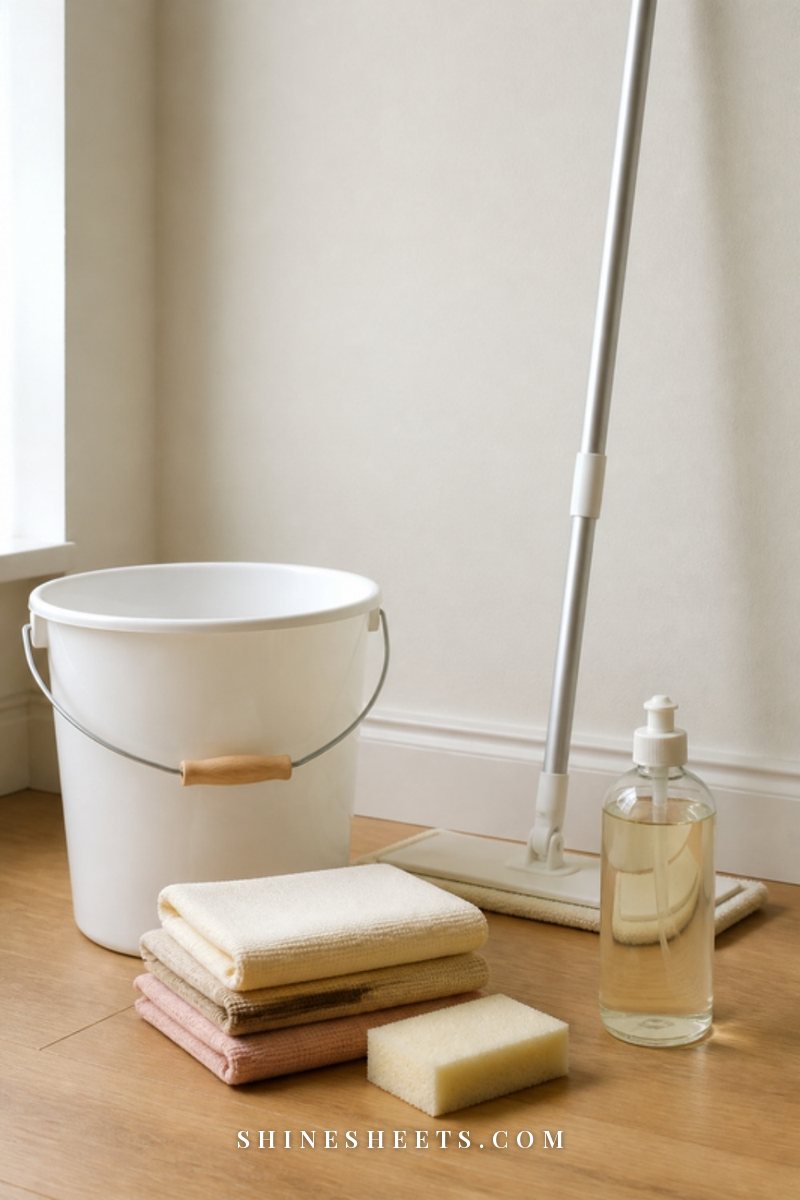
Damp cleaning lifts the film that dry mopping leaves behind: sticky kitchen splashes, muddy paw prints, the faint gray haze near the front door. For most homes, once a week is plenty (every two weeks is fine in quiet rooms). Here's the method:
- Dry mop or vacuum first. Mopping over grit turns it into muddy streaks and can scratch the surface.
- Mix your solution (see below) in a bucket or in your spray mop's bottle.
- Wring the mop until it's barely damp. It should feel cool and slightly moist to the touch, never dripping. If you squeeze it and water comes out, wring it again.
- Work in small sections, about 1 by 1 meter (3 by 3 feet), moving along the length of the planks.
- Rinse or swap the pad often. Once a pad looks gray, it's spreading dirt, not lifting it.
- Dry any wet spots right away with a clean, dry microfiber cloth or a dry pad. The floor should be dry to the touch within 1–2 minutes.
Spray Mop or Bucket?
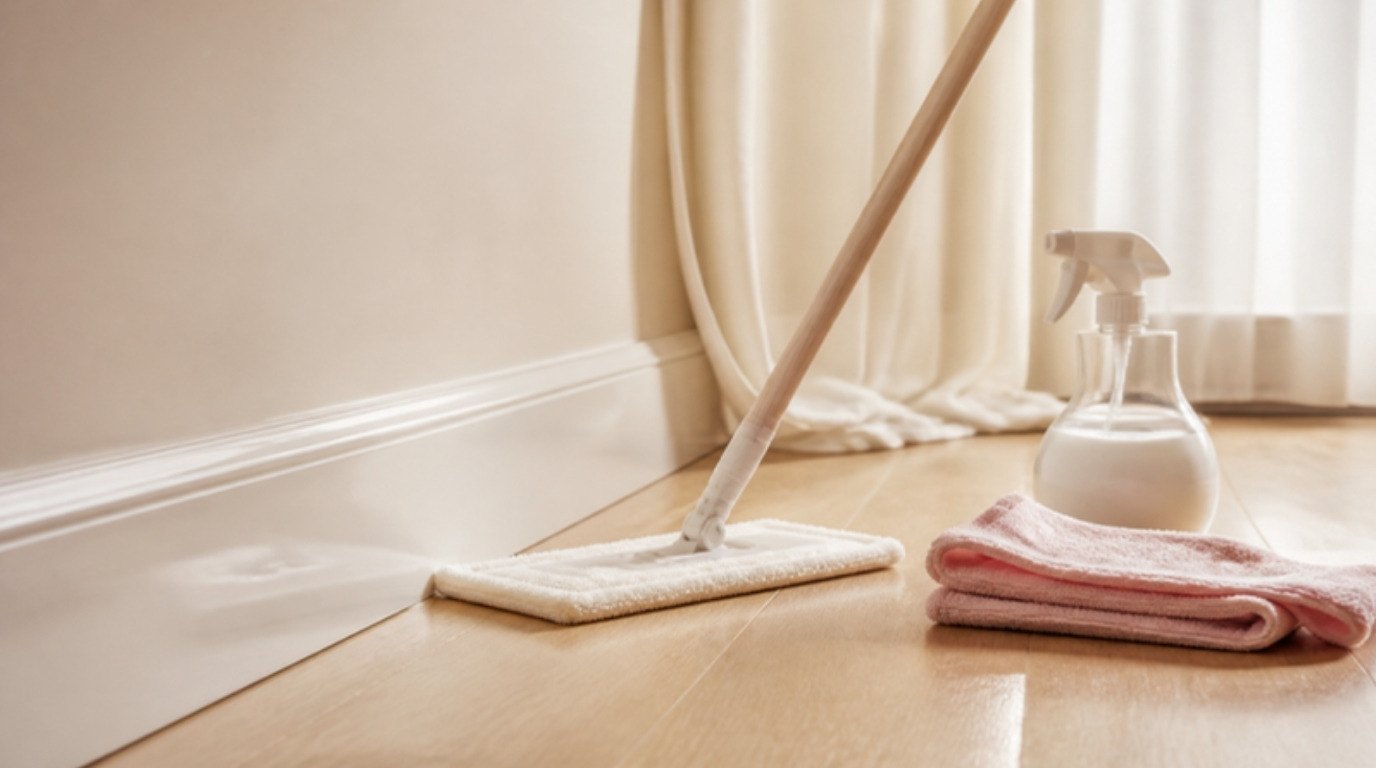
Both work, and the right choice is the one that keeps water light. A spray mop puts a fine mist right in front of the pad, so you control exactly how much liquid touches the floor; it's the easiest option for beginners and small spaces. A bucket and flat mop suit bigger homes, as long as you wring the pad thoroughly every single time. What I'd avoid is the classic string mop: it holds far too much water and tends to leave puddles along the seams, which is exactly what laminate can't handle. Whichever you pick, a flat head with a removable, washable pad is the detail that matters most.
What To Put in Your Bucket
You have two easy, safe options:
- A laminate-specific cleaner. A laminate floor cleaner is made to evaporate quickly and leave no residue. Follow the label exactly; using more doesn't clean better.
- A little dish soap in warm water. About 1/2 teaspoon of mild, clear dish soap in 4 liters (roughly a gallon) of warm water. That's really all you need for everyday grime.
Whatever you choose, test it once on a hidden spot (inside a closet or under the sofa) and let it dry before doing the whole floor.
Laminate Floor Care at a Glance
Here's the whole routine in one table. Screenshot it and you'll never have to guess.
| Task | How often | What to use | What to avoid |
|---|---|---|---|
| Dry dust mop | Daily or every other day | Flat mop with a dry microfiber pad | Oiled dust mops, string mops |
| Vacuum | 1–2 times a week | Hard-floor setting, soft brush attachment | Spinning beater bar on full power |
| Damp mop | Weekly or every 2 weeks | Barely damp microfiber pad, laminate cleaner or 1/2 tsp dish soap in warm water | Wet mops, puddles, steam mops |
| Spot clean spills | Right away | Dry cloth, then a lightly damp cloth | Leaving liquid to sit in the seams |
| Scuffs and marks | As needed | Tennis ball, soft eraser or a dab of cleaner on a cloth | Abrasive pads, scouring powder |
| Wash mop pads | After every damp clean | Warm wash, no fabric softener, air-dry | Softener (it leaves residue that streaks) |
| Check felt pads | Every 2–3 months | Fresh felt pads under chair and table legs | Bare metal or plastic feet |
Why Streaks Happen: 5 Fixes
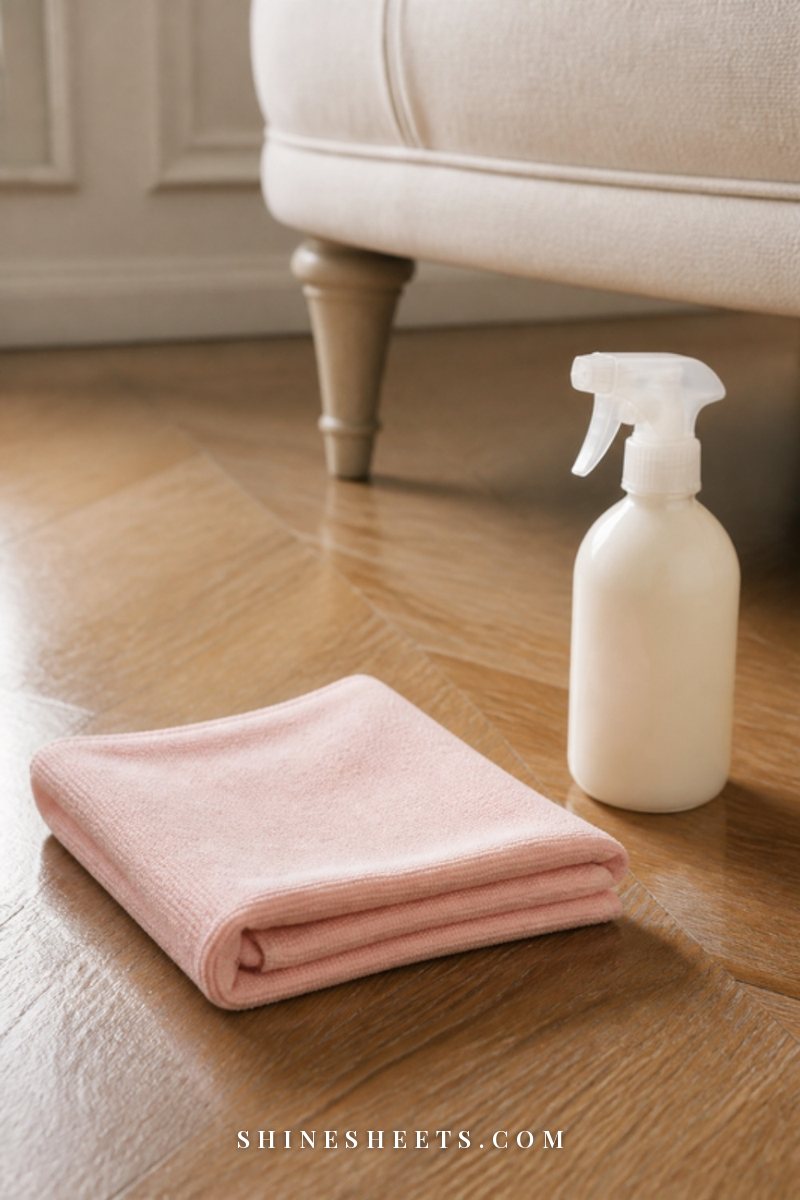
Streaks are the most common laminate complaint, and the cause is almost always one of these five things. Find yours, and the fix is usually quick.
1. Too Much Product
More cleaner doesn't mean cleaner floors. Extra product dries into a cloudy film that shows every footprint. Measure carefully, and if you've been using too much, do one pass with plain warm water on a barely damp pad to lift the old residue.
2. A Dirty Mop Head
A grimy pad smears yesterday's dirt across today's floor. Keep 3 or 4 washable microfiber mop pads on hand so you can switch to a fresh one halfway through a large room. Wash them in warm water without fabric softener, which coats the fibers and causes streaks.
3. Hard Water
Minerals in hard water leave chalky, hazy marks as they dry. If your tap water leaves spots on glasses, it's probably doing the same on your floor. Using distilled water in your mop bottle solves it right away.
4. Waxy Residue
If someone once used a wax, polish or "shine restorer" on your laminate, it builds up into a dull, sticky layer that no regular mopping fixes. Laminate cleaners labeled for residue removal can help; work in small sections, follow the label and dry as you go. You may need two or three gentle passes.
5. Drying Too Slowly
When moisture sits on the surface, it dries unevenly and leaves marks. Use less water, open a window or run a fan, and follow behind with a dry microfiber cloth. The floor should never stay wet for more than a minute or two.
How To Remove Common Stains
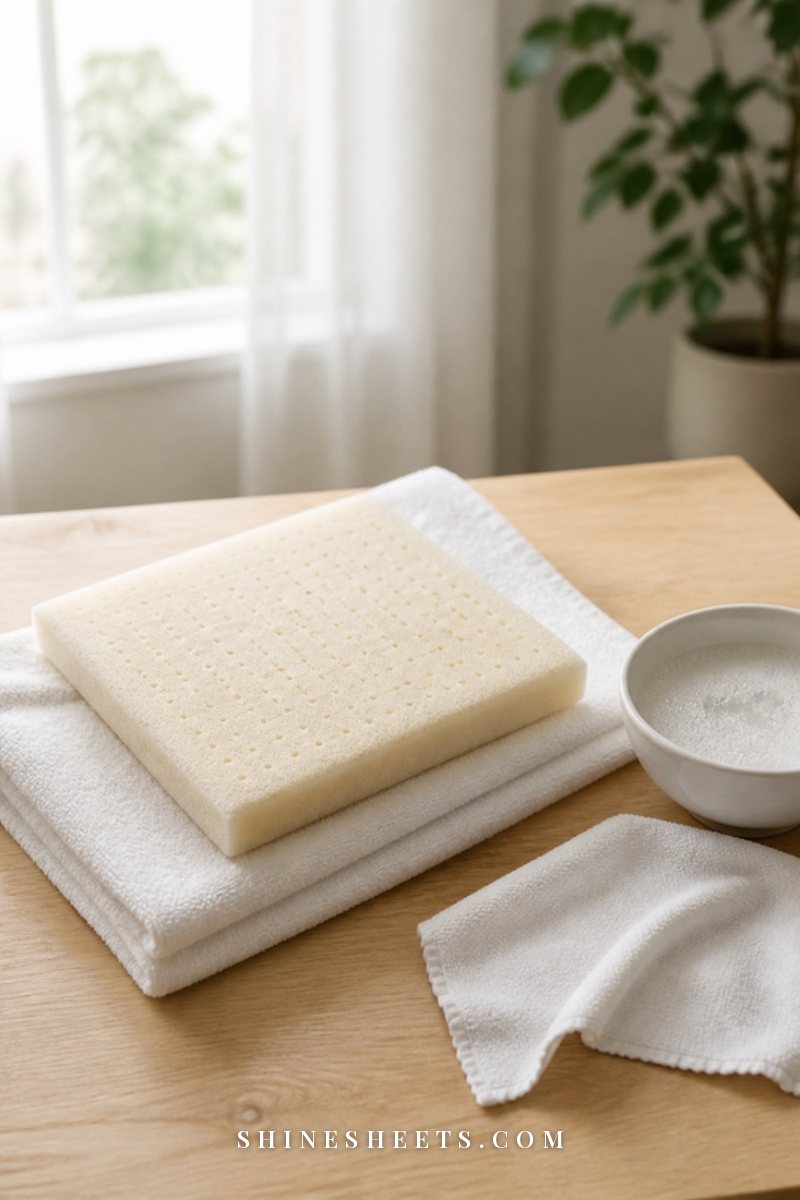
Most laminate stains sit on top of the wear layer, which is good news: they come off with gentle methods. Always start with the mildest option.
Scuffs
Black shoe scuffs often disappear with a clean tennis ball rubbed over the mark in small circles. A soft white eraser works too. For stubborn ones, put a small drop of laminate cleaner on a microfiber cloth and rub gently, then wipe dry.
Sticky Spots
For juice, syrup or tape residue, lay a warm, damp (not wet) cloth over the spot for about 1 minute to soften it. Wipe gently, then dry. For anything that hardened, slide a plastic scraper or an old credit card underneath at a low angle. Never use a knife.
Nail Polish
Blot fresh polish right away with a paper towel, without rubbing, so it doesn't spread. For dried polish, test first on a hidden spot: dab a little nail polish remover onto a cotton pad (not directly on the floor), press it on the spot for a few seconds and lift. Repeat until it's gone, then wipe with a damp cloth and dry. Work quickly and use as little remover as possible.
Spills and Pet Accidents
Speed matters more than any product here. Blot spills with a dry cloth or paper towel straight away, working from the outside in so the liquid doesn't spread toward the seams. Then wipe with a lightly damp cloth and a drop of dish soap, and dry the area completely. For pet accidents, blot, clean with a laminate-safe cleaner, and dry well; an enzyme cleaner made for hard floors can help with lingering odor, but test it on a hidden spot first and never let it pool.
Light Scratches
Fine surface scratches often look worse than they are. Clean the area first, since dirt sitting in a scratch makes it stand out. A laminate repair pencil or wax crayon in a matching shade can fill and soften light scratches; rub it in gently, then buff away the excess with a soft cloth. Deep gouges are a different story, and a damaged plank can usually be replaced by a flooring installer without redoing the whole room.
What Never To Use on Laminate
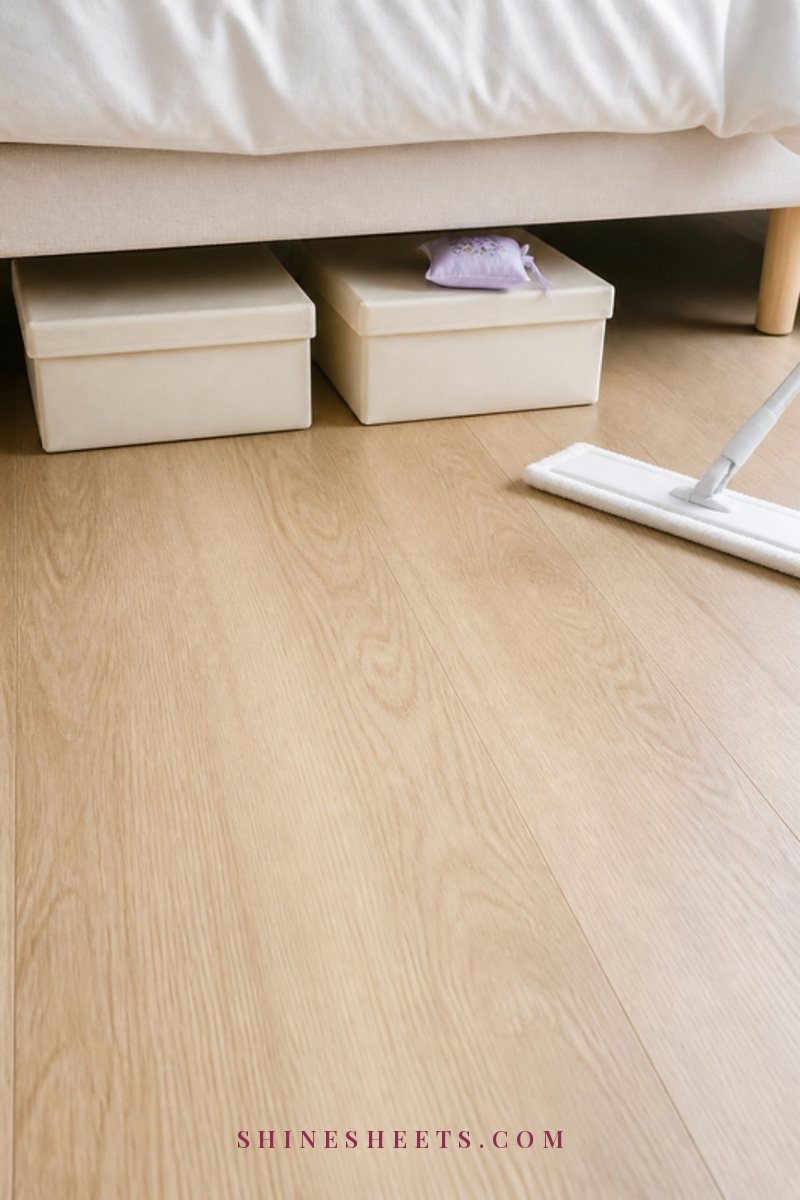
These seven things cause most laminate damage. Skip them, and your floors will last much longer:
- Steam mops. Steam is pushed into the seams under heat, which is exactly what makes the core swell. Even "laminate-safe" settings are risky; most flooring makers advise against them.
- Soaking or wet mopping. Puddles and dripping string mops let water sit in the joints.
- Wax or polish. Laminate isn't porous, so wax just sits on top, builds up and turns dull and slippery.
- Abrasive pads, steel wool or scouring powder. They scratch the wear layer, and scratches can't be sanded out.
- Undiluted vinegar. Straight vinegar can dull the finish over time. If you love a vinegar clean, many flooring makers say a very weak mix is acceptable, but a laminate cleaner or a drop of dish soap is the safer everyday choice.
- Oil soaps or oily cleaners. They leave a greasy film that attracts dust and makes streaks worse.
- Bleach or harsh all-purpose sprays. They can discolor the surface and are simply stronger than laminate needs.
A Quick Safety Note
Laminate care is gentle by nature, but a few rules apply to every cleaning day:
- Never mix cleaners. Don't combine bleach with ammonia or vinegar; the fumes are harmful. One product at a time is all your floor needs.
- Ventilate. Open a window when using any cleaner, even a mild one.
- Test first. Try any new product or stain method on a hidden spot and let it dry.
- Mind wet floors. A damp laminate floor is slippery. Walk around it, not across it, until it's dry.
- Check your warranty. Many laminate warranties name the cleaners you can use, so it's worth a quick look.
How To Protect Laminate Floors
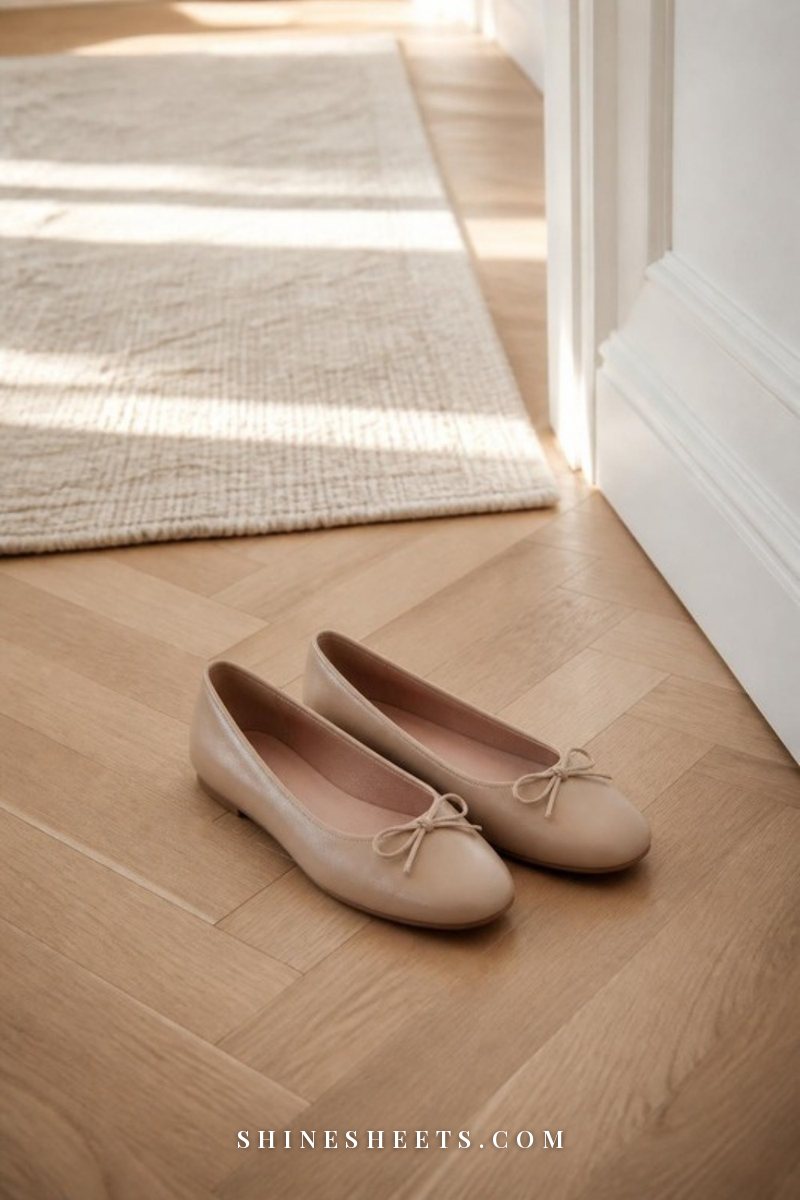
Prevention is so much easier than repair. These small habits make a real difference.
Felt Pads Under Furniture
Stick felt furniture pads under every chair, table and sofa leg. They stop scratches and dents, and they make moving furniture so much quieter. Check them every 2–3 months; once they pick up grit or wear thin, replace them, since dirty pads scratch.
Doormats at Every Entrance
Most grit comes in on shoes, so the entryway is where floor care really begins. A washable mat outside each door plus a soft cotton doormat just inside catches most of it before it reaches your floors. Shake them out weekly and wash the inside one monthly. A shoes-off habit at the door helps even more.
Trimming Pet Nails
Long claws scratch the wear layer, especially when a happy dog races to the door. Keeping your pet's nails trimmed (your vet or groomer can show you how) protects the floor, and a runner in the hallway takes the brunt of the zoomies.
Runners in Busy Spots
Hallways and the area in front of the kitchen sink take the most wear and the most splashes. A soft, washable hallway runner protects those spots from grit and drips. Lift it weekly to dry mop underneath, since dust collects at its edges.
Rugs and Sunlight
Use rugs with a breathable, non-rubber backing in busy spots, since some rubber backings can discolor laminate. Sheer curtains help, too, because strong direct sun can slowly fade the design layer over the years.
A Simple Laminate Routine for Busy Weeks
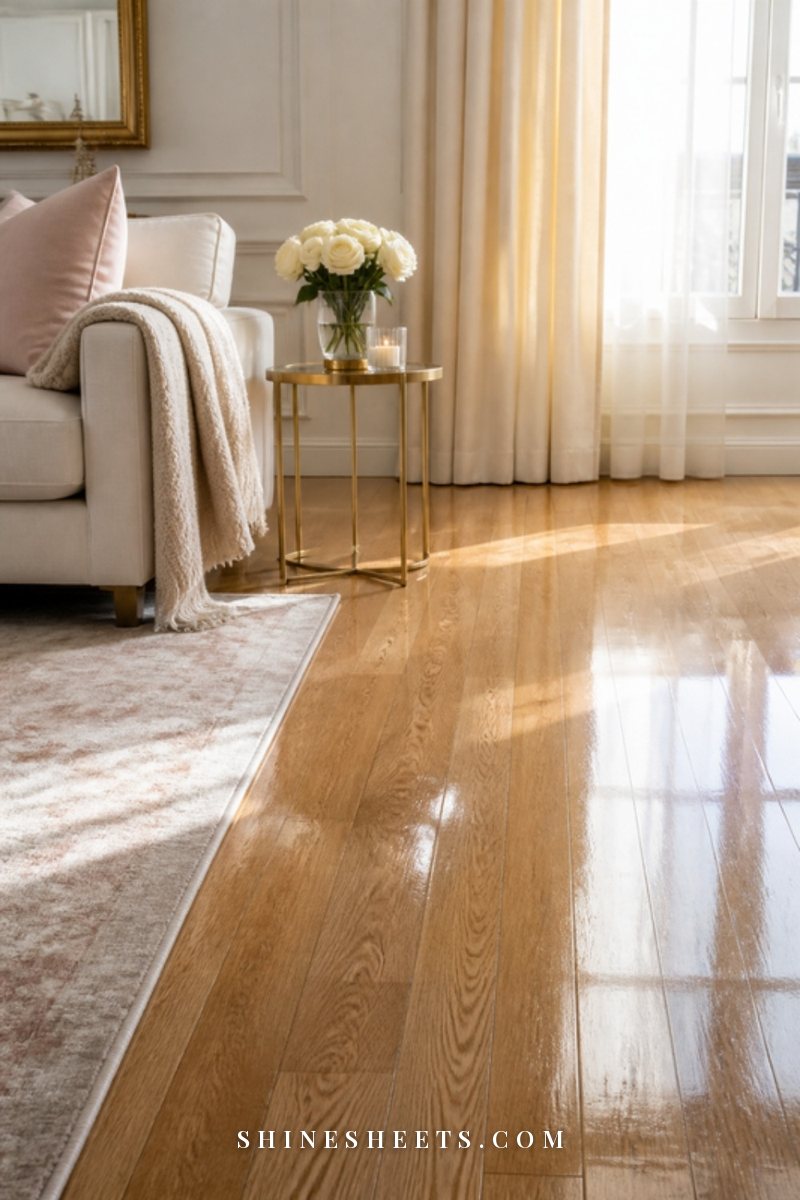
If you only remember one thing from this guide, let it be this rhythm:
- Daily (5 minutes): a quick dry mop in the kitchen and entryway, where grit collects.
- Weekly (20–30 minutes): vacuum on the hard-floor setting, then a barely damp mop, then a dry wipe of any wet spots. Wipe the baseboards while you're down there so dust doesn't fall back onto clean floors.
- Monthly: wash mop pads and doormats, check felt pads, and do a gentle streak-removing pass if the floor looks hazy.
Want to fit this into everything else? My daily, weekly and monthly cleaning schedule shows where floors slot in with the rest of the house. And on days when the whole place feels like too much, my guide on cleaning a messy house fast reminds you that floors come last, after the clutter is off them.
A little admission: for a long time I saved floors for one big weekend session, and they always looked tired by Wednesday. Small, regular passes changed that completely, and it's so much nicer to light a glass candle in the evening and look at a floor that simply looks clean.
Final Thoughts
Laminate is one of the easiest floors to live with once you stop treating it like a floor that needs scrubbing. Dry first, damp second, never wet, and always dry as you go.
Keep the grit out, keep the pads fresh and keep the water light. Your floors will stay smooth, clear and lovely underfoot for years, with far less effort than you expected.