Shampoo bars aren't magic, and they aren't a gimmick either. They're simply shampoo without the water and the bottle, and whether you love one or give up after a week depends far more on which kind of bar you choose (and your water) than on your hair "getting used to it."
That's the part most glowing reviews skip. Some bars are true soap, some are gentle syndet bars that behave a lot like your liquid shampoo, and they act very differently on color-treated hair, fine hair and in hard water.
In this honest guide to shampoo bars, you'll find what they are, how they compare to liquid shampoo, who may struggle with them, a hair-type table to help you pick the right bar, how to use one properly, what the "adjustment period" really is (spoiler: not a detox), and five simple ways to make a bar last.
No pressure to switch, by the way. If your bottle works, it works. This is for the curious.
What Is a Shampoo Bar, Exactly?
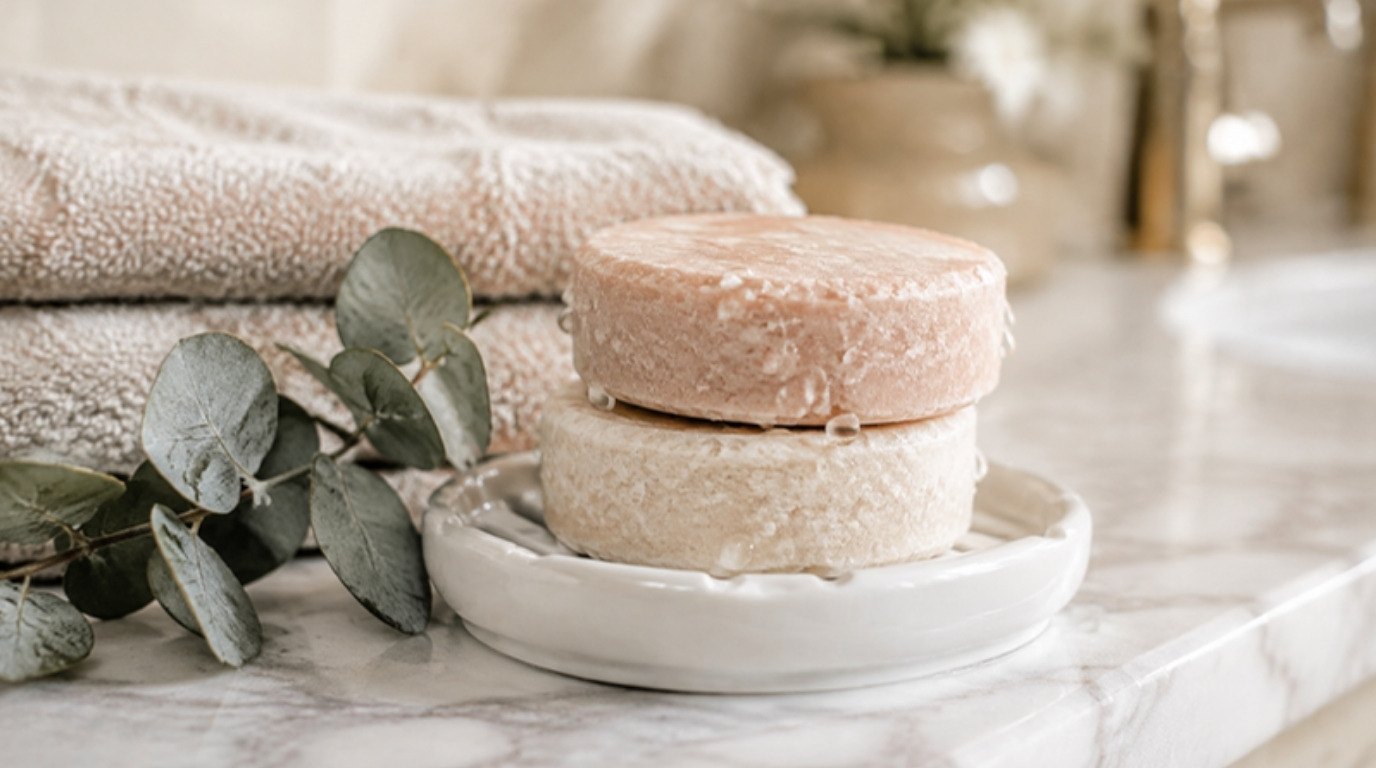
A shampoo bar is a solid, concentrated cleanser for your hair and scalp. Liquid shampoo is mostly water; a bar takes most of that water out and presses the cleansing ingredients into a firm shape. You wet it, rub it into a lather and wash your hair as usual.
The catch is that "shampoo bar" is a broad label. Two bars that look identical on a shelf can be made in completely different ways.
Soap-Based Bars vs Syndet Bars
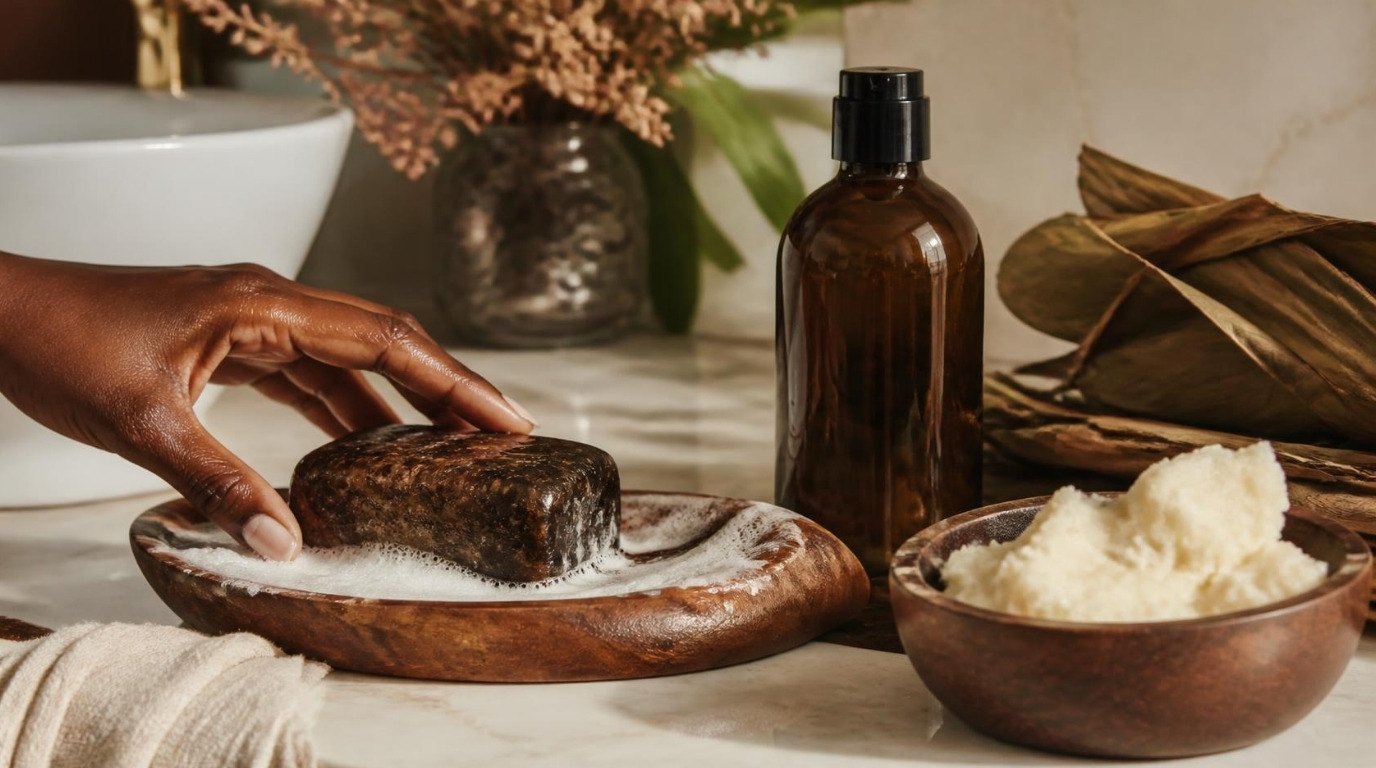
Soap-based bars are made the traditional way, by mixing oils or butters with lye (saponification). They often look rustic and list oils like "sodium olivate" or "sodium cocoate." They clean well, but true soap is naturally alkaline, and it can react with the minerals in hard water to leave a dull, waxy film.
Syndet bars ("synthetic detergent") use gentle surfactants, often the same kind of mild cleansers found in liquid shampoos, just pressed into a solid. Look for names like "sodium cocoyl isethionate" or "SCI" near the top of the ingredient list. These bars are usually pH-balanced, rinse cleanly even in harder water and feel much more familiar if you're coming from a bottle.
If you're new to bars, I'd choose a syndet bar first. It's the easiest, least surprising switch. A gentle syndet shampoo bar with a short, readable ingredient list and a mild scent is a calm place to start.
Why pH Matters (Briefly)
Your hair and scalp sit on the slightly acidic side. Products closer to that range help the outer layer of each strand (the cuticle) lie flat, which reads as smoothness and shine. Traditional soap is alkaline, which can rough up the cuticle a little, especially on color-treated or already-dry hair. That doesn't make soap bars "bad," but it explains why some people love them and others feel their hair turns straw-like.
Shampoo Bars vs Liquid Shampoo: The Honest Pros and Cons
Here's the balanced picture, without the hype.
The Pros
- Less packaging. Most bars come in paper or card, so you're not adding another plastic bottle to the recycling.
- Travel-friendly. No liquid limits, no leaks in your bag. A bar in a tin is one of the easiest things to pack.
- Long-lasting. Because it's concentrated, a well-cared-for bar often lasts as long as one or two bottles (sometimes longer for short hair).
- Space-saving. One small bar on a dish instead of a crowded shower shelf.
- Often simple formulas. Many bars skip extras, which some people with a sensitive scalp appreciate (always check the full ingredient list).
The Cons
- Hard water residue. Especially with soap-based bars, minerals can leave hair feeling coated, heavy or tacky.
- A learning curve. Too much rubbing, too little rinsing or the wrong bar for your hair can make the first few washes feel off.
- A soggy-bar problem. Left in a puddle or in the shower stream, a bar melts away fast.
- Trial and error. It can take a couple of bars to find the one your hair actually likes.
If you've been wondering whether sulfates matter in all of this, my guide to sulfate-free shampoo explains what "gentle" really means on a label.
Who May Struggle With Shampoo Bars
Bars can work for every hair texture, but a few situations make the switch trickier. If one of these is you, it doesn't mean "never," it just means choose carefully.
- Very hard water. Soap bars plus mineral-heavy water is the most common reason people quit. A syndet bar, an occasional clarifying wash or a filtered shower head can help. My guide to hard water hair covers the signs and the easy fixes.
- Color-treated hair with soap bars. The alkaline nature of traditional soap may fade color faster or leave dyed hair feeling rough. A pH-balanced syndet bar labeled color-safe is the kinder pick.
- Very fine hair. Rich, butter-heavy bars can weigh fine hair down or leave it looking greasy at the roots. Look for lighter, clarifying-style syndet bars.
- Very dry, coily or curly hair. Some bars cleanse too strongly. A moisturizing syndet bar plus a good conditioner (bar or liquid) usually makes the difference.
- A sensitive or reactive scalp. Fragrance and essential oils show up a lot in bars. Patch test behind your ear or on your inner arm before using a new one, and stop if your scalp itches, burns or turns red.
Which Shampoo Bar Suits Your Hair Type
This table is the heart of the guide. Find your row, screenshot it and take it shopping.
| Hair type | Bar type to look for | What to watch for | Tip |
|---|---|---|---|
| Fine or flat | Light syndet bar, "volumizing" or "balancing" | Heavy butters and oils near the top of the list | Glide the bar on roots only; let the lather rinse through the ends |
| Oily scalp | Clarifying or balancing syndet bar | Rich, moisturizing bars that leave roots heavy | Wash twice if needed: a quick first lather, then a proper second one |
| Dry or damaged | Moisturizing syndet bar, pH-balanced | Alkaline soap bars that rough up the cuticle | Always follow with conditioner on mid-lengths and ends |
| Curly or coily | Gentle, moisturizing syndet bar | Strong clarifying bars used every wash | Rub a lather in your hands first and work it into the scalp in sections |
| Color-treated | pH-balanced syndet bar labeled color-safe | Traditional soap bars and very hot water | Rinse with lukewarm water to keep color fresher for longer |
| Sensitive scalp | Fragrance-free or lightly scented syndet bar | Strong essential oils and heavy fragrance | Patch test first and introduce one new product at a time |
| Hard water area | Syndet bar rather than soap | Waxy, coated feeling after a few washes | Add an occasional clarifying wash and rinse extra well |
Still unsure what your hair needs in general? My guide to finding the right shampoo walks you through it in three easy steps, and the same logic applies to bars.
How To Use a Shampoo Bar the Right Way
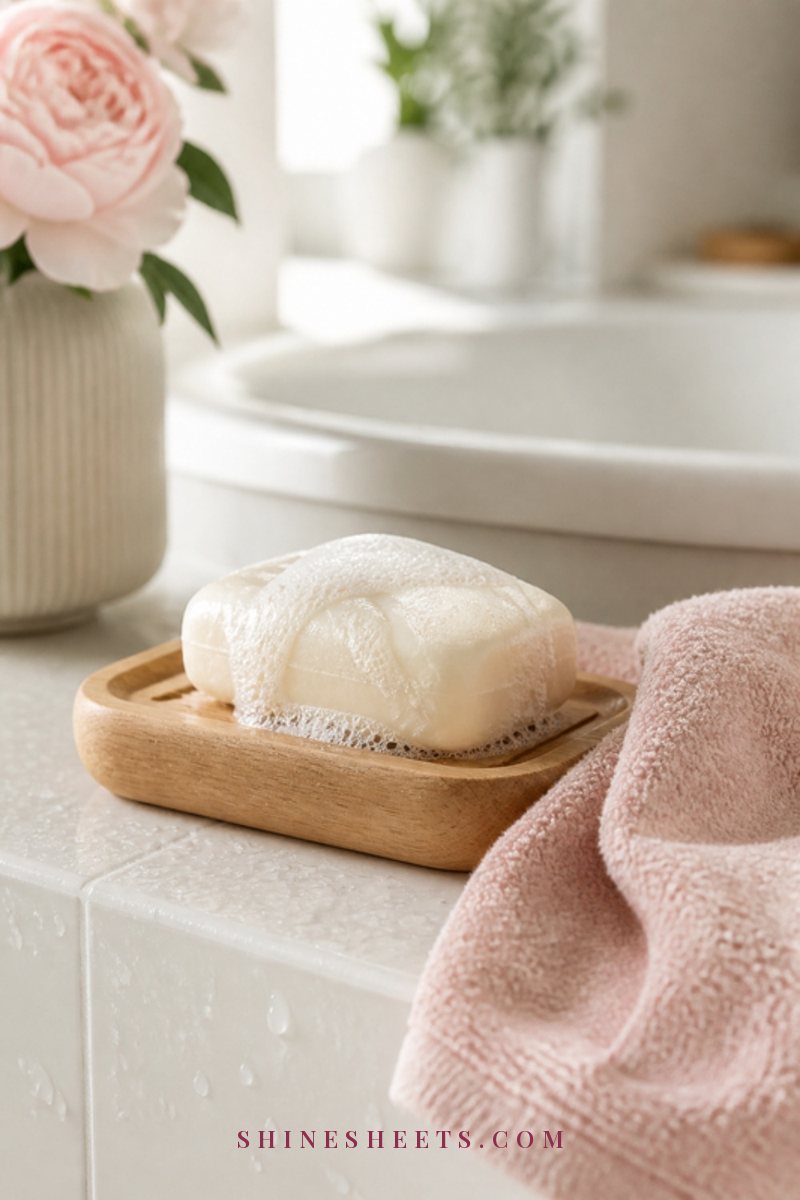
Most "shampoo bars don't work for me" stories come from technique, not the bar. Here's the simple method:
- Wet your hair really well. Spend a full 30–60 seconds getting it soaked through to the scalp. Bars need more water than liquid shampoo to lather.
- Make a lather. Either rub the wet bar between your hands for 5–10 seconds, or glide it directly over your roots 3–5 times. Fine hair usually does best with the hands method; thick or long hair often likes gliding it on in a few sections.
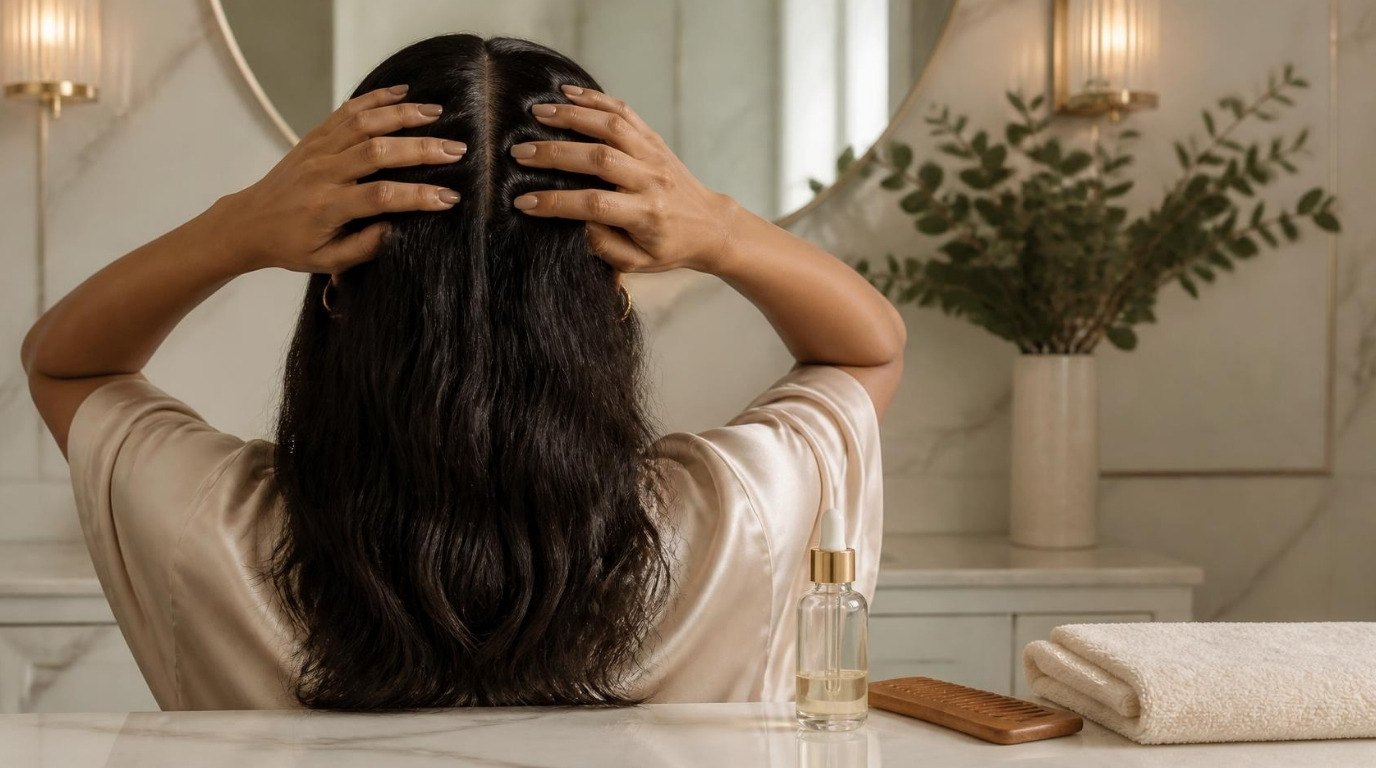
- Massage your scalp. Use your fingertips (not nails) in small circles for about a minute. Focus on the scalp; the suds will clean your lengths as you rinse.
- Rinse thoroughly. Rinse for longer than you think you need, at least a minute, lifting sections so water reaches the roots. Leftover product is the number one cause of that heavy, waxy feeling.
- Condition. Apply conditioner from mid-lengths to ends, leave it for a minute or two and rinse.
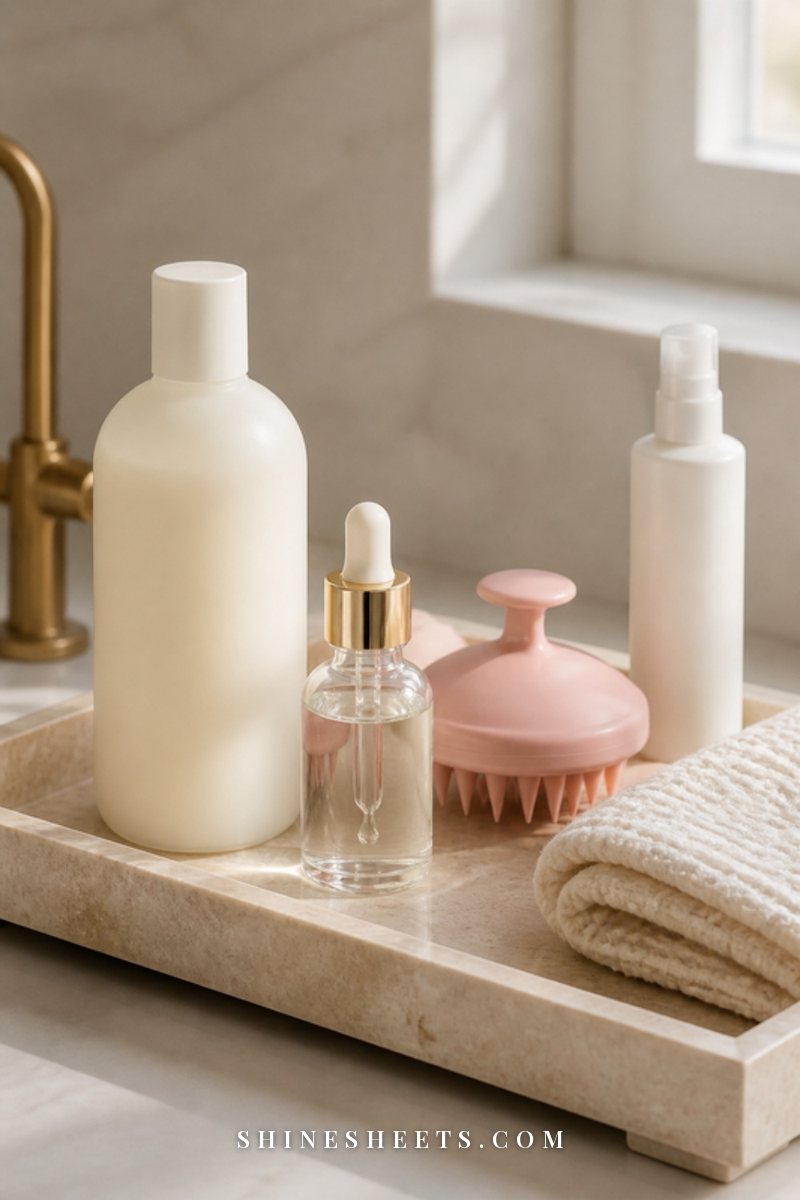
A soft silicone scalp massager can help work the lather in evenly if your hair is thick, and it feels lovely. For more scalp love, my weekly scalp care routine is a gentle place to start.
Do You Still Need Conditioner?
Most of us, yes. A shampoo bar cleans; it doesn't replace conditioner, no matter how creamy the lather feels. You can keep your usual liquid conditioner, or try a solid conditioner bar to keep things bottle-light.
To use a conditioner bar, glide it over wet mid-lengths and ends a few times (not the roots), then work it through with your fingers or a wide-tooth comb while it's still in. Leave it for a minute, then rinse. Detangling gently while conditioner is in is much kinder to hair than combing it out afterward.
The Adjustment Period, Explained Honestly
You'll often read that hair needs a "detox" or a "transition" of two to four weeks when switching to bars. I'd gently push back on that wording, because it can keep people struggling with the wrong product for a month.
What Is Actually Happening
When hair feels strange in the first week, it's usually one of these:
- Silicone or styling build-up. If your old shampoo or conditioner had silicones, a gentle bar may not lift them right away, so hair can feel coated or limp.
- Hard water residue. Soap and minerals form a film that makes hair feel tacky, dull or "never quite clean."
- Too much product or too little rinsing. Rubbing the bar on for too long or rinsing quickly leaves residue behind.
- The wrong bar for your hair. A rich bar on fine hair or a strong one on dry hair won't get better with time.
And here's how to tell the switch is going well:
- Your scalp feels clean and comfortable, not tight or itchy, the day after washing.
- Your lengths feel soft when dry, with no tacky or "candle wax" texture when you run your fingers through.
- Your hair stays fresh about as long as it did with your old shampoo (or longer).
- Detangling after conditioner feels as easy as before.
Your scalp isn't "purging toxins," and your oil glands aren't being re-trained. If hair still feels off after about two weeks of good technique, that's information, not failure. It's the bar or the water, and it's fine to switch.
An Optional Clarifying Wash or Acidic Rinse
Two gentle ways to give the switch a clean start:
- A clarifying wash. Wash once with a clarifying shampoo right before your first bar wash, to lift old silicones and build-up. My guide to clarifying shampoo explains how often is too often.
- An acidic rinse. If you're using a soap-based bar, a diluted vinegar rinse (about 1 tablespoon of apple cider vinegar in 1 cup of water) poured over the lengths after washing can help smooth the cuticle and cut through soap film. Leave it for a minute, then rinse with plain water. Keep it out of your eyes, skip it on irritated or broken skin and stop if your scalp stings.
How To Switch Without Giving Up After the First Week
A slow, low-drama switch is far more likely to stick. Here's a simple two-week plan:
- Days 1–3: Do one clarifying wash, then use your bar on your normal wash days. Keep your usual conditioner so only one thing changes.
- Days 4–7: Pay attention to technique: more water, fewer swipes, longer rinse. Notice how your roots and ends feel the day after washing.
- Days 8–14: If hair feels coated, try an extra-long rinse or one acidic rinse (for soap bars). If it feels dry, add a little more conditioner on the ends.
- After two weeks: If it still isn't working, try a different type of bar (soap to syndet is the usual switch) rather than pushing through another month.
And if you decide bars aren't for you, that's a completely fair result. Keeping a bar just for travel is a lovely middle ground.
Quick Answers to Common Shampoo Bar Questions
Are Shampoo Bars Better for Your Hair Than Liquid Shampoo?
Not automatically. A good syndet bar and a good liquid shampoo can clean in a very similar way, because they often use similar gentle surfactants. The real differences are packaging, convenience and how the formula suits your hair and water. A bar isn't "cleaner" just because it's solid, and a bottle isn't "worse" just because it's liquid.
Can You Use a Shampoo Bar on Your Body Too?
Many people do, especially when traveling, and a gentle bar usually won't cause trouble. Still, shampoo bars are designed for the scalp, so if your skin is dry or sensitive (mine is, on and off), a dedicated body wash or cleansing bar is the kinder everyday choice.
How Long Does One Shampoo Bar Last?
It depends on your hair length, how often you wash and, above all, how well the bar dries between washes. A small bar might last a few weeks on long, thick hair washed often, and a couple of months on short hair. The five tips below can make a real difference here.
Are Shampoo Bars Okay for Curly and Coily Hair?
Yes, with the right bar. Moisturizing syndet bars tend to suit curls and coils best. Work the lather into the scalp in sections, keep the bar off your ends and follow with a generous conditioner. If hair feels dry or rough after a few washes, the bar is probably too clarifying for everyday use, so save it for once a week and use a gentler one in between.
Do Shampoo Bars Help With an Oily Scalp?
A balancing or clarifying bar can leave an oily scalp feeling fresh, but no bar changes how much oil your scalp makes. What helps most is washing as often as your scalp needs, rinsing thoroughly and keeping heavy conditioner away from the roots.
5 Tips To Make Your Shampoo Bar Last Longer
A bar's biggest enemy is water when you're not using it. These five habits can easily double its life:
- Let it dry between uses. After washing, give it a quick shake and let it air-dry fully before the next shower. A bar that never dries turns mushy and dissolves fast.
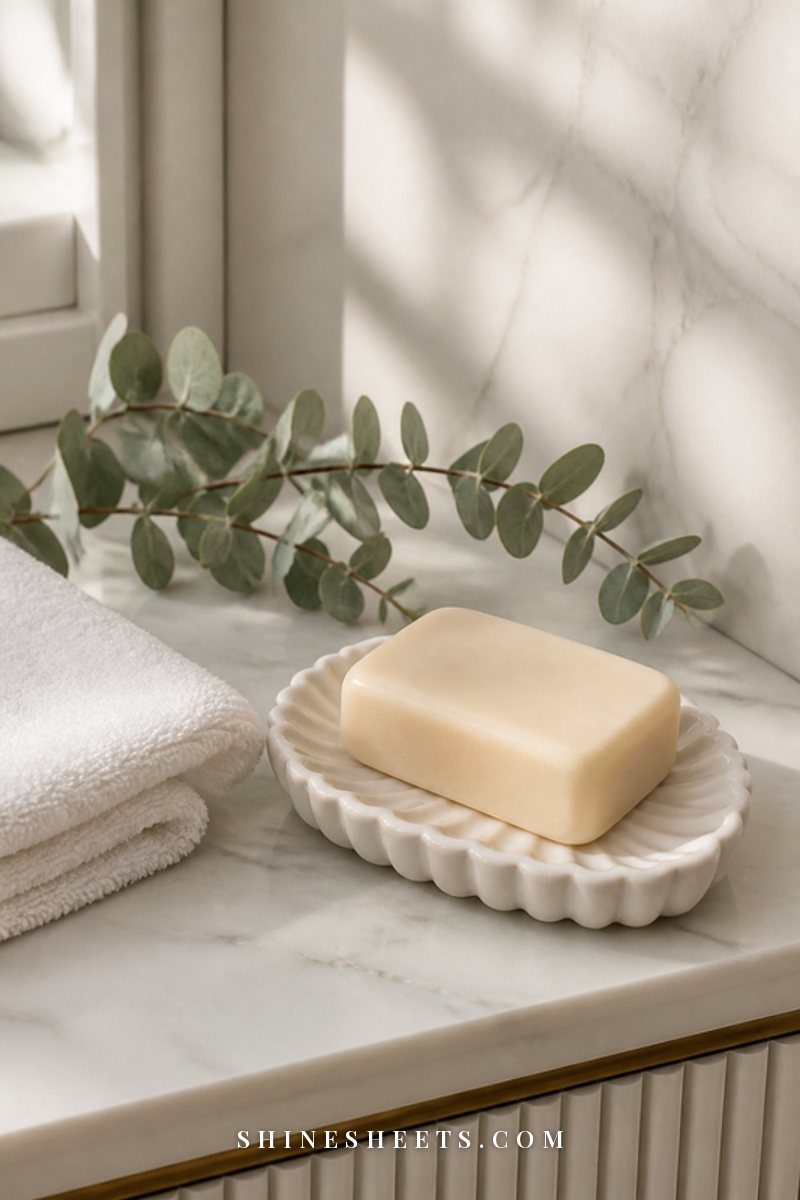
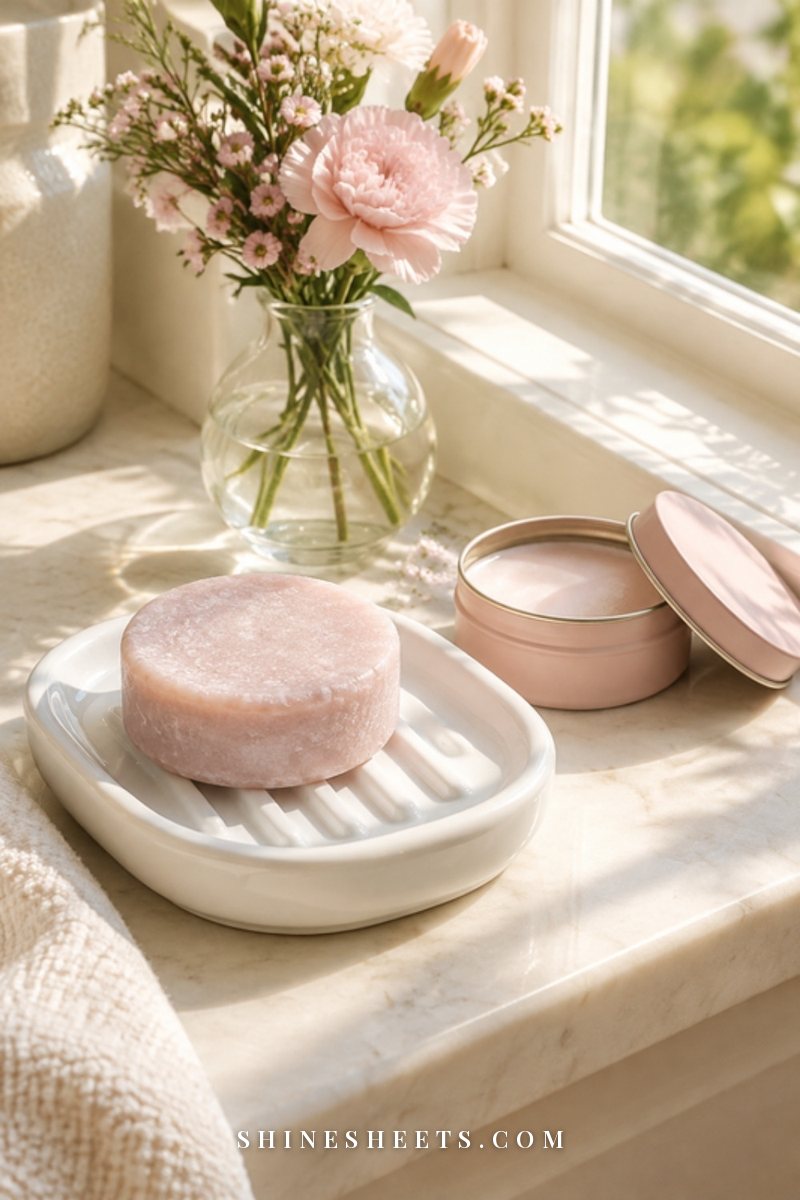
- Use a draining soap dish. A dish with ridges or holes keeps the bar out of its own puddle. A white ceramic draining soap dish looks pretty and does the job.
- Cut it into pieces. Slice a new bar in half or thirds with a clean knife. Use one piece at a time and keep the rest dry in a drawer.
- Keep it out of the shower stream. Place the dish on a shelf or ledge where the water doesn't hit it while you shower.
- Use a travel tin, but let it breathe. A blush travel tin is perfect for trips and the gym. Pop the bar in only once it's mostly dry, and open the tin again as soon as you arrive so it doesn't sit damp.
Final Thoughts
Shampoo bars can be a lovely, low-waste switch, but only when the bar fits your hair and your water. Start with a gentle syndet bar, give your technique a fair two weeks and treat any odd feeling as a clue rather than a test of willpower.
Whether you end up with a bar on your windowsill or simply one in your travel bag, you'll know exactly why it works for you, and that's the best kind of hair routine.