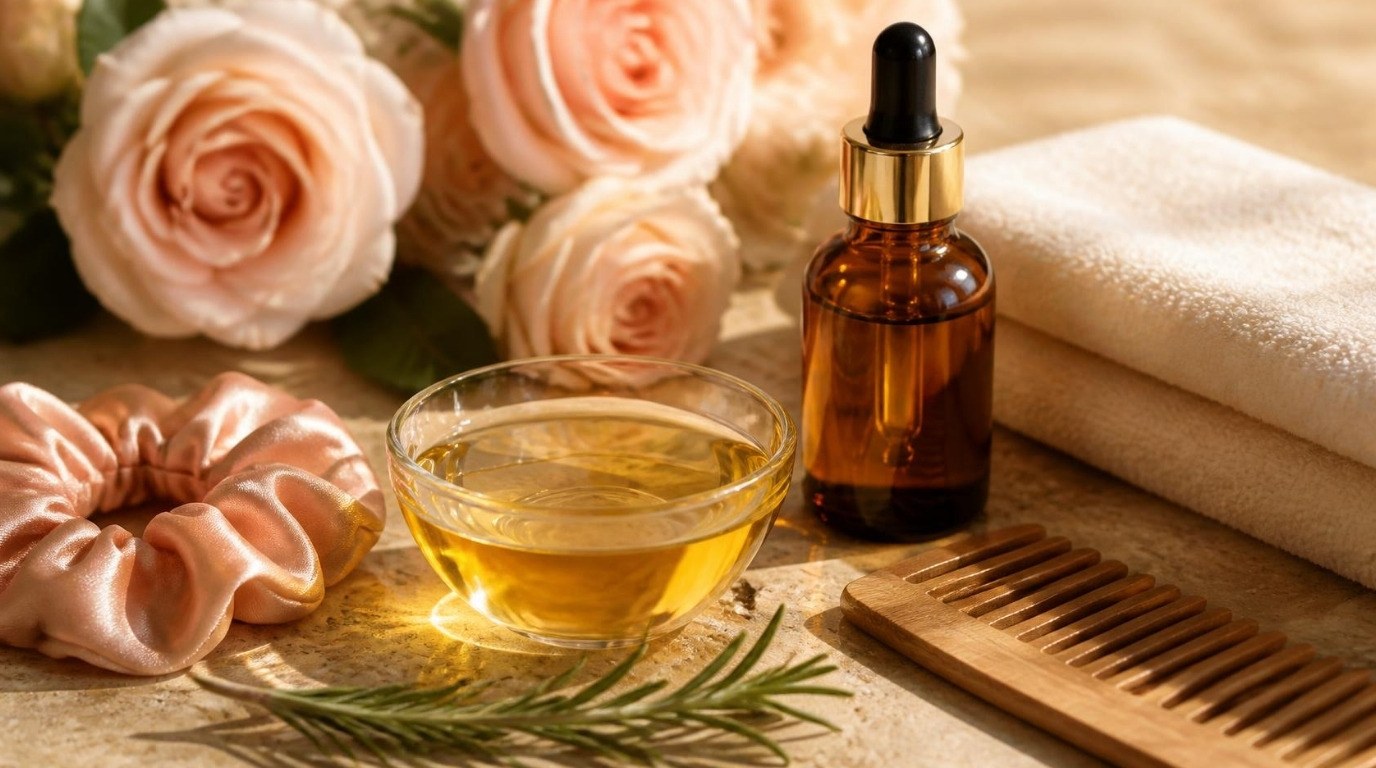
Argan oil is one of the few hair oils that earns its reputation, as long as you ask it to do the right job. It's wonderful at making hair look shinier, feel softer and frizz less, and it's a lovely shield for dry, fragile ends. What it can't do is regrow hair or glue split ends back together, no matter how golden the bottle looks.
The difference between "this oil changed my hair" and "this oil made my hair greasy" usually comes down to three things: how much you use, where you put it and which kind you bought. A few drops in the right place go a long way. A teaspoon in the wrong place goes straight to limp.
This guide covers argan oil for hair from the ground up: what's actually in it, what it can and can't realistically do, five ways to use it, how many drops suit your hair type, pure oil vs silicone blends, how to spot good quality, and who should go lighter. There's a simple drops-by-hair-type table in the middle for when you just want the answer.
I'm a big believer in small amounts and honest expectations with any oil. Let's start with what it is.
What Is Argan Oil?
Argan oil is pressed from the kernels inside the fruit of the argan tree, which grows mainly in southwestern Morocco. The kernels are small and hard, and getting the oil out takes time and care, which is part of why the real thing costs more than many other oils.
There are two main kinds. Culinary argan oil is made from roasted kernels and has a nutty smell. Cosmetic argan oil, the kind meant for hair and skin, is pressed from unroasted kernels and smells very mild, slightly nutty or almost like nothing.
What's inside matters for how it behaves on hair:
- Oleic acid (an omega-9 fatty acid), which gives a soft, smoothing feel.
- Linoleic acid (an omega-6 fatty acid), which keeps the oil fairly light and quick to absorb compared with heavier oils.
- Vitamin E (tocopherols), a natural antioxidant that also helps the oil itself stay fresh longer.
- Plant sterols and polyphenols in smaller amounts.
That mix makes argan oil a medium-weight oil: richer than very light oils, lighter than thick ones like castor oil. It sits on the surface of the strand and smooths it, which is exactly where its benefits come from.
What Argan Oil Can Realistically Do for Hair
Here's what you can expect when you use it well. These are cosmetic benefits, meaning they change how your hair looks and feels while the oil is on it.
- More shine. A thin layer of oil smooths the outer cuticle so light reflects more evenly. Dull hair looks glossier almost instantly.
- Softer feel. Rough, dry lengths feel silkier and more flexible.
- Less frizz. By coating the strand, oil slows down how fast hair absorbs moisture from humid air, so it puffs up less. If frizz is your main battle, my guide to frizzy hair covers the full routine around it.
- Protection for dry ends. A few drops on the ends reduce friction from brushing, clothes and pillows, which means less wear on the oldest, most fragile part of your hair.
- Easier detangling. Hair with a bit of slip tangles less and lets a comb glide through.
What Argan Oil Can't Do
This part matters just as much, because a lot of disappointment comes from big promises.
- It can't regrow hair. There's no solid evidence that argan oil makes hair grow faster or thicker, or that it reverses hair loss. If you're noticing thinning, a dermatologist is the right person to see.
- It can't repair split ends. Once a strand has split, nothing truly fuses it back. Oil can make the ends look smoother for a while, but only a trim removes a split. My guide on how to fix split ends explains what you can smooth and what only scissors can solve.
- It isn't a heat protectant on its own. Plain oil on hair before hot tools can actually make it feel fried. Use a proper heat protectant and save the oil for after styling.
- It can't replace conditioner. Oil seals and smooths. Conditioner detangles and moisturizes. They work best together.
Keep these in mind and you'll love argan oil for exactly what it is: a beautiful finisher and protector.
5 Ways To Use Argan Oil for Hair
You don't have to use all five. Pick the one or two that fit your hair and your routine, and start with the smallest amount.
1. A Few Drops on Damp Ends
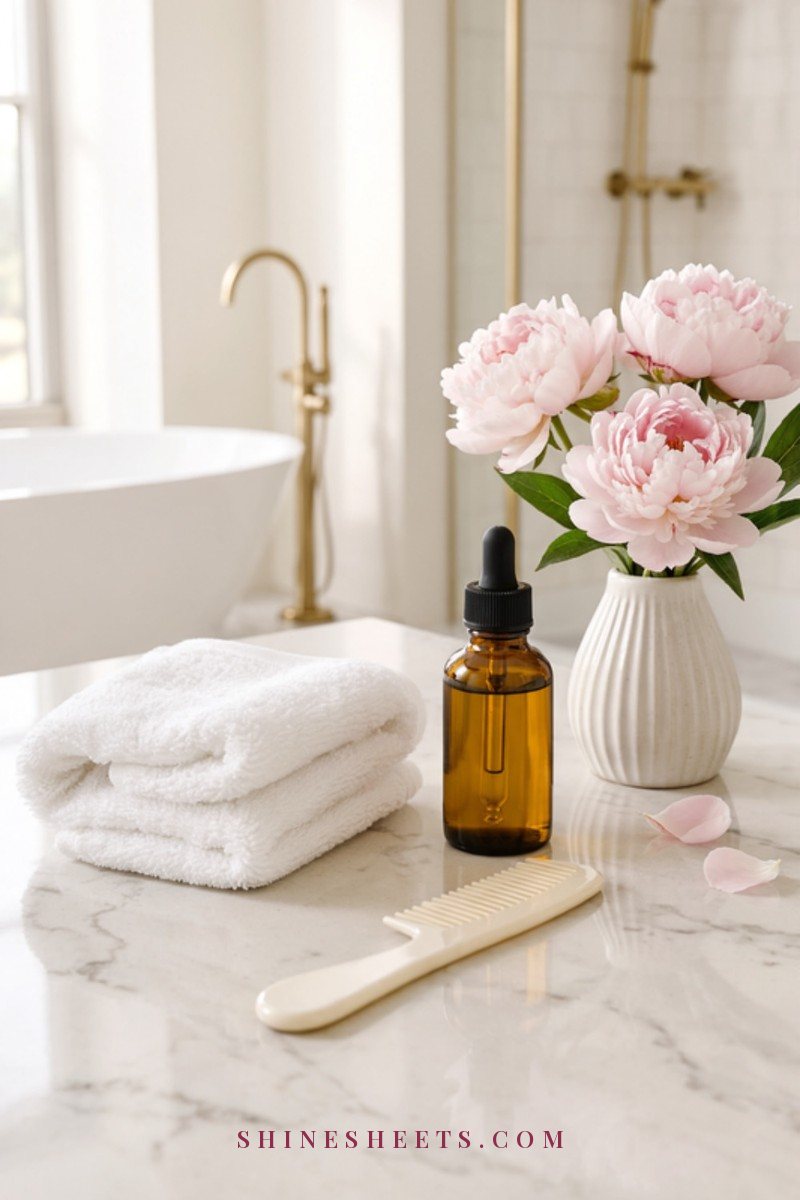
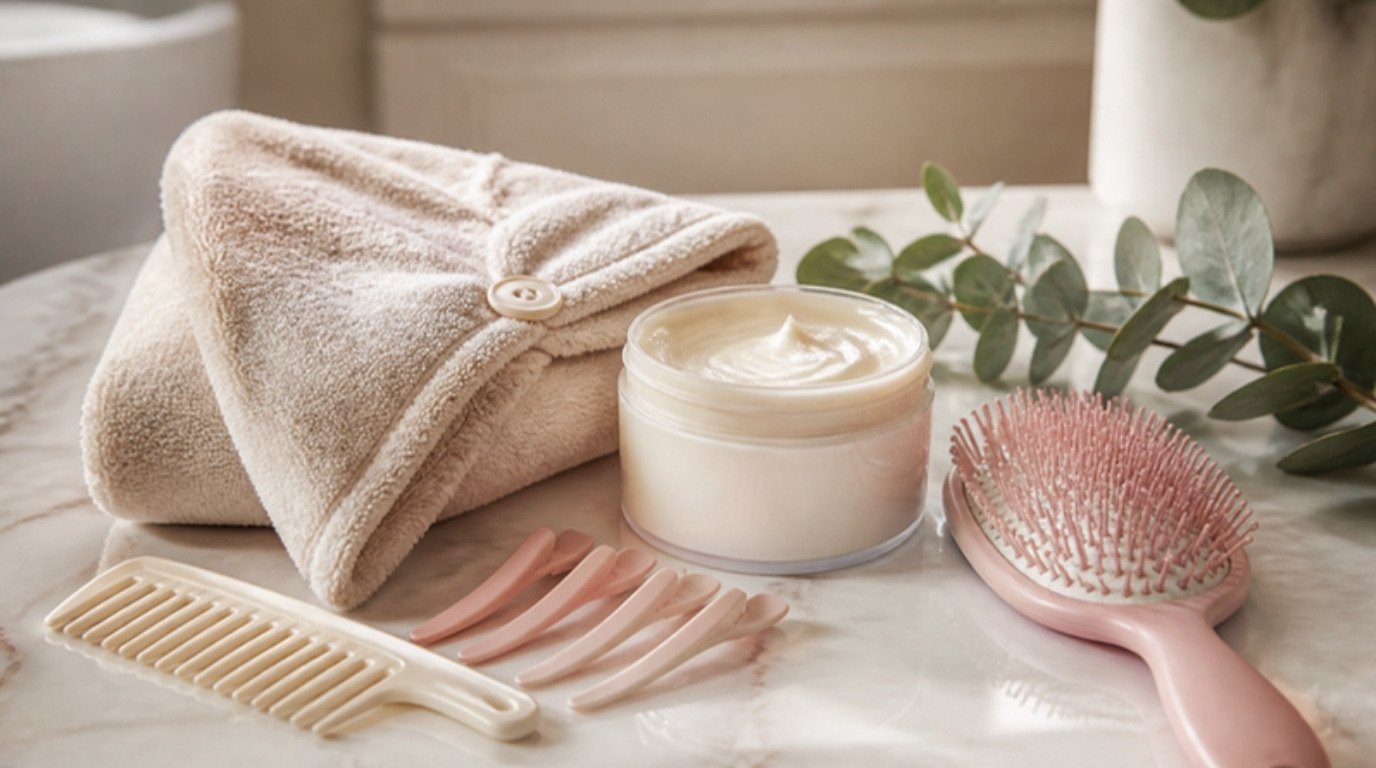
This is the most useful way for most people. After washing, squeeze out water and blot gently with a white microfiber hair towel. Warm one to three drops of pure cold-pressed argan oil between your palms, then press it into the last few inches of your hair. Comb through with a wide-tooth comb in cream to spread it evenly.
Applying it to damp hair helps lock in the water already in the strand, and it spreads more easily than on dry hair. Keep it well away from your roots.
2. A Finishing Shine on Dry Hair
Once your hair is dry and styled, rub a single drop between your palms until they feel almost dry, then lightly smooth your hands over the surface and through the ends. This tames flyaways and adds a soft gloss without looking wet.
The trick is "less than you think." If your palms look shiny, you have too much. Wipe a little off on a towel first.
3. A Pre-Wash Treatment
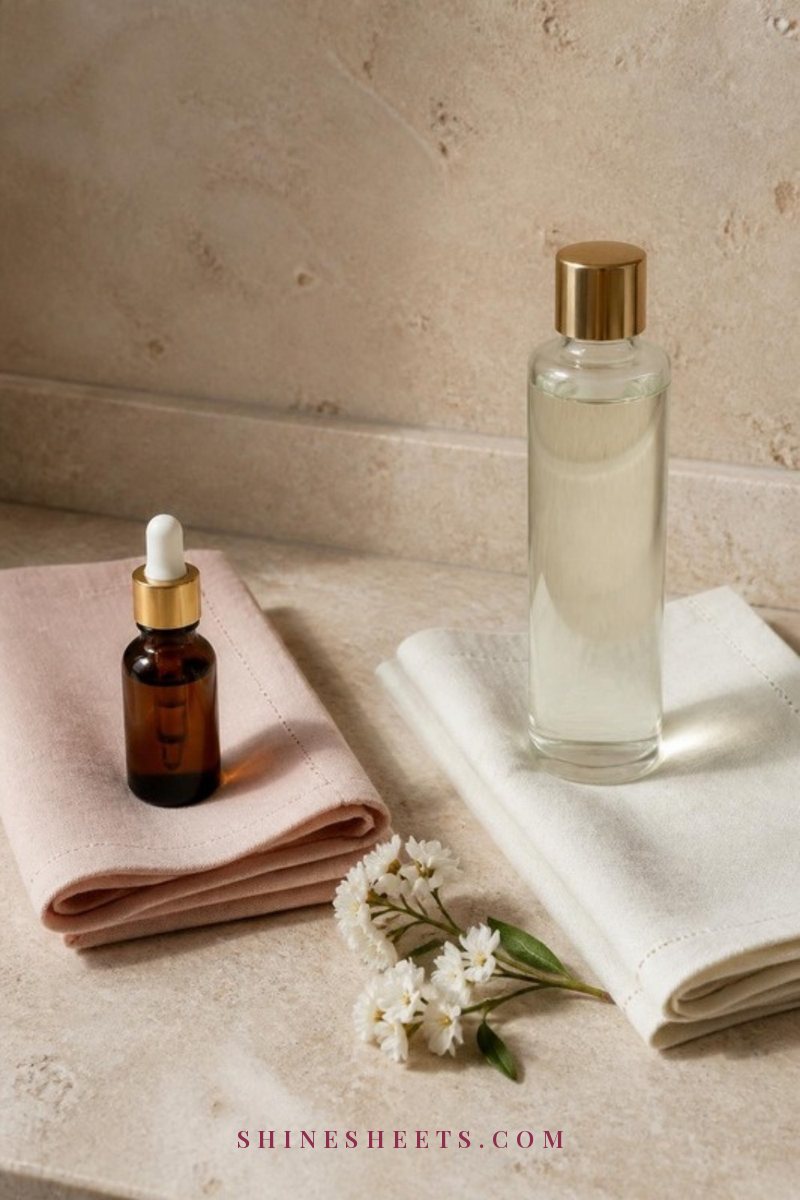
For very dry or rough lengths, apply argan oil 30 minutes to a couple of hours before washing. Use enough to coat the mid-lengths and ends lightly (often half a teaspoon to one teaspoon for long hair), then loosely gather your hair with a soft tie.
Shampoo as usual afterward. You may need to lather twice to remove it all from the lengths, but focus the shampoo on your scalp and let the suds do the rest. A pre-wash treatment helps protect the lengths from the slightly drying effect of shampoo. If you'd like a full step-by-step oiling ritual with other oils too, my guide to hair oiling walks through it in detail.
4. Mixed Into Your Hair Mask
Add two to four drops of argan oil to a scoop of your usual hair mask or rich conditioner in your palm, mix, and apply to mid-lengths and ends. Leave it on for the time your mask recommends, then rinse with lukewarm water.
This is a nice option if you don't want oil sitting on your hair all day, but your lengths are begging for a little extra softness. Once a week is plenty.
5. Light Scalp Use (Only If Your Scalp Isn't Oily)
If your scalp tends to feel dry and tight (not flaky from a skin condition, just dry), you can massage two or three drops into the scalp with your fingertips before washing. Leave it for 15 to 30 minutes, then shampoo thoroughly.
Please skip this one if your scalp gets oily quickly, if you're prone to dandruff, or if you have any irritation. Oils can feed the yeast linked to dandruff and make flakes worse for some people. Persistent itching, flaking or redness is a reason to see a dermatologist, not to add more oil.
How Much Argan Oil To Use by Hair Type
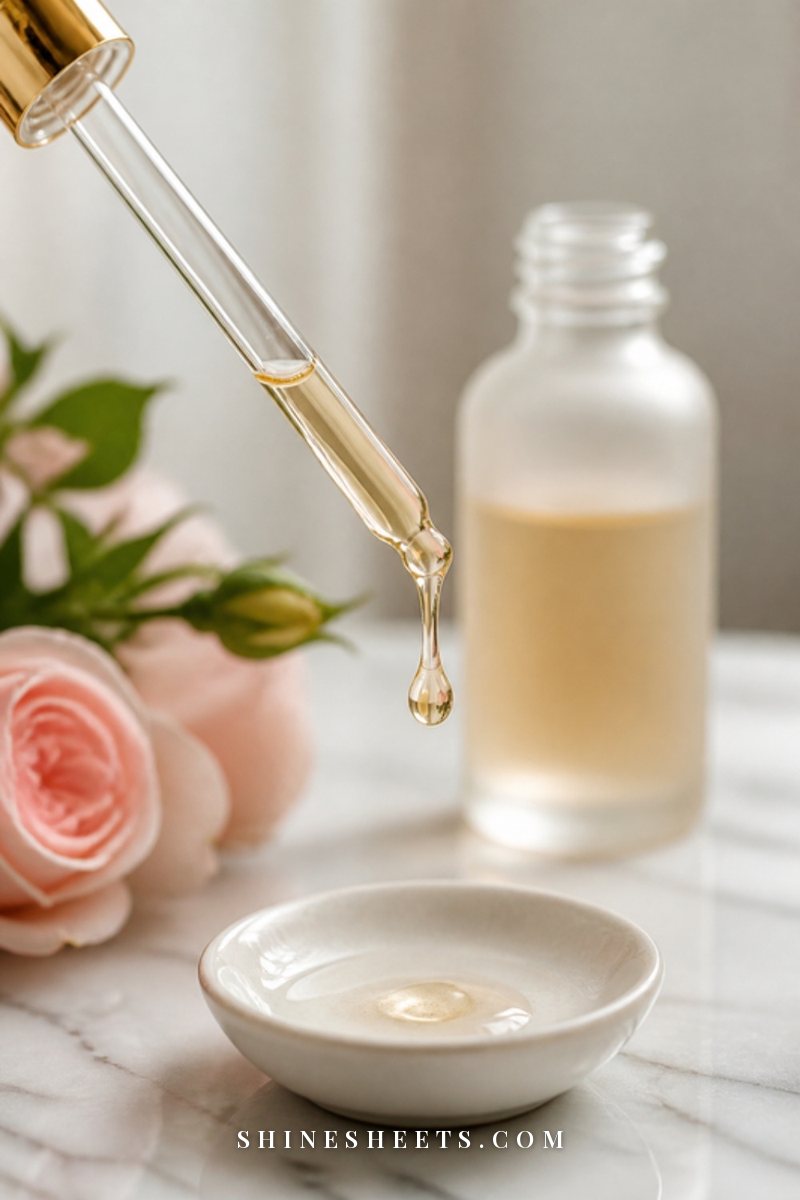
Amounts are where argan oil goes right or wrong. These are starting points for shoulder-length hair, so add a drop or two for longer hair and take one away for shorter hair.
| Hair type | How many drops | When to apply | What to avoid |
|---|---|---|---|
| Fine or thin | 1 drop (2 at most for long hair) | Dry ends only, or mixed into a mask | Roots, damp application in large amounts, daily heavy layers |
| Medium | 2 to 3 drops | Damp ends after washing, 1 drop to finish | Applying near the scalp, layering with other oils |
| Thick or coarse | 3 to 5 drops | Damp lengths and ends, pre-wash treatment | Skipping conditioner and relying on oil alone |
| Wavy or curly | 2 to 4 drops | Over leave-in on soaking wet hair to seal | Applying to dry curls (can cause frizz and separation) |
| Coily | 4 to 6 drops or more | After water and leave-in, as a sealing step | Using oil on dry hair without moisture underneath |
| Oily scalp, any type | 1 to 2 drops | Ends only, ideally in the evening | Any scalp application |
If your hair feels coated or looks stringy a few hours later, cut the amount in half next time. It's always easier to add one more drop than to wash out too many.
Pure Argan Oil vs Blends With Silicones
Walk down any hair aisle and you'll see "argan" on many bottles. Some are pure oil. Many are blends where argan is one ingredient among several, often with silicones. Neither is wrong, they just behave differently.
- Pure argan oil has one ingredient: Argania spinosa kernel oil. It's nourishing and natural-feeling, a little richer on the hair, and better for pre-wash treatments and mixing into masks.
- Silicone blends (look for ingredients ending in "-cone" or "-siloxane" near the top of the list) feel very slippery and silky, give a glassy shine and don't go greasy as easily. They're great finishers, especially on fine hair, but they don't add much nourishment by themselves and can build up if you never use a clarifying shampoo.
- Argan leave-ins are a third option: a cream or spray with a little argan oil in a water-based formula. An argan-infused leave-in conditioner is a good pick for anyone who finds pure oil too heavy but still wants some softness.
Not sure whether you need an oil or a serum in the first place? My comparison of hair serum vs hair oil breaks down which one suits which hair need.
How To Spot Good-Quality Argan Oil
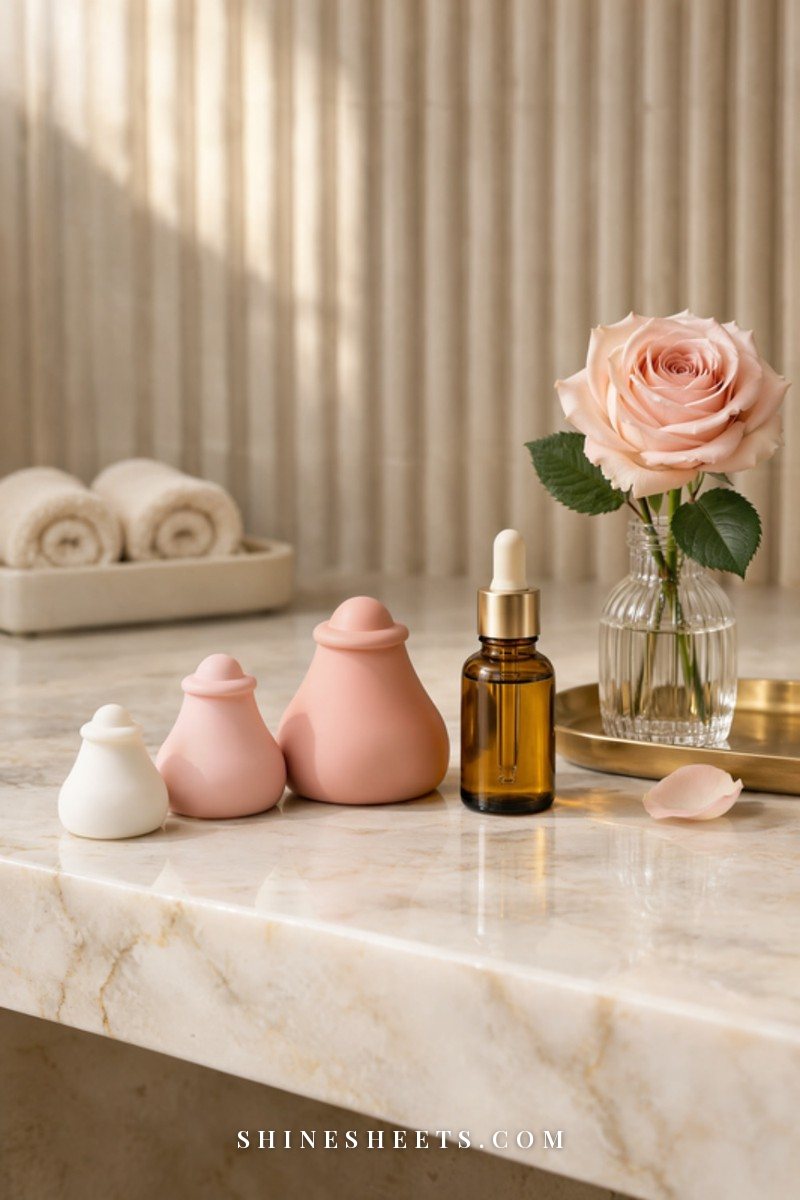
Because real argan oil takes effort to produce, it's often diluted or swapped for cheaper oils. A few things to look for:
- Cold-pressed. This means the oil was pressed without high heat, which keeps more of its natural compounds.
- A single ingredient. The label should list only Argania spinosa kernel oil. If it lists other oils, fragrance or silicones, it's a blend.
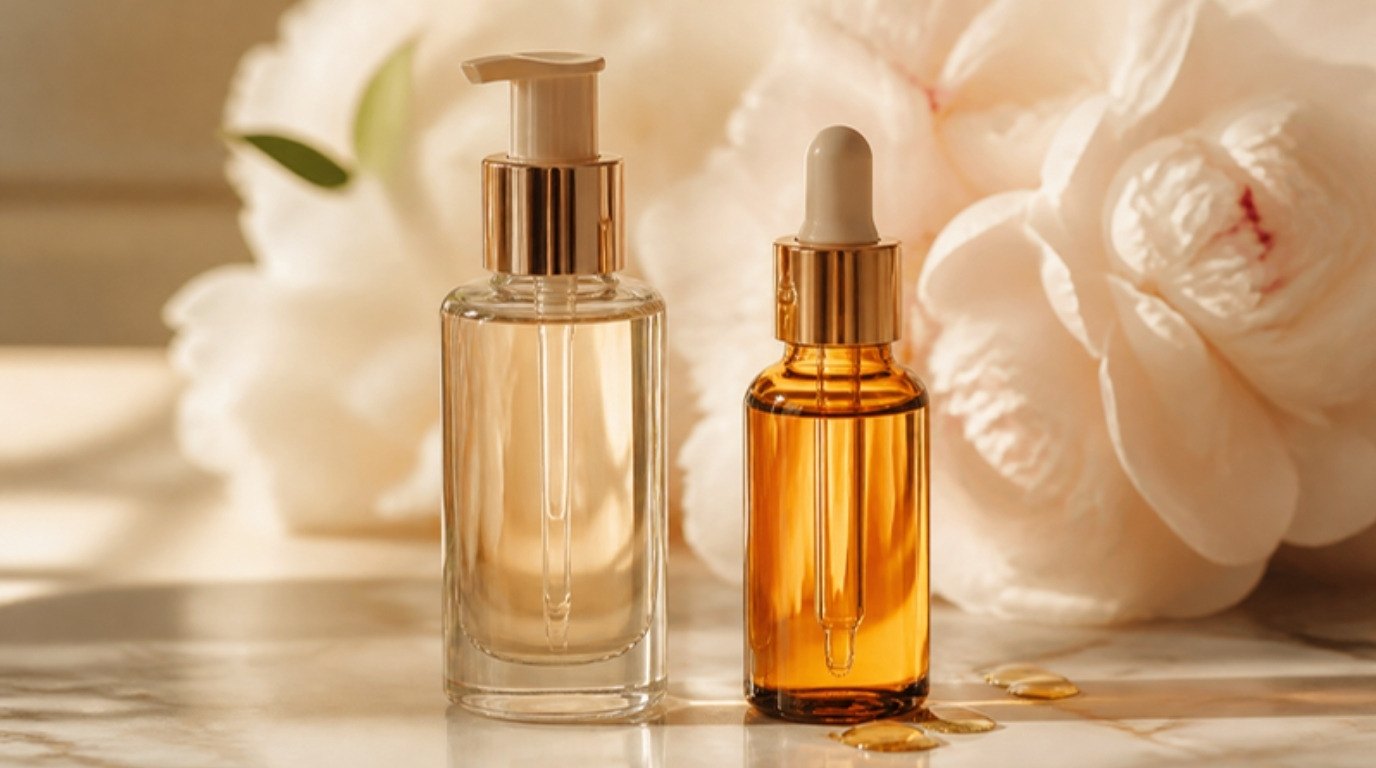
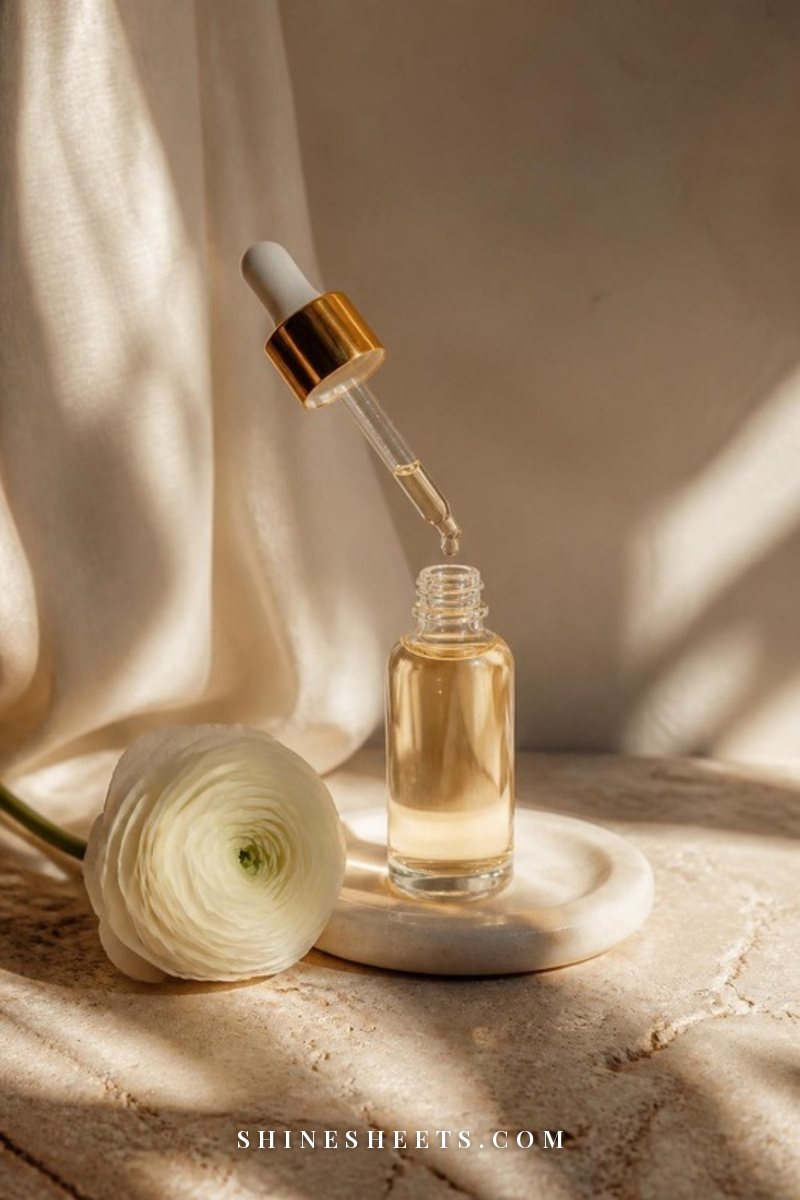
- Dark glass. Amber or dark glass protects the oil from light, which can make it go stale faster. Clear plastic is a small red flag.
- A gentle color and smell. Cosmetic argan oil is usually pale golden-yellow and smells very mild. A strong roasted smell suggests culinary oil; no smell at all and a watery texture may mean it's been heavily refined or diluted.
- Absorbs reasonably well. A drop rubbed on the back of your hand should sink in within a minute or two, leaving a soft, not sticky, feel.
- A realistic price. Very cheap large bottles are rarely pure.
Store it with the lid tight, away from the sunny windowsill and the steamy shower, and try to use it within about a year of opening. If it starts to smell sharp or like old crayons, it's gone rancid and should be replaced.
Who Should Go Lighter
Argan oil is gentle, but it isn't for everyone in the same amount. You'll probably want to go easy if you have:
- Fine hair. Fine strands get weighed down fast. One drop on dry ends, or argan in a light leave-in, is usually enough.
- An oily scalp. Keep oil far from the roots, and apply in the evening so any extra settles overnight.
- Low porosity hair. If water beads on your hair and products tend to sit on top, oil can just sit there too and feel greasy. Apply it to damp hair, use very little, and consider lighter oils. My guide to hair porosity explains how to find out where you stand.
- Hair that's often styled with hot tools. Apply argan oil only after styling, never right before.
Thick, coarse, curly, coily, high porosity or very dry hair can usually handle more. Even then, add drops slowly and see how your hair feels by evening.
Safety: Patch Test and Nut Allergies
Argan oil is generally well tolerated, but a couple of kind precautions make sense.
- Patch test first. Put a small drop on the inside of your forearm or behind your ear and wait 24 to 48 hours. If you notice redness, itching, bumps or swelling, don't use it.
- Nut allergies. Argan oil comes from a tree nut kernel. Reactions are uncommon, but if you have a tree nut allergy, please check with your doctor or allergist before using it.
- Keep it away from your eyes. If it gets in, rinse with plenty of clean water.
- Scalp concerns. Flaking, itching, sores, sudden shedding or patchy thinning need a dermatologist, not a hair oil.
How To Fit Argan Oil Into Your Weekly Routine
You don't need argan oil every single day to see the benefits. A simple rhythm keeps hair soft without ever tipping into greasy.
- Every wash day: one to three drops on damp ends after conditioner and leave-in (more for thick, curly or coily hair).
- Between washes: a single drop smoothed over dry ends when they feel rough, or over the surface to calm flyaways.
- Once a week or less: a pre-wash treatment or a few drops mixed into your mask, whichever you prefer. Doing both in the same week is usually too much for anything but very dry hair.
- Every few weeks: a clarifying wash if you use oil often, especially alongside silicone styling products, so nothing builds up.
Give any new routine two to three weeks before judging it. Hair often needs a few washes to settle, and you'll quickly learn whether your ends want one drop more or one drop less. Seasons matter too: many people need a little more oil when the heating is on and the air is dry, and less in humid weather.
Common Argan Oil Mistakes
Most "argan oil didn't work for me" stories come from one of these. If any sound familiar, it's an easy fix.
- Using too much. The most common one by far. Start with one or two drops.
- Applying at the roots. Unless your scalp is dry, oil belongs on the lengths and ends.
- Putting it on right before hot tools. Use heat protectant before styling and oil after.
- Applying to dirty, product-heavy hair. Oil on top of buildup just adds more buildup. A clarifying wash every few weeks helps.
- Expecting growth. Enjoy the shine and softness; leave growth questions to a dermatologist.
- Leaving a heavy layer on overnight. If you leave oil in overnight, sleep on an old pillowcase or a satin pillowcase in blush you wash often, and keep the amount small.
Final Thoughts
Argan oil for hair is at its best when you treat it like a finishing touch rather than a cure. A drop or two on your ends after washing, a little gloss on dry hair, an occasional pre-wash treatment, and you'll see the softness and shine it's loved for.
Choose a pure, cold-pressed oil in dark glass, match the amount to your hair, and let your hair tell you when it's had enough. Small amounts, honest expectations and a little patience are what make this golden oil work beautifully.