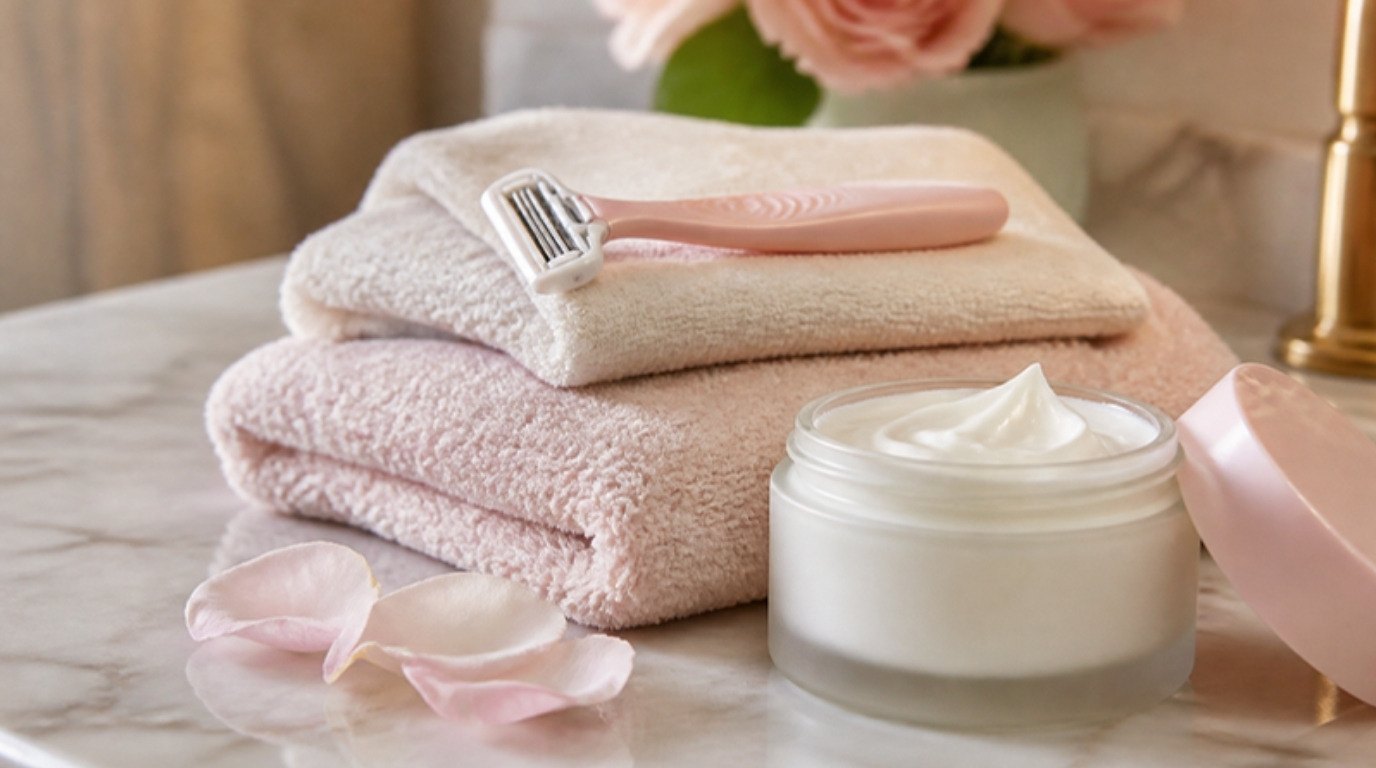
Under-breast sweat isn't a sign that you're doing anything wrong. It's simple physics: two areas of warm skin resting against each other, a band of fabric holding everything in place, and nowhere for moisture to escape. Add a warm office, a brisk walk or a workout, and that little fold becomes the dampest spot on your body.
The good news is that it responds really well to small, boring habits. Not a dramatic product overhaul, not a complicated routine – just drying properly, choosing fabrics that breathe and giving your skin a few minutes of air every day. It took me a while to understand that most of the discomfort comes from moisture that sits there for hours, not from the sweat itself.
This guide is all about under-breast sweat: why it happens (for every bust size, by the way), a simple daily routine, seven habits that keep the area dry and comfortable, a situation table you can screenshot, and the signs that mean it's time to let a doctor take a look. Everything here is gentle, body-kind and easy to fit into a normal day.
Why Under-Breast Sweat Happens
Your skin sweats to cool you down, and it does that everywhere. The difference under the breasts is that the sweat can't evaporate. In most places, moisture meets air and disappears within minutes. In a skin fold, it gets trapped between two warm surfaces, and the bra band often seals the edge like a little lid.
A few things make it more noticeable:
- Skin touching skin. Where skin rests on skin, warmth builds up and the surface stays damp. This happens with small, medium and large busts – it just depends on how your body is shaped and how your bra sits.
- Fabric that traps heat. Thick padding, foam cups and synthetic fabrics that don't wick moisture hold sweat right against your skin.
- Movement and friction. Walking, reaching and exercising make the skin rub gently all day. Damp skin plus friction is the combination that leads to chafing.
- Warm rooms and warm drinks. Heated offices, crowded trains, a long hot shower followed by getting dressed too quickly, even a big mug of evening tea – they all nudge your body temperature up.
- Hormones and stress. Many women notice more sweating at certain points in their cycle or on anxious days. I'm prone to anxiety myself, and on tense days I can feel the difference.
None of this is a hygiene failure. It's a design feature of the body that simply needs a little extra help with airflow. Once you think of it as a moisture problem rather than a cleanliness problem, the solutions start to make a lot more sense.
If you're working on freshness more broadly, my guide to body odor tips for staying fresh all day covers everything from head to toe. This article stays focused on this one small fold, because it deserves its own plan.
A Simple Daily Routine To Stay Dry

This is the routine I'd suggest to anyone dealing with under-breast sweat. It takes about three extra minutes and fits right into a normal shower.
- Wash gently. In the shower, use a mild, unscented body wash and your hands (not a rough scrub) to clean under each breast. Lift the breast with one hand so the water can actually reach the fold. Rinse well – leftover soap can itch once you start sweating.
- Pat, don't rub. Use a clean, soft towel and press it into the fold for a few seconds on each side. Rubbing can irritate skin that is already sensitive from friction.
- Dry completely. This is the step most of us rush. If the skin still feels even a little cool and damp, it isn't dry. A hairdryer on the cool setting, held about a forearm's length away for 20–30 seconds per side, is surprisingly helpful.
- Wait a minute before dressing. Put on your robe, brush your teeth, make the bed – just give your skin a minute or two in the air.
- Add a light barrier if you need one. A thin layer of an unscented cornstarch-based body powder can absorb moisture through the day. Tap a small amount onto a powder puff or your palm, apply it away from your face so you don't breathe it in, and keep the layer very thin – a thick layer can clump once it gets damp.
- Patch test anything new. Try any new powder, balm or cream on a small area of your inner arm for a day or two first. The skin in a fold is often more reactive than you expect.
On really warm days, a quick midday refresh helps: a cool damp cloth, a careful pat dry, and a fresh layer of powder if you use it. For the bigger picture of what your shower can do for your skin, my everything shower routine walks through every step in order.
7 Habits That Keep the Skin Under Your Breasts Comfortable
A routine handles the mornings. These habits handle the rest of the day. You don't need all seven at once – start with the two that feel easiest and build from there.
1. Choose Breathable Cotton or Moisture-Wicking Bras
Fabric matters more than almost anything else here. Cotton feels soft and breathes well for everyday wear, as long as you're not sweating heavily. For active days, hot days or long commutes, a moisture-wicking fabric pulls sweat away from your skin so it can evaporate instead of soaking in.
A good everyday option is a soft blush moisture-wicking bralette with a smooth, wide band. Look for flat seams, a breathable lining and as little foam as you can comfortably wear. Thick molded cups feel lovely in the store but hold heat all day.
A small honest admission: For years I picked bras only by how they looked under a top. Now I check the label for the fabric first and the shape second, and my skin is much happier.
2. Make Sure the Band Fits Well
A band that's too loose rides up and rubs. A band that's too tight presses into the skin and traps moisture underneath. The sweet spot is a band that sits level all the way around, stays put when you lift your arms and lets you slide two fingers underneath without struggling.
If you see red lines that last more than an hour after you take your bra off, or the band creeps up your back by lunchtime, it's worth getting measured again. Bodies change through the year, and so does the right size.
3. Change Your Bra After a Workout
A sweaty sports bra is one of the fastest ways to get chafing and irritation. Once your workout is over, change out of it as soon as you reasonably can – ideally within 30 minutes. Rinse or wipe the area, pat it fully dry, and put on a clean, dry bra.
A tiny tip: pack a spare bra in your gym bag or keep one by the door for after walks. Then changing is automatic instead of a decision.
4. Try a Soft Cotton Bra Liner
A bra liner is a thin strip of fabric that sits between the breast and the skin below, under the band. It absorbs moisture and stops skin from resting directly on skin. Many women find it makes a bigger difference than any product.
Look for white cotton bra liners that are soft, washable and wide enough to cover the whole fold. Swap them for a fresh one during the day if they feel damp, and wash them with your bras.
5. Wash Your Bras Regularly
Bras collect sweat, skin oils and body products, and that build-up can smell and irritate skin even when the bra looks clean. A simple rhythm: wash everyday bras after two or three wears, and sports bras after every single workout.
Hand washing in cool water with a gentle detergent is kindest to the elastic. If you prefer the machine, fasten the hooks, put the bras in a cream mesh lingerie wash bag, choose a delicate cycle and let them air dry flat or over a hanger – the dryer breaks down elastic quickly. Always follow the care label first.
6. Keep a Fresh Towel Just for Drying
The towel you use for this area should be clean and fully dry. A damp towel that has been hanging in a steamy bathroom for days doesn't dry the skin properly, and it can make freshness harder rather than easier.
A soft beige cotton hand towel kept just for drying under your breasts (and other folds) is a small, practical luxury. Swap it every two or three uses. If your towels have started to feel stiff or smell a little musty, my guide on how to deep clean towels will bring them back.
7. Give Your Skin Some Air at Home
The simplest habit of all: when you're home for the evening, let the skin breathe. Change into a loose cotton top or a soft bralette with no band, or go without a bra for an hour or two if that feels comfortable. Air is the best drying agent there is.
I like to do this right after my evening tea, while I'm journaling – it signals to my body that the day is over, and my skin gets a proper break.
Under-Breast Sweat Situations: What Helps and What To Avoid
This is the table I wish I'd had years ago. Screenshot it, or keep it in mind the next time a particular situation makes things worse.
| Situation | Why sweat builds up | What helps | What to avoid |
|---|---|---|---|
| Hot summer day | Higher body temperature, more sweating overall | Moisture-wicking bra, thin powder layer, a cool cloth and pat dry at midday | Thick padded or foam cups, layering heavy creams |
| Workout or long walk | Movement, friction and heavy sweating at once | A well-fitted sports bra, anti-chafe balm, changing within 30 minutes | Sitting around in a damp sports bra |
| Warm office or long commute | Hours of still air and a bra that never comes off | Cotton bra liner, a quick bathroom refresh, breathable tops | Tight synthetic tops with no airflow |
| Right after a shower | Skin still damp and warm from hot water | Pat dry, cool hairdryer setting, a minute in the air | Getting dressed straight away |
| Night time | Warm bedding, skin resting on skin while lying down | Loose cotton sleep top or soft bralette, breathable sheets | Sleeping in a tight underwire bra |
| Anxious or stressful day | Stress sweat on top of normal sweat | A slow breath, a cool drink of water, a fresh liner if needed | Scrubbing the area harder later |
What To Do on Hot Days and Workout Days
On days when you know you'll sweat more, a little planning goes a long way. Friction is the main thing to manage, because damp skin rubbing for an hour is what turns into redness and stinging.
An anti-chafe balm stick creates a smooth, invisible layer that helps skin glide instead of rubbing. Apply a thin layer to clean, completely dry skin along the fold and under the band before your workout or a long day out. Choose an unscented formula and patch test first, as always.
A few more things that help:
- Dress for airflow. Loose, breathable tops in cotton or linen let air move around your body.
- Drink water. Staying hydrated helps your body regulate temperature more comfortably.
- Plan a mini reset. If you'll be out all day, a small pouch with a spare liner and a soft cloth means you can freshen up in two minutes.
- Shower soon after. After a sweaty workout, a quick lukewarm rinse and a thorough dry beats waiting until bedtime.
One thing I'd skip: using powder and a balm in the same spot at the same time. They work in different ways – one absorbs, one creates a slippery layer – and together they can turn pasty. Choose one per occasion.
Common Mistakes That Make It Worse
These are the well-meant habits that often backfire. If any sound familiar, don't worry – they're incredibly common, and swapping them out is easy.
- Scrubbing the area hard. The skin in a fold is delicate. A rough scrub or loofah can leave tiny abrasions that sting once sweat hits them. Gentle hands and mild wash are enough. If you love exfoliating elsewhere, my guide on body acne habits for a clearer back and chest covers how to do it kindly on larger areas.
- Heavy fragrance. Perfumed body sprays and strongly scented lotions can irritate skin that is warm and damp. Save your favourite body mist for your wrists and collarbones, away from the fold.
- Thick, rich creams in the fold. A rich body butter is lovely on your legs and arms, but in a skin fold it can hold moisture in. If the area feels dry, choose a very light lotion and let it sink in completely before dressing.
- Talc-based or heavily perfumed powders. If you use powder, choose a simple unscented formula and apply a very thin layer away from your face.
- Not drying fully. This one bears repeating. Most comfort problems start with skin that was "mostly dry" when the bra went on.
- Ignoring a rash for weeks. If something doesn't settle, it's worth checking rather than hoping it will go away on its own.
For the rest of your body, a simple, steady routine is the best foundation – my body care routine in 10 simple steps brings it all together.
When To See a Doctor
Most under-breast sweat is simply uncomfortable and improves with drying, airflow and better fabrics. But this warm, damp fold is also a place where skin can get irritated or infected, and that deserves proper care from a professional.
Please see a doctor, nurse or dermatologist if you notice:
- A red, shiny or raw-looking rash that doesn't improve after a few days of keeping the area dry
- Itching or burning that keeps coming back
- Cracked, peeling or weeping skin
- A smell that doesn't go away after washing and drying
- Small spots or bumps spreading around the edge of the fold
- Sweating that suddenly feels much heavier than usual, or soaks through clothes on cool days
I'd gently encourage you not to try treating a suspected fungal or bacterial rash at home beyond basic hygiene. Different rashes need different treatments, and a quick appointment can save you weeks of guesswork. There's nothing embarrassing about it – doctors see this every single day, and they'll be glad you came in.
This article is for general information and isn't medical advice. If anything about your skin worries you, a healthcare professional is always the right person to ask.
Final Thoughts
Under-breast sweat is one of those things so many women deal with quietly, and it really doesn't need to be a source of embarrassment. Your body is doing exactly what it's supposed to do. All it asks is a little extra help: a gentle wash, a proper dry, fabrics that breathe and a few minutes of fresh air at the end of the day.
Start with one habit this week – maybe the cool hairdryer trick or a soft cotton liner – and notice how much more comfortable you feel by evening. Small, kind care adds up, and you deserve to feel fresh and at ease in your own skin.