Staying fresh has very little to do with how "clean" a person is. Almost everyone deals with body odor at some point, and most of the time it's not a hygiene failure at all. It's chemistry: warm skin, a little sweat, a lot of friendly bacteria, and fabric that holds on to all of it a bit too long.
The good news is that chemistry responds to small, boring habits. The right product at the right time of day, a slightly better washing technique, clothes that breathe and a laundry trick or two can change how you feel by 4 p.m. far more than a stronger perfume ever will.
This guide gathers my favorite body odor tips in one calm place: why sweat smells in the first place, deodorant vs antiperspirant (and why night is the best time for one of them), 12 practical habits, a little carry kit for long days, a full "fresh all day" routine table you can screenshot, and the signs that it's worth checking in with a doctor.
No shame here, only solutions. Let's start with the science, because it makes everything else make sense.
Why Sweat Doesn't Actually Smell
Here's the thing that surprises most people: fresh sweat is almost odorless. Your body has two main kinds of sweat glands, and they do very different jobs.
- Eccrine glands are all over your body. They release a watery, salty sweat that cools you down. On its own, this sweat barely smells.
- Apocrine glands live mostly in your armpits and groin. They release a thicker sweat full of proteins and fats, and they become active at puberty. They also respond to stress, not just heat.
The smell appears when bacteria on your skin break down that thicker apocrine sweat. That's why underarms smell different from, say, your forearms, and why odor builds over hours rather than appearing the second you start sweating.
Once you know that, the strategy becomes simple. You're working on three things at once: less sweat (antiperspirant, breathable fabrics, calmer nerves), fewer odor-causing bacteria (washing technique, deodorant, gentle exfoliation) and less trapped odor (laundry, shoes, towels). Every tip below fits into one of those three buckets.
A few other things can shift how you smell, too: hormones (many women notice a difference around their period, during pregnancy or in perimenopause), certain medications, illness and even a very strong meal. If your scent changes a little from week to week, that's normal.
Deodorant vs Antiperspirant: Which One Do You Need?
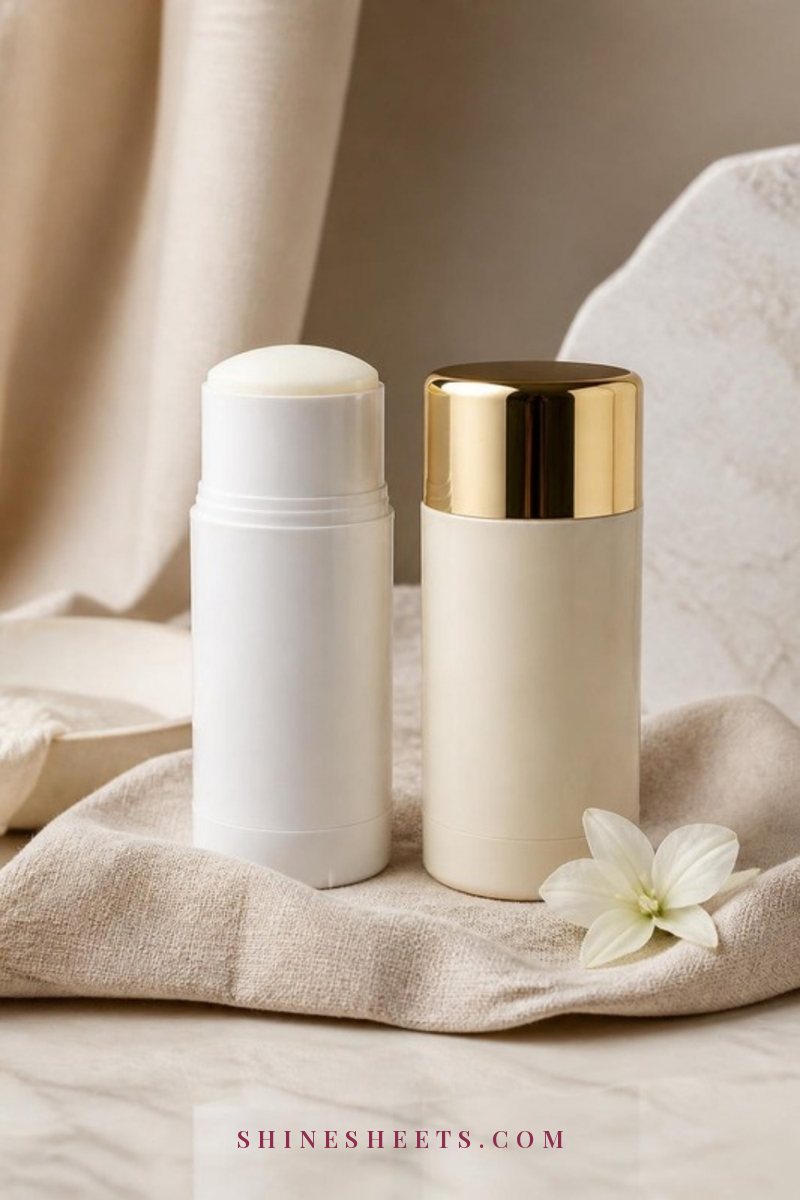
These two get used as if they're the same product, but they work in completely different ways, and choosing the right one is probably the single biggest change you can make.
Deodorant doesn't stop sweat. It makes your underarm a less welcoming place for odor-causing bacteria and adds a fragrance on top. If you sweat lightly and mostly notice smell rather than wetness, a deodorant may be all you need. Look for an aluminum-free deodorant with a soft, skin-friendly scent, or a fragrance-free one if your underarms get irritated easily.
Antiperspirant uses aluminum-based ingredients to temporarily plug the sweat ducts, so less sweat reaches the surface. Less sweat means less food for bacteria, so it helps with odor too. Most antiperspirants in the US are also deodorants, so check the label for the word "antiperspirant." If you're dealing with wet patches or heavy sweating, a clinical strength antiperspirant is the pick I'd reach for first. It contains a higher dose of the active ingredient and is designed to be used at night.
And that's the part almost nobody tells you: antiperspirant works best when you apply it at bedtime. At night your sweat glands are much less active, so the ingredients have hours to settle into the ducts without being washed straight back out. It keeps working the next day even after you shower in the morning. Apply it to completely dry skin (wait 15–20 minutes after a bath or shower, or use a hairdryer on cool), and let it dry before you get into bed.
A few quick notes:
- You can use both: antiperspirant at night, a swipe of deodorant in the morning if you like the scent.
- If you're switching from antiperspirant to aluminum-free deodorant, give your body two to four weeks to adjust. Some people feel they smell more at first, then it settles.
- Any stinging, redness or rash is a sign to stop that product and try a fragrance-free, sensitive formula instead.
- Don't apply either one right after shaving. Shave at night and apply in the morning, or shave in the morning and apply at night.
12 Body Odor Tips for Staying Fresh All Day
These are the habits that do the real work. You don't need all twelve at once. Pick the two or three that fit your biggest problem (sweat, smell, clothes or feet) and start there.
1. Wash the Right Spots, the Right Way
A quick rinse under the shower doesn't remove much bacteria. What helps is a short, focused wash of the areas with apocrine glands and the places where skin meets skin: armpits, groin, the crease under the breasts, behind the knees and your feet (between the toes too).
Use a gentle cleanser, lather it with your hands or a soft washcloth, and give each area around 20–30 seconds before rinsing. For underarms and feet, an antibacterial body wash can make a noticeable difference on hot or high-stress days. For the vulva, plain warm water or a mild, fragrance-free wash on the outside only is enough. Never use scented products inside, because that area keeps its own healthy balance.
If you want a calmer, more complete routine around this, my everything shower routine walks through the full order step by step.
2. Dry Completely Before You Get Dressed
Bacteria love warm, damp skin. Pat yourself dry properly, paying extra attention to underarms, under the breasts, the groin and between your toes. If you're in a hurry, a minute of cool air from a hairdryer does wonders for underarms and feet. This one step also helps antiperspirant and deodorant work better, because most of them don't stick to damp skin.
3. Make Antiperspirant Part of Your Night Routine
Since bedtime is when antiperspirant works best, give it a fixed spot in your evening. I keep mine right next to my evening tea things, which sounds odd but means I never forget it. Apply two thin swipes to dry skin, wait a minute, then get into bed. If heavy sweating is your main worry, try it every night for two weeks before judging the results, then drop down to three or four nights a week if that's enough.
4. Exfoliate Your Underarms Once or Twice a Week
Product residue, dead skin and bacteria can build up in the underarm, especially if you use thick sticks every day. A gentle exfoliation once or twice a week helps your products work and can reduce that lingering smell that seems to come back no matter what.
The easiest option is underarm exfoliating pads with a mild acid like glycolic or lactic acid. Swipe once over clean, dry skin at night, let it absorb, and skip the antiperspirant that evening. A soft washcloth with your usual cleanser works too. Skip exfoliating on any night you've just shaved or waxed, and stop if you feel stinging.
5. Keep Underarm Hair Short (If You Like)
This one is completely your choice. Hair isn't dirty, but it does hold on to sweat and gives bacteria more surface to live on, and some people find that trimming or removing underarm hair makes deodorant work better. If you prefer to keep it, simply wash it well with your cleanser and make sure it's fully dry before applying product. Both choices can smell perfectly fresh.
6. Choose Fabrics That Breathe
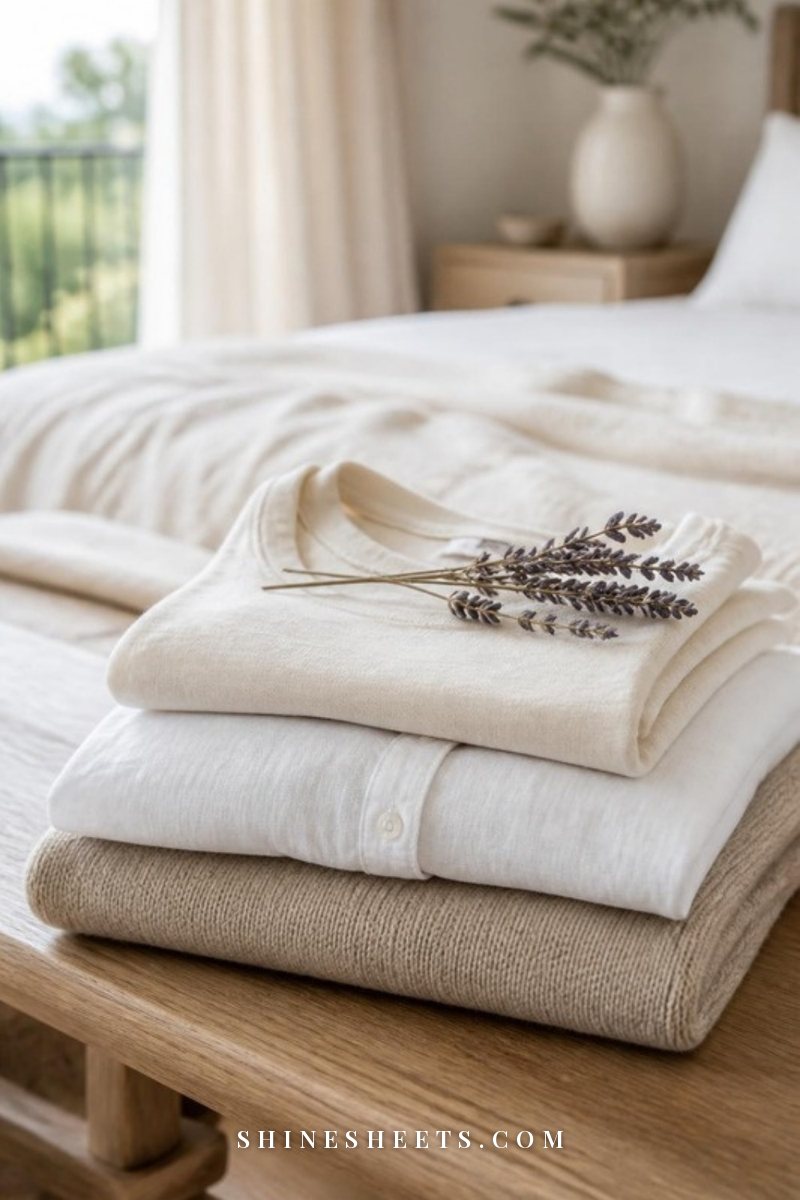
Your clothes matter more than most people realize. Synthetic fabrics like polyester and nylon don't absorb sweat well, so it sits against your skin, and they tend to trap odor in their fibers even after washing. That's why an old polyester top can smell the second you warm up in it.
Fabrics that are kinder to you:
- Cotton: soft, breathable and easy to wash hot. Great for everyday tops and underwear.
- Linen: dries fast and lets air move. Perfect for warm days and anxious days alike.
- Merino wool: naturally resists odor, even when you sweat. Lovely for layering and workouts.
- Tencel/lyocell and bamboo viscose: silky, breathable alternatives that wash well.
Keep cotton or merino for the layer that touches your skin, and save synthetics for outer layers. Choose cotton underwear (at least a cotton gusset) for daily wear. And loose-ish sleeves around the underarm area let air in and help sweat evaporate instead of soaking in.
7. Wash Clothes That Hold Odor the Smart Way
If a clean shirt still smells when you warm up, the odor is living in the fabric, not on you. Detergent alone often can't reach bacteria and oils trapped in synthetic fibers, especially in cold, quick cycles.
- Turn clothes inside out before washing so the water and detergent reach the side that touched your skin.
- Don't let sweaty clothes sit balled up in a hamper. Hang them to air out until laundry day, or rinse workout clothes right away.
- Add an odor-eliminating laundry booster to loads with gym clothes, polyester tops and anything that holds smell.
- Pre-soak stubborn items for 30 minutes in cool water with a cup of white vinegar, then wash as usual.
- Skip fabric softener on activewear. It coats fibers and traps odor inside.
- Don't overload the machine. Clothes need room to move to actually get clean.
- Dry completely and quickly. Damp clothes left in the drum start to smell musty within hours.
For more on temperatures, detergents and what to do about yellow underarm stains, my laundry tips guide has the full picture.
8. Give Your Shoes a Day Off
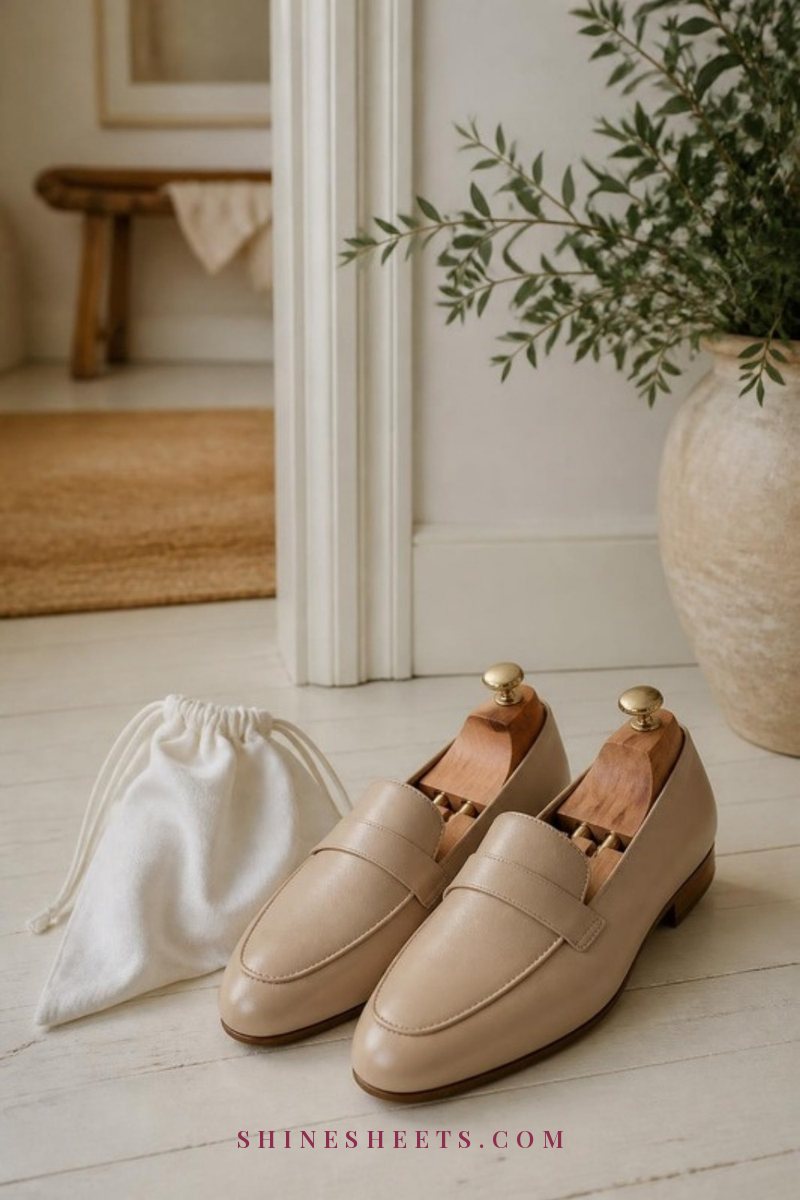
Shoes absorb a surprising amount of sweat, and they need about 24 hours to dry out fully. Wearing the same pair every day keeps them damp, and damp shoes are where foot odor really settles in.
Rotate between at least two pairs, take the insoles out to dry overnight when you can, and slip cedar shoe inserts into the pair you just took off. Cedar absorbs moisture and has a soft, woody scent that keeps shoes fresh between wears. Always wear socks with closed shoes when you can (cotton, bamboo or merino), and change them midday on long or hot days.
9. Look After Your Feet
Feet have more sweat glands than almost anywhere else on the body, so they deserve their own little routine. Wash them every day with soap, including between the toes, and dry those spaces properly. Once a week, gently remove rough skin, because thick dead skin gives bacteria more to feed on. Keep toenails short and clean underneath.
If your feet sweat a lot, a light dusting of foot powder in the morning helps, and some people use a roll-on antiperspirant on the soles at night (it works the same way it does on underarms). My foot care routine has the full weekly version.
10. Drink Enough Water and Notice Your Own Triggers
Staying hydrated helps your sweat stay more diluted, which can make it less concentrated in smell. It won't fix odor on its own, but it's an easy support. Keep a glass bottle nearby and sip through the day.
Some people also notice that certain foods or drinks shift their scent for a day or so, often strong, spicy or very rich meals, alcohol or a lot of coffee. Everyone's different, so there's no list to follow here. Just notice. If you see a pattern after a certain kind of meal, you'll know to plan an extra fresh-up on those days. No need to cut out things you love.
11. Calm Stress Sweat Before It Starts
Stress sweat comes from those apocrine glands, which means it tends to smell stronger than the sweat you get on a hot day. A nervous meeting, a first date or a difficult phone call can do more to your underarms than a summer walk.
I'm prone to anxiety myself, and what helps me most is preparing for the body part of it: antiperspirant the night before a big day, a breathable top, and a few slow breaths before I walk in (four counts in, six counts out, five rounds). If anxious moments catch you by surprise, my guide on how to calm anxiety fast has quick techniques that work almost anywhere. And remember: other people notice your nerves far less than you think.
12. Keep Towels and Bedding Fresh
It's frustrating to shower carefully and then dry yourself with a towel that's quietly holding bacteria. Hang towels flat or over a rail (not on a hook in a damp bathroom) so they dry fully between uses, and wash them every three to four uses. If they already smell musty, they need a reset rather than another normal wash, which is exactly what my guide to deep cleaning towels is for. Change pillowcases weekly and sheets every one to two weeks, more often if you sweat at night.
Your Fresh All Day Carry Kit
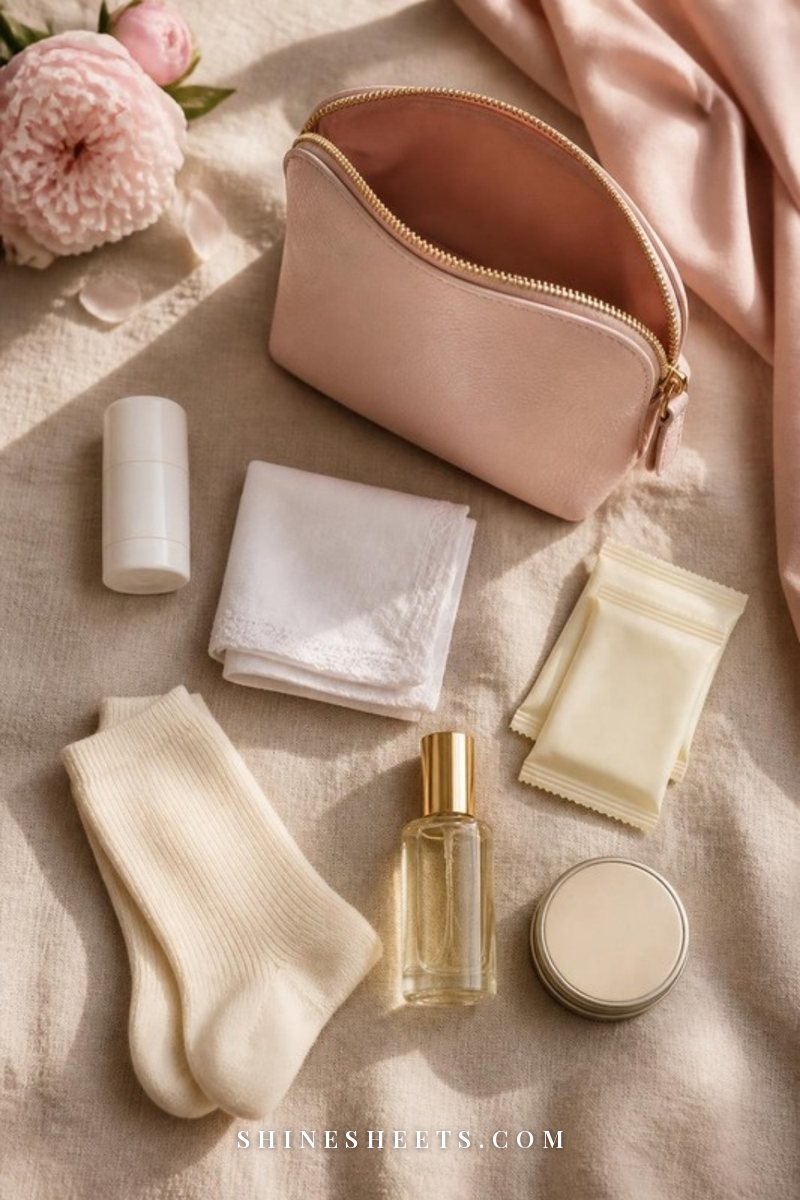
On long days, a tiny kit in your bag means you never have to sit through an afternoon feeling self-conscious. Mine would fit in a small zip pouch. Here are 7 things worth packing:
- A travel-size deodorant for a midday swipe (on clean skin is best).
- Individually wrapped cleansing wipes, fragrance-free or lightly scented, to quickly freshen underarms before reapplying.
- A small cotton handkerchief or a few tissues to blot sweat instead of letting it soak into your top.
- A spare pair of socks for hot days or long days in closed shoes.
- A fresh pair of cotton underwear if you're heading from work to an evening plan.
- A light body mist or rollerball for a final touch, sprayed on clothes or pulse points, never as a cover-up for unwashed skin.
- Breath mints, because feeling fresh is about more than underarms.
If you'd love to go beyond "not smelling" and actually smell lovely, my guide on how to smell good all day covers scent layering and lasting fragrance.
The Fresh All Day Routine
Here's everything above pulled into one simple routine. Screenshot it, start with the morning and evening rows, and add the rest when you're ready.
| When | What to do | How long | Why it helps |
|---|---|---|---|
| Morning | Focused wash of underarms, groin, under breasts and feet; dry completely; deodorant on dry skin; breathable first layer; fresh socks | 5–10 minutes | Removes overnight bacteria and starts the day with dry, protected skin |
| Midday | Wipe underarms, blot sweat, reapply deodorant, change socks if needed, sip water | 2–3 minutes | Resets bacteria before odor builds up in the afternoon |
| Evening | Shower or quick wash; antiperspirant on fully dry skin at bedtime; shoes out with cedar inserts; hang worn clothes to air | 5–15 minutes | Antiperspirant works best overnight; shoes and clothes dry out before the next wear |
| Twice a week | Exfoliate underarms (on a non-shaving night); gentle foot exfoliation once a week | 2 minutes | Clears product residue and dead skin that hold on to odor |
| Laundry day | Clothes inside out; odor booster for activewear and synthetics; no fabric softener on gym clothes; dry fully | One load | Removes odor trapped in fibers so clean clothes stay clean |
| Every 3–4 uses | Wash bath towels; weekly pillowcases; sheets every 1–2 weeks | One load | Stops you from drying fresh skin with bacteria-filled fabric |
Think of it as a menu, not a test. Even the morning and evening rows alone will make a real difference within a week or two.
When To See a Doctor
Most body odor is completely normal and responds well to the habits above. But your body sometimes uses scent and sweat to tell you something, and it's always okay to ask a professional. Book an appointment with your doctor or a dermatologist if you notice:
- A sudden change in how you smell that doesn't have an obvious cause.
- A new, strong or unusual odor, such as a fruity, fishy or ammonia-like smell, from your body, breath or urine.
- Vaginal odor with itching, burning or unusual discharge, which can be a sign of an infection that's easy to treat.
- Heavy sweating that soaks through clothes, disrupts your day or happens without heat or exercise. This is called hyperhidrosis, and there are good treatments for it. The Mayo Clinic's overview of hyperhidrosis is a helpful place to start reading.
- Night sweats that wake you up regularly, especially with fever or weight loss.
- Painful lumps, rashes or broken skin in the underarm or groin area.
- Nothing helps after a few weeks of consistent care.
This article is for general information, not medical advice. A doctor can look at the whole picture, including medications and hormones, and suggest options like prescription-strength antiperspirants that you can't get on your own. There's nothing embarrassing about the conversation. Doctors talk about sweat every single day.
Final Thoughts
Body odor is one of the most human things there is, and it says nothing about your worth or how well you take care of yourself. With the right product at the right time, breathable fabrics, a smarter laundry day and a tiny kit in your bag, staying fresh becomes something you barely have to think about.
Start small: antiperspirant at night and a focused morning wash. Give it two weeks. Then add whatever feels easy next, and let feeling fresh become just another quiet, kind habit you do for yourself.