Thigh chafing is not a body problem. It is a friction problem, and friction can be managed. When skin rubs against skin for hours, especially with a little heat and sweat in the mix, the outer layer gets worn down until it stings, burns or turns red. That happens to runners, to people with slim legs and full legs, to anyone who walks a lot in a dress. Nothing about it is something to be ashamed of.
The good news is that a few simple habits make a huge difference. Most of them take less than a minute in the morning, and none of them require you to change your body or stop wearing the clothes you love.
This guide to thigh chafing covers what is actually happening on your skin, why it flares on certain days, seven easy ways to prevent it, a quick-fix table for real-life situations, and how to soothe irritated skin gently so it can heal.
What Thigh Chafing Actually Is
Your skin has a protective outer layer, a bit like a thin, flexible shield. When the inner thighs rub together step after step, that layer gets worn down. Add moisture from sweat, which softens the skin, and heat, which makes everything a little more fragile, and the friction starts to break the surface. That is the redness, the burning and sometimes the small raw patches you notice at the end of a long day.
Chafing usually shows up as:
- pink or red patches where the thighs touch,
- a stinging or burning feeling, especially in the shower,
- small bumps or a rash-like look,
- in stronger cases, raw or slightly broken skin.
Over time, repeated friction can also leave the area a little darker than the rest of your skin. If that is something you have noticed, my sister guide on dark inner thighs explains friction-related darkening and the gentle ingredients that can help.
And to say it once more, kindly: thighs that touch are completely normal. Many bodies have them, at every size. Chafing is just skin asking for a little less rubbing and a little more protection.
Why Thigh Chafing Flares Up

Some days your thighs feel fine, and other days they are sore by lunchtime. That is because chafing depends on a mix of conditions, not just on your legs. The most common triggers:
- Heat and humidity. Warm, sticky air means more sweat and softer skin that wears down faster.
- Sweat. Moisture turns smooth gliding into grippy rubbing, and the salt left behind as sweat dries can sting irritated skin.
- Walking a lot. Sightseeing, a busy day on your feet or a long commute on foot means thousands of extra steps of friction.
- Long days in dresses or skirts. Bare thighs with nothing in between is the classic setup.
- Rough seams and fabrics. Thick inner seams on jeans or shorts, scratchy lace or stiff fabric can rub the same spot all day.
- Workouts. Running, cycling and dance classes combine repetitive movement with sweat, which is chafing's favorite pairing.
- Freshly shaved or exfoliated skin. Skin that has just been shaved or scrubbed is more sensitive, so the same amount of friction feels worse.
Knowing your own triggers helps you plan ahead. If you know a long walking day is coming, that is the morning to put on protection before you leave, not after it starts to sting.
7 Ways To Prevent Thigh Chafing
You probably will not need all seven every day. Pick one or two for normal days and stack a few more on hot, long or active days.
1. Use an Anti-Chafing Balm or Stick
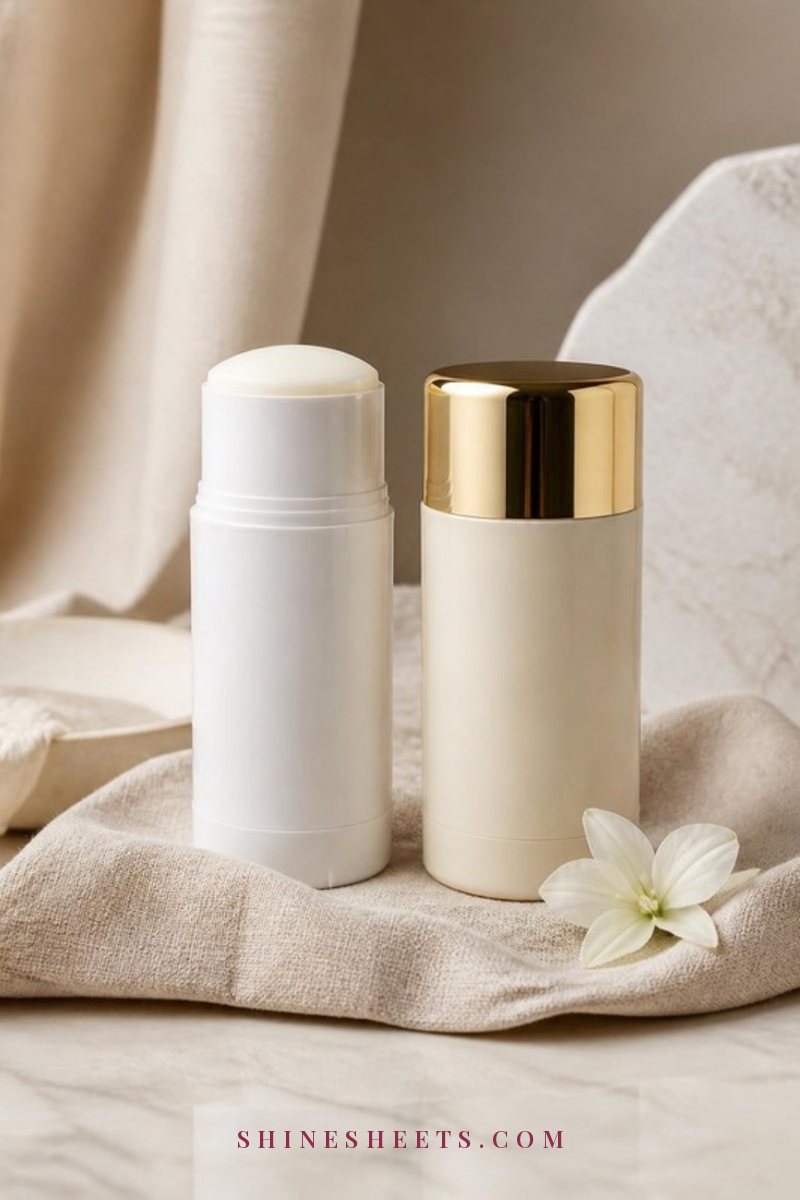
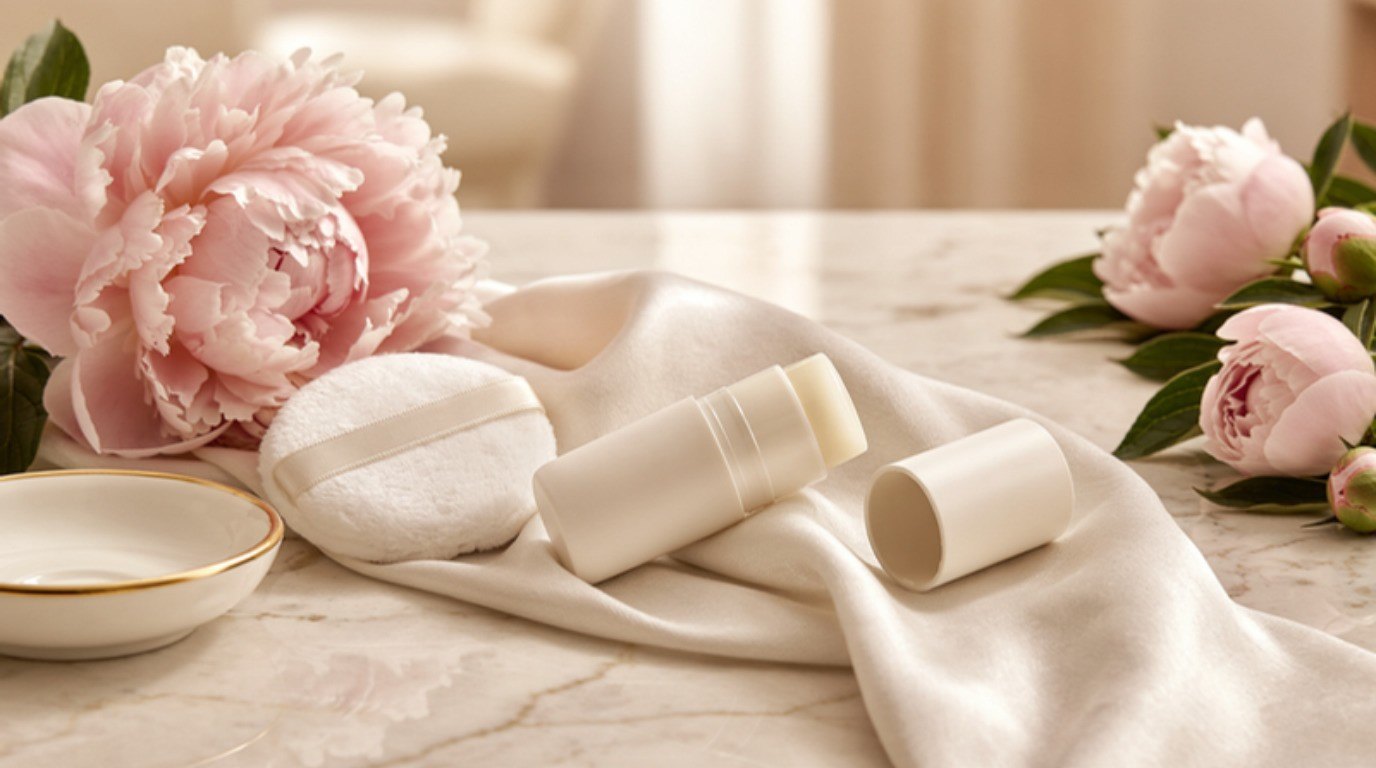
This is the simplest fix for most people. An anti-chafing balm creates a slippery, invisible layer so your thighs glide instead of grip. Look for a stick format so you do not need to touch the product with your hands, and choose one that is fragrance-free if your skin is sensitive. An anti-chafing balm stick fits easily in a bag for top-ups.
How to use it: apply to clean, dry skin before you get dressed. Swipe three or four times over every spot where your thighs touch, extending a little higher than you think you need, since the rubbing zone often moves up as you walk. Give it about a minute to settle before you put on tights or a dress.
2. Try a Light, Talc-Free Powder
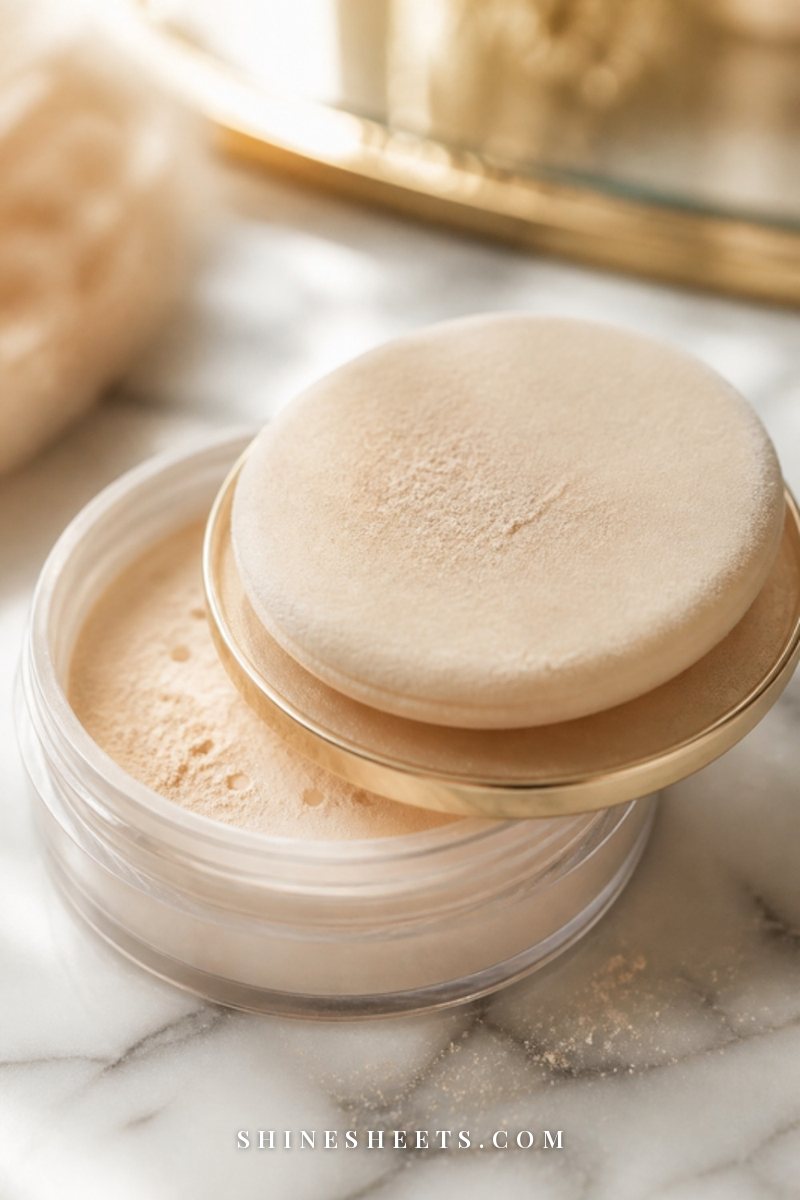
Powder helps by absorbing moisture and reducing friction, which is useful on humid days or if balms feel too heavy for you. Choose a talc-free body powder made with cornstarch or a similar soft base, and apply a thin layer with a puff rather than shaking it straight on.
A tip: powder works best on completely dry skin. If you are already sweaty, blot first, then dust. Some people like using a balm on the most rubbed spot and a light powder around it, which keeps the whole area drier for longer.
3. Wear Smooth Shorts Under Dresses and Skirts
A thin layer of fabric between your thighs is one of the most reliable ways to stop chafing in a dress. Soft cream cotton slip shorts or smooth bike-style shorts sit invisibly under skirts and dresses and take all the friction for you.
Look for shorts with a flat waistband that does not dig in, a leg length that ends a little below where your thighs stop touching, and smooth, flat seams. Leg bands that are slightly grippy help them stay put instead of riding up. Cotton blends feel soft for everyday wear; a smooth, breathable synthetic is better for very hot or active days.
4. Try Thigh Bands
If shorts feel too warm or too much under a light dress, thigh bands are a lovely middle ground. They are wide, soft bands that sit around the upper thigh, often with a silicone grip on the inside to keep them in place. Pretty blush lace thigh bands look almost like part of your lingerie, which makes them feel a little more fun to wear.
Getting the size right matters: measure around the widest part of your upper thigh and choose the size the brand recommends. Too tight and they dig; too loose and they slide down. Wear them an hour at home first to see how they feel.
5. Choose Moisture-Wicking Fabrics
What you wear on the rest of your body affects how much your thighs sweat. Moisture-wicking fabrics pull sweat away from your skin so it can evaporate, instead of letting it sit there. For workouts and long active days, choose leggings or shorts made for movement with smooth, flat seams.
For everyday clothes, breathable natural fibers like cotton and linen let air move around your legs. Watch out for thick inner seams on jeans and shorts, which tend to rub the exact same spot all day. If a pair always leaves you sore, it is the seam, not you.
6. Stay Dry Through the Day
Moisture is what turns light rubbing into real irritation, so staying dry is half the battle. On warm days, take thirty seconds in the restroom to blot the inner thighs with a tissue or a soft cloth, especially before a long walk.
After a workout, change out of damp clothes as soon as you can, rather than sitting in them for the drive home. A quick rinse, a gentle pat dry and fresh underwear make a bigger difference than most people expect.
7. Reapply on Long Days
Most balms and powders wear off with sweat and movement, usually after a few hours. On long days, like a wedding, a full day of walking or a trip, plan to reapply around midday or whenever you notice the first hint of warmth or tingling. That first tingle is your signal; do not wait for it to burn.
Keep a small kit in a little cream travel pouch: your balm stick, a few tissues and a small powder container. It takes up almost no room and saves the second half of your day.
Thigh Chafing Table: Situations, Causes and Quick Fixes
Different days need different strategies. Use this table to plan ahead, and screenshot it if you like having it handy.
| Situation | Why it rubs | Prevention | Quick fix |
|---|---|---|---|
| A long day in a dress or skirt | Bare thighs rub with every step for hours | Slip shorts or thigh bands, plus balm on the most rubbed spot | Duck into a restroom, blot dry and swipe on balm |
| A hot, humid day | Sweat softens skin and makes it grip | Talc-free powder on dry skin, breathable cotton or linen | Blot sweat, then dust a thin layer of powder |
| A workout or run | Repetitive movement plus sweat | Moisture-wicking shorts or leggings with flat seams and balm before you start | Change out of damp clothes right after; rinse and pat dry |
| A sightseeing or travel day | Thousands of extra steps and fewer breaks | Balm in the morning, a mini kit in your bag | Reapply at lunch, before it starts to sting |
| Jeans or shorts with thick seams | The inner seam rubs the same patch all day | Choose flat seams or wear a smooth layer underneath | Balm on the spot where the seam sits |
| Right after shaving | Freshly shaved skin is more sensitive | Shave the evening before, not the morning of a long day | Skip balm with fragrance; use a plain barrier ointment |
| Evenings after a long day | Skin is already tired and slightly irritated | Shower with lukewarm water and a gentle cleanser | Pat dry, apply a plain barrier layer and sleep in loose fabric |
How To Soothe Chafed Skin
If chafing has already happened, the goal is simple: keep the area clean, calm and protected so it can heal. Most mild chafing settles within a few days with gentle care.
- Rinse with lukewarm water. Hot water stings and dries out irritated skin. Use lukewarm water and a mild, fragrance-free cleanser, and do not scrub.
- Pat dry. Press a soft clean towel against the skin instead of rubbing. Let the area air-dry for a minute or two afterwards.
- Apply a plain barrier layer. A thin layer of fragrance-free barrier ointment, like a plain petrolatum or zinc-based one, or a simple fragrance-free cream, protects the skin while it recovers.
- Let your skin breathe. Wear loose, soft clothes, like a cotton dress or loose shorts, and sleep in breathable fabric so the area is not rubbed again overnight.
- Pause shaving and exfoliating. Avoid razors, scrubs, acids and fragranced products on the area until the skin looks and feels normal again.
While the skin heals, protect it during the day too. If you need to walk a lot, a thin layer of barrier ointment under soft slip shorts keeps the sore patch from being rubbed again. Avoid putting a fragranced balm or powder on raw skin, since it can sting. Give it a few calm days and the stinging usually fades first, followed by the redness. Once the area looks and feels like the rest of your skin, you can go back to your normal routine and your usual prevention habits.
A small honest admission: it is very tempting to cover chafed skin with a heavy layer of whatever is in the cabinet and hope for the best. Plain and simple works better here. The fewer ingredients you put on irritated skin, the fewer chances it has to react.
If shaving tends to make the area angrier in general, my guides to calming razor bumps and preventing ingrown hairs share gentler hair removal habits that also help keep chafe-prone skin happier.
Thigh Chafing Myths To Let Go Of
A lot of what people believe about chafing comes from embarrassment rather than facts. Letting go of these myths makes it much easier to deal with chafing calmly and kindly.
Myth: Chafing Only Happens to Certain Bodies
Chafing happens wherever skin rubs on skin or fabric for long enough, and that includes slim runners, cyclists, hikers and anyone on their feet all day. Body shape can change where it shows up, but it does not decide whether you deserve comfort. The fix is protection and less friction, never changing your body.
Myth: It Only Happens on Hot Days
Heat makes chafing more likely, but it is not the only trigger. Tights that slide down and bunch, leggings with a rough inner seam, or a heated office and a brisk walk between meetings can all cause rubbing at any time of year. If your thighs feel sore on a cool day, the same prevention steps still apply.
Myth: Tights Always Protect You
A smooth, well-fitting pair of tights can help, but tights that are too big, too old or pilled between the thighs can actually make chafing worse because the fabric moves and rubs. If your tights tend to wear thin in that spot, that is a sign of friction. A thin layer of balm underneath, or slip shorts on top of them, can help.
Myth: You Should Just Toughen It Out
Skin does not get stronger by being rubbed raw again and again. Repeated irritation tends to make the area more sensitive, and it can leave darker patches over time. Taking chafing seriously early, with a minute of prevention in the morning, is the kindest and easiest choice for your skin.
Patch Test New Products First
The inner thighs are a sensitive area, and anything you put on already irritated skin can sting or react. Before you rely on a new balm, powder or cream, patch test it:
- Apply a small amount to a patch of skin on your inner arm or the side of your thigh that is not irritated.
- Leave it for 24 hours and check for redness, itching or bumps.
- If your skin stays calm, try it on the chafe-prone area on a short, easy day first.
I have combination, sensitive skin, so this step is non-negotiable for me with anything new. Fragrance-free formulas are usually the safest choice for this area.
Building Chafing Care Into Your Body Routine
Chafing is much easier to prevent when your skin is in good shape to begin with. Well-moisturized skin with a healthy barrier handles friction better than dry, tight skin. A few routine habits that help:
- Moisturize your legs after the evening shower with a simple, fragrance-free body lotion, especially on days without chafing.
- Exfoliate gently, no more than once or twice a week, and never on irritated skin.
- Keep a balm stick next to your deodorant so applying it becomes part of getting dressed.
- On days you know will be long, lay out your shorts or thigh bands with your outfit the night before.
If you want a full, easy routine for your whole body, my simple body care routine walks you through it step by step, and the body skin care guide goes deeper into barrier care and post-shave skin.
When To See a Doctor or Dermatologist
Most chafing is mild and heals with gentle care in a few days. Please check in with a doctor or dermatologist if you notice:
- broken or raw skin that will not heal after several days,
- redness that is spreading, warmth, swelling or pus, which can be signs of infection,
- a rash that is very itchy, has a defined edge, or keeps coming back, since a fungal rash can look similar to chafing and needs different care,
- pain that makes walking difficult, or chafing that keeps returning even with good prevention.
A professional can tell you what is going on and suggest the right treatment for your skin. Asking for help with this is completely normal and nothing to feel awkward about.
Final Thoughts
Thigh chafing is common, it is fixable, and it says nothing about your body except that it moves through your day. A balm stick in the morning, a soft layer under your dress and a little extra care on long days are often all it takes.
Wear the dress, take the long walk and enjoy the day. Your skin just needs a little extra kindness along the way.