Skin that feels tight after washing is not "extra clean" skin. It is skin telling you that the cleanser, the water or the way you wash took away a little more than dirt and makeup. That pulled, slightly papery feeling across the cheeks is one of the clearest signals your face can send, and the good news is that it usually responds quickly to small, gentle changes.
I have combination, sensitive skin with a shiny T-zone, which means I spent years assuming my face needed a "deep" clean. It took me a while to understand that the tight feeling around my cheeks was a hint that my routine was working against me, not for me.
This guide focuses on one thing: tight skin after washing. You will find why it happens, why "squeaky clean" is not the goal, the most common causes, a quick table that matches each cause to a gentler swap, 8 fixes you can start tonight and how to bring your actives back without irritating your skin all over again. If you want the full step-by-step on cleansing itself, my guide on how to wash your face properly covers that in detail.
Why Your Skin Feels Tight After Washing
The outer layer of your skin works a bit like a brick wall. The skin cells are the bricks, and a mix of lipids (ceramides, cholesterol and fatty acids) is the mortar holding them together. On top sits a thin film of sebum and water that keeps everything soft. Together, this is what people mean by your skin barrier.
Cleansers are designed to lift oil. That is their job. But a cleanser can't perfectly tell the difference between the sunscreen and grime you want gone and the natural oils your skin wants to keep. When too much of that protective film and some of the mortar get washed away, water escapes from the skin faster. The surface dries, contracts slightly and you feel that tug, especially when you smile or raise your eyebrows.
There is also a pH side to it. Healthy skin is slightly acidic, usually somewhere around 4.5 to 5.5. Many traditional soaps and strongly alkaline cleansers sit much higher. A big jump in pH can temporarily disturb the enzymes that help your skin repair its own barrier, which is one reason a harsh wash can leave your face feeling uncomfortable for a while afterwards.
A small amount of tightness that disappears the moment you apply moisturizer is common and not a crisis. Tightness that lingers, stings when you apply products or comes with flaking is a sign the barrier needs some care. If you are not sure whether your skin is short on oil or short on water, my guide to dehydrated vs dry skin helps you tell the two apart, because the fix is slightly different for each.
Why "Squeaky Clean" Is Not the Goal
Many of us grew up with the idea that clean skin should squeak. Rub a finger across your cheek, hear that little squeak and you have "done it right." In reality, the squeak is friction. It happens when the surface has been stripped of the slippery layer of oil that normally protects it.
Here is what well-cleansed skin actually feels like:
- Soft, not slippery and not squeaky. Your fingers glide over it without dragging.
- Comfortable for a few minutes without moisturizer. You are not racing to the cream jar.
- No stinging when you apply your next product.
- No shine rebound an hour later. Over-stripped skin can sometimes look oilier by lunchtime, especially in the T-zone.
I find it helpful to change the question I ask after washing. Instead of "Is it clean enough?" I ask "Does it feel calm?" That one shift made me reach for gentler products without feeling like I was cutting corners.
The Most Common Causes of Tight Skin After Cleansing

Tightness rarely has one single cause. It is usually two or three small habits stacking up. Read through these and notice which ones sound like your routine.
Stripped Skin Lipids
This is the root of almost every case. Strong surfactants (the ingredients that make cleansers foam and lift oil) can dissolve some of the lipids in your barrier along with the dirt. The more often and the longer they sit on your skin, the more they remove. The feeling is usually tightness across the cheeks and around the mouth, sometimes with a dull, slightly rough texture.
High-pH or Strongly Foaming Cleansers
Thick, bouncy foam is satisfying, but a very foamy cleanser is often a strong one. Classic bar soaps and some "deep clean" foaming washes are more alkaline than your skin. They are not wrong for everyone, but if you have dry, sensitive or combination skin, they are a common reason for that squeaky, pulled feeling. My comparison of gel vs cream vs foam cleansers goes into which texture suits which skin type.
Hot Water
Hot water feels lovely on a cold evening, but it melts and loosens skin oils much faster than lukewarm water. It can also leave your face flushed. If your shower is hot, try washing your face at the sink before or after, with cooler water.
Hard Water
Hard water carries extra minerals like calcium and magnesium. These can react with some cleansers and leave a thin film behind, which can make your skin feel tight or dry even when you used a gentle product. If you notice white spots on your faucet and glasses, hard water may be part of the story. I explain more in my guide on hard water and skin.
Cleansing Too Often or Too Long
Washing two or three times a day, double cleansing every morning or massaging a cleanser in for several minutes all increase how much your skin is exposed to surfactants. More is not more here. For most faces, one proper cleanse in the evening and a light one in the morning is plenty.
Rough Towels
A rough, well-used bath towel rubbed hard across a freshly cleansed face adds friction to skin that is already a little vulnerable. It won't cause tightness on its own, but it can make it feel worse, especially around the nose and cheeks.
Too Many Actives
Exfoliating acids (like glycolic, lactic or salicylic acid), retinoids, vitamin C and benzoyl peroxide are all useful, but they can thin out your barrier's tolerance when you use several at once or every night. If tightness started after you added a new serum, the cleanser may not be the only culprit. Your skin may simply be telling you that the combined load is too much.
Tight Skin Causes and Fixes at a Glance
This is the part I would screenshot. Find the row that sounds most like you and start with that one swap before changing anything else.
| Cause | How it feels | Quick fix | Gentler swap |
|---|---|---|---|
| Stripped skin lipids | Tight cheeks, dull, slightly rough | Moisturize on damp skin right away | A ceramide moisturizer morning and night |
| High-pH or very foamy cleanser | Squeaky, pulled, worse around the mouth | Use less product and rinse sooner | A low-pH gel cleanser or a cream cleanser |
| Hot water | Flushed, warm, tight within minutes | Finish with a cool splash | Lukewarm water every time |
| Hard water | Tight even with gentle products, a film on the skin | Follow with a hydrating toner | A shower filter or a cleansing milk you wipe off |
| Cleansing too often or too long | Tight most of the day | Skip the morning cleanse for a week | One cleanse at night, 30–60 seconds |
| Rough towels | Stinging or red patches after drying | Pat, don't rub | A soft, separate face towel |
| Too many actives | Tight, stings when you apply serums | Pause acids and retinoids | A short, barrier-first routine for a few weeks |
You don't need to fix every row at once. Most people find that changing one or two things, usually the cleanser and the water temperature, makes the biggest difference within a week or two.
8 Fixes for Tight Skin After Washing
These are the changes that make washing feel comfortable again. Start with the first three, because they tackle the most common causes, and add the rest as you go.
1. Switch to a Low-pH Gel or Cream Cleanser
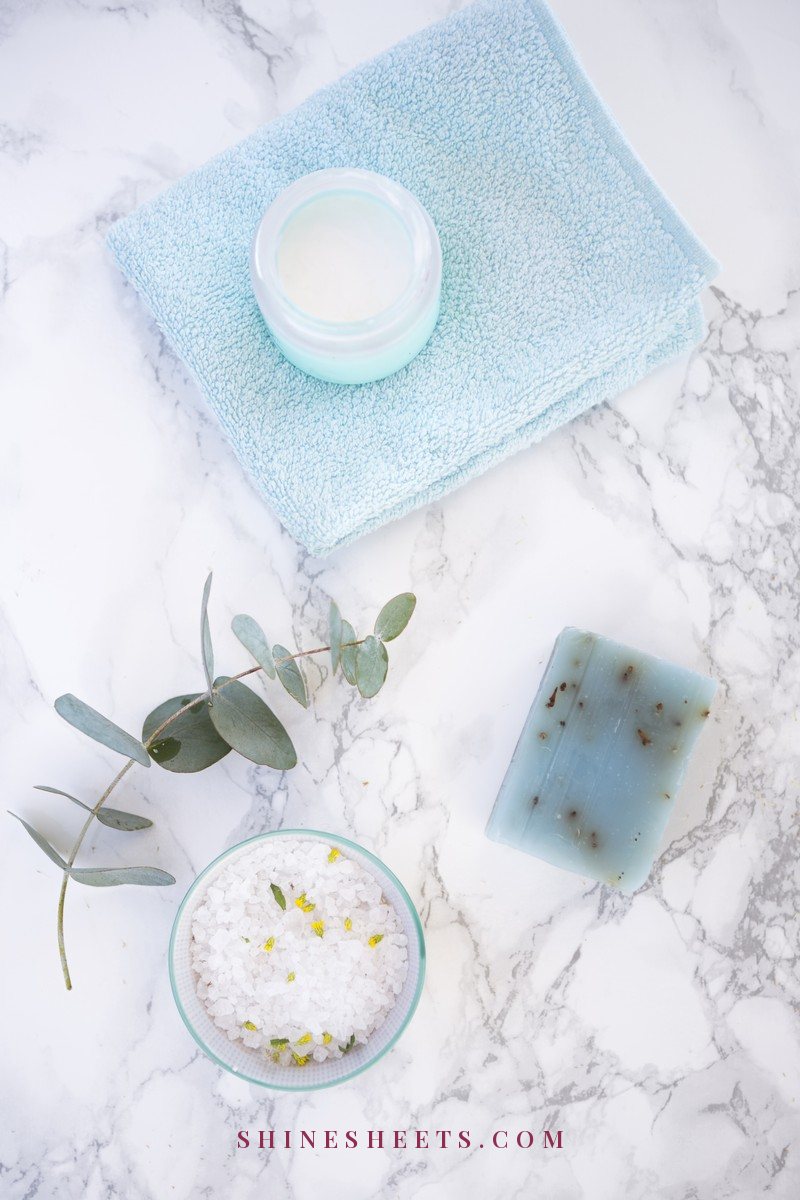
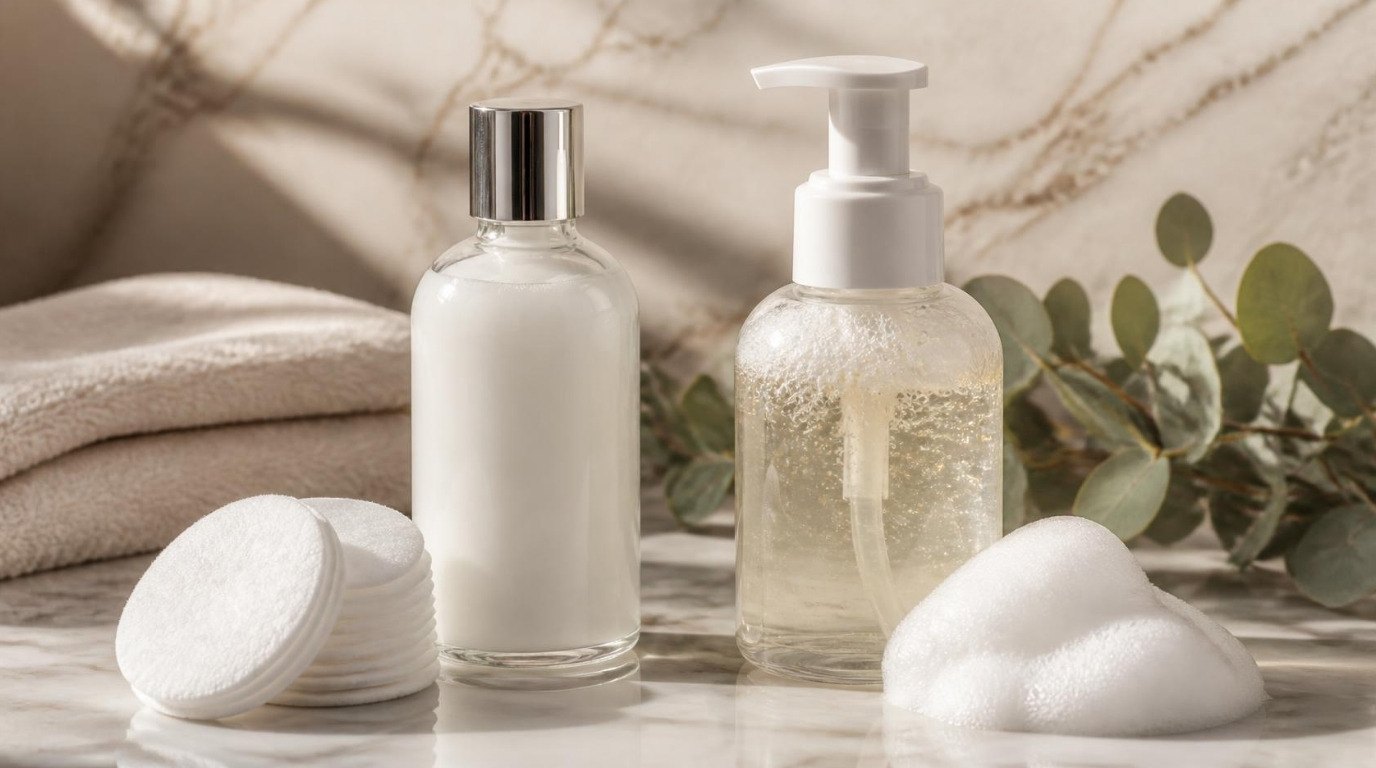
A gentle cleanser is the single biggest lever you have. Look for one described as low-pH, pH-balanced or "for sensitive skin," with mild surfactants and no strong fragrance. The texture should feel soft and slightly slippery, with a light lather or none at all.
If you have combination or oily-leaning skin, a Korean-style low-pH gel cleanser is a pick for you: it rinses clean without that stripped feeling. If your skin is dry or very sensitive, I'd choose a gentle cream cleansing milk instead. You massage it in and rinse or remove it with a soft cloth, and it leaves a whisper of moisture behind.
Give a new cleanser about two weeks before judging it. Your skin needs a little time to settle after a harsher routine.
2. Use Lukewarm Water
Aim for water that feels neutral on the inside of your wrist, neither warm nor cold. Hot water dissolves oils too quickly, and icy water can make sensitive skin flush. Lukewarm is the comfortable middle that removes cleanser without taking your barrier along with it.
If you love a hot shower, keep it, but wash your face at the sink with cooler water, or turn the temperature down for the last minute when you rinse your face.
3. Cleanse for 30–60 Seconds
A cleanser does its work in under a minute. Use a small amount (about the size of a hazelnut for gels, a little more for milks), spread it over damp skin and massage gently with your fingertips for 30 to 60 seconds. Spend a few extra seconds where you wear sunscreen or makeup, and go lighter on dry cheeks.
Rinse with 10 to 15 splashes of lukewarm water, paying attention to your hairline and jaw, where cleanser likes to hide. Leftover cleanser can make skin feel tight too.
4. Keep Mornings Simple: A Water Rinse or a Very Gentle Cleanse
Your skin did not get dirty while you slept. It produced a little oil and maybe absorbed some of your night cream. For many people, a splash of lukewarm water in the morning is enough. If your T-zone feels oily, use a tiny amount of gentle cleanser on those areas only and just rinse the cheeks.
Save the thorough cleanse for the evening, when there is sunscreen, makeup and the day's grime to remove. This one change often makes a noticeable difference to how tight your skin feels by midday.
5. Pat Dry, Don't Rub
After rinsing, press a soft towel against your face and lift it away instead of rubbing. Leave your skin slightly damp, not bone dry, because you want a little water on the surface for the next step.
A dedicated face towel helps here. I like the idea of a small stack of soft white bamboo face towels, so you can use a fresh one every day or two without a big laundry load. Keep them separate from your body towels.
6. Apply Toner or Moisturizer Within a Minute on Damp Skin
The first minute after washing is when your skin loses water fastest. Applying a hydrating product while your face is still a little damp helps hold that water in. Think of it as sealing in the wash.
If tightness is your main complaint, a hydrating, alcohol-free toner pressed in with your palms is a lovely first layer. Look for watery textures with glycerin, panthenol or hyaluronic acid, and skip toners that list a lot of drying alcohol near the top. Follow with your moisturizer straight away.
7. Look for Glycerin, Ceramides and Panthenol
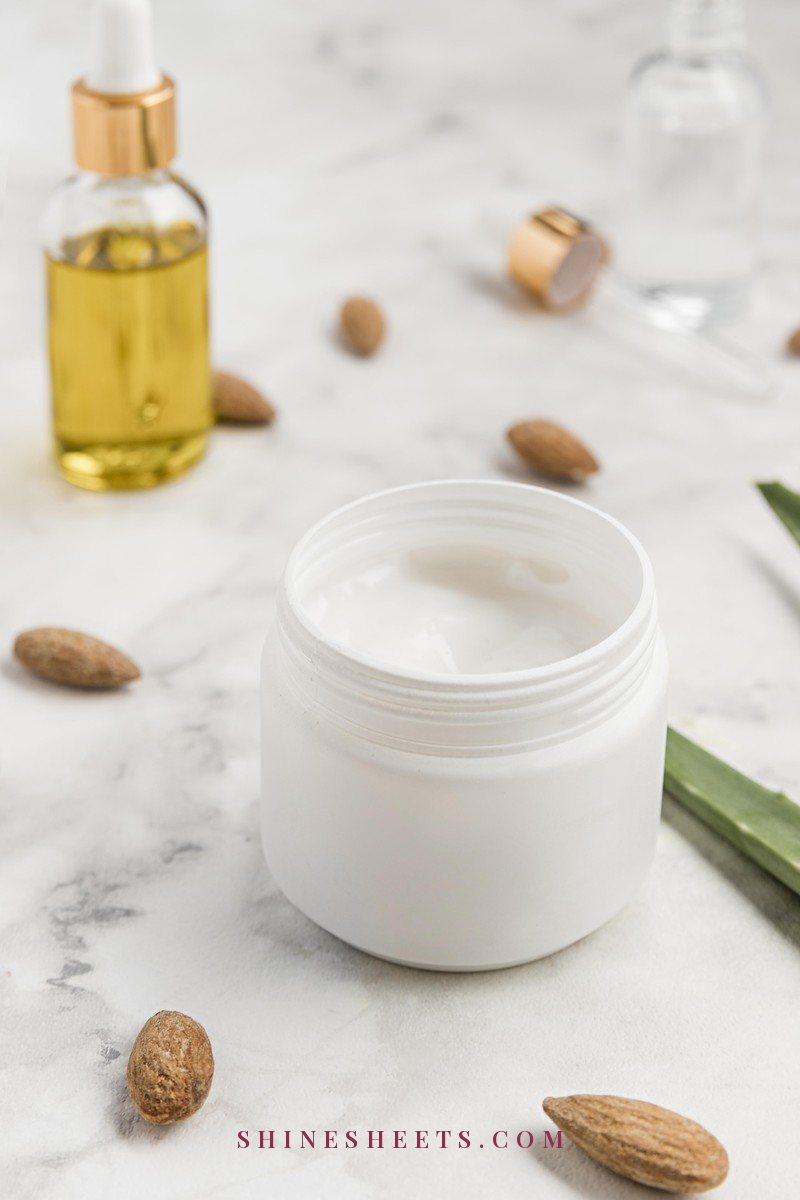
These three ingredients show up again and again in barrier-friendly products for a reason:
- Glycerin is a humectant. It draws water into the skin and is one of the best-studied, most reliable hydrators around.
- Ceramides are part of the lipid "mortar" in your barrier. Moisturizers with ceramides (often paired with cholesterol and fatty acids) help replenish what harsh cleansing removes.
- Panthenol (provitamin B5) is soothing and hydrating, and it is kind to sensitive skin.
A ceramide moisturizer with glycerin is a pick that suits most skin types; gel-cream textures for combination skin, richer creams for dry cheeks. You can even use two textures: something lighter on your T-zone and something richer where you feel tight. For a deeper look at repair, my guide on ways to restore your skin barrier walks through the whole process.
8. Pause Exfoliating Acids and Retinoids Until Skin Settles
If your skin feels tight, stings or looks red, give it a break from exfoliating acids, retinoids and scrubs. For most people, one to two weeks of a simple routine (gentle cleanser, hydrating toner if you like, moisturizer, sunscreen in the morning) is enough to feel a clear difference. Some need a little longer, and that is fine too.
This is not giving up on your goals. A calm barrier tolerates actives much better, so pausing now often means you can use them more comfortably later.
How To Reintroduce Products Without Starting Over
Once washing feels comfortable for at least a week, you can slowly bring things back. The key word is slowly.
- Patch test anything new. Apply a small amount to the side of your neck or just below your jaw for a few days. If there is no redness, itching or stinging, try it on your face.
- Add one product at a time. Wait about two weeks before adding the next, so you know which product your skin is reacting to if something goes wrong.
- Start with two or three evenings a week. For acids and retinoids, use them on non-consecutive nights at first, then build up only if your skin stays calm.
- Keep the moisturizer generous. On active nights, a ceramide cream afterwards helps cushion the effect.
- Wear sunscreen every morning. Exfoliating acids and retinoids can make skin more sensitive to the sun, so daily SPF is part of using them, not an optional extra.
If you are pregnant or breastfeeding, ask your doctor before bringing retinoids back into your routine.
A note on hard water: if you live with very hard water, a shower head filter may make your skin and hair feel softer, though results vary by home. A wipe-off cleansing milk is another easy option, since less tap water touches your face.
One more thing I want to say kindly: please skip the DIY cleansers. Lemon juice, baking soda and vinegar mixes swing your skin's pH in directions it really does not appreciate, and they are a fast way to make tightness worse.
When Tight Skin Needs a Dermatologist
Most tightness after washing is about routine and responds to the fixes above. But please see a dermatologist or doctor if:
- Tightness comes with burning, stinging or redness that lasts for days.
- You notice scaling, flaking or rough patches that keep coming back.
- Your skin itches, especially if it keeps you up at night.
- Nothing changes after three to four weeks of a gentle routine.
- You notice swelling, hives or a rash after a new product. Stop using it and get advice.
These can point to things like eczema, rosacea, contact dermatitis or another skin condition that deserves a proper diagnosis. There is no prize for pushing through discomfort, and getting help early often makes the fix simpler.
Final Thoughts
Skin that feels tight after washing is not a flaw in your face. It is a small, honest signal, and it usually needs less from you, not more: a softer cleanser, cooler water, a shorter wash and moisturizer while your skin is still damp.
Start with one swap from the table this week. Give it a little time, be patient with yourself and let your skin show you what calm feels like. That comfortable, soft feeling after washing is absolutely within reach.