Pore strips aren't the villain some skincare corners make them out to be, and they aren't the deep-clean miracle the packaging suggests either. They sit somewhere honest in the middle: a quick, satisfying, short-lived cosmetic fix that is fine for most skin when you use it occasionally and gently.
The trouble usually starts when we expect them to do something they were never built to do, like clear blackheads for good or "shrink" pores. When the results fade in a few days, it's tempting to reach for another strip, then another, and that's where irritation sneaks in.
This guide is a fair verdict on pore strips: how they actually work, what that gunk on the strip really is, who should skip them, the gentle way to use them, the signs you're overdoing it and a comparison table of longer-term options. No fear-mongering, no DIY glue masks, just the facts so you can decide for yourself.
I have combination, sensitive skin with a shiny T-zone, so the nose is exactly where this question lives for me too. Let's take a calm look.
How Pore Strips Actually Work
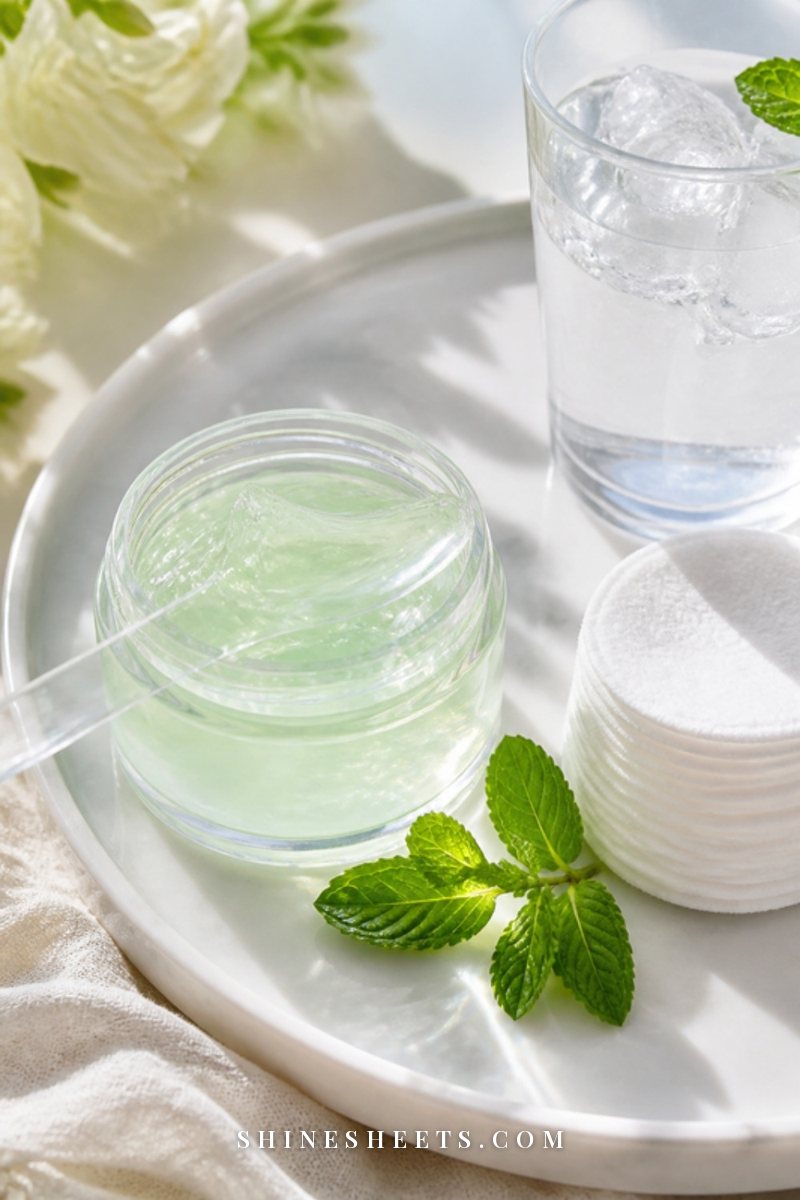
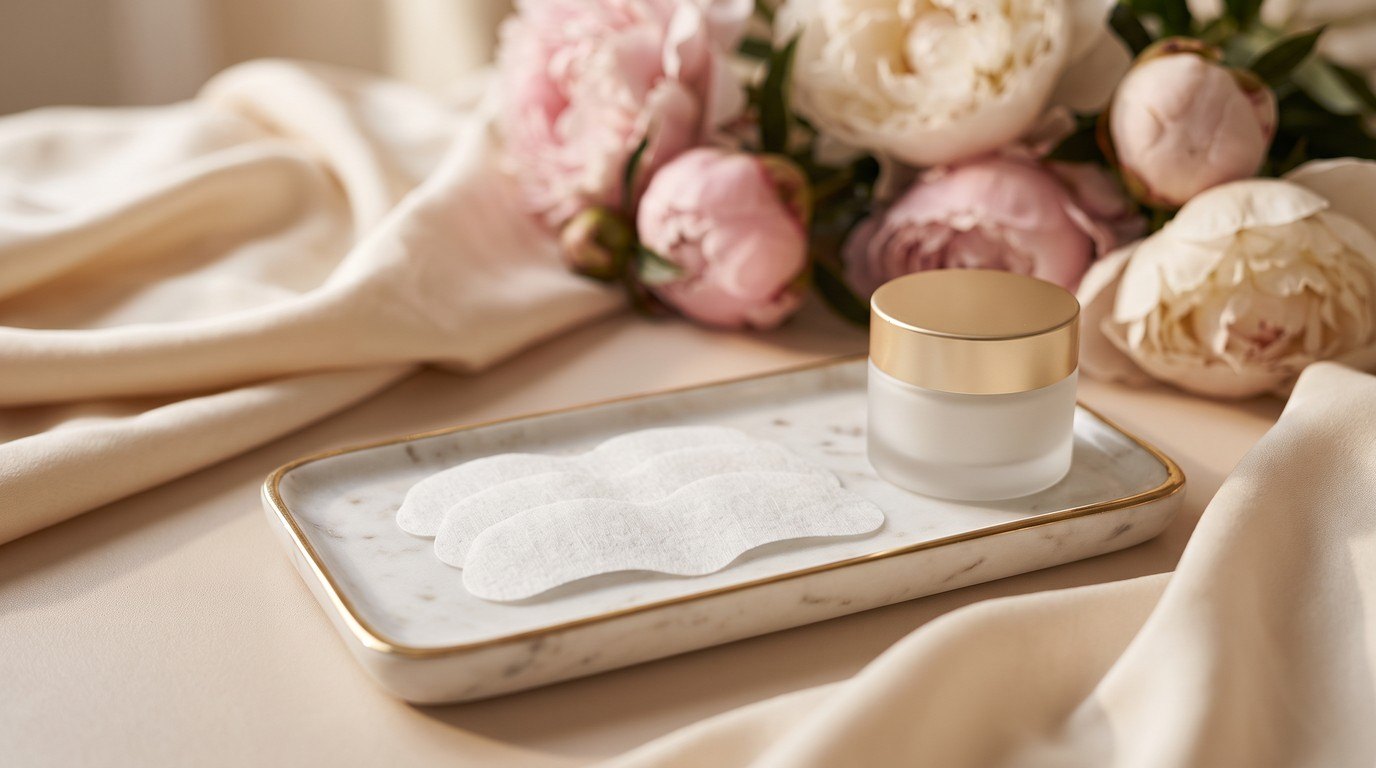
A pore strip is a piece of fabric-like material coated with an adhesive that becomes tacky when it's wet. You dampen your nose, press the strip on, and as it dries, the adhesive firms up and grips whatever sits at the very top of your pores. When you peel it off, it takes those tops with it.
That's really the whole mechanism. There's no suction reaching deep into the pore, and nothing on the strip dissolves oil inside the skin. It works on the surface layer, the part of the plug that pokes up and meets the air. That's why the results look so dramatic in the moment and so modest a few days later.
If you'd like to try them, look for classic nose pore strips with a simple formula and clear timing instructions on the box. Skip versions with strong fragrance or added "tingling" ingredients if your skin is on the sensitive side.
What Pore Strips Really Pull Out
Those little spikes on a used strip look like proof of a deep clean. Here's what you're actually seeing, in three parts.
The Tops of Blackheads
A blackhead is a pore clogged with oil and dead skin cells. The top turns dark because it's exposed to air and oxidizes (it isn't dirt, which is a comforting thing to know). A strip can lift that oxidized top and sometimes a bit of the plug underneath. The rest of the plug usually stays put, which is why the dark dot often returns.
Sebaceous Filaments
Most of those spikes are actually sebaceous filaments, the tiny, normal channels that guide oil to the surface of your skin. Everyone has them, especially on the nose, and they are not a skin problem. They tend to look grayish or beige rather than black, and they refill within a few days to a couple of weeks no matter what you do. If you're not sure which one you're looking at, my guide on telling sebaceous filaments from blackheads walks through it.
Fine Hairs and Dead Skin
The adhesive also grabs some vellus hairs (the soft, fine "peach fuzz") and a layer of surface skin cells. This is part of why your nose can feel smooth right after, and also part of why it can feel a little raw if you peel too fast or too often.
Do Pore Strips Really Work? The Honest Verdict
Yes and no, and both answers are true at once.
- Yes: they remove visible gunk from the surface of pores, and your nose can look clearer and smoother for a short time. If you have a photo, an event or you just love the satisfaction, that's a real (if small) benefit.
- No: they don't prevent new clogs, don't change how much oil your skin makes and don't permanently shrink pores. Pore size is mostly set by genetics, oil production and skin elasticity.
- The fine print: sebaceous filaments come back in days, and blackhead tops come back in about one to three weeks, depending on your skin.
My honest take: think of pore strips like a lint roller for your nose. Handy, quick and slightly fun, but not a cleaning routine. If what you want is fewer blackheads over time, the work happens in your daily routine, which I cover in detail in how to get rid of blackheads and keep them at bay.
Can Pore Strips Damage Your Skin?
Used now and then on healthy skin, pore strips are generally considered low risk. The problems come from a few specific situations: peeling too quickly, using them too often, leaving them on far longer than the box says or putting them on skin that's already irritated.
The adhesive can't tell the difference between a pore plug and the top layer of your skin. On skin that's freshly exfoliated or compromised, it can lift more than you want, which shows up as redness, tenderness or flaking. Repeated pulling on delicate skin may also make tiny visible blood vessels more noticeable for some people, especially if you already have redness-prone skin.
And one gentle reminder: pore strips are not a reason to squeeze afterward. The "while I'm at it" squeeze is far more likely to cause marks than the strip itself.
Who Should Skip Pore Strips
Some skin simply does better without that tug. I'd skip pore strips, or at least check with a dermatologist first, if any of these apply to you:
- Sensitive skin that stings or flushes easily with new products.
- Rosacea-prone skin or visible redness around the nose.
- Eczema-prone or very dry skin, where the barrier is already working hard.
- Sunburned skin, even a mild pink nose after a day outside.
- Active breakouts on or around the nose. Pulling an adhesive over an inflamed spot can make it angrier.
- Recent retinoid or strong acid use. If you use a retinoid, or you've used a strong AHA/BHA, peel or in-clinic treatment in the last few days, your outer layer is thinner and more fragile.
Skipping them isn't missing out. The longer-term options further down often give a calmer, longer-lasting result anyway.
How To Use Pore Strips Gently: 7 Steps
If your skin is happy and you'd like to use them, here's the kindest way to do it. The whole thing takes about 20 minutes.
- Patch test first. If you've never used a particular brand, try a small piece on a less visible area (like the side of your jaw) and wait 24 hours. My guide on how to patch test skincare has the simple method.
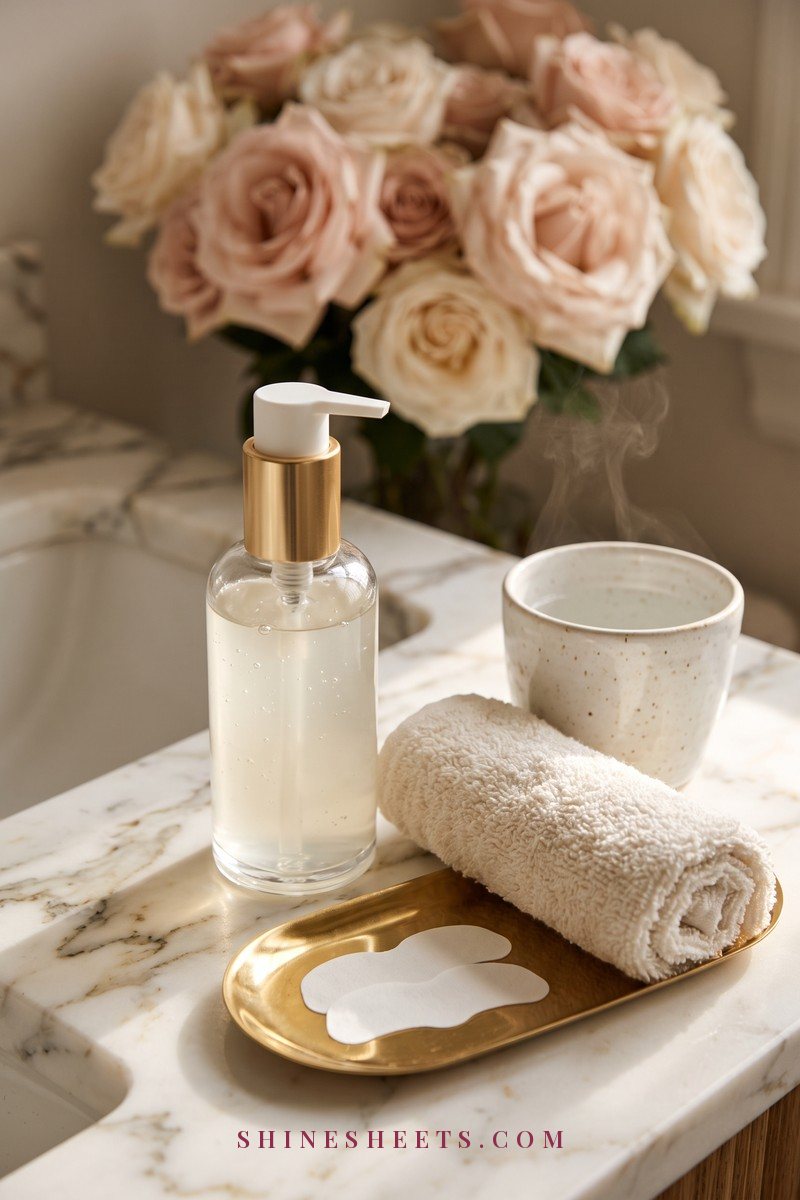
- Cleanse. Wash with a gentle gel cleanser and lukewarm water to remove sunscreen, makeup and surface oil, so the adhesive can reach the pores instead of your SPF.
- Soften with warmth (optional). Hold a warm, damp washcloth on your nose for 1–2 minutes. Warm, not hot.
- Wet your nose well. The strip needs water to activate. Damp skin, not dripping.
- Apply and smooth. Press the strip on with dry fingers, smoothing from the center out so it hugs the sides of your nose.
- Follow the timing on the pack. Usually 10–15 minutes, until the strip feels stiff. Don't leave it on longer "for extra power," as it only grips harder on your skin.
- Peel slowly from the edges. Start at one side, hold the skin near it with your other hand and peel low and slow toward the center. If it feels stuck or painful, wet it again and let it soften before trying.
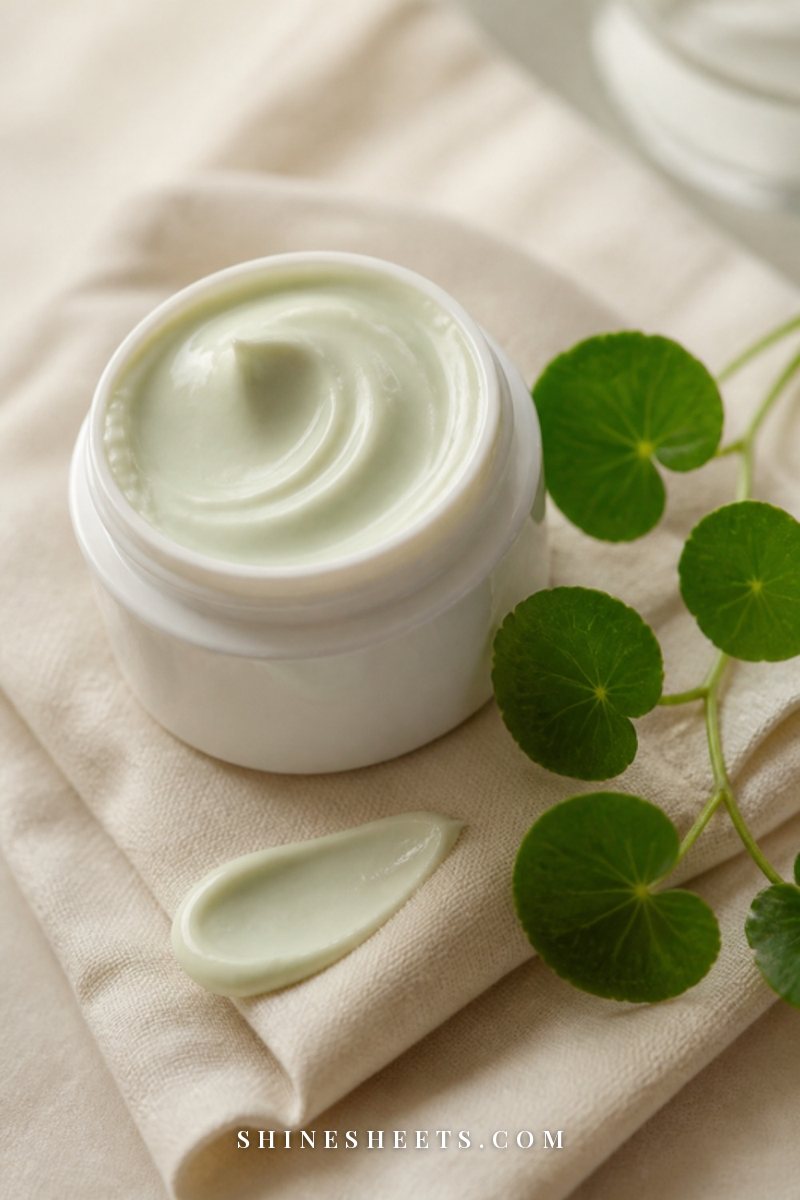
Afterward, rinse with cool water, skip any exfoliating products for the rest of the day and apply something calming, like a soothing centella cream. Keep the frequency to once a week at most; every two weeks is plenty for many people.
5 Signs You're Overdoing Pore Strips
Your skin gives clear hints when it's had enough. If you notice any of these, take a break of at least two weeks and focus on soothing.
1. Redness That Lasts
A little pinkness for 15–30 minutes is normal. Redness that's still there hours later, or the next morning, means the strip took more than it should.
2. Flaking or Peeling
Dry, flaky patches on the nose a day or two after a strip are a sign that the top layer of skin was lifted along with the pore tops.
3. Stinging When You Apply Products
If your usual moisturizer or sunscreen suddenly stings on your nose, your skin barrier is asking for a pause.
4. More Visible Tiny Blood Vessels
Fine red lines (sometimes called broken capillaries) that seem to be appearing or getting more noticeable around the nose are a good reason to stop pulling on that area and to mention it to a dermatologist.
5. Irritation That Lingers
Tenderness, bumps or a general "angry" feeling that hangs around for days means your skin needs gentle care, not another strip. Keep the routine simple: mild cleanser, a plain moisturizer and sunscreen.
4 Pore Strip Myths, Gently Untangled
A lot of the worry (and the hype) around pore strips comes from a few stubborn myths. Here's the calmer version of each.
1. "The Spikes Prove Your Pores Were Dirty"
Mostly not. Those spikes are largely sebaceous filaments and oxidized oil, which every healthy nose has. Seeing them on a strip doesn't mean your cleansing routine is failing. It means your skin makes oil, which is its job.
2. "Pore Strips Make Pores Bigger"
There's no good evidence that occasional, gentle use stretches pores. What can happen is irritation and redness, which may make the area look rougher for a while. Pores can look larger when they're full or when skin loses firmness over time, not because of a strip once a week.
3. "If One Strip Is Good, Two in a Row Is Better"
This is the myth that causes the most irritation. A second strip right after the first mostly grabs skin, not plugs, because the pore tops are already gone. One strip per session, then leave your nose alone for at least a week.
4. "Pore Strips Can Replace Exfoliating"
Strips work only on the surface of a small area, and only for a few days. Regular, gentle exfoliation with an acid works inside the pore across your whole T-zone. They do different jobs, and if you use both, keep them on separate days (at least 2–3 days apart).
Once these myths fall away, pore strips become a lot less dramatic: neither a danger nor a solution, just one small tool you can take or leave.
Pore Strips vs Other Options: A Comparison Table
Here's how pore strips stack up against the gentler, longer-term options. Screenshot it if it helps you choose.
| Option | What it removes | How long results last | Best for | Caution |
|---|---|---|---|---|
| Pore strips | Tops of blackheads, sebaceous filaments, surface skin and fine hairs | A few days to about 2–3 weeks | A quick cosmetic refresh before an event | Max once a week; skip on sensitive, sunburned or broken-out skin |
| BHA (salicylic acid) | Loosens oil and dead skin inside the pore over time | Ongoing with regular use (results build over 4–8 weeks) | Oily, combination and blackhead-prone skin | Start 2–3 times a week; can dry or sting; patch test |
| Clay mask | Absorbs surface oil and helps clear the top of pores | A day or two of a fresher, less shiny look | Oily T-zones and combination skin | 10 minutes max; don't let it crack fully; use on the T-zone only if your cheeks are dry |
| Oil cleansing | Dissolves sunscreen, makeup and excess oil on the surface | Daily maintenance | Most skin types, especially if you wear sunscreen and makeup | Rinse well; choose a non-comedogenic formula |
| Non-comedogenic products | Nothing directly; they help prevent new clogs | Long term, as part of your routine | Anyone prone to clogged pores | "Non-comedogenic" is a guide, not a guarantee; watch how your skin reacts |
Longer-Term Options That Work With Your Skin
If you want your nose to look clearer for more than a weekend, these steps do the slow, steady work. You don't need all four. Pick one or two and give them a fair try of about six weeks.
BHA (Salicylic Acid)
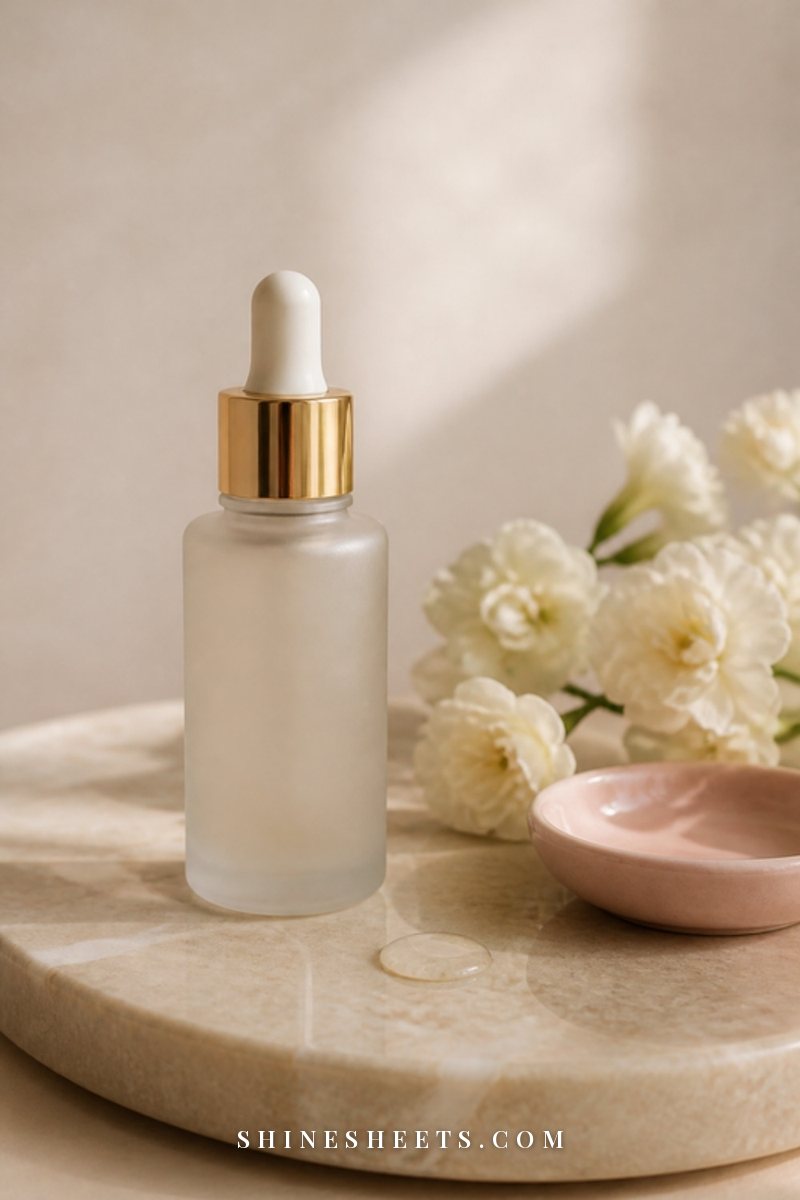
Salicylic acid is oil-soluble, which means it can work its way into the pore lining and loosen the mix of oil and dead skin that forms blackheads. A gentle BHA liquid exfoliant at around 1–2% is a classic pick. Swipe or pat it onto clean, dry skin in the evening, 2–3 times a week to start, and build up slowly if your skin is happy. Always wear sunscreen during the day.
Don't use BHA on the same evening as a pore strip, and don't layer it with a retinoid at first. If you're wondering how it compares with glycolic or lactic acid, my AHA vs BHA guide breaks it down by skin type.
Clay Masks
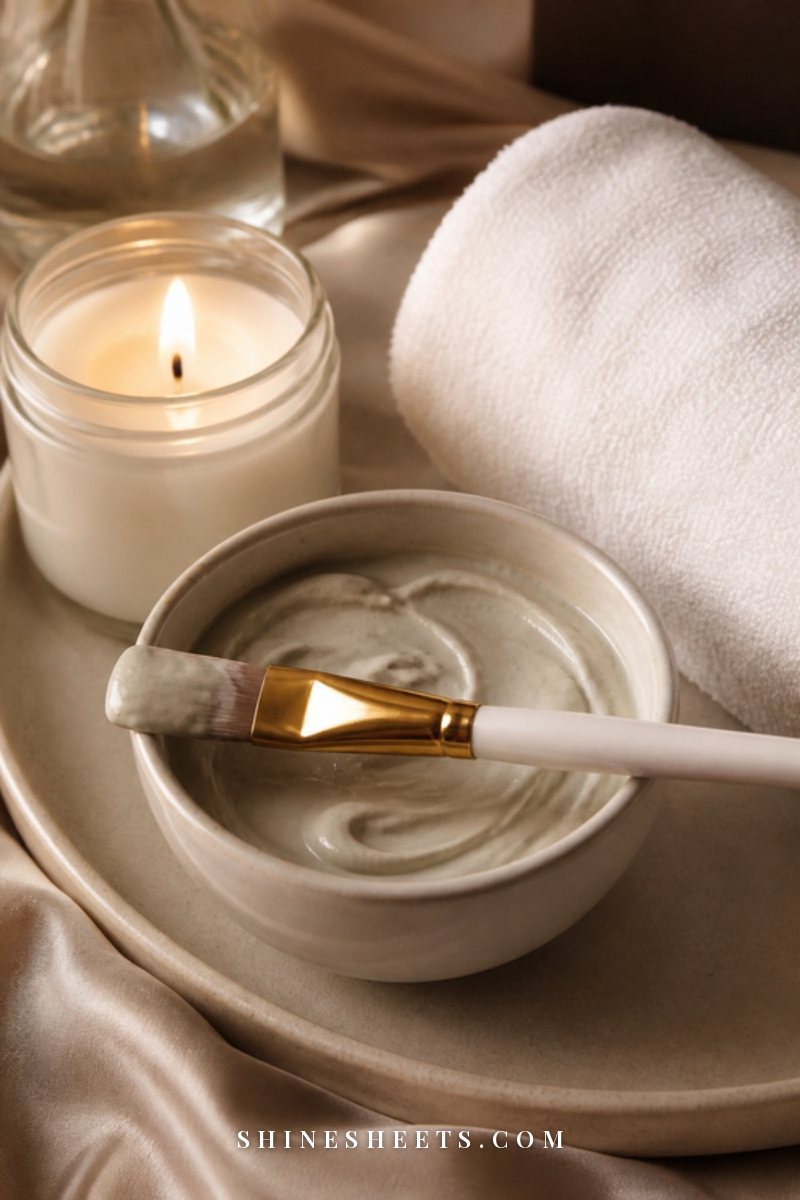
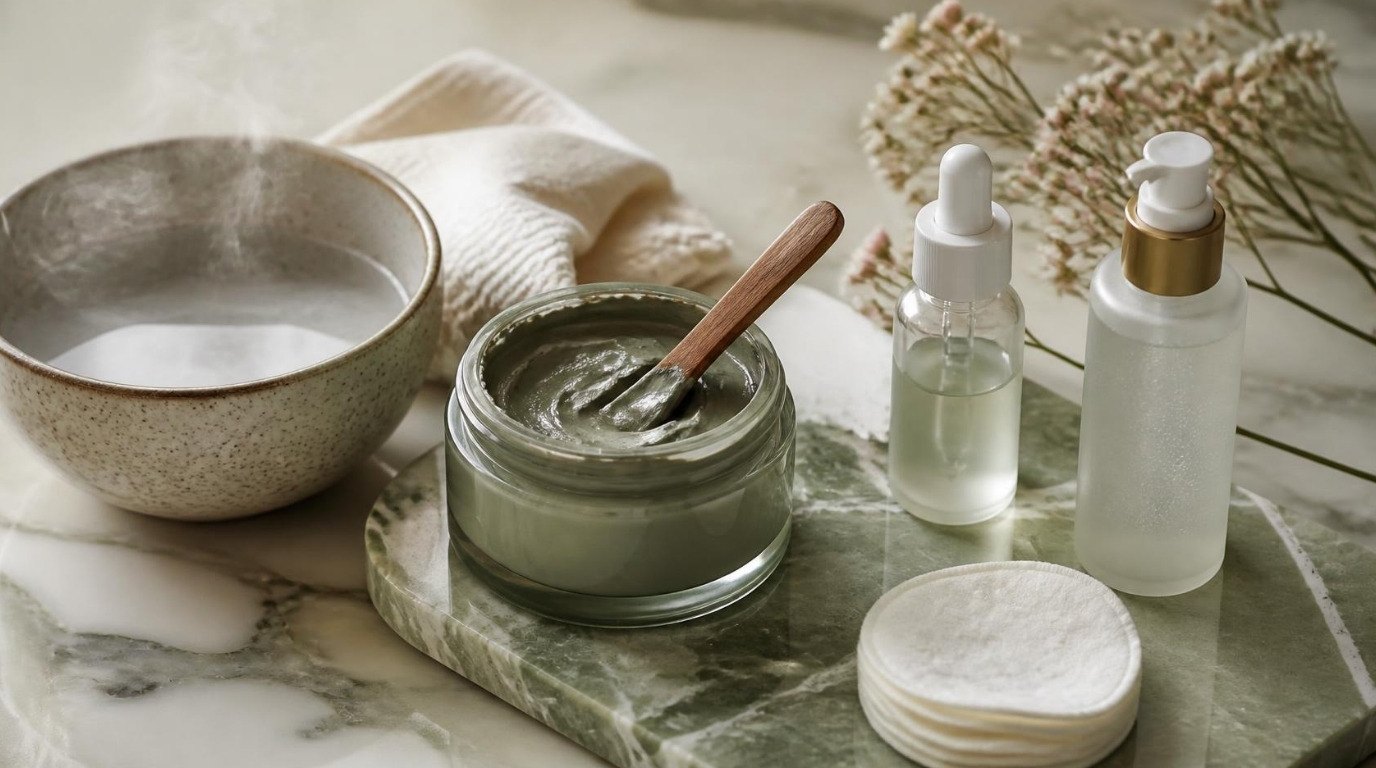
Clay soaks up excess oil and can make the nose and forehead look fresher and less shiny for a day or two. A white kaolin clay mask is the gentlest place to start, since kaolin is softer than many other clays. Apply a thin layer to your T-zone once a week, leave it for about 10 minutes and rinse before it cracks and pulls. Follow with moisturizer, because clay can leave combination skin feeling tight.
Oil Cleansing
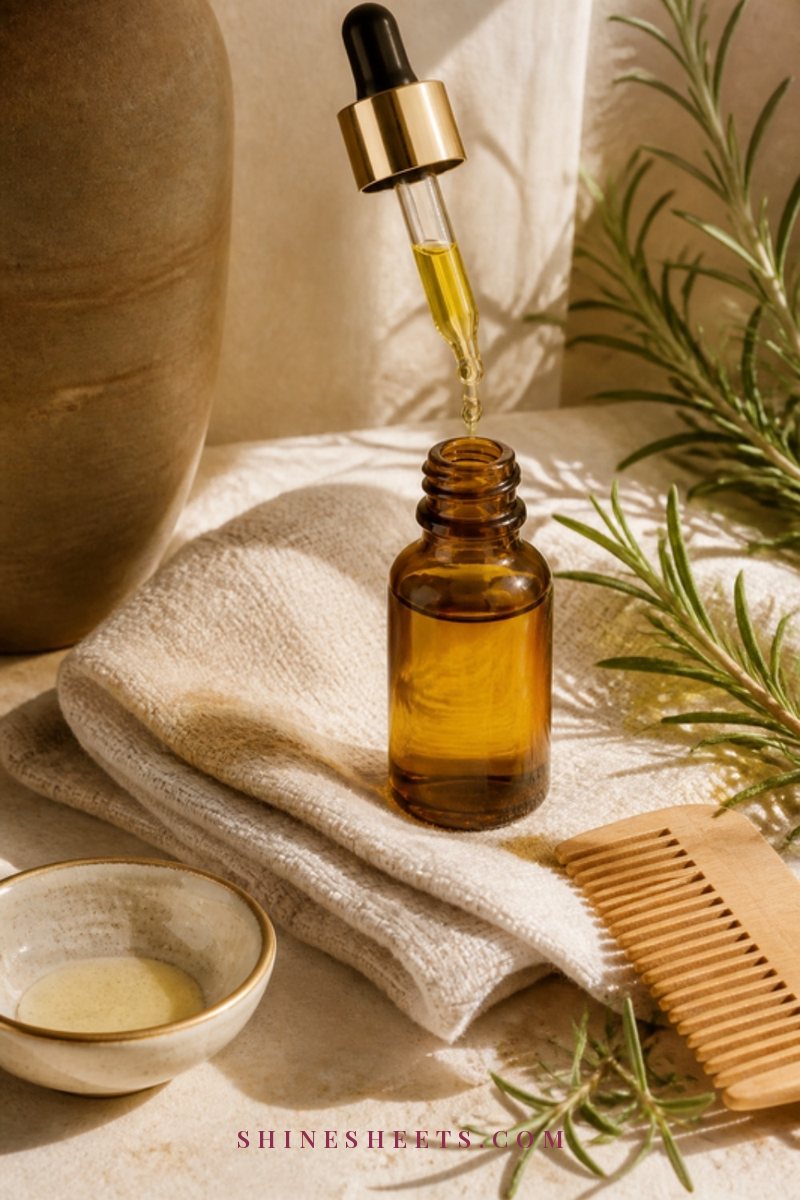
It sounds backwards, but oil dissolves oil. A cleansing oil or balm melts sunscreen, makeup and excess sebum so they're easier to rinse away. Massage it onto dry skin for about 60 seconds (give the nose an extra gentle 20 seconds), add a splash of water to emulsify, then rinse. Many people follow with a gentle water-based cleanser. A soft muslin face cloth can help you remove the last of it without scrubbing.
Non-Comedogenic Products
Your moisturizer, sunscreen and foundation sit on your skin for hours, so they matter more for clogs than a once-a-week strip ever will. Look for "non-comedogenic" or "won't clog pores" on the label, choose lighter gel or lotion textures for an oily T-zone and introduce one new product at a time so you can see what your skin likes. For the bigger picture on making pores look smaller, my gentle pore care guide pulls it all together.
When To See a Dermatologist
Pore strips and home routines are cosmetic. They aren't meant to treat ongoing skin conditions. It's worth booking a dermatologist if:
- Clogged pores or blackheads don't improve after 8–12 weeks of a consistent, gentle routine.
- You have painful bumps, cysts or breakouts that leave marks.
- Redness, visible blood vessels or stinging around your nose keep getting worse.
- You're unsure whether something is a blackhead, a filament or something else entirely.
A dermatologist can suggest prescription options or in-office extractions done safely and hygienically, which is a very different thing from squeezing at the bathroom mirror.
Final Thoughts
Pore strips are allowed to be a small, satisfying treat. You don't have to give them up, and you don't have to feel guilty for enjoying that peel. Just let them be what they are: a quick surface refresh, used gently and not too often.
The real, lasting difference comes from the quiet basics you repeat week after week: a kind cleanser, a little BHA or clay, products that don't clog and plenty of patience. Your skin, filaments and all, is doing exactly what healthy skin does.