
Most habits fail not because you lack willpower, but because they're attached to a goal instead of to a sense of who you are. "I want to read more books" is a wish. "I'm a reader" is an identity, and identities have a way of quietly making decisions for you: a reader brings a book to the waiting room without having to argue with herself about it.
That shift is small on paper and surprisingly powerful in real life. When a habit is proof of the person you're becoming, missing a day stings less, starting again feels natural, and the habit stops being something you have to force. It took me a long time to notice that the routines I kept were never the ones I was strict about. They were the ones that felt like "just me."
This guide covers identity-based habits step by step: what they are, the three layers of change, how to choose an identity that's kind and realistic, how tiny "votes" build it, 10 identity statements with matching tiny habits, a habit map table you can screenshot, and the watch-outs that keep this from turning into pressure.
Think of it as becoming someone, gently, one small action at a time.
What Are Identity-Based Habits?

Identity-based habits are habits you build around the question "Who do I want to be?" instead of "What do I want to achieve?" The idea was popularized by James Clear in his book Atomic Habits, where he describes every action as a vote for the type of person you want to become.
Here's the difference in practice:
- Outcome-based: "I want to run a 5K." Once you run it (or give up on it), the motivation tends to disappear.
- Identity-based: "I'm someone who moves her body every day." There's no finish line, so there's nothing to quit after. The habit just becomes part of your normal.
Goals are still useful. They give direction. But the identity is what keeps you showing up on the ordinary, unglamorous Tuesdays when no goal feels urgent.
The Three Layers of Change
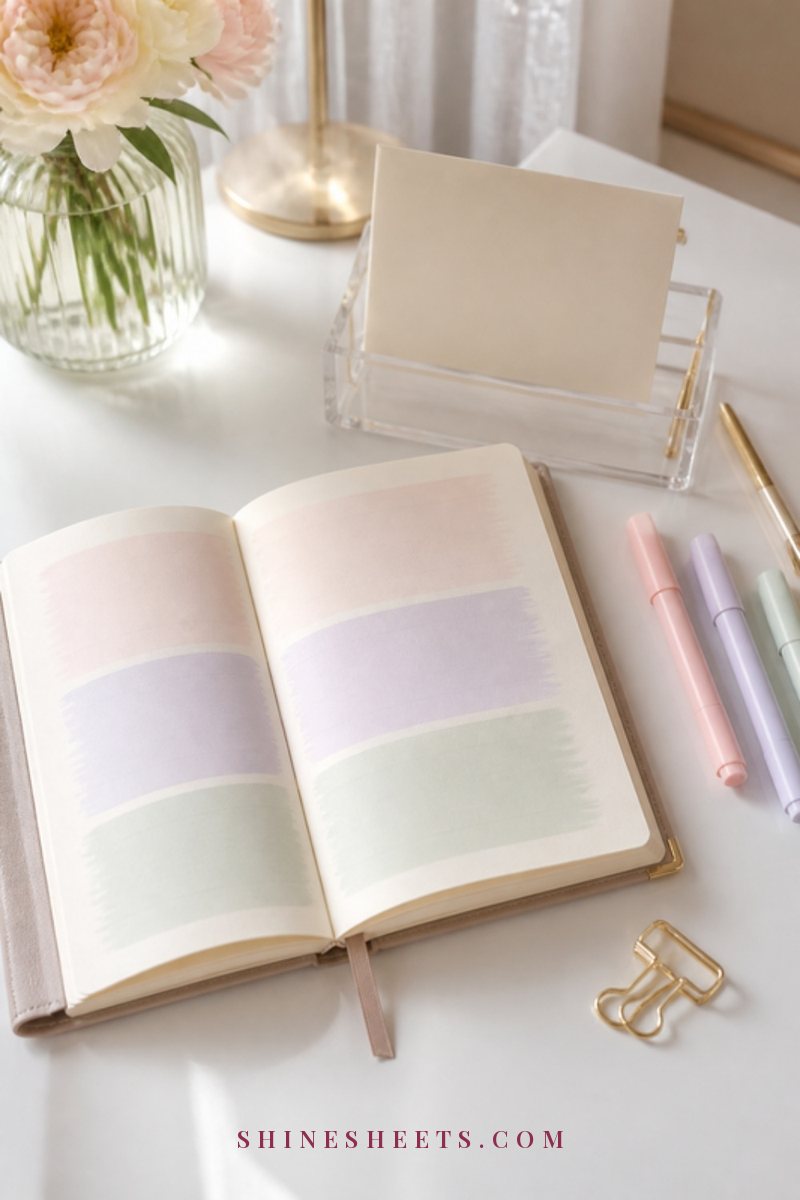
A simple way to understand this is to picture change happening in three layers, from the outside in.
Layer 1: Outcomes
This is what you get: a tidier home, a savings cushion, a finished book, a calmer week. Outcomes are visible and satisfying, which is why most of us start here. The catch is that they're results, not routines. You can't "do" an outcome every day.
Layer 2: Processes
This is what you do: the systems and routines that produce the outcomes. A 10-minute evening reset, a weekly money check-in, reading before bed. Most habit advice lives on this layer, and it's important, but processes on their own can feel like a list of chores.
Layer 3: Identity
This is what you believe about yourself: "I'm an organized person," "I take care of my money," "I'm a reader." It's the deepest layer and the most lasting, because your behavior naturally tends to match your self-image. When the identity changes, the processes feel easier and the outcomes follow almost as a side effect.
The magic happens when all three line up. Identity-based habits simply mean starting with layer three and letting it guide the other two.
Why Identity Makes Habits Stick
People are wired to act consistently with how they see themselves. If you believe "I'm not a morning person," you'll find reasons to stay in bed. If you believe "I'm someone who starts the day slowly and calmly," you'll find yourself setting out a mug the night before without much effort.
There are a few reasons this works so well:
- It removes the daily negotiation. You're not deciding whether to do the habit. You're just acting like yourself.
- It survives bad days. One missed walk doesn't erase "I'm someone who moves daily." It's one vote, not the whole election.
- It grows from evidence. Every small action becomes proof, and proof slowly turns a hopeful sentence into a belief.
- It feels kinder. Instead of "I have to," the inner voice becomes "this is who I am." Much less pressure, much more ownership.
If you'd like the practical mechanics of habit-building to sit alongside this, my guide on how to create new habits that stick covers the cues, timing and routines in more detail.
How To Build Identity-Based Habits in 6 Steps
You don't need a full life overhaul. Start with one identity, follow these steps and give it a few weeks before adding another.
1. Name the Identity in Plain Words

Write one short sentence that starts with "I am" or "I'm someone who." Keep it simple enough that you'd say it out loud without cringing:
- "I'm someone who moves every day."
- "I'm a reader."
- "I'm an organized person."
Skip vague or grand identities like "I'm a high achiever." The best ones describe a behavior you can picture. If you're not sure which identity matters most to you right now, choosing from your core values list first is a lovely shortcut, because identities built on your values feel genuinely yours.
2. Keep It Kind and Realistic
Your identity should feel like a direction, not a costume. "I'm someone who never eats sugar" or "I'm always productive" sets you up to fail on day two. "I'm someone who takes care of her body" leaves room for real life, birthdays and tired evenings.
A gentle test: would you say this sentence to a friend about herself? If it sounds harsh or impossible, soften it until it sounds supportive.
3. Choose Small Votes for It
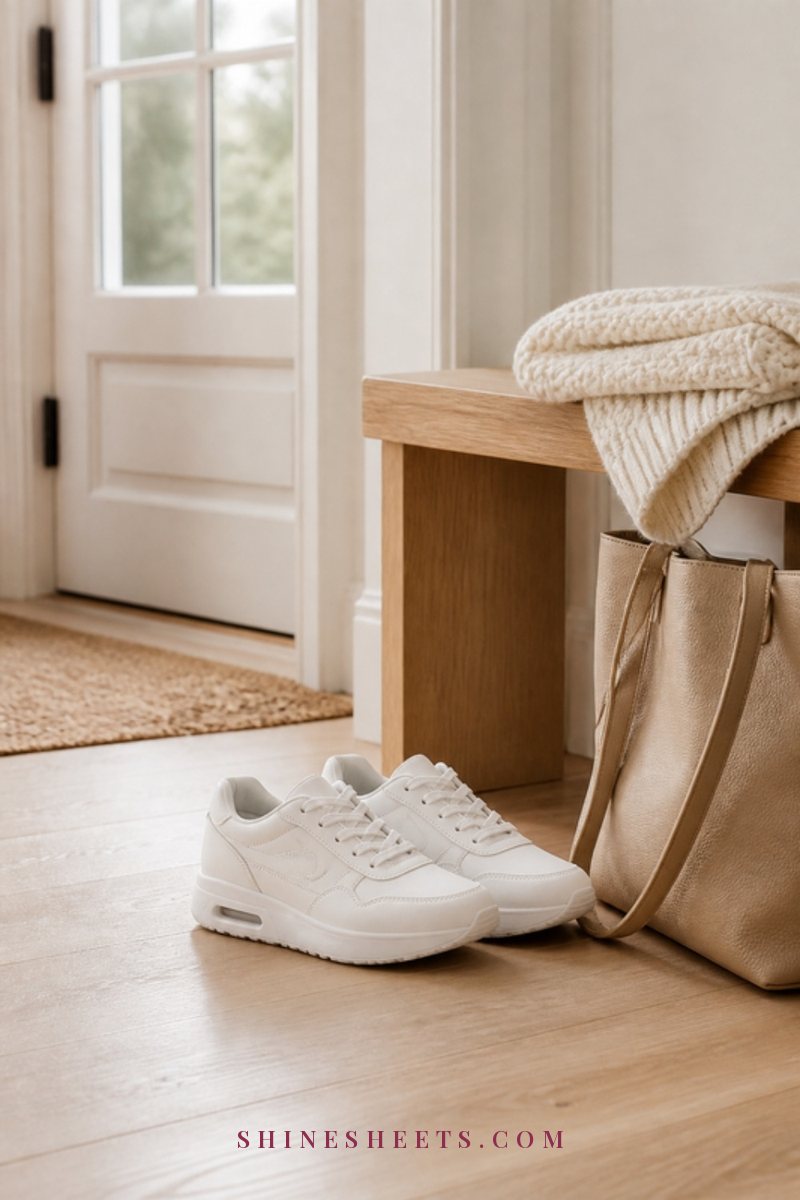
A vote is any action, however tiny, that a person with this identity would take. And tiny really counts. A 10-minute walk is a vote for "I move daily." Two pages before bed is a vote for "I'm a reader." Putting away three things is a vote for "I'm organized."
Make the first version so small it feels almost silly. The goal for the first few weeks isn't results. It's repetition, because repetition is what changes how you see yourself. If you want a clever way to fit votes into your day, habit stacking attaches each new vote to something you already do (after I pour my tea, I read two pages).
4. Track Your Evidence
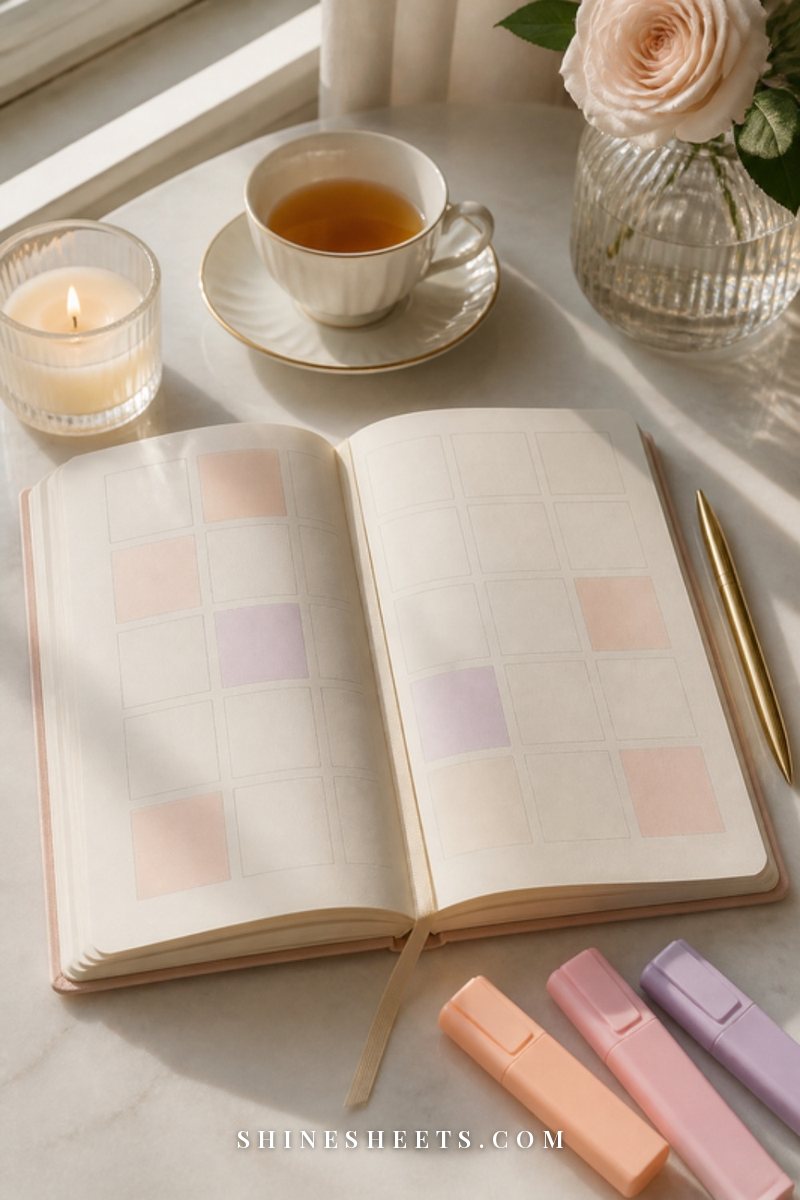
Beliefs change when they're backed by proof. Tracking isn't about perfection, it's about collecting evidence that you're already becoming this person.
- Use a simple tracker: one row per habit, one small mark per day. An undated habit tracker journal lets you start any day of the month without wasted pages.
- Color-code if it makes you happy. A set of pastel highlighters turns a week of marks into a soft little visual of progress.
- Once a week, write one sentence of proof: "This week I walked five times. I'm becoming someone who moves daily."
I love doing that weekly sentence after my evening tea, when journaling feels like a calm reward rather than another task.
5. Design Your Space

Your environment is a constant, silent cue. Make the identity-friendly choice the easiest one in the room:
- Reader: a book on your pillow or next to the kettle, the phone charger in another room.
- Someone who moves: sneakers by the door, a soft cream yoga mat already rolled out in a corner so a five-minute stretch needs zero setup.
- Organized: a small ceramic catchall tray by the door for keys and mail, a basket for "things to put away."
- Calm: a candle and a journal on the bedside table instead of a stack of to-dos.
Small visual cues work better than motivation, because they nudge you before your brain has time to make excuses. The reverse is true too: make the old habit a little harder. If you want less phone time at night, the charger in the hallway does more than any promise you make to yourself at 11 p.m.
Walk through your home once with your identity sentence in mind and ask, room by room, "What would make the right choice obvious here?" One or two changes per room is plenty.
6. A Slip Is One Missed Vote, Never Two in a Row
You will miss days. Everyone does. A missed day isn't evidence that you're "not that kind of person." It's one vote that went the other way, and a single vote never decides the election.
The only rule that matters here: try not to miss twice in a row. If you skipped your walk on Monday, make Tuesday's vote extra small (five minutes around the block) just to stay in the identity. Starting again quickly is what the person you're becoming actually does.
10 Identity Statements With Matching Tiny Habits

Here are ten identities you might like to try, each with a tiny habit to start with and a way to grow it later. Pick one, not all ten.
- "I'm a calm person." Tiny habit: three slow breaths before you check your phone in the morning. Grow it into: a five-minute quiet sit with your tea.
- "I'm someone who takes care of her health." Tiny habit: drink a glass of water right after waking up. Grow it into: a short walk or stretch after lunch.
- "I'm an organized person." Tiny habit: put away three things before bed. Grow it into: a 10-minute evening reset of one room.
- "I'm a creative person." Tiny habit: make one small thing a day (a sketch, a line of writing, a photo). Grow it into: one weekly creative hour on your calendar.
- "I'm someone who is financially steady." Tiny habit: check your account balance once a day for 30 seconds. Grow it into: a weekly 15-minute money check-in.
- "I'm kind to myself." Tiny habit: write one thing you did well today. Grow it into: a weekly self-care evening that's non-negotiable.
- "I'm a reader." Tiny habit: read two pages before bed. Grow it into: 20 minutes of reading instead of phone time at night.
- "I'm an early riser." Tiny habit: get up 10 minutes earlier and open the curtains straight away. Grow it into: a slow 30-minute morning routine.
- "I'm a good friend." Tiny habit: send one thoughtful message a day. Grow it into: a regular coffee date or call with someone you love.
- "I'm a focused person." Tiny habit: work for 10 minutes with your phone in another room. Grow it into: one or two focused 45-minute blocks a day.
Notice that every tiny habit takes less than five minutes. That's on purpose. The identity grows from showing up, not from big efforts.
Your Identity Habit Map
This is the table to screenshot. Each row turns an identity into a daily vote, a cue in your space and a simple weekly proof you can write down.
| Identity | Daily vote | Environment cue | Weekly proof |
|---|---|---|---|
| I'm a calm person | 3 slow breaths before the phone | Phone charging outside the bedroom | "I started calmly on 5 of 7 days" |
| I take care of my health | A glass of water on waking | Full glass or bottle on the nightstand | Count of water mornings in your tracker |
| I'm organized | Put away 3 things before bed | A basket for loose items in each room | A photo of one tidy surface on Sunday |
| I'm creative | Make one small thing | Sketchbook and pen left open on the table | Flip through the week's small makes |
| I'm financially steady | 30-second balance check | Banking app on your home screen, shopping apps moved | One line on what you spent and saved |
| I'm kind to myself | Write one thing I did well | Journal and pen on the pillow | Reread the seven "did well" lines |
| I'm a reader | 2 pages before bed | Book on the pillow, phone in another room | Pages or chapters read this week |
| I'm an early riser | Up 10 minutes earlier, curtains open | Alarm across the room, mug set out the night before | Number of calm early mornings |
| I'm a good friend | One thoughtful message | A short list of people to check in with | Names of the people you reached out to |
| I'm focused | 10 phone-free minutes of work | Phone in a drawer, one tab open | Total focused blocks this week |
If you like writing these down by hand, a cream undated daily planner gives you room for the daily vote at the top of each page and the weekly proof on Sundays.
Watch-Outs: When Identity Habits Turn Into Pressure

Identity can be a beautiful motivator, but it can also become one more stick to beat yourself with. Keep an eye on these three.
Shame-Based Identities
"I'm going to stop being such a mess" is an identity built on shame, and shame rarely creates lasting change. It just makes every slip feel like proof that you're the problem. Turn it around into something you're moving toward: "I'm someone who keeps her space calm and simple." Same habits, much gentler fuel.
Perfectionism
If you only count a vote when it's done perfectly (the full workout, the whole chapter, the spotless kitchen), you'll miss most of your evidence. Let the small versions count fully. Two pages is reading. Ten minutes is movement. Good enough is still a vote.
Stuck Labels
Old labels like "I'm just lazy," "I'm bad with money" or "I've never been organized" quietly work against every new habit. They're usually not facts, they're stories you picked up somewhere and kept repeating. My guide to limiting beliefs walks through how to question them gently. A simple start: add the word "yet," or move the label into the past tense. "I wasn't organized before. Now I'm practicing."
And if a stuck label feels very heavy, or ties into low mood or anxiety that doesn't lift, talking it through with a therapist can make a real difference. That's not a failure of the method, it's just good support.
How Identity Habits Grow Over Time
The first few weeks feel almost too small to matter. That's normal. Here's roughly how it tends to unfold:
- Weeks 1–2: the identity sentence feels a bit pretend. You're doing the tiny habit mostly because you decided to.
- Weeks 3–6: the habit starts to feel automatic on good days. You notice yourself making identity-friendly choices without planning them.
- Months 2–3: the sentence starts to feel true. Skipping the habit feels odd, like forgetting to brush your teeth.
- After that: you can grow the habit (longer walks, more pages) or add a second identity, because the first one now runs on its own.
A useful habit during this stretch is a quick monthly look back. Read through your weekly proof sentences, notice what got easier and adjust anything that still feels like a fight. If a tiny habit keeps slipping, it's usually a sign it's still too big or the cue isn't visible enough, not that you're the wrong kind of person.
Discipline still has a role, especially on low-energy days. If you want support with that side of things, my guide on how to build discipline pairs nicely with identity work, because discipline gets so much easier when you're protecting who you are rather than forcing a rule.
For deeper reflection on who you want to become, a guided self-discovery journal offers prompts that help you put words to the identity before you start voting for it.
Final Thoughts
You don't become a new person overnight, and you don't need to. You become her the same way you became who you are now: through small, repeated choices that slowly add up to a story you believe.
Pick one identity, one tiny vote and one cue in your space, and let the evidence pile up quietly. A few weeks from now, the sentence you wrote down will feel a little less like a wish and a lot more like you.