Hard water stains don't come off with more scrubbing. They come off with time. Those chalky white spots on your shower door and the crusty ring around your faucet are minerals, and minerals dissolve in a mild acid if you give it long enough to work. Most people spray, wipe straight away, see no difference and reach for something harsher. The real trick is the wait.
The second trick is knowing your surface. The same vinegar that makes a glass shower door sparkle can etch a marble vanity or dull a brushed brass faucet in minutes. A little knowledge up front saves you from turning a cleaning job into a repair job.
This guide explains how to remove hard water stains from every common spot in your home: glass and shower doors, faucets and chrome, tiles and grout, sinks, toilet rings and showerheads. You'll find exact dwell times, the tools that won't scratch, what never to use on natural stone or brass, and a surface-by-surface table you can screenshot and keep under the sink. We'll finish with the simple daily habits that stop the stains from coming back.
What Hard Water Stains Actually Are
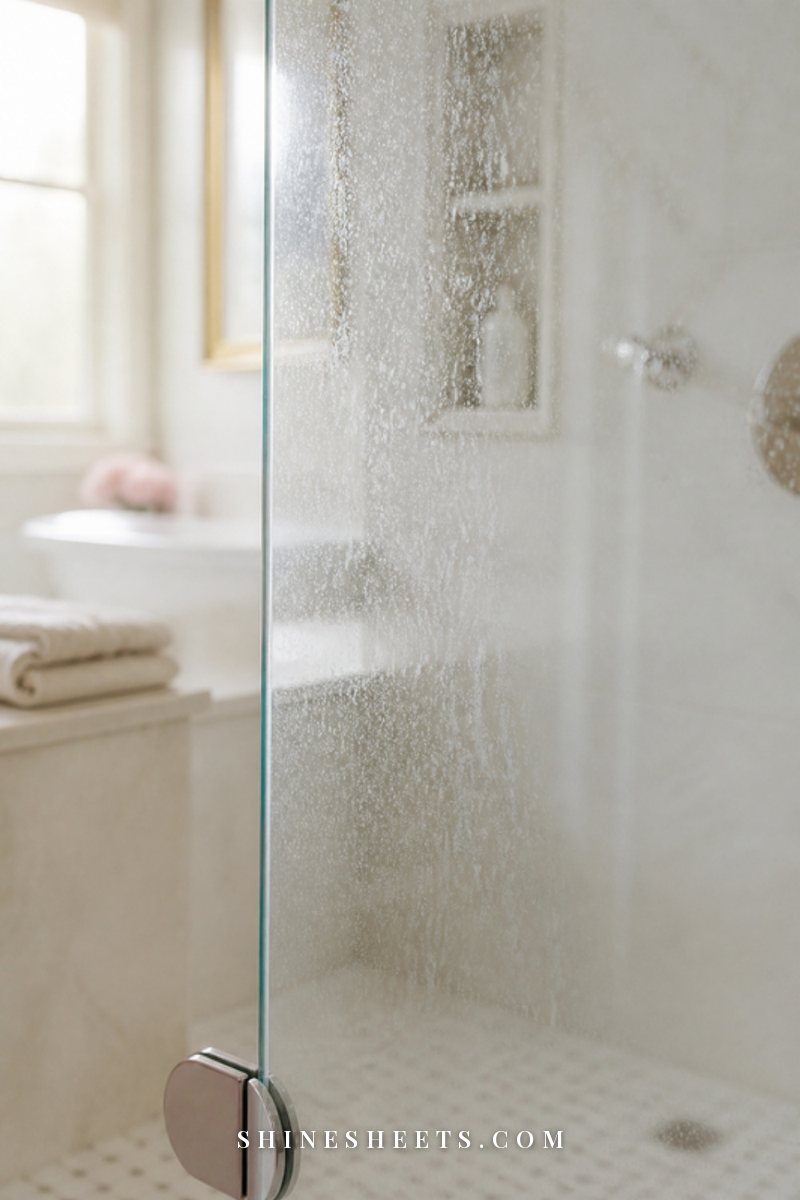
Hard water contains dissolved minerals, mostly calcium and magnesium. When a drop of that water dries on a surface, the water evaporates and the minerals stay behind. One drop leaves a faint spot. Thousands of drops, day after day, build up into the cloudy film on glass, the white crust around faucets, the rough ring in the toilet bowl and the clogged nozzles on your showerhead.
That's also why they're so stubborn. Mineral deposits aren't dirt sitting on top of a surface, they're bonded to it, which is why soap and water barely touch them. Soap is designed for grease and grime. Minerals need an acid, such as white vinegar or citric acid, to dissolve them.
A quick way to tell what you're dealing with:
- White, chalky, rough to the touch: hard water (limescale).
- Slimy pink or orange: usually bacteria, not minerals. Clean it with a regular bathroom cleaner.
- Black spots in grout or silicone: mildew, which needs a different approach (covered in my guide to how to clean grout).
- Rust-colored streaks: iron in the water, which also responds well to acid but may need repeat treatments.
What You Need To Remove Hard Water Stains
You don't need a cupboard full of specialty products. This small kit handles almost everything:
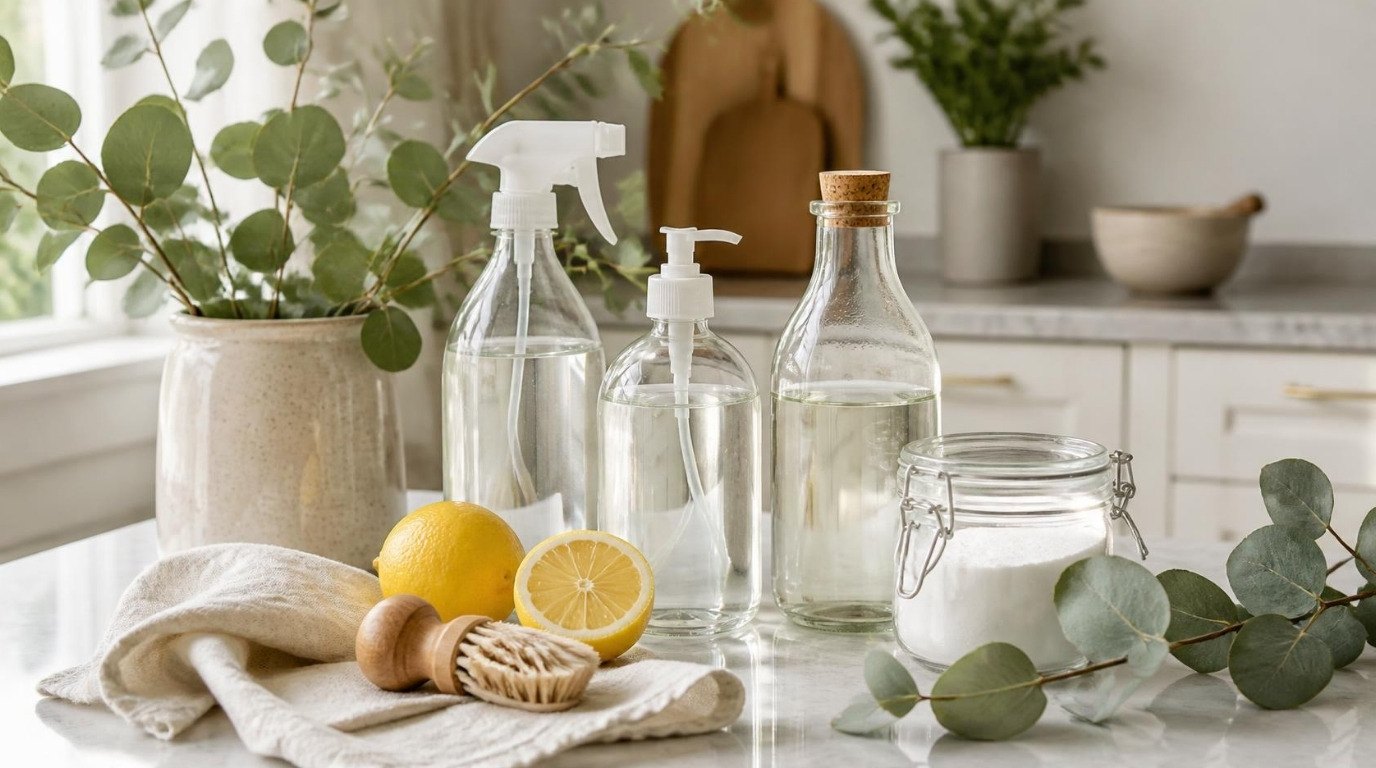
- White distilled vinegar. The standard 5% kind from the grocery store. It's cheap and does most of the work.
- Citric acid powder. Stronger than vinegar and nearly odorless. Great for toilets, showerheads and heavy buildup.
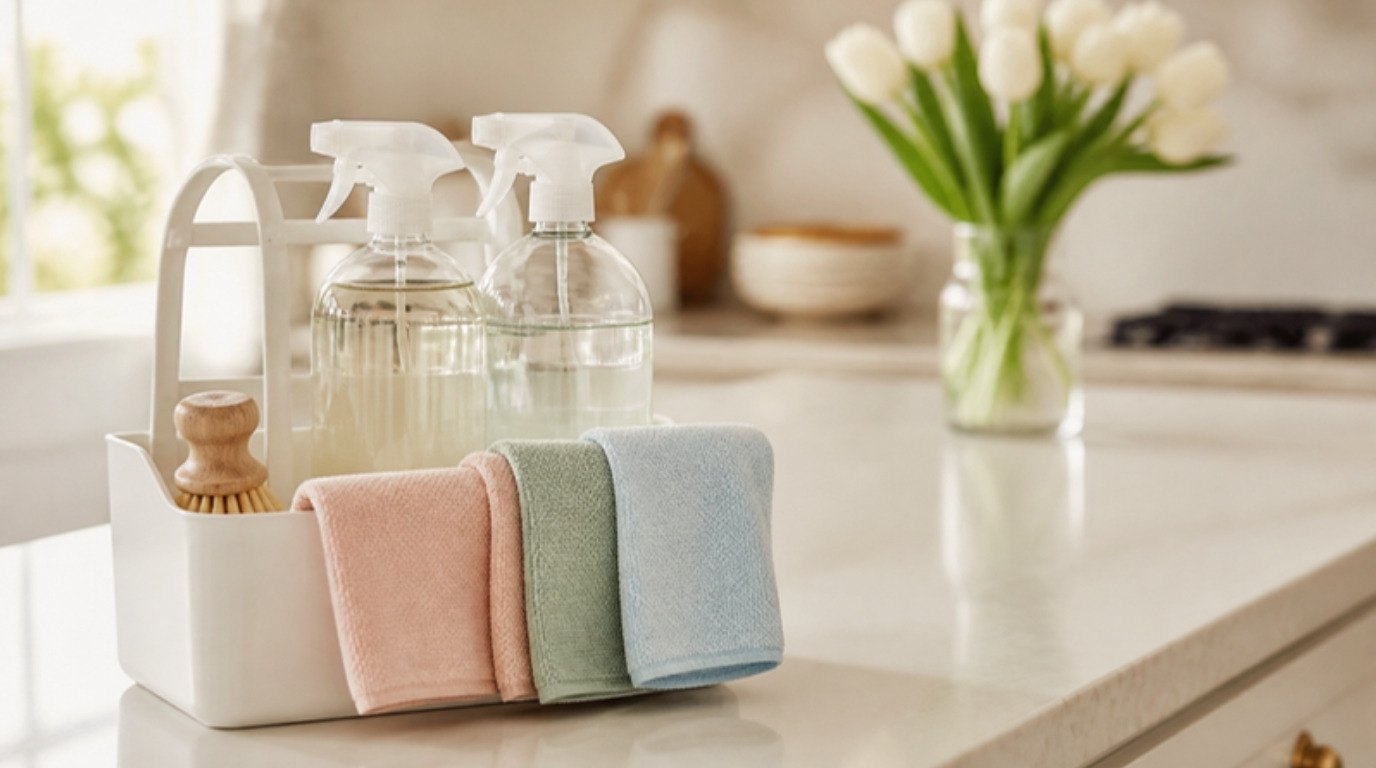
- Spray bottles. A set of glass spray bottles lets you keep a vinegar mix and a plain water rinse ready, and glass doesn't absorb smells the way some plastic does.
- Microfiber cloths. A stack of microfiber cleaning cloths is the secret to streak-free glass and chrome. Keep a few for wiping and a few just for drying.
- Non-scratch scrubbers. Non-scratch scrub sponges lift loosened minerals without leaving fine scratches on glass, chrome or enamel. Avoid steel wool and green scouring pads.
- Gloves. Vinegar and citric acid are mild, but long soaks can dry your hands. A pair of pink cleaning gloves makes the job far more pleasant.
- Paper towels or old cloths. For soaking and wrapping.
- A plastic bag and a rubber band. For the showerhead.
- An old toothbrush. For edges, faucet bases and grout lines.
If you like keeping your cleaning cupboard simple and gentle, my guide to natural cleaning covers the few basics I'd keep on hand for the whole house.
Hard Water Stain Removal by Surface
Here's the whole guide on one screen. Screenshot it, and you'll never have to guess again. Always test on a small, hidden area first, especially on older fixtures or anything with a special finish.
| Surface | What works | Dwell time | Avoid |
|---|---|---|---|
| Glass shower doors | Undiluted white vinegar spray, non-scratch sponge | 10–15 min; heavy film 30 min under soaked paper towels | Steel wool, abrasive powders |
| Chrome faucets | Vinegar-soaked cloth wrapped around the base | 15–30 min | Leaving acid overnight, scouring pads |
| Brass, gold, matte black, nickel finishes | Mild dish soap and warm water, soft cloth | 2–3 min | Vinegar, citric acid, any abrasive |
| Ceramic and porcelain tiles | Half vinegar, half water spray | 5–10 min | Long soaks on grout lines |
| Sealed grout | Diluted vinegar, toothbrush, rinse well | 5 min max | Frequent acid use, which wears grout down |
| Porcelain and enamel sinks | Vinegar-soaked paper towels, non-scratch sponge | 15–20 min | Harsh scouring powders |
| Stainless steel sinks | Vinegar spray, wipe with the grain | 5–10 min | Steel wool, bleach |
| Toilet bowl rings | Citric acid or vinegar with lowered water level | 2 hours to overnight | Mixing with bleach-based toilet cleaners |
| Chrome showerheads | Vinegar in a plastic bag tied around the head | 1 hour (up to overnight for plain chrome) | Long soaks on coated or colored finishes |
| Marble, travertine, limestone, granite | pH-neutral stone cleaner, soft cloth | As directed | Vinegar, lemon, citric acid of any kind |
How To Remove Hard Water Stains From Glass Shower Doors

Glass shows hard water more than any other surface, and it's also the one that responds best to vinegar. Here's the method:
- Rinse and dry first. Run warm water over the glass to remove soap, then wipe it roughly dry. Vinegar works better on a surface that isn't already diluted.
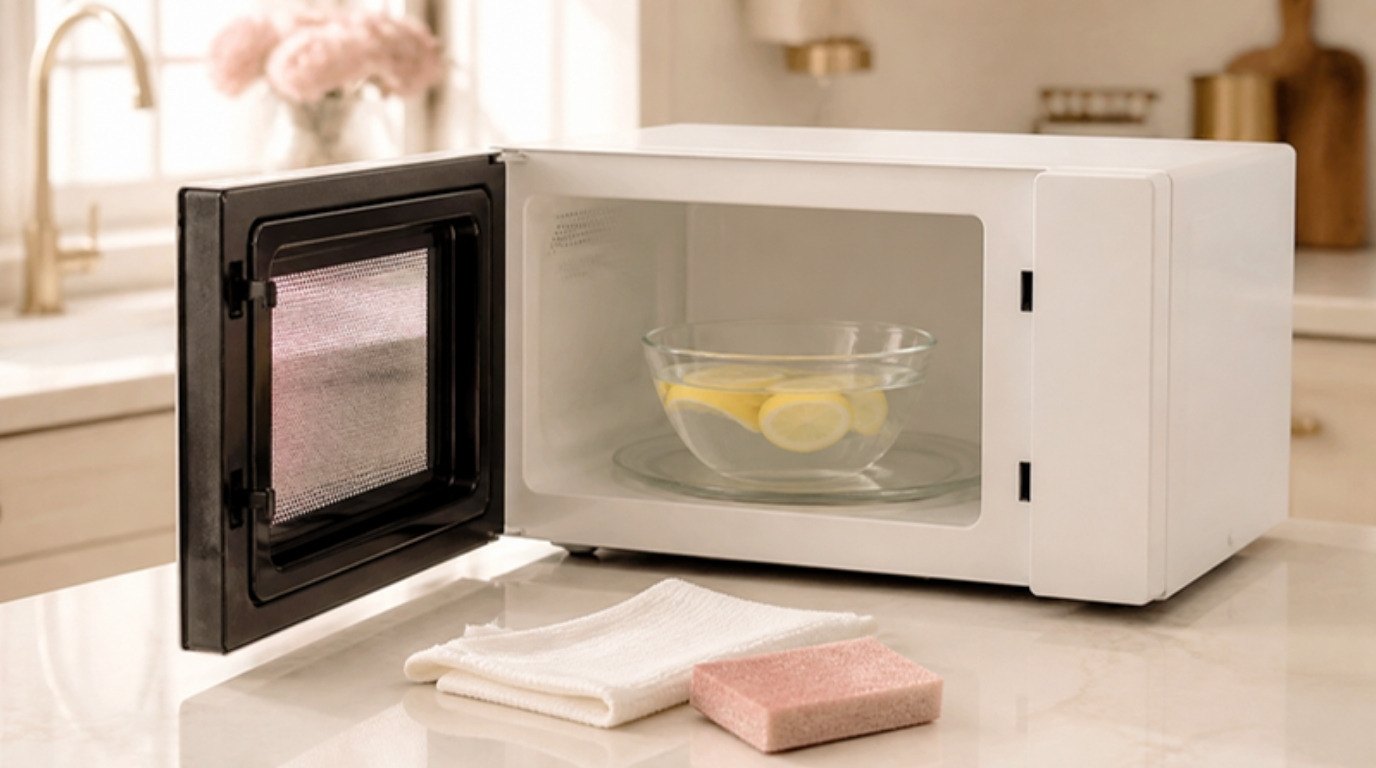
- Spray generously with undiluted white vinegar. Warm vinegar works even better: warm a cup in the microwave for about 30 seconds before filling the bottle.
- Wait 10 to 15 minutes. For heavy, cloudy buildup, press paper towels onto the glass and spray them until they're soaked. They stick and keep the vinegar in place for 30 minutes.
- Scrub gently with a non-scratch sponge in small circles.
- Rinse thoroughly with plain water.
- Dry immediately with a clean microfiber cloth, working top to bottom.
For very old buildup, you may need two or three rounds over a couple of days. That's normal. Each round dissolves another layer. A paste of baking soda and a little water rubbed gently with a soft sponge can help on stubborn spots, but rinse it off fully before using vinegar again so the two don't just fizz each other out.
My full guide on how to clean glass shower doors covers soap scum, tracks and seals too, if your doors need more than a mineral treatment.
How To Remove Hard Water Stains From Faucets and Chrome
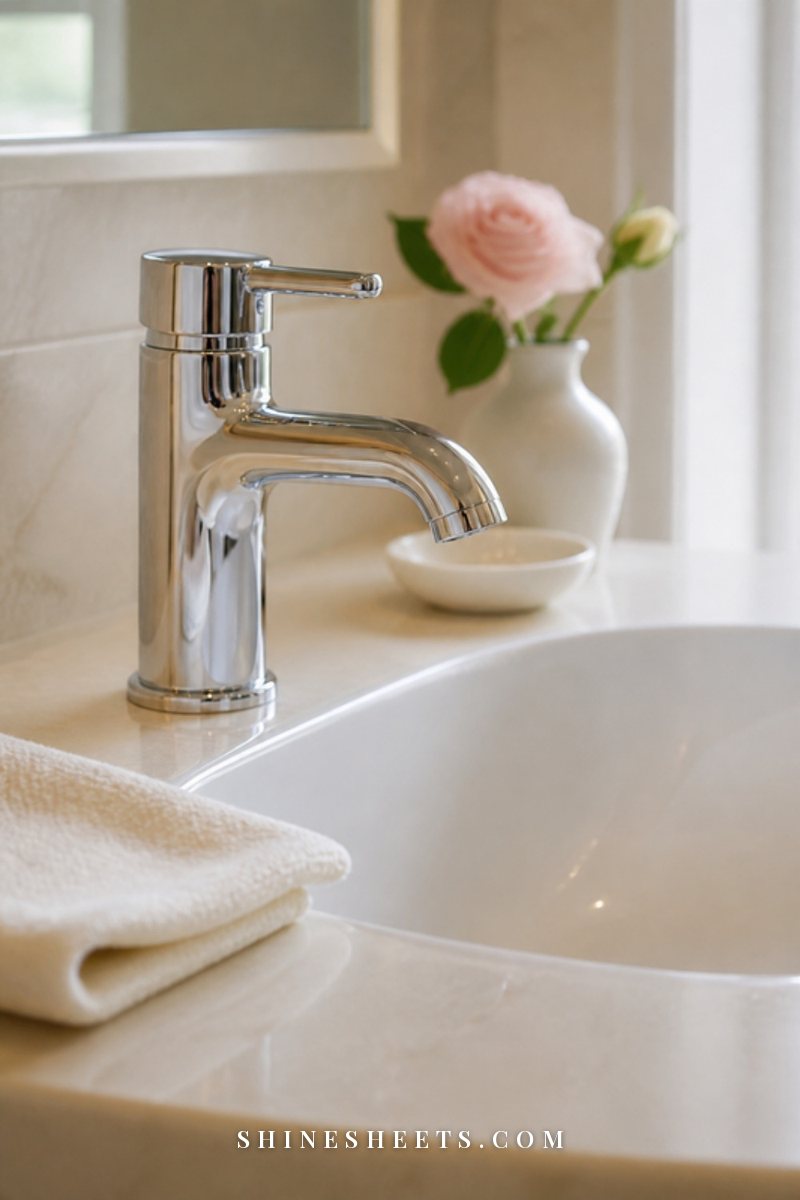
Faucets collect the worst crust right where water sits: around the base, under the spout and at the aerator.
- Check the finish. Shiny chrome and stainless steel are fine with vinegar. Brass, gold-tone, matte black, brushed nickel and other coated finishes are not. Use only mild soap on those.
- Wrap and soak. Soak a cloth or paper towel in vinegar and wrap it around the base of the faucet and the spout. Tuck the ends so it stays in place.
- Wait 15 to 30 minutes. Don't leave it overnight. Even chrome can dull with very long acid contact.
- Scrub the edges with an old toothbrush, especially where the faucet meets the sink.
- Rinse and buff dry with a microfiber cloth until it shines.
The aerator, the little screen at the tip of the spout, often unscrews by hand. Soak it in a small cup of vinegar for 30 minutes, rinse and screw it back on. Water pressure often improves noticeably.
The same wrap method works on a chrome kettle base or the outside of a stainless kettle. Inside kettles, a citric acid rinse is the classic choice, followed by boiling and discarding plain water twice.
How To Remove Hard Water Stains From Tiles and Grout
Tiles usually have a thinner, more even film than glass, so a gentler mix does the job.
- Ceramic and porcelain tiles: spray a mix of half white vinegar and half warm water, leave it for 5 to 10 minutes, wipe with a non-scratch sponge, rinse with clean water and dry with a microfiber cloth.
- Grout: be careful here. Grout is cement-based, and acid slowly wears it down over time. For sealed grout, a quick wipe with the diluted mix is fine, but don't let it sit longer than 5 minutes, rinse well and don't make it a weekly habit.
- Glazed decorative tiles: test a hidden spot first. Some handmade glazes are more delicate than they look.
- Natural stone tiles: no vinegar at all. See the section on what not to use below.
Work from top to bottom so drips don't land on areas you've already finished, and keep the bathroom ventilated while you clean.
How To Remove Hard Water Stains From Sinks
Sinks get a mix of minerals and toothpaste, soap and makeup residue, so a quick soap wash first makes the mineral treatment much more effective.
Porcelain and enamel sinks: line the stained area with vinegar-soaked paper towels for 15 to 20 minutes, then scrub with a non-scratch sponge. For spots around the drain, a toothbrush works best.
Stainless steel sinks: spray with vinegar, wait 5 to 10 minutes, then wipe in the direction of the grain. Dry fully with a microfiber cloth. Water spots on stainless are mostly a drying problem, so the final buff is what makes it look brand new.
Composite and stone sinks: check the manufacturer's care instructions. Many composite sinks tolerate diluted vinegar, but stone sinks don't.
How To Remove a Hard Water Ring in the Toilet
That gray or brown ring at the waterline is usually mineral buildup with a bit of staining on top. It takes a longer soak, but it's very satisfying to remove.
- Lower the water level. Turn off the water valve behind the toilet and flush once. The bowl will stay almost empty, so the ring is above water.
- Apply the acid. Pour in about 2 cups of white vinegar, or sprinkle 2 to 3 tablespoons of citric acid over the ring and splash a little warm water on top to activate it. For a ring above the waterline, press vinegar-soaked paper towels directly onto it.
- Wait. At least 2 hours, or overnight for an old ring.
- Scrub with a stiff toilet brush. For stubborn rings, a wet pumice stone made for toilets works, but keep it and the bowl wet the whole time so it doesn't scratch the porcelain.
- Turn the water back on and flush.
Important: make sure there's no bleach-based toilet cleaner or tablet in the bowl or tank before you add vinegar or citric acid. Flush a couple of times first if you've used one recently.
How To Clean a Showerhead With a Vinegar Bag
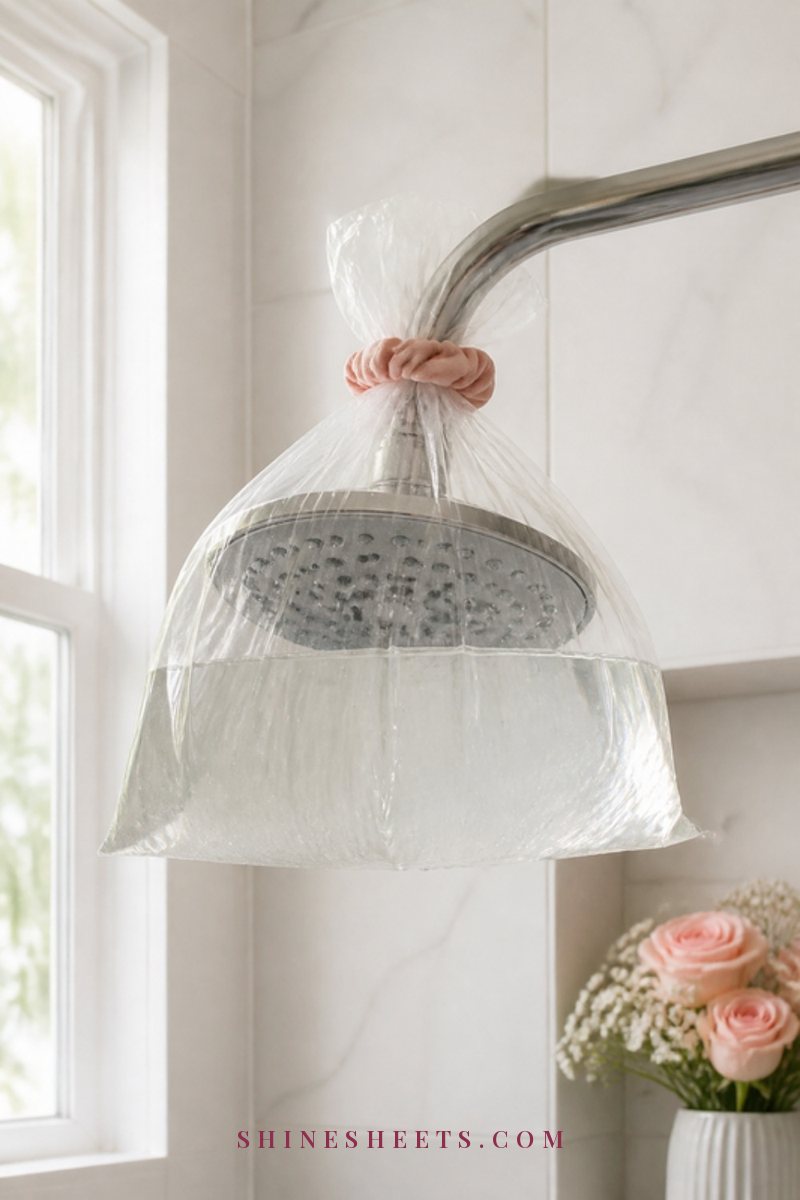
When your shower starts spraying sideways, clogged nozzles are almost always the reason. You don't need to take anything apart.
- Fill a plastic bag about halfway with white vinegar, enough to fully cover the nozzles.
- Slip it over the showerhead and secure it with a rubber band or hair tie.
- Leave it for 1 hour. Plain chrome can stay overnight for heavy buildup. For brass, nickel, gold or colored finishes, limit it to 15 to 20 minutes, or skip vinegar and soak only the removable face plate.
- Remove the bag, rub the rubber nozzles with your thumb or a toothbrush to push out loosened scale.
- Run hot water for a minute to flush everything out, then buff the outside dry.
Doing this every two to three months keeps the spray even and saves you from the big buildup altogether.
What Not To Use on Hard Water Stains
This part matters as much as the methods above. A few combinations and surfaces can cause real damage or real harm.
- Never mix vinegar with bleach. Acid plus bleach releases chlorine gas, which can seriously irritate your lungs and eyes. The same goes for citric acid, lemon juice or any acidic cleaner. Rinse thoroughly with water between products, and never mix bleach with ammonia either.
- No acid on natural stone. Marble, travertine, limestone and even many granites can etch from vinegar, lemon or citric acid, leaving dull, rough patches that need professional polishing. Use a pH-neutral stone cleaner and a soft cloth, and for stone showers, focus on prevention.
- No acid on brass, gold-tone, matte black or coated fixtures. Acids can strip the finish or leave permanent spots. Mild soap and water, then dry.
- No steel wool or green scouring pads. They scratch glass, chrome and enamel, and scratches attract even more mineral buildup.
- Don't leave acid on grout for long. Short contact, good rinse.
Always open a window or turn on the fan, wear gloves for long soaks and test any new method on a hidden spot first.
How To Prevent Hard Water Stains
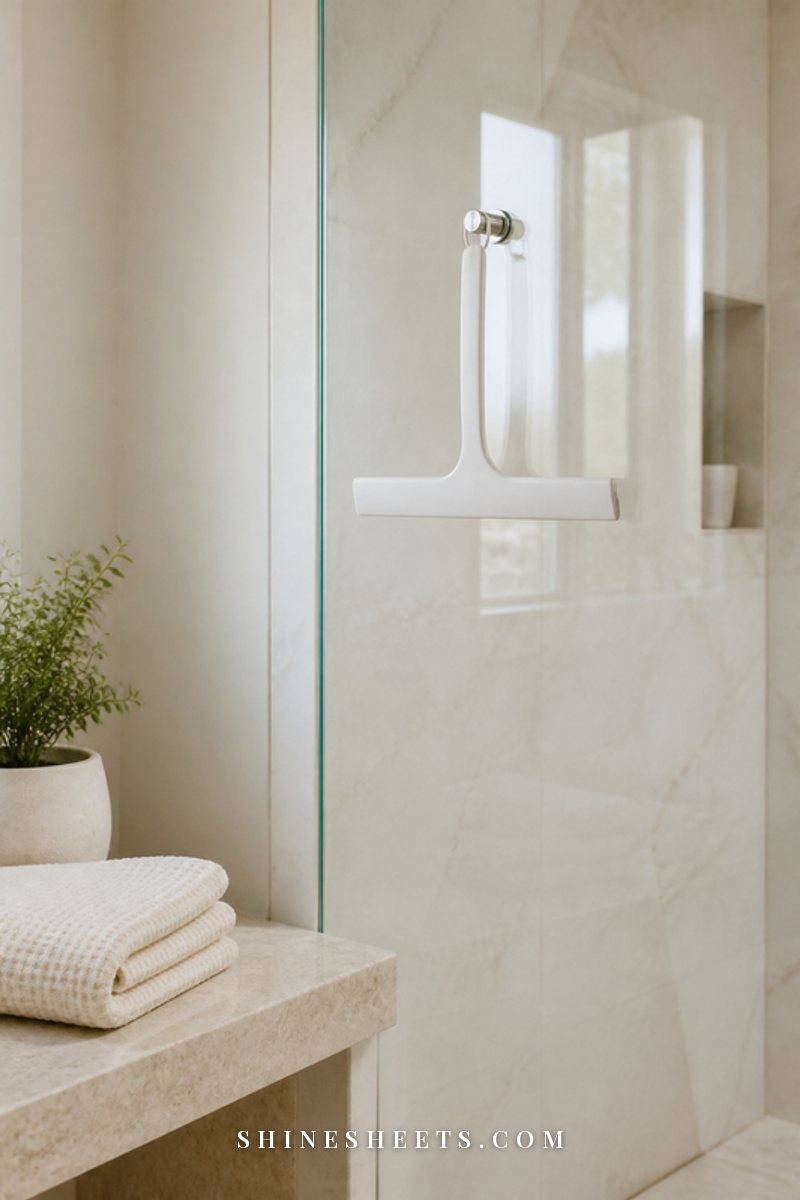
Removing hard water stains is satisfying. Never having to do it again is even better. A few small habits make the biggest difference:
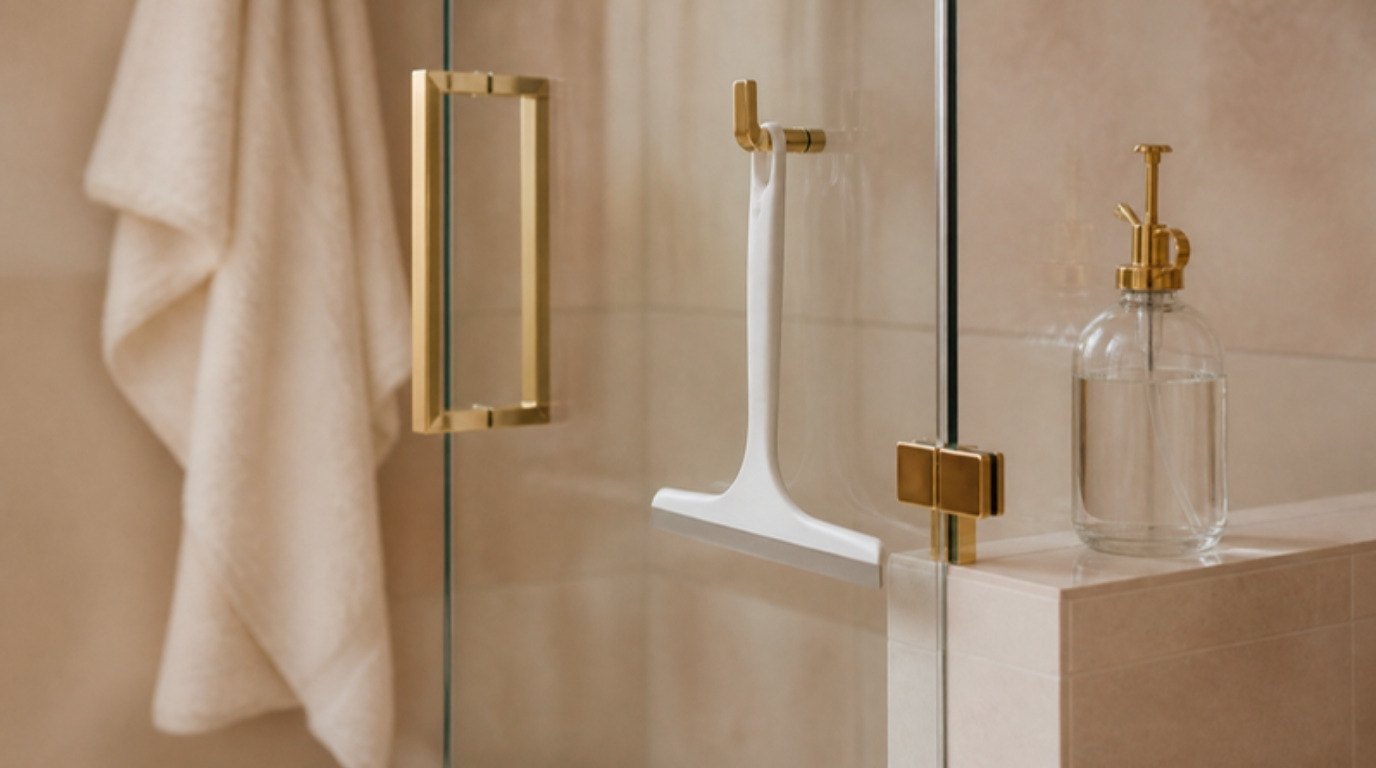
- Squeegee after every shower. It takes 30 seconds and removes most of the water before it can dry into spots. A white shower squeegee hung on the glass makes it impossible to forget.
- Dry faucets after use. A quick swipe with a microfiber cloth after you brush your teeth keeps chrome sparkling for weeks.
- Keep a vinegar spray ready. A light mist on the glass once a week, wiped off after a few minutes, stops film from building up.
- Add a shower filter. A shower head filter can reduce some minerals and chlorine, depending on the type, and many people find it helps both their glass and their hair. For a whole-house solution, a water softener is the real fix, but it's a bigger investment.
- Leave the shower door open. Better airflow means faster drying and less buildup.
- Wipe the sink dry before bed. It takes 20 seconds and makes the morning bathroom feel instantly fresh.
If you'd like a whole routine that keeps the bathroom tidy in minutes, see my guide on how to clean your bathroom fast. And for more small tricks like these around the house, my favorite list of cleaning hacks is a fun read.
How Often To Treat Hard Water Stains
With good daily habits, deep mineral treatments become rare. Here's a simple rhythm that works for most homes with moderately hard water:
- Daily: squeegee the shower glass and give the faucet a quick dry wipe.
- Weekly: a light vinegar mist on glass and chrome, left for 5 minutes, then wiped and dried. Do this as part of your usual bathroom clean.
- Monthly: a 30-minute vinegar wrap on faucets and a citric acid soak for the toilet bowl.
- Every two to three months: the vinegar bag on the showerhead and a soak for faucet aerators.
- Twice a year: a full deep treatment of glass, tiles and sinks, plus a check of your shower filter cartridge if you use one.
If your water is very hard, you'll likely notice spots coming back faster. That's not a sign you're doing anything wrong, just a sign that prevention will save you the most time. Once a month, take a quick look at the spots that build up first in your home, often the base of the faucet and the bottom corner of the shower door. Catching a thin film early takes five minutes. Waiting until it's thick and crusty takes an afternoon and several rounds.
It also helps to treat cleaning as care for your home rather than a test you keep failing. Hard water is a feature of where you live, not a judgment of your housekeeping.
Final Thoughts
Hard water stains look stubborn, but they're really just minerals waiting for the right acid and a little patience. Know your surface, give vinegar or citric acid time to work, scrub gently and always dry at the end.
Once your glass and chrome are clear, a squeegee and a soft cloth will keep them that way. Your bathroom will feel brighter, fresher and much easier to love every single morning.