Most everyday bloating isn't about one "bad" food. It's about the small things around eating: how fast you eat, how much air you swallow, how much you move afterward, how stressed you are and where you are in your cycle. That's good news, because those are the things you can gently change without giving up everything you enjoy.
Bloating is also incredibly common. That tight, puffy feeling after lunch, or jeans that fit in the morning and feel snug by evening, happens to almost everyone. It's usually harmless, just uncomfortable, and a few kind habits can make a real difference to how often it shows up.
This guide on how to reduce bloating covers why it happens, twelve gentle habits that help, a 10-minute after-meal routine, quick comfort ideas for when you feel bloated right now, a simple two-week bloat log to spot your own patterns, and the signs that mean it's time to talk to a doctor. No strict diet plans, no detox teas, no promises. Just calm, practical habits.
Why You Feel Bloated
Bloating is the feeling of fullness, pressure or tightness in your belly, sometimes with visible swelling. It usually comes from extra gas in the digestive tract, slower digestion or your body holding on to water. Common everyday triggers include:
- Swallowing air from eating quickly, talking while eating, chewing gum, drinking through straws or fizzy drinks.
- Gas from digestion, which is completely normal and happens more with some foods than others.
- Constipation, which makes everything feel heavier and slower.
- Salty meals, which can make your body hold on to water for a day or so.
- Hormonal changes, especially in the days before your period.
- Stress, which affects how your gut moves and how sensitive it feels.
- Sitting for long periods, which slows things down.
It also helps to know that bloating and weight are two very different things. Bloating can change your belly's shape by evening and be gone by the next morning. If you feel "bigger" at night than when you woke up, that's usually digestion, water and gravity doing their normal work, not something you need to fix with less food. Seeing it that way takes a lot of the worry out of a puffy afternoon.
The National Institute of Diabetes and Digestive and Kidney Diseases has a clear overview of gas in the digestive tract if you'd like the science behind it. The short version: a little gas and bloating is part of having a working gut. The goal is comfort, not a perfectly flat stomach.
12 Gentle Habits That Help Reduce Bloating
You don't need all twelve. Pick two or three that sound easy for your life, try them for a week or two and notice what changes. Small and steady wins here.
1. Slow Down Your Meals
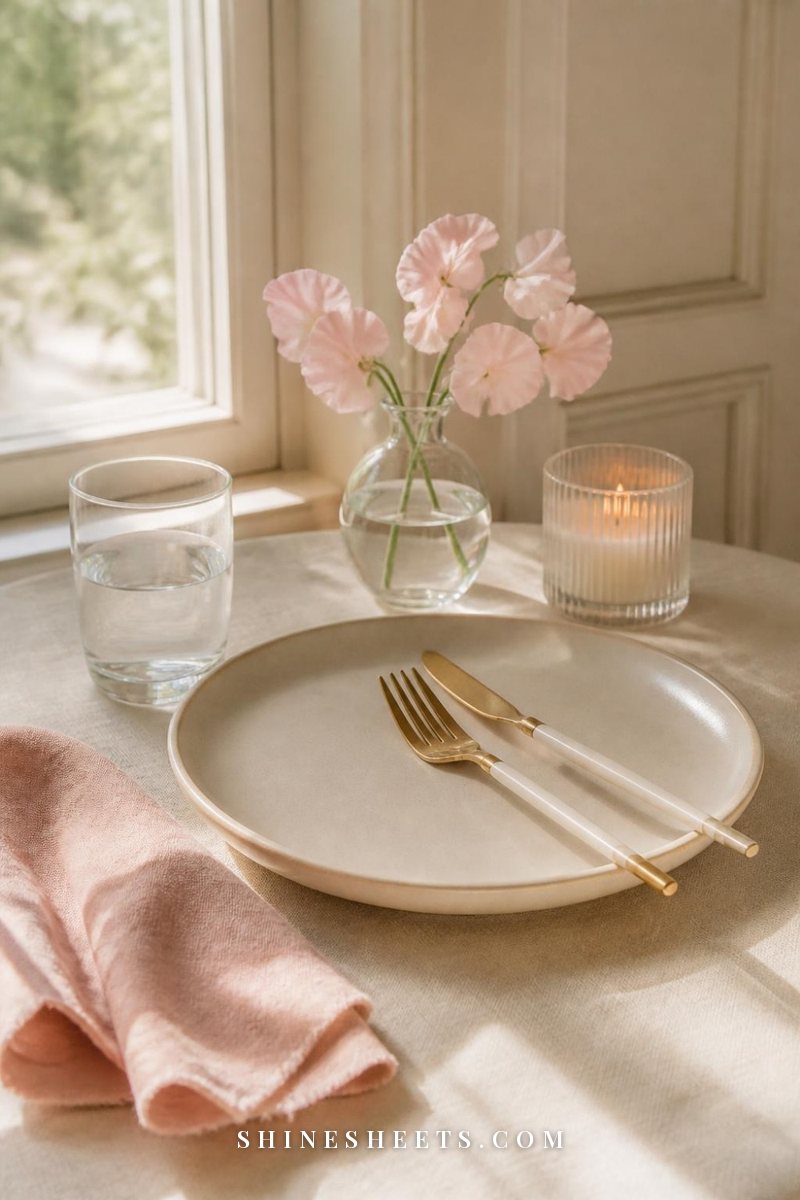
Eating quickly means swallowing more air and giving your stomach less time to send its "I'm full" signal. Try to make a meal last at least 15–20 minutes. Put your fork down between bites, take a sip of water halfway through and, if you can, eat sitting at a table rather than at your desk or standing in the kitchen.
It sounds almost too simple, but this is often the habit that makes the biggest difference.
2. Chew Each Bite Well
Digestion starts in your mouth. Well-chewed food is easier for your stomach to work with, and chewing slowly naturally means less air swallowed. You don't need to count chews (that gets tiring fast). Just aim for food that's soft before you swallow, and save the long stories for between bites.
3. Sip Water Through the Day
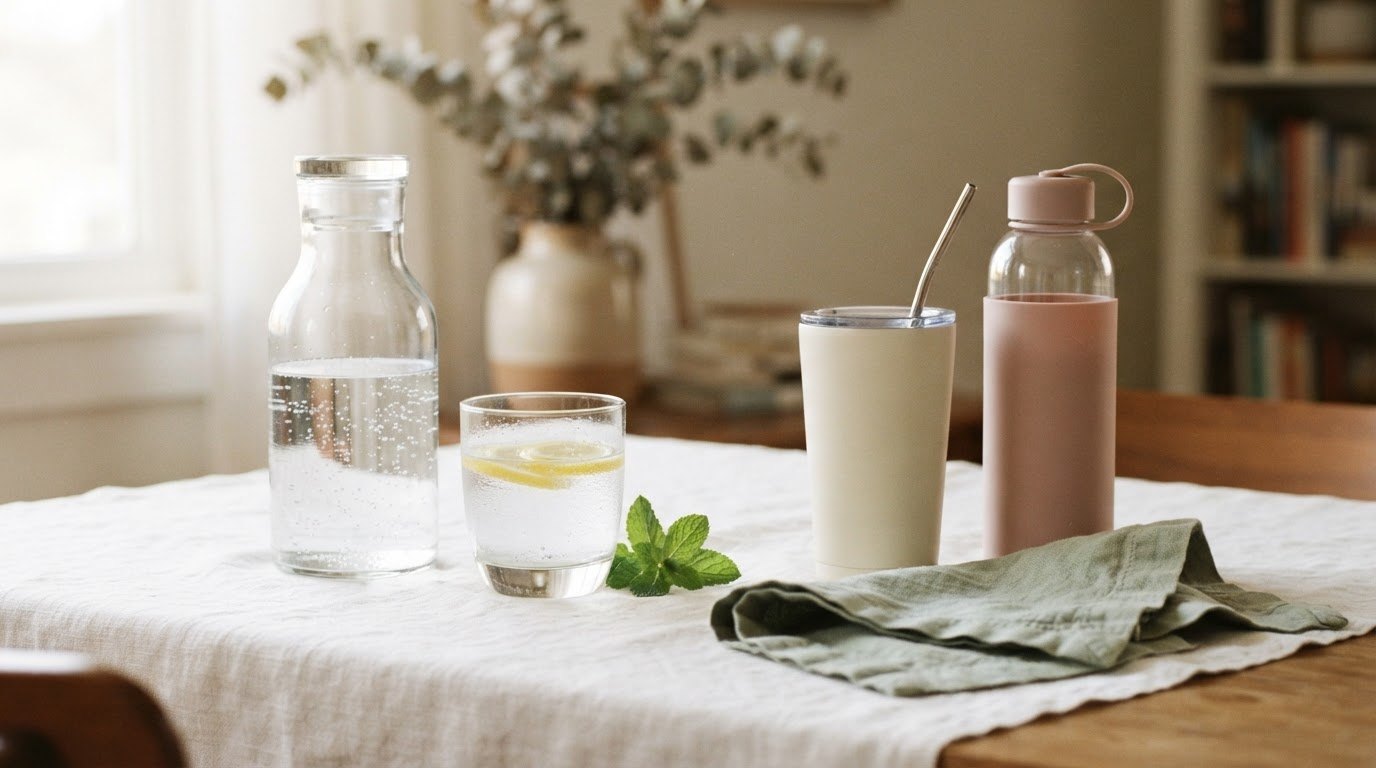
Being well hydrated helps keep things moving and can actually help your body let go of extra water. The trick is spreading it out: sip steadily through the day instead of drinking a huge glass right before or during a meal, which can leave you feeling sloshy and full.
An insulated water bottle that keeps water cold all day makes sipping much more appealing. If water is a habit you struggle with, my guide on how to drink more water has lots of easy tricks.
4. Take a Short Walk After Meals
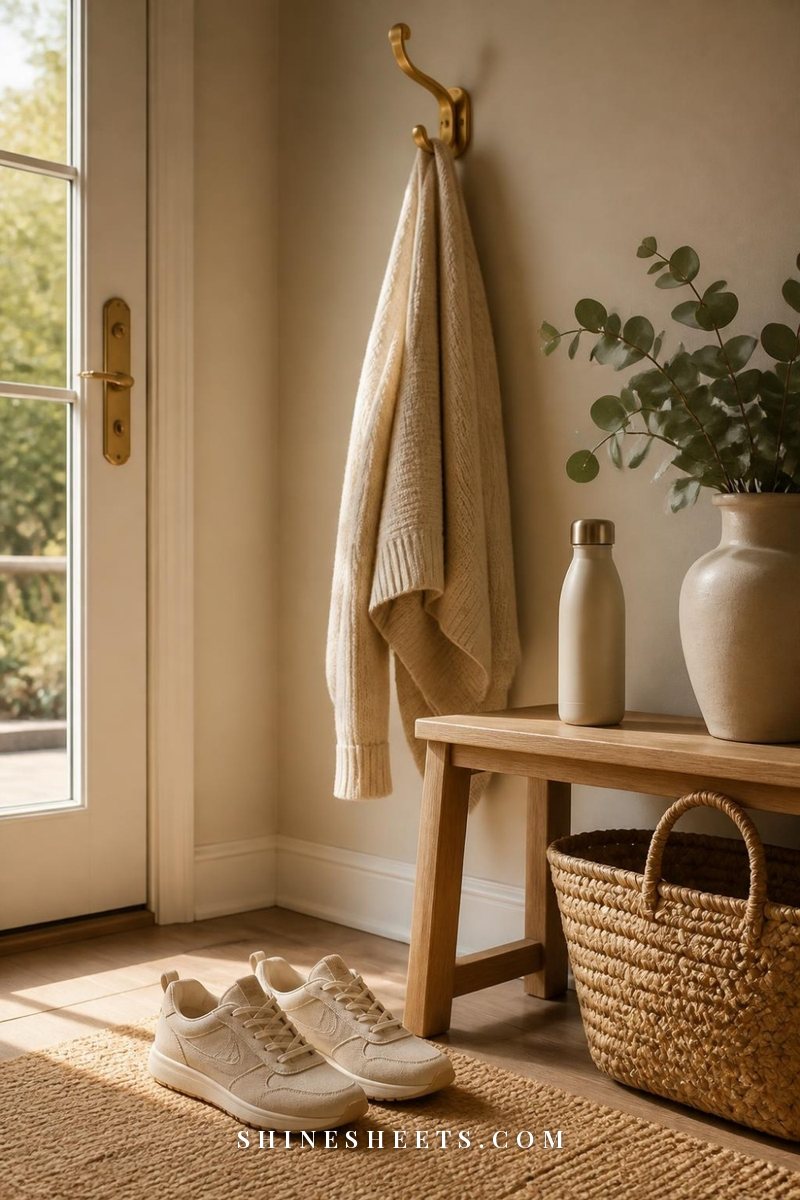
A gentle 10–15 minute walk after eating is one of the kindest things you can do for digestion. Light movement helps gas move through and can ease that heavy, stuffed feeling. It doesn't need to be brisk (though the benefits of walking for your health go well beyond digestion), just a calm stroll around the block, through the office building or even pacing slowly while you call a friend.
If you'd like to make walking a regular part of your day, my morning walk routine is a lovely place to start.
5. Go Easy on Fizzy Drinks
Sparkling water, soda and other carbonated drinks add gas directly to your stomach. You don't have to give them up, but notice whether bloating follows. Try swapping one fizzy drink a day for still water or a warm tea, and see if your afternoons feel lighter.
6. Notice Salty Days
A very salty meal (takeout, restaurant dinners, salty snacks) can make you feel puffy the next morning, because your body holds on to water to balance the salt. This isn't about cutting salt completely. It's about noticing the pattern, drinking a little more water on those days and not panicking when your rings feel tight the next day. It usually passes within a day.
7. Add Fiber Slowly
Fiber is wonderful for digestion and for preventing constipation, but adding a lot suddenly can cause more gas and bloating at first. If you're eating more fiber than usual, increase it gradually over a couple of weeks and drink more water alongside it. Your gut bacteria need time to adjust, and slow changes are much more comfortable.
8. Skip the Gum and Straws Sometimes
Chewing gum and drinking through straws both make you swallow extra air, which ends up as bloating. Try a week without gum and drinking straight from the glass. It's a tiny change that can be surprisingly noticeable.
9. Breathe Lower and Slower

Stress and digestion are closely connected. When you're anxious, your body moves into a tense, alert state that can make your gut more sensitive and slower. I'm prone to anxiety, and I notice my stomach is often the first place I feel it.
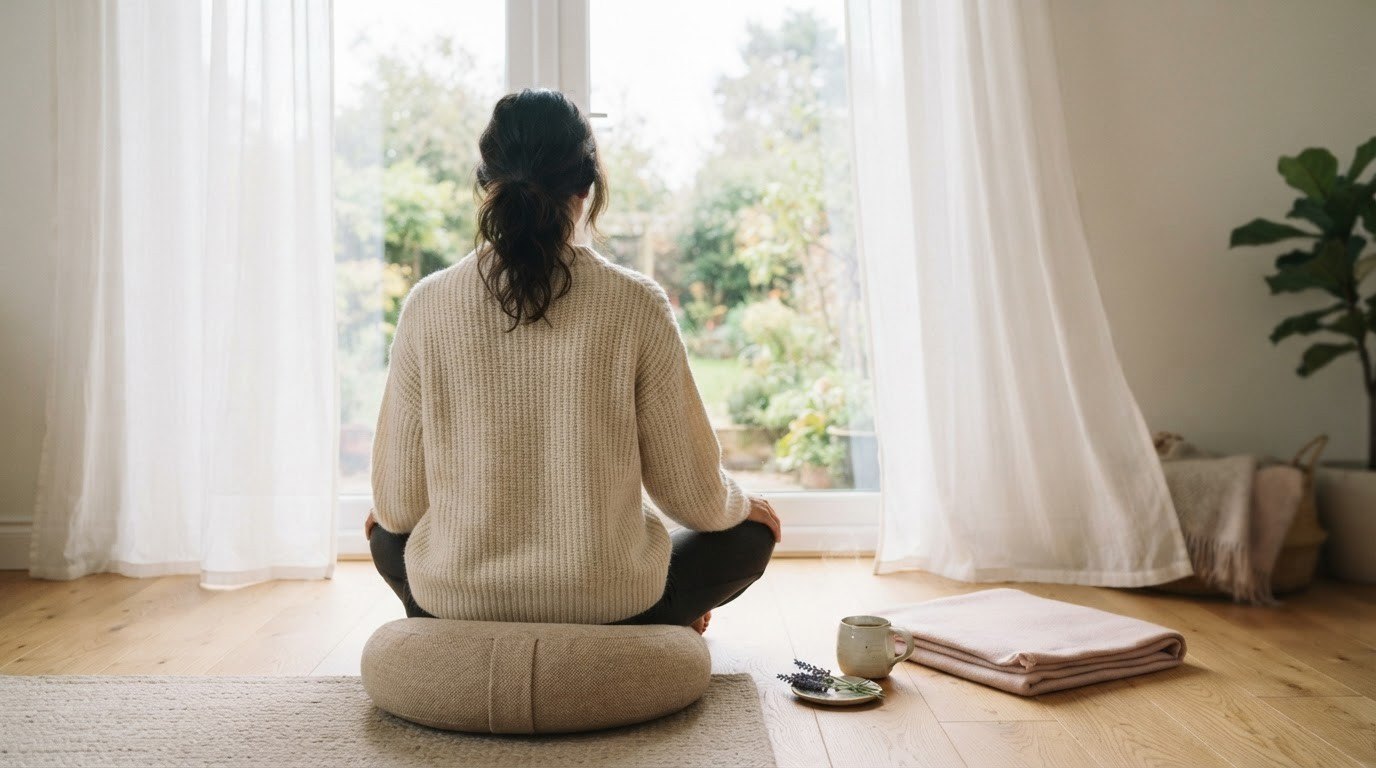
A simple belly breath helps: place one hand on your belly, breathe in through your nose for a count of four, letting your belly rise gently, then breathe out slowly through your mouth for a count of six. Repeat five times. My guide to breathing exercises for calm has a few more techniques to try, and if anxiety tends to spike suddenly, these ideas for how to calm anxiety fast can help in the moment.
10. Protect Your Sleep
Poor sleep affects everything, including digestion and how sensitive your gut feels. Try to finish big meals two to three hours before bed, so you're not lying down with a full stomach, and keep a regular sleep and wake time when you can. A cup of evening tea is my gentle signal to my body that the day is winding down.
If your nights are often restless, my sleep hygiene checklist walks through the small changes that help most, from light to screens to room temperature.
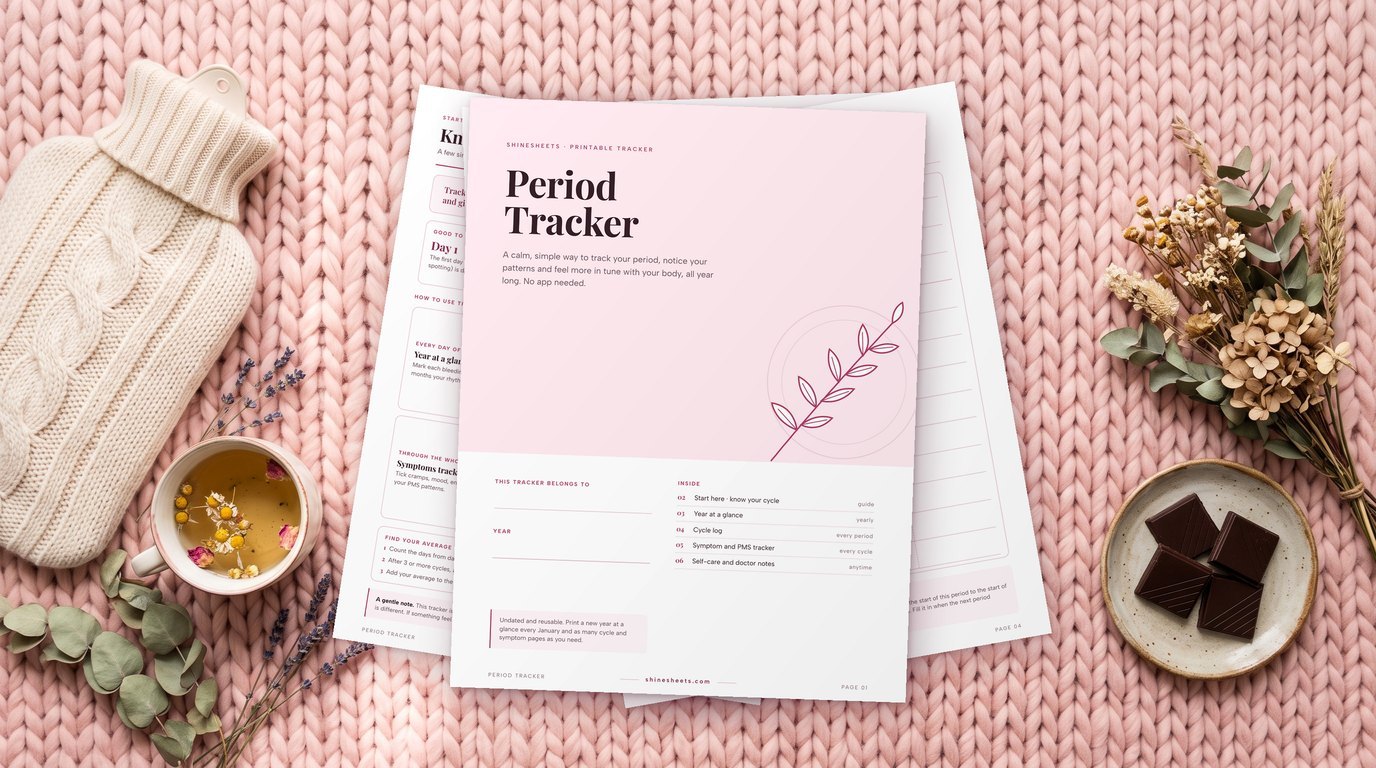
11. Track Bloating Around Your Cycle
Many women notice more bloating in the days before their period, thanks to hormonal shifts that affect water retention and digestion. If that sounds familiar, knowing it's coming helps. Plan softer clothes, more water, gentle walks and less salt for those few days, and remind yourself that it's temporary.
12. Wear Softer Waistbands
This one is about comfort rather than cause, but it matters. Tight waistbands press on your belly and can make bloating feel much worse, especially after meals. On days you expect to feel puffy, reach for high-waisted soft trousers, wrap dresses or a women's ribbed lounge set at home. There's no prize for suffering in stiff jeans.
The After-Meal 10-Minute Routine
This is the routine I'd suggest trying after your biggest meal of the day, especially if that's when bloating tends to show up. It takes ten minutes and needs nothing but a little space.
| Minutes | What to do | Why it helps |
|---|---|---|
| 0–1 | Stay seated, sit tall and take five slow belly breaths | Calms your body and gives digestion a gentle start |
| 1–2 | Stand up and loosen anything tight around your waist | Takes pressure off your belly |
| 2–8 | Walk slowly, indoors or out, at an easy chatting pace | Light movement helps gas move through |
| 8–9 | Stand and do three slow side stretches on each side, arms overhead | Gently lengthens the torso |
| 9–10 | Sip a few mouthfuls of water or warm tea | Hydration without overfilling |
Avoid lying down flat or doing intense exercise straight after a big meal. Gentle is the goal.
Quick Comfort Ideas for Right Now
Already feeling bloated and uncomfortable? These won't fix the cause, but they can make the next hour feel a lot better:
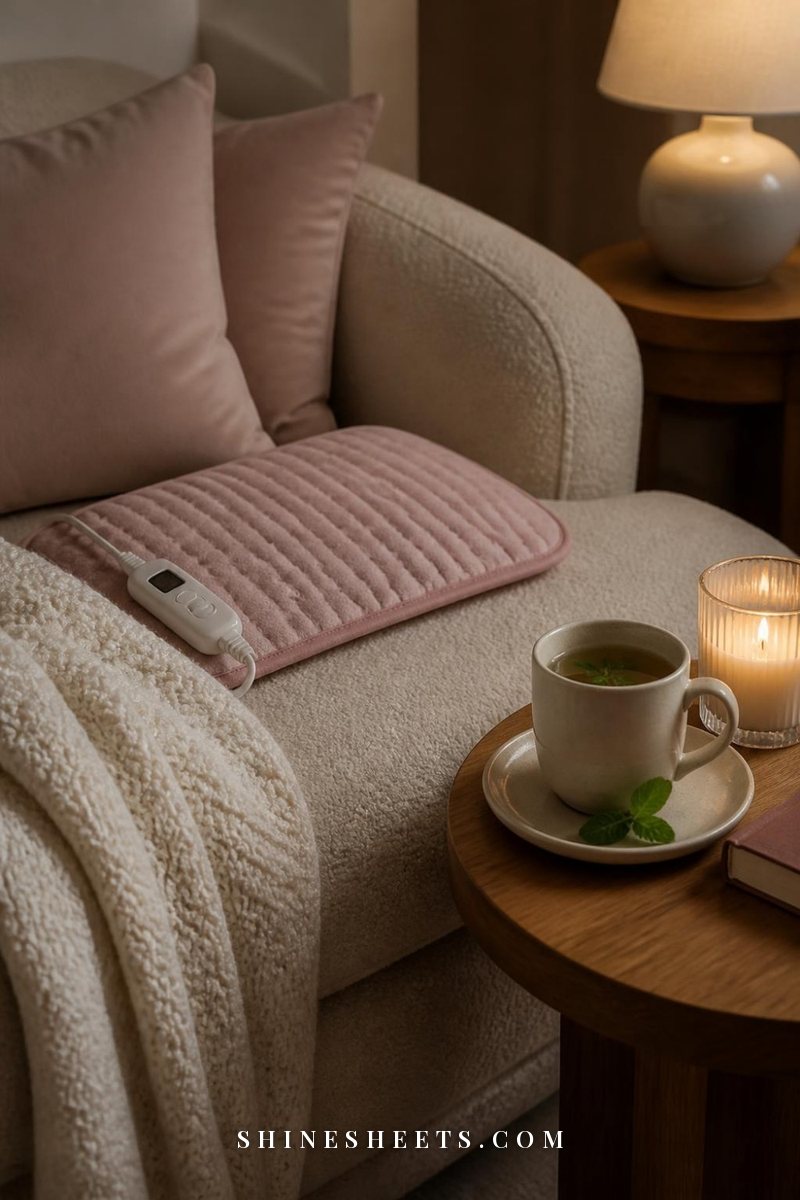
- Sip something warm. A cup of peppermint tea is a classic choice many people find soothing after meals. If you prefer something spicier, ginger tea is another gentle, warming option.
- Use gentle warmth. A heating pad or warm water bottle on your belly for 15–20 minutes can help your muscles relax. A soft electric heating pad with an auto-off setting is lovely to have for cycle days too. Keep the heat on low and put a layer of fabric between it and your skin.
- Massage your belly. Lying on your back with knees bent, use flat fingers to make slow clockwise circles around your belly button, following the direction of your digestive tract, for two to three minutes.
- Try a gentle stretch. Lie on your back and hug your knees to your chest for 30 seconds, or rest in child's pose with your knees wide for a few slow breaths.
- Change into something soft. Loose clothes take pressure off immediately.
- Walk. Even five minutes of slow walking helps.
Your Two-Week Bloat Log

Bloating patterns are very personal. What bothers one person doesn't affect another at all. The easiest way to find your own triggers is to notice them for two weeks without changing anything dramatic. Keep a few lines a day in a notebook or your phone notes using this simple log:
| What to note | Example | What it might show |
|---|---|---|
| Time of bloating | 3 p.m., after lunch | Whether it follows a specific meal |
| How you ate | Fast, at my desk | The link between pace and bloating |
| Drinks | Two sparkling waters, one coffee | Fizzy drinks or caffeine patterns |
| Water intake | Four glasses | Low-hydration days |
| Movement | No walk today | Whether walks make a difference |
| Stress level (1–5) | 4, busy afternoon | The stress and gut connection |
| Sleep | 6 hours, restless | Poor sleep days |
| Cycle day | Day 25 | Hormone-related bloating |
| Bowel movements | None today | Constipation as a cause |
| Bloating level (1–5) | 3, tight but okay | Your overall trend |
At the end of two weeks, look for patterns. Maybe your worst days are always the ones with no walk and a rushed lunch. Maybe it's mostly in the days before your period. Once you see a pattern, you can choose one habit from the list above that targets it. The log is also really helpful to bring to a doctor's appointment if you decide to get it checked.
What Usually Doesn't Help
When bloating is uncomfortable, it's tempting to reach for a quick fix. A few popular ones tend to make things harder rather than easier:
- "Detox" or "flat tummy" teas. Many of these contain laxative ingredients. They might make you feel lighter for a day, but they don't address the cause and can upset your digestion with regular use.
- Cutting out whole food groups on your own. Removing lots of foods at once makes it impossible to know what actually helped, and it can leave you short on fiber and nutrients. If you suspect a specific food, talk to your doctor or a registered dietitian before making big changes.
- Skipping meals. Going long stretches without eating often leads to eating quickly and in larger amounts later, which brings its own bloating.
- Drinking less water to look less puffy. It feels logical, but your body tends to hold on to water more when you're short on it.
- Intense workouts straight after eating. Gentle walking helps. A high-intensity session on a full stomach usually doesn't.
- Comparing your belly to edited photos. Real stomachs change shape throughout the day. A little softness after a meal is normal, not a problem to solve.
The gentler path is slower, but it's the one that lasts.
A Gentle Day for Less Bloating
Here's how the habits above can fit into one ordinary day. Think of it as an example, not a schedule to follow perfectly:
- Morning: a glass of water before your coffee or tea, and a few minutes of slow breathing while the kettle boils.
- Breakfast: eaten sitting down, without rushing, even if it only takes ten minutes.
- Mid-morning: steady sips from your water bottle, and a quick stretch if you've been sitting for an hour.
- Lunch: away from your desk if you can, fork down between bites, followed by the 10-minute routine.
- Afternoon: still water or tea instead of a fizzy drink, and a short walk if your energy dips.
- Dinner: finished two to three hours before bed, with a slow stroll afterward if the weather allows.
- Evening: soft clothes, a warm cup of tea and a calm wind-down routine.
You'll notice nothing here is dramatic. That's the point. These are small habits that quietly add up.
When To See a Doctor
Everyday bloating that comes and goes is usually nothing to worry about. But please don't brush it off if something feels different. Talk to your doctor if you notice:
- Bloating that's persistent, getting worse or lasts most days for more than a few weeks.
- Severe or ongoing abdominal pain.
- Unexplained weight loss or loss of appetite.
- Feeling full very quickly after eating small amounts.
- Blood in your stool, or black, tarry stools.
- Vomiting, fever or ongoing diarrhea.
- A big, lasting change in your bowel habits.
- Swelling in your belly that doesn't go down.
If you have severe pain that comes on suddenly, seek urgent medical care. And if bloating is affecting your daily life, that alone is a good enough reason to get support. You don't need to wait until it's "bad enough."
This article is for general information and isn't a substitute for medical advice. If you have a health condition, are pregnant or take medication, check with your doctor before making changes.
Final Thoughts
Reducing bloating isn't about strict rules or a perfectly flat stomach. It's about slowing down, moving gently, breathing a little deeper and noticing what your own body tells you.
Start with one or two habits, keep the log for two weeks and be patient with yourself. Comfort comes from small, kind changes, and your body will thank you for every one of them.