Tan lines aren't a stain you need to scrub away. They're simply the visible edge of where the sun reached your skin and where it didn't, and they fade on their own as your skin renews itself. The real goal isn't to erase them overnight. It's to help your skin shed evenly, keep the tanned part from getting any darker and blend the difference cosmetically when you want a smoother look sooner.
That might sound less exciting than a miracle scrub, but it's the approach that actually works without irritating your skin or causing new dark marks. Gentle, steady care beats harsh, impatient care every single time, especially on sensitive skin.
This guide covers how to fade tan lines from real sun exposure and even out your skin tone safely: why tan lines happen, realistic timelines, 5 things that genuinely help, quick ways to blend the lines for an event, a comparison table of every method, what to avoid and when it's worth seeing a dermatologist. If you're dealing with streaky self tanner rather than a real tan, my guide on how to remove self tanner gently and evenly is the one you want instead.
Why Tan Lines Happen (and Why They Fade on Their Own)
When ultraviolet light hits your skin, it triggers cells called melanocytes to make more melanin, the pigment that gives skin its color. A tan is your skin's attempt to protect itself after UV exposure has already caused some damage. Wherever a swimsuit strap, a watch or a pair of shorts blocked the light, that skin stayed its usual shade, and the contrast is what you see as a tan line.
It's worth saying gently but clearly: a tan, even a light one, is a sign of sun damage. That isn't meant to make you feel guilty about a summer day you enjoyed. It just explains why the safest way to fade tan lines is never to "tan the pale part to match."
The reassuring part is that your skin is always renewing. The outer layer slowly sheds and is replaced by newer cells from below, a cycle that takes roughly a month in younger skin and a bit longer as we get older. As the tanned cells shed and the sun stays off, the color gradually returns to your natural shade, and the line softens with it.
Everything in this guide works with that natural process. Nothing truly "removes" a tan line. The best methods simply support even shedding, hydration and protection while your skin does its own work.
How Long Do Tan Lines Take To Fade?
Honestly, it depends on how deep the tan is, your natural skin tone and how much sun you're still getting. As a rough guide:
- A light tan: often softens noticeably within two to four weeks.
- A moderate tan: usually takes four to eight weeks to fade enough that the line looks gentle.
- A deep tan built over a whole season: can take a couple of months or longer to even out completely.
Two things slow it down more than anything else: more sun on the tanned area (which keeps topping up the pigment) and irritation from harsh scrubbing (which can leave darker marks behind, especially on deeper skin tones). Two things help most: steady daily SPF and a gentle routine you can actually keep up.
Please be patient with yourself here. If a tan line seems to be "stuck," it's usually because it's still getting a little sun every day, not because you're doing anything wrong.
5 Things That Really Help Tan Lines Fade
None of these is dramatic on its own. Together, done consistently, they make a real difference over a few weeks.
1. Gentle Exfoliation, Not Daily Scrubbing
Exfoliation helps the tanned outer layer of skin shed a little more evenly. The key word is gentle. Scrubbing hard every day doesn't speed things up; it can irritate the skin, and irritated skin can respond by making more pigment, which is the exact opposite of what you want.
Two good approaches:
- Chemical exfoliation: body lotions with lactic acid or glycolic acid loosen the bonds between dead skin cells so they shed on their own. A lactic acid body lotion is a pick for most skin types because lactic acid also helps skin hold onto moisture. Start two or three evenings a week and build up only if your skin is happy.
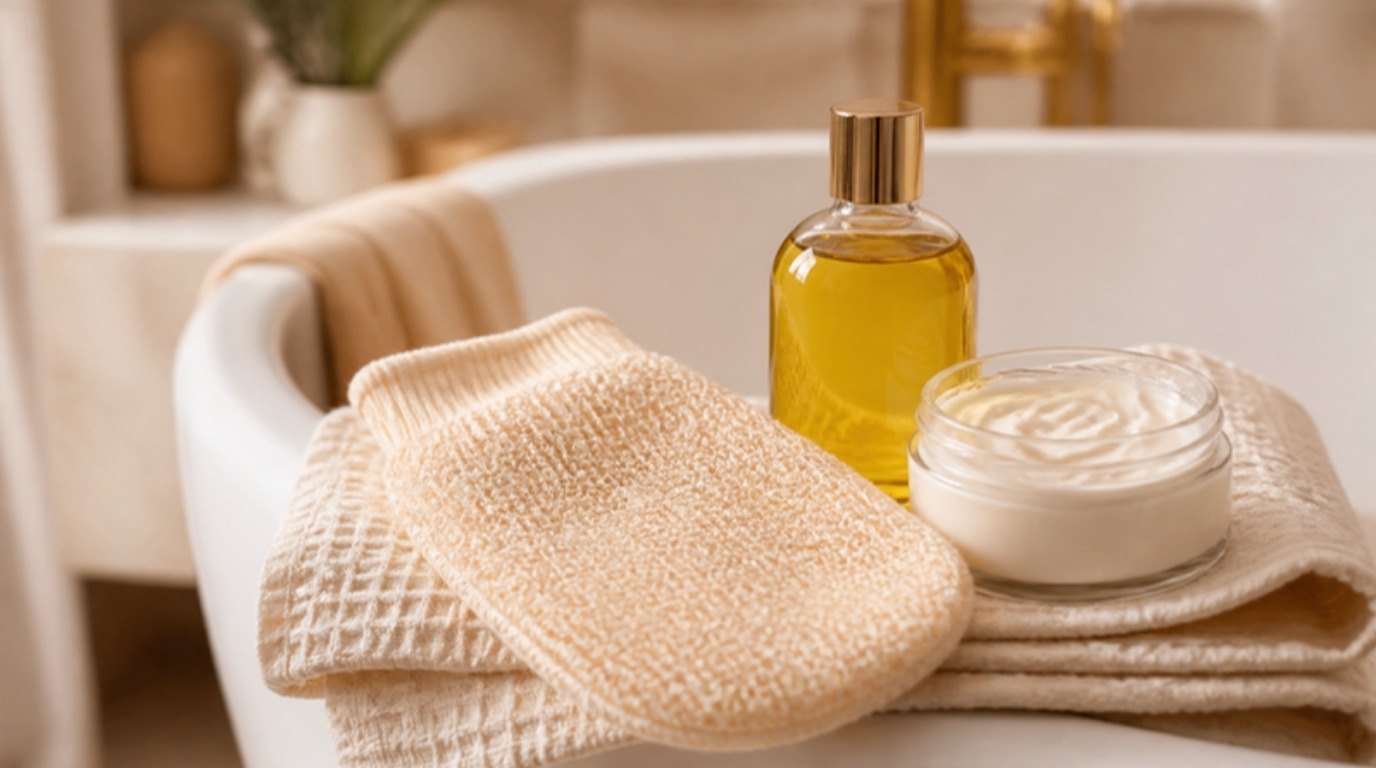
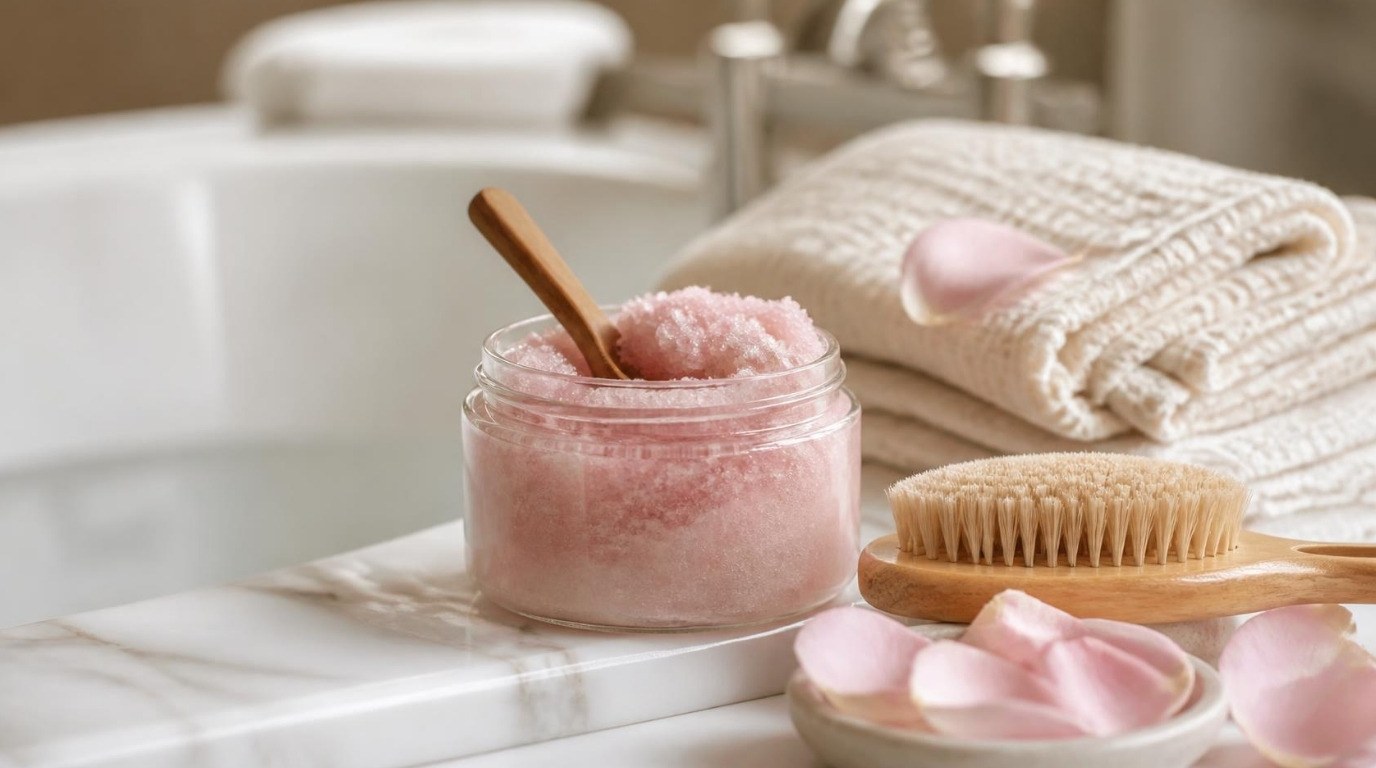
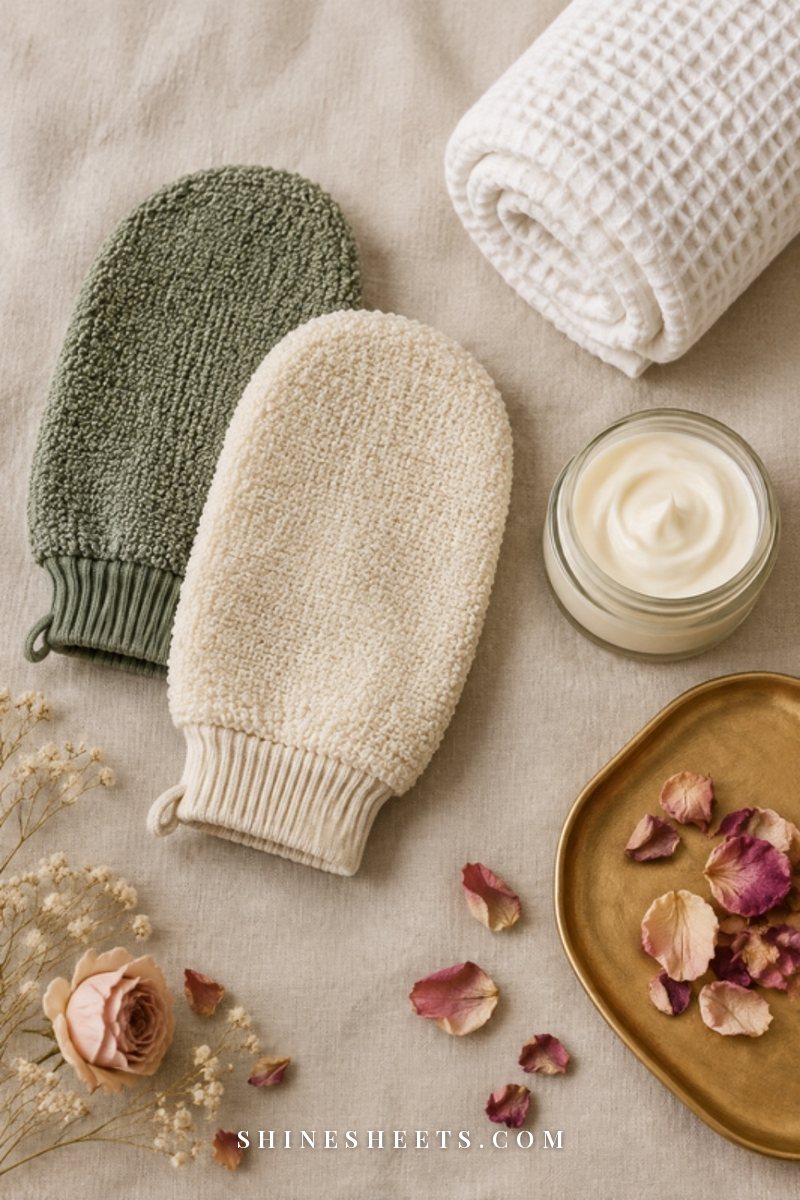
- Physical exfoliation: a gentle exfoliating mitt used on damp skin in the shower, with light circular motions for about 30 seconds per area. Once or twice a week is plenty.
Choose one method on any given day, not both. And skip exfoliation entirely on skin that is sunburned, peeling, broken or freshly shaved. If you'd like a full walkthrough, my guide on how to exfoliate your body gently covers technique, frequency and which areas need extra care.
Body acids can make skin more sensitive to the sun, which is one more reason the SPF step below matters so much.
2. Consistent Moisturizing
Well-moisturized skin sheds more evenly and reflects light more smoothly, which makes the contrast at a tan line look softer even before the color changes. Dry, flaky skin does the opposite: it can make a tan look patchy and the edges look sharper.
The most effective habit is the simplest one. Apply moisturizer within a few minutes of showering, while your skin is still slightly damp, and pay special attention to the line itself and an inch or two on either side. A fragrance-free body moisturizer with ceramides or glycerin is a lovely everyday pick, especially if your skin is sensitive like mine.
On the evenings you use a lactic acid lotion, that can be your moisturizer. On the other evenings, use your plain one. If you'd like a calm, simple routine for your whole body, my body skin care routine guide lays out the order step by step.
3. Brightening Ingredients
Some skincare ingredients can help skin tone look more even over time by supporting the skin barrier and calming excess pigment. They won't erase a tan line, but they can soften uneven patches and make the overall tone look more balanced.
- Niacinamide: one of the gentlest options and well tolerated by most skin types. A niacinamide body serum or lotion applied once a day to the darker area and its edges is a good place to start.
- Vitamin C: an antioxidant that can support a brighter, more even look over several weeks. It's more common in face products, so on the body, a lotion that includes it is often easier than a serum.
- Gentle acids: the lactic acid from step one does double duty here.
Introduce one new active at a time and give it at least two weeks before adding another, so you can tell what your skin likes. Always patch test a new product first: a small amount on the inside of your arm for two or three days. If you see redness, itching or bumps, stop using it. For darker spots that aren't tan lines (like marks from old breakouts or ingrown hairs), my guide to fading dark spots on the body goes into more detail.
4. Broad-Spectrum SPF Every Day
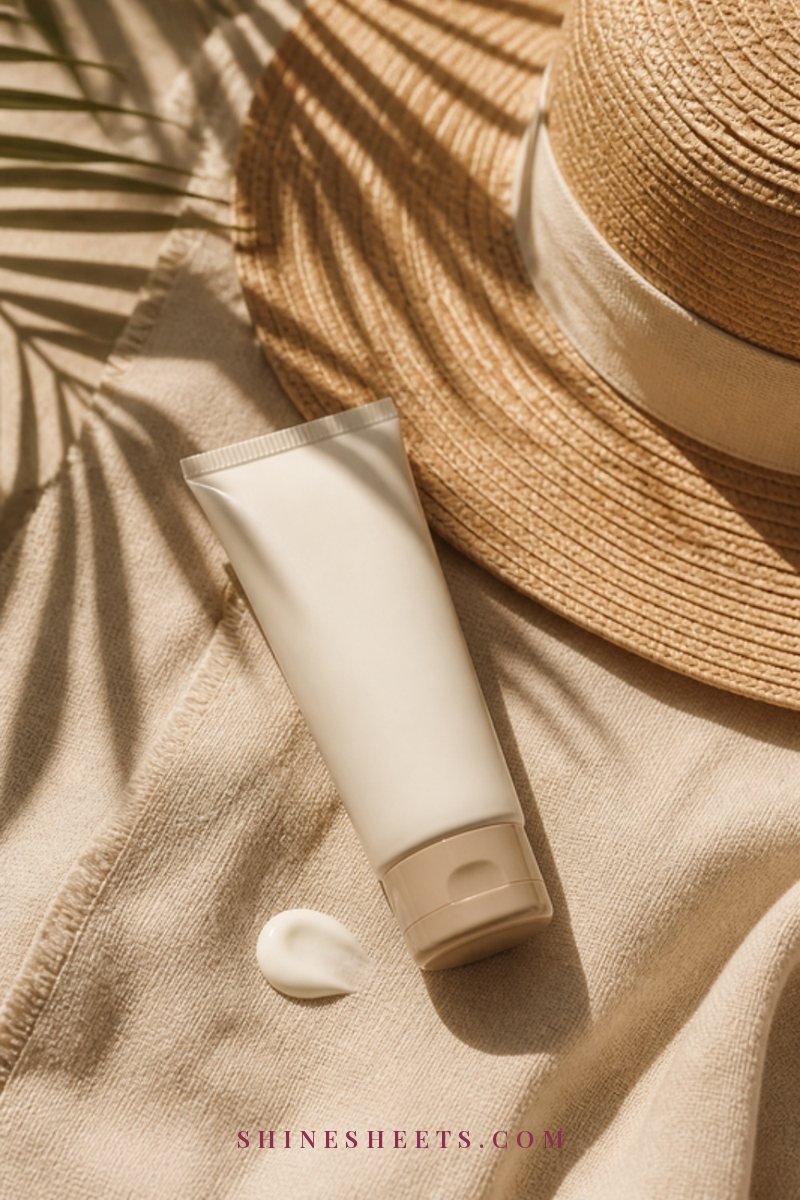
This is the step that matters most, and it's the one people skip. Every bit of sun on the tanned area keeps the tan going, and the line can't fade while the darker side is still being topped up.
There's also a little twist many people miss: the pale strip of skin that was covered all summer is the most vulnerable part of you right now. It hasn't built any color, so it burns very quickly if you change swimsuit styles or wear a different top. Protect both sides of the line equally.
- Use a broad-spectrum body sunscreen with SPF 30 or higher on any skin that will see daylight.
- Apply about 15 minutes before going out, and use enough: roughly a shot-glass amount covers the body.
- Reapply every two hours outdoors, and after swimming, sweating or towel drying.
- Add shade, a hat and light, loose clothing on very sunny days.
If your tan came with a burn, please let that heal first before any exfoliating or actives. My guide to gentle sunburn care covers what helps and when to call a doctor.
5. Patience With Your Skin's Renewal
The most underrated tool is time, paired with consistency. A gentle routine done five days a week for six weeks will always beat an intense routine done for three days and then abandoned because your skin got angry.
A few small things support your skin's natural renewal: enough sleep, staying hydrated, avoiding very hot showers (warm is kinder to the barrier) and patting skin dry instead of rubbing. None of these are magic, but they keep your skin calm, and calm skin sheds and evens out more predictably.
And please resist the urge to tan the pale areas "to match." Whether it's sunbathing in a strapless top or a tanning bed, that only adds more UV damage. If you want an even look sooner, the next section is a much kinder shortcut.
Quick Ways To Blend Tan Lines for an Event
Sometimes you have a wedding, a photo shoot or a strapless dress on Saturday, and waiting six weeks isn't an option. That's where cosmetic blending comes in. It doesn't change your skin; it just softens the contrast for as long as you need it.
Gradual Self Tanner on the Pale Areas
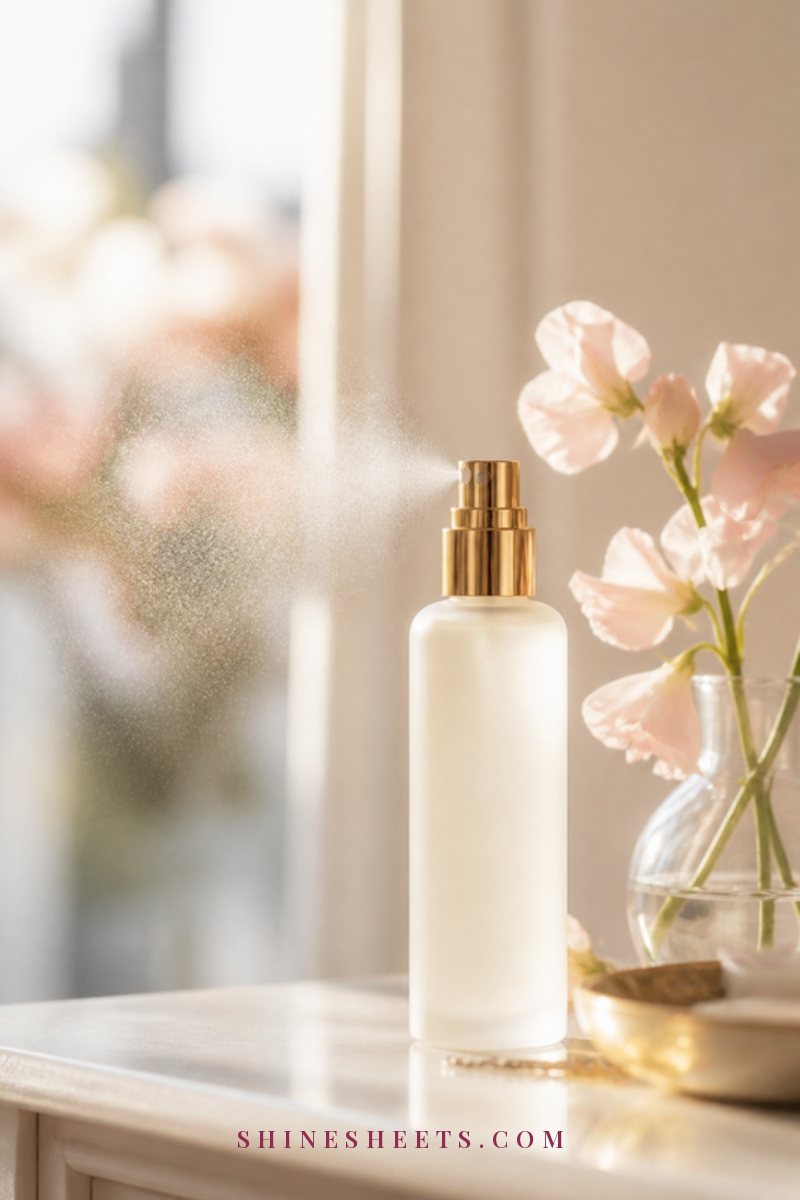
A gradual self tanner is the most forgiving option, because it builds color slowly over a few applications instead of all at once. It's perfect for filling in a pale strip without creating a new, obvious line.
Here's the technique I'd follow:
- Prep the day before. Exfoliate gently and shave or remove hair if you plan to, so the tanner goes onto smooth skin.
- Moisturize dry spots. Elbows, knees and the very edge of the tanned skin get a thin layer of plain moisturizer so they don't grab too much color.
- Apply only to the pale area. Use a small amount on your fingertips or a soft brush and stay inside the line.
- Feather the edge. Blend just slightly (about half an inch) into the tanned skin with very light strokes so there's no hard border.
- Wash your hands and let it dry fully before getting dressed.
- Build over two or three days. Check in daylight each morning and add another thin layer only where it still looks lighter.
Start a few days before the event, not the night before. If you're new to self tanner, my self tanner guide for beginners covers how to avoid streaks, orange tones and patchy hands. Patch test any new self tanner on a small area first, as fragrance or the active ingredient can irritate sensitive skin.
Body Makeup for a Single Day
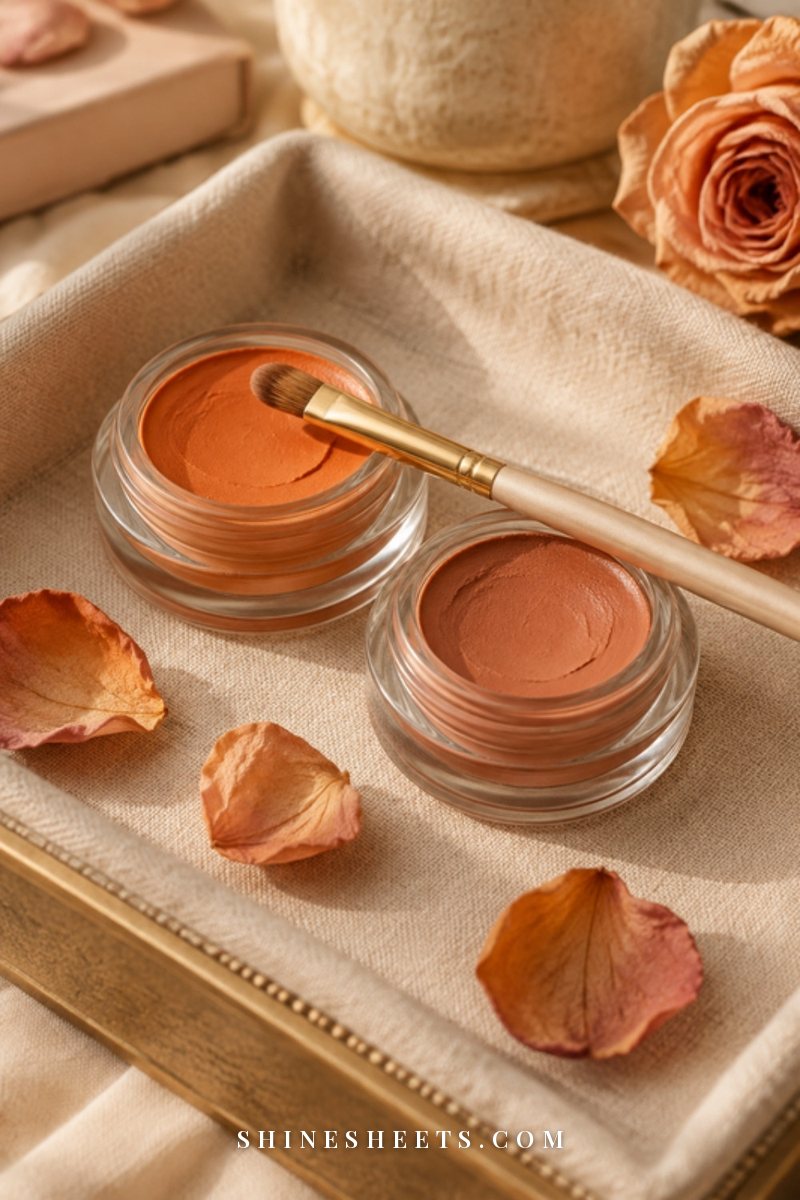
For a one-day fix, body makeup (a light, buildable body foundation or a tinted body lotion) can cover a tan line for a few hours and washes off in the shower. It's especially handy for shoulders, collarbones and backs in an open dress.
- Choose a shade that matches the tanned skin, not the pale strip.
- Apply with a dense, soft brush in small circles, focusing on the pale area and blending out.
- Let it set for a few minutes, then lightly dust with a translucent powder to reduce transfer.
- Keep pale fabrics in mind: body makeup can rub off onto white or cream clothing, so do a quick test with the outfit you'll be wearing.
Remove it the same evening with a gentle body wash and follow with moisturizer, so pores stay clear.
Tan Line Fading Methods at a Glance
Screenshot this table if it helps. It compares each method by how it works, how quickly you might notice a difference and who it suits best. Timelines are approximate and vary from person to person.
| Method | How it works | How long to see a difference | Best for |
|---|---|---|---|
| Lactic acid body lotion | Loosens dead cells so tanned skin sheds more evenly | About 3 to 6 weeks | Most skin types, including dry skin |
| Exfoliating mitt | Gently lifts loose surface cells | About 3 to 6 weeks, alongside other steps | Normal skin that isn't easily irritated |
| Daily moisturizing | Smooths texture and softens visible contrast | Within days for texture, longer for tone | Everyone, especially dry or sensitive skin |
| Niacinamide or vitamin C | Supports a more even-looking tone | About 4 to 8 weeks | Uneven patches and mild discoloration |
| Broad-spectrum SPF | Stops the tan from deepening | Prevents lines getting darker right away | Everyone, every day |
| Gradual self tanner | Adds color to the pale areas | One to three days | Events, or when you want faster blending |
| Body makeup | Covers the contrast temporarily | Instantly, for one day | Photos, weddings, special outfits |
| Time and steady care | Lets natural skin renewal do its work | Several weeks to a couple of months | Anyone with patience to spare |
The combination that works best for most people: daily SPF, moisturizer after every shower and a lactic acid lotion a few evenings a week, with gradual self tanner on standby for any special day.
What To Avoid When Fading Tan Lines
A lot of "quick fix" advice online can do more harm than good. Please skip these:
- Lemon juice. It's acidic and can be very irritating, and citrus on skin that then goes into the sun can cause painful burns and dark marks that last much longer than any tan line.
- Bleach or bleaching creams. Household bleach should never touch skin. And skin-lightening creams are a different category from gentle brightening ingredients; they're not a tan line solution.
- Lightening products with unclear ingredients. Some creams sold online have been found to contain harmful ingredients like mercury or unlisted strong actives. If a product doesn't list its full ingredients clearly, it doesn't go on your skin.
- Harsh scrubs and hard scrubbing. Rough, jagged scrub particles and heavy pressure cause tiny tears and irritation, which can lead to more pigment, not less.
- Using too many actives at once. Acids plus retinol plus vitamin C plus a scrub in the same week is a fast route to a damaged barrier.
- Tanning the pale strip on purpose. More UV is the opposite of fading.
- Picking at peeling skin. Let it shed on its own and moisturize instead.
If something stings, burns or leaves your skin red for more than a few minutes, rinse it off with cool water and give your skin a few calm days with just moisturizer and SPF.
A Gentle Weekly Routine To Even Out Skin Tone
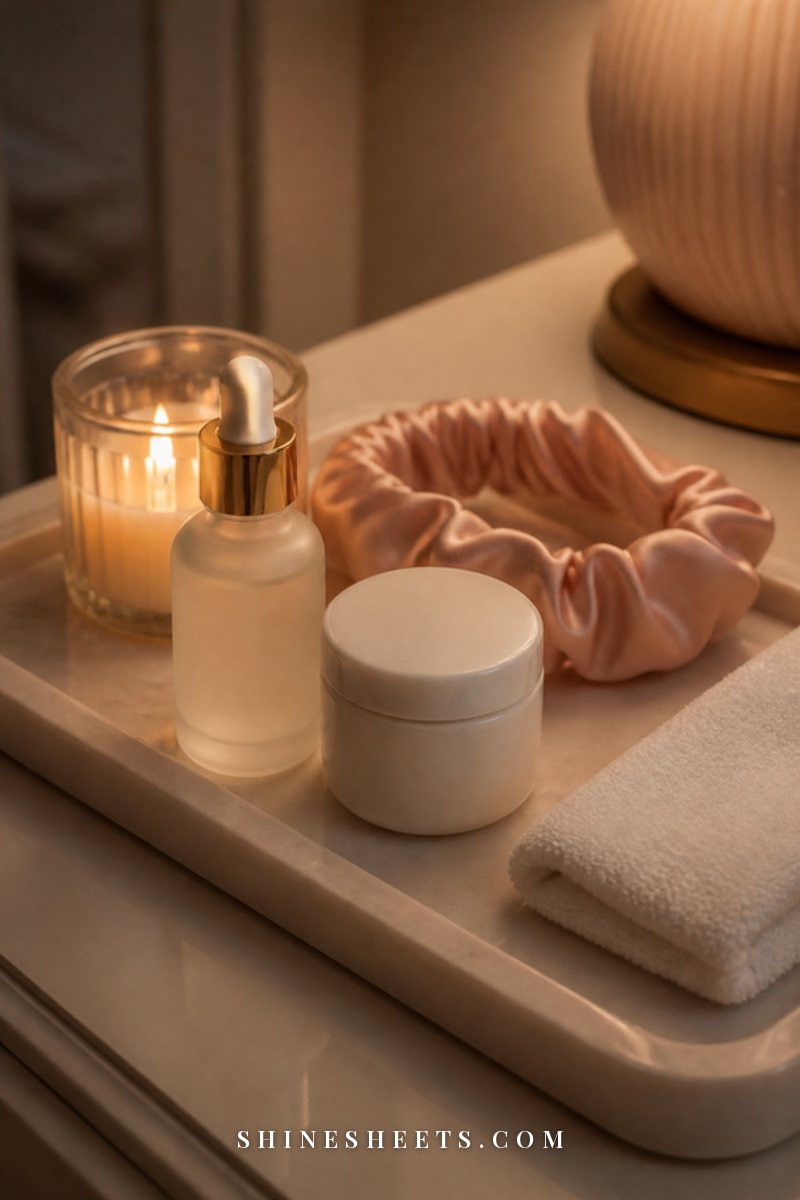
If you like a plan you can follow without thinking, here's a simple week. Adjust it to your skin, and if anything feels irritated, drop back to the basics.
- Every morning: broad-spectrum SPF 30 or higher on all exposed skin, reapplied when you're outdoors.
- Every evening after showering: moisturizer on slightly damp skin, focusing on the tan line and its edges.
- Monday, Wednesday and Friday evenings: lactic acid body lotion in place of your usual moisturizer.
- Once a day (morning or evening): a niacinamide body serum or lotion on the darker area, if you're using one.
- Saturday: a gentle exfoliating mitt in the shower, but only if you didn't use acids the night before.
- Sunday: a rest day for your skin. Just moisturizer and a calm evening.
I like pairing the evening step with a little ritual: a warm shower, a cup of tea and a glass candle lit while the lotion sinks in. It turns a skincare chore into something that feels like care, and that's what makes a routine last long enough to work.
Take a quick photo of the tan line in the same daylight once a week. Changes are slow enough that you might not notice them day to day, and seeing the progress side by side is wonderfully motivating.
When To See a Dermatologist
Most tan lines fade on their own with time and gentle care. But some changes in skin color aren't tan lines at all, and it's always worth having them checked. Please see a dermatologist or your doctor if you notice:
- A spot or mole that is new, changing in size, shape or color, itching or bleeding.
- Patches that stay uneven for months even with sun protection.
- Lighter or darker blotchy patches, sometimes slightly scaly, that appear on the chest, back or shoulders after warm weather (this can be a common and treatable skin condition, not a tan).
- Darker patches on the face that keep coming back, which may be melasma and needs a different approach.
- Any reaction to a product that doesn't calm down within a day or two.
- A sunburn with blisters over a large area, fever, chills or dizziness.
A dermatologist can also suggest professional options if you'd like more help with uneven tone. This guide is for general information only and isn't a substitute for advice from a doctor who can actually see your skin.
Final Thoughts
Tan lines are a reminder of sunny days, not a flaw to fight. With steady SPF, soft exfoliation, generous moisture and a little patience, they fade on their own, and a gradual self tanner can bridge the gap whenever you want an even look sooner.
Be gentle with your skin while it does its quiet work. The kindest routine is the one that protects you, keeps your skin calm and fits easily into your evenings, and that's exactly the kind that gives you the most even, healthy-looking skin over time.