Home maintenance sounds like something for people with garages full of power tools, but most of it is wonderfully small. A filter swapped before it clogs, an alarm tested before you need it, a drip noticed before it becomes a stain on the ceiling. These quiet ten-minute jobs are what keep a home feeling calm, safe and easy to live in, whether you own it or rent it.
The trick is not doing more. It's doing the right little things at the right time, so nothing turns into a weekend-ruining emergency. I find it so much less stressful to know there's a simple rhythm in place, instead of a vague worry that I've probably forgotten something important.
This home maintenance checklist breaks everything into what to check monthly, seasonally and yearly. You'll also find a simple tool kit, what to report to your landlord if you rent, when to call a professional and a month-by-month maintenance table you can screenshot and follow all year.
No toolbox anxiety required. Let's start with why it's worth it.
Why a Little Maintenance Saves a Lot
Think of home maintenance the way you think of skincare: small, consistent care beats a dramatic rescue every time. A dryer vent cleaned once a year is a five-minute job; a vent clogged with lint is a fire risk. A bit of fresh caulk around the tub costs very little; water seeping behind the tiles can cost a lot.
A gentle maintenance rhythm helps you:
- Stay safer. Working smoke and carbon monoxide alarms, clean vents and checked appliances protect you and the people you love.
- Save money. Small fixes are cheaper than big repairs, and well-kept appliances run more efficiently and last longer.
- Feel calmer. Knowing things are handled takes one more worry off your mental list.
- Get your deposit back. If you rent, reporting issues early and caring for the space shows you're a thoughtful tenant.
Maintenance and cleaning overlap, but they're not the same. Cleaning keeps things fresh; maintenance keeps things working. If you'd like a cleaning rhythm too, my cleaning schedule for daily, weekly and monthly tasks pairs beautifully with this guide.
Renters vs Owners: Who Handles What
Good news for renters: most of this list still applies to you, because the everyday checks are what catch problems early. The difference is who fixes them.
- Renters usually handle: testing alarms, changing batteries, replacing HVAC filters (check your lease), clearing drains with gentle methods, cleaning appliance filters, keeping vents free of dust and reporting anything broken or leaking.
- Landlords usually handle: repairs to plumbing, heating, electrical systems, appliances they provided, the roof, gutters, pest problems, mold from leaks and anything structural.
- Owners handle: all of it, but can still hire professionals for anything technical or risky.
Always read your lease first. Some leases ask tenants to change filters or care for the yard; others prefer you call maintenance for everything.
Your Simple Home Maintenance Tool Kit
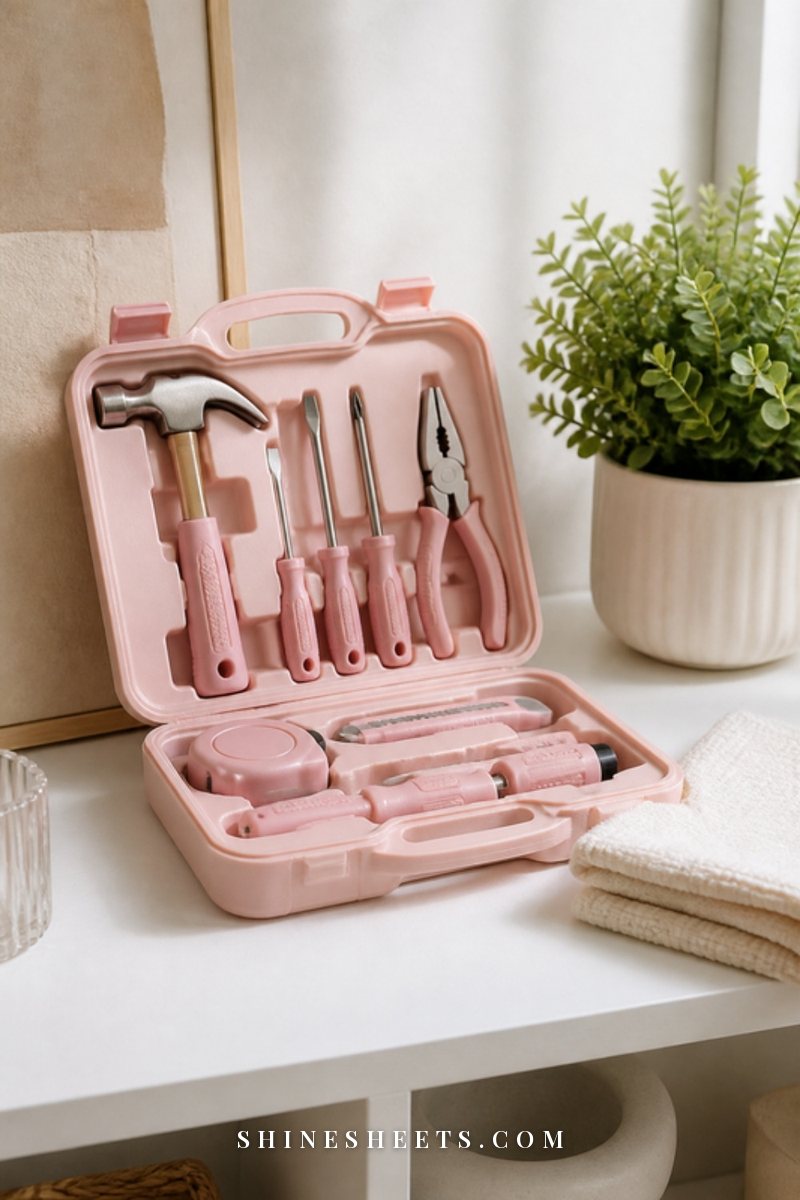
You don't need a workshop. A small, pretty kit you actually like opening is far more useful than a heavy toolbox you avoid. A compact pink household tool kit usually covers the basics in one case. Here's what I'd keep at home:
- A screwdriver set (flathead and Phillips) or a multi-bit screwdriver
- A small hammer and a few picture hooks
- Adjustable pliers and a small adjustable wrench
- A tape measure and a small level
- A rechargeable flashlight for power cuts and peeking behind appliances
- Spare batteries for your alarms and remotes
- A caulk gun and a tube of mildew-resistant bathroom caulk
- A plunger and a plastic drain snake
- Microfiber cloths, an old toothbrush and a small soft brush for vents
- A step stool you feel steady on
Keep everything together in one spot, ideally a closet shelf or under the sink, so you're not hunting for a screwdriver every time.
Monthly Home Maintenance Tasks
These are the small checks that take thirty to forty-five minutes total. Pick the same day each month, maybe the first Sunday, and do them in one gentle sweep.
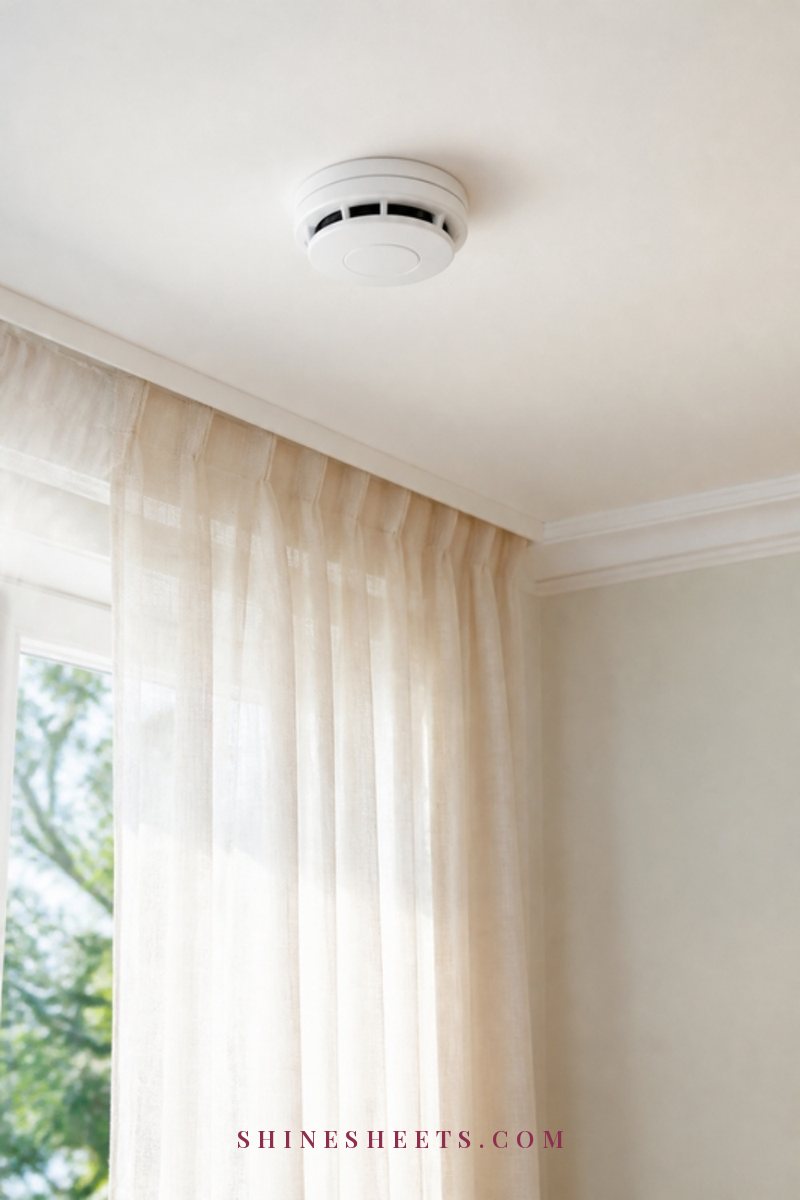
Test Smoke and Carbon Monoxide Alarms
Press and hold the test button on each alarm until it beeps. If it's weak or silent, change the battery right away. Smoke alarms generally need replacing about every ten years, and carbon monoxide alarms often sooner, so check the date printed on the back. The NFPA's smoke alarm guidance is a clear, reliable reference for placement and testing.
Check the HVAC Filter
Slide out the filter and look at it. If it's gray and dusty, replace it. Most standard filters need changing every one to three months, more often if you have pets, allergies or a dusty home. Write the size on a sticky note inside the closet door so ordering a new HVAC air filter is easy. A clean filter also makes a real difference if you're trying to reduce dust at home.
Freshen Your Drains
Run very hot water down each sink and shower drain for a minute. Pull out any visible hair from the shower drain with a plastic drain snake. Avoid pouring grease down the kitchen sink, and skip harsh chemical drain cleaners unless you've checked they're safe for your pipes.
Clean the Dishwasher Filter
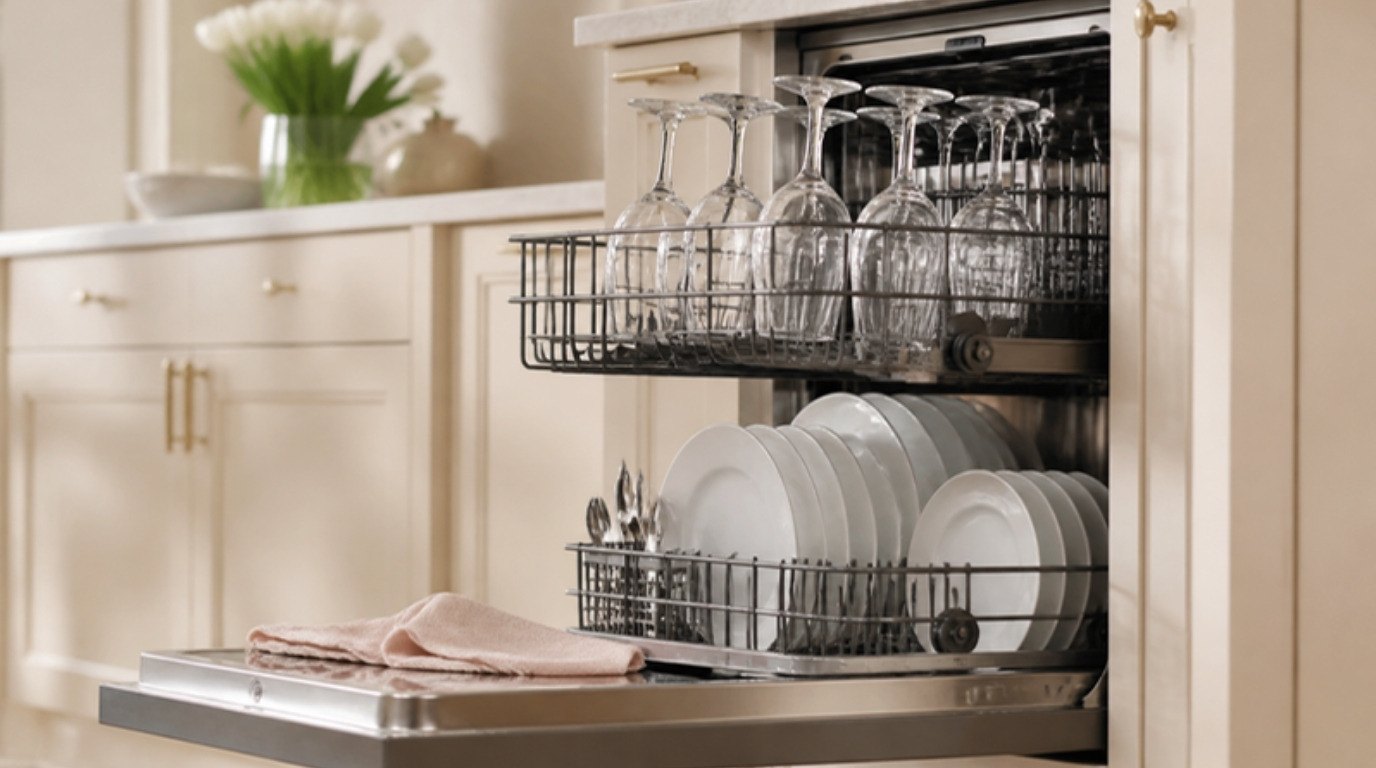
Twist out the filter at the bottom of the dishwasher, rinse it under warm water and scrub gently with a soft brush. It takes five minutes and keeps dishes cleaner and smells away. My step-by-step guide on how to clean a dishwasher covers the deeper version.
Glance at the Fridge
Check the door seal for cracks or gaps, wipe it with warm soapy water and peek at the coils (usually behind the bottom grille or at the back). If they're very dusty, vacuum them gently with a brush attachment once a season. Make sure the fridge sits at about 37–40°F and the freezer at 0°F.
Do a Quick Leak Walk
Open the cabinets under the kitchen and bathroom sinks with your flashlight. Look for drips, damp spots, warped wood or a musty smell. Check around the toilet base and behind the washing machine. Catching a slow leak early is one of the most valuable things on this whole list.
Seasonal Home Maintenance
Four times a year, add a slightly bigger set of tasks. These take an hour or two and follow the weather.
Spring

- Check window and door seals for gaps or cracked caulk, and replace screens with holes.
- Look at the ceiling and walls near windows for water stains after winter.
- Have gutters and downspouts cleared (owners: hire help if they're high; renters: report clogs).
- Service the air conditioner or ask your landlord to schedule it before the hot weather.
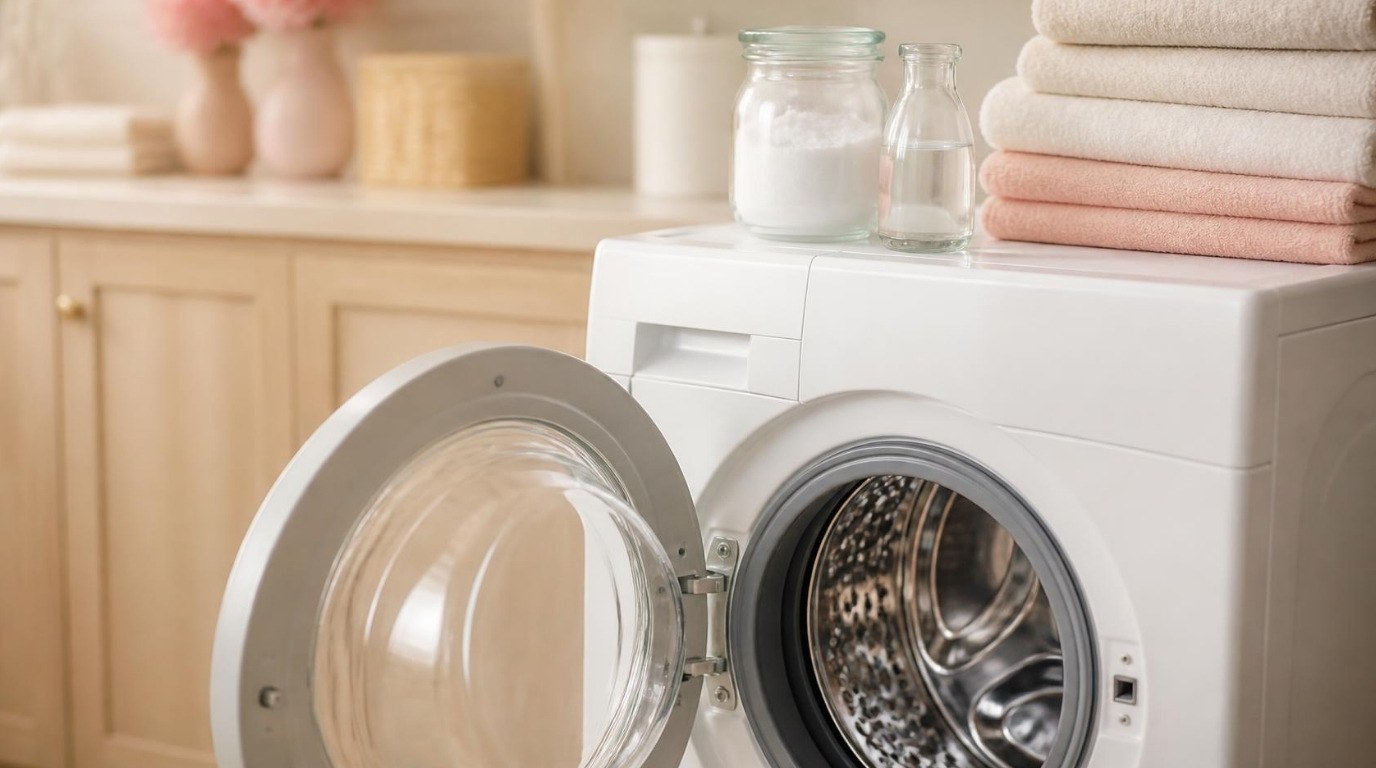
- Deep clean the washing machine and wipe the door gasket. Here's how to clean a washing machine step by step.
Summer
- Clean ceiling fan blades and set them to spin counterclockwise for a cooling breeze.
- Check outdoor faucets and hoses for leaks.
- Look for signs of pests around doors, windows and under sinks.
- Wipe down the range hood filter, which gets greasy surprisingly fast.
- Check bathroom exhaust fans are pulling air (hold a tissue near them; it should stick slightly).
Fall
- Clean the dryer vent and the duct behind the dryer, not just the lint trap. Lint buildup is a real fire risk.
- Have the heating system serviced before you need it every day.
- Disconnect garden hoses and shut off or cover outdoor faucets before the first freeze.
- Clear gutters again once the leaves have fallen.
- Add weatherstripping or draft stoppers to drafty doors and windows.
Winter
- Keep the home heated to at least 55°F, even when you're away, to help prevent frozen pipes.
- Know where your main water shut-off valve is, and make sure it turns.
- Check for ice dams or icicles along the roof edge (owners) and report them (renters).
- Test carbon monoxide alarms again, since heaters and fireplaces run more often now.
- Vacuum radiators and heating vents so warm air moves freely.
Yearly Home Maintenance Tasks
Once a year, set aside a slow weekend morning for these bigger checks. Spread them across a few weeks if you prefer.
- Water heater check. Look for rust, puddles or odd noises around the tank. Owners can have it flushed to remove sediment; renters should report any leaks right away.
- Re-caulk where it's tired. Bathtubs, showers and kitchen sinks. Remove old, moldy or cracked caulk, let the area dry fully, then apply a smooth new line.
- Deep clean big appliances. Oven, dishwasher, washing machine, fridge coils and the dryer duct.
- Check the fire extinguisher. Make sure the gauge needle sits in the green zone and that it's easy to grab.
- Inspect grout and tiles. Look for cracks that might let water through and seal or repair as needed.
- Tighten the little things. Cabinet hinges, door handles, towel bars and loose screws on furniture.
- Review your emergency kit. Flashlight, batteries, first aid supplies and a list of important numbers.
- Roof and chimney inspection (owners), done by a professional.
Room-by-Room Quick Checks
If thinking in months and seasons feels abstract, try walking through your home one room at a time. This is also a lovely way to do your very first maintenance sweep, especially in a new place.
- Kitchen: look under the sink for drips, check the fridge seal, clean the dishwasher filter, wipe the range hood filter and make sure the fire extinguisher is easy to reach (not tucked behind the stove).
- Bathroom: check caulk around the tub and sink, look for slow drains, make sure the exhaust fan works, check the toilet for running water or a wobble at the base, and look at the ceiling for peeling paint or mold spots.
- Bedrooms: test the smoke alarm, check window locks and seals, vacuum any heating or cooling vents and make sure nothing blocks them.
- Living room: dust ceiling fans, check that outlets aren't overloaded with power strips, and look for drafts around windows and doors.
- Laundry area: clean the lint trap after every load, check the washer hoses for bulges or cracks, wipe the door gasket and look behind the dryer for lint buildup.
- Entry and outside: check that door locks turn smoothly, the doorbell works, outdoor lights come on and steps or railings feel secure.
Make a short note of anything that needs attention, then decide: fix it yourself, schedule a professional or report it to your landlord. That one list becomes your starting point.
Little Signs Your Home Needs Attention
Homes usually whisper before they shout. Learning to notice the quiet signs is the real secret of good maintenance:
- A musty smell in a cabinet, closet or corner can mean hidden moisture.
- A higher water bill with no change in habits often points to a leak or a running toilet.
- Doors that suddenly stick may be reacting to humidity or shifting frames.
- Clothes taking longer to dry is a classic sign of a clogged dryer vent.
- Bubbling paint or soft spots on walls or ceilings suggest water behind them.
- Uneven heating or cooling can mean a dirty filter or blocked vents.
- Flickering lights or warm switch plates deserve a call to an electrician or your landlord.
You don't need to panic about any of these. Just treat them as gentle messages to look closer, and write down when you first noticed them.
Month-by-Month Home Maintenance Table
Here's the whole year in one view. Every month includes the monthly basics (alarms, filter check, drains, dishwasher filter, leak walk), plus one or two focus tasks. Screenshot it and you're set.
| Month | Focus tasks (plus monthly basics) |
|---|---|
| January | Check for drafts, vacuum radiators and vents, confirm the water shut-off valve works |
| February | Inspect caulk and grout in bathrooms, test carbon monoxide alarms |
| March | Check window and door seals, look for winter water stains on ceilings |
| April | Clear gutters and downspouts, deep clean the washing machine |
| May | Service the air conditioner, replace torn window screens |
| June | Clean ceiling fans and switch to summer direction, check outdoor faucets |
| July | Clean the range hood filter, test bathroom exhaust fans |
| August | Check for pests, tighten hinges, handles and towel bars |
| September | Clean the dryer vent and duct, service the heating system |
| October | Disconnect hoses, cover outdoor faucets, add weatherstripping |
| November | Clear gutters after leaves fall, check the water heater, check the fire extinguisher |
| December | Deep clean appliances, review the emergency kit, replace alarm batteries if due |
Live somewhere without freezing winters? Move the cold-weather tasks to whenever your rainy or cooler season begins.
What To Report to Your Landlord
Reporting early protects you and the home. Send a short, polite message in writing (email or the tenant portal) so there's a record, and include a photo when you can. Report:
- Any leak, drip, water stain or damp patch
- Mold that keeps coming back, especially near windows, ceilings or the bathroom
- Heating, cooling or hot water that isn't working properly
- Smoke or carbon monoxide alarms that fail even with new batteries
- Electrical issues: flickering lights, warm outlets, sparks or a burning smell
- Appliances that belong to the landlord and aren't working
- Pests, broken locks, cracked windows or doors that won't close
A simple message works: "Hi, I noticed a slow leak under the kitchen sink today. Photo attached. Could someone take a look this week? I've put a bowl underneath for now. Thank you!"
When To Call a Professional
Doing small maintenance yourself is empowering. Knowing when to stop is just as important. Always call a licensed professional (or your landlord) for:
- Gas: if you smell gas, leave the home immediately, don't flip switches, and call your gas company or emergency services from outside.
- Electrical work: anything beyond changing a light bulb or resetting a breaker.
- Roof and high ladders: gutters on second stories, roof repairs and chimney work.
- Major plumbing: burst pipes, sewer smells, water heater repairs or anything behind walls.
- Mold larger than a small patch or mold that returns after cleaning.
- Heating and cooling systems: servicing and repairs.
A quick safety reminder for any cleaning along the way: never mix bleach with vinegar or ammonia, keep rooms ventilated and test cleaners on a hidden spot first.
How To Track It All

The best maintenance plan is the one you remember. A few easy ways to keep track:
- Use a wall calendar. A simple minimalist wall calendar in the kitchen or entryway makes monthly tasks visible. Write "home check" on the first Sunday of every month.
- Set phone reminders. One recurring monthly reminder and four seasonal ones is all you need.
- Label everything. A little label maker is perfect for marking the filter size, the date you changed it, the water shut-off valve and the breaker panel switches.
- Keep a small home log. One page in a notebook with the date and what you did. It's useful for renters too, as proof of care when you move out.
- Pair it with your resets. Fold the monthly checks into an existing habit, like a Sunday reset or your nightly home reset on the first day of the month.
A 30-Minute Starter Routine for This Weekend
If this guide feels like a lot, start here. Put on music, make a cup of tea and do just these six things in order:
- Test every smoke and carbon monoxide alarm (5 minutes).
- Check the HVAC filter and note its size (5 minutes).
- Open every sink cabinet with a flashlight and look for drips (5 minutes).
- Clean the dishwasher filter (5 minutes).
- Find your main water shut-off valve and your breaker panel (5 minutes).
- Set one monthly phone reminder for your next home check (5 minutes).
That's it. You've just covered the most important safety basics, and the next round will feel easier because you know where everything is.
Final Thoughts
Looking after your home doesn't have to be a big, intimidating project. It's a series of small, kind check-ins: a beep from the smoke alarm, a fresh filter, a dry cabinet under the sink. Over time, those little moments add up to a home that feels safe, calm and cared for.
Start with this month's basics and let the rest unfold one season at a time. Your future self, and your home, will thank you.