Dry shins aren't a sign that you're doing something wrong. The skin on the front of your lower legs simply has less to work with than most other areas of your body, so it's usually the first place to feel tight, look ashy or start flaking when the air gets dry or your shower gets a little too hot.
The good news is that shins respond well to small, steady changes. You don't need a complicated routine. You need fewer things that strip the skin, a few things that rebuild it, and a bit of patience while the skin barrier catches up.
This guide is all about dry shins: why the shins get so dry, a cause-and-swap table, six gentle soothing habits, how to shave without making things worse, how to patch test new products and when it's time to see a doctor. If you want a full routine from shaving to moisturizing, my smooth legs routine covers that. Here we're focusing only on dry, flaky, tight skin on the shins.
My skin is combination and sensitive, so my face gets most of the attention, but my shins taught me that barrier care matters everywhere.
Why Your Shins Get So Dry
Shins are a bit of a perfect storm for dryness. Several small things stack up in the same spot, and together they leave the skin thirsty and easily irritated.
Fewer Oil Glands
The skin on your lower legs has fewer sebaceous (oil) glands than your face, scalp or chest. Sebum is part of what keeps skin soft and helps hold water in. With less of it, the shins lose moisture more easily and have a harder time recovering after a long, hot shower.
Hot Showers
Hot water feels lovely, but it dissolves the natural oils and fats in the outer layer of skin. The water also runs down your legs the whole time you shower, so your shins get more exposure than you might think. Long, steamy showers are one of the biggest everyday reasons shins feel tight afterwards.
Shaving
Every pass of a razor removes a thin layer of surface skin along with the hair. On already dry shins, that can leave skin rough, itchy or dotted with small red bumps, especially with a dull blade or without a shaving cream.
Friction From Clothes
Jeans, leggings, tights and boots rub against the front of your legs all day. That gentle, constant friction can wear down the surface of the skin and make flaking more noticeable, especially with rough fabrics or a tight fit.
Dry Indoor Air
Heating and air conditioning both pull moisture out of the air. When the air is dry, it pulls water from your skin too. Many people notice their shins are at their worst in rooms with constant heating or air conditioning, even if their face feels fine.
Most dry shins come from two or three of these at once, which is actually reassuring: fix a couple and you often see a real difference.
Dry Shins Cause-and-Swap Table
Here's how each cause tends to show up, and the simplest swap that helps. Screenshot it and keep it for the days your legs start feeling tight again.
| Cause | What you notice | Swap | Product type |
|---|---|---|---|
| Fewer oil glands | Shins feel tight even when the rest of your body is fine | Moisturize your shins first, every day | Rich body cream with ceramides |
| Hot showers | Tightness and itch within minutes of drying off | Lukewarm water, 5–10 minutes | Gentle, fragrance-free body wash |
| Shaving | Rough patches, small red bumps, stinging | Sharp razor, shaving cream, shave with the grain | Sensitive-skin shaving cream or gel |
| Friction from clothes | Flaking where jeans or boots rub | Softer fabrics, a moisturizer before dressing | Lightweight urea or ceramide lotion |
| Dry indoor air | Worse dryness in heated or air-conditioned rooms | Add moisture to the air, especially at night | A simple room humidifier |
| Over-scrubbing | Shiny, sore or pink skin after exfoliating | Pause all scrubs until skin feels calm | Soothing, plain moisturizer |
You don't need every product in the last column. Most people do well with one gentle wash and one good cream.
If you're not sure which cause is behind your dry shins, think about when they feel worst. Tight right after a shower points to water temperature and timing. Rough and bumpy after shaving points to your razor routine. Flaky mostly where your jeans or boots sit points to friction. And dry everywhere when the heating comes on points to the air in your home. Start with the row that matches your worst moment, and give that one swap a full two weeks before adding the next. Changing one thing at a time also makes it much easier to tell what's actually helping.
6 Soothing Habits for Dry Shins
These six habits work together. Start with the first three, since they make the biggest difference for the least effort, then add the others as you need them.
1. Take Shorter, Lukewarm Showers
Aim for 5 to 10 minutes with water that feels warm, not hot, on the inside of your wrist. If you love a hot shower, try turning the temperature down for the last few minutes, while you wash your legs. My guide to the shower habits that dry out your skin has more easy swaps if your whole body tends to feel tight afterwards.
Baths count too. A long, hot soak can leave shins drier than a quick shower, so keep baths shorter and cooler when your legs are flaky.
2. Switch to a Gentle Body Wash
Harsh soaps and strongly foaming washes strip the oils your shins are already short on. Look for a gentle body wash for sensitive skin that's creamy rather than squeaky, ideally fragrance-free or lightly scented.
You also don't need to lather your shins much. A small amount, rinsed off quickly, is plenty. Most of the dirt on your legs comes off with water alone.
3. Moisturize Within a Few Minutes of Drying

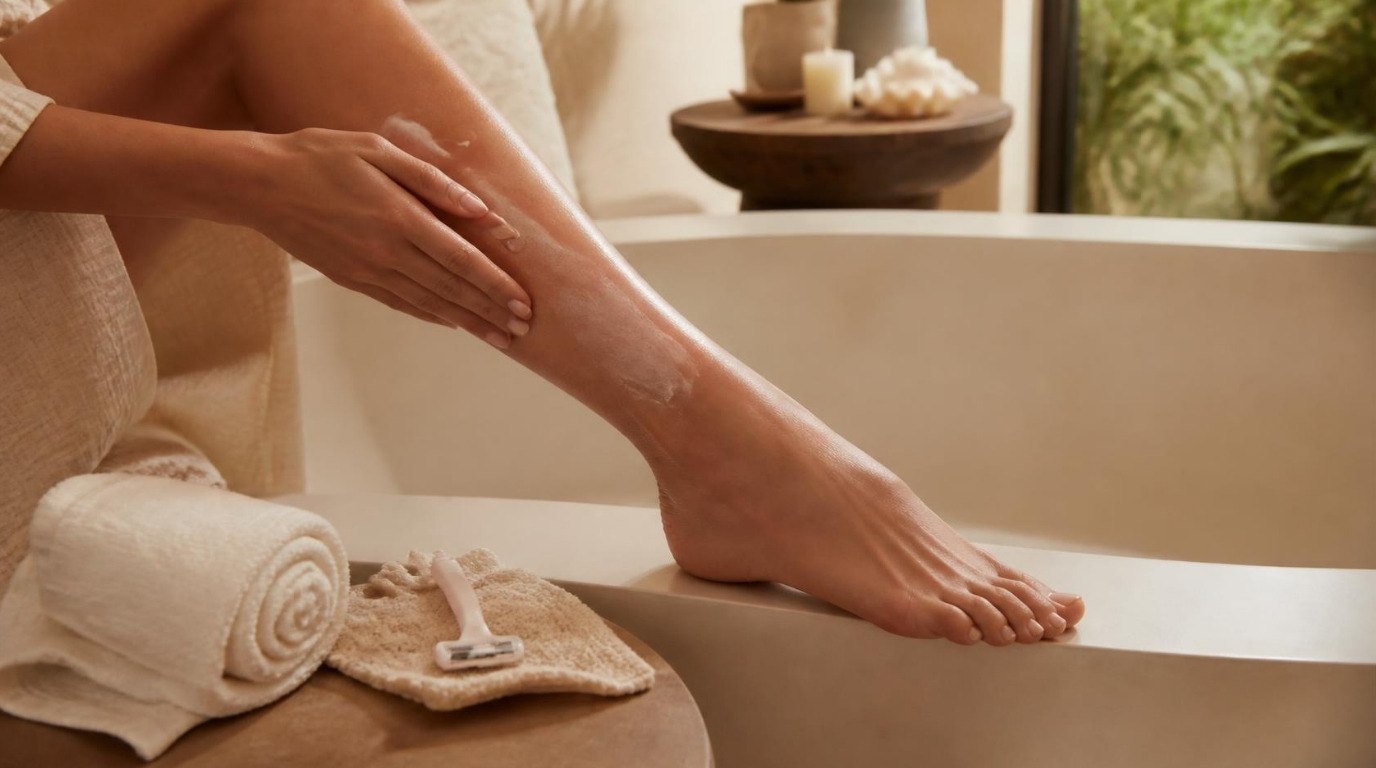
This is the habit that changes the most. Pat your legs dry gently with a soft blush bath towel (no rubbing), then apply moisturizer within about three minutes, while your skin is still slightly damp. The cream helps seal that water in instead of letting it evaporate.
Use a generous amount, roughly a teaspoon per shin, and smooth it on in downward strokes. Keep the jar or bottle right next to the shower so you never skip it. If you're not sure what texture suits you, my body lotion guide breaks down lotions, creams and more.
4. Reach for Ceramide or Urea Creams
For dry shins, the ingredient list matters more than the scent. Two ingredients stand out:
- Ceramides are fats that are naturally part of your skin barrier. Creams with ceramides help support that barrier so it holds water better. A rich ceramide body cream is a reliable everyday pick. My guide to ceramides explains how they work in simple terms.
- Urea attracts water into the skin and gently softens rough, flaky patches. Lower amounts (around 5–10%) are good for everyday dryness; higher amounts are stronger and can sting on irritated skin. A urea body lotion works well on rough shins, and my guide to urea in skincare covers how to use it.
Other helpful ingredients include glycerin, hyaluronic acid, shea butter and squalane. Strong fragrance and high amounts of alcohol are the ones to go easy on while your shins are flaky.
5. Run a Humidifier

If your home is heated or air-conditioned for much of the day, adding moisture back into the air can help your skin hold on to its own. A small sage humidifier in the bedroom is a simple start, since you spend so many hours there.
Keep it clean, following the maker's instructions (usually emptying and drying it daily and cleaning it weekly), because standing water can grow mold and bacteria. Aim for comfortable humidity rather than damp air, and open a window now and then if your windows start to fog.
6. Exfoliate Gently, Only Once Skin Is Calm
It's tempting to scrub the flakes away, but scrubbing irritated skin usually makes things worse. Wait until your shins no longer feel tight, itchy or sore – often after a week or two of the habits above.
Then, if you'd like, exfoliate gently once a week. A soft washcloth in the shower or a lotion with a low amount of lactic acid or urea is usually enough. Skip gritty scrubs on shins, and if you use any AHA lotion, wear sunscreen on bare legs, since AHAs can make skin more sensitive to the sun.
How To Shave When Your Shins Are Dry
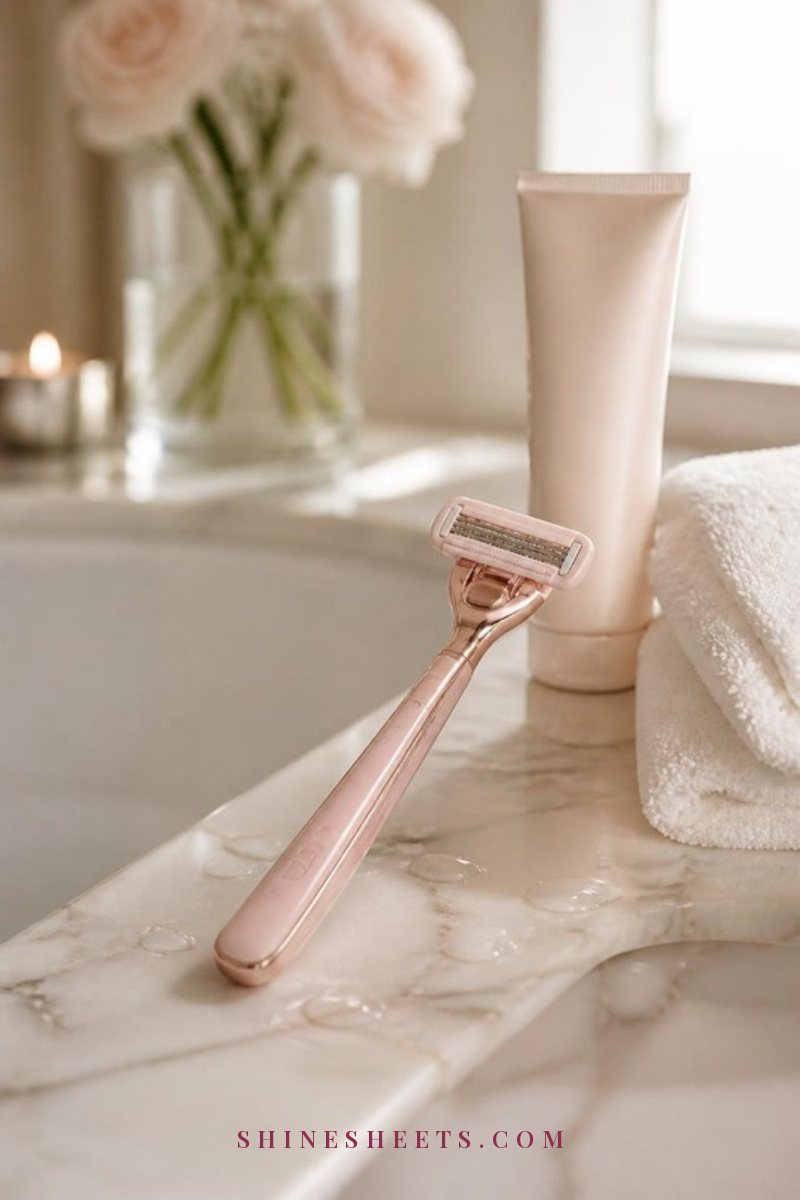
You don't have to stop shaving, but shaving carefully makes a real difference to dry shins. These steps keep the razor from taking more than it needs to:
- Shave at the end of your shower. A few minutes of warm water softens the hair and the skin.
- Use a sharp razor. A dull blade drags and scrapes. Replace blades or disposable razors as soon as they start to tug, often after five to ten shaves.
- Always use shaving cream or gel. Never shave dry or with plain soap. A cream for sensitive skin adds glide and protection.
- Shave along the grain. Going in the direction your hair grows (usually downwards on shins) is gentler than shaving against it, especially if your skin is irritated.
- Use light pressure and few passes. Let the blade do the work and avoid going over the same spot again and again.
- Rinse with cool water and moisturize straight away. Skip fragranced lotions right after shaving, since freshly shaved skin can sting.
If your shins are very flaky or cracked, it's kinder to give them a few days off shaving until they feel calmer.
Patch Test New Products
Dry skin often has a weaker barrier, which means it can react more easily to new products, even gentle ones. A quick patch test helps you avoid an itchy surprise.
- Apply a small amount of the new product to a coin-sized area on the inside of your forearm or behind your knee.
- Leave it on as you normally would (don't rinse off a moisturizer).
- Repeat once or twice a day for a few days.
- If there's no redness, itching, bumps or stinging, try it on one shin before using it on both.
My guide on how to patch test skincare explains the method in more detail. Patch testing is especially worth it for products with acids, strong fragrance or essential oils.
A Simple Daily Routine for Dry Shins
Putting it all together, here's what a gentle day can look like:
- Shower: 5–10 minutes, lukewarm water, a small amount of gentle body wash on your legs.
- Right after: pat dry, then apply a ceramide or urea cream to your shins within three minutes.
- Getting dressed: soft, breathable fabrics where you can, and give the cream a few minutes to sink in first.
- During the day: if your shins feel tight, a little extra lotion over or under tights is perfectly fine.
- Evening: a second, thinner layer of cream before bed, with the humidifier running in your bedroom.
- Once a week (only when calm): a gentle washcloth exfoliation, followed by moisturizer.
Give it two to four weeks. Skin barriers take time to rebuild, and the change is often gradual: less tightness first, then fewer flakes, then softer skin.
Clothes and Fabrics That Are Kinder to Dry Shins
What you wear over your shins matters more than most people expect, because fabric touches that skin for hours every day. A few small swaps can take a lot of friction off.
- Choose soft, breathable fabrics. Cotton, modal, bamboo-based jersey and smooth knits are gentler than stiff denim or scratchy wool directly on the skin.
- Add a layer under wool. If you love wool trousers or wool tights, a thin cotton or silk layer underneath stops the fibers rubbing on dry skin.
- Watch the fit. Very tight jeans and leggings create constant friction. A slightly looser fit around the lower leg often helps flaky patches settle.
- Check your boots. Tall boots can rub right at the shin. Wearing socks or soft leg warmers inside them protects that spot.
- Wash gently. Strongly fragranced detergents and fabric softeners leave residue that can irritate sensitive skin. A fragrance-free detergent and an extra rinse cycle are kinder.
- Let cream settle first. Give your moisturizer five minutes to sink in before pulling on tights or jeans, so it stays on your skin instead of soaking into the fabric.
Pajamas count too. Soft, loose cotton or silk pajama trousers give your shins eight comfortable hours to recover every night.
Common Mistakes That Keep Shins Dry
Sometimes dry shins stay dry not because of what you're missing, but because of one small habit that keeps undoing the good ones. Here are the most common ones:
- Waiting too long to moisturize. Applying lotion half an hour after the shower, once skin has fully dried, is much less effective than applying it within a few minutes.
- Scrubbing the flakes away. It looks better for an hour, then the skin feels tighter than before. Calm the skin first, exfoliate later.
- Rubbing with a towel. Vigorous drying adds friction to already fragile skin. Pat instead.
- Switching products every week. Barrier repair takes time. Give one gentle cream at least two to three weeks before deciding it doesn't work.
- Choosing a light, watery lotion for very dry skin. Very dry shins often need a richer cream, especially in the evening.
- Forgetting about the air. If your bedroom is warm and dry all night, your skin loses water while you sleep, no matter how good your cream is.
- Using strongly scented products. A beautiful fragrance is lovely in a body mist, but on flaky, irritated shins it can sting or itch.
Most people find that fixing just one or two of these is enough to tip their shins from "always flaky" to "mostly comfortable".
When To See a Doctor or Dermatologist
Most dry shins improve with gentler habits and a good moisturizer. But sometimes dryness is a sign of something that needs proper care. Please see a doctor or dermatologist if:
- The itching is intense, keeps you awake or makes you scratch until the skin breaks.
- Your skin cracks, bleeds, weeps or forms thick, scaly patches.
- You notice red, inflamed, swollen or warm areas.
- The dryness doesn't improve after a few weeks of consistent care.
- You have other symptoms alongside it, or dryness appears suddenly and spreads.
Persistent dry, itchy shins can be eczema or another skin condition, and dryness can sometimes be linked to other health issues. A doctor can check what's going on and suggest treatment that suits you. This article shares general information only and isn't medical advice.
Final Thoughts
Dry shins are common, and they usually ask for less, not more: cooler showers, a gentle wash, a good cream applied quickly and a little patience. Treat that skin softly and it tends to soften right back.
Be kind to your legs while they recover. Small, steady care is what brings comfort back, one shower at a time.