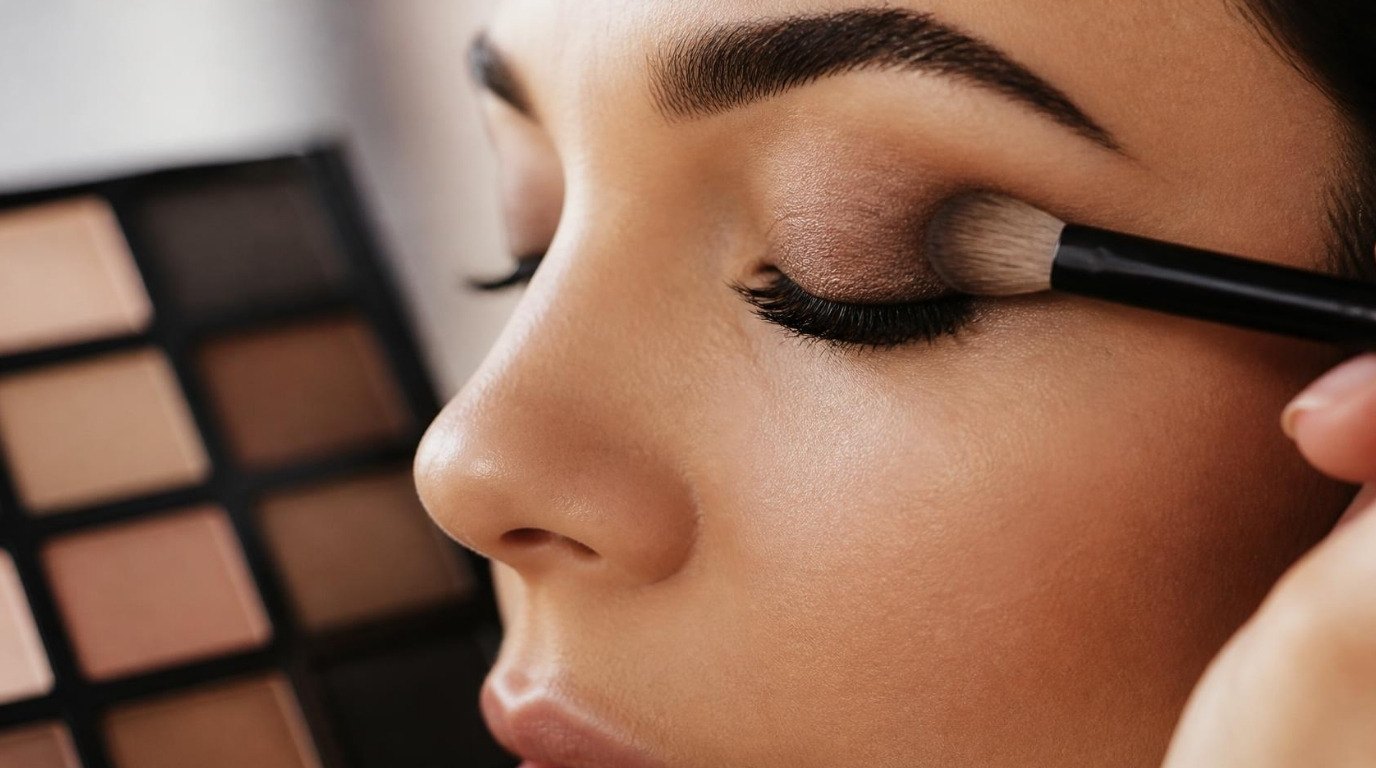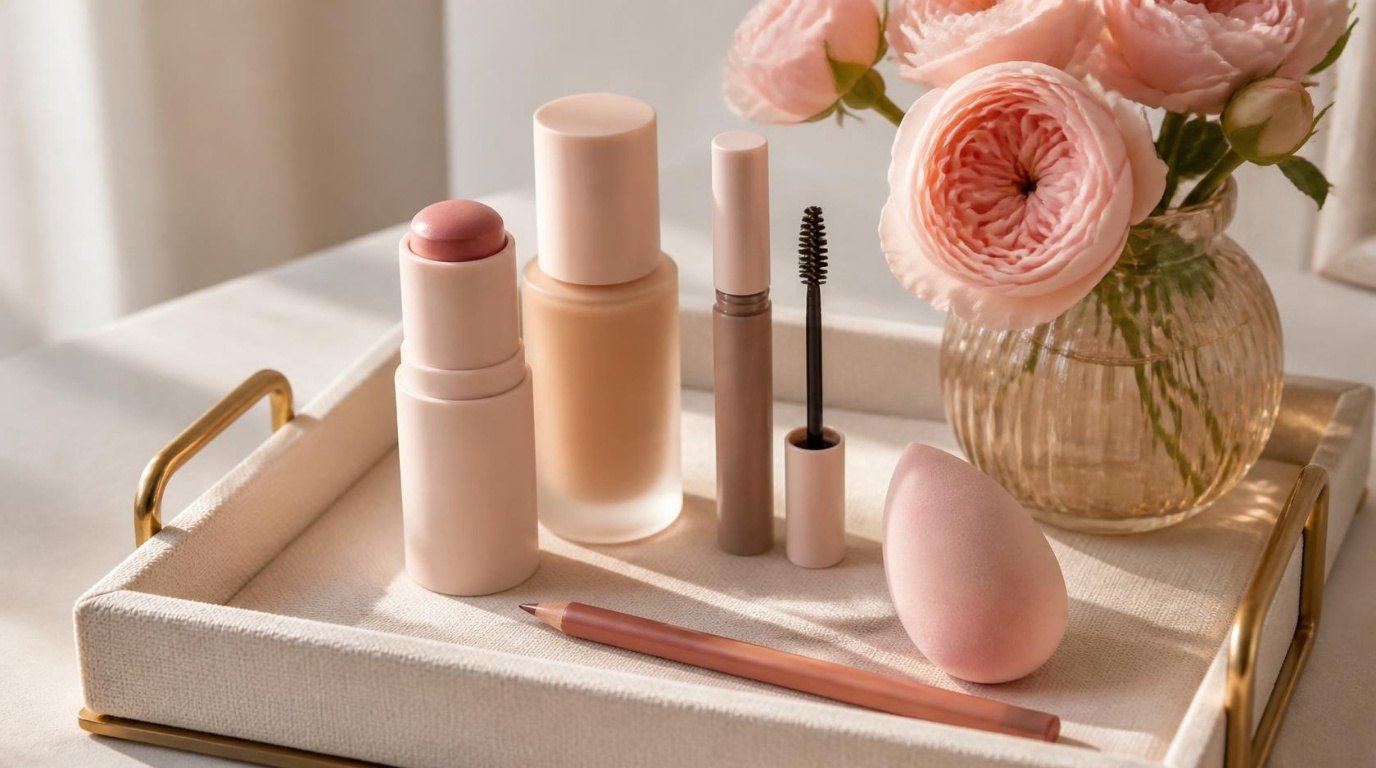
Cream and powder eyeshadow aren't really rivals. They're two different tools, and the "better" one depends far more on your eyelids than on any trend. Oily lids, dry lids, hooded eyes and monolids all treat texture a little differently, which is why the same shadow can look flawless on a friend and crease on you by lunch.
Once you know how each formula behaves, eyeshadow gets so much easier. You stop blaming yourself for creasing and start choosing the texture that actually works with your skin.
This guide breaks down cream vs powder eyeshadow in a practical, friendly way: what each one is, how they compare on finish, blending time, staying power and creasing, which formula suits which eyelid type, how to apply both, how to layer them together, five mistakes that cause creasing or patchiness, and the eye safety basics that matter with any shadow. There's also a comparison table you can screenshot.
Cream vs Powder Eyeshadow: The Quick Difference
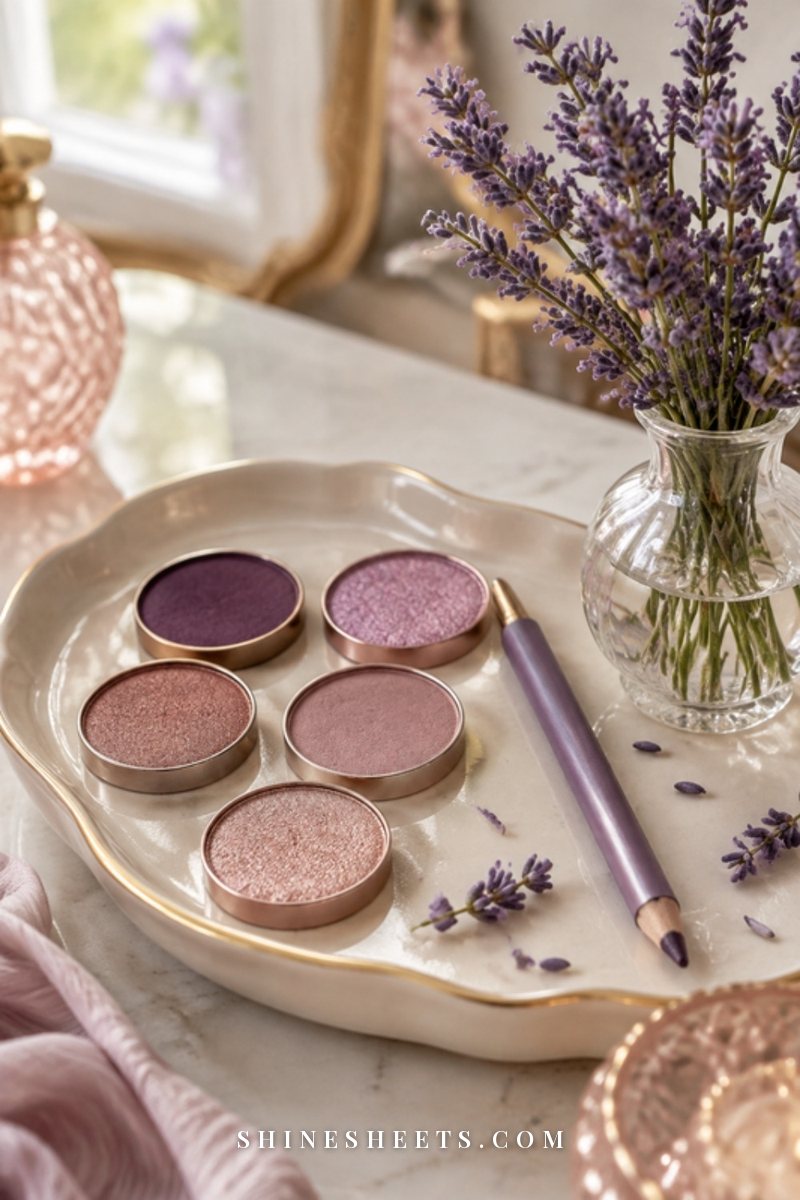
Here's the simplest way to think about it:
- Cream eyeshadow is emollient and flexible. It melts onto the lid, gives a soft, skin-like or satin finish and is fast to apply, often with just a fingertip. Many formulas "set" after a minute or two and then stay put.
- Powder eyeshadow is pressed pigment. It's buildable, blendable and comes in more finishes and shade options. It takes a little more time and usually a brush, but it gives you more control over soft gradients.
Neither one is harder or more "advanced." Cream is wonderful for quick, natural everyday eyes, and powder shines when you want soft definition or a gentle smoky blend. A lot of the prettiest everyday looks actually use both. The same logic applies to cheeks, too, and if you've read my guide to cream blush vs powder blush, much of this will feel familiar.
What Cream Eyeshadow Is
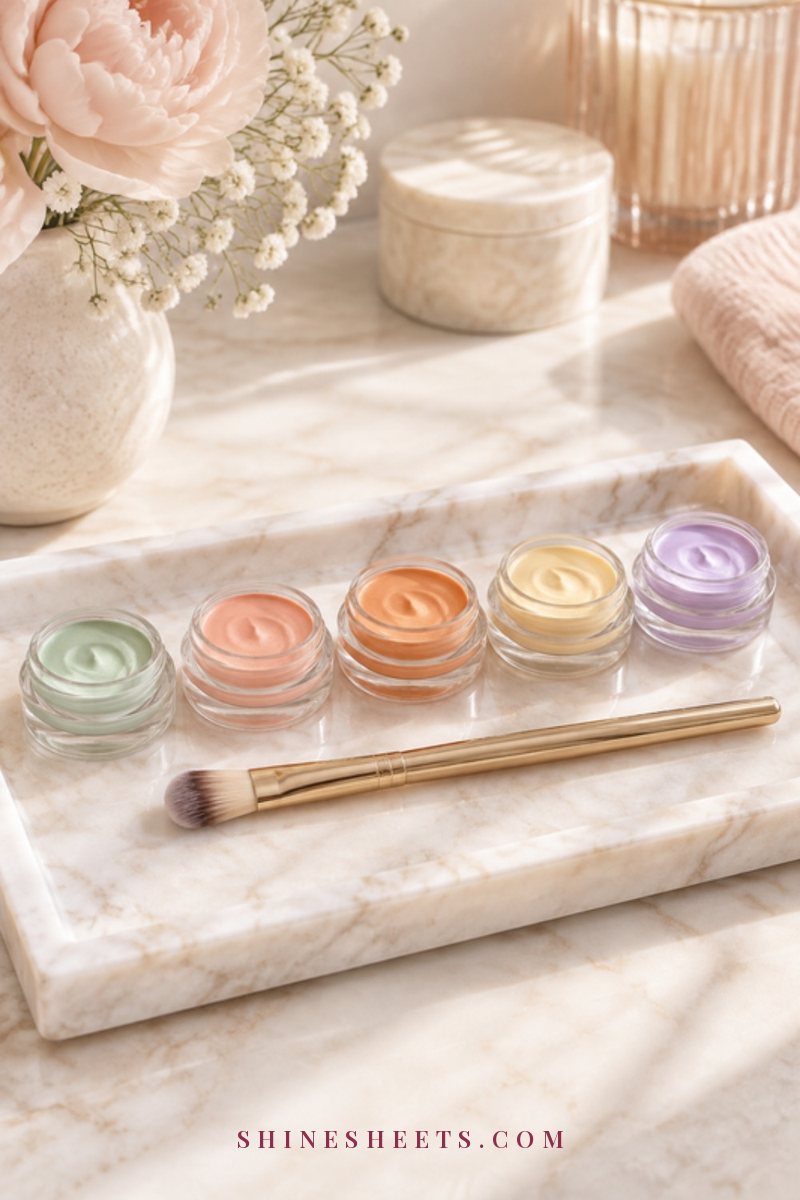
Cream eyeshadow covers a whole family of textures. They all share the same flexible, slightly moist feel, but they behave a little differently:
- Pots. Soft, mousse-like or balm-like cream in a small jar. Easy to tap on with a finger, and lovely for a sheer wash of color. Because you dip into them, they need clean fingers or a clean brush every time.
- Sticks. Twist-up or sharpenable chubby crayons. They're the most beginner-friendly, travel-friendly and hygienic option, since you swipe directly onto the lid without dipping. A set of neutral cream eyeshadow sticks in champagne, taupe and soft bronze covers almost every everyday look.
- Liquid shadows. Thin, often shimmery formulas with a doe-foot applicator. They dry down quickly, so you need to blend the edges fast, but many are very long-wearing once set.
Cream formulas range from sheer and dewy to long-wear "set and forget." The long-wear ones are usually the most crease-resistant, but they give you a shorter blending window, often about thirty seconds to a minute.
What Powder Eyeshadow Is
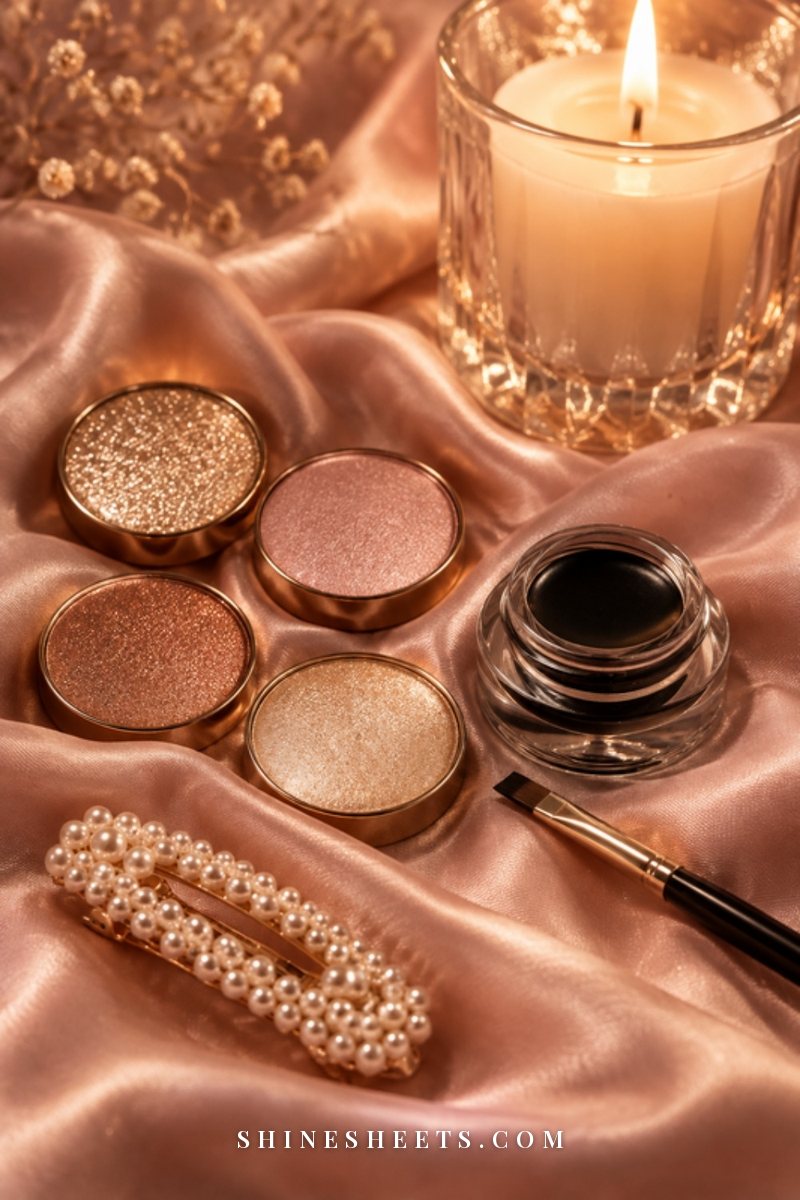
Powder eyeshadow is the classic: pressed pigment in single pans, duos or palettes. It's what most of us learned on, and it's still the most versatile option.
Powder comes in more finishes than cream:
- Matte: no shine, great for the crease and for soft definition.
- Satin: a gentle sheen, very flattering on most lids.
- Shimmer and metallic: light-reflecting, pretty on the center of the lid.
- Glitter: chunkier sparkle, best used sparingly and kept away from the lash line.
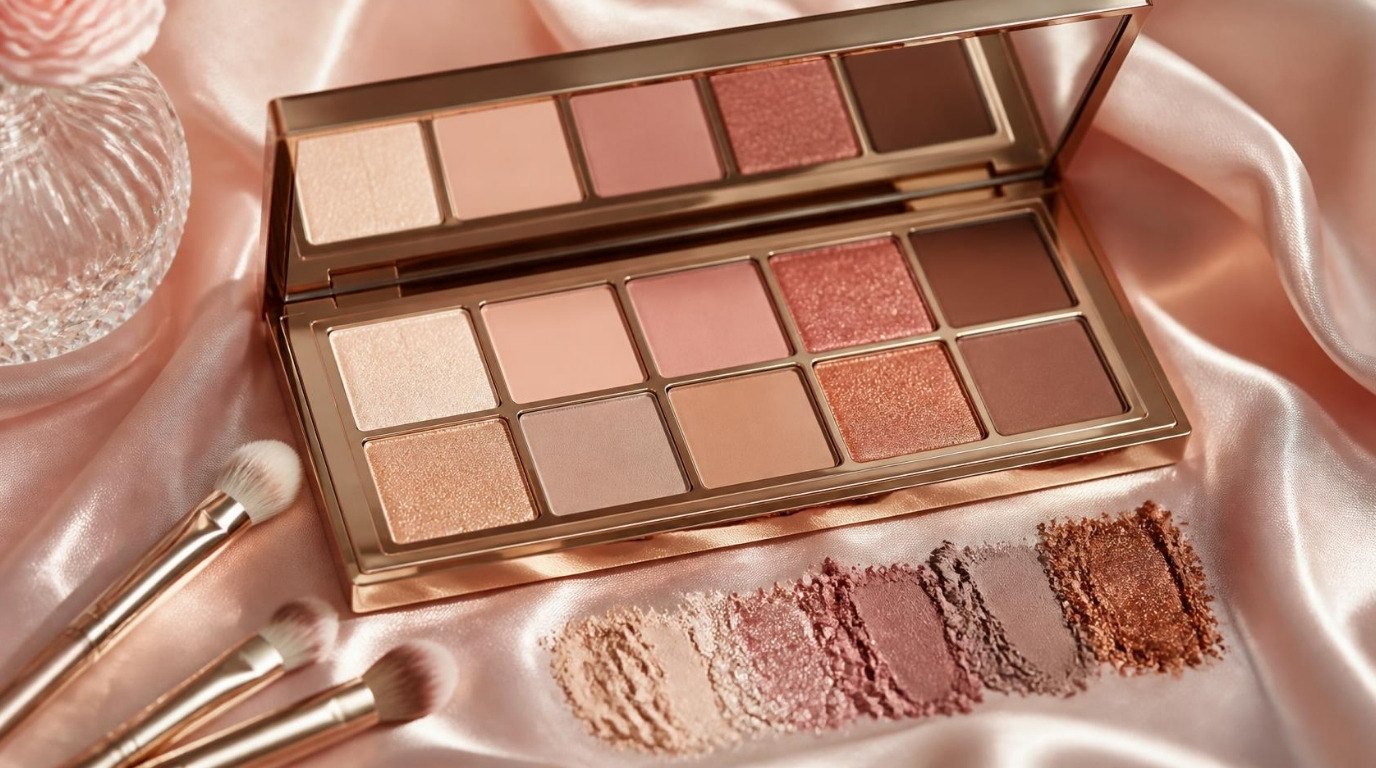
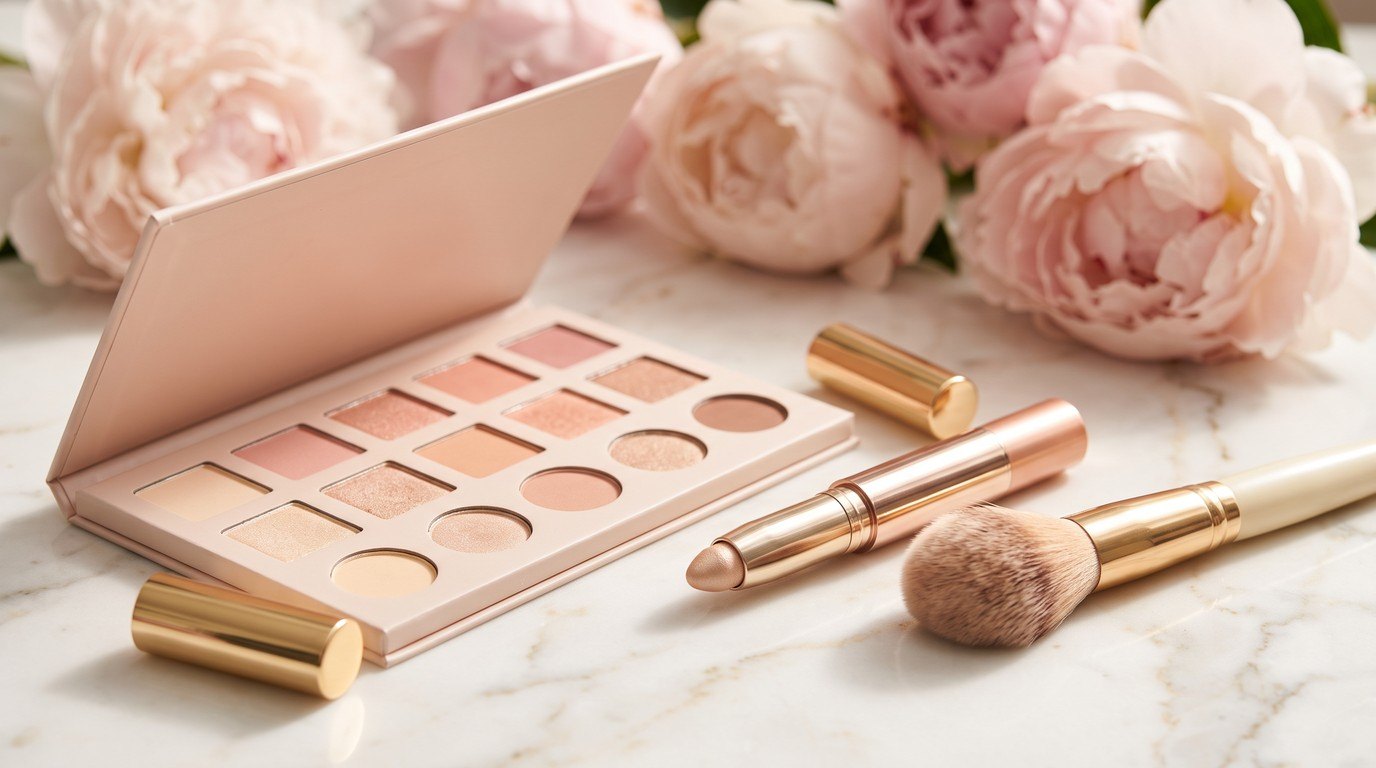
The big advantage of powder is control. You can start with almost nothing, build up slowly and blend edges into a soft haze. A soft pink and beige powder palette with a mix of mattes and satins is a lovely place to start, because you can create anything from a barely-there wash to a soft, defined evening eye with the same few shades.
The downside: powder can look patchy on very dry lids, and it can fade or migrate on oily lids without a base underneath.
Cream vs Powder Eyeshadow at a Glance
Here's everything side by side. Wear times are general ranges and vary a lot by formula, primer and your skin, and shelf life is a common guideline (check the little open-jar symbol on the packaging, and toss anything that changes smell or texture sooner).
| Eyeshadow type | Best eyelid type | Finish | Wear time | Shelf life |
|---|---|---|---|---|
| Cream pot | Dry or mature lids, normal lids | Sheer to satin, dewy | 4–8 hours; less on oily lids unless set | About 6–12 months |
| Cream stick | Most lids, including hooded eyes and monolids | Satin, soft shimmer or matte | 6–10+ hours for long-wear formulas | About 12 months |
| Liquid shadow | Normal and oily lids | Shimmer, metallic, satin | 8+ hours once set | About 6–12 months |
| Pressed powder (matte) | Oily lids, hooded eyes, monolids | Flat, soft-focus | 6–8 hours with primer | About 1–2 years |
| Pressed powder (shimmer) | Most lids; use lightly on crepey or very dry lids | Light-reflecting, satin to metallic | 6–8 hours with primer | About 1–2 years |
| Cream base + powder on top | Almost everyone, especially oily or hooded lids | Rich, blended, long-lasting | Often the longest wear of all | Follow each product's own guideline |
Which Formula Suits Your Eyelids
Your eyelid type tells you more than any product claim. Here's how each texture tends to behave on different lids. (You might be a mix, by the way, like oily and hooded. Just combine the advice.)
Oily Lids
If eyeshadow tends to slide into a line in your crease within a few hours, you probably have oily lids. My combination skin includes a shiny T-zone, and oily lids are often part of the same picture.
Powder is usually the easier choice here, especially matte powder, because it absorbs a little oil. Cream can work too, as long as it's a long-wear stick or liquid that sets firmly, and you set it with a light layer of powder on top.
The real secret for oily lids is a base. An eyeshadow primer gives shadow something to grip and helps it last much longer. Blot your lids gently with a tissue before primer if they're already shiny.
Dry or Mature Lids
Dry lids and lids with fine lines or a softer, crepey texture often look best with cream. It moves with the skin, doesn't settle into texture as much, and gives a fresh, soft finish instead of a dusty one.
If you love powder, choose satin or matte finishes with a finely milled, smooth feel, and apply thin layers with a fluffy brush rather than packing it on. Very chunky shimmer or glitter can emphasize texture, so keep sparkle to the center of the lid. A light eye cream in the morning (given a few minutes to absorb before makeup) helps both formulas sit more smoothly.
Hooded Eyes
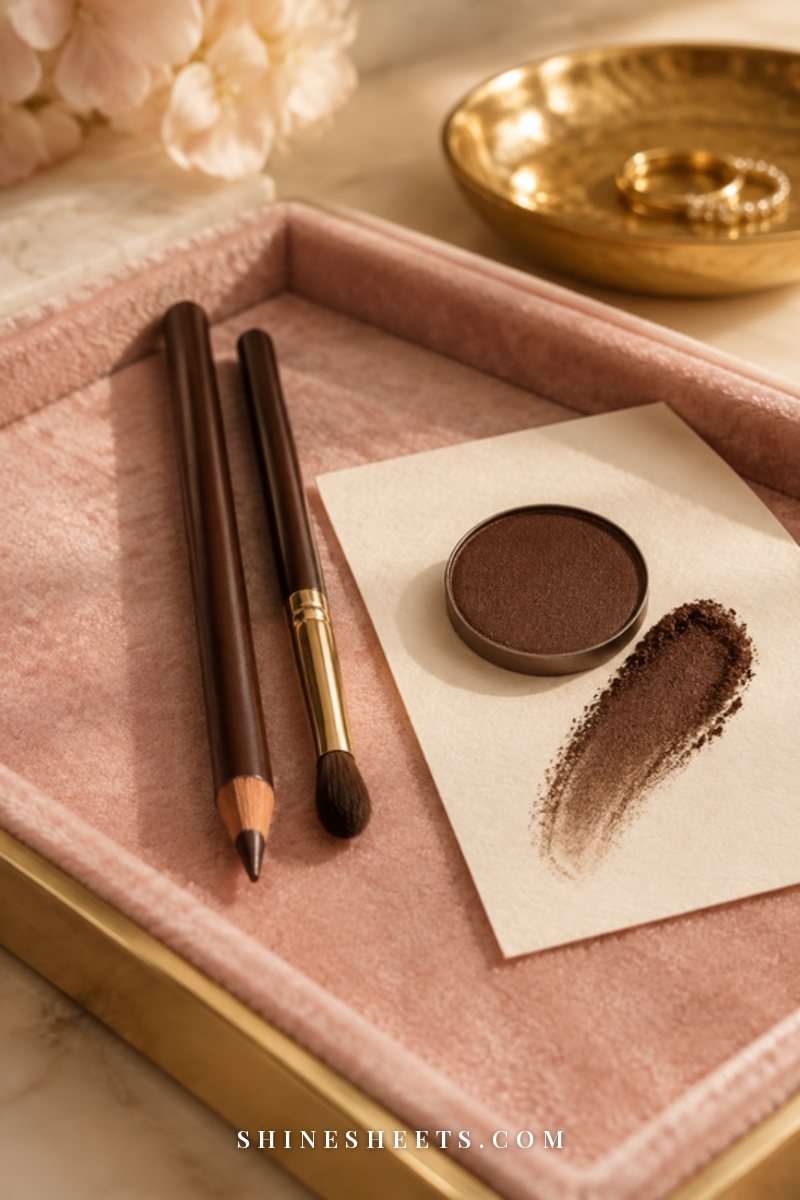
With hooded eyes, part of the lid folds under the brow bone when your eyes are open, so shadow placed only on the mobile lid can disappear, and cream can transfer onto the hood.
A long-wear cream stick works beautifully as a base, because it sets and doesn't transfer once dry. Then apply a matte powder slightly above your natural crease, with your eyes open and looking straight ahead, so the color shows where you actually want it. Shimmer works best in the very center of the lid. For more placement ideas, my guide with makeup tips for hooded eyes goes step by step.
Monolids
Monolids have little or no visible crease, which is actually great news for creasing: there's less of a fold to collect product. Both formulas work well.
Cream sticks are lovely for a soft wash of color across the lid, blended upward into a gentle gradient. Powder is great for building that gradient a little deeper near the lash line and softer as it rises. Since the lid is visible when your eyes are open, check the shape with your eyes open as you go. My monolid makeup guide has more placement ideas.
How To Apply Cream Eyeshadow
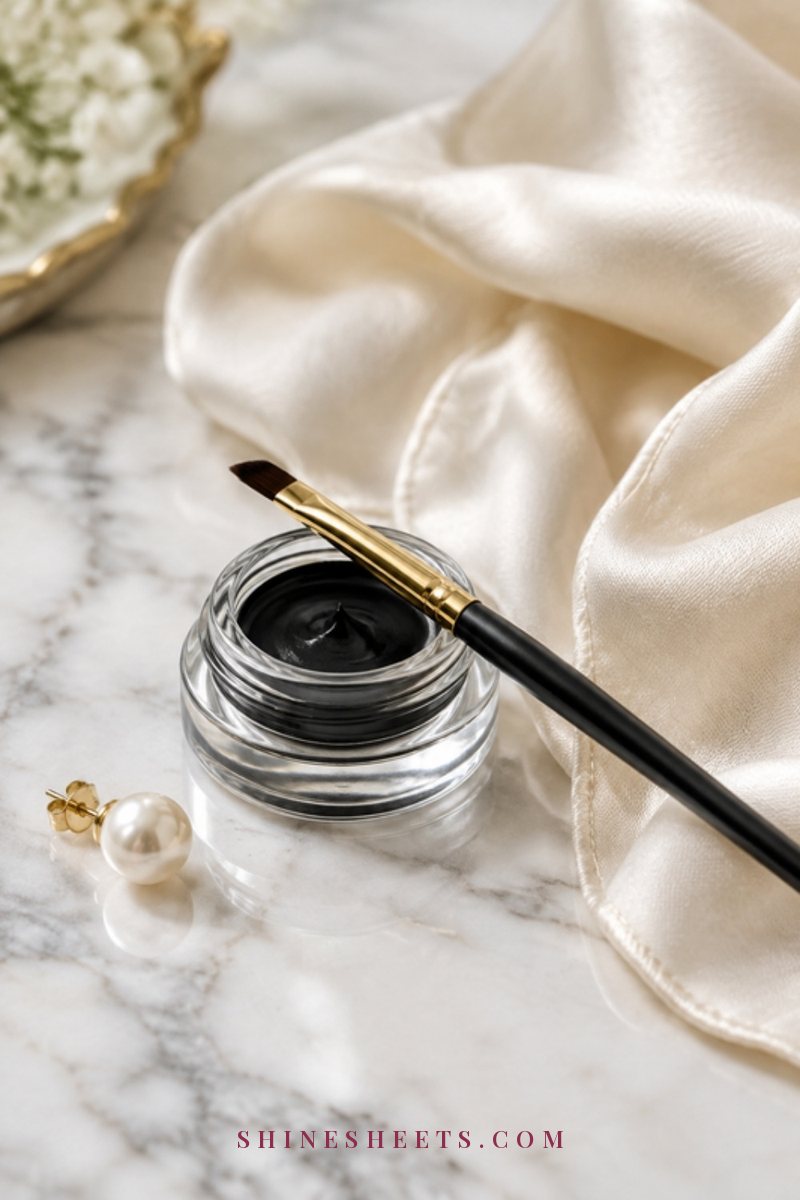
Cream is quick, but a little technique makes it look smooth instead of streaky:
- Start with clean, dry lids. If you used eye cream, give it a few minutes to absorb, then blot any excess.
- Use a thin layer. Swipe the stick lightly onto the center of the lid, or tap a tiny amount from a pot with a clean ring finger (it has the lightest touch).
- Blend right away. Tap and press outward with your fingertip, or use a small flat synthetic brush. Synthetic bristles work best with creams because they don't soak up the product.
- Soften the edges. Use a clean fingertip or a small, slightly dense brush to diffuse the top edge, working in quick taps before the formula sets.
- Wait a minute, then build if needed. A second thin layer looks smoother than one thick one.
- Set it on oily or hooded lids. Dust a matching or translucent powder over the top with a fluffy brush.
If you're brand new to eye makeup, my guide to eye makeup for beginners covers the basics of placement and tools.
How To Apply Powder Eyeshadow
Powder rewards patience, but it's very forgiving because you can always add more:
- Prime first. A thin layer of primer or a sheer cream base across the lid, tapped in until tacky.
- Use a transition shade. A matte shade slightly deeper than your skin, swept into the crease with a fluffy brush in small windshield-wiper motions.
- Pat the lid color on. Use a flat brush or a fingertip to press the main shade onto the mobile lid. Patting gives more color payoff than sweeping, especially with shimmers.
- Blend the edges. Go back in with a clean fluffy blending brush with a gold ferrule and blend where the shades meet until there's no harsh line.
- Tap off excess first. Before every dip, tap the brush on the edge of the palette. It cuts fallout under the eyes dramatically.
One trick I'd recommend: do your eye makeup before foundation and concealer. If any shadow falls under your eyes, you can sweep it away without ruining your base.
How To Combine Cream and Powder
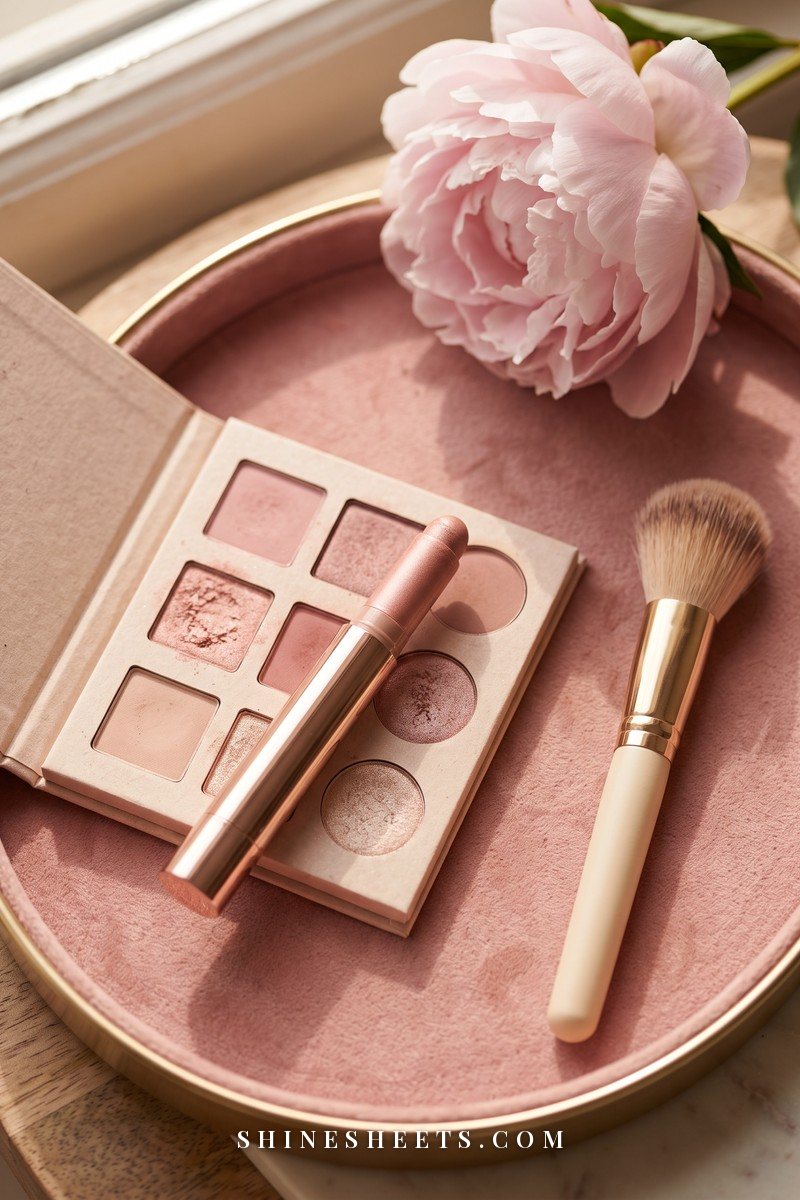
This is where things get really pretty. Layering powder over cream gives you the best of both: the grip and richness of cream, with the softness and staying power of powder.
- Same shade layering: apply a cream stick, then press a matching powder on top. The color looks deeper and lasts much longer.
- Cream as a base, powder for dimension: a neutral cream all over the lid, then a matte powder in the crease to add soft definition.
- Powder to set the edges: blend cream shadow first, then use a fluffy brush with a little matte powder just on the outer edges to soften and lock them.
The order matters: cream first, powder on top. Powder under cream tends to turn patchy and muddy. Let the cream set for about a minute before adding powder.
A Simple Everyday Look Using Both
If you want one easy routine to practice, this five-minute look works on almost every eyelid type and uses just one cream stick and two powder shades:
- Base (30 seconds): swipe a neutral champagne or soft taupe cream stick across the mobile lid and tap it out to the edges with your ring finger.
- Set (30 seconds): before it dries completely, press a matching satin powder over the top with a flat brush or fingertip.
- Soft definition (2 minutes): with a fluffy brush, sweep a matte warm-brown or soft-mauve powder into the crease (or slightly above it for hooded eyes), blending in small back-and-forth motions.
- Lower lash line (1 minute): use whatever is left on the fluffy brush to smudge a whisper of the same shade under the outer third of your lower lashes.
- Finish (1 minute): mascara, a quick check in natural light and a final blend of any edges.
That's it. No harsh lines, no dramatic wing, nothing that needs perfect symmetry. Once this feels natural, you can play: a shimmer pressed onto the center of the lid for evenings, a deeper matte in the outer corner, or just the cream stick alone on a busy morning.
A small honest admission: on days when my anxiety is louder than usual, I keep makeup very simple, and this cream-plus-one-powder look is about as much as I want to think about. It still looks polished, and that's a quiet kind of comfort.
A Note on Primer
Do you need eyeshadow primer? Not always. If your shadow stays put all day already, you can skip it. But if you notice creasing, fading or color that looks dull, primer is the single biggest fix.
A few quick notes:
- Use a tiny amount, about the size of a grain of rice for both lids. Too much primer causes creasing all on its own.
- Tap it in and wait until it feels tacky, not wet, before shadow.
- A long-wear cream eyeshadow stick in a neutral shade can double as a primer.
- Concealer on the lids can work in a pinch, but it often creases unless you set it with powder.
5 Mistakes That Cause Creasing or Patchiness
If your shadow creases or goes patchy, it's almost always one of these, and every one of them is easy to fix:
- Applying too much product at once. Thick layers of cream crease, and heavy layers of powder look cakey. Build in thin layers instead.
- Putting shadow on oily or still-damp lids. Eye cream that hasn't absorbed, or natural oil from the day, makes shadow slip. Blot first and give skincare a few minutes.
- Using too much primer or concealer. More base doesn't mean more staying power. A thin, tacky layer works far better than a thick, slippery one.
- Layering powder under cream. Cream on top of powder tends to grab unevenly and look muddy. Remember the order: cream, then powder.
- Blending cream too late. Long-wear creams set fast, and once they've dried, blending lifts them into patches. Work in one small area at a time and blend within the first minute.
Eye Safety Basics for Both Formulas
The skin around your eyes is delicate, and the eyes themselves are sensitive, so a few gentle hygiene habits matter with any eyeshadow:
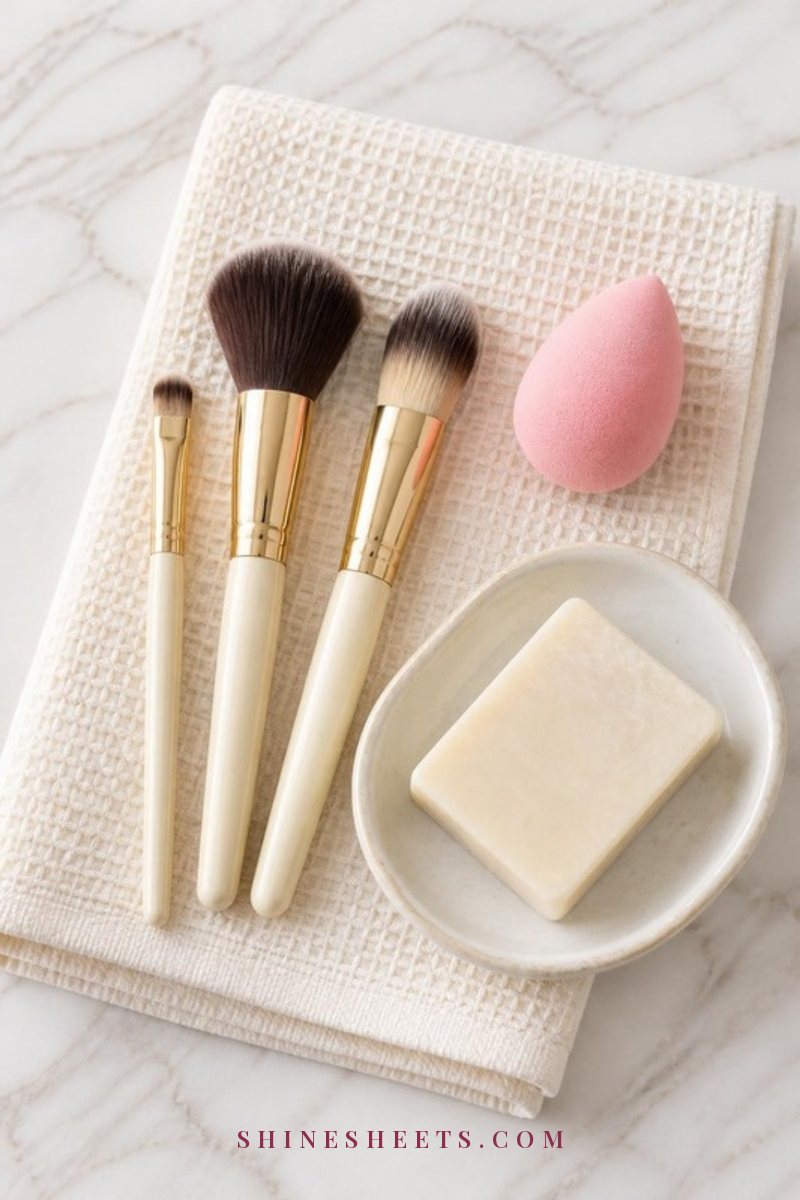
- Start with clean hands and clean tools. Wash your hands before applying with your fingertips, and wash your brushes regularly. A silicone brush cleaning pad makes the weekly wash quicker, and my guide on how to deep clean makeup brushes has the full method.
- Never share eye makeup, not even with your closest friend or sister, and skip testers on the eye area at stores.
- Replace cream shadows sooner. Creams contain more moisture, so they don't last as long as powders. If a cream changes smell, color or texture, toss it.
- Stop if anything stings, itches or burns. Remove the makeup gently and give your eyes a break. If redness, swelling or irritation continues, please see a doctor or eye doctor.
- Contact lens wearers: put lenses in before applying makeup, choose low-fallout formulas, and keep flaky glitter well away from the lash line and waterline.
- Remove eyeshadow every night, gently, without tugging, with a mild remover on a soft pad.
Not sure how old some of your shadows are? My guide on how often you should replace your makeup has a simple timeline.
Final Thoughts
Cream vs powder eyeshadow isn't a contest. Cream is your quick, soft, skin-like friend; powder is your patient, versatile one. Your eyelids, your mornings and your mood get to decide which one you reach for, and on many days the answer is a little of both.
Start with one shade in each formula, play with them on a quiet evening, and notice what your lids love. That small bit of curiosity will make every eye look after it feel easier.