Cold air is quietly hard on perfume. Fragrance molecules evaporate more slowly when it's chilly, so the same scent that filled the room in July can feel faint and shy in January. That's exactly why richer, warmer notes feel so right in winter – they have the weight and depth to come through layers of wool and crisp air.
Add dry indoor heating, which pulls moisture from your skin, and a light summer citrus can vanish before lunch. Choosing a scent for the cold season isn't about following a trend. It's about picking notes that actually perform when the temperature drops, and wearing them in a way that works under a coat and scarf.
This guide is all about choosing a winter perfume: why scent behaves differently in the cold, 6 warm note families with who each one suits, a quick comparison table, how to test and choose without regret, where to apply under winter layers, and how to make it last in dry air.
It took me a few cold seasons to understand that my favorite fresh summer scent wasn't "weak" – it just wasn't built for winter. Once you know what to look for, the right choice gets much easier.
Why Scents Behave Differently in Cold Air
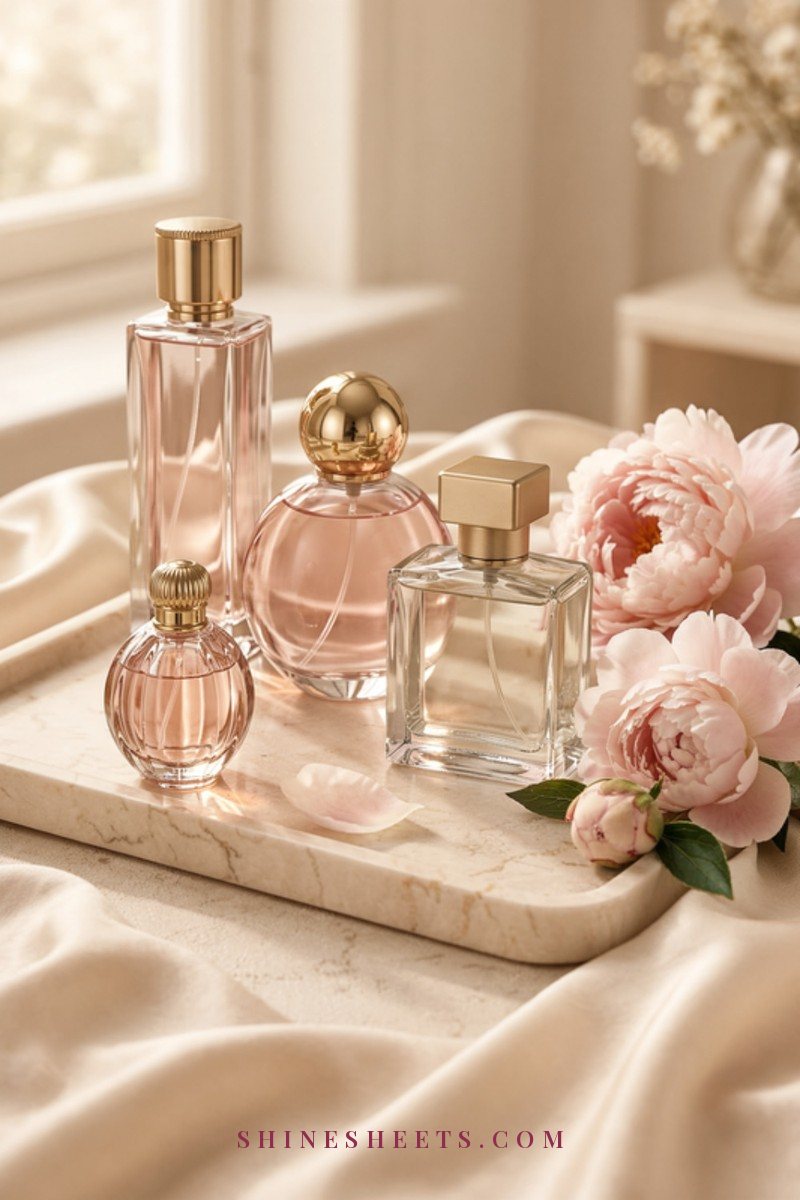
Perfume reaches your nose because its ingredients evaporate from your skin. Warmth speeds that up; cold slows it down. In winter, light, airy molecules (think citrus, green notes, watery accords) still evaporate, but there's less heat lifting them into the air around you. The result: a fragrance that sits closer to the skin and fades faster than you expect.
Heavier, richer ingredients – vanilla, resins, woods, musks – are naturally slower to evaporate. They linger, they hold up against cold air, and they feel comforting when you're wrapped in layers. That's the simple science behind why warm scents feel "made" for winter.
Two other things change in the cold season:
- Dry skin holds scent less well. Fragrance clings better to hydrated skin, and heating plus wind leave skin drier than usual.
- Clothing covers your pulse points. Turtlenecks, scarves and coats trap scent close to your body, which can be lovely – or can mean nobody notices it at all.
None of this means light scents are wrong in winter. A crisp citrus or a fresh green perfume can be a bright, cheerful lift on a gray day, and some women simply prefer them all year. It just helps to know they'll sit closer and fade sooner, so you can either reapply or pair them with a warmer base. The note families below are a starting point for anyone who wants a scent that naturally holds up in the cold, with less effort and fewer touch-ups.
6 Warm Note Families for Winter
Perfumes are often grouped by their main notes, or families. You don't need to memorize perfumery terms; it's enough to know which families tend to feel warm, soft and wearable in cold weather. Here are six to explore.
1. Vanilla
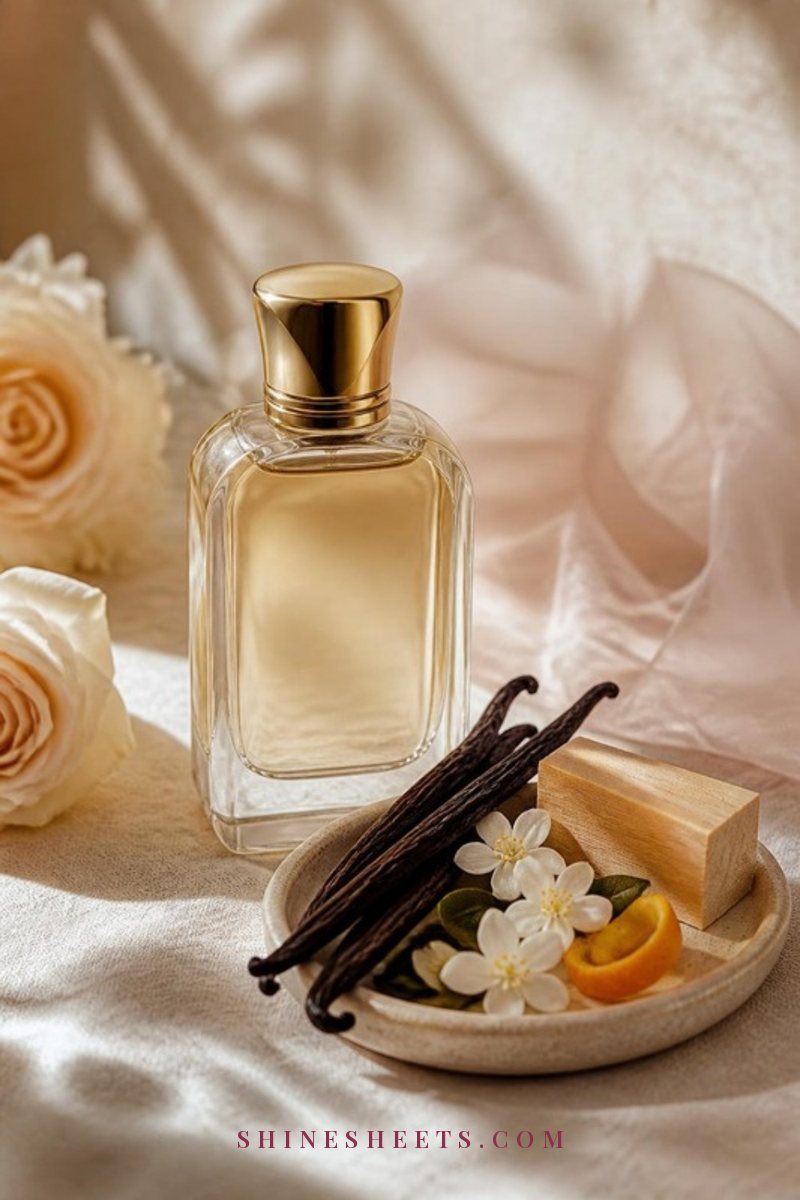
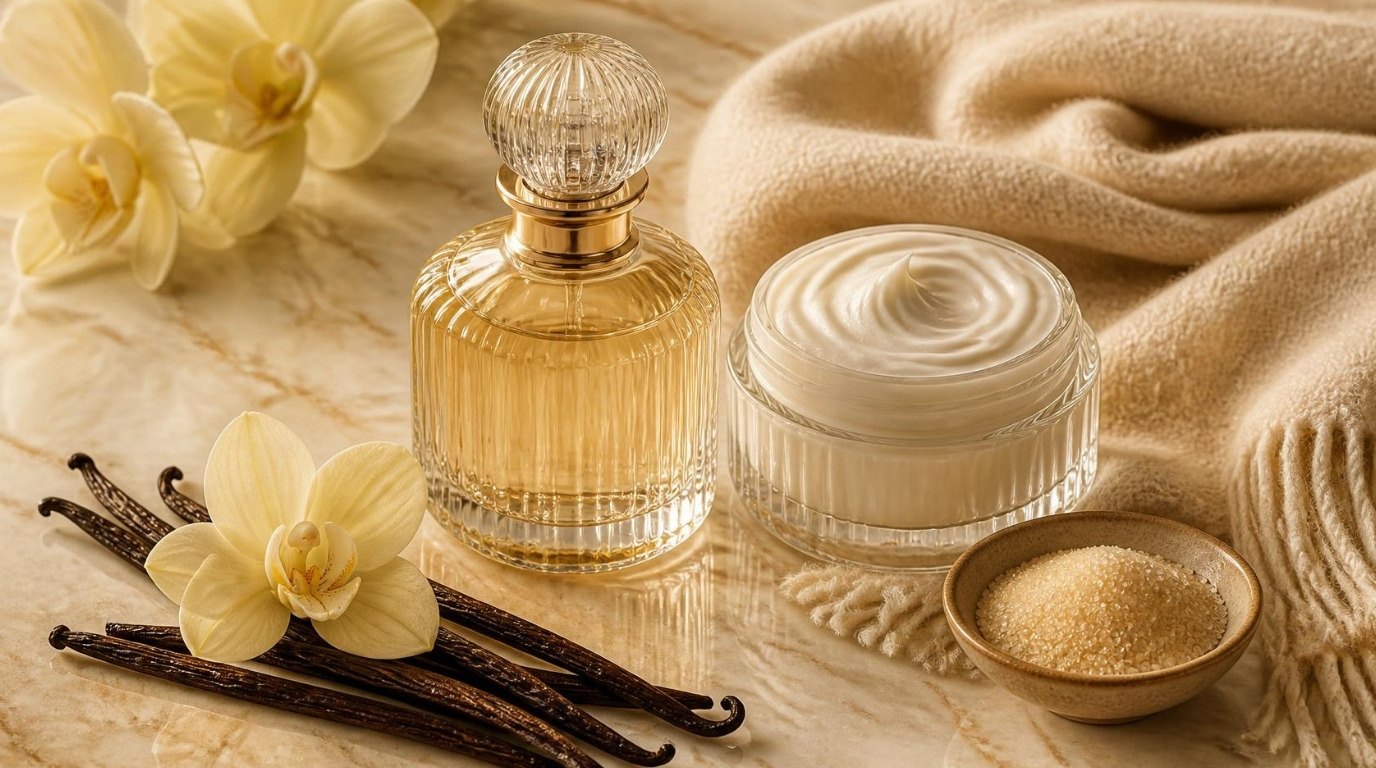
Vanilla is the classic winter comfort note: sweet, creamy and soft, sometimes a little smoky or powdery depending on what it's paired with. It reads as warm and approachable, and it tends to last well on skin.
Who it suits: anyone who loves soft, sweet, familiar scents, and anyone new to warmer perfumes. A vanilla eau de parfum is a gentle first step into winter scents. If you want to build a whole vanilla routine, my guide on how to smell like vanilla all day covers layering from shower to scarf.
2. Amber
Amber in perfume isn't one ingredient – it's a warm, golden accord usually built from resins, vanilla and soft balsamic notes. It smells rich, slightly sweet and enveloping, like a warm room on a cold evening.
Who it suits: women who want something a little more dramatic and evening-ready, with that Old Hollywood feel. Look for an amber woody perfume if you love depth but don't want anything too sugary.
3. Woods
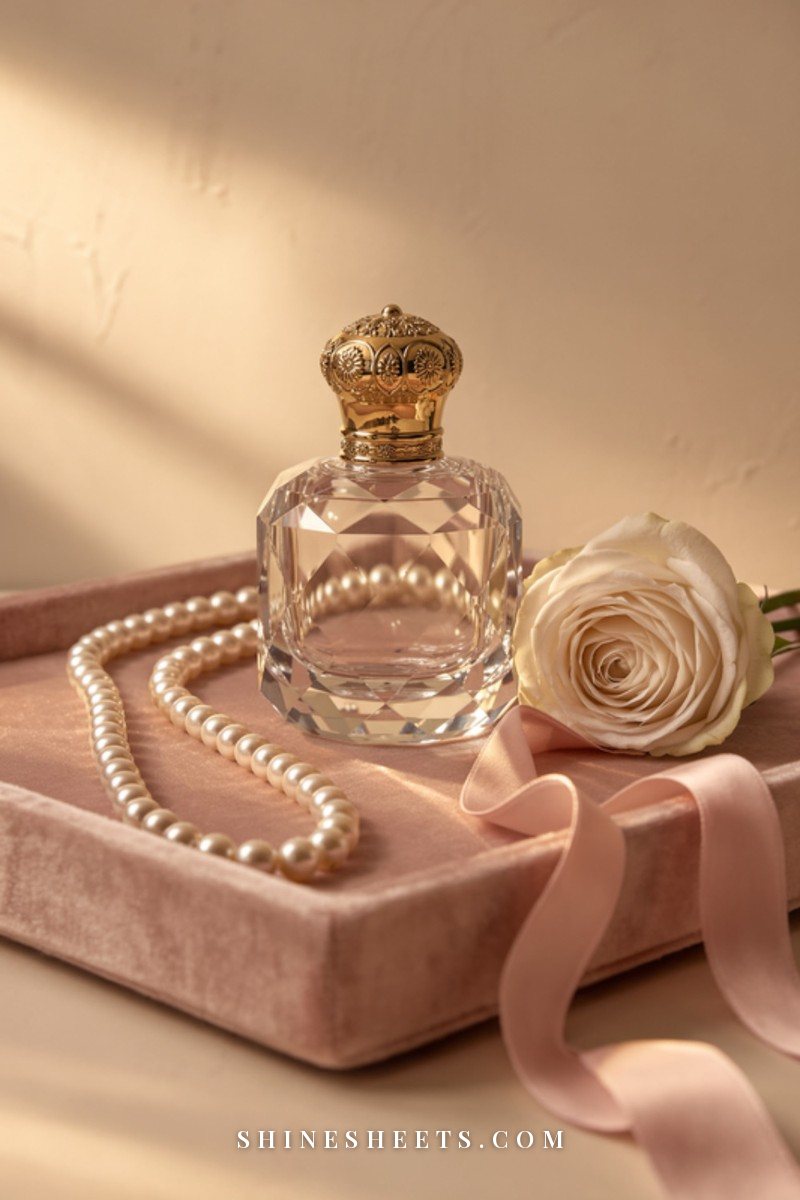
Woody notes include sandalwood (creamy and smooth), cedarwood (dry and pencil-like), and vetiver (earthy, slightly smoky). They add structure and quiet warmth, and they feel polished rather than sweet.
Who it suits: anyone who finds vanilla too sweet, prefers a clean, grown-up scent for work, or wants something that pairs easily with wool coats and cashmere.
4. Musk
Modern musks are soft, clean and skin-like – often described as smelling like warm skin, fresh laundry or cashmere. They're quiet rather than loud, which makes them lovely for close, intimate wear under layers.
Who it suits: sensitive noses, minimalists, and anyone who wants to smell good without announcing it. A musk roll-on oil is easy to dab on wrists and behind the ears, and it stays close to the skin.
5. Warm Spices
Cinnamon, cardamom, clove, nutmeg and pink pepper add a gentle heat that feels very seasonal. In perfume they're rarely the whole story; they usually spark up a base of vanilla, amber or woods.
Who it suits: women who like a scent with personality and a little sparkle. If you're unsure, look for spice listed as a top or heart note rather than the main event – it's softer and easier to wear daily.
6. Soft Florals With a Creamy Base
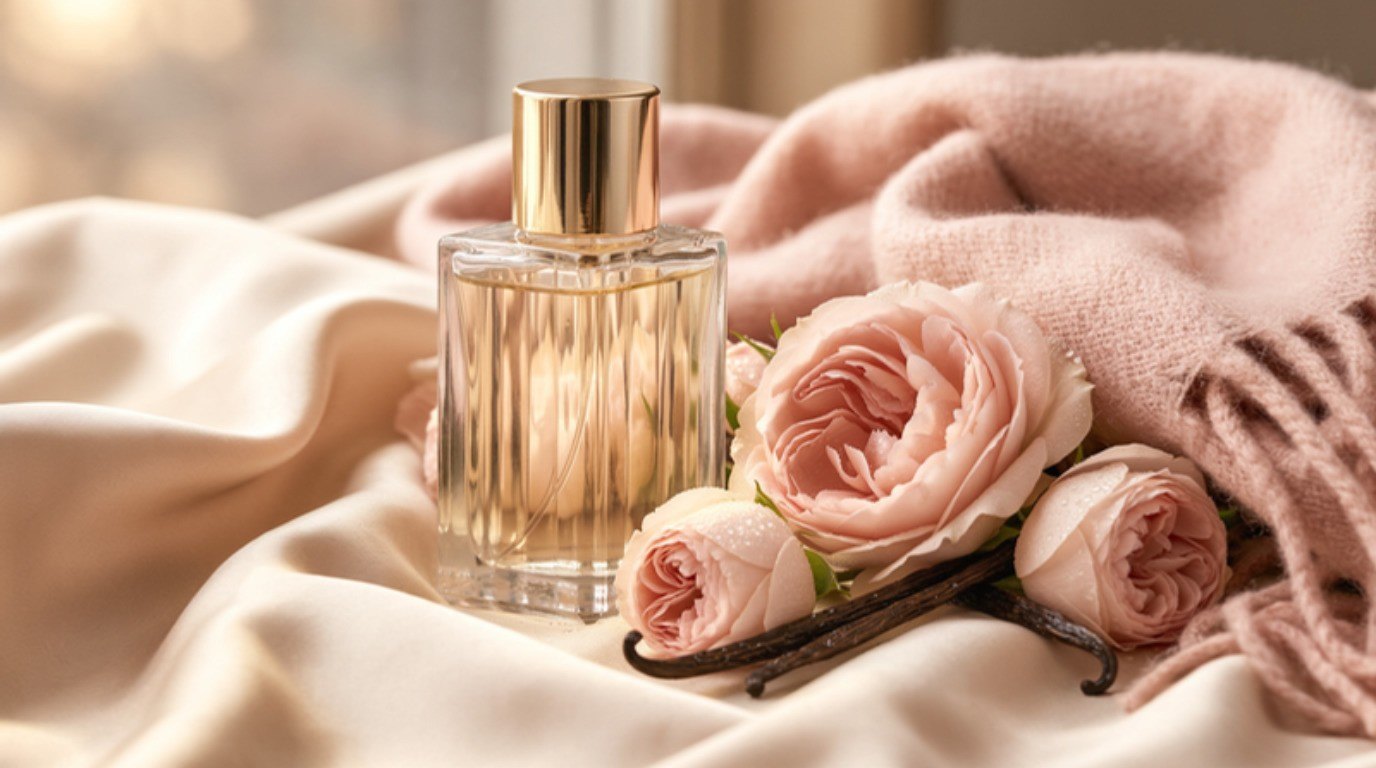
You don't have to give up florals in winter. Rose, jasmine, iris, tuberose and orange blossom work beautifully when they sit on a creamy base of vanilla, sandalwood or musk. The flowers feel softer, warmer and more velvety than spring versions.
Who it suits: anyone who loves feminine floral scents and wants something romantic for the colder months. Rose with sandalwood or iris with vanilla are classic, elegant pairings.
Winter Perfume Note Families at a Glance
Here's the quick comparison to keep in mind when you're at a perfume counter or reading a scent description online. Screenshot it if it helps.
| Note family | Smells like | Mood | Best for |
|---|---|---|---|
| Vanilla | Sweet, creamy, soft, sometimes smoky | Comforting, approachable | Everyday wear, first warm scent, weekends at home |
| Amber | Golden, resinous, rich, slightly sweet | Glamorous, enveloping | Evenings, dinners, dressing up |
| Woods | Creamy sandalwood, dry cedar, earthy vetiver | Polished, grounded | Work, wool coats, people who dislike sweet scents |
| Musk | Clean skin, soft laundry, cashmere | Quiet, intimate | Sensitive noses, close wear, layering |
| Warm spices | Cinnamon, cardamom, clove, pink pepper | Lively, seasonal | Festive gatherings, adding sparkle to a warm base |
| Soft florals with a creamy base | Velvety rose, jasmine or iris over vanilla or sandalwood | Romantic, feminine | Date nights, holiday season events, floral lovers |
Many winter perfumes blend two or three of these families. A scent described as "rose, pink pepper and sandalwood" covers florals, spice and woods in one bottle. Use the table to understand what each part brings rather than as strict categories.
How To Choose a Winter Perfume
Warm scents change a lot on skin, and a heavy perfume you don't love can feel very long on a long winter day. These four steps make choosing much less of a gamble.
Test on Skin, Not Paper
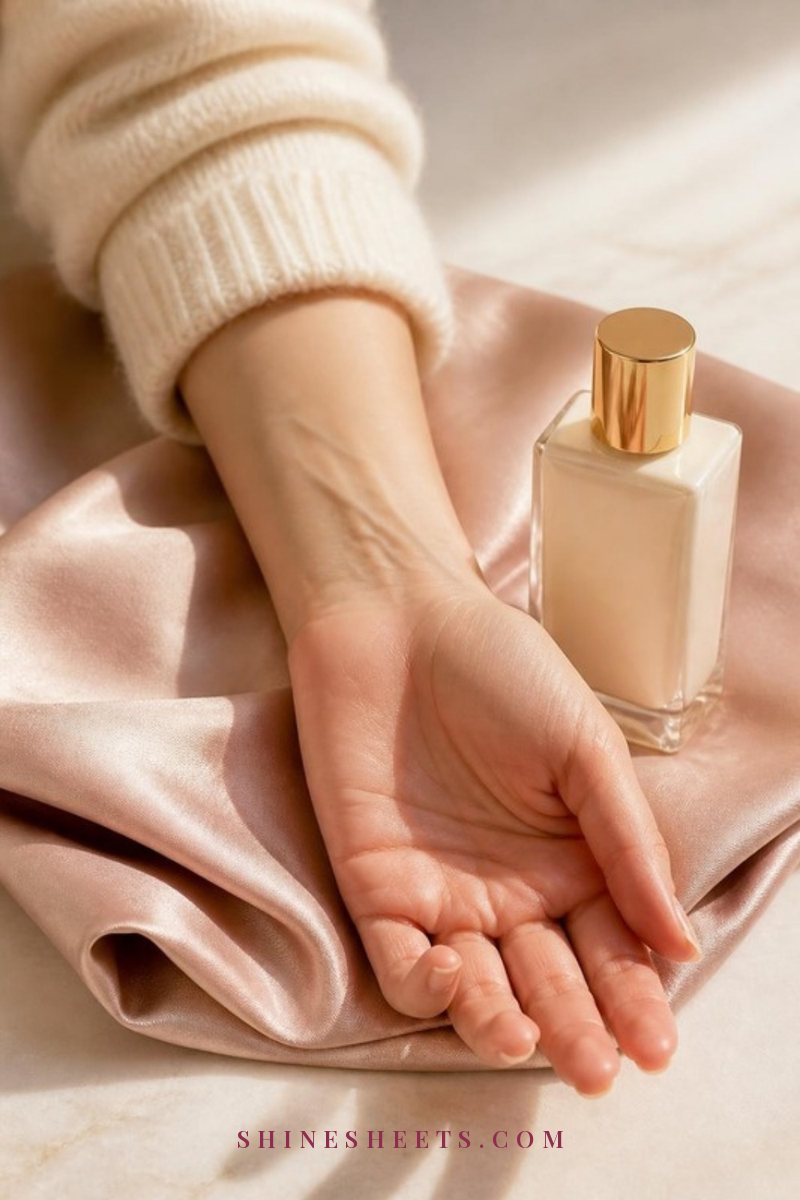
Paper strips are useful for narrowing down options, but they only show the first impression. Perfume reacts with your skin's warmth, oils and moisture, and warm notes in particular can turn sweeter, softer or sharper on skin than on paper.
Use strips to rule things out, then test your top one or two on your inner wrist or inner elbow. Limit yourself to two or three scents per visit – after that, your nose gets tired and everything starts to blur together. A quick sniff of your own sleeve or a sip of water between scents can help reset.
Wear It for a Full Day Before Buying
A perfume can smell lovely in the first ten minutes and completely different three hours later. Before buying a full bottle, wear it for a whole day – ask for a small sample, or try it on skin and walk around for the afternoon.
Check in with it a few times: after 30 minutes, after 2 to 3 hours, and in the evening. Notice whether you still like it, whether it gave you a headache, and how long it actually lasted. If you find yourself happily sniffing your wrist at dinner, that's a very good sign.
Understand Top, Heart and Base Notes
Perfumes unfold in three stages, which explains why a scent changes through the day:
- Top notes are the first impression – bright and light, often citrus or spice. They fade within roughly 15 to 30 minutes.
- Heart notes are the middle, usually florals or spice, and they shape the main character of the scent for a few hours.
- Base notes are the foundation: vanilla, amber, woods and musk. They develop last and linger the longest.
For winter, pay most attention to the base notes, since they're what you'll live with all day. A perfume can open with bright bergamot and still settle into a warm vanilla and sandalwood that's perfect for cold weather.
Eau de Parfum vs. Eau de Toilette for Winter
The difference is mostly concentration. An eau de parfum generally contains more fragrance oil (often around 15 to 20 percent) than an eau de toilette (often around 5 to 15 percent), so it tends to last longer and feel richer.
In winter, when scent projects less and fades faster on dry skin, an eau de parfum is usually the easier choice for all-day wear. An eau de toilette can still work beautifully, especially for musks and soft florals – you may just need a small touch-up in the afternoon. My guide to perfume concentrations explained simply goes into parfum, EDP, EDT and the lighter options.
Where To Apply Perfume Under Coats and Scarves
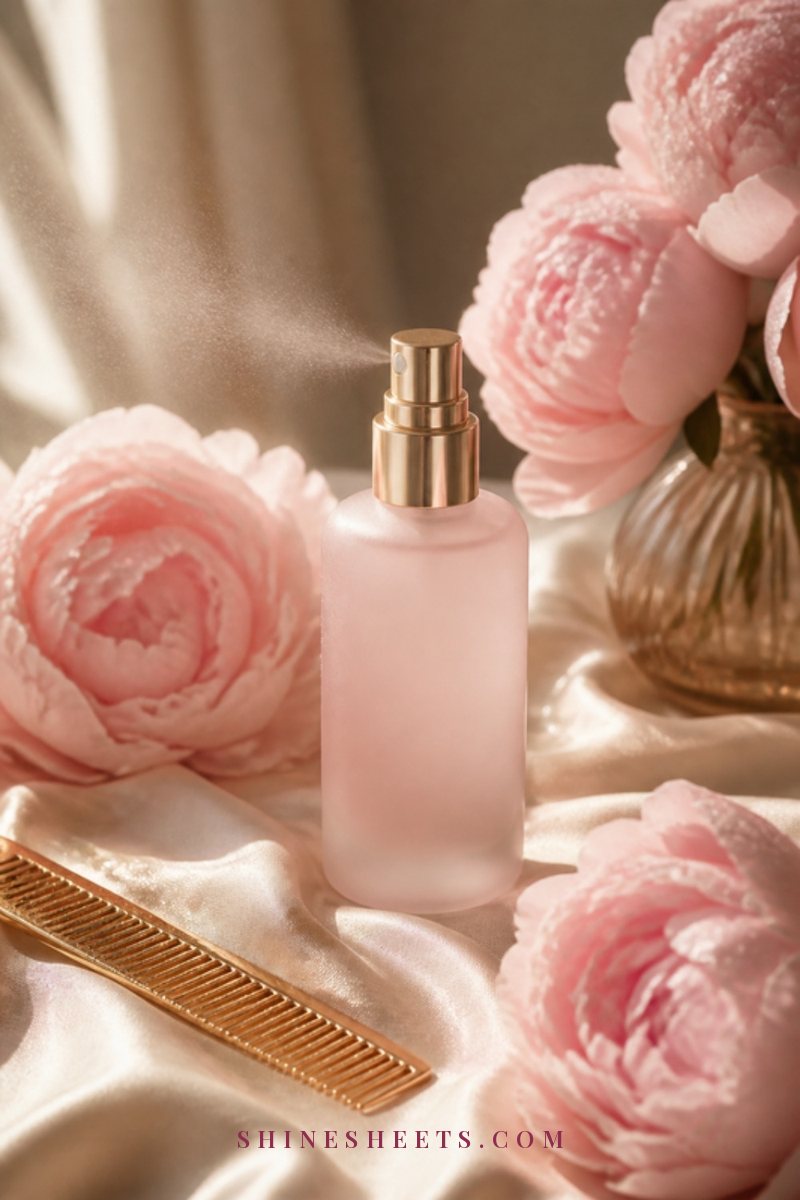
Winter layers change where perfume works best. Your coat and scarf trap warmth close to your body, which can actually help a scent bloom – if it's in the right places.
- Inside the wrists. One spray or dab per wrist, then let it dry. Don't rub your wrists together; it can blur the top notes.
- Behind the ears and along the neck. These spots stay warm under a scarf and release scent every time you turn your head.
- The inner elbows. Lovely under sweaters, especially for musks and vanillas that you want to stay close.
- Your chest or collarbone. Under a coat, the warmth rising from your body carries the scent up gently.
- A light mist on a scarf, only if the fabric allows. Wool and cotton usually hold scent well. Avoid silk, light colors and delicate fabrics, which can stain, and test on a hidden corner first.
In winter, two to four sprays is usually plenty for an eau de parfum. Because scent sits close under layers, you might smell it less yourself than the people sitting next to you on the train do.
A quick safety note: apply perfume only to intact, unirritated skin. If your skin is sensitive (mine is, especially around the neck), test a new perfume on a small area of the inner arm for a day or two first, and skip any spot that feels chapped or tight.
How To Make Winter Perfume Last in Dry Air
Dry skin is the biggest reason winter perfume disappears. Fragrance clings to moisture and oils, so the most effective trick is simply hydrating first.
- Shower or wash, then moisturize while skin is slightly damp. A fragrance-free lotion won't compete with your perfume.
- Dab an unscented balm on pulse points. A thin layer of unscented body balm on wrists and behind the ears gives the perfume something to hold onto.
- Spray within a few minutes of moisturizing. Skin is most receptive then.
- Layer matching products if you love a scent. A matching body lotion or a vanilla body mist on clothes adds depth without overdoing the main perfume.
- Carry a small refill or rollerball. A tiny touch-up in the afternoon is often all you need.
For a longer list of tricks that work in every season, my guide on how to make perfume last longer has twelve of them.
Matching Your Winter Perfume to the Moment
You don't need a huge wardrobe of scents for the cold season. One or two well-chosen perfumes can cover almost everything if you match the strength and family to where you're going. Here's a simple way to think about it.
Workdays and Errands
Choose something close to the skin: a soft musk, a woody scent or a light vanilla. In offices, shops and on public transport, people sit closer in winter and windows stay shut, so one or two sprays is plenty. A good test: if you can clearly smell your own perfume across a room, it's probably too much for a shared space.
Evenings and Dinners
This is where amber, richer vanillas and creamy florals shine. Evening air is colder, rooms are often candlelit and warm, and a deeper scent feels glamorous rather than heavy. Apply about 20 minutes before you leave so the top notes settle and the warm heart is what people notice first.
Quiet Weekends at Home
A home day is a lovely excuse to wear the scent you love purely for yourself. Soft musk, a gentle vanilla or a dab of rollerball oil on the wrists feels like wrapping up in a favorite sweater. Pair it with evening tea and a glass candle, and it becomes a small ritual rather than a beauty step.
Holiday Season Gatherings
Gatherings often mean crowded, warm rooms and lots of food aromas. Warm spices fit the mood, but keep the amount modest – think one spray on the chest under your top rather than several on the neck. If you'd like to plan a small set of scents that covers every occasion through the year, my guide to perfume collection ideas shows how to build a scent wardrobe without overbuying.
Storing Perfume Away From Radiators
Winter brings one storage risk people often forget: heat. Radiators, heated floors, sunny windowsills and steamy bathrooms can all slowly break down a fragrance, flattening the top notes and darkening the juice.
A few simple rules keep your winter scents smelling the way they did on day one:
- Keep bottles away from radiators, heaters and fireplaces – at least a few feet is a good rule.
- Store them somewhere cool, dark and steady, like a bedroom dresser or a closet shelf, rather than the bathroom.
- Keep caps on tight to slow evaporation.
- Keep original boxes for perfumes you wear less often; they block light.
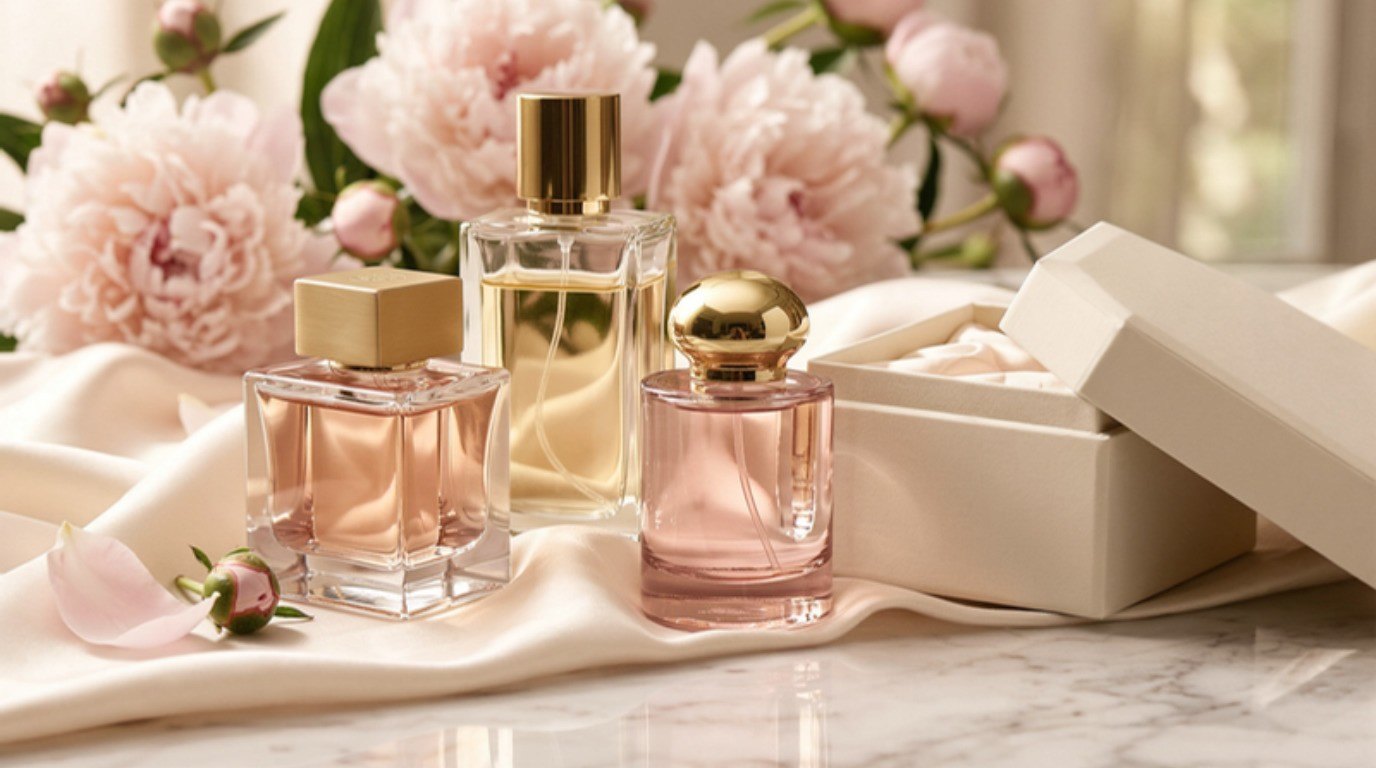
If you like your bottles on display, a perfume tray in gold and cream on a dresser away from the window looks lovely and keeps everything in one cool spot. For more detail, see my seven simple rules on how to store perfume so it lasts longer.
Final Thoughts
A winter perfume doesn't have to be heavy or complicated. Choose notes that hold up in the cold – vanilla, amber, woods, musk, warm spices or creamy florals – test them on your skin for a full day, and give them a little help with moisturizer and the right pulse points.
The best winter scent is the one that feels like a soft, warm layer of its own, carrying you through gray mornings and candlelit evenings alike.