Perfume doesn't usually "go bad" because it's old. It goes bad because of where it lives. The same bottle can smell beautiful for years in a cool drawer and turn sharp and sour in a single summer on a sunny windowsill. Storage is the quiet part of loving fragrance, and it matters more than most of us realize.
The good news is that protecting your scents doesn't take special equipment or a dedicated fragrance fridge. It takes a few simple habits and the right spot in your home. This guide covers how to store perfume so it lasts longer and keeps smelling the way it did on the first spray: why fragrance changes, the signs a bottle has turned, seven storage rules, a table of common storage spots, the fridge question, travel sizes, and how to keep a pretty vanity display without sacrificing your bottles.
One quick note: this is all about where and how you keep your bottles, not how you wear them. If you want application tricks, my guide on how to make perfume last longer on your skin has those.
Why Perfume Changes Over Time
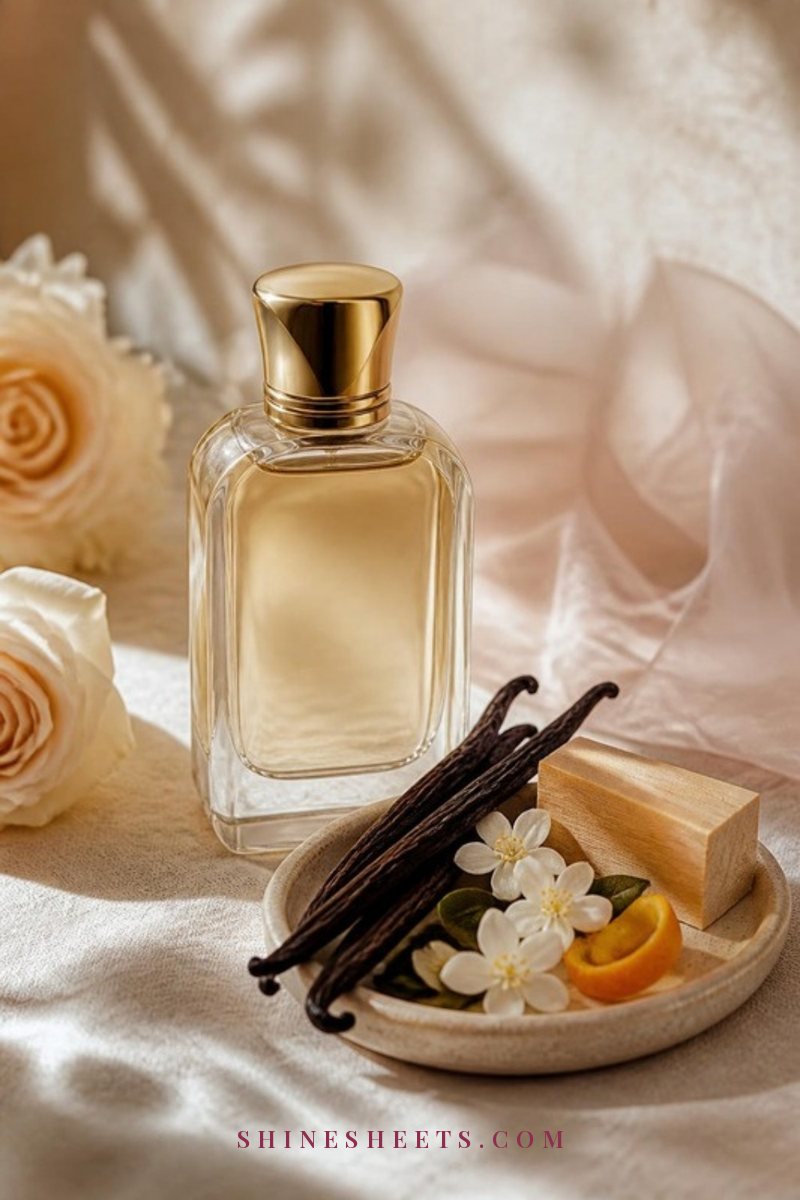
A perfume is a delicate blend of aromatic materials dissolved mostly in alcohol. Some of those materials are sturdy (woods, resins, musks), and some are fragile (citrus oils, green notes, many florals). Over time, and much faster in bad conditions, those fragile molecules break down or react with each other. That is why an aging fragrance often loses its sparkle first and keeps its heavier base longer.
Five things speed up that process:
- Light. UV light and even strong daylight can break down fragrance molecules and change the color of the juice. Clear glass bottles are the most exposed.
- Heat. Warmth speeds up chemical reactions. A bottle kept near a radiator, a hot window or in a car ages much faster than one in a cool room.
- Temperature swings. Going from cold to warm and back again, day after day, stresses the formula and can push air in and out of the bottle neck. Steady is better than cold.
- Oxygen. Every time air gets in, the fragrance oxidizes a little. This is why a nearly empty bottle often fades faster than a full one: there's more air inside with less liquid.
- Humidity. Moisture doesn't usually get inside a well-sealed bottle, but damp air can damage boxes, caps and atomizer parts, and steamy rooms usually come with heat swings too.
It took me a while to understand that a perfume's "shelf life" isn't really a fixed number. It's more like a range, and your storage decides which end of the range you land on.
Signs Your Perfume Has Turned
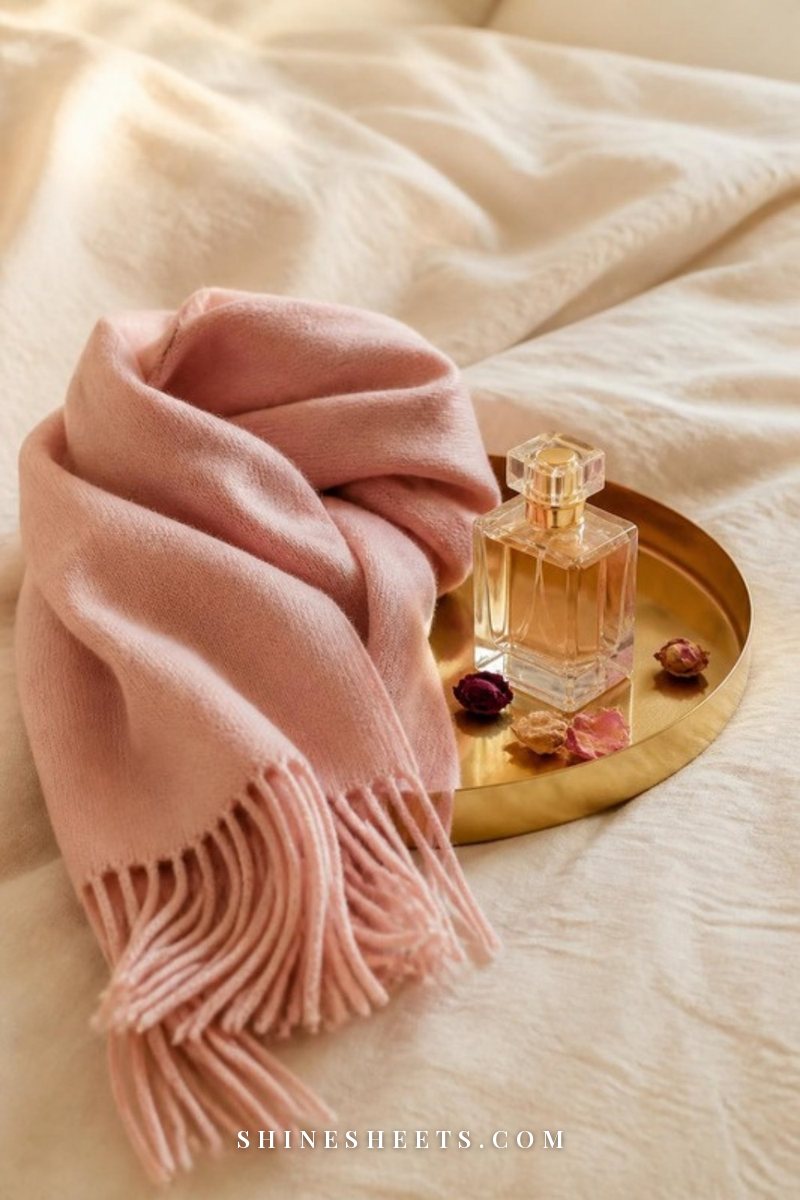
Before you rearrange your whole collection, it helps to know what "turned" actually looks and smells like. A spray on a paper strip or the back of your hand, compared with your memory of the scent (or a fresh tester in a store), usually tells you a lot. Watch for these signs:
- A sharper or sour opening. The first few seconds smell harsh, vinegary, metallic or "like nail polish" in a way they didn't before.
- Flat or missing top notes. The bright, fresh first impression (citrus, fruit, green leaves) seems to have disappeared, and you jump straight to the base.
- Darker liquid. The juice looks noticeably deeper in color than it used to. Some perfumes darken a little naturally, especially vanilla-heavy ones, so color alone isn't a verdict. Combined with a changed smell, it usually is.
- Cloudiness or residue. Haze, floating bits or a film at the bottom are signs the formula has changed.
- Shorter wear. The scent seems to vanish from your skin much faster than it once did.
If a perfume has turned, it's usually done. You can't reverse oxidation. A slightly faded bottle can still be lovely on a scarf or as a room spray on fabric (test on a hidden spot first), but if it smells sour or irritates your skin, let it go without guilt. And if you notice any redness or itching after spraying an older bottle, stop using it on your skin.
7 Rules for Storing Perfume So It Lasts
These seven rules are simple, and you don't need all of them to be perfect. Even fixing the first three will make a real difference to most collections.
1. Keep It Away From Sunlight
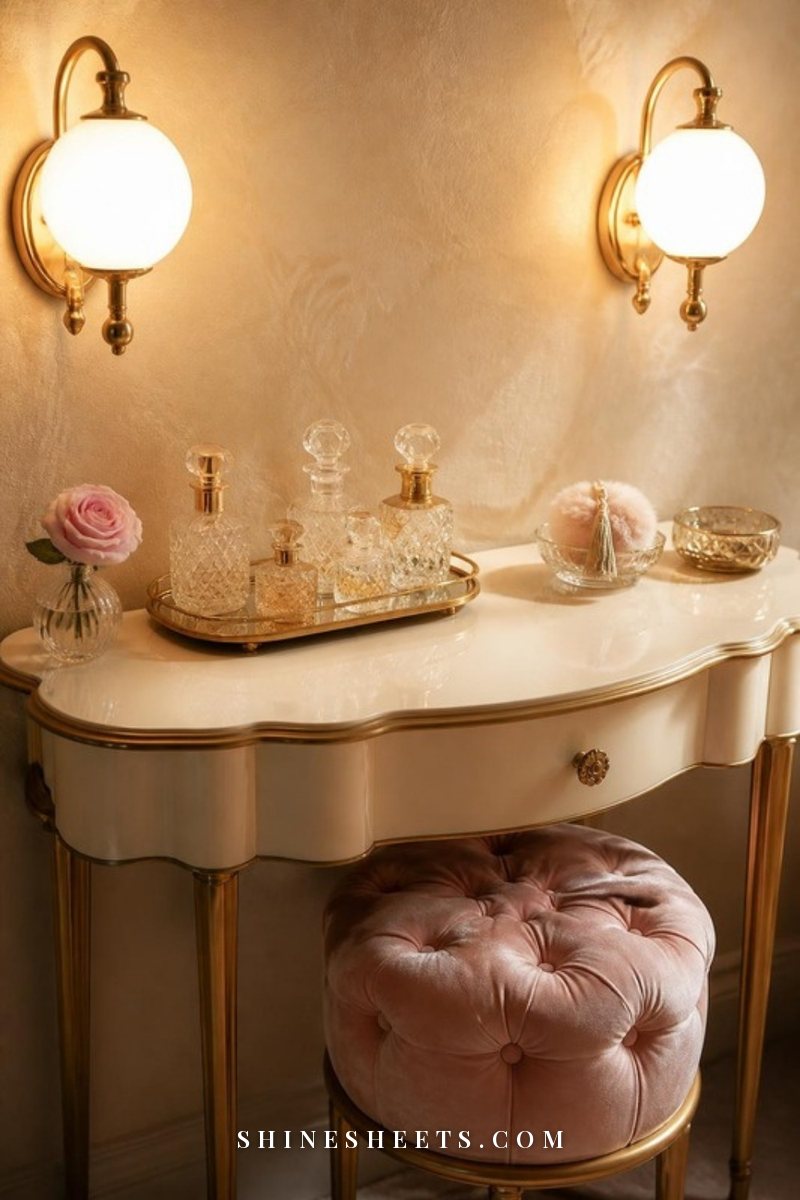
Light is the most common perfume enemy, mostly because windowsills and sunny dressers are such pretty places to put bottles. A bottle that catches direct sun every afternoon can change noticeably within months.
What to do: choose a spot that never gets a sunbeam at any time of day. Check it once in the morning and once in the late afternoon, because sunlight moves. Inside a closed drawer, a cabinet or a box is ideal. If you love seeing your bottles, keep only one or two out on a shaded shelf and rotate them.
Colored or opaque bottles offer a little more protection than clear ones, but none of them are sunproof.
2. Skip the Bathroom Shelf
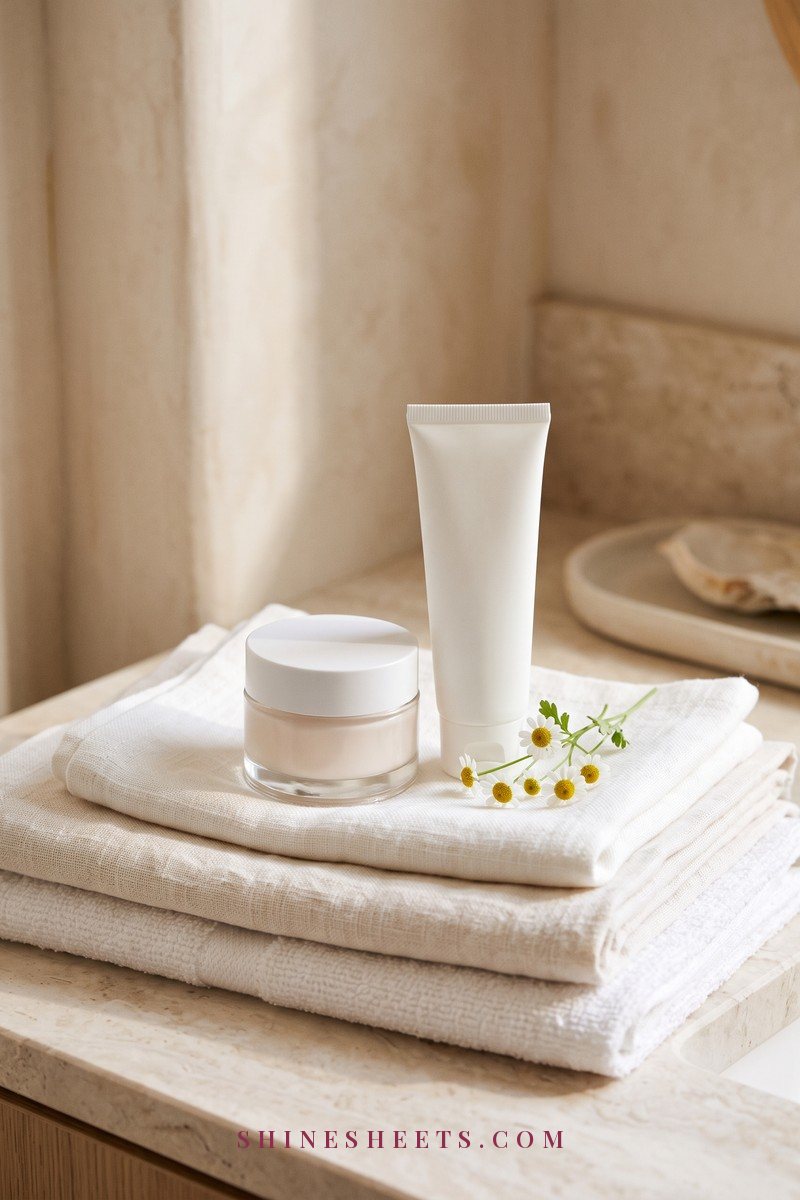
The bathroom feels like the natural home for perfume, since that's where we get ready. Unfortunately it's one of the worst places for it. Every hot shower raises the temperature and humidity, then the room cools down again, over and over, every single day.
What to do: move your fragrances to the bedroom or a hallway closet and keep only things like body wash and lotion in the bathroom. If your bathroom is the only space you have, choose a closed cabinet as far from the shower as possible and keep bottles in their boxes. A small, well-ventilated powder room without a shower is a much better option than the main bathroom.
3. Choose a Stable Room Temperature
Perfume likes it cool and boring. A comfortable, steady room temperature, roughly the range most of us keep our bedrooms at, is perfect. What hurts more than "slightly warm" is "warm, then cold, then warm again."
What to do: avoid spots next to radiators, heating vents, air conditioning units, ovens, fireplaces, lamps that run hot, and the top of electronics. An inside wall of a bedroom closet is often the most stable place in a home. Never leave perfume in a car, even for a weekend. A parked car can get very hot or very cold quickly.
4. Keep the Cap On
The cap is not just decoration. It keeps dust out of the sprayer, protects the nozzle and adds one more barrier against air and light. Bottles left uncapped on a vanity also tend to get knocked over or splashed by other products.
What to do: cap your perfume straight after spraying, every time, the way you'd close a jar of face cream. If you've lost a cap, store that bottle in its box or a closed drawer rather than out in the open.
And please don't shake your bottle before spraying. Perfume is already mixed, and shaking only adds air bubbles and agitation.
5. Hold On to the Original Box
Those boxes we're tempted to throw away are actually excellent storage. They block light completely, add a little insulation against temperature changes, and protect the glass from bumps.
What to do: keep each bottle in its box, then group the boxes upright in a drawer or a cream lidded storage box on a closet shelf. It looks tidy, keeps light out twice over, and makes it easy to see your whole collection at a glance when you lift the lid. If boxes take up too much space, keep them at least for the bottles you wear least often, since those are the ones that sit untouched for months.
6. Store Bottles Upright
Lying a bottle on its side lets the perfume sit against the sprayer seal and the neck, which can lead to leaks, evaporation through the pump and more contact with any air trapped there.
What to do: stand every bottle upright, with a little space so they don't clink together. If a drawer is shallow and bottles tip over, a soft blush velvet drawer liner keeps them steady and cushions the glass. A small piece of non-slip shelf liner works too.
7. Decant Only What You Will Use
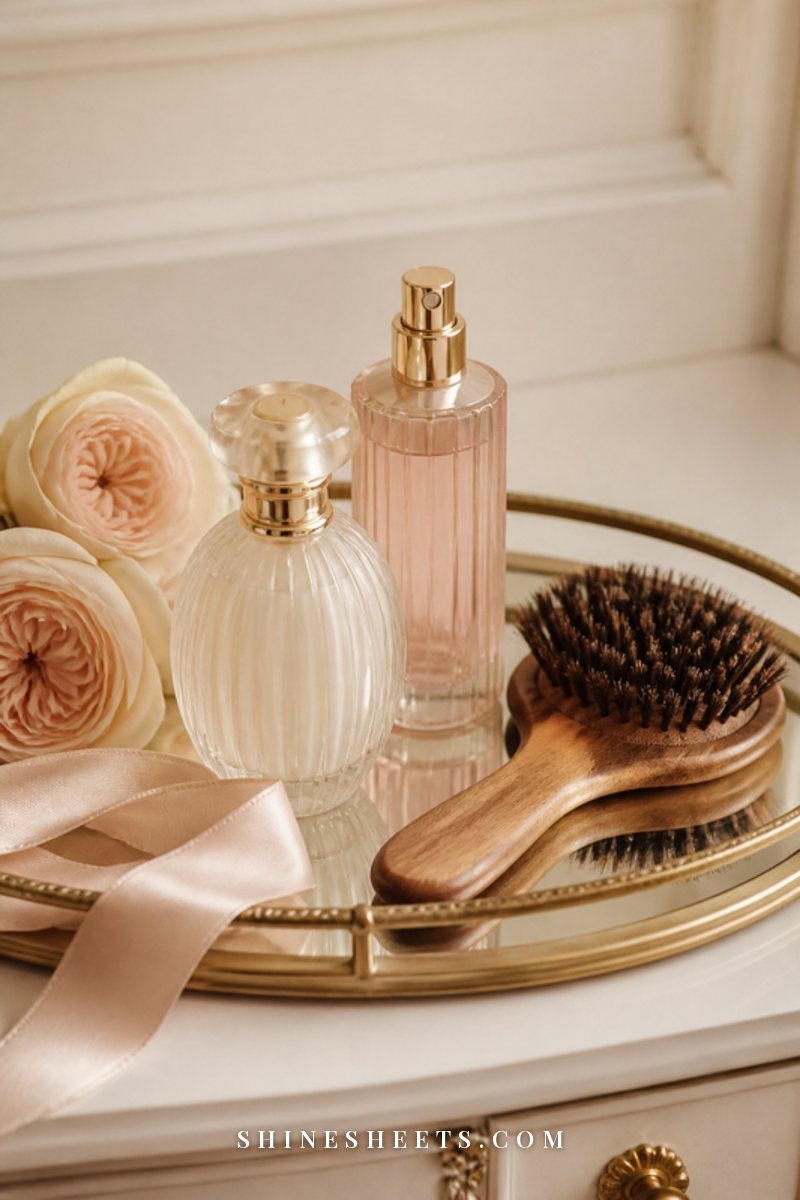
Every time you open a bottle to pour or decant, air gets in. Decanting is wonderful for travel and your handbag, but decanting your entire bottle "to save space" usually just exposes more of it to oxygen.
What to do: fill a small refillable travel atomizer with only what you'll use in the next few weeks, roughly a few milliliters. Most of them refill from the bottom by pressing onto the sprayer, which is cleaner than pouring. Keep the big bottle closed and protected, and refill the small one when it runs out.
If your bottle has a screw-off cap rather than a sealed sprayer, pour as little as possible and close it right away.
Where To Keep Perfume: Storage Spot Table
This is the table I wish I'd had years ago. It rates the places perfume most often ends up in by light, temperature stability and an overall verdict. Screenshot it if you're about to reorganize.
| Storage spot | Light | Temperature stability | Verdict |
|---|---|---|---|
| Closed dresser drawer in the bedroom | Dark | Stable | Excellent everyday spot |
| Bedroom closet shelf, in boxes | Dark | Very stable | Best for bottles you wear less often |
| Closed vanity cabinet or organizer | Mostly dark | Stable if away from windows and heaters | Great balance of easy reach and protection |
| Open vanity tray, shaded wall | Indirect light | Usually stable | Fine for one to three bottles in daily rotation |
| Open shelf near a sunny window | Direct sun | Warms up daily | Avoid |
| Bathroom counter or shelf | Often bright | Heat and humidity swings daily | Avoid |
| Food refrigerator | Dark | Cold, but swings when taken in and out | Not recommended |
| Dedicated mini cosmetics fridge | Dark | Cool, stable if bottles stay inside | Optional, only for long-term storage |
| Car glove box or console | Dark | Extreme swings | Never |
| Handbag, full-size bottle | Dark | Swings plus bumps | Use a travel atomizer instead |
If you only remember one line: dark, steady and closed beats everything else.
Should You Store Perfume in the Fridge?
This is the question everyone asks, and the honest answer is: it can help in one specific case, and it's unnecessary or even unhelpful in most others.
A cool, dark, stable spot does slow down aging. A small fridge used only for cosmetics, set to a gentle cool setting, can work for bottles you're storing long-term and rarely open, like a backup bottle or a scent you only wear in summer.
Where it goes wrong is the daily routine. If you take a bottle out of the fridge every morning, spray, and put it back, it goes through a temperature swing every day, which is exactly what we're trying to avoid. Cold perfume also smells different on the skin at first, because the scent opens more slowly.
And please don't store perfume in your food fridge. The door is opened constantly, temperatures shift, it's often humid, and nobody wants fragrance near food (or food smells near fragrance).
My rule of thumb: a bedroom drawer or closet is enough for nearly everyone. Save a dedicated cool spot for long-term backups only, and let a bottle come to room temperature before wearing it.
Rollerballs, Travel Atomizers and Samples
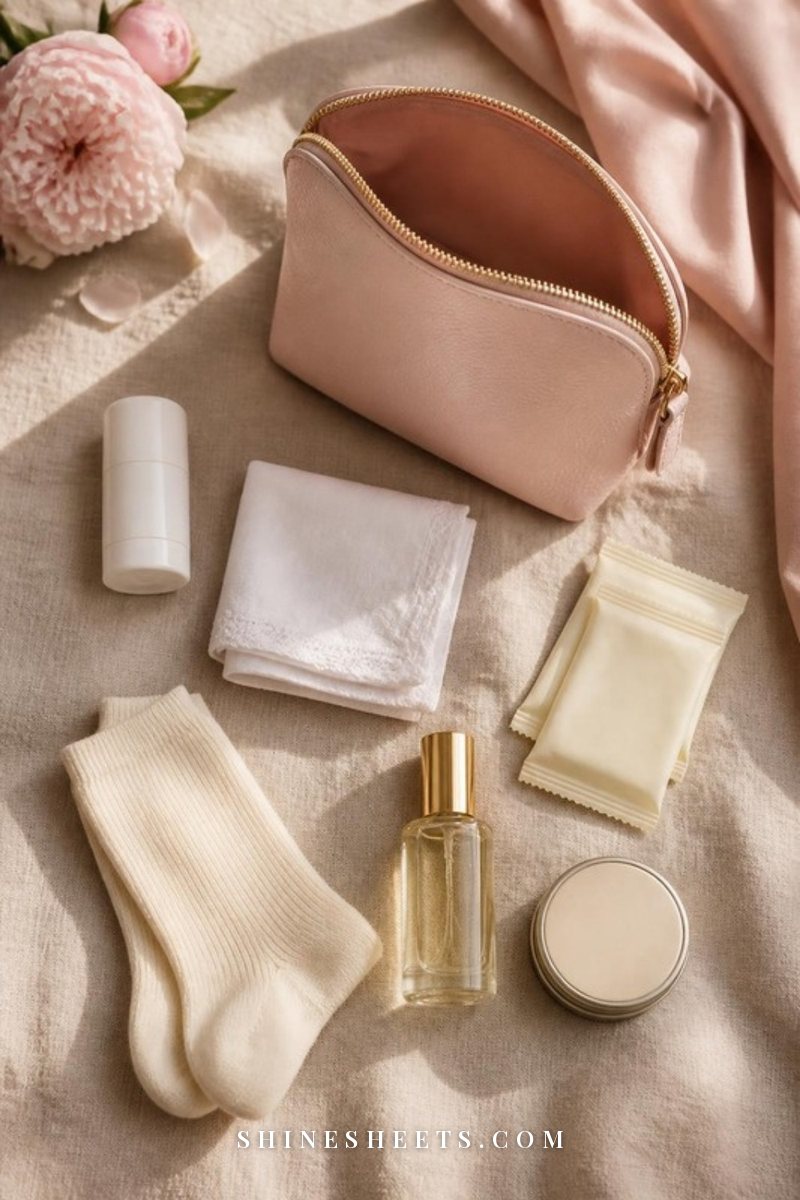
Small formats need a little extra care, because there's less liquid and more relative air and surface contact.
- Rollerballs. The ball touches your skin, so it picks up skin oils and a little bacteria. Wipe the ball with a clean tissue after use, cap it tightly and store it upright in a drawer. If you fill your own, clear glass rollerball bottles with a snug cap are easy to clean between refills with warm water and a little alcohol, then dried fully.
- Travel atomizers. Keep them topped up with small amounts rather than leaving a few drops inside for months. A nearly empty atomizer fades fastest. Rinse and dry it fully before switching scents.
- Samples and vials. Those tiny dab vials are easy to forget. Store them together in a small box in a drawer, and try them within a few months of opening. Once the seal is broken, a vial has very little liquid to protect it.
- Body mists. Most mists are lighter and more delicate than perfume, so the same rules apply even more. If you're curious about how they differ, my guide on body mist vs perfume explains it.
For travel, keep small formats in a zip pouch inside your bag, not in an outer pocket that sits in the sun. On flights, follow your airline's rules for liquids.
How Long Does Perfume Last?
There's no single expiration date, and most perfumes don't have one printed. Many have a small open-jar symbol with a number, which is a rough guide for after opening rather than a strict deadline. As a general guide:
- Unopened, well stored: often many years. A sealed bottle in its box, kept in a cool dark place, has very little exposure to air and light.
- Opened, well stored: commonly around three to five years, and sometimes much longer, depending on the formula.
- Opened, poorly stored: sometimes only months, especially near a window or in a steamy bathroom.
The style of fragrance matters too. Fresh citrus, green and light floral scents tend to fade sooner. Rich, woody, ambery and vanilla-based perfumes, with more heavy base notes, often hold up longer. Concentration plays a smaller role than storage, but if you're curious how eau de toilette and eau de parfum differ, I break that down in perfume concentrations explained.
A gentle practical tip: if you own a scent you adore, wearing it regularly is the best way to enjoy it before it ages. Perfume isn't meant to be saved for a perfect occasion that never comes.
Display vs Protection on Your Vanity
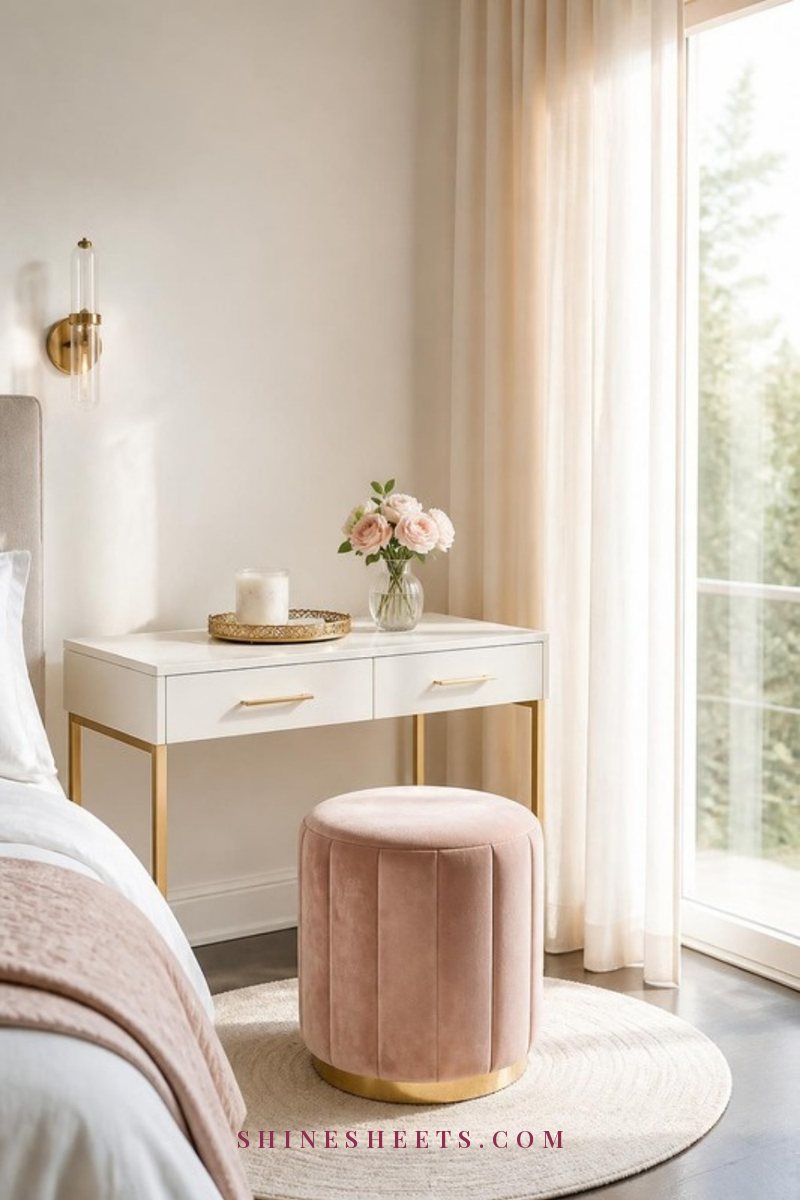
I completely understand the appeal of a vanity lined with glass bottles. It's very Old Hollywood, and I love that look as much as anyone. You don't have to choose between pretty and protected. You just need a little strategy.
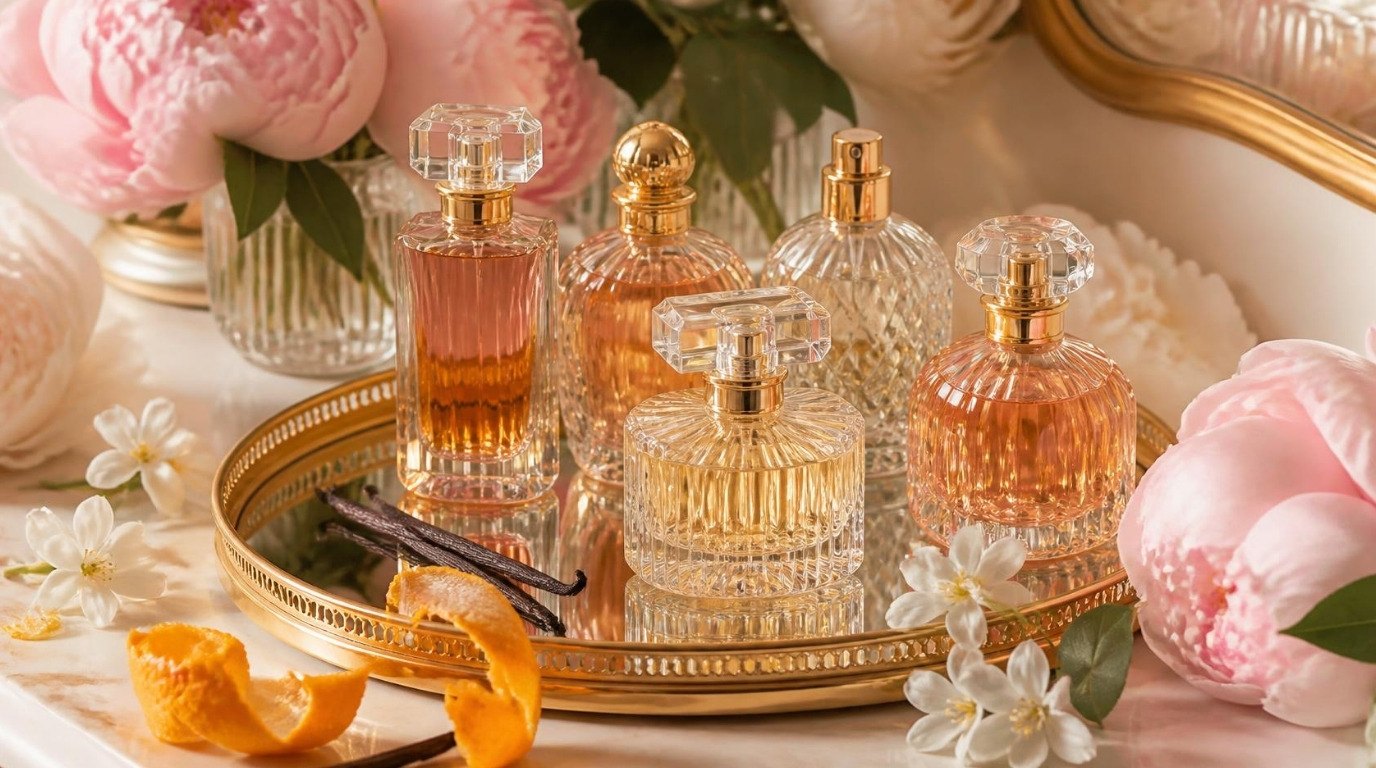
- Display your daily one to three. Keep only the bottles you're wearing right now on top, on a gold-accent mirrored tray that gathers them together and makes even two bottles look styled. Everything else stays in a drawer or box.
- Check the vanity's position. If the vanity sits by a window, put bottles on the side that stays shaded, or draw a sheer curtain during the brightest hours.
- Choose closed storage for the rest. A closed-front vanity organizer with drawers keeps bottles dark and dust-free while still within arm's reach. If you're redoing the whole area, my vanity organization ideas cover drawers, trays and small-space layouts.
- Keep candles and lamps at a distance. I love glass candles on my dresser, but a lit candle or a warm lamp right beside perfume bottles heats them. Leave a good gap, and never let a flame sit near alcohol-based fragrance.
- Rotate seasonally. Swap the displayed bottles every few months, so no single bottle sits out in the light for a whole year.
If you're building your collection and wondering how many bottles you really need, my guide to perfume collection ideas helps you choose a small, well-loved scent wardrobe, which is also much easier to store well.
Small Storage Mistakes To Avoid
These are the little habits that quietly shorten a perfume's life. Most of us have done at least one of them (I've definitely kept a bottle on a sunny windowsill because it looked pretty).
- Keeping a full-size bottle in your handbag. It goes through heat, cold and bumps every day. Use a travel atomizer instead.
- Storing in the gym bag or locker. Warm, humid and often left in a car.
- Putting perfume on a radiator cover or deep windowsill. Both look like shelves, and both get warm.
- Leaving the cap off "just for today." Today turns into a week.
- Spraying into the air near your bottles. Fine mist lands on caps and boxes. Spray away from your storage spot.
- Buying the biggest bottle for a scent you wear once a month. A smaller bottle you finish while it's fresh is better value than a large one that ages in the drawer. If you're choosing a new signature, my guide on how to choose the perfect perfume can help you pick a size that fits how you'll wear it.
Final Thoughts
Learning how to store perfume is really about giving your favorite scents a calm, dark, steady home. A drawer, a box, a cap kept on and a bottle that never sees the bathroom will do more than any clever gadget.
Pick a spot this week, move your bottles there, and keep just one or two pretty favorites out on a shaded tray. Your perfume will reward you by smelling like itself, spray after spray, for a long time to come.