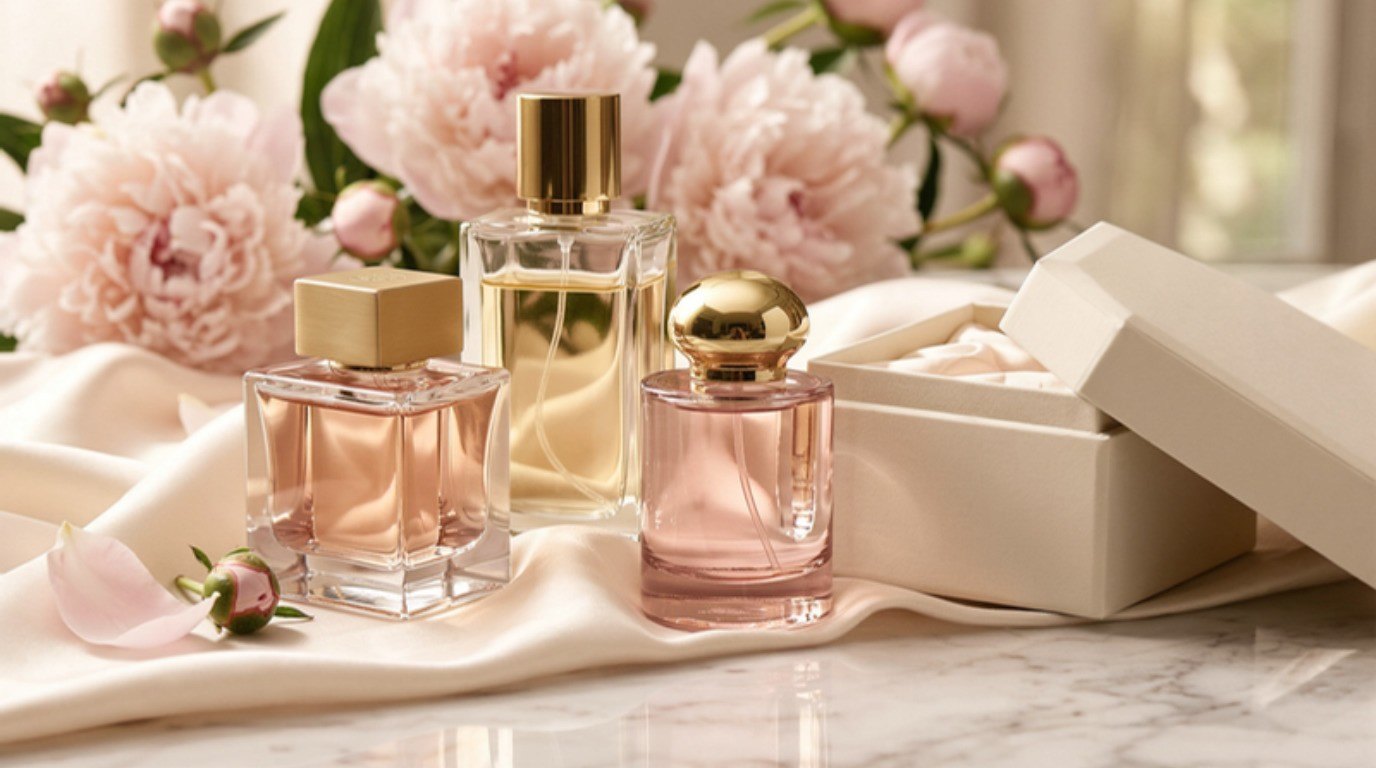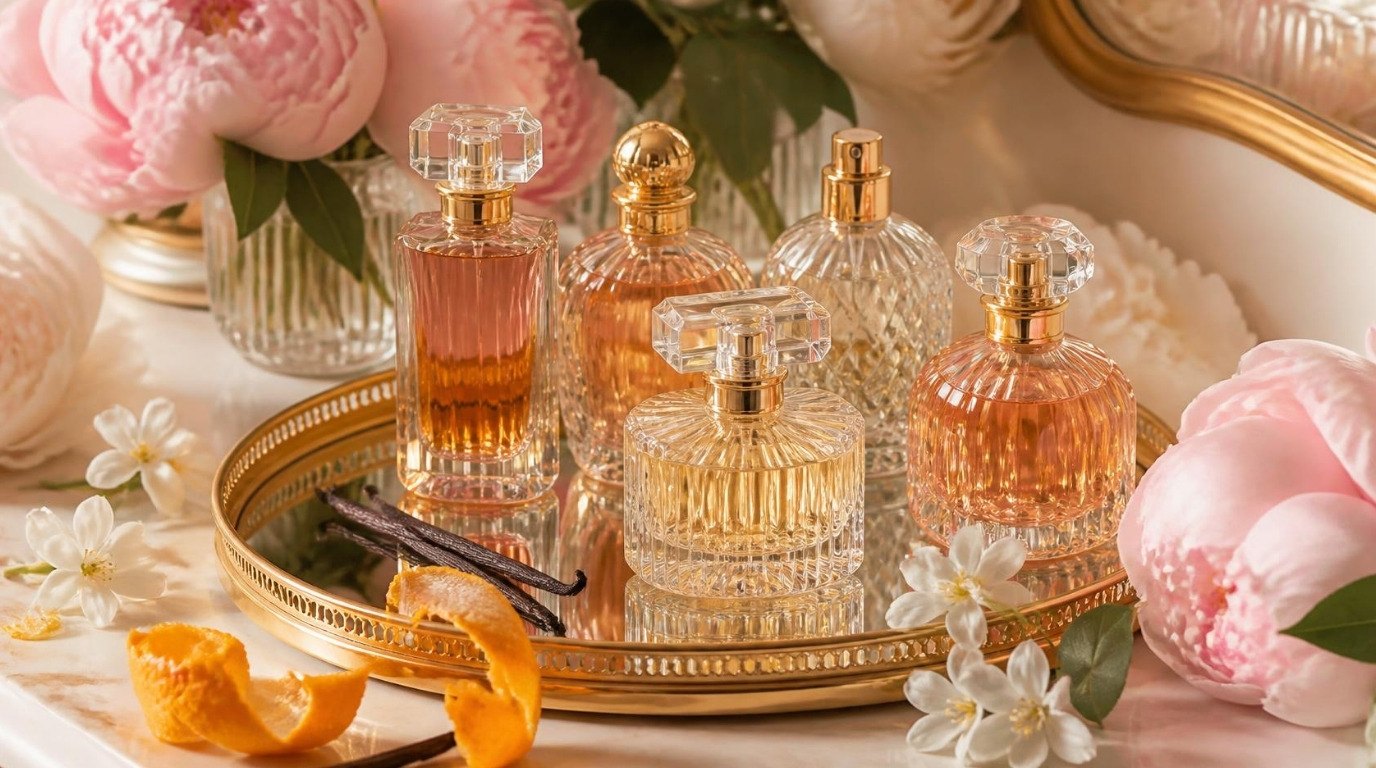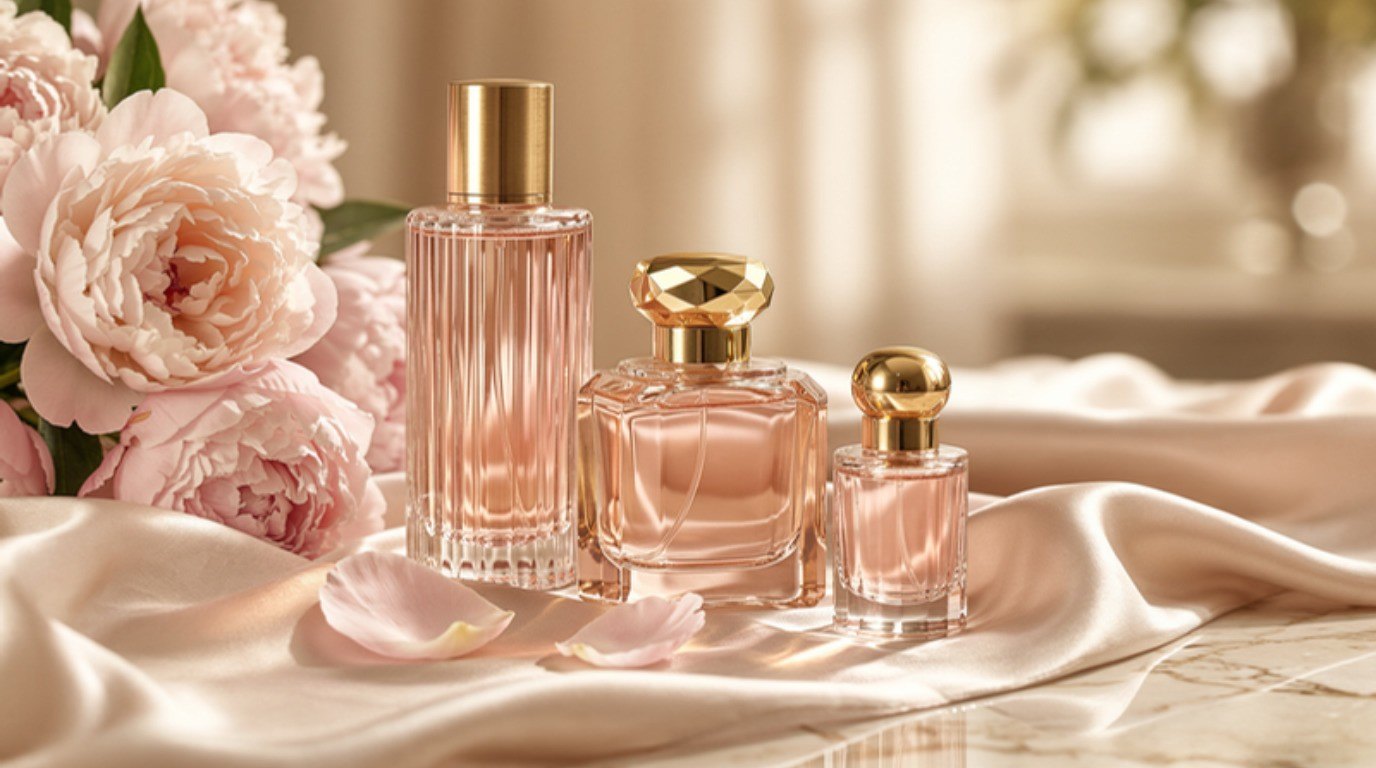
The word on a perfume bottle tells you more than its name ever will. "Eau de parfum" or "eau de toilette" isn't marketing poetry, it's a rough hint about how much fragrance is inside, how long it will stay on your skin and how far it will drift around you. Once you know how to read it, choosing a perfume gets a lot less confusing (and a lot less expensive by accident).
A stronger concentration isn't automatically better, either. The right one depends on your skin, your climate, where you'll wear it and how close people stand to you during the day. A light eau de toilette can be the perfect choice for the office, while a rich extrait might be exactly what you want for a candlelit dinner.
This guide explains perfume concentrations in plain words: what the terms mean, the 6 main types from strongest to lightest, a quick comparison table, why the same scent can smell different as an EDT and an EDP, how to test properly, and how to choose by lifestyle. No snobbery, just clear information you can use the next time you're standing at a fragrance counter.
What Perfume Concentration Actually Means
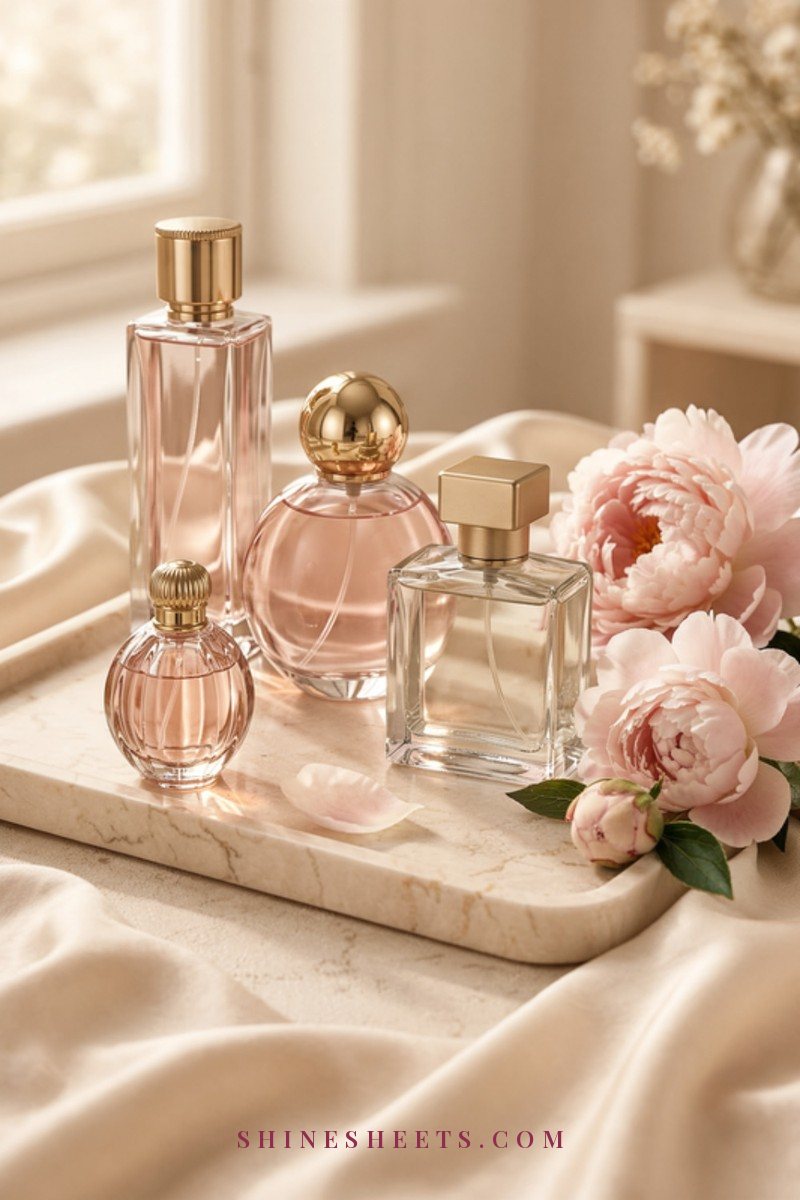
Every perfume is a blend of three main things: fragrance oils (also called perfume oils or the "juice"), alcohol and a little water. The concentration simply describes how much of the blend is fragrance oil. More oil usually means a richer, longer-lasting scent. More alcohol and water means a lighter, brighter, shorter-lived one.
The alcohol isn't there to cut corners. It helps the fragrance lift off your skin and spread into the air, and it evaporates quickly so the scent can unfold. That's why a perfume smells sharper in the first few seconds and softer a few minutes later.
One important thing to know right away: there is no legal standard for these names. The percentages you'll see below are typical industry ranges, not rules. One brand's eau de parfum might be stronger than another brand's extrait, which is why your nose and your skin are always the final judges.
Why Concentration Changes Strength, Longevity, Sillage and Price
Concentration affects four things you'll notice in real life:
- Strength: how intense the scent smells when you first spray it and up close on your skin.
- Longevity: how many hours you can still smell it on yourself (or others can smell it on you).
- Sillage: pronounced "see-yahzh", this is the scent trail you leave behind when you walk through a room. Lighter concentrations usually stay closer to the skin, while richer ones can project further, although some heavy perfumes actually sit close and quiet.
- Price: more fragrance oil generally means a higher price per milliliter, which is why the same scent often costs more as an EDP than as an EDT.
These four don't always move together, though. Some fresh citrus notes fade fast even in a strong concentration, while woody, musky or vanilla notes can linger for hours in a lighter one. The ingredients matter almost as much as the percentage.
The 6 Perfume Concentrations, From Strongest to Lightest
Here are the main types you'll find on labels, with roughly how much fragrance oil they contain, how long they tend to last and when they shine. Remember that wear time depends heavily on your skin and the notes in the perfume, so treat these as friendly averages.
1. Extrait de Parfum (Parfum)
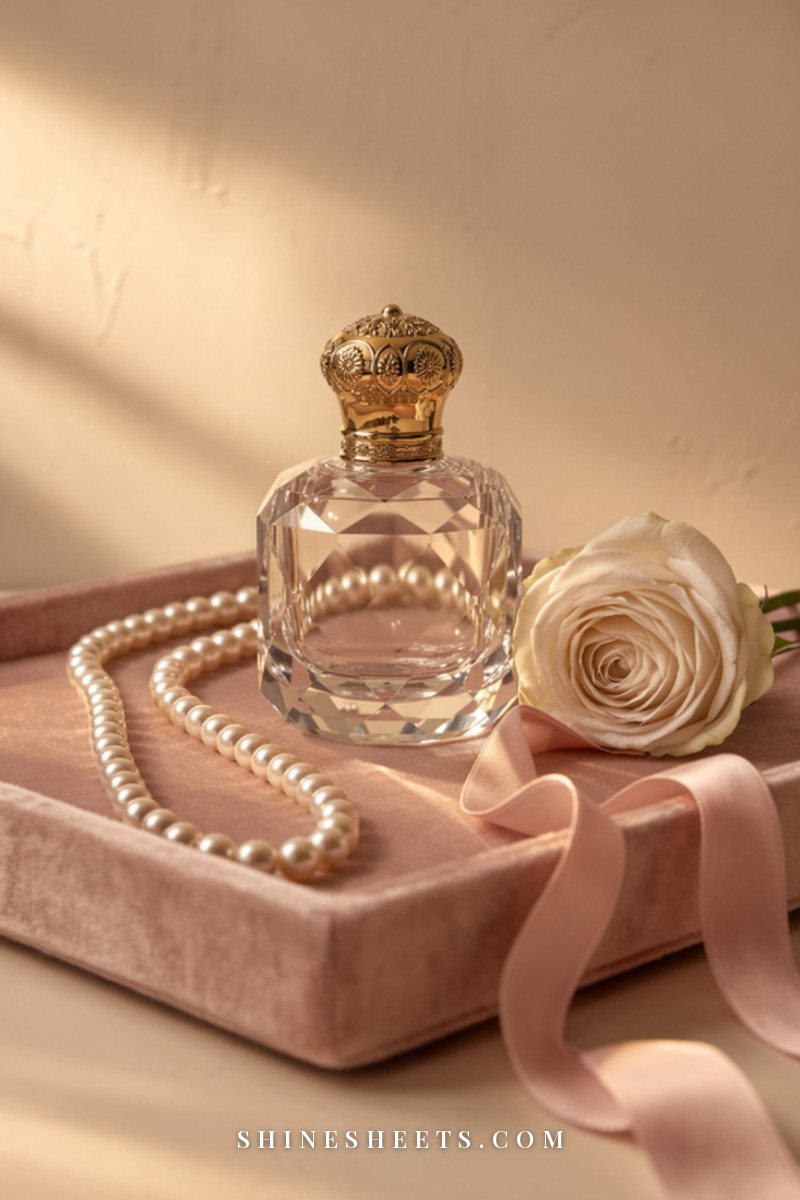
Also called parfum, pure perfume or simply extrait, this is the richest concentration, usually with roughly 20 to 30 percent fragrance oil (some go higher). It often lasts 8 hours or more, and you only need a tiny amount. Extraits are usually sold in smaller bottles, sometimes as a dab-on splash rather than a spray, and they sit closer to the skin than most people expect.
Best for: evenings, special occasions, colder weather and anyone who loves a warm, intimate scent that people notice when they lean in. There's something wonderfully Old Hollywood about a single dab on each wrist before going out.
2. Eau de Parfum (EDP)
Eau de parfum usually contains roughly 15 to 20 percent fragrance oil and lasts around 6 to 8 hours. It's the most popular concentration for a reason: it's rich enough to carry you through a full day or evening, but still easy to wear in normal life.
Best for: an everyday signature scent, date nights, long days when you can't reapply, and cooler months. If you want to top up later, decant a little into an eau de parfum travel atomizer so you can carry a few sprays in your bag instead of the whole bottle.
3. Eau de Toilette (EDT)
Eau de toilette usually has roughly 5 to 15 percent fragrance oil and lasts around 3 to 5 hours. Despite the slightly confusing name, it has nothing to do with the bathroom. It comes from the old French word for getting ready, the same "toilette" as in a lady's morning routine.
EDTs tend to open brighter and fresher, with the top notes more noticeable. They're often a little lighter on the wallet, too.
Best for: daytime, the office, warm weather, and anyone who likes a fresh scent they can reapply once in the afternoon. They're also a lovely way to try a fragrance before investing in the stronger version.
4. Eau de Cologne (EDC)
Eau de cologne is light, usually with roughly 2 to 5 percent fragrance oil, and lasts about 2 hours. The term often brings men's fragrance to mind, but classic colognes are simply bright, citrusy, herbal blends meant to be splashed on generously and refreshed through the day.
Best for: hot days, after a shower or the gym, and moments when you want to smell clean rather than "perfumed".
5. Eau Fraîche
Eau fraîche is one of the lightest options, with roughly 1 to 3 percent fragrance oil and a wear time of about 1 to 2 hours. It typically has a higher share of water and less alcohol than other concentrations, which can make it feel softer on the skin.
Best for: summer heat, beach days and anyone who wants the lightest whisper of scent. It's also a gentle starting point if strong perfumes tend to give you a headache.
6. Body Mist
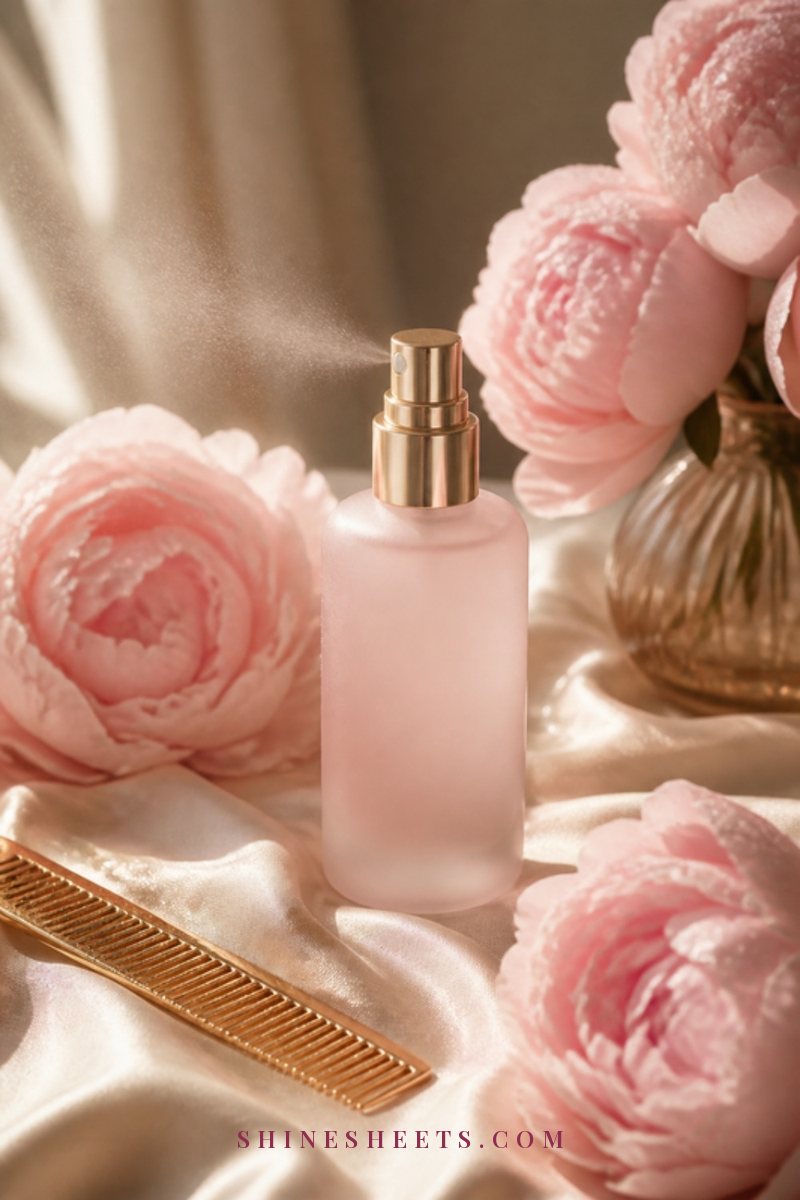
Body mists (also called body sprays or fragrance mists) usually contain roughly 1 to 3 percent fragrance oil and last around 1 to 2 hours. They're designed to be sprayed generously over the body, and they're often sold in big bottles at friendly prices.
Best for: after a shower, the gym bag, a quick refresh in the afternoon, and layering under a stronger perfume. A blush scented body mist is a lovely little treat to keep by the bed or in your tote. If you're curious about the full difference, I've written a whole guide on body mist vs perfume and when to use each.
Perfume Concentrations at a Glance
Here's everything in one place. Screenshot it for your next shopping trip, and remember that these are typical ranges, not fixed rules.
| Concentration | Typical oil % | Average wear time | Best for |
|---|---|---|---|
| Extrait de parfum (parfum) | Roughly 20 to 30% | 8+ hours | Evenings, special occasions, cold weather |
| Eau de parfum (EDP) | Roughly 15 to 20% | 6 to 8 hours | Everyday signature scent, date nights |
| Eau de toilette (EDT) | Roughly 5 to 15% | 3 to 5 hours | Daytime, office, warm weather |
| Eau de cologne (EDC) | Roughly 2 to 5% | About 2 hours | Hot days, after showers or workouts |
| Eau fraîche | Roughly 1 to 3% | 1 to 2 hours | Summer, sensitive noses, a soft whisper of scent |
| Body mist | Roughly 1 to 3% | 1 to 2 hours | Quick refreshes, layering, gym bag |
A quick tip for reading the table: if two concentrations overlap (like EDT and EDP at the edges), trust the scent on your skin more than the label. The notes inside can make a bigger difference than a few percentage points.
Why the Same Scent Smells Different as EDT vs EDP
If you've ever loved a perfume as an EDT and then felt a little disappointed by the EDP (or the other way around), you're not imagining it. Brands often rebalance the formula for each concentration instead of simply adding more of the same oil.
An eau de toilette might lean on brighter top notes like citrus, fruit or light florals, so it feels fresh and airy. The eau de parfum version of the same name might add more vanilla, amber, musk or woods, so it feels warmer and deeper. Some brands even rename the scent slightly ("intense", "elixir", "absolu") to signal that it's a different interpretation.
So if you're choosing between two versions, test both separately. Don't assume the stronger one is simply "the same, but more". Sometimes the lighter version is the one that feels most like you.
Why Higher Concentration Isn't Always Better
It's tempting to think the most concentrated bottle is the best value. Sometimes it is. But stronger isn't always kinder to you or the people around you. A few things to consider:
- Your skin type. Fragrance tends to last longer on hydrated skin and fade faster on dry skin. If your skin is dry, a richer concentration may help. If your skin holds scent well, an EDT may already last all day.
- Your climate. Heat and humidity make fragrance project more, so a heavy extrait on a hot day can feel overwhelming. In winter, the same perfume might feel just right.
- Close spaces. In an office, a car, a small café or a plane, a strong scent fills the air quickly. Lighter concentrations are more considerate when people sit close.
- Sensitive noses (including yours). If strong fragrance gives you a headache, a lighter concentration lets you enjoy scent without the heaviness.
A small, honest note from my own sensitive skin: I've learned that a light spritz on clothing or hair (not freshly washed, damp hair) often feels gentler than spraying straight onto my wrists. If your skin reacts to fragrance, patch test first, and if you notice redness or itching, stop using it and ask a dermatologist for advice.
How To Test a Perfume Concentration on Your Skin
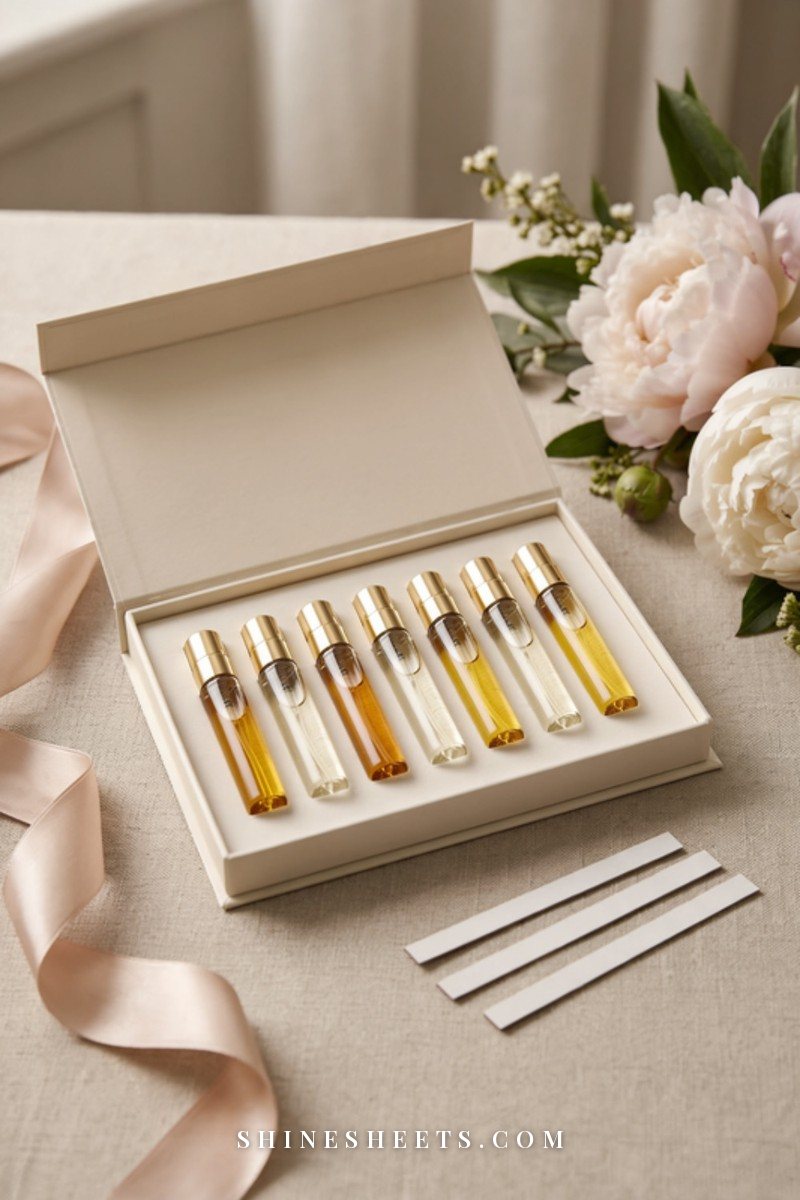
Paper strips (blotters) are helpful for a first impression, but they don't tell the whole story. Perfume reacts with the warmth and natural oils of your skin, and the way it changes over time is what you'll actually live with. Here's a simple way to test:
- Smell the blotter first and narrow your choices to two or three.
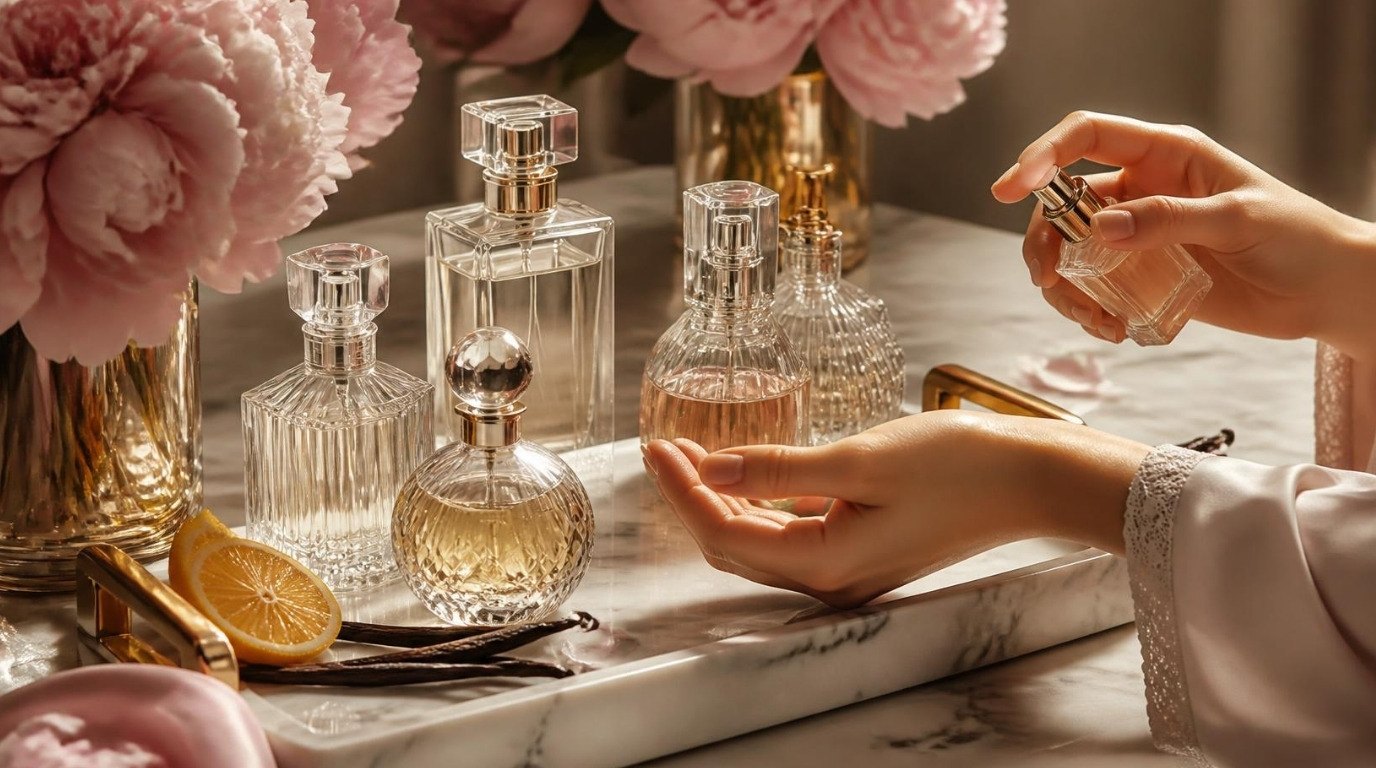
- Spray once on the inside of each wrist or forearm, one scent per spot, and don't rub (rubbing can make the top notes fade faster).
- Wait at least 30 minutes before deciding. The opening often smells sharper, while the heart of the fragrance appears after 15 to 30 minutes.
- Check again after 2 to 4 hours to see how long it lasts and how it settles.
- Notice how close you need to bring your wrist to smell it. That tells you a lot about sillage.
A fragrance discovery sample set is a smart way to test several scents at home over a few days before committing to a full bottle. Wear each one for a whole day, and you'll know quickly which you reach for again.
How To Choose Perfume Concentrations by Lifestyle
Once you know the basics, choosing becomes much easier. Think about where you'll wear it most, and let that guide you. For a deeper look at matching scent to personality, my guide to choosing the perfect perfume for your style pairs well with this section.
For the Daily Office
An eau de toilette or a lighter eau de parfum usually works best. Aim for one or two sprays, applied before you leave home so the opening has time to soften. Choose clean, soft notes like light florals, musks, tea or soft woods, which feel polished without filling the room. A good rule: if colleagues can smell you from across the desk, it's a little too much.
For Evenings and Special Occasions
This is where an eau de parfum or extrait really shines. Richer notes like vanilla, amber, rose or sandalwood feel warm and glamorous after dark. Apply to pulse points (wrists, behind the ears, the base of the throat) and let it settle before you head out. If you love building a scent, my guide to perfume layering for beginners shows how to combine a lighter base with a richer top note.
For Sensitive Noses
If strong scents bother you or the people you live with, try eau fraîche, a body mist or a light EDT. You can also spray once into the air and walk through it, or apply to clothing instead of skin (test on a hidden spot first, since some fragrances can mark delicate fabrics). Softer scents can still feel very special, they just keep their voice down.
For Travel
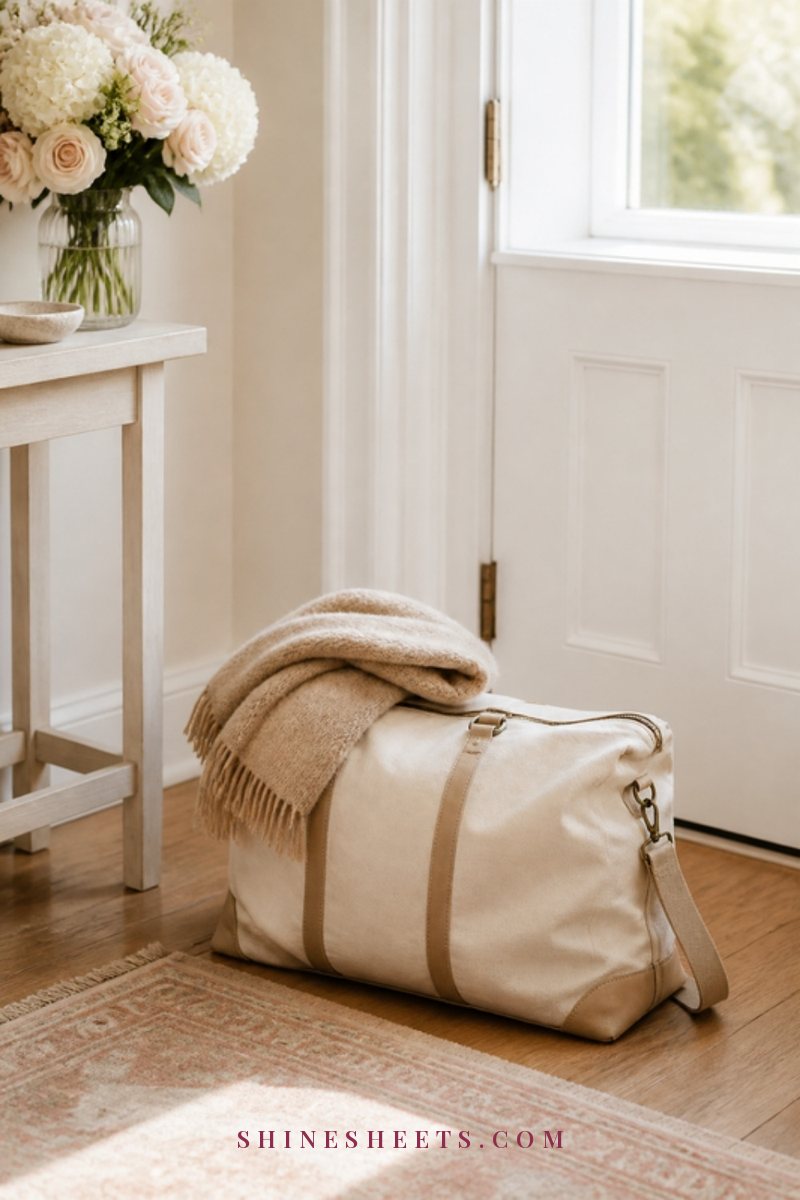
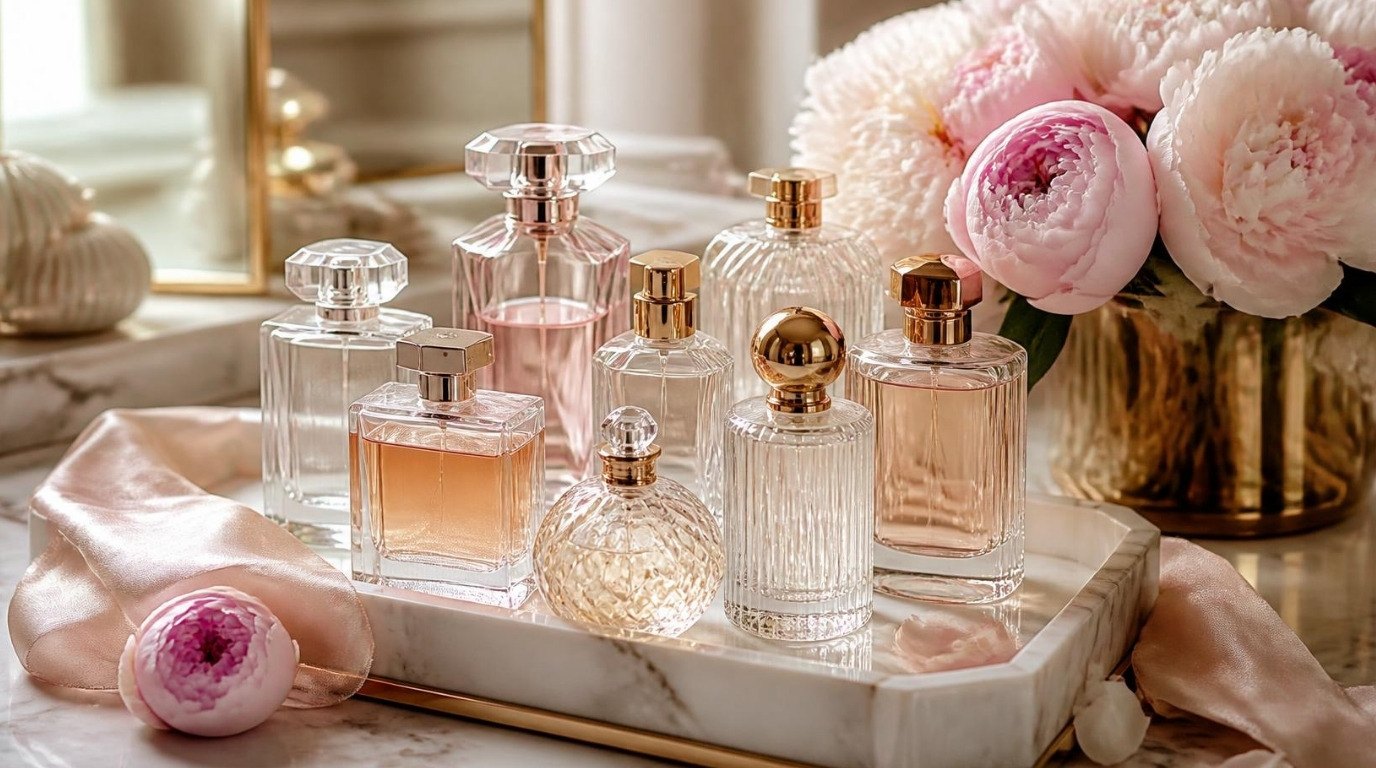
Small is best. Decant your favorite EDP into a refillable atomizer, or bring a few vials from a sample set. A higher concentration is handy for travel, because a few sprays last longer and you won't need to reapply on the go. Keep fragrance in your carry-on in travel-size containers and away from heat, like a sunny car window. When you're home, a cream glass perfume tray or a gold-accent perfume stand keeps your bottles together in a cool, shaded spot on your dresser. For the full picture, here's how to store perfume so it lasts.
Making Any Concentration Last a Little Longer
Whatever you choose, a few small habits help any perfume concentration wear better:
- Apply to moisturized skin. An unscented lotion underneath gives fragrance something to hold onto.
- Spray on pulse points and the inside of your elbows, where skin is warm.
- Don't rub your wrists together, just let the perfume dry on its own.
- Reapply lighter concentrations once in the afternoon instead of overspraying in the morning.
For more ideas, I've gathered my best tricks on how to make perfume last longer. And if you're still searching for the one scent that feels like you, this guide on finding your signature scent walks you through it step by step.
Common Myths About Perfume Concentrations
A few ideas float around fragrance counters and online reviews that are worth gently untangling:
- "Parfum is always the best version." It's the richest, not automatically the best. Many people prefer the brighter, airier feel of an EDT, especially for daytime.
- "If I can't smell it, it's gone." Your nose gets used to your own scent within minutes. Others can often still smell it long after you've stopped noticing, so resist the urge to keep adding sprays.
- "Cologne is only for men." Eau de cologne describes a concentration, not a gender. A fresh citrus cologne can be a lovely, light choice for anyone.
- "A body mist is just a cheap perfume." It's a different product with a different job: a light, generous layer of scent for refreshing and layering, not a replacement for a long-lasting fragrance.
- "The percentage on one brand matches another." Since there's no legal standard, two EDPs from different houses can vary a lot. Let your skin decide, not the label alone.
Knowing these makes shopping calmer. You stop chasing the "strongest" bottle and start looking for the one that actually fits your day, your skin and the people you share space with.
Final Thoughts
Perfume concentrations aren't a ranking of good to better. They're simply different ways to wear a scent: some soft and close, some rich and lasting, all of them lovely in the right moment. Once you understand the label, you can choose with confidence instead of guessing.
Test on your skin, give it time to settle, and pick the concentration that fits your day, not the one that sounds the most impressive. The best perfume is the one that makes you feel like the most elegant version of yourself.