An anxious mind is very good at imagining things. It pictures the email going wrong, the conversation turning awkward, the worst-case version of tomorrow, all in vivid detail. Safe place visualization uses that exact same skill in the other direction: instead of imagining what could go wrong, you practice imagining a place where your body can finally soften.
It's one of the gentlest calming tools there is. No equipment, no special room, no perfect posture. Just a calm place in your mind, built with your senses, that you can return to whenever you need a pause. And like any skill, it gets stronger and faster the more you visit it.
This guide covers what safe place visualization is, why it can help in anxious moments, a simple six-step script you can follow tonight, a senses table to help you build your place, short and long versions for different days, and what to do if it ever feels hard. Take your time with it. There's no wrong way to have a calm place.
What Safe Place Visualization Is
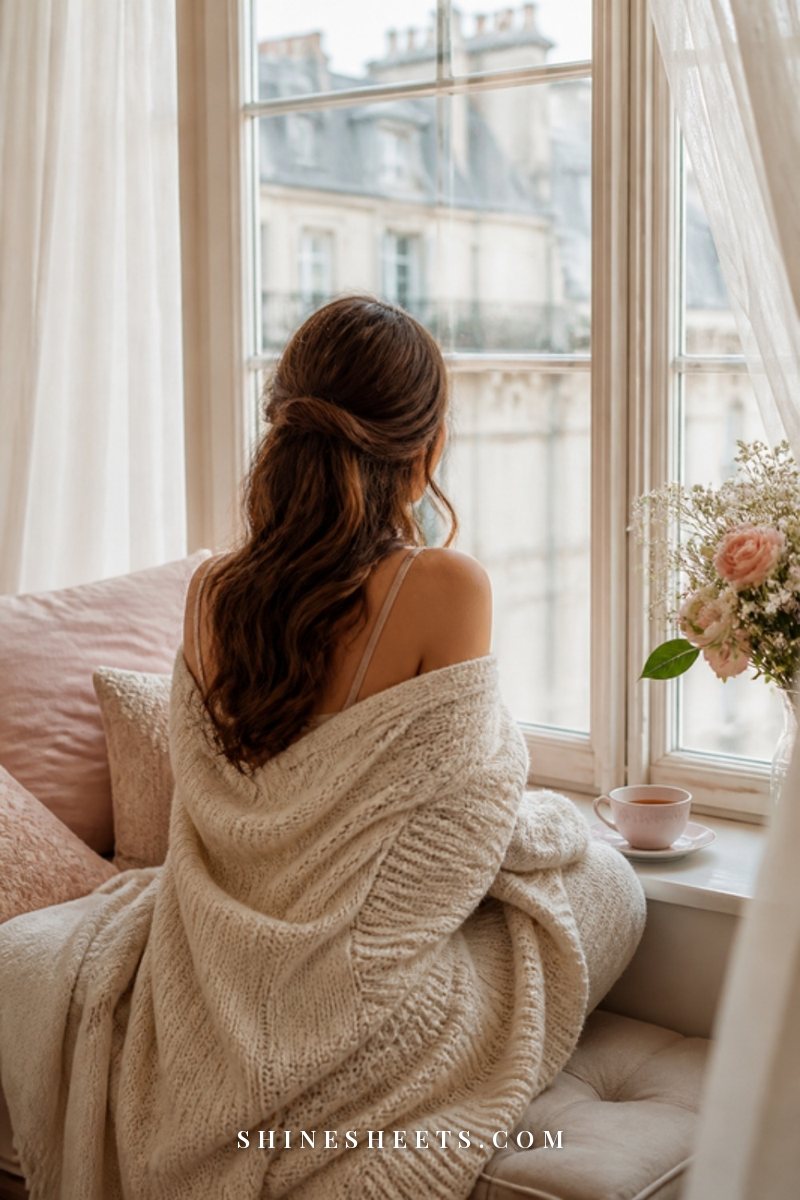
Safe place visualization (you may also hear it called a calm place or peaceful place exercise) is a guided imagery practice. You close your eyes, or soften your gaze, and picture a place where you feel safe, calm and at ease. Then you slowly fill it in with sensory detail: what you see, hear, smell, feel on your skin, maybe even taste.
The place can be real (your grandmother's porch, a beach you visited once, your own bed on a slow Sunday morning) or completely imagined (a quiet cabin, a sunlit garden, a soft room with a window over the sea). What matters is not where it is, but how your body feels when you're there.
Therapists often teach a version of this exercise as a resource clients can use between sessions, and it's widely used in relaxation and stress-management programs. You don't need a therapist to try the basic version, though. It's simple enough to practice on your own, a few minutes at a time.
Why It Can Help in Anxious Moments
When you feel anxious, your body tends to move into protection mode: faster breathing, a tight chest, tense shoulders, a mind scanning for danger. A calming practice can't erase the cause of the worry, but it can give your body a different signal for a few minutes.
Here's the plain-language version of why visualization can help:
- Your body responds to what you imagine. You've probably noticed that thinking about something stressful can make your heart beat faster. The reverse can be true too: picturing somewhere calm, in detail, can help your breathing slow and your muscles let go.
- It gives your attention somewhere to go. Anxious thoughts love an empty space. Filling your mind with sensory detail (the sound of waves, the warmth of a blanket) leaves less room for spiraling.
- It becomes a shortcut with practice. The more often you visit your place while calm, the faster you can reach that feeling later, sometimes in just a few breaths.
I'm prone to anxiety myself (mostly well-managed these days), and what I've learned is that no single tool does everything. Safe place visualization works best alongside other gentle practices like breath and grounding, which I'll come back to below. If you need something for a very intense moment, start with my guide on grounding techniques to calm anxiety fast, then come back to this when you have a little more space.
Before You Start: Practice When You're Calm
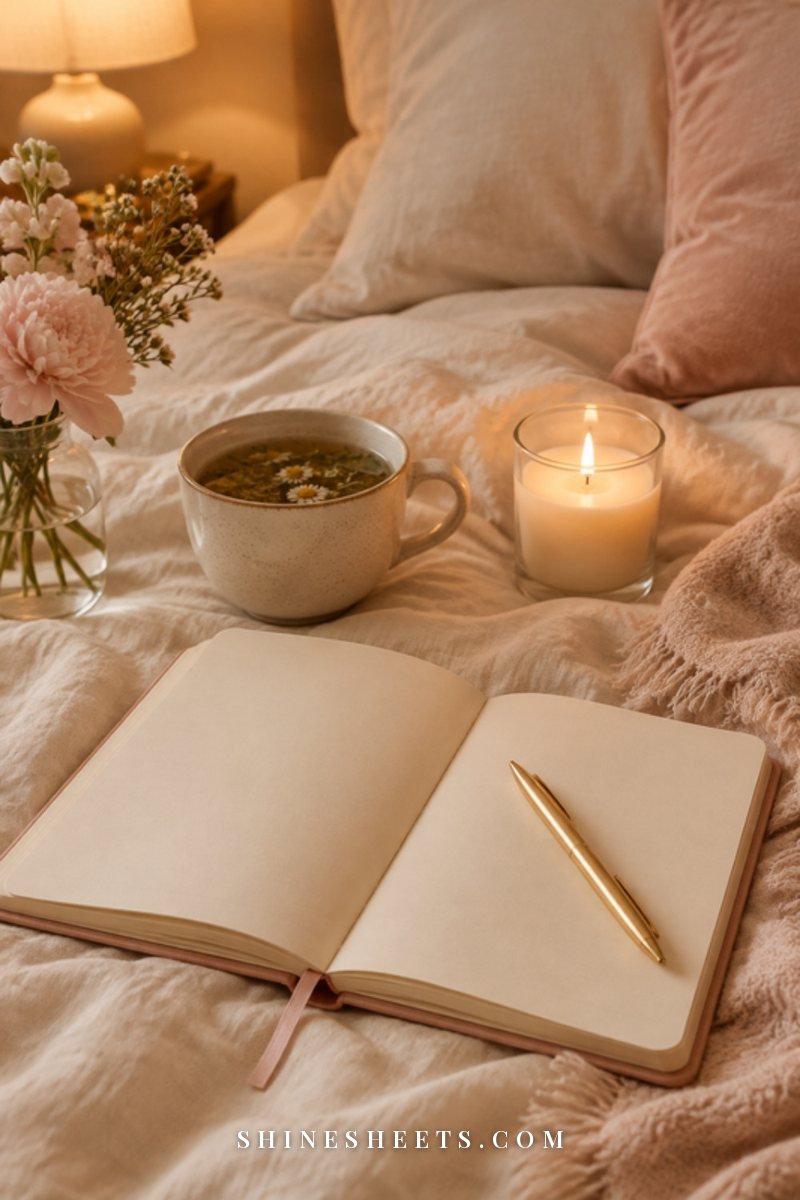
This is the tip that makes the biggest difference, so I'm putting it first: build your safe place on an ordinary, okay day. Not in the middle of a panic, not right after a hard phone call. Practicing when you're already fairly calm is like packing an umbrella before it rains. When you need it, it's ready.
- Pick a quiet time. Evenings work well for many people; mine is right after evening tea, before I journal.
- Give it 10 minutes the first few times. Later, you'll be able to visit in two.
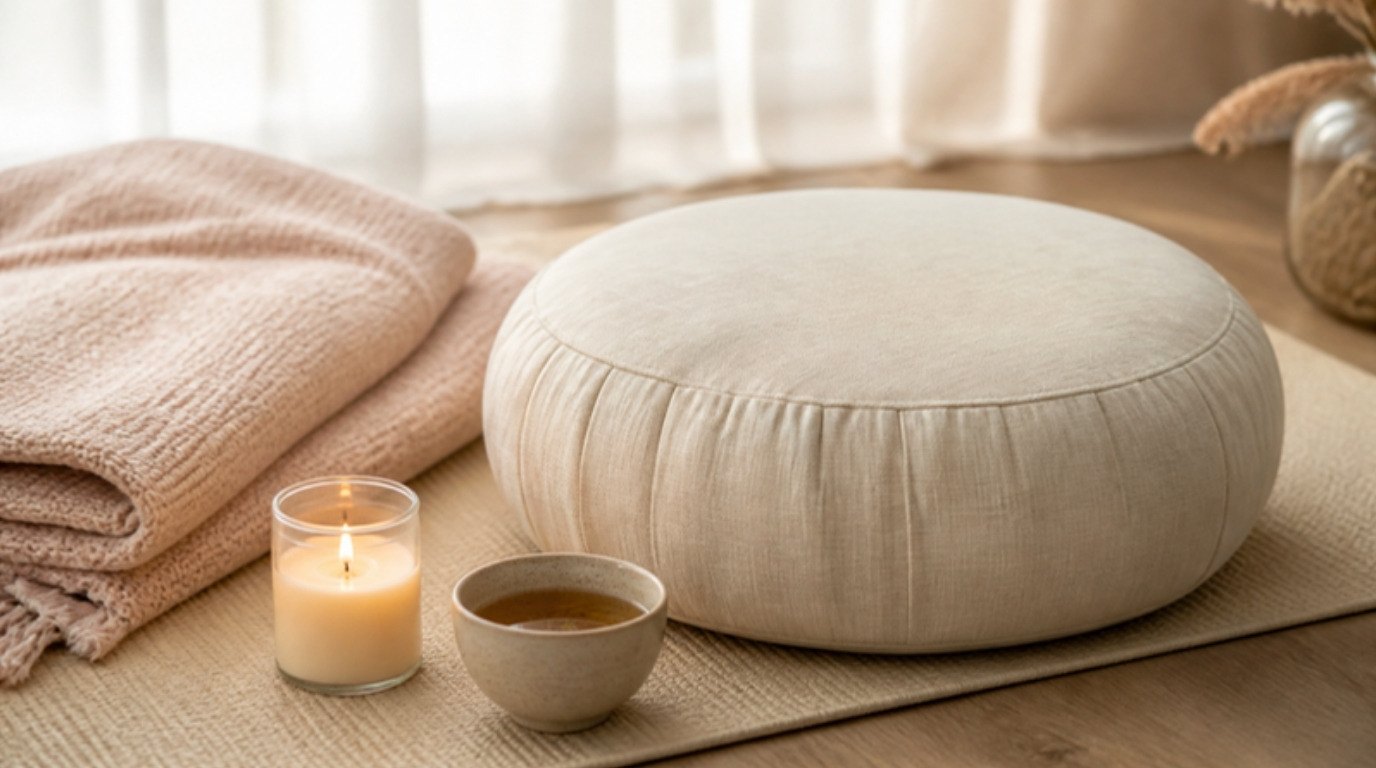
- Get comfortable. Sit in a supported chair or lie down. A soft cream eye pillow can help your eyes relax if closing them feels strange at first. Look for one that's lightly weighted and has a washable cover.
- Silence your phone and let anyone you live with know you need a few quiet minutes.
Aim for three or four practice sessions in your first week. That's plenty to make the place feel familiar.
The 6-Step Safe Place Visualization Script
Read through the steps once before you begin, or record yourself reading them slowly and play it back. Speak gently, pause often and don't rush. The whole script takes about 8 to 10 minutes.
1. Settle and Breathe
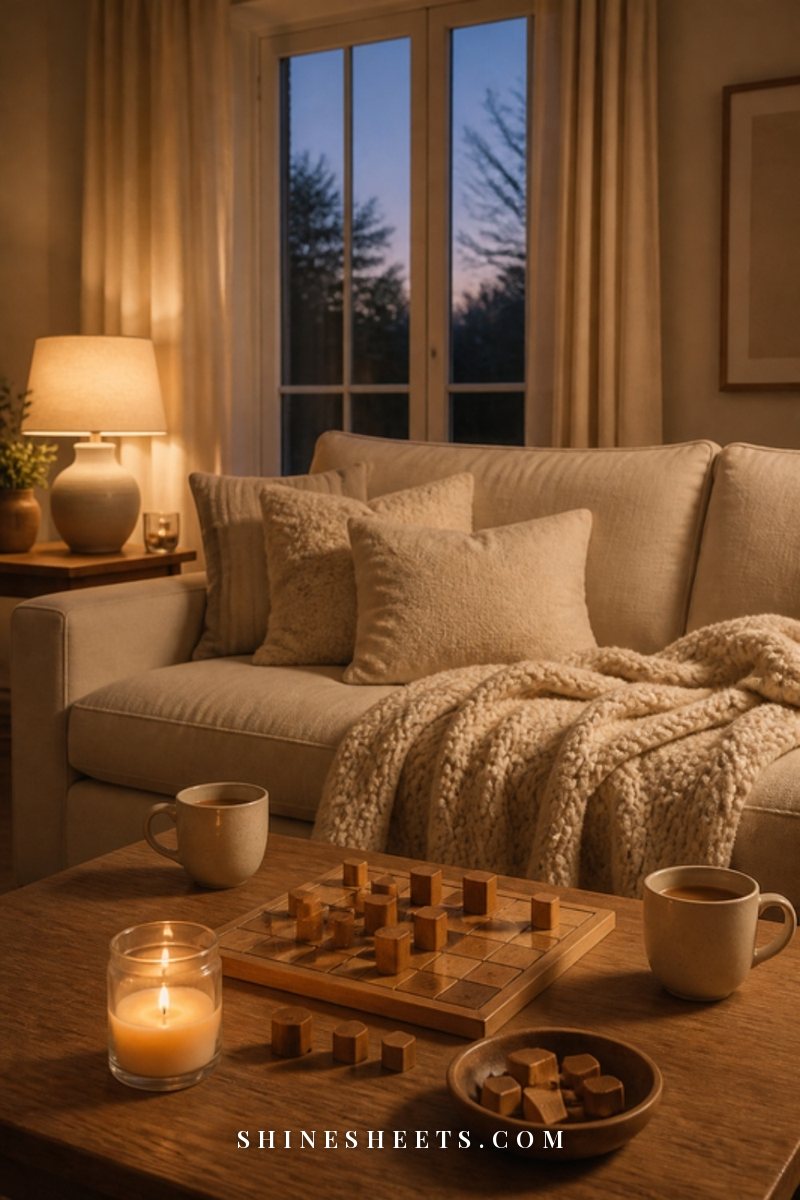
Sit or lie down and let your body be supported. Close your eyes, or rest your gaze on one soft spot on the floor.
Take a slow breath in through your nose for a count of four, then breathe out through your mouth for a count of six. Let the out-breath be a little longer than the in-breath, like a gentle sigh. Repeat this five or six times.
Try saying to yourself: "For the next few minutes, I don't need to solve anything. I'm just going somewhere calm."
If counting breaths feels fiddly, my guide to box breathing and other gentle breathing exercises has a few easy alternatives.
2. Choose or Build Your Place
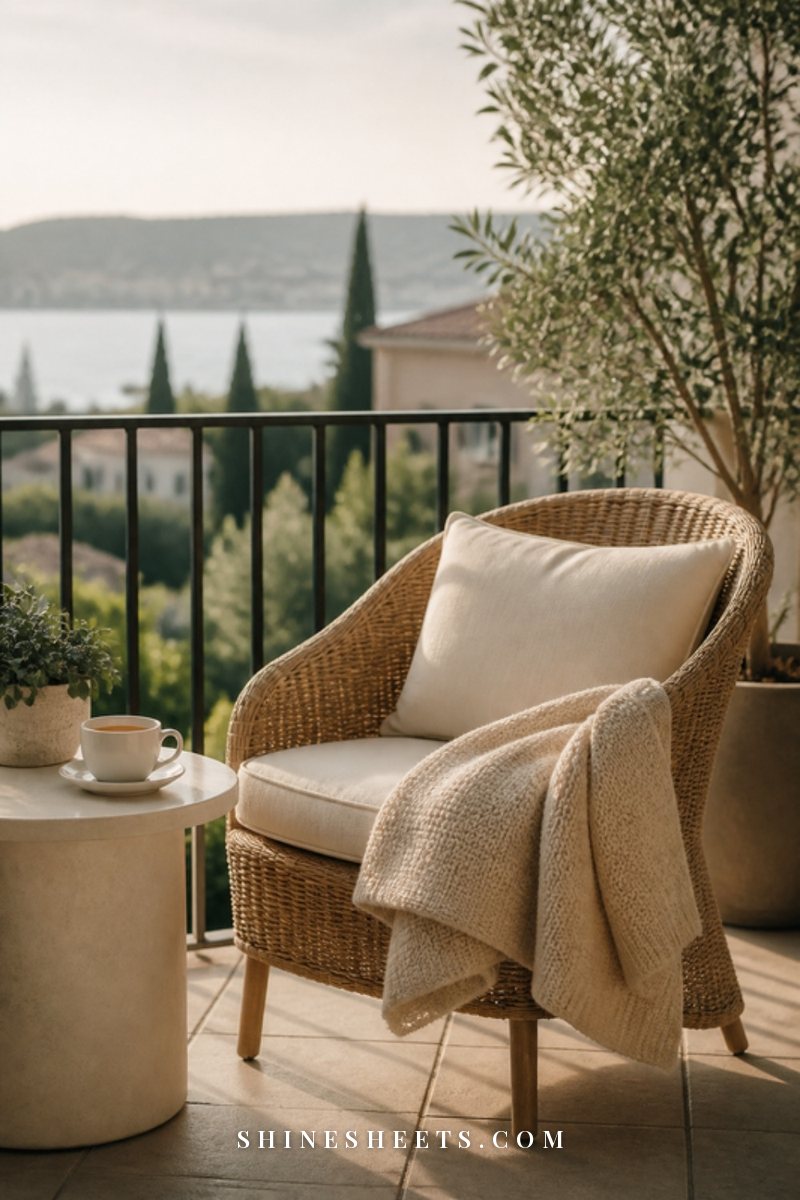
Now let a place come to mind where you feel safe and at ease. Don't overthink it. Often the first image that appears is the right one.
It could be:
- a real place you love (a beach, a garden, a favorite café corner, a childhood bedroom that felt peaceful)
- a place you've seen in a photo or film and always wanted to be
- a place you invent from scratch, piece by piece
If nothing comes, start building one. Begin with the ground under you: soft grass, warm sand, a wooden floor with a rug. Then add one or two things around you. A window. A tree. A soft chair. Keep it simple; you can always add more later.
One gentle note: choose a place without people, or only with someone who makes you feel completely safe (a beloved pet works beautifully). The goal is a place where nothing is asked of you.
3. Add the Five Senses
This is where your place comes alive. Move slowly through each sense, spending about 30 seconds to a minute on each one. You don't need vivid, movie-quality images; even a faint sense of the place is enough.
- Sight: What colors are around you? Where is the light coming from? Is it morning, afternoon, golden hour?
- Sound: What can you hear? Waves, birds, rain on a roof, a fire crackling, or soft silence?
- Smell: Is there salt in the air, fresh-cut grass, pine, clean laundry, warm tea?
- Touch: What's under your feet or hands? What's the temperature? Is there a breeze or a blanket around your shoulders?
- Taste: This one's optional. Maybe a sip of something warm or the fresh taste of the air.
Some senses will come easily, others might stay quiet. That's completely normal. Many people are strong "seers" and weak "smellers," or the other way around. Lean into whichever senses feel most natural to you.
4. Notice the Feeling of Safety in Your Body
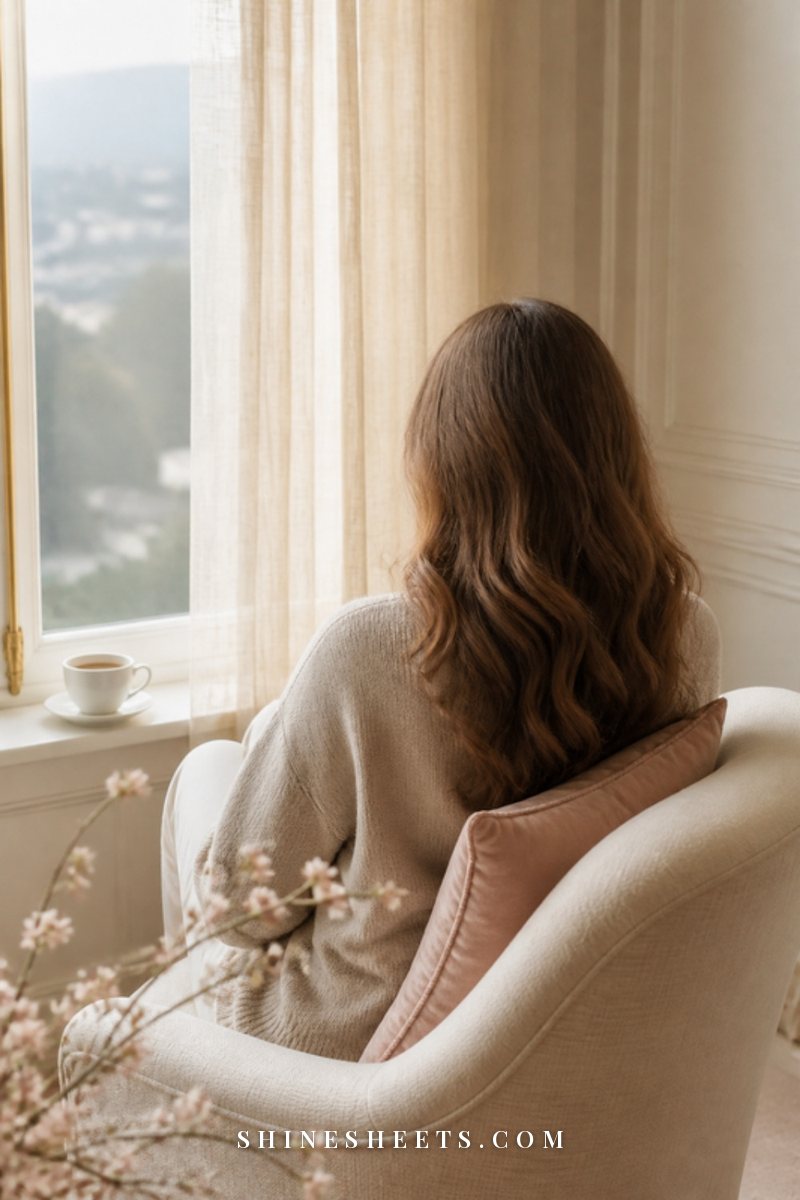
Once you're settled in your place, turn your attention gently inward. Where in your body do you feel the calm? Maybe your shoulders have dropped a little. Maybe your jaw has loosened, or your breathing has slowed, or there's a warm, heavy feeling in your hands.
Stay with that feeling for a few breaths. You might put one hand on your chest or your belly. Silently say: "This is what calm feels like in my body."
This step is quietly powerful, because it links the picture in your mind with a physical feeling. Over time, your body starts to remember. If noticing body sensations is new for you, a simple body scan meditation for beginners is a lovely way to practice it on its own.
5. Choose a Cue Word
While you're feeling calm in your place, choose one word or short phrase that captures it. This becomes your cue, a little bridge back to the place when you don't have time for the whole script.
Some ideas: "shore," "garden," "soft," "home," "here," "breathe," "golden." Pick something easy to remember and gentle to say.
Repeat your cue word slowly a few times while you take in your place. Some people also add a small physical cue, like pressing a thumb and finger together or resting a hand over the heart. Use the same word and gesture every time you practice, so they become linked with the feeling.
6. Come Back Slowly
When you're ready to leave, don't snap back. Take one last look around your place and know that you can come back whenever you want. It isn't going anywhere.
- Take three deeper breaths.
- Notice the real surface under you: the chair, the bed, the floor.
- Wiggle your fingers and toes, roll your shoulders.
- Open your eyes slowly and look around the room, naming three things you see.
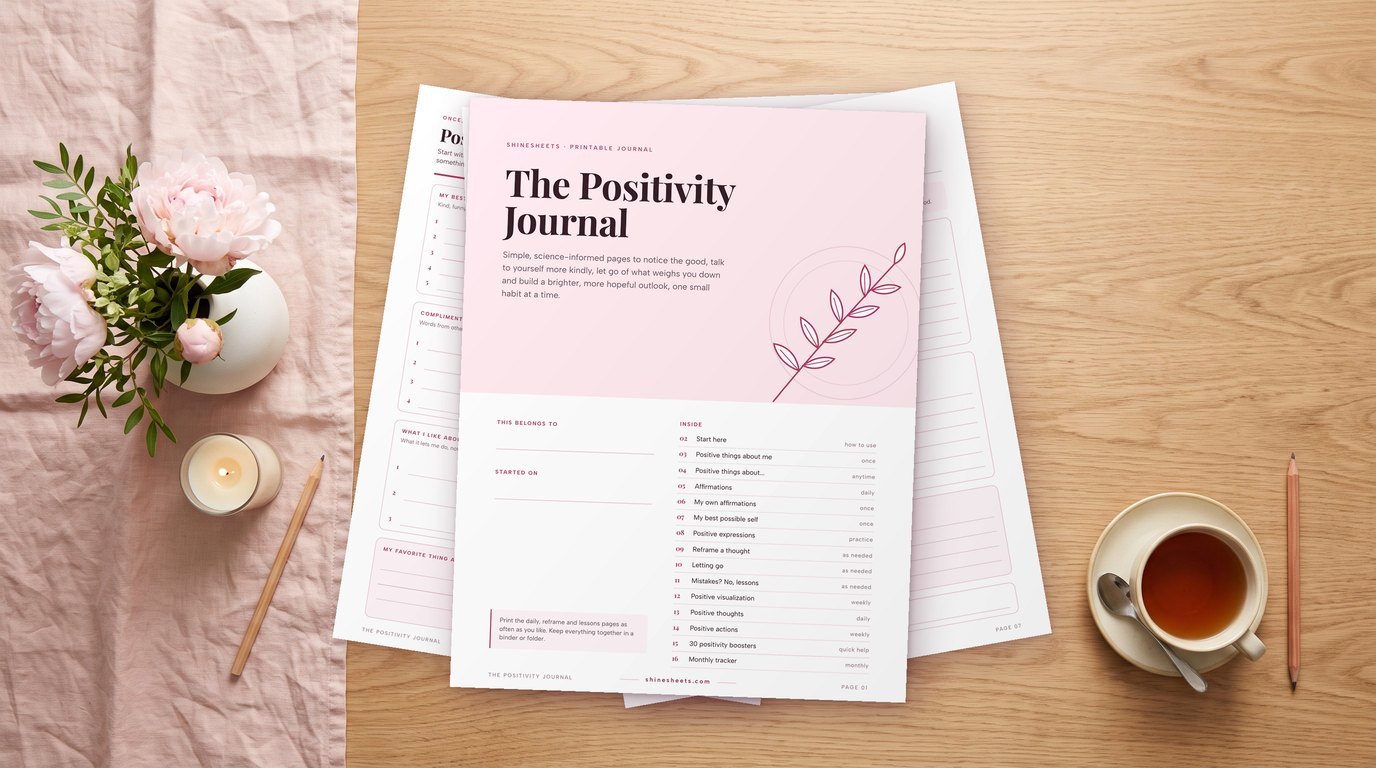
Sit for a moment before getting up. Some people like to jot a few lines in a journal about their place, which helps it feel more real next time. A guided meditation journal gives you gentle prompts for this, if a blank page feels like too much.
Your Safe Place Senses Table
This is the table to keep handy as you build your place. Use the prompt questions to fill in details, borrow from the examples if your mind goes blank, and note the cue you can use to slip back into each sense later.
| Sense | Prompt question | Example detail | Cue to return |
|---|---|---|---|
| Sight | What colors and light surround you? | Pale gold afternoon sun on cream linen curtains | Picture the color of the light |
| Sound | What do you hear, near and far? | Slow waves in the distance, a soft breeze in the leaves | Hum or imagine the rhythm of the sound |
| Smell | What scent is in the air? | Lavender, sea salt, clean sheets or warm tea | A spritz of a familiar calming scent |
| Touch | What does your skin feel? | Warm sand under your feet, a heavy, soft blanket | Press your palms on your thighs or hold something soft |
| Taste | Is there a taste that feels comforting? | A sip of chamomile, fresh cool air | A slow sip of water or tea |
| Body feeling | Where do you feel calm in your body? | Shoulders heavy, jaw loose, belly soft | Hand on chest and your cue word |
Scent can be an especially strong anchor. If you picture lavender in your place, a lavender pillow spray on your pillow before you practice can link the real smell to the imagined one. Choose a light, gentle scent, and skip it entirely if fragrance bothers you.
A 2-Minute Version for Hard Moments
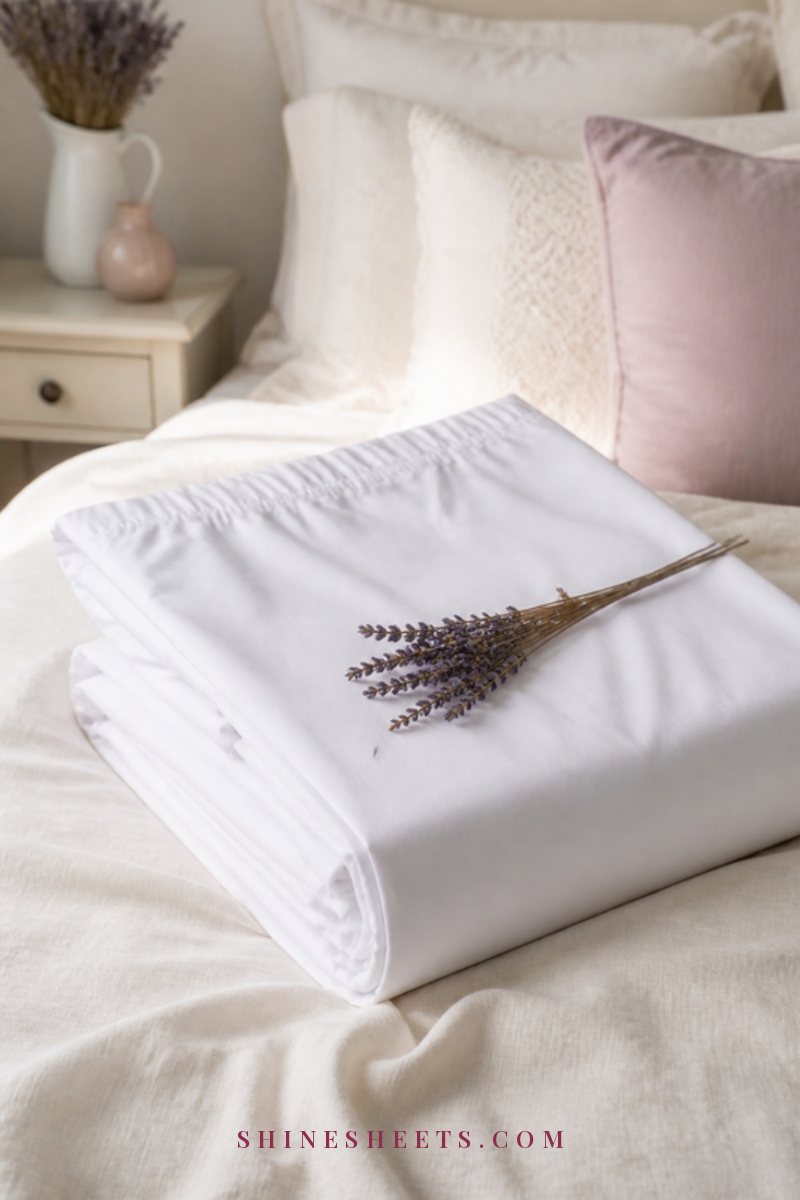
Once you've practiced the full script a few times, you can visit your place in about two minutes. This is the version for a stressful afternoon, a waiting room or the minutes before a hard conversation.
- Breathe (30 seconds): Three slow breaths, longer out than in.
- Cue (15 seconds): Say your cue word silently and use your gesture if you have one.
- Arrive (45 seconds): Picture your place and pick just two senses, usually the strongest ones for you.
- Feel (15 seconds): Notice one spot in your body that softens.
- Return (15 seconds): Feel your feet on the floor, open your eyes and look around.
You can do this with your eyes open, too. Just soften your gaze on one spot. Nobody around you will know you've gone anywhere.
A 10-Minute Version for Evenings
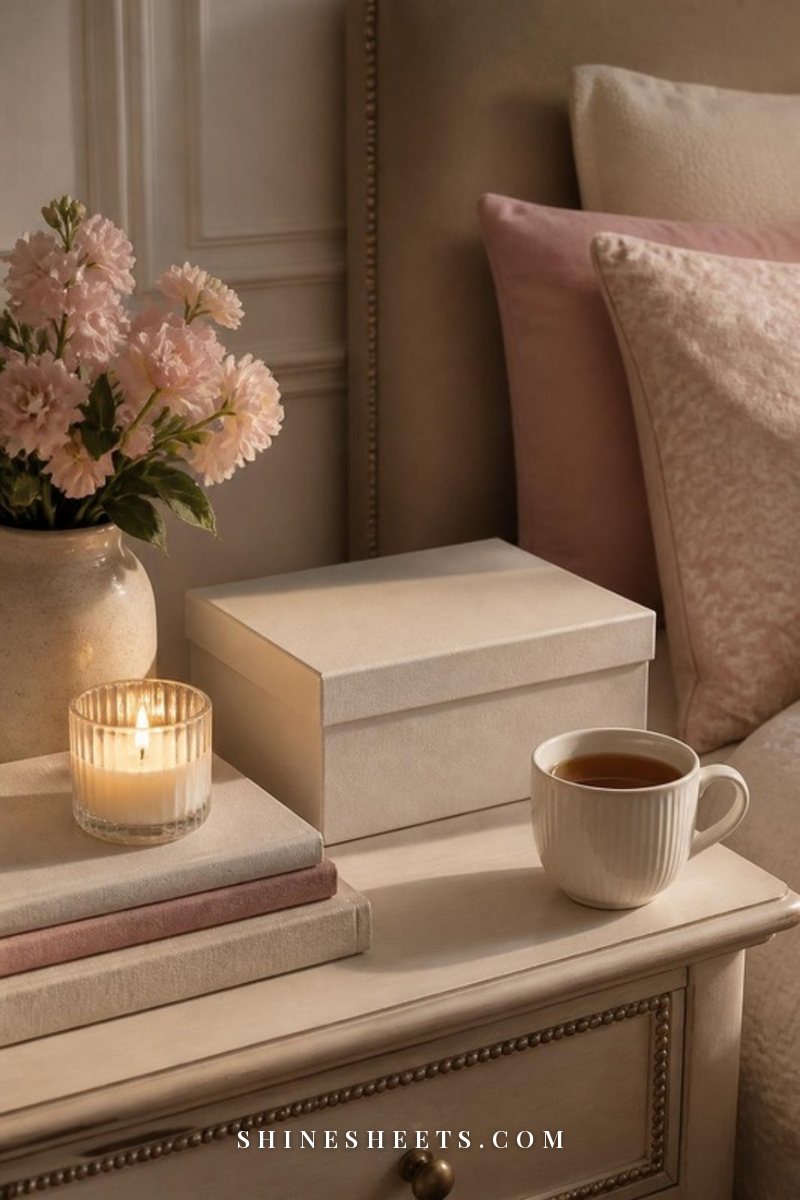
On slower evenings, give yourself the full experience. This longer version is wonderful as part of a wind-down routine, and it keeps the place vivid and familiar.
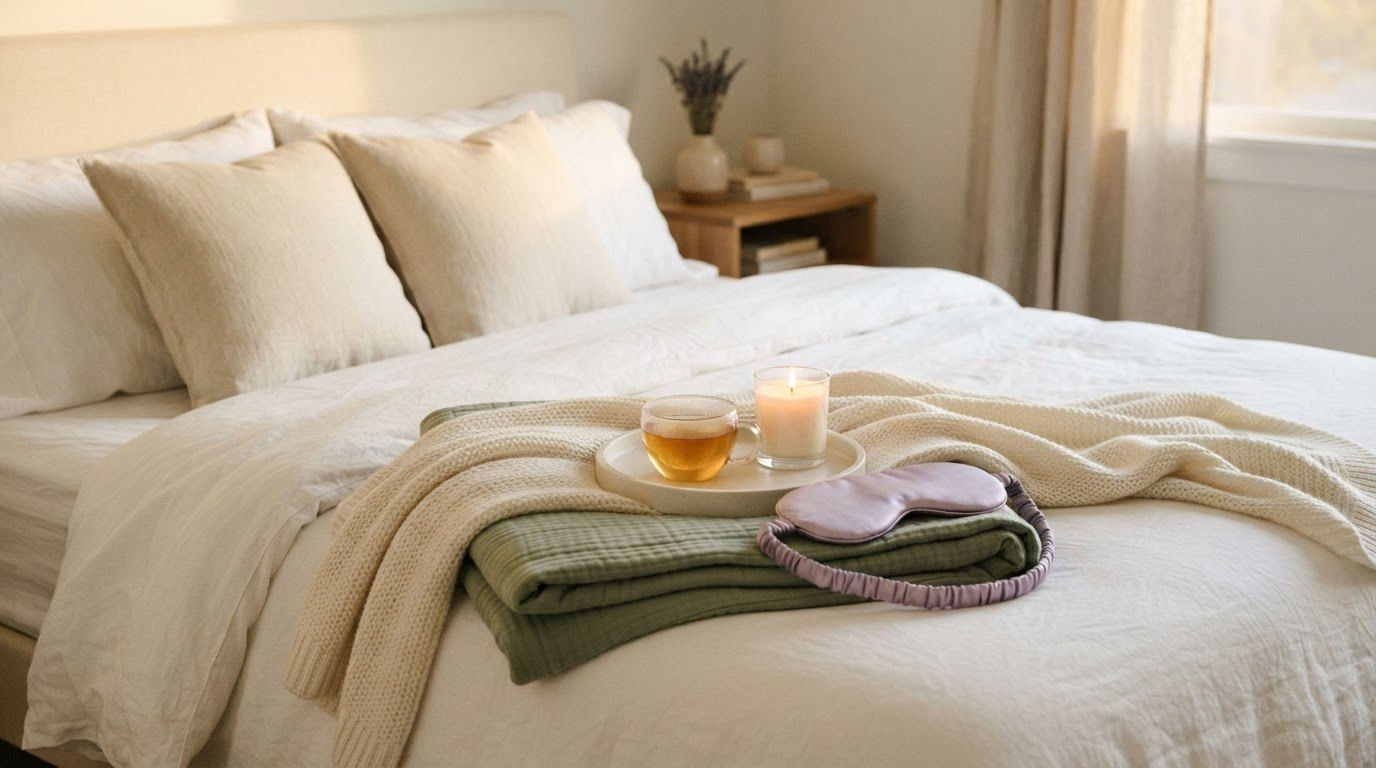
- Set the scene (1 minute): Dim the lights, light a candle (and blow it out before you drift off), make tea if you'd like.
- Settle (2 minutes): Lie down, and if it feels good, rest a sage weighted lap pad on your lap or belly. Gentle pressure can feel grounding for many people. Choose one that's comfortably heavy, not restrictive, and remove it if it ever feels like too much.
- Move through all six steps (6 minutes): Take your time in each sense and add one new detail to your place each session.
- Return and rest (1 minute): Come back slowly, then lie still for a moment.
If background noise makes it hard to settle, a soft white noise machine can mask traffic or household sounds. Look for one with gentle, non-looping sounds like rain or ocean and a volume that goes really low.
Tips That Make It Easier
A few small things help safe place visualization feel more natural, especially in the first few weeks.
Real or Imagined Places Both Work
There's no rule that your place has to exist. Some people feel calmer with a real memory because it feels more solid; others prefer an imagined place because no real memory comes with complicated feelings attached. Try both and notice which one your body likes.
Keep It Simple
Your place doesn't need to be a palace. One chair, one window and the sound of rain is plenty. In fact, simple places are often easier to reach quickly when you're stressed. You can add details over time, like a favorite blanket or a vase of flowers, but only if they make it feel calmer, not busier.
Pair It With Breath and Grounding
Visualization works beautifully as part of a small toolkit. Start with a few slow breaths, visit your place, then finish with a grounding step like feeling your feet on the floor. If you'd like more ways to come back to your body, my guide on gentle grounding practices to feel safe in your body has twelve to choose from. And on nights when you'd rather read the words than imagine them, a calming mindfulness script for anxiety can be a nice companion.
What To Do If It Feels Hard or Unsettling
For most people, safe place visualization feels pleasant or simply neutral. But sometimes it doesn't, and that's okay. It doesn't mean you're doing it wrong or that something is wrong with you.
It can feel hard if:
- your mind keeps wandering back to worries (very common, especially at first)
- the place you chose brings up mixed feelings or memories
- closing your eyes makes you feel more anxious rather than less
- you can't picture anything at all
Here's what to do:
- Stop and open your eyes. If anything feels distressing, you can always leave. Look around the room and name a few things you see.
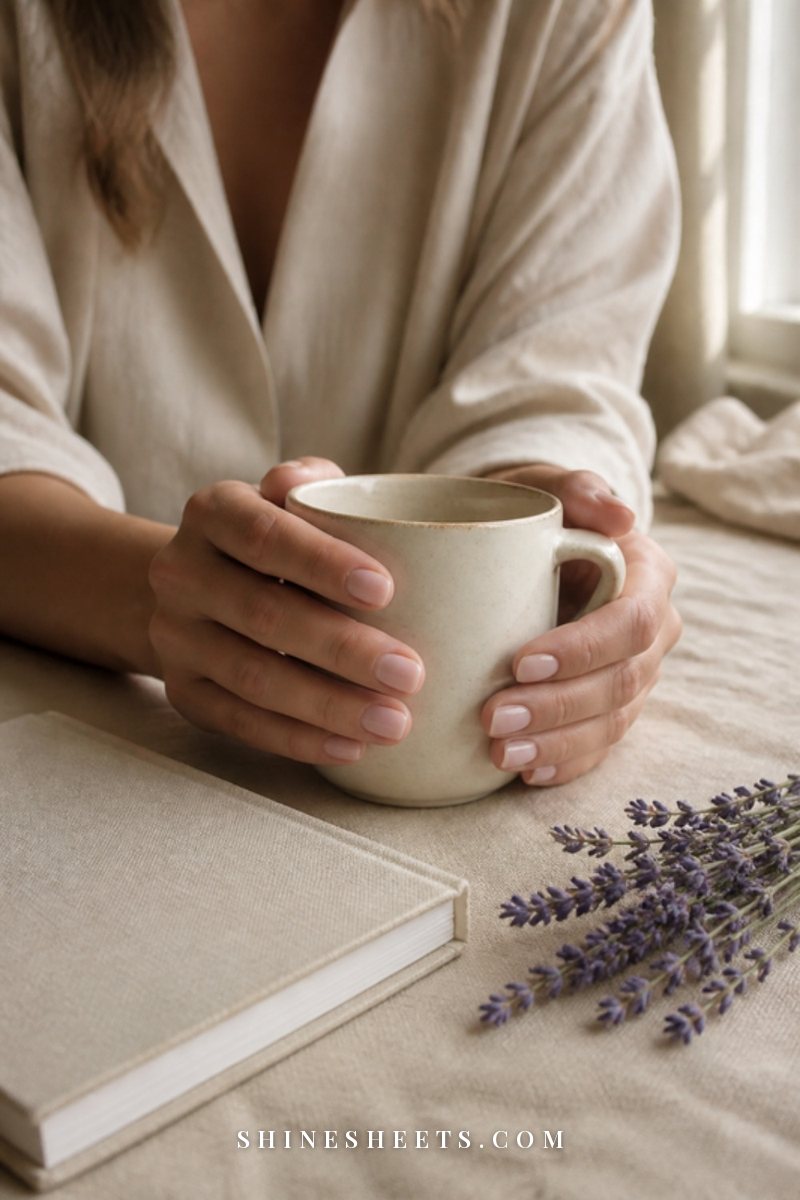
- Ground with touch. Press your feet into the floor, hold a warm mug, or run your hands over a soft blanket. Feel the real world under your hands.
- Try a different place. If one place brings up difficult feelings, let it go and choose another, maybe an imagined one with no history.
- Keep your eyes open next time. Soften your gaze on a spot on the floor instead.
- Lean on sounds or feelings instead of pictures. Not everyone thinks in images, and that's fine. You might "hear" your place or "feel" it more than see it.
Wandering thoughts aren't a failure. Each time you notice you've drifted and gently come back, you're practicing the skill.
When To Reach Out for More Support
Safe place visualization is a helpful self-care tool, but it isn't a treatment and it can't replace professional support. Please consider talking to a therapist or your doctor if:
- anxiety is affecting your sleep, work, relationships or daily life
- you feel anxious most days, or it's getting worse over time
- visualization or other relaxation exercises regularly bring up distressing memories or feelings
- you've been through something traumatic and calming exercises feel unsafe
A therapist can help you build a safe place exercise that fits you, alongside other approaches. Asking for that kind of support is a strong, caring thing to do for yourself.
Final Thoughts
A safe place in your mind is a small thing, but it's yours, and you can carry it everywhere. A waiting room, a busy train, a sleepless night: it fits into all of them.
Start with one quiet evening, one simple place and one cue word. Visit it a few times while you're calm, let it grow a little each time, and trust that it will be there when you need it. Your calm place is always just a few slow breaths away.