When you’re exhausted, the goal of cleaning quietly changes. It stops being “a clean house” and becomes “a home that still works for me” – clean cups, a clear path to bed, no smell coming from the trash. That smaller goal is not giving up. It’s the kindest, most realistic version of looking after your space.
This guide is all about low-energy cleaning: what to do when you’re running on empty because of illness, burnout, low mood, long workdays or caring for a new baby. You’ll find a bare-minimum list, gentle tactics that save every bit of energy, 12 low-effort tasks ranked from easiest to hardest, and a table that matches the task to the energy you actually have today.
There is no scoring here and no “should.” Pick one thing, or pick nothing and rest. Both are allowed.
First, a Kinder Definition of Clean Enough

On low-energy days, the only question worth asking is: what does my home need to function? Not to look like a magazine, not to impress anyone – just to keep you fed, rested, safe and reasonably comfortable.
Function over perfection usually means three things: you have something clean to eat from, nothing is attracting bugs or smelling, and you have clean-enough clothes and a bed you can get into. Everything else – dusting, baseboards, organizing the pantry – can wait for a better week without anything bad happening.
It took me a while to understand that rest is part of keeping a home, not the opposite of it. If you struggle with that, my guide on how to stop feeling guilty for resting is a gentle place to start.
Why Cleaning Feels So Hard When You’re Exhausted
Cleaning isn’t one task. It’s dozens of tiny decisions (where do I start, where does this go, which spray is that) plus standing, bending, lifting and carrying. When your body or mind is depleted, every one of those little steps costs more than usual. That’s why a sink full of dishes can feel like a mountain on some days and a ten-minute job on others.
This is different from having messy habits or feeling overwhelmed by clutter in general – if that sounds more like you, my guide on how to be less messy and less overwhelmed by mess looks at the mindset side. Here, we’re talking about the days when the energy simply isn’t there, and the goal is to do the minimum with as little effort as possible.
The trick is to remove decisions and steps wherever you can: fewer trips, fewer products, more sitting down, smaller chunks of time.
It also helps to notice your own energy pattern. Many people have a small window when they feel slightly better – late morning, after a shower, after a cup of tea or coffee. (Coffee perks me up some days and makes me jittery on others, so I treat it as a maybe, not a plan.) If you know your window, save your one small task for it instead of forcing yourself through the hardest hour of the day.
Your Bare-Minimum List
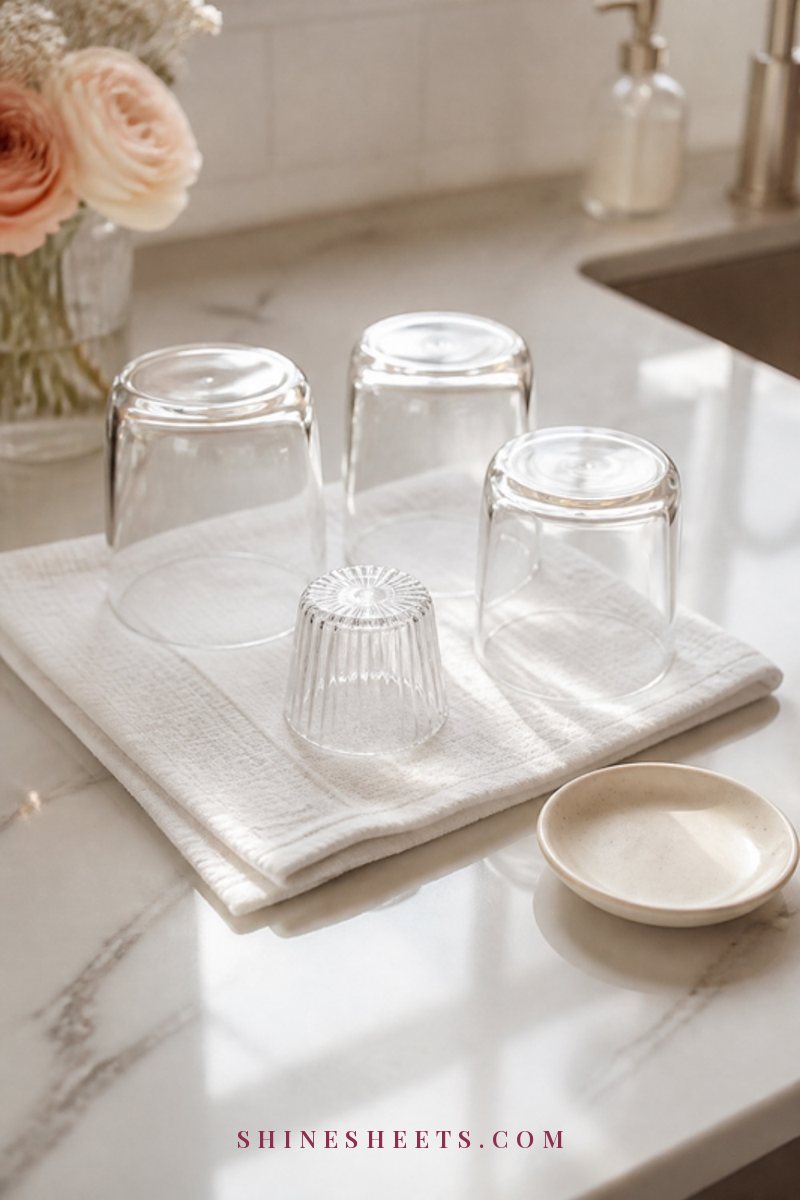
On your hardest days, these three things are enough. If they’re done, your home is working. If even these feel like too much, do one of them – or ask someone to help.
- Dishes. Not the whole sink – just enough to eat from tomorrow. Wash one plate, one bowl, one mug and one set of cutlery, or run the dishwasher if it’s full. If you need a break from dishes entirely for a few days, using paper plates is a completely reasonable choice.
- Trash. Take out anything that smells or is overflowing, especially kitchen trash. Tie the bag and leave it by the door if the trip outside is too much right now; it can go out with the next person who leaves.
- Laundry. Just what you need next: underwear, one comfy outfit, a towel. One small load, no sorting required for everyday clothes in a cool wash.
That’s it. Screenshot the list if it helps, and let it be your finish line instead of a starting point.
Gentle Tactics That Save Energy
These are small shifts in how you clean, not more things to do. Use whichever ones fit your body and your day.
Try the 5-Minute Rule

Set a timer on your phone for five minutes and do one task until it rings. When it does, you’re allowed to stop – truly stop, with no guilt. Five minutes is short enough that starting feels possible, and often the hardest part is simply beginning. Some days you’ll want to keep going; other days five minutes is the whole session, and that still counts.
A gentle variation: one five-minute round, then a ten-minute rest with tea or a lit candle, then decide again. Another option is to tie the five minutes to something you already do: while the kettle boils, while a bath fills, during an ad break. You were going to wait anyway, so the task costs no extra planning.
Choose Sit-Down Tasks
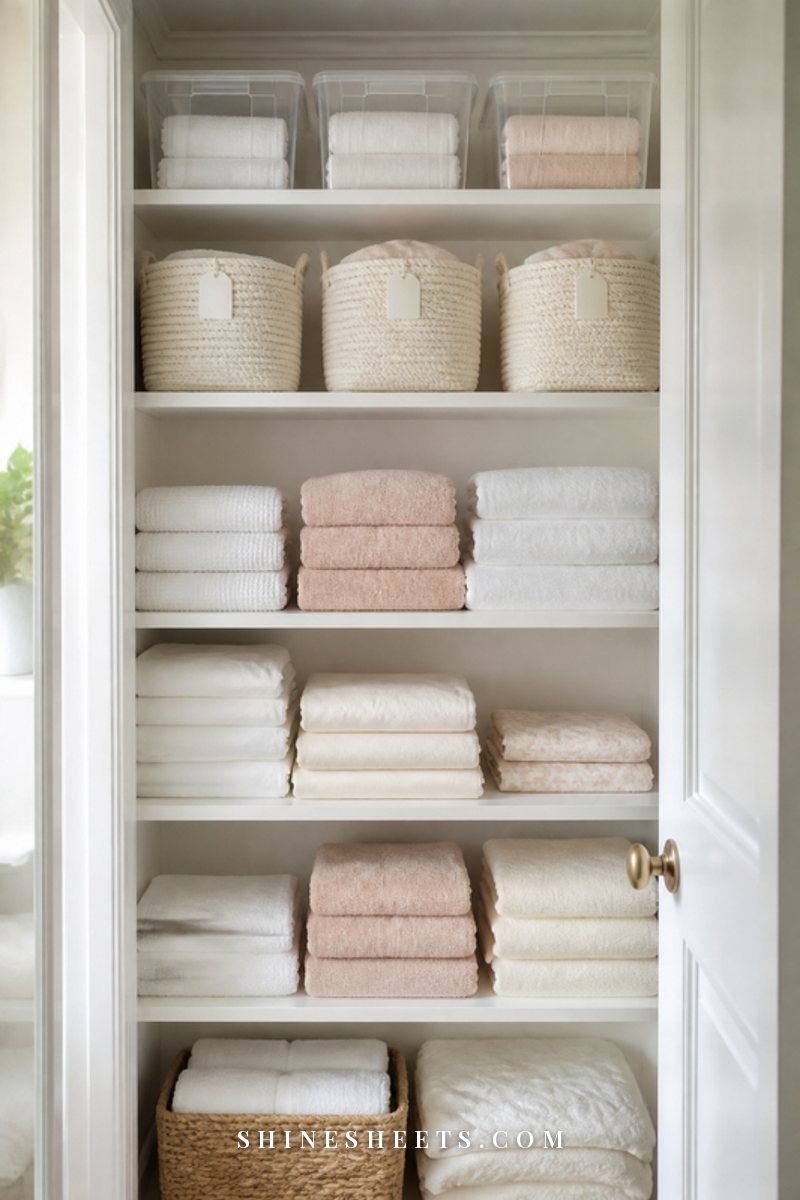
Lots of cleaning can happen sitting down. Fold laundry on the sofa or the bed. Sort mail at the table. Wipe the coffee table from your seat. Sit on a stool at the sink while you wash a few dishes. Pair up small jobs that can all be done from one chair, so your body only has to get up once.
Focus on One Zone
Instead of “clean the kitchen,” choose “the counter next to the stove” or “the bathroom sink.” One small zone gives you a visible result quickly, and a visible result is quietly motivating. Start with the zone you see most often – usually your bedside table or the kitchen counter – because it changes how the whole home feels.
Keep Supplies Where You Use Them
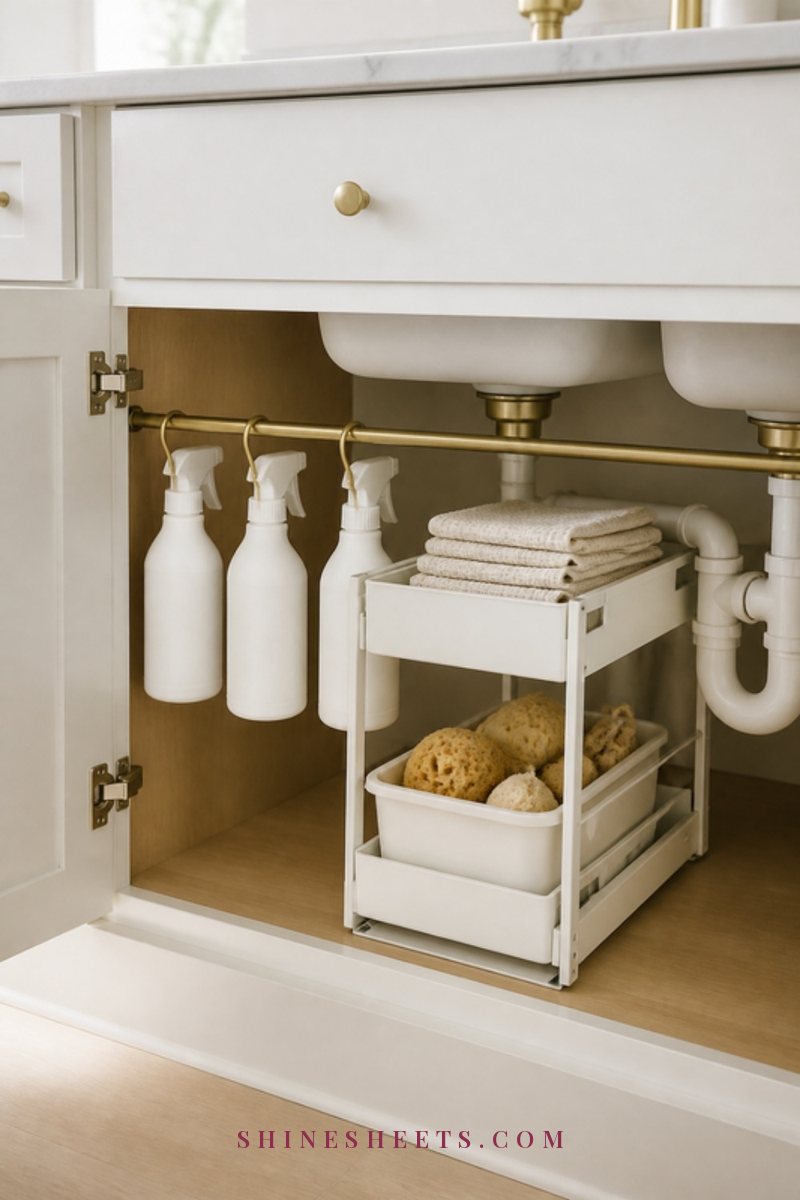
Every trip to fetch a spray or a cloth costs energy. Keep a small set of supplies in each room where you clean most – a bathroom, the kitchen, maybe the bedroom. A white cleaning caddy with a handle under the bathroom sink with an all-purpose spray, a couple of cloths and a toilet brush nearby means a quick wipe takes one minute instead of five.
A set of soft microfiber cleaning cloths is one of the most energy-friendly tools you can own: a slightly damp cloth picks up dust, crumbs and fingerprints with no spray at all. Look for a set of 12 or more so you can toss used ones in the laundry and grab a fresh one without thinking.
Lean on Shortcuts Without Guilt
Disposable cleaning wipes, a dish brush with soap in the handle, a dishwasher pod instead of measuring, a shower spray you mist on after your last shower of the day – these are not lazy. They are tools that remove steps, and removing steps is exactly what low energy needs.
For the bath and shower, a long-handled scrub brush lets you clean the tub without kneeling or bending deeply. Look for soft-to-medium bristles and a handle at least 15 inches long. And a small shower squeegee with a hook hung inside the shower makes a 30-second wipe after showering easy enough that it might actually happen.
Pair It With a Podcast or Audiobook
Something nice in your ears changes how a task feels. Save one favorite podcast or a comforting audiobook just for cleaning, so the two start to feel linked. Gentle music works too. The goal is not to push through longer – it’s to make the few minutes you do spend feel a little less heavy.
Ask for Help (and Accept It)
If someone offers to help, let them, and be specific: “Could you take out the trash and run one load of laundry?” is much easier for a friend or family member to say yes to than “let me know if you need anything.” If it’s within your budget, a one-time cleaning visit after an illness or a hard season can be a real gift to yourself. Help is not a failure; it’s how people have always gotten through hard times.
12 Low-Effort Cleaning Tasks, Ranked by Energy Needed
These start with the easiest and move gently upward. On a very low day, stay near the top. On a slightly better day, you might reach the middle. You never have to finish the list.
- Gather trash into one bag. Walk through one room with a bag and drop in wrappers, tissues and empty bottles. No sorting, no decisions.
- Wipe one surface with a damp cloth. The bathroom sink or the counter next to the stove. One cloth, one wipe, about two minutes.
- Swish and flush the toilet. Squeeze cleaner under the rim, leave it for 10 minutes while you rest, then brush quickly and flush.
- Clear your bedside table. Cups to the kitchen, wrappers in the trash, everything else into one small basket. Your first and last view of the day improves instantly.
- Put dishes in to soak. Fill the sink with hot water and a squeeze of dish soap and let everything soak for 20 to 30 minutes. The water does the hard work for you.
- Start one load of laundry. Toss in what you need next, add detergent, press start. Moving it to the dryer later is a separate, tiny task.
- Fold laundry sitting down. Sit on the sofa or bed and fold, or simply sort clean clothes into “mine,” “towels” and “later.”
- Wash a few dishes or load the dishwasher. Do the soaked items first; they rinse clean in seconds. Sit on a stool if standing is hard.
- Quick-vacuum crumbs. A handheld vacuum on the kitchen floor or the sofa, three to five minutes, only where you can see crumbs.
- Change pillowcases only. Fresh pillowcases make a bed feel clean with a fraction of the effort of changing all the sheets.
- Clean one bathroom zone. Sink and tap, or the toilet seat and handle, or a quick shower wipe. One zone, then stop.
- Change the full set of sheets. The biggest task here. Do it in stages: strip the bed, rest, put the fitted sheet on, rest, finish.
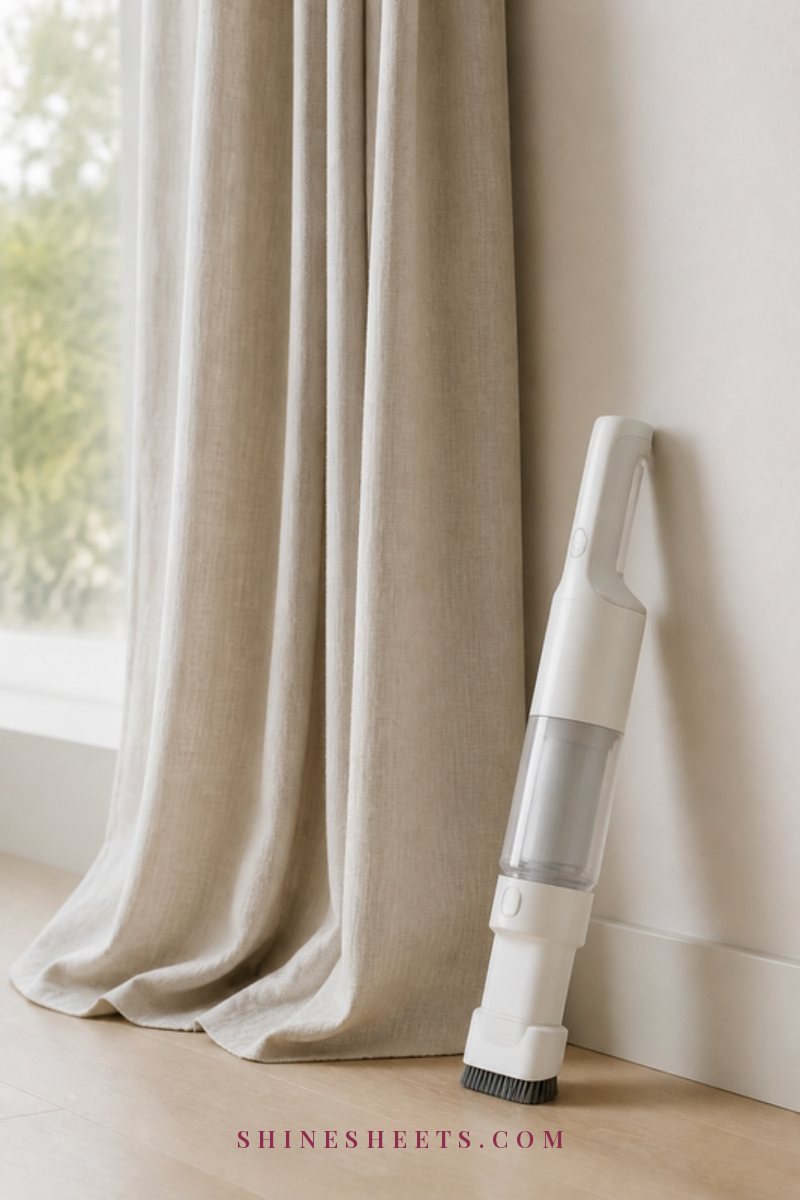
For number nine, a lightweight cordless handheld vacuum is worth considering if you get low-energy days often – look for one that weighs under three pounds and charges on a wall dock, so it’s always ready and never needs to be dragged out of a closet.
Energy Level Table: Match the Task to Your Day
Check in with yourself first: how much energy do I really have right now? Then pick from the matching row – or one row lower, to leave a little energy for yourself afterward.
| Energy level | Task | Time | Payoff |
|---|---|---|---|
| Almost empty | Gather trash into one bag, open a window | 2–3 minutes | Fewer smells, fresher air, less visual noise |
| Almost empty | Wipe one surface with a damp cloth | 2 minutes | One clean spot to rest your eyes on |
| Low | Swish and flush the toilet | 3 minutes plus waiting | A cleaner bathroom without real scrubbing |
| Low | Clear your bedside table | 5 minutes | A calmer first and last view of the day |
| Low | Put dishes in to soak | 2 minutes plus soaking | Tomorrow’s dishes become much easier |
| Some | Start one load of laundry | 5 minutes | Clean clothes and a towel for tomorrow |
| Some | Fold laundry sitting down | 10–15 minutes | Clothes ready to wear, a clearer chair or bed |
| Some | Wash a few dishes or load the dishwasher | 10 minutes | Something clean to eat from |
| Medium | Quick-vacuum crumbs | 3–5 minutes | Floors and sofa feel cleaner underfoot |
| Medium | Change pillowcases only | 5 minutes | A bed that feels fresh |
| Medium | Clean one bathroom zone | 10 minutes | A bathroom that feels cared for |
| Better day | Change the full set of sheets | 20–30 minutes with rests | A fully fresh bed and better sleep comfort |
Notice how much of the payoff comes from the first few rows. A home with the trash out, one clear surface and clean dishes feels very different from the same home without them, even if nothing else changes.
Set Up Your Home for Hard Days
On a better day, a few small setups make the low days much easier. Think of them as kindness to your future self.
- A basket in every room. A woven laundry basket in the bedroom and a small one in the living room give everything a place to go when you can’t put things away properly. Tidy later, or never – the room still feels calmer.
- Trash bags in the bottom of the bin. Keep a few spare bags folded under the current one so changing it takes one motion.
- Fewer dishes out. Put most of your plates and mugs away in a high cupboard for a while and keep a few out. The sink can only fill up so much.
- A small “reset” kit by the sofa. A pack of wipes, a small trash bag and a lint roller within arm’s reach.
- Tiny daily habits for good stretches. When energy comes back, little routines carry you further than big cleaning days. My list of micro habits for a neat and clean home is full of one-minute ideas.
And if a better day arrives and you want to catch up quickly, my guide on how to clean a messy house fast has an order that keeps it from becoming overwhelming. Just don’t spend your entire good day on cleaning – save some of it for you.
When You Need Rest, Not a Clean Kitchen

Some days the right low-energy cleaning plan is no cleaning at all. If your body is asking for rest, rest is the task. A messy kitchen will still be there tomorrow, and you will deal with it better after sleep, food and water.
Rest also means real rest, not lying on the sofa while mentally listing everything you should be doing. If the mess is loud in your head, try saying it plainly: “The kitchen can wait until tomorrow.” Writing it on a sticky note or in a journal can make the decision feel official, and that alone often quiets the guilt enough to actually relax.
A gentle way to decide: if doing a task would leave you more depleted than the mess does, skip it. If the mess is genuinely causing a problem (bugs, a smell, no clean cups), do the smallest version from the bare-minimum list and then stop.
If you’ve been running on empty for a long time because of work or stress, burnout might be part of the picture, and rest is part of the recovery. My guide to gentle burnout recovery walks through small, kind steps for that. Make yourself an evening tea, light a candle, and let the house be lived in for a little while.
When Exhaustion Doesn’t Lift
Everyone has tired weeks. But if you feel exhausted most days, if rest doesn’t seem to help, or if tiredness comes with other changes – low mood that won’t shift, trouble sleeping, getting breathless easily, feeling unwell – please see a doctor. Ongoing exhaustion deserves a proper check, and many causes are very treatable. If low mood is part of it, a therapist or counselor can help too.
You don’t have to be at a breaking point to ask for support. “I’m tired all the time and I don’t know why” is a completely valid reason to book an appointment.
Final Thoughts
Low-energy cleaning isn’t about doing less because you’re failing. It’s about spending the energy you have on what truly matters – clean dishes, fresh air, a bed you want to climb into – and letting the rest wait without shame.
Some weeks your home will sparkle and some weeks it will simply work, and both are fine. You are allowed to rest, to ask for help and to call five minutes enough. Your home is there to look after you, too.