You don't need to change ten things to feel like your life is moving in a better direction. Very often, you need to change one, the right one. Some habits are quiet little levers: once they're in place, other good things start to happen around them without much extra effort.
That's the whole idea behind keystone habits. Instead of overhauling your mornings, your diet, your fitness and your evenings all at once (and burning out by the second week), you pick a single habit that tends to pull others along with it. It's calmer, kinder and much more realistic for a real, busy life.
In this guide you'll find what keystone habits are and where the idea comes from, why they seem to work, seven common keystone habits with tiny starting versions, a table of possible ripple effects, a four-step way to choose yours and how to track it gently for a month. No 5 a.m. clubs, no perfect streaks required.
What Is a Keystone Habit?

A keystone habit is a habit that tends to set off a chain reaction. When it's in place, other habits seem to fall into line more easily, even if you never worked on them directly.
The term was popularised by writer Charles Duhigg in his book The Power of Habit. He borrowed the word from architecture, where the keystone is the wedge-shaped stone at the top of an arch that holds all the other stones in place. Take it out, and the arch wobbles. Put it in, and everything locks together.
Duhigg described patterns he saw in research and in real stories: people who started exercising regularly, for example, often reported eating a little better and sleeping more regularly too, even though nobody asked them to change those things. Families who ate dinner together more often seemed to have other good routines around them as well.
It's worth saying clearly: these are patterns, not guarantees. A keystone habit isn't a magic switch, and what ripples for one person might not ripple for another. But the idea is genuinely helpful, because it changes the question from "How do I fix everything?" to "Which one small thing might make the rest a little easier?"
If you've read my guide on identity-based habits, you'll see they fit together nicely. Identity-based habits are about who you want to become. Keystone habits are about choosing the single habit with the biggest ripple on the way there.
Why Keystone Habits Work
There's no single reason, and that's part of the charm. Keystone habits seem to work through a few gentle mechanisms that overlap and reinforce each other.
Small Wins
Doing one small thing well gives you a little proof that change is possible. That proof is surprisingly motivating. Making your bed in the morning won't transform your career, but it does give you a tiny moment of "I did what I said I'd do," and those moments add up.
Small wins also lower the emotional cost of the next change. Once you've kept one promise to yourself for a few weeks, the next one feels less intimidating.
Structure
Many keystone habits quietly add structure to your day. A regular bedtime, for example, shapes your evening (you need to wind down earlier), your morning (you wake up more rested) and your energy in between. One anchor point creates a gentle frame for everything around it.
Structure is especially kind to anyone prone to anxiety. I find that when my evenings have a familiar rhythm, with tea, a glass candle and a few lines in my journal, my mind has fewer loose ends to worry about at night.
A Quiet Shift in How You See Yourself
This is perhaps the most powerful part. When you do something consistently, you start to see yourself a little differently. "I'm someone who moves every day" or "I'm someone who plans ahead" slowly becomes true, and people tend to act in ways that match how they see themselves.
That shift is what makes the ripple possible. Someone who sees herself as caring for her body is more likely to drink water, choose rest and go to bed on time, not because of willpower, but because it feels like who she is.
7 Common Keystone Habits
These seven habits come up again and again as habits with a wide ripple. You don't need all of them. Read through, notice which one makes you think "oh, that would help," and start there.
1. A Regular Bedtime
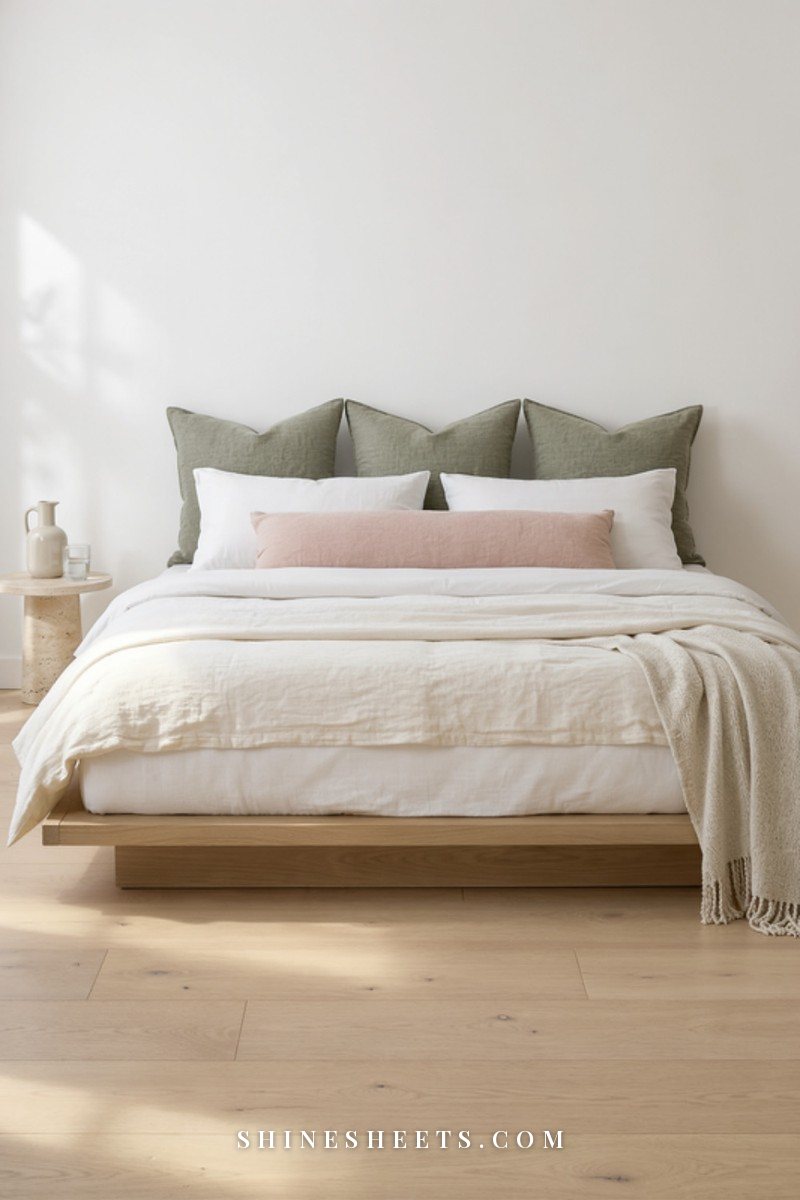
Going to bed at roughly the same time each night is one of the most common keystone habits. Better sleep often makes it easier to wake up on time, think clearly, manage stress and make calmer food choices the next day.
Tiny starting version: pick a "lights out" time and aim to be within 30 minutes of it on most nights. Set a gentle reminder an hour before. If phone alarms feel jarring, a white sunrise alarm clock is a pick for a softer wake-up that makes a steady rhythm feel less like a battle.
2. Daily Movement
Regular movement is the example Duhigg mentions most often. It doesn't need to be intense. A walk, a short yoga flow or a dance around the living room all count.
Tiny starting version: ten minutes a day, at about the same time. Leave a sage green yoga mat rolled out in a corner of the room, so starting takes no effort at all. Many people notice they drink more water, sleep a little better and feel more patient on days they've moved.
3. Planning Tomorrow the Night Before
Spending a few minutes each evening on tomorrow's plan can make mornings calmer and help you focus on what matters instead of reacting to whatever comes up first.
Tiny starting version: five minutes after dinner. Write down your top three tasks for tomorrow and one thing you're looking forward to. A lavender weekly planner is a pick if you like seeing the whole week at a glance, and a gold-tipped pen set makes the ritual feel a little more special.
4. Making Your Bed
It sounds almost too simple, but making your bed each morning is a classic keystone habit. It's a quick, visible win, it makes your bedroom feel calmer and it often nudges you toward tidying a little more.
Tiny starting version: pull up the duvet and straighten the pillows, under two minutes. If you like starting with tiny actions, my guide on the two-minute rule explains why this kind of small start is so effective.
5. A Weekly Review
A short weekly look back and look ahead helps you notice what's working, catch things before they pile up and plan time for what you care about, including rest.
Tiny starting version: 15 minutes on the same day each week. Answer three questions: What went well? What felt hard? What's one thing I want to protect next week? A cream habit journal with a weekly page is a pick for keeping these reflections in one place.
6. Eating Meals at a Table
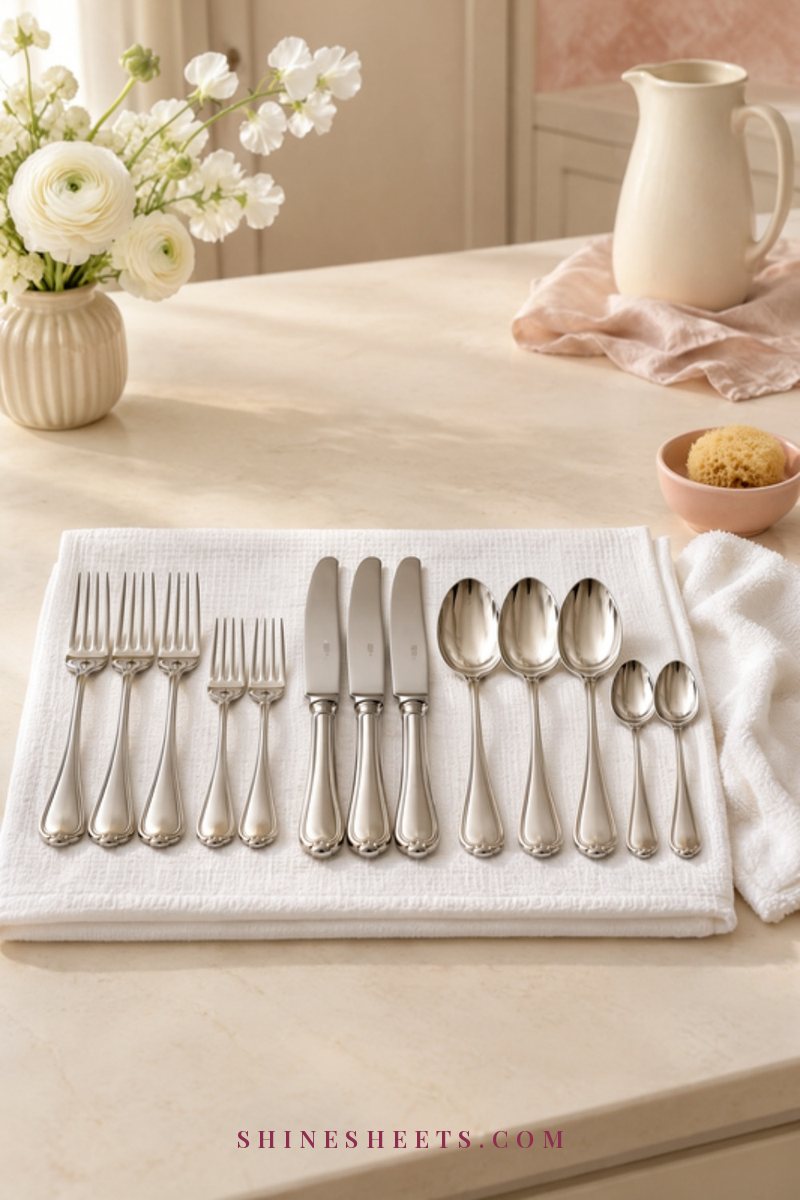
Sitting down for meals, instead of eating at your desk, on the sofa or while standing at the counter, can slow you down, help you notice when you're full and give your day a few natural pauses.
Tiny starting version: one meal a day at a table, with your phone in another room. Lay a napkin, use a real plate and give yourself at least 15 minutes. Many people find this small act of care spills into how they treat themselves in other ways.
7. A Short Daily Tidy
A quick tidy at the end of the day resets your space, so tomorrow starts calmer. It's a habit with a lovely ripple: a clear kitchen counter makes breakfast easier, a clear desk makes starting work easier and a clear bedside table makes sleep feel more inviting.
Tiny starting version: ten minutes before your evening wind-down. Set a timer, put things back where they belong and stop when it rings, even if you're not finished.
Keystone Habit Starter Table
Here's the heart of this guide: each of the seven habits with a tiny way to begin, the ripple effects people often notice and the time of day it tends to fit best. Screenshot it and keep it handy while you choose.
| Keystone Habit | Tiny Starting Version | Possible Ripple Effects | Best Time of Day |
|---|---|---|---|
| A regular bedtime | Lights out within 30 minutes of the same time most nights | More energy, calmer mornings, steadier mood, easier food choices | Evening |
| Daily movement | Ten minutes of walking, stretching or yoga | Better sleep, more water, more patience, lighter stress | Morning or late afternoon |
| Planning tomorrow | Top three tasks and one nice thing, five minutes | Calmer mornings, more focus, fewer forgotten tasks | After dinner |
| Making your bed | Duvet up, pillows straight, under two minutes | Tidier bedroom, a sense of a fresh start, more tidying | Right after getting up |
| A weekly review | Three questions in 15 minutes | Fewer surprises, more rest planned in, clearer priorities | The same day each week |
| Meals at a table | One meal a day, phone away, 15 minutes | Slower eating, more presence, natural pauses in the day | Lunch or dinner |
| A short daily tidy | Ten-minute timer, stop when it rings | Easier mornings, calmer space, less weekend cleaning | Before your evening wind-down |
Remember that "possible" is the important word in the ripple column. Your ripples might look different, and that's part of what makes noticing them so interesting.
How To Choose Your Keystone Habit in 4 Steps
The best keystone habit for you depends on your life right now, not on what works for someone else. These four steps help you find it in about 20 minutes with a notebook and a cup of tea.
1. List What Feels Messy
Write down the areas of your life that feel chaotic, draining or out of step with how you'd like to live. Don't filter. "Mornings are rushed." "I'm always tired." "I never have time to read." "The kitchen is always a mess." Aim for five to ten items.
2. Look for the Root
Read your list and ask, for each item: what's underneath this? You'll often notice that several items share a root. Rushed mornings, tiredness and snacking late at night might all trace back to going to bed too late. A messy kitchen and a stressful start to the day might both trace back to no evening reset.
Circle the root that shows up most often. That's usually where your keystone habit lives. If one item is really a habit you'd like to stop rather than start, my guide on how to break bad habits is a better place for that one.
3. Pick One Tiny Version
Choose the keystone habit that matches your root, then shrink it until it feels almost too easy. Not "exercise every day for an hour," but "walk for ten minutes after lunch." Not "a full Sunday planning session," but "15 minutes with three questions."
The goal in the first month is consistency, not impact. You can always grow the habit later once it feels automatic.
4. Attach It to an Existing Routine
Link your new habit to something you already do every day. A simple formula: "After I ___, I will ___." For example: "After I put the kettle on in the evening, I will write tomorrow's top three tasks." Or: "After I brush my teeth in the morning, I will make my bed."
This is the same idea as habit stacking, and my guide on habit stacking with 30 examples has plenty of ideas if you'd like more inspiration.
Track Gently for a Month
Give your keystone habit about a month before you judge it. That's long enough to settle into a rhythm and short enough to feel doable.
- Mark each day simply. A small dot or tick in your journal is enough. No apps, no complicated systems.
- Write one line a week about ripples. Did you notice anything else shifting? Sleeping a little better, feeling calmer, tidying without thinking about it?
- Miss a day, carry on. A missed day is not a broken habit. Try not to miss two in a row, but if you do, simply start again the next day.
- Adjust, don't abandon. If the habit feels too hard, make it smaller. If it feels too easy after three weeks, you can add a little.
At the end of the month, read back through your weekly lines. You might be surprised by how much has quietly changed around one small habit. If you'd like a fuller guide to making new routines last beyond the first month, my post on how to create new habits that stick covers that next stage.
Signs Your Keystone Habit Is Working
Ripples are often subtle, so it helps to know what to look for. You probably won't wake up one morning feeling like a new person. Instead, you'll notice small things that used to take effort starting to happen on their own.
- Other choices feel easier. You reach for water instead of a third coffee (which, on my more anxious days, is a kindness to my nerves), or you put your clothes away without a pep talk.
- Your days have a clearer shape. There's a natural beginning, middle and end, rather than one long blur.
- You talk to yourself a little more kindly. "I'm someone who looks after herself" starts to feel believable.
- Missing the habit feels odd. On a day you skip it, something feels slightly off, which is a lovely sign it's becoming part of you.
- You have a bit more energy for something new. Not a burst of motivation, just a quiet sense that you could add one more small thing if you wanted to.
If none of these appear after a month, that's useful information too. It doesn't mean you failed. It may simply mean this habit isn't your keystone right now. Go back to your list of what feels messy, look for a different root and try again with a fresh tiny version.
And when one keystone habit feels truly settled, usually after two or three months, you can choose a second one. Keep it to one new habit at a time. The slow way is still the fastest way to something that lasts.
What Keystone Habits Are Not
Because the idea is so appealing, it can easily get swept into hustle culture. So, a few gentle reminders:
- They're not about waking up at 5 a.m. Your keystone habit should fit your natural rhythm, not fight it.
- They're not about perfect streaks. Consistency over time matters much more than never missing a day.
- They're not about doing more. Often the best keystone habit actually gives you more rest, not less.
- They're not a promise. Ripples are possible, not guaranteed. Some habits will simply be nice habits, and that's fine too.
If you notice yourself feeling guilty or anxious about your habit, that's a sign to make it smaller or softer. Habits are meant to support your life, not judge it.
Final Thoughts
Keystone habits are a lovely reminder that big change doesn't always need big effort. One steady bedtime, ten minutes of movement or five minutes of planning at night can quietly reshape your days.
Choose one, make it tiny, attach it to something you already do and give it a month of gentle attention. Whatever ripples come from it, you'll have proven something important to yourself: that you can change your life one small, kind step at a time.