
Curiosity isn't a talent some people are born with and others missed. It's a habit of attention: noticing something, wondering about it for a moment longer than usual, and following that little thread just to see where it goes. And like any habit, it grows with small, repeated practice.
The lovely part is what it gives back. Curious days feel longer and fuller in the best way. Ordinary walks get more interesting, conversations get deeper, and learning stops feeling like homework. I'm prone to anxiety, and I've noticed that wondering about something gently pulls my mind out of the worry loop, at least for a while. A curious mind has somewhere better to go.
This guide is all about how to be more curious, gently and on a small budget. You'll find why curiosity makes life feel richer, what makes it different from simply being interesting company, 15 easy habits grouped into noticing, learning, people and play, a table with the time and cost of each habit, and kind fixes for the things that quietly block curiosity.
Why Curiosity Makes Life Feel Richer

Curiosity is one of those quiet qualities that touches almost everything. A few of the ways it shows up:
- Less boredom. When you're curious, there's almost always something to wonder about, even in a waiting room or on a familiar walk.
- Better relationships. People feel seen when you're genuinely interested in them. A curious question often means more than a perfect answer.
- Easier learning. Things you wonder about tend to stick, because your brain treats them as answers you wanted rather than facts you were handed.
- A softer kind of confidence. Curiosity makes "I don't know" feel exciting instead of embarrassing.
- More delight. The small stuff (why moss grows on one side of a tree, how a song was recorded) starts to feel like little gifts.
And it's never too late. Curiosity can be practised at any age and in any season of life. You don't need a big change, a lot of time or a lot of money. You need a few minutes of attention, repeated often.
Curiosity Is an Inner Habit, Not a Performance
It's easy to mix up being curious with being interesting. They're related, but they're not the same. Being interesting is mostly about how other people experience you: your stories, your conversation, your energy at a dinner table. If that's the side you'd like to work on, my guide on how to be more interesting covers it in detail.
This article is about the inside part. Curiosity is your private habit of wondering, exploring and asking "huh, why is that?" even when nobody is watching and nobody will ever hear about it. It's not something to show off. It's a way of meeting the world.
That also means there's no pressure here to be productive. You're not collecting facts to impress anyone or turning every interest into a project. If a curiosity leads nowhere useful, that's completely fine. The wondering was the point.
It helps to remember that curiosity isn't fixed. If you've always thought of yourself as "not a curious person", that's a story, not a fact. The idea behind a growth mindset applies beautifully here: you're not someone who is or isn't curious, you're someone who can practise it.
15 Habits To Become More Curious
These are grouped into four small families: everyday noticing, learning, people and play. You don't need all fifteen. Pick two that feel fun (not two that feel like "should"), try them for a couple of weeks, and add more when you're ready.
Everyday Noticing
Curiosity starts with noticing. These habits fit into the days you already have, without adding anything to your calendar.
1. Take a New Route
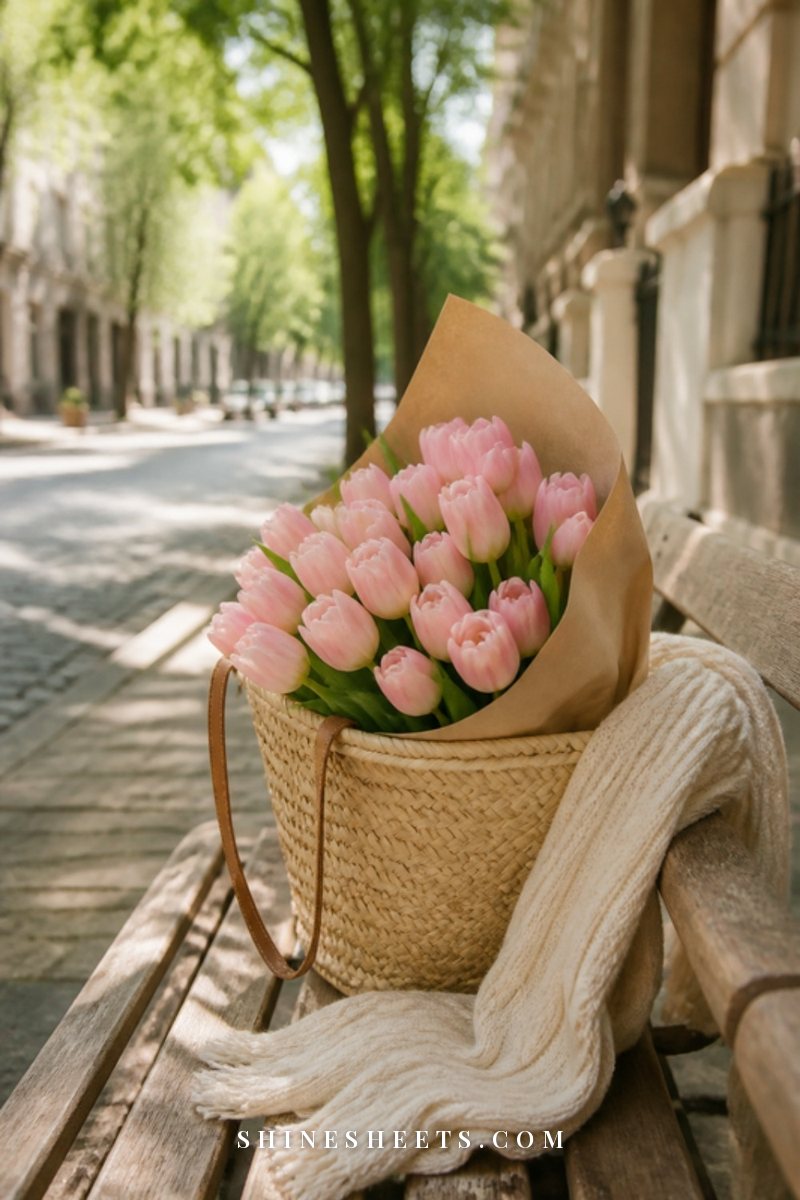
Familiar routes switch your brain to autopilot. A new one switches it back on. Once a week, walk, drive or take the bus a slightly different way: one street over, a different park entrance, the long way to the store.
Give yourself one tiny task on the new route, like noticing three things you've never seen before (a painted door, an unusual tree, a little shop). It takes no extra time if you plan it for a day that isn't rushed, and it turns errands into small adventures.
2. Ask "Why Does This Work?"
We use dozens of clever things every day without wondering about them. Pick one ordinary object or process and ask how it works: a zipper, a tea bag, a dimmer switch, the way bread rises, why your kettle clicks off by itself.
Try to guess the answer first (this is the fun part), then look it up. Five minutes, once a day or a few times a week. You'll start to see the world as full of small, solved puzzles.
3. Observe Without Your Phone
Phones are wonderful for answering questions, but they're very good at stopping questions from forming in the first place. When there's nothing to wonder about for ten seconds, we reach for the screen.
Choose one daily moment to leave your phone in your bag: the line at the coffee shop, the first five minutes in a park, the wait for a friend. Just look. Notice what people are carrying, what the light is doing, what sounds you can hear. A little boredom is often the doorway to curiosity.
4. Look Closely at One Ordinary Thing
Set a timer for five minutes and look at one thing very closely: a flower, a leaf, a seashell, the grain of a wooden table, the inside of a cut lemon. Notice the colors, the patterns, the tiny imperfections.
This sounds almost too simple, but it's a powerful practice. It trains your attention to slow down, and slow attention is where most questions are born. It's a lovely thing to do with your evening tea, too.
Learning
These habits feed your mind with new ideas, gently and at your own pace. No courses to finish, no grades, no pressure.
5. Follow One Rabbit Hole a Week

A rabbit hole is when one question leads to another, then another, and an hour later you know everything about the history of buttons. Instead of feeling guilty about that, make space for it on purpose.
Once a week, take one thing you wondered about and follow it for 30 to 60 minutes: articles, a documentary, a library book, an encyclopedia entry. A small clip-on reading light makes evening reading in an armchair or in bed easy on the eyes. The only rule is that you follow what's genuinely interesting, not what's useful.
6. Browse the Library Without a List

Searching for a specific book is great, but browsing is where curiosity lives. Once or twice a month, go to your local library with no list at all. Walk to a section you've never visited (gardening, architecture, mythology, travel, crafts) and pick one book just because the cover or title made you wonder.
A sturdy library tote bag that lives by your door makes it easy to say yes to a spontaneous visit. And if you'd like to read more of what you bring home, my tips on how to read more books make it much easier.
7. Learn a Word a Day
New words are tiny windows into new ideas. Each day, find one word you don't know (from a book, a word-a-day site or an app, or a dictionary opened at random) and write it down with its meaning and one sentence of your own.
A small set of pastel pens makes this feel like a little ritual rather than a vocabulary drill. It takes two minutes. Within a month you'll have thirty new words, and probably a few new interests hiding inside them. If you love this kind of tiny daily learning, my guide on how to learn something new every day has more gentle ideas.
8. Try a Low-Cost Class
Libraries, community centers, local museums and garden centers often run talks and workshops that cost little or nothing. There are also lots of no-cost online lectures from universities and museums.
Choose one class a season on something you know nothing about: bird watching, local history, bookbinding, the basics of astronomy, a language taster evening. Being a complete beginner among other beginners is one of the friendliest ways to wake up curiosity.
With People
Every person you meet knows things you don't. These habits turn everyday conversations into quiet discovery.
9. Ask Follow-Up Questions

Most conversations stay on the surface because we move on too quickly. The simplest curiosity habit with people is one extra question. When someone tells you something, ask about it before switching to your own story.
Easy follow-ups to keep in your pocket:
- "How did you get into that?"
- "What's the hardest part about it?"
- "What surprised you?"
- "What do you love most about it?"
One follow-up per conversation is plenty to start. If you'd like more ideas, my sister article on how to ask better questions goes much deeper.
10. Talk to Someone From a Different Generation
People older or younger than you see the world through completely different experiences. A grandparent, an older neighbor, a younger cousin, a coworker from another generation: each of them has stories and opinions you'd never come across on your own.
Ask about something specific rather than "what was it like back then?" Try: "What was your first job like?", "What did you do on weekends when you were my age?" or, with someone younger, "What are you into right now that I've probably never heard of?" Then listen more than you talk.
11. Listen to Opposite Views
This one is a little braver. Curiosity means wanting to understand, not just to agree. Once in a while, listen to a calm, thoughtful person who sees something differently from you, whether that's in a conversation, a book or a long-form interview.
You don't have to change your mind. Your only goal is to be able to explain their view fairly, in a sentence, as if you were describing it to a friend. Choose low-stakes topics at first (how to raise a garden, whether city or country life is better) and keep it kind. Understanding someone isn't the same as agreeing with them, and that's what makes it so light.
Play
Play is curiosity with permission to be silly. These habits invite you to try, mess up and enjoy it anyway.
12. Try a New Hobby Badly
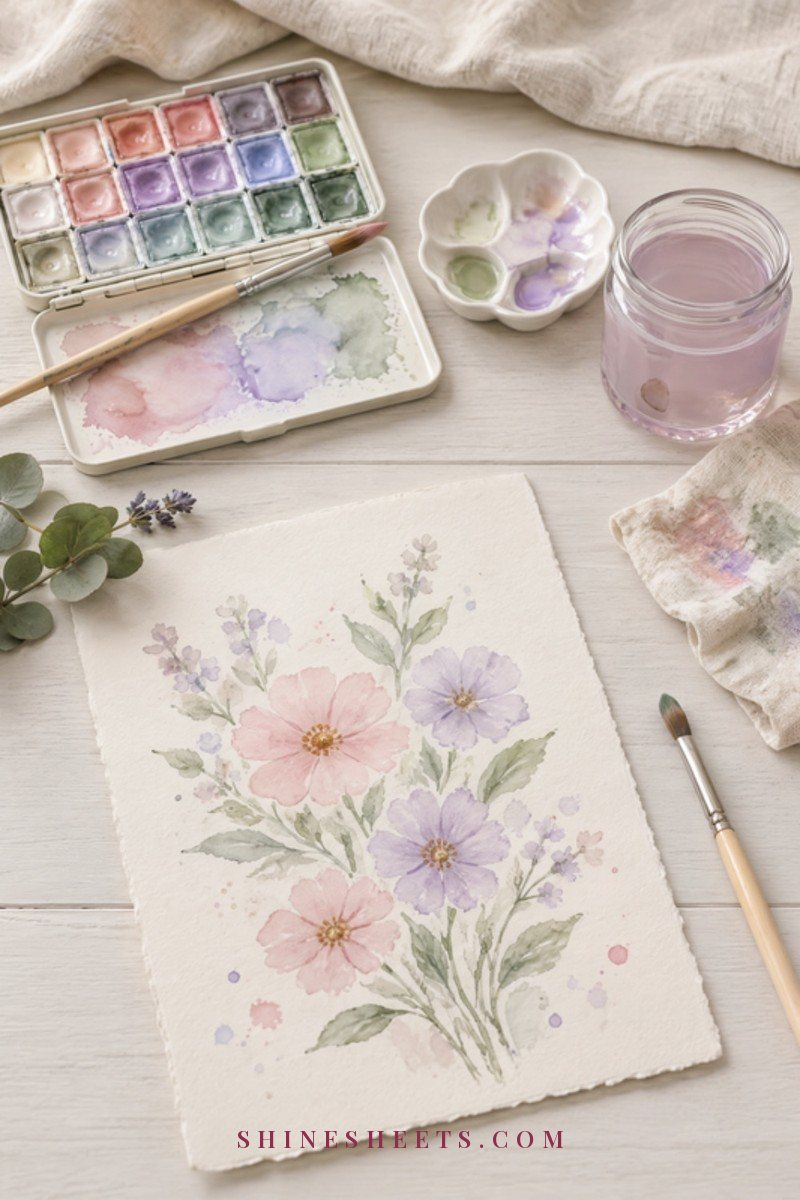
Most of us stop trying new things because we don't like being bad at them. So make "badly" the goal. Choose a hobby you've always been curious about and give yourself permission to be a happy beginner for a month.
A beginner watercolor set is a sweet place to start: twenty minutes, a few wobbly flowers, no expectations. Embroidery, pottery classes, knitting or sketching are lovely too. For more ideas that won't stretch your budget, have a look at my list of cheap hobbies that don't feel cheap.
13. Visit a Local Museum
You don't need a famous gallery. Small local museums, historical houses, botanical gardens and university collections are often low-cost (many have reduced-price or no-cost days) and much quieter.
Go with one curious mission instead of trying to see everything: find the oldest object in the room, pick one painting and look at it for five full minutes, or read every label in a single display case. One room, deeply, beats ten rooms in a rush.
14. Keep a Wonder Notebook

A wonder notebook is simply a place to collect questions. Not answers, not goals, just things you wondered about during the day: "Why do cats knead blankets?" "Who invented the umbrella?" "Why does rain smell like that?"
Look for a small cream linen notebook that can sit next to your evening tea, and jot down two or three questions before you journal or go to sleep (this is the part of my evening I look forward to most). Once a week, pick one question from the list and look it up. You'll be surprised how quickly the notebook fills, and how much fun it is to read back.
15. Say Yes to One Small New Experience a Month
Choose one small thing each month that you've never done before: a type of tea you've never tasted, a dance class, a farmers market in another town, a play, a sunrise walk, a craft fair. Keep it small, close to home and low-cost.
Afterwards, write one line about it in your wonder notebook: what surprised you, and what you'd like to know more about. That second part is how one new experience quietly leads to the next.
The Curiosity Habit Table
Here are all fifteen habits at a glance, with the time and cost each one really needs. Screenshot it and pick your two.
| Habit | Time needed | Cost | What it grows |
|---|---|---|---|
| 1. Take a new route | 0–10 minutes, once a week | None | Fresh attention, everyday adventure |
| 2. Ask "why does this work?" | 5 minutes | None | Understanding of everyday things |
| 3. Observe without your phone | 5 minutes a day | None | Presence, the ability to notice |
| 4. Look closely at one ordinary thing | 5 minutes | None | Slow, detailed attention |
| 5. Follow one rabbit hole a week | 30–60 minutes a week | None to low | Depth, joy of learning |
| 6. Browse the library without a list | 30 minutes, once or twice a month | None | Range of interests |
| 7. Learn a word a day | 2 minutes a day | None | Language, new ideas |
| 8. Try a low-cost class | 1–2 hours a season | None to low | Beginner's mind, new skills |
| 9. Ask follow-up questions | A few seconds per conversation | None | Closeness, deeper conversations |
| 10. Talk to another generation | 20–30 minutes | None | Perspective, connection |
| 11. Listen to opposite views | 20–30 minutes | None | Open-mindedness, empathy |
| 12. Try a new hobby badly | 20 minutes, a few times a week | Low | Playfulness, courage |
| 13. Visit a local museum | 1–2 hours a month | None to low | Wonder, history, art |
| 14. Keep a wonder notebook | 2 minutes a day | Low | A habit of asking questions |
| 15. One small new experience a month | 1–3 hours a month | None to low | Openness, a fuller life |
What Blocks Curiosity (and Gentle Fixes)

If curiosity feels hard to reach right now, it's usually not because something is wrong with you. It's because something is in the way. These are the three most common blocks, and the kind fixes that help.
Fear of Looking Silly
Many of us learned early that asking questions meant admitting we didn't know something, and that not knowing was embarrassing. So we nod along instead.
Gentle fix: practise curiosity in private first, through the wonder notebook, library browsing and rabbit holes, where nobody sees your questions. Then try one small, safe phrase in conversation: "I've never really understood that. How does it work?" Most people love being asked. The silly feeling fades every time nothing bad happens.
Rushing
Curiosity needs a little slack. When every minute is accounted for, there's no room to wonder, because wondering always takes slightly longer than not wondering.
Gentle fix: build in tiny pockets of slowness. Leave ten minutes earlier so you can take the new route. Keep one evening a week unscheduled. Let one walk be aimless. You're not adding a task, you're removing a hurry.
Busyness and Tiredness
When life is full, curiosity is often the first thing to go, and that's understandable. A tired mind wants the familiar.
Gentle fix: lower the bar. On busy weeks, a single "why does this work?" or one new word counts. Curiosity doesn't need big blocks of time to stay alive. It just needs to be fed a little, often. And on weeks when even that feels like too much, rest first. Curiosity comes back much more easily to a rested mind.
Final Thoughts
Learning how to be more curious isn't about becoming a different person. It's about giving the curious part of you a little more room: one new route, one question in your notebook, one follow-up in a conversation, one wobbly watercolor.
Choose two small habits this week and let them be fun. The world is full of quiet wonders, and every one you notice makes life feel a little richer.