The best shower temperature for your skin is probably cooler than the one you love, and warmer than the icy one the internet keeps recommending. Hot and cold water both have real effects on skin and hair, but most of them are smaller and more practical than the hype suggests. For everyday showers, the quiet winner is lukewarm.
That doesn't mean you have to give up the steamy shower that melts your shoulders after a long day, or that a cold splash is pointless. It means knowing what each temperature actually does, so you can choose on purpose instead of out of habit.
This guide compares hot vs cold showers for your skin and hair, without the miracle claims. You'll find what heat and cold really do, the "opens your pores" myth explained, a side-by-side temperature table, the best choice for five common situations, how long a shower should be and the small after-shower habit that matters more than the temperature itself.
A gentle note before we start: I'm not a doctor, and nothing here replaces advice from yours, especially if you have a skin condition or a heart or circulation issue.
What Water Temperature Actually Does to Your Skin
Your skin's outer layer is held together by a mix of natural oils and fats (lipids) that keep water in and irritants out. Think of it like the mortar between bricks. Water temperature mostly affects how much of that mortar gets washed away.
- Warm and hot water dissolve oils more easily. That's great for rinsing off sunscreen and sweat, but the hotter and longer the shower, the more of your skin's protective lipids go down the drain too.
- Cool and cold water remove fewer oils. They also make small blood vessels near the surface narrow for a while, which is why skin can look less flushed or puffy right afterwards.
- Lukewarm water cleans well without stripping as much, which is why dermatologists so often recommend it for daily showers.
The key word is daily. One hot shower won't ruin anything. It's the habit, every day, all winter, that slowly leaves skin tight and itchy.
Hot Showers: The Pros and the Trade-Offs
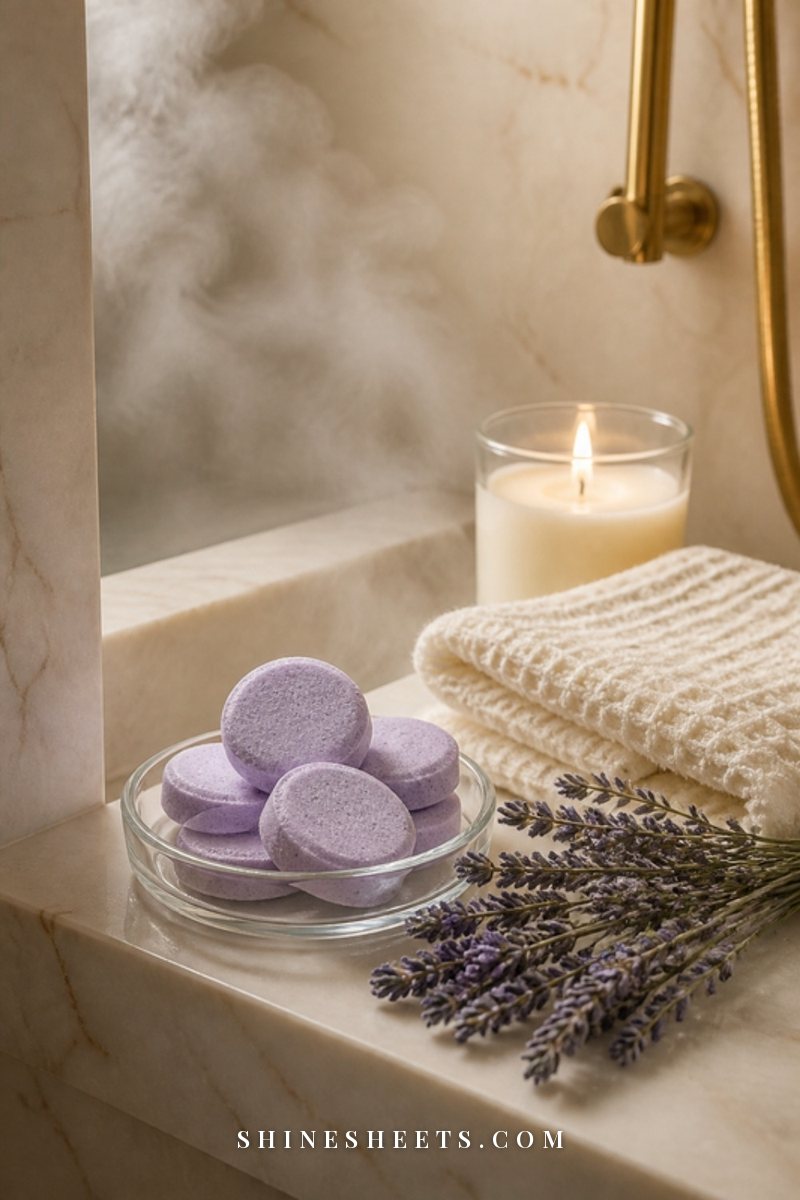
Let's be fair to the hot shower first, because it has real benefits. Heat relaxes tight muscles, feels comforting when you're cold or stressed and the steam can make a stuffy nose feel a little clearer. As someone prone to anxiety, I completely understand the appeal of standing under warm water until your shoulders finally drop.
The trade-offs show up mostly in your skin and hair:
- It strips more natural oils, which can leave skin feeling tight within minutes of drying off.
- It can worsen dryness and eczema, because a weaker barrier lets more moisture escape and more irritants in.
- It can increase redness, especially if you're prone to flushing or have sensitive skin (my combination, sensitive skin goes pink at the first sign of very hot water).
- It can make itching worse afterwards, even if it feels soothing while you're in there.
- It fades hair color faster and can leave lengths feeling rougher.
If you recognize yourself in this list, my guide to shower habits that dry out your skin has easy swaps beyond temperature, like the body wash and towel habits that add up.
The "Hot Water Opens Your Pores" Myth
This one is everywhere, so let's clear it up kindly. Pores don't have tiny muscles, so they can't open and close like doors. Hot water and steam don't open them, and cold water doesn't close them.
What warmth can do is soften the oil and buildup sitting in your pores, which is why a warm cleanse or a few minutes of steam can make extractions or a clay mask feel easier. Cold water, in turn, can make skin look a little tighter and less shiny for a short while, which is probably where the "closes pores" idea comes from.
The practical takeaway: you don't need scalding water for clean pores. A gentle cleanser and lukewarm water do the job without the redness.
Cold Showers: What They Can and Can't Do
Cold showers have a very enthusiastic fan club, and some of the claims go far beyond what's known. Here's the balanced version.
What cold water can do:
- Feel refreshing and wake you up. Many people genuinely enjoy the alert feeling afterwards.
- Make skin look less puffy or flushed for a short while, thanks to blood vessels narrowing.
- Strip fewer oils than hot water, which is kinder to dry or sensitive skin.
- Possibly help hair look a bit shinier, since a cool rinse may help the outer layer of each strand lie flatter. The effect is modest, not a substitute for conditioner.
What cold water can't do:
- Close your pores (see the myth above).
- Replace moisturizer, sunscreen or treatment for any skin condition.
- Deliver dramatic long-term skin changes on its own.
Also worth saying: a fully cold shower doesn't rinse oily products, sunscreen or heavy conditioners as easily, so you may feel less clean if you go cold all the way through. Most people get the nicest results from a cold finish rather than a cold start.
If you're curious about switching between warm and cool in one shower, I've written about taking contrast showers and how to ease into them without hating every second.
Lukewarm: The Everyday Sweet Spot

Lukewarm is the unglamorous answer, and the right one for most days. It's warm enough to feel pleasant and rinse off sweat, oil and products, but not so warm that it strips your skin.
How to find it without a thermometer:
- Run the water and hold the inside of your wrist under it.
- It should feel comfortably warm, like a pleasant bath, not hot.
- Your skin shouldn't turn pink while you're in the shower.
- The bathroom shouldn't fill with thick steam in the first minute.
Small habit that helps: keep everything you need in a sage green shower caddy within easy reach, so you're not standing under the water longer than you need while you hunt for the conditioner.
If your water is very hard and your skin or hair always feels a little filmy no matter the temperature, a white filtered shower head is a pick worth looking into. Look for one that lists what it reduces (often chlorine) and fits a standard shower arm, and keep expectations realistic: it's a comfort upgrade, not a cure.
Hot vs Cold vs Lukewarm Showers at a Glance
Here's the whole comparison in one place, so you can match the temperature to what you need that day.
| Water temperature | Skin effect | Hair effect | Best for |
|---|---|---|---|
| Hot (steamy, skin turns pink) | Strips the most oils, can worsen dryness, itching and redness | Fades color faster, can leave lengths rough and frizzy | An occasional short, relaxing shower for sore muscles |
| Warm (comfortably warm) | Cleans well, a little stripping if long | Rinses products and oil easily | Hair-washing days and removing sunscreen or makeup residue |
| Lukewarm (barely warm) | Gentle on the barrier, keeps more moisture in | Kind to color, rinses well | Daily showers for most skin types, especially dry or sensitive |
| Cool (refreshing) | May reduce puffiness or flushing briefly, strips very little | May help hair look slightly smoother and shinier | A final rinse, after a workout once you've cooled down |
| Cold (brisk, breath-catching) | Minimal stripping, short-term tightening feel | Doesn't rinse heavy products well | A brief finish if you enjoy it and have no health reasons to avoid it |
What Water Temperature Does to Your Hair

Your hair and scalp react to temperature too, just a little differently than your skin.
- Hot water helps shampoo lift oil and buildup from the scalp, but it also lifts the outer layer of each strand (the cuticle) and can wash away more color and natural oils from the lengths. Very hot water can leave the scalp itchy and dry too.
- Warm water is ideal for the shampoo step. It cleans the scalp well without being harsh.
- Cool water is a nice finish after conditioner. It may help hair feel smoother and look a touch shinier, though the effect is subtle and depends more on your conditioner than the rinse.
After you step out, how you dry matters just as much. Rough rubbing with a regular towel roughens the cuticle you just tried to smooth. A cream microfiber hair towel wrap lets you gently squeeze out water instead. For the full post-shower routine (detangling, leave-in, heat protection), my after-shower hair routine walks through it step by step.
The Best Shower Temperature for 5 Common Situations
Different days call for different water. Here are five situations with a simple temperature rule for each.
1. Dry or Eczema-Prone Skin

Go lukewarm, every time. Hot water is one of the most common triggers of the tight, itchy feeling after a shower, and for eczema-prone skin it can tip a calm patch into a flare.
- Keep showers to about 5 to 10 minutes.
- Use a gentle, fragrance-free cleanser only where you need it, not all over every day.
- Pat dry and moisturize right away (more on that below).
Look for a body cream with ceramides, glycerin or shea butter; a ceramide body moisturizing cream in a tub is a classic pick for dry, sensitive skin. If your skin keeps flaring, itching or cracking, please see a dermatologist rather than adjusting the water forever. My guide on how to restore your skin barrier also covers the signs your barrier needs extra care.
2. Oily Skin
It's tempting to blast oily skin with hot water to "cut the grease," but stripping too much oil can leave skin feeling tight while still looking shiny later. Warm, not hot, with a gentle cleanser is enough. A cool splash at the end can make skin feel fresher and look less shiny for a while. On my shiny T-zone, a short lukewarm shower is the difference between comfortable and squeaky-tight.
3. Colored Hair
Color fades faster with hot water, so wash with warm-to-lukewarm water and finish with a cool rinse after conditioning. Washing a little less often helps too, if your scalp is comfortable with it. If you want a hot shower for your body, keep your hair clipped up out of the stream and wash it separately at a cooler temperature.
4. After a Workout
Give yourself a few minutes to cool down and let your breathing settle before you shower. Then go lukewarm to rinse off sweat, with a cool finish if it feels good. Very hot showers straight after a hard workout can leave you feeling lightheaded, and an ice-cold blast isn't necessary either. If you love the idea of a cold post-workout rinse, keep it short and comfortable rather than extreme.
5. Winter
Cold weather and indoor heating already dry skin out, which is exactly when the hottest showers feel the most irresistible. Keep the water warm rather than hot, make showers shorter and close the bathroom door so the room stays humid. Warm up the room before you get in (a cozy robe waiting on the hook helps), and moisturize the moment you step out.
What About Washing Your Face in the Shower?
Facial skin is thinner and often more reactive than the skin on your body, so it feels the effects of hot water first. If you like to wash your face in the shower, a few small habits keep it comfortable:
- Keep your face out of the hot stream. Turn your back to the water, and cleanse with your hands using lukewarm water cupped in your palms.
- Cleanse near the end, not right at the start, so your face isn't sitting in steam for the whole shower.
- Splash with cool water last if you enjoy it. It feels fresh and may calm a flushed look for a little while.
- Pat dry with a clean, soft towel kept just for your face, then apply your usual serum or moisturizer within a few minutes.
If your face looks red or feels tight after every shower, that's a sign to cool things down. And if redness lingers for long stretches or comes with burning or bumps, a dermatologist can help you figure out what's going on, since that's worth more than any temperature trick.
How Long Should a Shower Be?

For most people, 5 to 10 minutes is plenty. Length and temperature work together: a short hot shower is often kinder to skin than a long warm one.
A simple rhythm for a 10-minute shower:
- Minutes 1 to 2: rinse off and wet your hair.
- Minutes 2 to 5: shampoo, then apply conditioner and let it sit.
- Minutes 5 to 8: cleanse your body where you need it, shave if you planned to.
- Minutes 8 to 10: rinse out conditioner and finish with a cooler rinse.
A favorite song or two is an easy, low-tech way to keep time. On the evenings when you want a long, slow body care reset, that's what the everything shower routine is for, just keep the water lukewarm and moisturize afterwards.
The Cool Final Rinse
If you want one small step that borrows the nice parts of a cold shower without the misery, it's this: finish with 15 to 30 seconds of cooler water.
- Turn the dial down gradually, not straight to freezing.
- Start with your legs and arms, then your body, then your hair if you like.
- Breathe slowly through it. It gets easier after the first few seconds.
- Skip it on days you feel chilled, unwell or simply don't want it.
It's refreshing, it rinses conditioner nicely and it gives a gentle "awake" feeling without the shock of a full cold shower. Think of it as optional and pleasant, not as a test of willpower.
Moisturize Within 3 Minutes

Here's the truth that matters more than any water temperature: what you do in the first few minutes after the shower makes a huge difference to how your skin feels all day.
Damp skin holds onto moisture better, so the goal is to seal it in before it evaporates. Many dermatologists suggest moisturizing within about three minutes of stepping out.
- Turn the water off and stay in the warm bathroom.
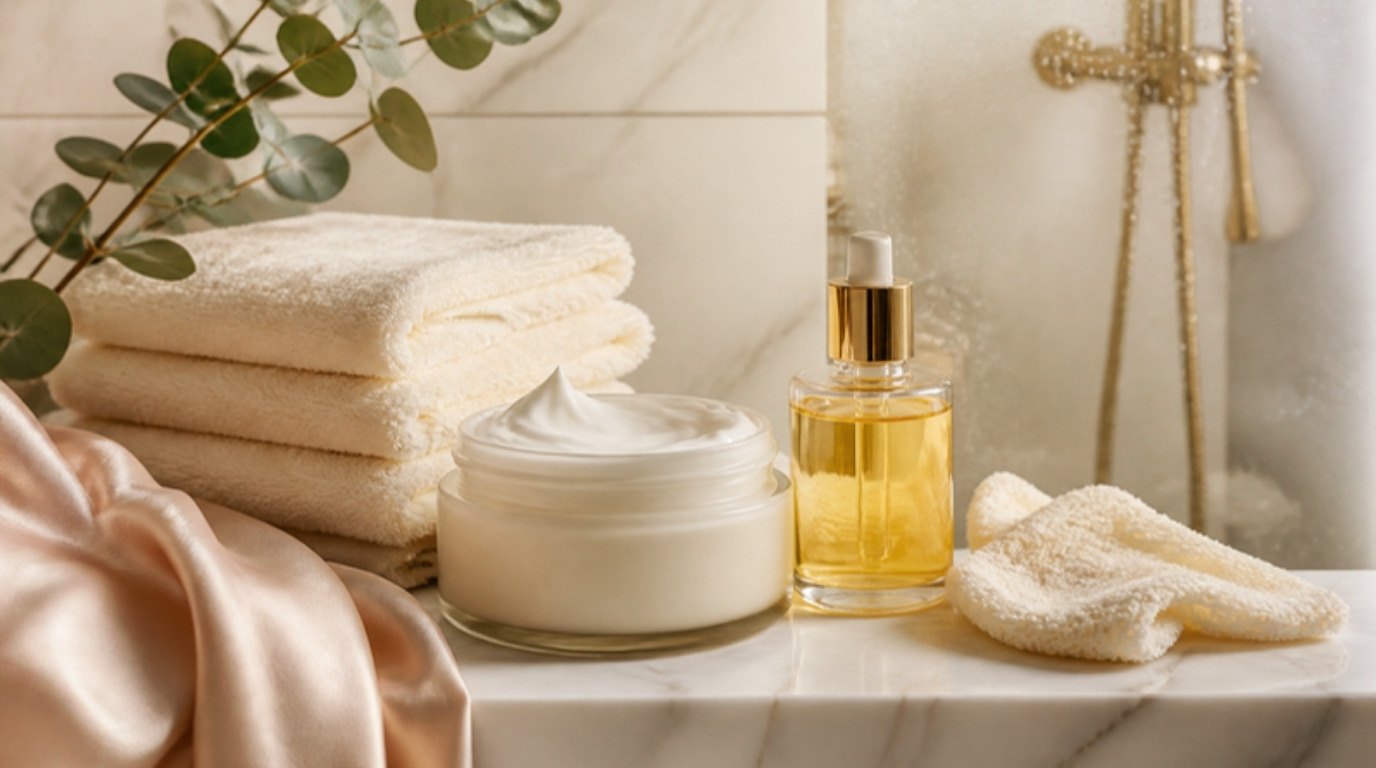
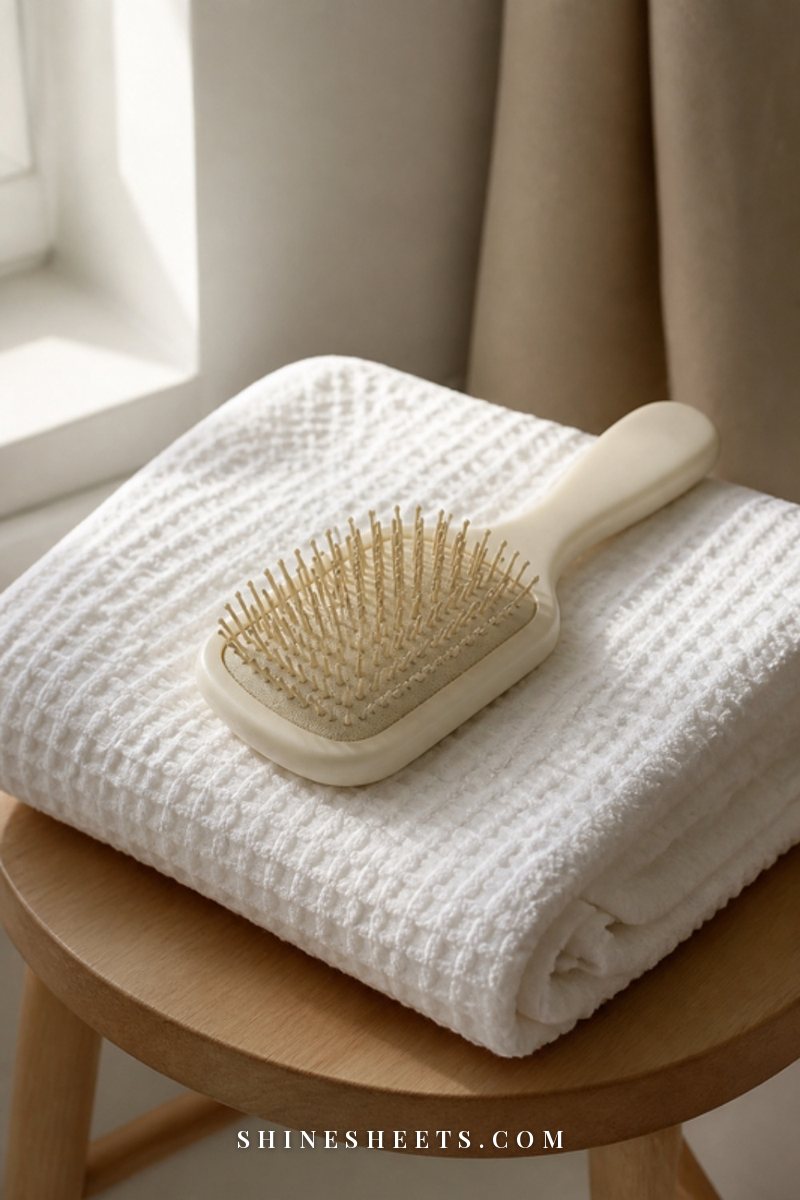
- Pat yourself dry gently with a soft towel, leaving skin slightly damp. An ivory waffle weave towel is a lovely pick here because it absorbs well without rough rubbing.
- Apply body cream or lotion straight away, starting with the driest areas: shins, elbows, hands and feet.
- Give it a minute or two to sink in before getting dressed.
This habit alone can make a hot-shower lover's skin far more comfortable, so if you're not ready to turn the dial down, start here.
A Quick Safety Note on Cold Water
A cool final rinse is gentle for most people, but full cold showers, ice baths and cold plunges are a bigger stress on the body. Sudden cold makes your heart rate and blood pressure jump for a moment.
- If you have a heart condition, high blood pressure or a circulation issue such as Raynaud's, check with your doctor before trying cold showers or plunges.
- Skip extreme cold challenges, timed ice baths and long cold exposures. Comfort is the goal, not endurance.
- Very hot water has limits too: if you feel dizzy, faint or overheated, turn the temperature down and step out slowly.
- Get out and warm up if you start shivering hard or feel numb.
Your body knows the difference between refreshing and overwhelming. Listen to it.
Final Thoughts
Hot vs cold showers isn't really a battle with one winner. Hot water is a comfort, cold water is a refresher and lukewarm water is the steady everyday friend your skin and hair quietly prefer.
Keep most showers lukewarm and short, enjoy a hot one now and then, finish cool if you like it and moisturize while your skin is still damp. Those few small choices add up to softer skin, happier hair and showers that still feel like the nicest part of your day.