A few dark hairs on your chin or a soft shadow above your lip are about as common as freckles. Most women have some facial hair, and plenty notice it getting a little more visible with time, after a change in birth control or simply in bright bathroom light. It isn't a flaw to fix. It's just hair, and you get to decide whether it stays or goes.
If you do want it gone, the good news is that you have more options than ever, from a pair of tweezers on your vanity to a professional laser that thins hair over months. The trick is matching the method to your skin, your hair and how much fuss you're willing to put up with. (Sensitive skin like mine changes the answer quite a bit.)
This guide is all about facial hair removal for women, focused only on the upper lip and chin. You'll find 9 options compared side by side, how long each lasts, how much it stings and who it suits, plus skin prep, aftercare, how to avoid bumps and when it's worth seeing a doctor. Keep a pair of slanted precision tweezers with gold accents nearby while you read, since almost everyone ends up using them for the odd stray hair anyway.
Facial Hair on Women Is Completely Normal

Everyone has fine, soft vellus hair (peach fuzz) across the face. Many women also have some coarser, darker terminal hairs on the upper lip, chin or jawline. How much you have depends largely on genetics, your skin tone and hair color (dark hair on fair skin is simply easier to see) and your hormones, which shift naturally across life.
It's also extremely common to notice a few new chin hairs over the years, or a slightly darker upper lip during big hormonal shifts such as pregnancy or perimenopause. None of that means you're doing anything wrong.
Removing it is a personal choice, the same as shaping your brows or shaving your legs. Leaving it is a personal choice too. If you'd like to remove hair elsewhere as well, my guide to body hair removal options compared covers legs, underarms and more. Here we'll stay on the face, where the skin is thinner and the stakes feel a little higher.
Upper Lip and Chin Hair Removal Methods at a Glance
Screenshot this table if you want a quick reference. Times are typical ranges and vary with your hair growth.
| Method | Lasts | Pain level | Best for | Watch out |
|---|---|---|---|---|
| Tweezing | 2 to 6 weeks per hair | Low to medium | A few stray chin hairs | Ingrown hairs, slow for larger areas |
| Threading | 2 to 5 weeks | Medium | Upper lip, precise lines | Brief redness, needs a skilled pro |
| Waxing | 3 to 5 weeks | Medium to high | Upper lip with lots of fine hair | Lifting skin if using retinoids or acids |
| Sugaring | 3 to 5 weeks | Medium | Sensitive skin that dislikes wax | Needs hair about a quarter inch long |
| Dermaplaning or facial razor | 1 to 3 days | None | Peach fuzz, quick touch-ups | Stubble on coarse dark hair |
| Epilator | 2 to 4 weeks | Medium to high | Chin hairs if you tolerate it well | Redness, ingrown hairs |
| Hair removal cream | 3 days to 1 week | None to low | Fine upper lip hair, no pulling | Burning or rash, always patch test |
| At-home IPL | Gradual reduction over months | Low to medium | Dark hair on light to medium skin | Not for very dark skin or light hair, protect eyes |
| Professional laser | Long-term reduction | Medium | Coarse dark hair you're tired of | Cost, several sessions, choose a qualified provider |
Your best method often isn't one method. Many women thread or wax the upper lip every month and tweeze the odd chin hair in between.
9 Facial Hair Removal Options for the Upper Lip and Chin
Here's each option in a little more detail, with honest notes on how it feels and who it suits.
1. Tweezing

Tweezing pulls each hair from the root, so results last until that particular hair grows back, often two to six weeks. It's perfect for a handful of stray chin hairs and not so perfect for an entire upper lip (that's a lot of individual tugs).
- How to do it: Tweeze after a warm shower, when hair slides out more easily. Hold the skin taut, grip the hair close to the root and pull in the direction it grows.
- Tools: Slanted tips grip coarse hairs best. Good light helps too. A lighted magnifying mirror in white makes those fine, sneaky hairs much easier to catch. Just don't spend twenty minutes hunting, since magnification makes everything look more dramatic than anyone else will ever notice.
- Watch out: Pulling at an angle or breaking the hair can lead to ingrown hairs. Clean tweezers with rubbing alcohol before and after.
2. Threading
Threading uses a twisted cotton thread that rolls across the skin and lifts out rows of hair at once. It's a traditional technique from South Asia and the Middle East, and a skilled threader can clean up an upper lip in under a minute.
- Lasts: About two to five weeks.
- Feels like: A quick series of sharp little pinches. Stretching your upper lip over your teeth (your threader will show you) makes it easier.
- Best for: Sensitive skin that can't handle wax, because nothing sticks to the skin itself. Also great if you use retinoids and can't wax.
- Watch out: Expect pinkness for an hour or so. Choose a clean salon where the threader uses fresh thread for each client.
3. Waxing

Waxing removes many hairs at once by pulling them from the root with warm or cold wax. It's fast and the results are smooth, which is why it's a classic for the upper lip.
- Lasts: Three to five weeks. With regular sessions, regrowth can feel softer over time.
- Feels like: A sharp sting that fades within seconds. The first time is usually the worst.
- Best for: An upper lip with lots of fine or medium hair.
- Watch out: Wax can lift the top layer of skin, leaving a raw, pink patch. This is much more likely if you use retinoids, exfoliating acids or acne treatments, so pause those first (see the prep section below). At home, test wax temperature on your inner wrist, and patch test any new wax a day ahead.
4. Sugaring
Sugaring uses a thick paste of sugar, lemon and water. It's applied against the direction of hair growth and flicked off in the direction it grows, which some women find gentler than wax. It sticks to the hair more than the skin, so it's often kinder to sensitive faces.
- Lasts: Three to five weeks.
- Feels like: Similar to waxing but often a touch softer.
- Best for: Sensitive skin that reacts to wax, or anyone who prefers a simple, water-soluble paste that rinses off easily.
- Watch out: Hair needs to be long enough to grip (roughly a quarter of an inch). The same pause on retinoids and acids applies.
5. Dermaplaning or a Facial Razor

A small, single-blade facial razor glides over the skin and cuts hair at the surface. Dermaplaning is the same idea with a slightly more careful technique that also lifts dead skin. A facial razor set in blush is inexpensive and painless, and it's one of the easiest ways to get rid of peach fuzz before makeup.
- Lasts: One to three days, since hair is cut, not pulled.
- Feels like: Nothing at all, if the blade is sharp and your skin is clean and dry or lightly prepped.
- Best for: Fine, soft hair and quick touch-ups.
- Watch out: Hair won't grow back thicker or darker (that's a myth), but coarse dark hair will feel like stubble as it regrows. Skip it over active breakouts, and use a fresh blade every couple of sessions.
If you'd like a full walk-through with angles and strokes, my guide to dermaplaning at home safely goes step by step.
6. Epilator
An epilator is a small electric device with rotating tweezers that pull out many hairs at once. Some come with a facial head for smaller areas.
- Lasts: Two to four weeks.
- Feels like: A buzzing series of tugs. Facial skin is sensitive, so this is the one many women try once and put away. Others get used to it and love it.
- Best for: Chin hairs if you don't mind the sensation and want results at home.
- Watch out: Hold skin taut and move slowly against hair growth. Redness and ingrown hairs are common in the first few uses.
7. Facial Hair Removal Cream
Depilatory creams dissolve hair just at the surface, so you simply wipe it away. Choose one made specifically for the face, as body formulas are usually too strong.
- Lasts: About three days to a week.
- Feels like: Usually nothing, sometimes a mild tingle. Burning means wipe it off right away and rinse with cool water.
- Best for: Fine upper lip hair if you want no pulling at all.
- Watch out: These creams are among the most likely options to irritate. Always patch test on a small spot near your jaw 24 hours before, and never leave it on longer than the instructions say (often just a few minutes). Not for broken, sunburned or freshly exfoliated skin.
My guide on how to patch test skincare explains exactly where and how long to test, and it works for creams and waxes too.
8. At-Home IPL
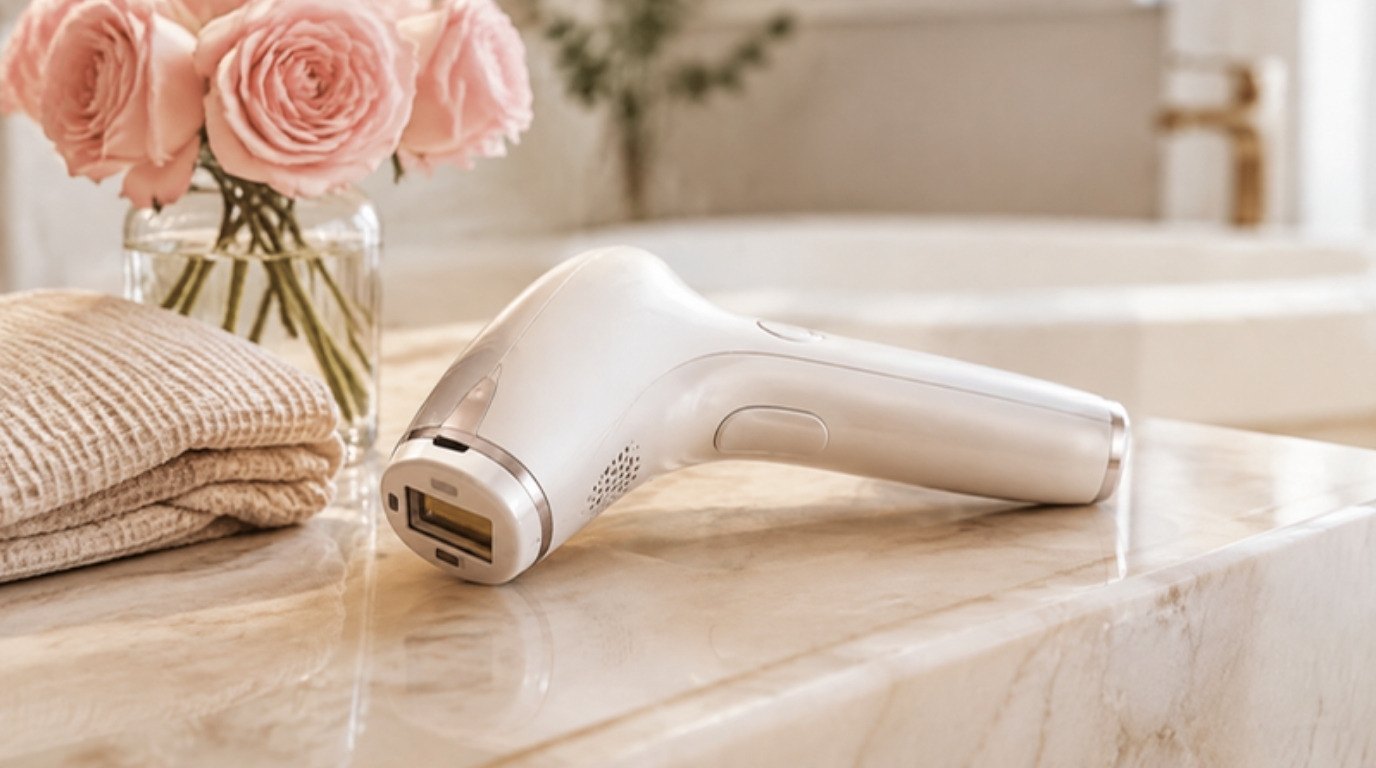
IPL (intense pulsed light) devices send pulses of light that the pigment in your hair absorbs, which gradually weakens the follicle. It doesn't remove hair immediately. Instead, you treat the area regularly for a couple of months and hair slowly gets thinner and sparser.
- Lasts: Gradual reduction after about eight to twelve weeks of regular sessions, then occasional top-ups.
- Feels like: A warm snap, like a rubber band flick.
- Best for: Darker hair on light to medium skin. IPL needs contrast between hair and skin.
- Watch out: IPL generally doesn't work on blonde, red, gray or white hair, and it can burn or discolor deeper skin tones. Check the skin tone chart for your device. Protect your eyes, never flash over moles, tattoos or dark spots, and do a test flash first. Many devices aren't designed for use above the cheekbones, so read the instructions carefully.
If you're considering one, my guide to at-home IPL hair removal covers suitability and safety in more detail.
9. Professional Laser
Laser hair removal works on the same principle as IPL but with a focused, more powerful light, done by a trained provider. It's the closest thing to long-term reduction for coarse, dark chin hair.
- Lasts: Long-term reduction after a series of sessions (often six or more, spaced several weeks apart), with occasional maintenance.
- Feels like: A quick hot snap. Numbing cream can help.
- Best for: Dark, coarse hair that you're tired of tweezing every few days.
- Watch out: Cost adds up. Choose a qualified provider, ideally supervised by a dermatologist, who can pick a laser suited to your skin tone (some types are safer for deeper skin). It works poorly on light-colored hair.
One more option worth knowing: a dermatologist can prescribe a cream that slows facial hair growth. It doesn't remove hair on its own, but it can make regrowth slower and finer, and it's often used alongside other methods. Ask whether it's a good fit for you.
How To Choose the Right Method for You
If the table felt like a lot, here's a simpler way to narrow it down:
- Just a few stray chin hairs: Tweezing. Done in two minutes.
- Soft peach fuzz: A facial razor or dermaplaning.
- A darker upper lip: Threading, waxing or sugaring every three to five weeks.
- Sensitive or reactive skin: Threading or sugaring first, with a careful patch test for anything that touches the skin.
- You use retinoids or acne treatments: Threading, tweezing or a facial razor, rather than wax or creams.
- Coarse dark hair that keeps coming back: Laser, or IPL if your skin tone and hair color are suitable.
- Light, gray or red hair: Tweezing, threading, waxing or sugaring, since light-based methods won't do much.
How To Prep Your Skin Before Hair Removal

Good prep makes almost every method hurt less and irritate less. Especially if your skin is sensitive, keep these steps simple:
- Start with clean skin. Wash with a gentle cleanser and pat dry. Makeup, oils and sunscreen can stop wax or sugar from gripping and can carry bacteria into open follicles.
- Pause actives before waxing or sugaring. Stop retinoids, retinol and exfoliating acids (glycolic, lactic, salicylic) for about three to five days beforehand. If you use a prescription retinoid or acne medication, ask your dermatologist before waxing at all, since some make waxing unsafe.
- Skip scrubs the day before. Gentle exfoliation a couple of days ahead can help, but not right before.
- Check your skin. Don't remove hair over sunburn, cuts, active breakouts, cold sores or irritated patches.
- Patch test anything new. New wax, new cream, new device: test a small spot 24 hours ahead.
- Tie your hair back and work in good, natural light if you can.
For a calm base routine that keeps reactive skin steady between sessions, my sensitive skin routine is a gentle place to start.
Aftercare That Keeps Skin Calm
The hour after hair removal matters more than most people think. Freshly emptied follicles are open and a little vulnerable.
- Soothe right away. A cool compress for a minute, then a thin layer of a fragrance-free soothing gel calms redness without clogging pores.
- Keep hands and makeup off for a few hours. If you can, wait until evening for makeup, especially after waxing or threading.
- Skip heat for 24 hours. No saunas, hot yoga or very hot showers on the area.
- Hold off on actives for a day or two. Retinoids and acids can sting freshly treated skin.
- Wear sunscreen every day. Treated skin can be more prone to darkening, especially after waxing, IPL or laser. A gentle mineral sunscreen with SPF 30 or higher is usually kind to sensitive skin.
- Keep tools clean. Wipe tweezers and razor handles with rubbing alcohol, and replace blades often.
A small extra that makes all of this easier: a soft cream spa headband keeps hair off your face while you prep and soothe.
How To Avoid Ingrown Hairs and Bumps
Chin hair in particular tends to curl back into the skin, especially if it's coarse or curly. A few habits help:
- Pull or shave in the direction of hair growth.
- Exfoliate gently two or three times a week, but not right before or after removal.
- Don't dig at a trapped hair with tweezers. A warm compress for a few minutes, twice a day, often helps it surface on its own.
- If a bump becomes painful, swollen or pus-filled, leave it alone and see a doctor.
My full guide on how to get rid of ingrown hairs has more gentle prevention tips.
When To See a Dermatologist or Doctor

Most facial hair is just part of being a woman. But some changes are worth a gentle check-in with a doctor or dermatologist rather than another round of tweezing:
- Facial hair that appears suddenly or grows quickly over a few months.
- New coarse hair on the chin, jawline, chest or back together with other changes, such as irregular periods, new acne, hair thinning on your scalp or a deepening voice.
- Hair growth that started after beginning a new medication.
- Skin that reacts badly to every method you try.
Changes like these can sometimes be linked to hormones, and a doctor can look at the full picture and run simple tests if needed. It's not about labeling anything. It's about getting real answers, and often real options, from someone who can see the whole you.
Final Thoughts
Facial hair is normal, and so is wanting to remove it. There's no right method, only the one that suits your skin, your hair and your patience.
Start simple, prep gently, soothe afterward and wear your sunscreen. Whether you tweeze one stubborn chin hair on a Sunday evening or book a course of laser, you're just taking care of yourself the way you like, and that's a lovely thing to do.