
Decision fatigue isn't about being bad at making choices. It's what happens when you've made so many small ones that your mind quietly runs out of patience for the next. By evening, picking a show feels like a chore, a simple text sits unanswered, and you either say yes to whatever is easiest or can't decide at all. That's not laziness. It's a tired brain asking for fewer questions.
The good news is that you don't need more willpower to fix it. You need fewer decisions, and better ways of making the ones that matter. A handful of defaults, routines and "decide once" rules can take dozens of tiny choices off your plate every week, which leaves more energy for the decisions that actually shape your life.
This guide on decision fatigue explains what it is in plain words, the signs to look for, where all those choices come from, nine practical ways to make fewer and better decisions, and a "decide once" rules table you can copy straight into your own life.
Pour yourself something warm and let's lighten the load a little.
What Decision Fatigue Is

Decision fatigue is the feeling of mental tiredness that builds up after making lots of choices, especially in a short time. Each choice, even a tiny one, asks you to weigh options, predict outcomes and commit. Do that hundreds of times a day and the process starts to feel heavy.
Researchers still debate exactly how it works, so I won't pretend there's one neat scientific explanation. What most people recognize, though, is the experience: decisions feel harder later in the day, after a stressful stretch, or when you're hungry, tired or overwhelmed. And when they feel harder, we tend to either take shortcuts (impulse choices) or avoid deciding altogether.
It's closely linked to the mental load – all the invisible remembering, planning and organizing many women carry. The more you're keeping track of, the more decisions land on you, and the faster the fatigue arrives.
Signs of Decision Fatigue
You might be dealing with decision fatigue if a few of these feel familiar:
- Small choices feel strangely hard, like what to wear or what to reply to a simple message.
- You make impulse purchases or snap decisions you later regret, especially in the evening.
- You put off decisions, leaving tabs open, carts full and emails unanswered.
- You feel irritable when someone asks "What do you want to do?"
- You default to "whatever you want" even when you do have a preference.
- You browse for ages trying to pick something and end up choosing nothing.
- You feel drained after days with lots of small decisions, even if nothing big happened.
- You overthink minor choices but rush through important ones.
If indecision feels like a long-standing pattern rather than a tired-evening thing, my guide on how to stop being indecisive looks at the deeper roots.
Where All Those Decisions Come From
It helps to see where your decisions actually pile up. Most of us underestimate how many we make, because so many are tiny and automatic.
Work
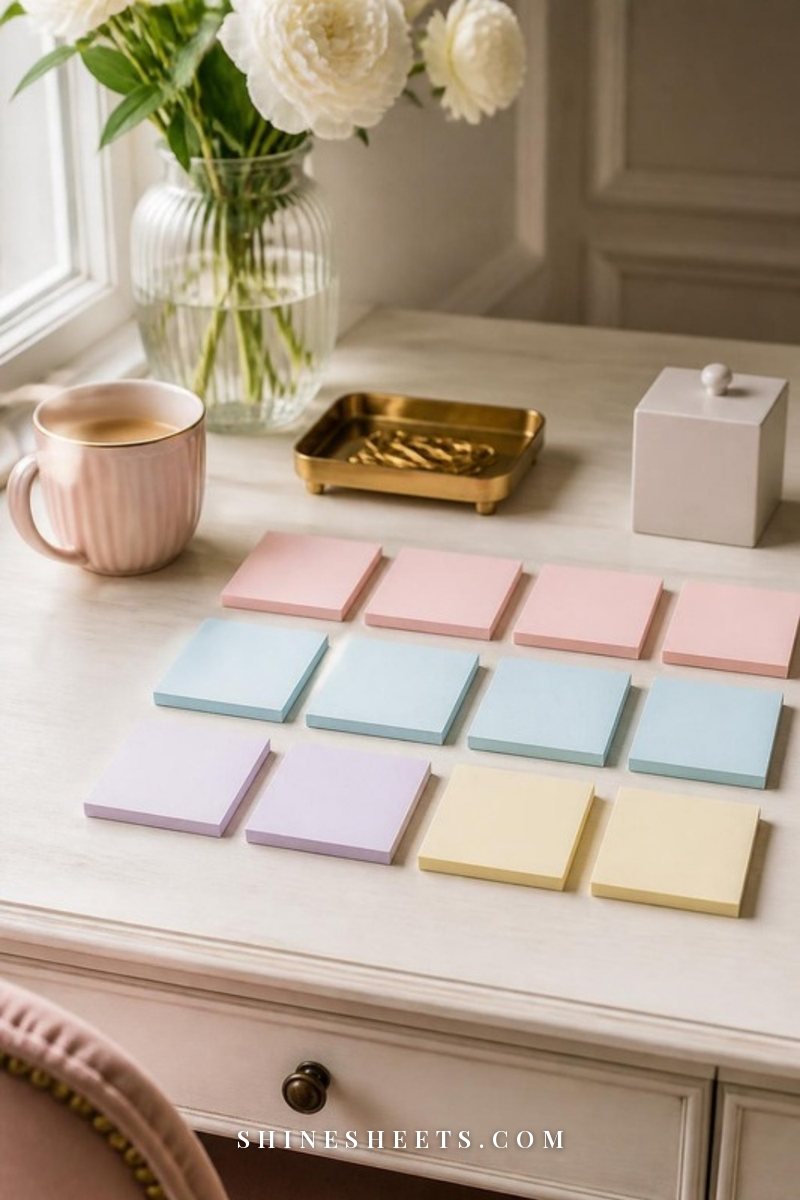
Which email to answer first, how to phrase a message, whether to join a meeting, what to prioritize next, how much detail to include. Work days are a steady stream of micro-choices, many of them interrupted halfway through, which makes them even more tiring. A notification pulls you into a new question before you've finished the last one, and every switch costs a little extra energy. By mid-afternoon, it's no wonder that even choosing what to eat for a snack feels like effort.
Home and Family Life
What's for dinner, when to do the laundry, which errands to fit in, who needs what tomorrow, whether the house is "clean enough." Home decisions are often repetitive, which is good news: repetitive choices are the easiest to turn into routines. They also tend to be invisible, because nobody sees you deciding. If you're the person in your home who always knows when the toilet paper is running low, you're making more decisions than anyone realizes, including you.
Shopping
Online shopping offers endless options, filters, colors and reviews. Comparing three almost identical products can eat half an hour and leave you more tired than when you started. Shopping is one of the biggest hidden sources of decision fatigue, and it's also where tired decisions cost the most, because a worn-out brain is much more likely to click "buy" just to make the question go away. Grocery shopping counts too: a big supermarket asks you to make hundreds of tiny choices in under an hour.
Social Plans
Picking a time, a place, what to bring, whether you have the energy to go, how to say no kindly. Social decisions carry an emotional weight too, because they involve other people's feelings, so they tend to drain more than their size suggests. Group chats multiply this: one dinner plan can turn into twenty messages about dates, places and who's driving. Offering two specific options ("Thursday at 7 or Saturday at noon?") instead of "When works for everyone?" saves everyone a surprising amount of energy.
9 Ways To Make Fewer, Better Choices
You don't need to do all of these. Choose two or three that fit the areas where you feel most stretched, and add more later.
1. Build Routines and Defaults

A routine is a decision you made once and then stopped revisiting. A default is your automatic answer unless there's a good reason to change it. Same breakfast on weekdays, same gym days, laundry every Sunday, the same three go-to gifts for birthdays. Defaults aren't boring – they're what free up your brain for things you actually care about.
Start with your mornings, since that's when decisions set the tone for the whole day. Decide your weekday morning order once (shower, skincare, outfit, breakfast, out the door) and follow it until it runs on its own.
2. Create Capsule Choices
Capsule choices are small, curated sets of options you choose from instead of the whole universe. A short list of five dinners you rotate, three outfits you feel great in for important days, two coffee orders, four ways to spend a free evening. Fewer options means faster, calmer decisions, and you'll often enjoy what you pick more because you're not wondering what you missed.
Capsules work beautifully for things like skincare (one morning routine, one evening routine), weekend activities, gifts and even favorite places: a short list of two cafés and one restaurant you love means "Where should we go?" gets answered in seconds. Review your capsules every season and swap out anything that no longer feels right.
3. Make Decide-Once Rules
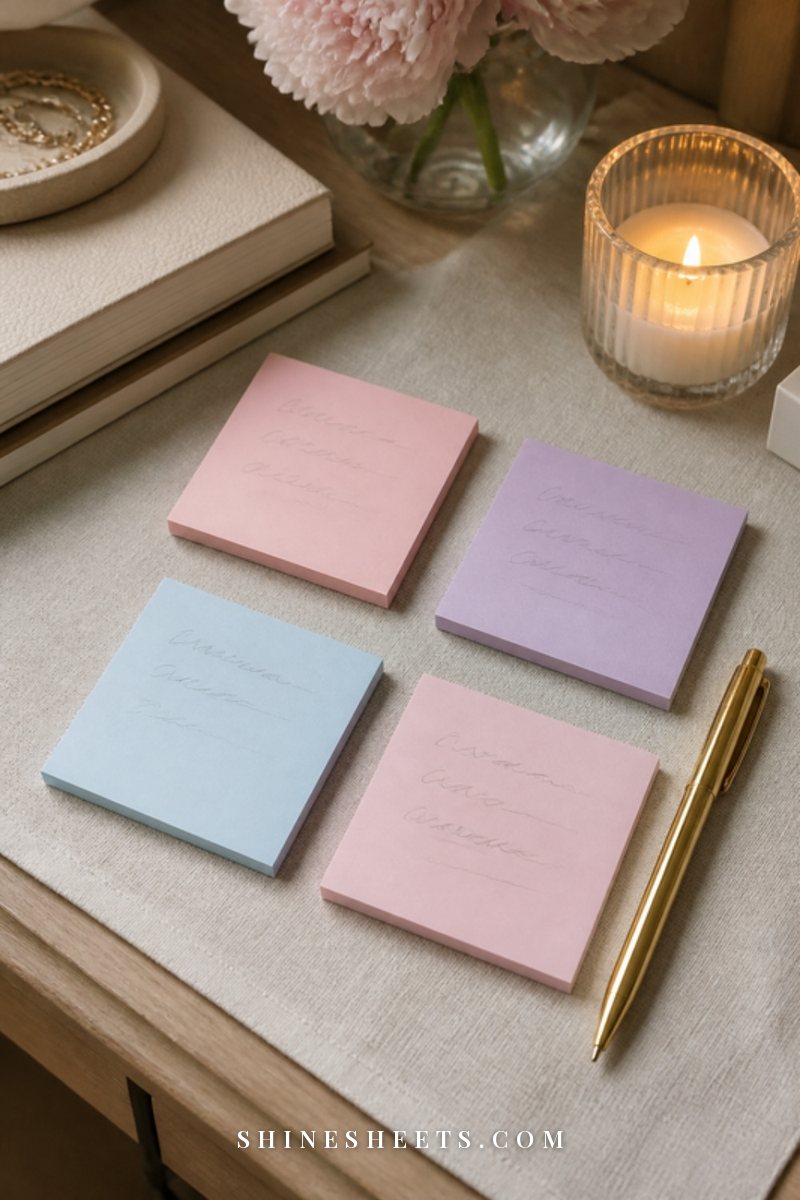
A decide-once rule answers a recurring question permanently. "I don't buy anything over a set amount without waiting 48 hours." "I reply to non-urgent messages at lunch and after dinner." "I don't schedule plans on two weeknights in a row." Write your rules on pastel sticky notes and stick them inside a cupboard or on your desk until they become second nature. There's a full table of examples further down.
4. Time-Box Your Decisions
Give a decision a time limit that matches how much it matters. Five minutes for what to order, twenty minutes for which jacket to buy, a weekend for a job application. When the timer ends, go with the option that's ahead. Most small decisions don't get better with more time. They just get more tiring.
A simple way to size it: ask how long you'll live with the result. A choice you'll live with for an evening gets a few minutes. A choice you'll live with for a season gets an afternoon. A choice you'll live with for years deserves real time, real information and maybe a conversation with someone you trust. Matching effort to impact is one of the kindest things you can do for a tired mind.
For truly big choices, a timer won't do – that's when slower reflection helps, and my list of questions to ask yourself before a big decision is a gentle way to work through them.
5. Decide at Your Best Time of Day

Most people make clearer decisions earlier in the day, after a good night's sleep and a proper meal. Save important choices for that window when you can. If you notice that every regrettable purchase happens at 10 p.m., add a simple rule: no buying after 9 p.m., just add it to a list and decide tomorrow.
For me, coffee sometimes helps with morning clarity and sometimes makes me jittery, so I've learned to make big decisions after breakfast rather than straight after a strong cup. Notice what works for your body and plan around it.
6. Delegate and Share
Not every decision needs to be yours. Ask the people you live with to own certain choices completely: someone else picks weekend dinner, someone else chooses the movie, someone else handles a specific bill. Owning means deciding without checking in, and you agreeing in advance to be happy with the result. At work, ask "Can you decide this one?" more often than feels natural.
The hardest part of delegating is letting the other person do it their way. If you hand over the decision and then correct it, you've made the decision twice. Agree on the few things that truly matter (a budget, a deadline) and let go of the rest.
7. Choose Good Enough

Some people are "maximizers" who want the best possible option. Others are "satisficers" who choose the first option that meets their needs. Satisficers often feel happier with their choices. Try it with low-stakes decisions: set two or three criteria, pick the first option that ticks them, and stop looking.
If "good enough" makes you uncomfortable, perfectionism may be part of the picture. My guide on perfectionism is a kind place to start untangling that.
8. Plan Your Week in One Sitting
A weekly planning session batches dozens of small decisions into 20–30 minutes. Choose a calm time, like Sunday afternoon, and decide your key tasks, appointments, workouts, social plans and simple meal ideas for the week ahead. A cream weekly planner with a clear spread for each week makes it easy to see everything at once. My guide on how to plan your week walks through the whole process step by step.
A gold pen and a lit candle sound like small details, but making planning feel like a ritual instead of a task is what makes you come back to it every week.
9. Protect Your Evenings
Evenings are when decision fatigue peaks, so make them as choice-light as possible. Lay out tomorrow's outfit, set out your bag, and have a default wind-down: tea, a glass jar candle, a book or a bath. When the evening already has a shape, you don't need to decide how to spend it. You just follow the plan and rest. A cup of chamomile lavender tea is a lovely cue for "the deciding part of the day is over."
Decide-Once Rules Table

Here are examples to borrow, tweak or rewrite. Pick three or four that solve your biggest daily friction and try them for two weeks. Screenshot the table if it helps.
| Area | Decide-once rule | Example |
|---|---|---|
| Mornings | Same order every weekday | Shower, skincare, outfit, breakfast, leave |
| Outfits | Plan tomorrow's outfit the night before | Lay it on a chair before bed, no changes in the morning |
| Weekday dinners | Rotate a short list of reliable options | Five go-to dinners on repeat, one new idea on weekends |
| Shopping | Wait before non-essential buys | Anything non-essential waits 48 hours in the cart |
| Messages | Answer in set windows | Non-urgent replies at lunch and after dinner only |
| Social plans | Limit busy weeknights | No more than two evening plans per week |
| Gifts | Keep a default gift list | A candle, a book or flowers unless an idea jumps out |
| Cleaning | Fixed days for repeat chores | Laundry Sunday, bathroom Wednesday, quick reset nightly |
| Workouts | Same days, same times | Walk Monday, Wednesday, Friday at lunchtime |
| Evenings | No important decisions after 9 p.m. | Write it down and decide in the morning |
The magic of these rules is that you stop negotiating with yourself. The question has already been answered, so you can simply act.
A Quick Daily Check-In
When you feel the fog creeping in, ask yourself three quick questions:
- Does this decision need to be made today? If not, write it down and let it wait.
- Does it need to be made by me? If not, hand it over.
- Will it matter in a week? If not, pick the first reasonable option and move on.
It takes thirty seconds and often removes half the pressure immediately.
How To Make a Big Decision When You're Already Tired
Sometimes a big choice can't wait until you're rested. When that happens, a little structure protects you from a fatigue-driven answer:
- Write the decision as one clear question. "Should I accept this offer?" is easier to think about than a swirl of worries.
- List only your top three criteria. What matters most here? Money, time, peace, growth? Three is enough.
- Score each option quickly. A simple 1–5 for each criterion shows you more than an hour of circling.
- Notice your body. Imagine telling someone you chose option A, then option B. Which one makes your shoulders drop a little?
- Sleep on it if you can. Even one night often makes the answer clearer. If you can't wait, choose, then let yourself stop re-deciding.
The last part matters. Re-opening a decision you've already made is one of the most draining habits there is. Once you've chosen, treat it as done unless genuinely new information appears.
A One-Week Decision Detox
If you'd like to try all of this without overhauling your life, here's a gentle seven-day plan. Each day adds one small change:
- Day 1: Notice. Jot down every decision that feels annoying or draining. Don't fix anything yet.
- Day 2: Pick your weekday morning order and follow it.
- Day 3: Lay out tomorrow's outfit tonight.
- Day 4: Write three decide-once rules from your Day 1 list.
- Day 5: Hand one recurring decision to someone else.
- Day 6: Try "good enough" on every small purchase or choice.
- Day 7: Plan the coming week in one sitting, with tea and a candle.
By the end of the week, you'll know which changes made the biggest difference, and those are the ones to keep.
When It's More Than Decision Fatigue

Sometimes struggling with choices is a sign of something bigger, like burnout, anxiety or low mood. If every decision feels impossible, if you feel exhausted most days no matter how much you rest, or if worry about choosing wrong keeps you stuck for weeks, please be gentle with yourself and consider talking to a doctor or therapist. They can help you understand what's going on and find support that fits. You don't have to push through on your own.
Final Thoughts
Decision fatigue is a sign that you've been carrying a lot, not that you're doing life wrong. Every routine, default and decide-once rule you set up is a small gift to your future self, who gets to spend her energy on the choices that really matter.
Start with one rule this week. Let it take a few questions off your plate, and enjoy the quiet that comes with not having to decide everything, every time.