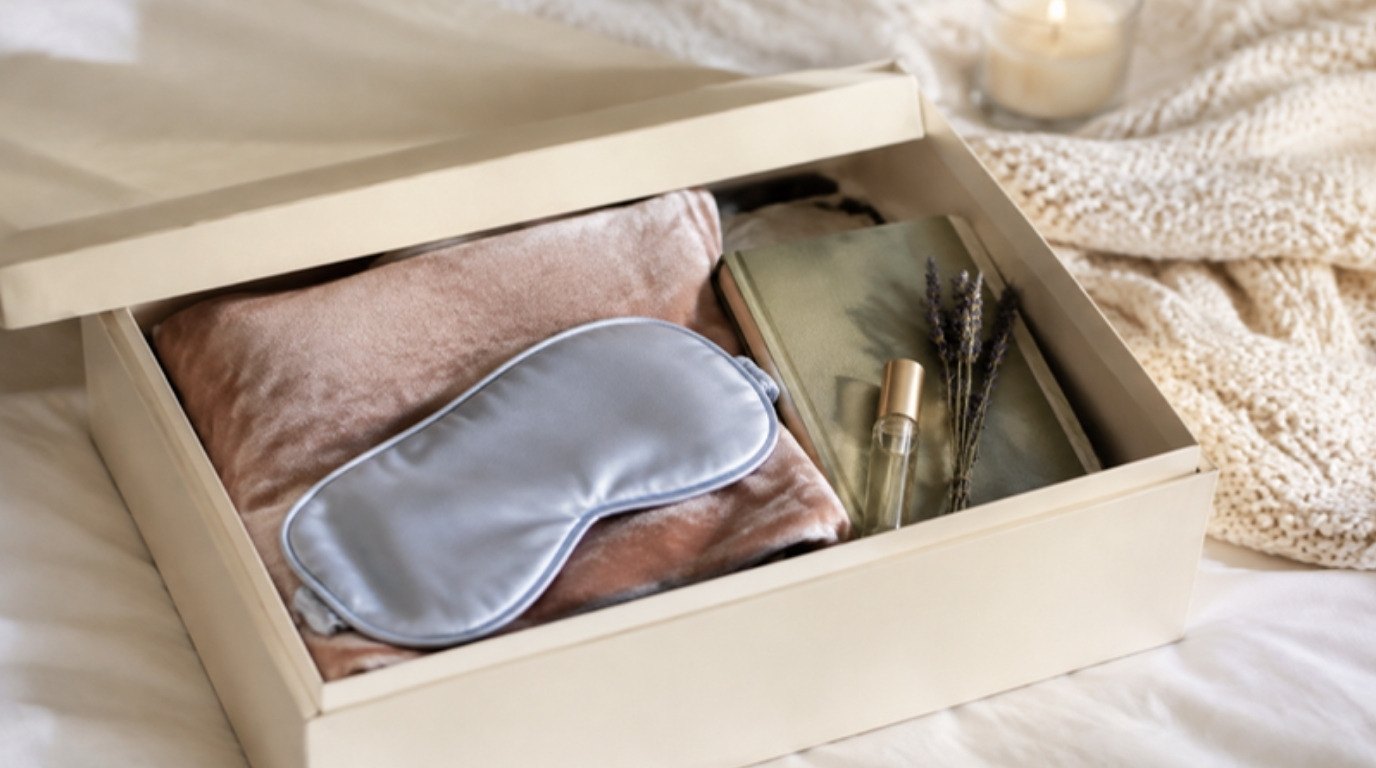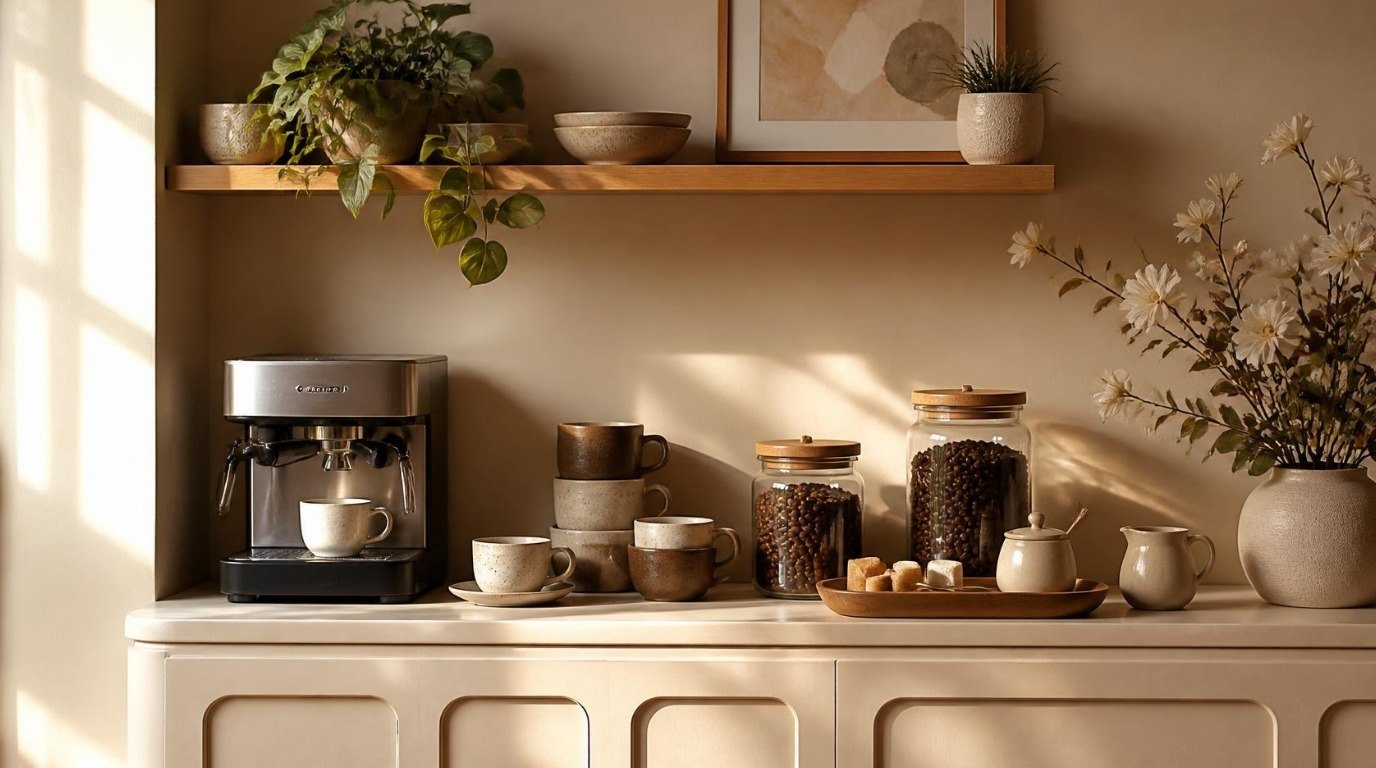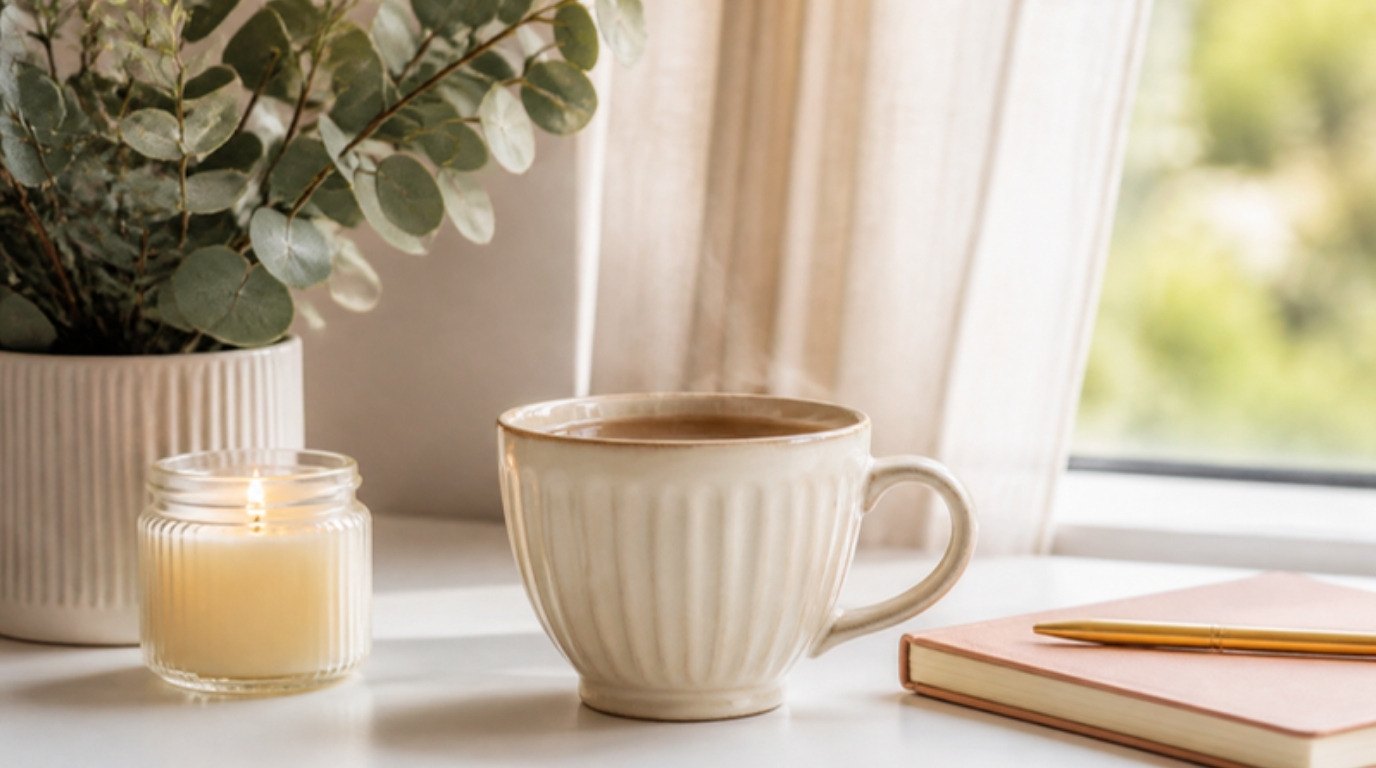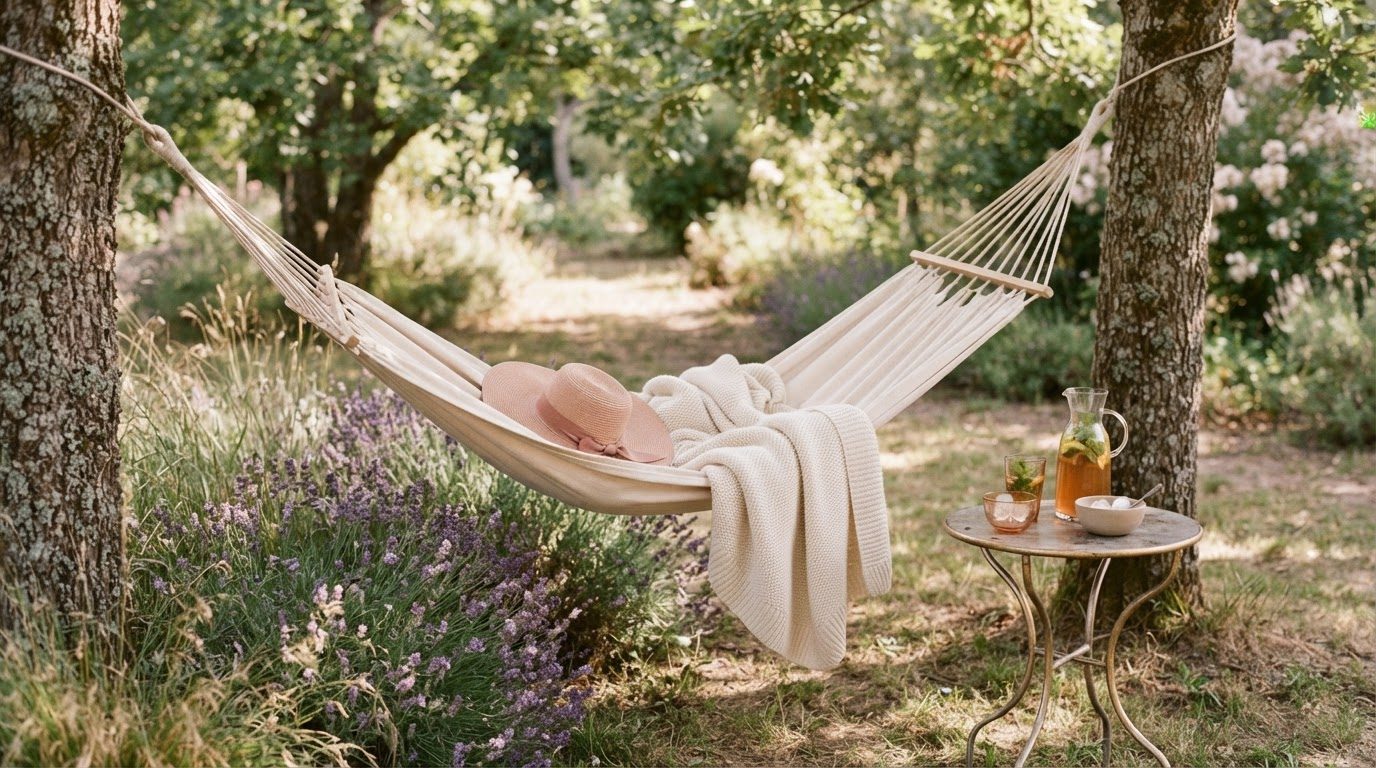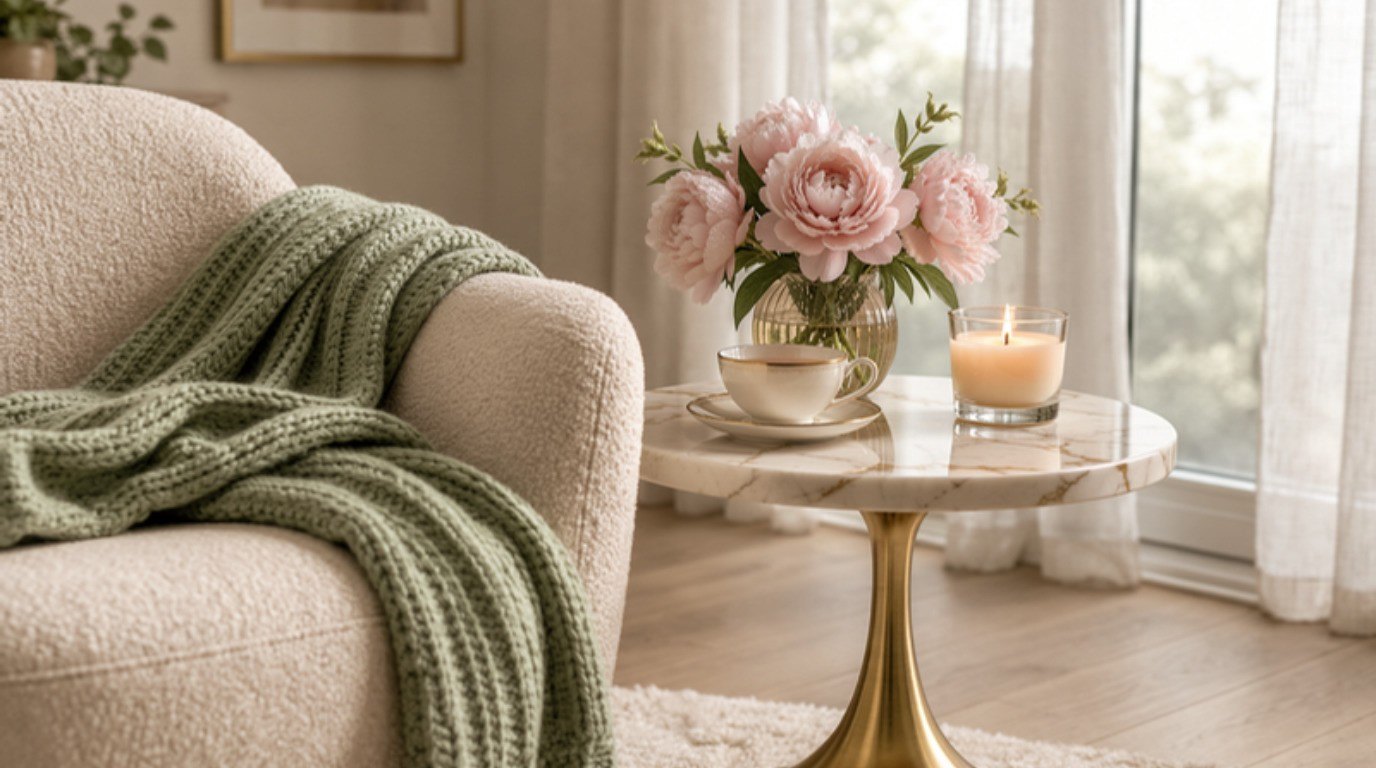
Your body learns places the way it learns habits. Sit in the same soft spot every time you need to breathe out, and after a while just walking towards it starts to slow you down. That's the quiet power of a calm corner: not a fancy room, not a perfect setup, just one small place at home that means "you can rest now."
Adults need this as much as children do (maybe more). Most of us move from work to chores to messages without a single pause in between, and our nervous systems never get the signal that the busy part is over.
This guide is all about creating a calm corner for adults: why a set spot helps, how to choose the place, the six sense-based elements that make it work, a simple table to plan yours on any budget, what to actually do there in 2, 10 or 20 minutes, and how to keep it calm once it's made.
Where a calm-down kit is a portable box of tools you can take anywhere, a calm corner is a place you go. If you'd like both, my guide on making a calm-down kit for adults pairs beautifully with this one.
Why a Set Calm Spot Helps
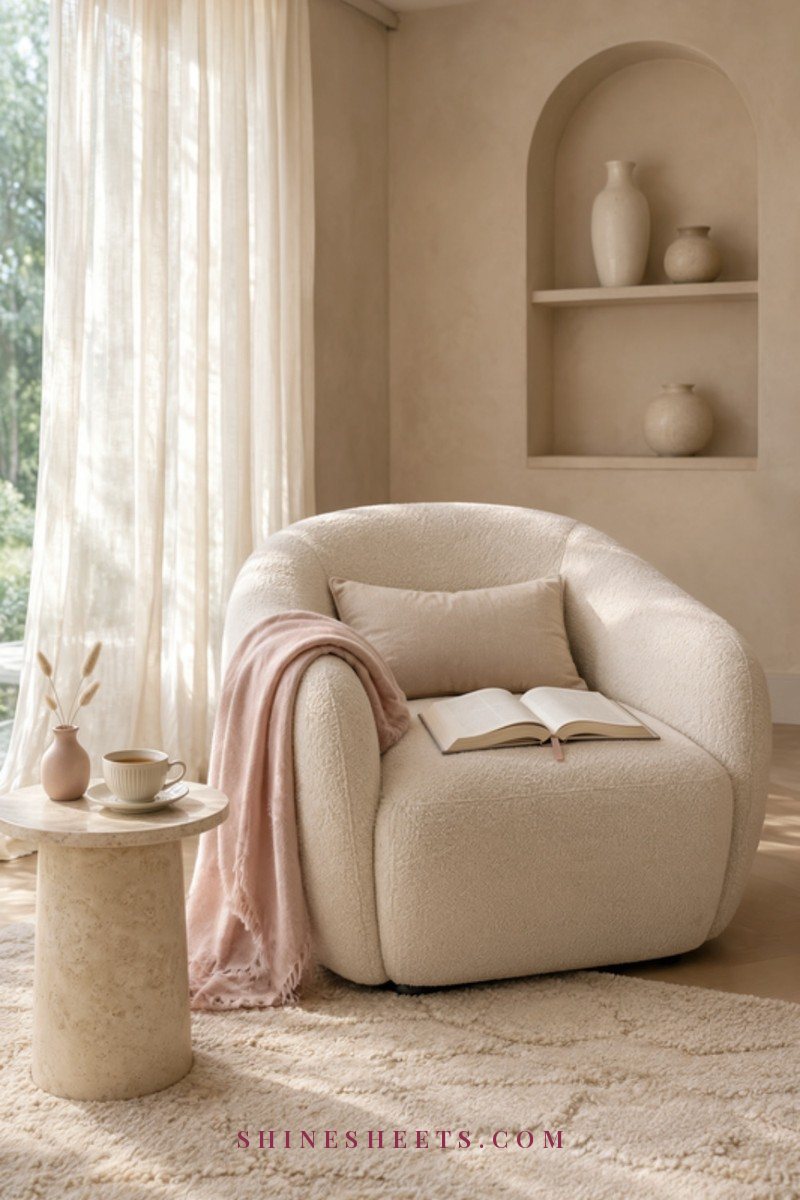
You can calm down anywhere, of course. But having one dedicated spot makes it easier, faster and more likely to actually happen. Here's why.
It Gives Your Body a Cue
When you repeat the same calming things in the same place, your body starts to connect the place with the feeling. The chair, the blanket, the lamp light all become cues that say "we're safe, we can slow down." It's the same reason a bedtime routine helps you sleep: the familiar steps do part of the work for you.
This doesn't happen overnight. Give it two or three weeks of regular visits, even short ones, and you'll likely notice your shoulders dropping a little sooner each time.
It Creates a Pause Between Work and Home
If you work from home, or bring work home in your head, the line between "on" and "off" can blur completely. A calm corner gives you a doorway. Five minutes there after your last task, before you start dinner or reply to anyone, acts like a little commute for your mind.
I'm prone to anxiety (mostly managed these days), and I've found that a short pause like this keeps the busy energy of the day from spilling into the whole evening.
It Means Less To Take In
A lot of modern stress is simply too much input: noise, light, screens, clutter, people. A calm corner is deliberately simple, so your senses get a break. If you often feel frazzled by noise and busy spaces, my guide to calming your senses when it's all too much explains why this matters so much, and what else helps.
Choosing the Place for Your Calm Corner
The best spot is the one you'll actually use. It doesn't need to be large or beautiful to start with. It just needs to be a little apart from the busiest parts of your home.
Places That Work Well
- A bedroom corner, away from the bed, so the bed stays for sleep and the corner stays for calm.
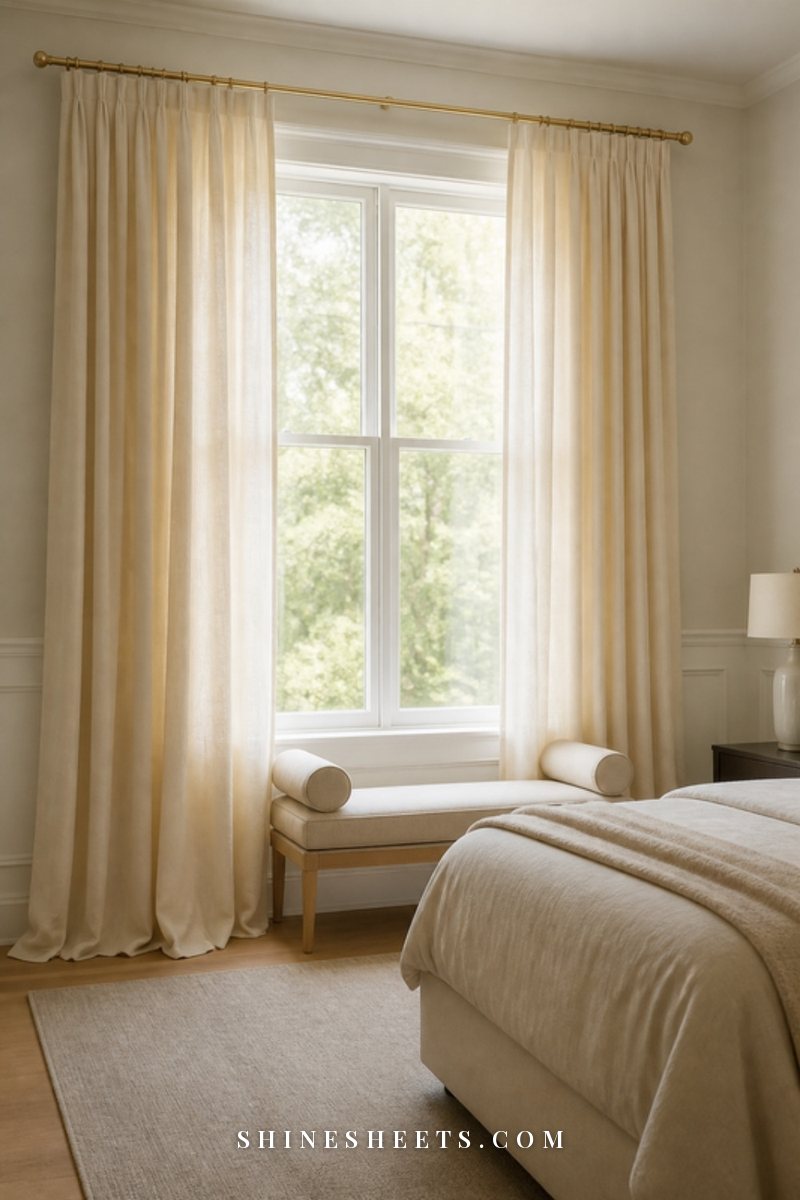
- By a window, where natural light and a bit of sky can do some of the work for you.
- A balcony or a doorstep, with a cushion and a blanket for cooler days.
- A reading nook or an alcove you already have. My reading nook ideas for small spaces work wonderfully as calm corners too.
- One chair in a studio, turned slightly away from the desk or the TV. Even in a single-room home, a turned chair and a lamp can create a separate little zone.
Light, Sound and Privacy
Before you commit, sit in your chosen spot for a few minutes at the time of day you'd most likely use it. Notice three things:
- Light: is it too bright, too dark, or harsh from an overhead bulb? You'll want soft, adjustable light.
- Sound: can you hear the TV, traffic or a washing machine? A little background noise is fine, but constant loud sound makes resting hard.
- Privacy: will people walk past or interrupt you often? A corner that's slightly out of the main path is ideal.
No spot will be perfect, and that's okay. A screen, a plant, a curtain or a pair of headphones can fix most small problems.
Setting Up Your Calm Corner Through the Senses
The easiest way to build a calm corner is to go sense by sense. These six elements are all you need. Start with one or two, and add the others as you go.
1. Seating
Comfort comes first. Choose something you can sink into without perching: a soft armchair, a beanbag, a low chair or a big floor cushion. If you like to sit cross-legged or stretch, a cushion on the floor gives you room to move.
A cream floor cushion is an easy, low-cost place to start, and it tucks away neatly if your space is small. Look for a firm filling and a removable, washable cover. Add a small pillow behind your back if you'll lean against the wall.
2. Soft Light
Overhead lights are rarely calming. Soft, low, warm light from the side feels much gentler. A lamp you can dim lets you match the light to your mood: brighter for reading, very low for resting.
A warm white dimmable lamp is the single most useful thing you can add here. Choose warm white bulbs (look for around 2700K on the box), not cool or daylight ones. During the day, open the curtains and let natural light do the job.
3. Texture
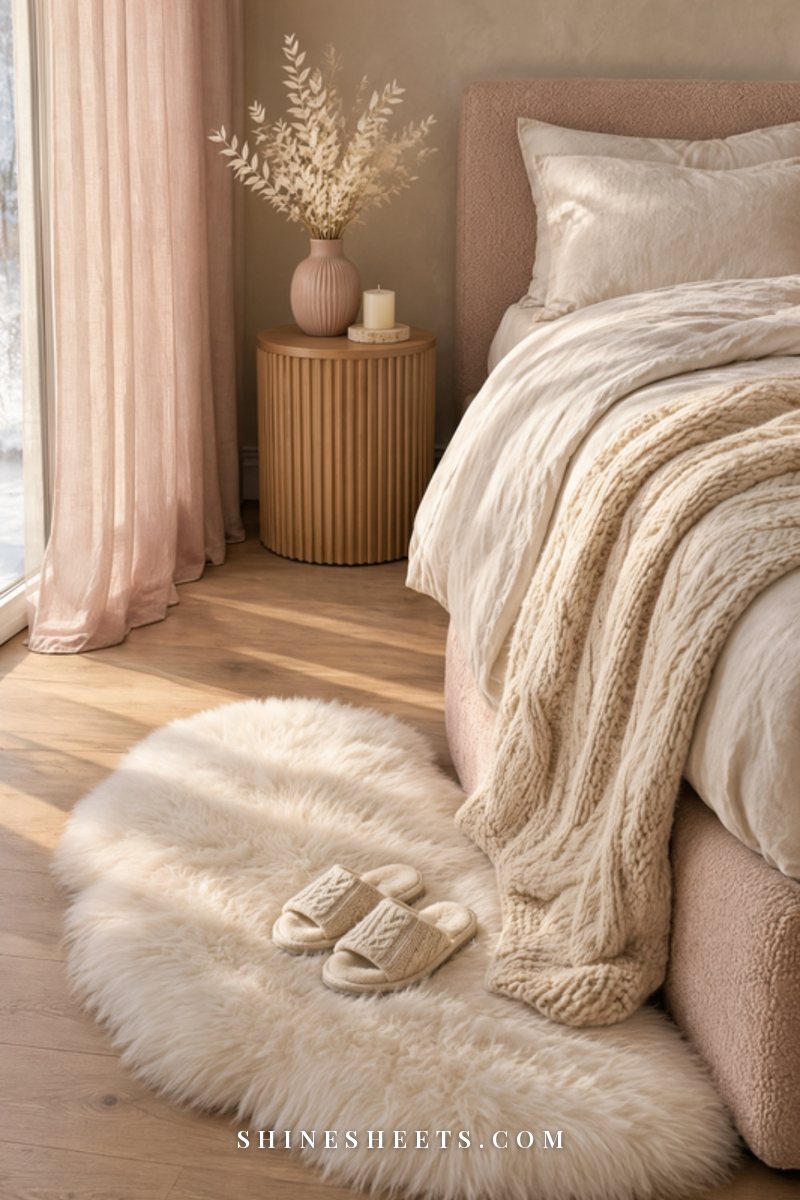
Soft textures are deeply soothing. A knit blanket, a sheepskin-style rug, a linen cushion: these give your hands and skin something comforting to rest against, and they make the corner feel like a hug.
A sage knit throw blanket adds both texture and a calm, natural color. Keep it folded on your seat so it's always there when you need it. A light weight in your lap can feel very grounding.
4. Scent
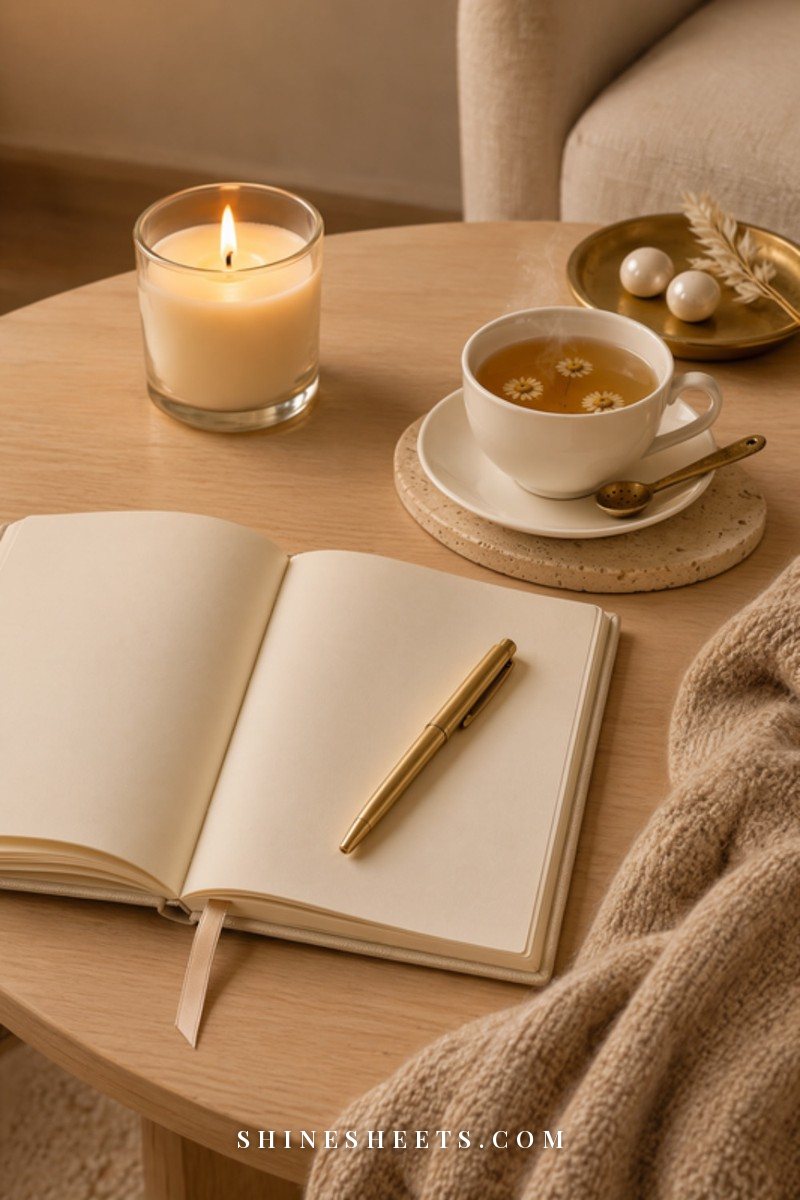
Scent is a strong cue for calm, so choose one gentle scent and keep it just for this corner. Over time, smelling it can help you settle faster. Soft, simple scents tend to work best: lavender, chamomile, vanilla, clean linen or a hint of wood.
I love glass candles for this (they're one of my favorite small comforts), but a reed diffuser or a linen spray works too and needs no flame. If you do use a candle, keep it on a stable surface away from blankets and curtains, and never leave it burning unattended. If you're sensitive to fragrance, skip scent altogether and use fresh air from an open window instead.
5. Sound
Some people want silence; others find it too loud in its own way. Decide what feels calm to you: quiet, soft instrumental music, nature sounds, gentle rain or a steady fan.
A small speaker or a pair of soft headphones keeps sound in your control. If your home is noisy, soft foam earplugs are a simple fix. Keep the volume low; calm sound should sit in the background, not demand attention. If you share a home, a short playlist that you only play in the corner works like scent: after a while, the first few notes alone can help you settle.
6. Something To Do With Your Hands
Restless hands can keep a mind busy. Having one simple, quiet activity nearby gives them somewhere to go. Good options include a smooth stone or a stress ball, knitting or crochet, a small coloring book, a puzzle or a journal.
A guided reflection journal is lovely for this, because the prompts do the thinking for you on days when you have nothing to say. Keep a pen with it, so it's always ready.
Calm Corner Table: Sense by Sense
Here's the unique part of this guide: a simple table to plan your calm corner sense by sense, with a budget idea for each one. Screenshot it, then tick off one row at a time.
| Sense | What to add | Budget idea | Why it helps |
|---|---|---|---|
| Touch (seating) | A chair, beanbag or floor cushion you can sink into | Pillows from the sofa stacked on the floor | Your body can fully let go when it feels supported |
| Sight (light) | A warm, dimmable lamp and natural daylight | A warm white bulb in a lamp you already own | Soft light tells your body the busy part of the day is over |
| Touch (texture) | A knit throw, a soft rug, a linen cushion | A blanket from the cupboard kept only for this spot | Softness and gentle weight feel grounding and safe |
| Smell (scent) | One gentle scent: candle, diffuser or linen spray | A sprig of lavender or a cup of herbal tea | A repeated scent becomes a quick cue for calm |
| Hearing (sound) | Quiet, soft music, nature sounds or earplugs | A playlist on your phone, then set it face down | Fewer sharp sounds mean less for your nervous system to process |
| Hands (something to do) | A journal, knitting, a coloring book or a smooth stone | Any notebook and a pen | Gives restless hands a focus, so the mind can slow too |
What To Do in Your Calm Corner
You don't need a plan to sit in your calm corner. Sometimes just being there is the whole point. But on busy days, it helps to have a few ideas ready, sorted by how much time you have.
If You Have 2 Minutes
- Breathe slowly. Breathe in for four counts, out for six. Repeat five or six times. A longer out-breath gently helps your body settle. My guide to breathing exercises for calm has a few more gentle techniques to try.
- Notice five things. Name five things you can see, four you can feel, three you can hear. It brings you back to the present.
- Drop your shoulders. Roll them back twice, unclench your jaw and let your hands rest open in your lap.
If You Have 10 Minutes
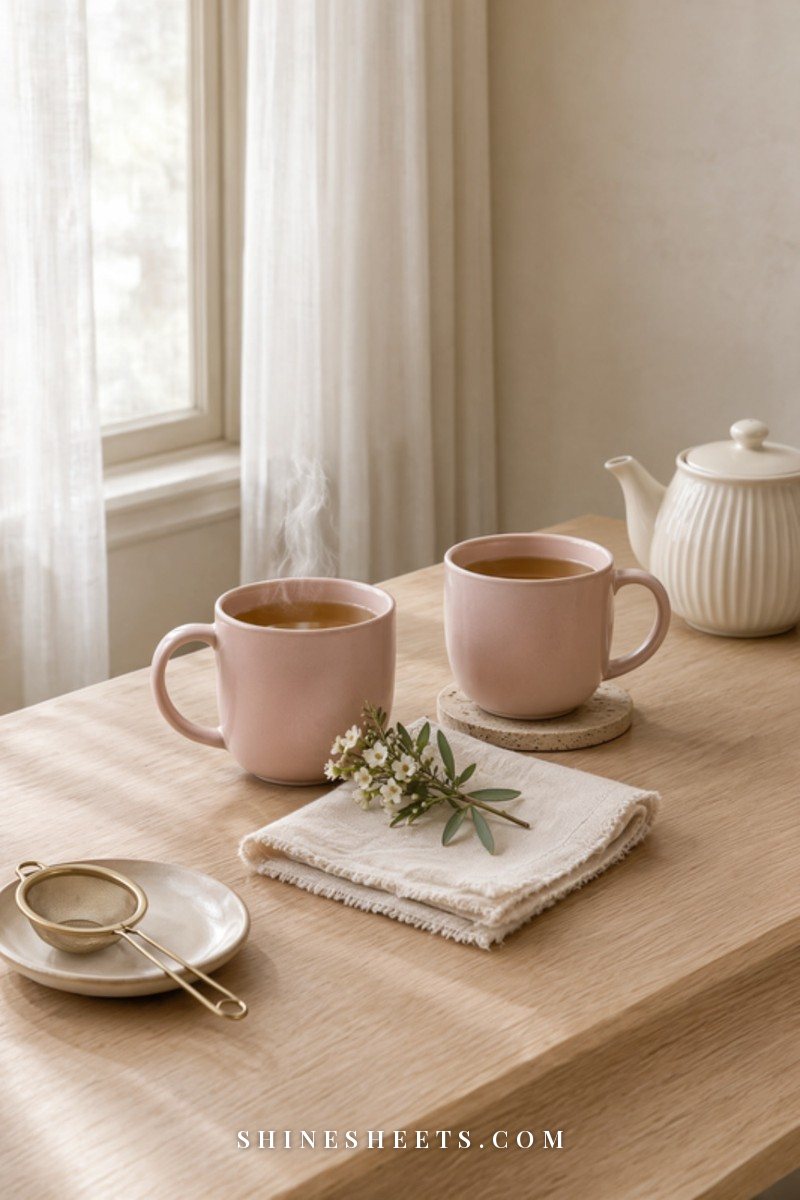
- Make a cup of tea and sit with it. No phone, no book, just the warmth of the mug in your hands. A favorite ceramic tea mug that you only use here makes it feel like a small ritual. Evening tea is one of my favorite ways to end the day.
- Journal for five minutes. Write what's on your mind, then one thing that went okay today. (Journaling after tea is my own small habit, and it works.)
- Stretch gently. Neck rolls, a seated forward fold, a slow side stretch on each side. Move slowly and stop if anything hurts.
If You Have 20 Minutes
- Read something soft. A novel, poetry or a gentle nonfiction book, not the news.
- Try a simple body scan. Lie or sit comfortably and slowly move your attention from your toes to the top of your head, noticing without changing anything. Many gentle daily practices like this are in my guide to nervous system regulation.
- Simply sit. Look out of the window, watch the light change, let your thoughts come and go. Doing nothing on purpose is a skill, and it's a lovely one to practice.
Keeping Your Calm Corner Calm
A calm corner only works if it stays calm. A few small habits keep it that way.
The No-Screens Rule
This is the one rule I'd encourage you to keep. Phones, laptops and tablets bring messages, news and comparison straight into your quiet place, and your body quickly learns that the corner isn't really a break.
If you use your phone for music or a timer, start it, then turn it face down or put it out of reach. If that's hard at first, start small: the first five minutes in the corner are screen-light, then gradually make it longer.
A Quick Tidy Reset
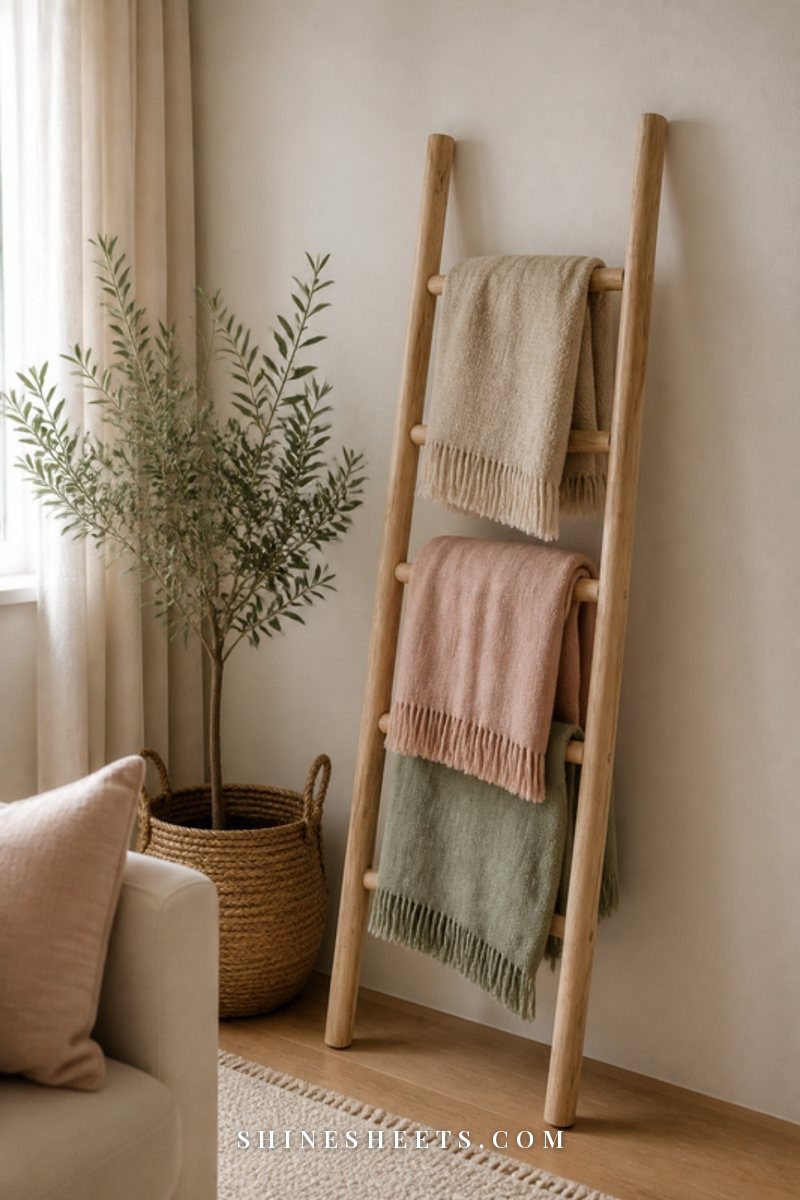
Clutter creeps in quickly: a mug left behind, a pile of laundry, a stray charger. Once a day, or each time you leave, take one minute to reset the corner. Fold the blanket, put the journal back, take the mug to the kitchen.
A woven storage basket beside your seat gives everything a home, so the reset takes seconds. Keep only what you actually use; a calm corner with five things feels much calmer than one with twenty.
Sharing It With a Partner or Housemates
If you live with others, let them know what the corner is for. A simple sentence works: "This is where I go to reset for a few minutes. If I'm sitting there, could you give me a little time before we talk?" Most people are happy to respect that once they understand it.
You can also invite them to use it too, with the same gentle rules: no screens, put things back, keep voices low. Some couples and families find that a shared calm spot quietly lowers the tension in the whole home.
Small Mistakes That Make a Calm Corner Feel Less Calm
Most calm corners don't fail because of the wrong blanket. They fade quietly because of a few small habits. Watch out for these five:
- Making it a second desk. If the laptop starts living there, your body stops trusting it as a rest spot. Keep work in another place, even if that place is just the other end of the table.
- Adding too much. Ten cushions, three candles and a pile of books can feel busy rather than restful. Start with the six elements and stop there for a while.
- Only going there when you're overwhelmed. Visit on good days too, even for two minutes. That's how the place becomes a cue, so it works faster on hard days.
- Choosing the busiest spot in the home. A corner next to the front door or the TV gets interrupted constantly. A little distance matters more than a pretty view.
- Expecting it to feel magical right away. The first few visits might feel a bit strange or even restless. That's normal; your body is simply learning something new.
If one of these sounds familiar, there's no need to start over. Just change one small thing this week and see how the corner feels.
When Stress Feels Like Too Much
A calm corner is a lovely, everyday tool, but it isn't a cure for everything. If stress feels constant, if you can't switch off even when you rest, or if worry is affecting your sleep, appetite, work or relationships, please talk to a doctor or a therapist. You don't need to wait until things feel unbearable. Getting support early is a sign of self-respect, not weakness.
Your calm corner can still be part of your support, a place to practice what you learn, and a reminder that you deserve rest every day.
Final Thoughts
A calm corner for adults doesn't have to be perfect, large or expensive. A soft seat, warm light, something gentle to touch and a few quiet minutes are enough to start.
The more often you go there, the more it becomes yours: a small, steady place in your home that reminds you, again and again, that you're allowed to slow down.