Smelly feet are not a sign that you are dirty or doing something wrong. They are mostly a moisture problem. Your feet sweat, your shoes trap that sweat, and the tiny bacteria that live on everyone's skin get a warm, damp place to break it down. That breakdown is where the smell comes from, which means the fix is less about scrubbing harder and more about keeping your feet and shoes dry.
The good news is that foot odor usually responds really well to small, boring habits done consistently. A few minutes in the shower, the right socks and a smarter way of treating your shoes can change everything within a week or two.
This guide covers smelly feet from top to toe (well, toe only): why it happens, a quick table to match your signs to a fix, a four-step daily routine, six shoe habits that tackle odor where it actually lives, a weekly pampering step and the signs that mean it is time to see a doctor. No shame, no harsh home remedies, just what helps.
Why Feet Smell (and Why It Is So Common)
Your feet have more sweat glands per square inch than almost anywhere else on your body. They sweat all day, whether you notice it or not, and they sweat even more when you are warm, active or stressed. Sweat itself is basically odorless. The smell appears when bacteria on your skin feed on that sweat and on dead skin cells, releasing compounds with a sharp, cheesy or vinegary scent.
Then your shoes join the party. Closed shoes hold heat and moisture, synthetic socks keep sweat pressed against your skin, and a pair you wear every day never fully dries out between wears. Over time the smell soaks into the insole itself, which is why freshly washed feet can still smell after a few hours in a certain pair.
A few things that make it more likely:
- Wearing the same shoes every day, so they never get a full day to dry.
- Synthetic socks or no socks at all in closed shoes like sneakers, loafers or boots.
- Warm weather, workouts and long days on your feet.
- Stress and anxiety, which can make your feet sweat more (I notice this one on busy, nervy days).
- Hormonal shifts, which can change how much you sweat.
- Skipping drying between the toes after a shower.
It is incredibly common. Almost everyone deals with it at some point, so if you have been quietly embarrassed about it, please let that go. You are just a person with feet and shoes. If you are also working on overall freshness, my guide to body odor tips for staying fresh all day covers underarms and the rest of you, while this one stays firmly on feet and shoes.
Smelly Feet at a Glance: Causes, Signs and Fixes
Before you change everything, find the row that sounds most like you. Most people have one or two main causes, and fixing those makes the biggest difference. Screenshot it if it helps.
| Cause | Sign | Daily fix | When to get help |
|---|---|---|---|
| Sweaty feet in closed shoes | Damp socks by midday, smell after a few hours | Cotton or wool-blend socks, foot powder in the morning | Very heavy sweating that soaks shoes or affects daily life |
| Shoes that never dry | One pair smells even when your feet are clean | Rotate pairs, 24 hours of drying, cedar inserts | Rarely needed; replace very old insoles |
| Synthetic socks | Smell is worse on certain sock days | Swap to breathable cotton or wool-blend socks | Not needed |
| Moisture between toes | White, soft or soggy skin between toes | Dry carefully between every toe, powder lightly | Itching, peeling, cracking or redness that does not clear |
| Dead skin buildup | Rough, thick skin on heels and soles | Weekly soak and gentle exfoliation | Painful cracks, bleeding or thick calluses |
| Possible fungal infection | Itchy, scaly skin, thick or yellow nails | Keep feet dry, do not share towels or shoes | See a doctor or podiatrist for diagnosis and treatment |
If you see yourself in the first three rows, the daily routine and shoe habits below will likely do most of the work. If the last row sounds familiar, keep reading, but also plan a visit to a professional, because a fungal infection needs proper treatment rather than more powder.
Your Daily Fresh-Feet Routine in 4 Steps
This routine takes about three extra minutes a day. It feels almost too simple, and that is exactly why it works: you can do it on your tiredest evening.
1. Wash Between Your Toes With Soap
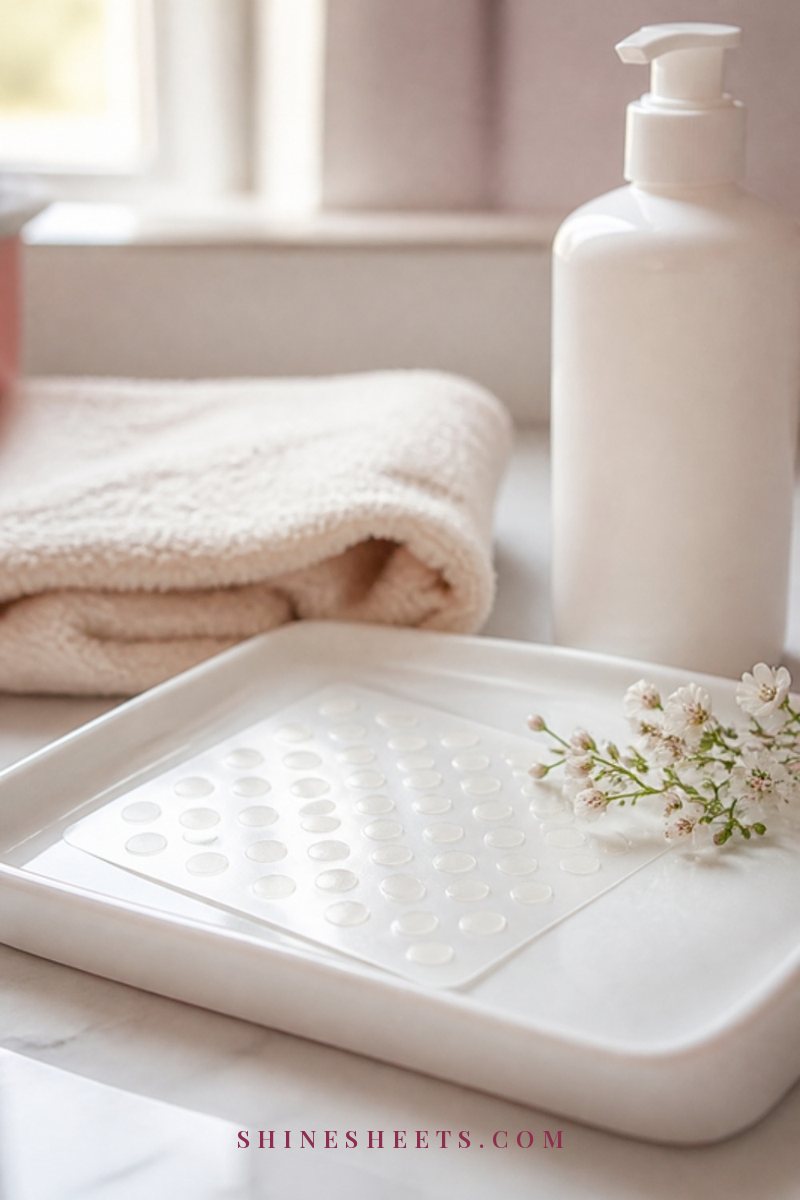
Running shower water over your feet is not quite the same as washing them. Use a gentle soap or body wash, lather it in your hands or on a soft washcloth and actually get between each toe, around the nails and over the soles. Thirty seconds per foot is plenty.
If your skin is sensitive (mine is, at least on my face), choose a mild, fragrance-light wash rather than a heavily perfumed one. Strong fragrance does not cancel odor; it just sits on top of it, and it can irritate skin that is already a bit stressed. On sweaty days, a second quick wash in the evening is completely fine.
2. Dry Your Feet Completely
This is the step most of us skip, and it matters more than the washing. Bacteria and fungi love moisture, especially in the tight spaces between your toes. After your shower, pat each foot with a towel and then run a corner of the towel between every toe. Give your feet a minute or two in the air before putting on socks.
A small tip: keep a separate small towel just for your feet, wash it often and never share it. If your feet are very damp after a hot shower, a hair dryer on the cool setting held at a safe distance for a few seconds can finish the job.
3. Put On Fresh Socks Every Single Day
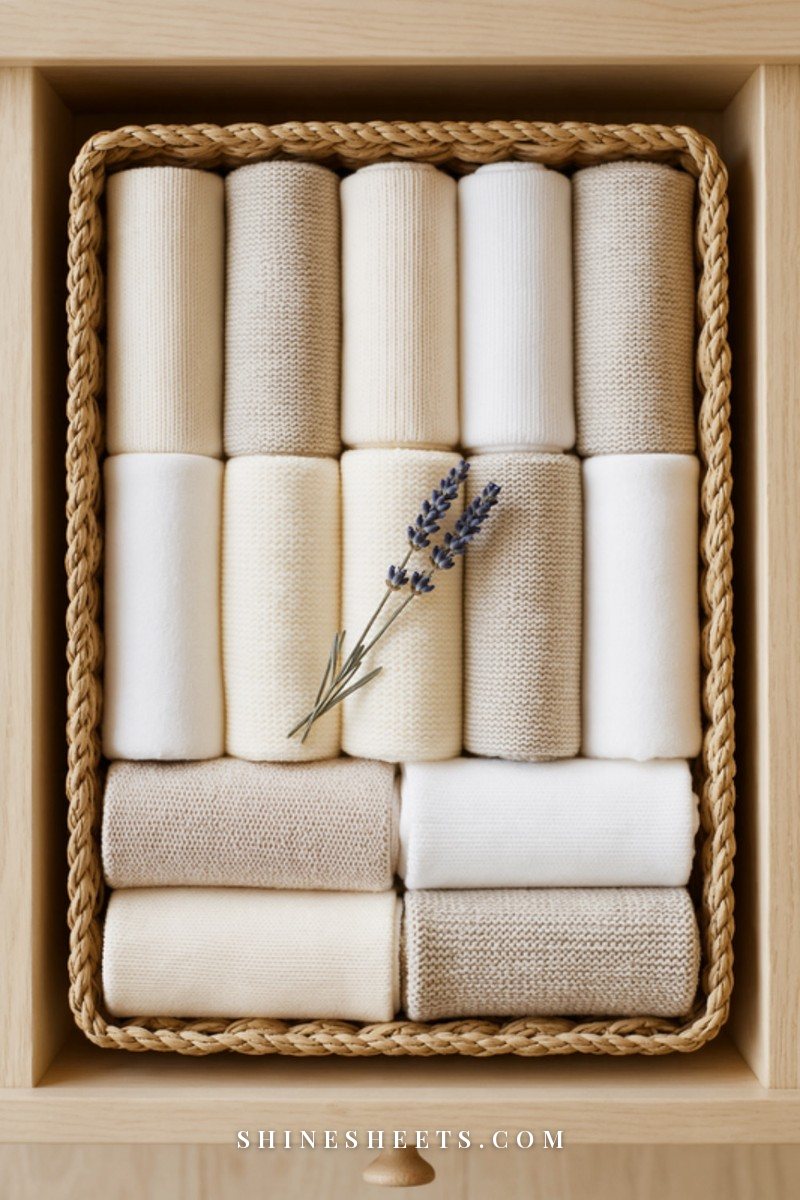
Socks are the layer between your sweat and your shoes, so they do a lot of quiet work. Wear a fresh pair every day, and change midday if you have been active or your socks feel damp. On workout days, pack a spare pair in your bag.
Breathable fibers make a real difference. A soft set of cream cotton crew socks is lovely for everyday wear, and for long days or cooler weather, merino wool-blend socks are a good pick because wool handles moisture well and tends to hold on to odor less than you might expect. Wash socks inside out so the side that touched your skin gets the most cleaning.
4. Add Foot Powder or a Foot Antiperspirant
Once your feet are completely dry, a light dusting of foot powder in the morning helps keep moisture down for hours. I'd choose a talc-free foot powder and sprinkle a little over the soles and between the toes, then tap any extra off. A tiny bit inside the shoe works too.
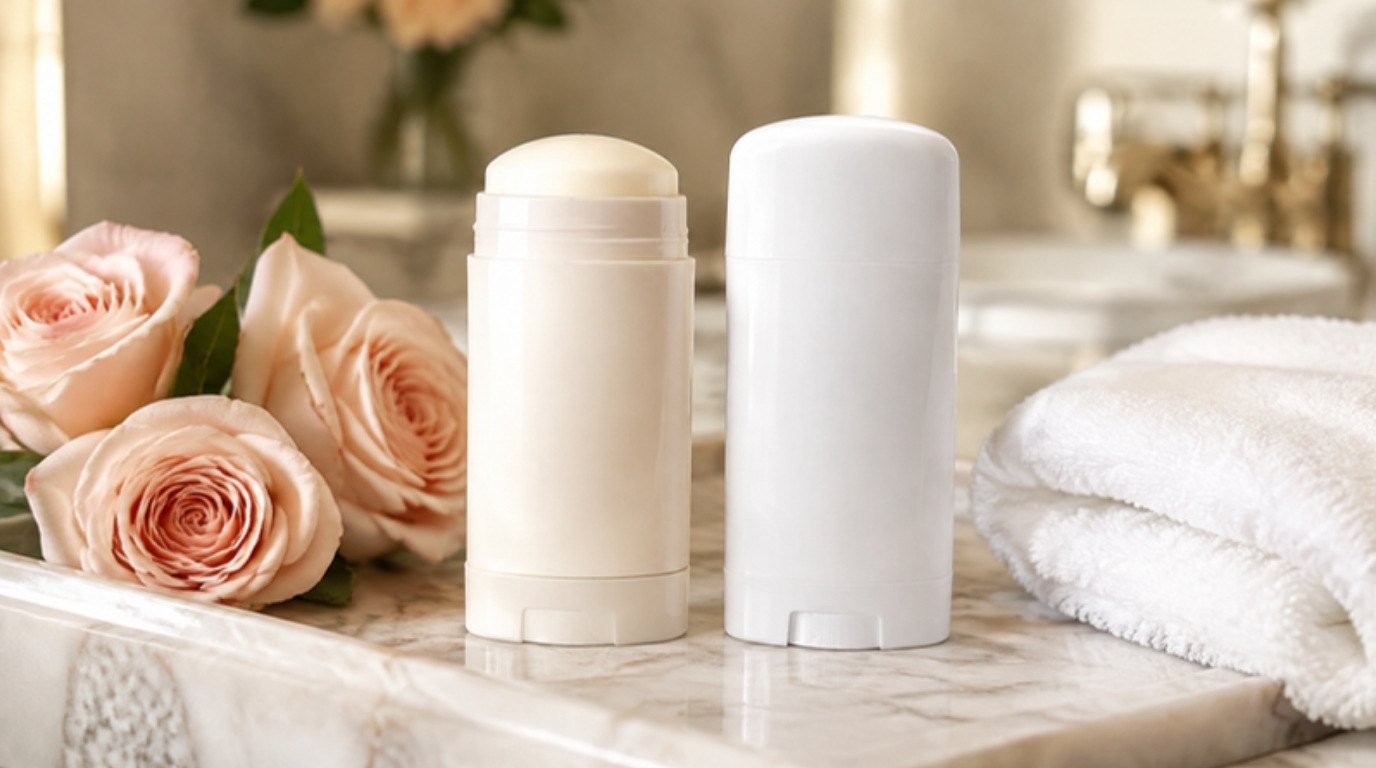
If powder is not enough, many people find that a regular antiperspirant (or one made for feet) applied to dry soles at night helps reduce sweating. Night application gives it time to work while your feet are cool and still. If you are not sure whether antiperspirant or deodorant is the right choice for you, my guide on aluminum-free deodorant vs antiperspirant explains the difference. Patch test any new product on a small area first, and skip it on broken, cracked or irritated skin.
6 Shoe Care Habits That Stop Odor at the Source
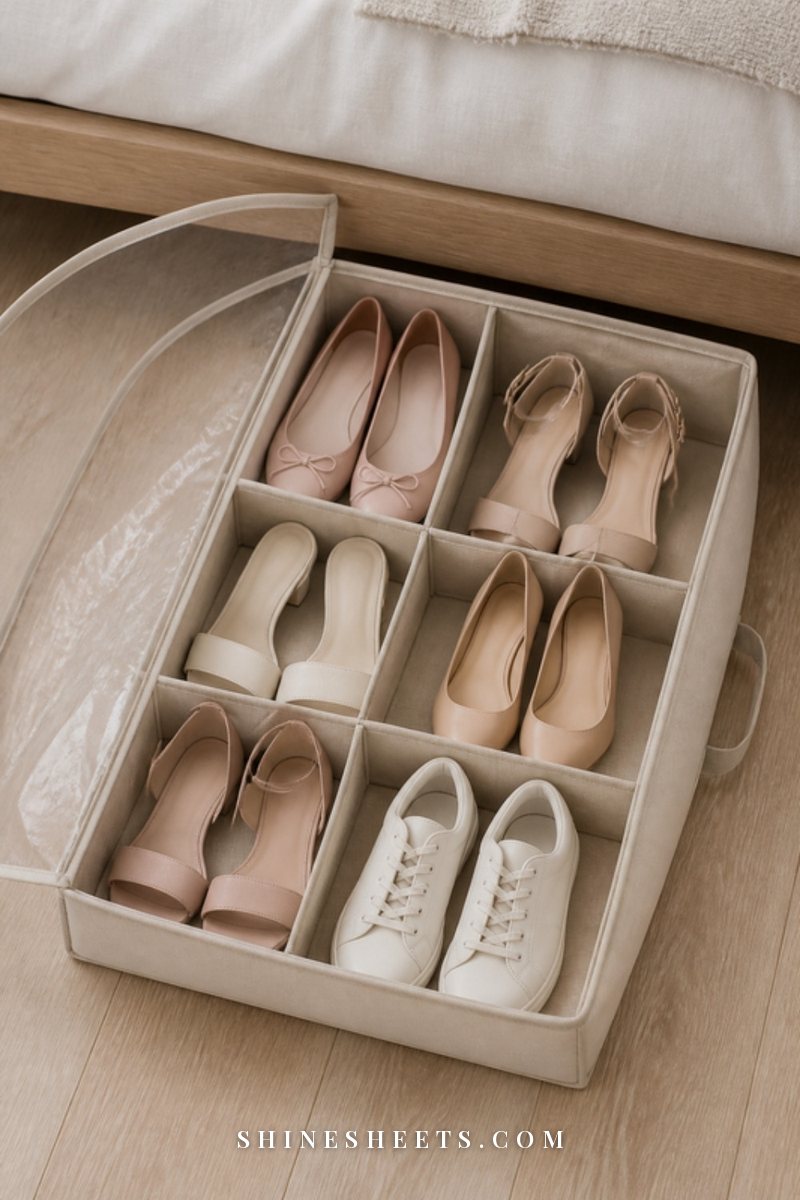
Here is the part people miss: once odor gets into your shoes, even perfectly clean feet will pick it up again. Treat your shoes as part of the routine, not an afterthought. These six habits keep them dry and fresh.
1. Rotate Your Shoes So Each Pair Dries for 24 Hours
Shoes need roughly a full day to dry out after you wear them, longer for sneakers and boots. If you wear the same pair every day, it simply never gets there. Try to have at least two pairs you can alternate for work or errands, and give each one a 24-hour break between wears.
It does not need to be a big shoe collection. Two everyday pairs plus one workout pair is a perfectly good rotation. Keeping them stored somewhere airy (not in a pile by the door) helps too, and my shoe organization ideas for small spaces have plenty of ways to do that without crowding your entryway.
2. Slip Cedar Inserts Into Your Shoes
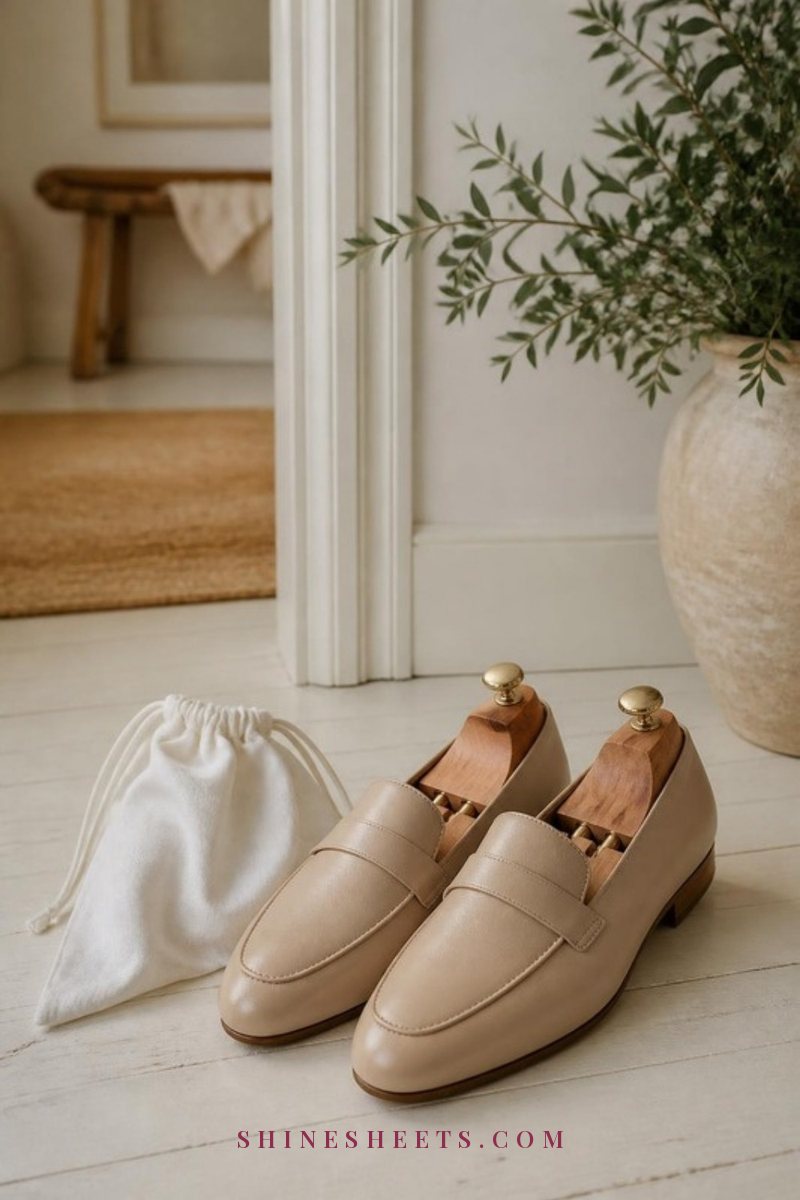
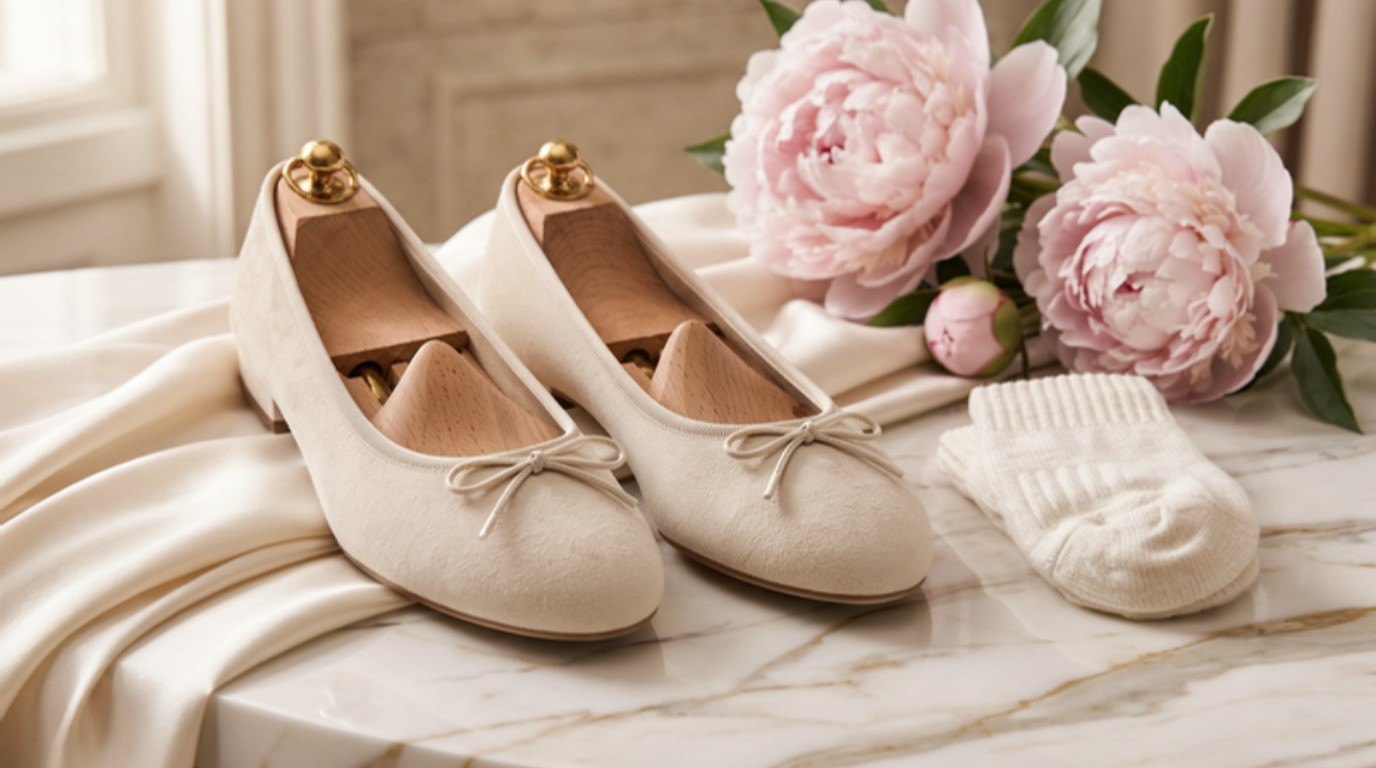
Cedar wood naturally absorbs moisture and has a soft, clean, woody scent. Sliding a pair of cedar shoe inserts into your shoes as soon as you take them off helps pull out leftover dampness and keeps the shape of the shoe, too. They are especially nice for flats, loafers and leather shoes you cannot easily wash.
Every couple of months, lightly sand the surface of cedar inserts with fine sandpaper to refresh the scent. Store them inside the shoes, not in a drawer, so they actually work.
3. Switch to Washable Insoles
Insoles soak up more sweat than any other part of a shoe. If your sneakers or everyday shoes allow it, take the insoles out after each wear so both the insole and the inside of the shoe can dry separately. If the original insoles are worn out or permanently smelly, replace them with washable odor-control insoles you can rinse or hand-wash regularly.
A good rhythm: hand-wash removable insoles with mild soap and lukewarm water every two to four weeks, press out the water with a towel and let them air-dry completely for a day before putting them back.
4. Air Your Shoes Out the Right Way
When you get home, do not toss your shoes straight into a closet or a closed cabinet. Loosen the laces, pull the tongue up and leave them somewhere with airflow for a few hours: near an open window, on an open rack or in a well-ventilated hallway.
Avoid putting shoes directly on a radiator or in strong direct heat, since that can crack leather and warp soles. Gentle airflow is all they need.
5. Leave Baking Soda in Your Shoes Overnight
For shoes that already smell, baking soda is a simple, inexpensive helper. Sprinkle about a teaspoon into each shoe (or pour it into a thin cotton sock and tuck that inside for less mess), leave it overnight, then tip it out and tap the shoes clean in the morning.
Do this once or twice a week for shoes that need a reset. Skip it on suede interiors that might stain, and make sure the shoes are dry before you add it so it does not clump.
6. Wash Your Sneakers Properly
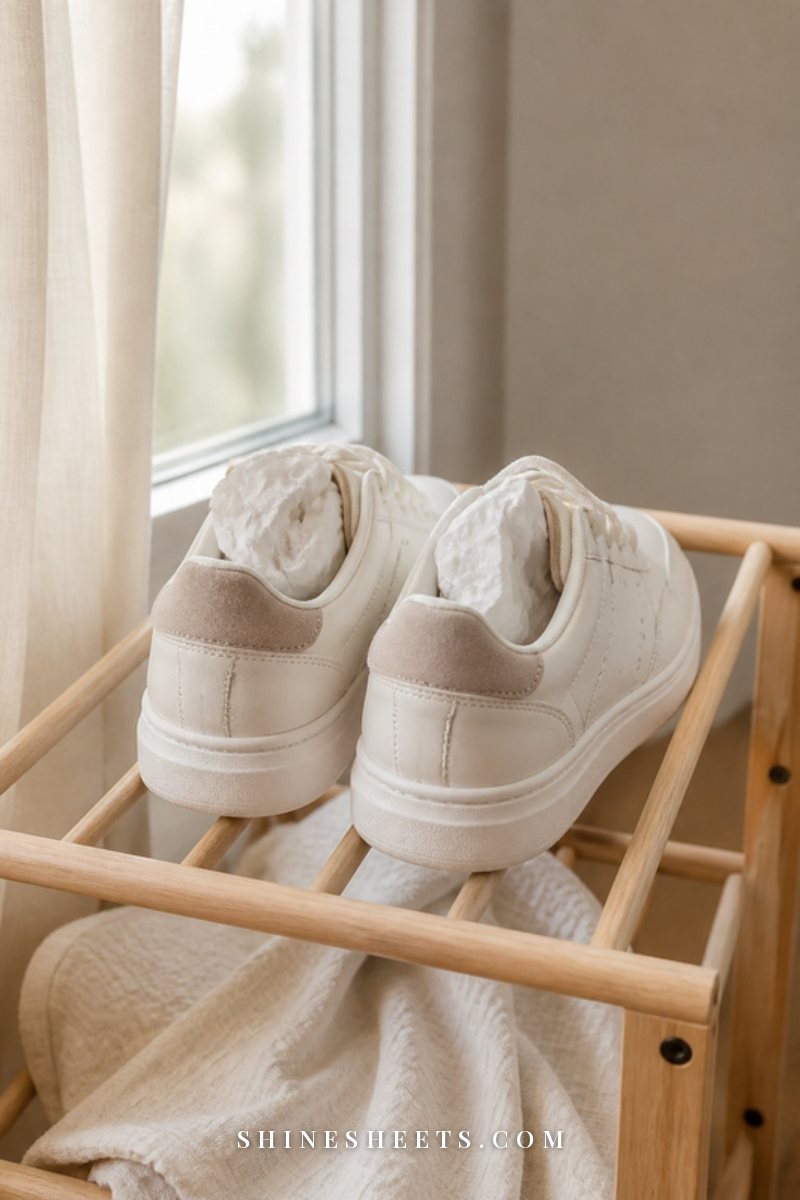
Many canvas and fabric sneakers can be washed, and doing it every few weeks keeps odor from building up. Check the care label first. Then:
- Remove the laces and insoles and wash those separately.
- Brush off loose dirt from the soles and outside.
- Wash by hand with mild detergent and a soft brush, or place the sneakers in a mesh laundry bag and run a gentle, cold cycle with a couple of towels to soften the tumbling.
- Stuff them with paper towels or a clean cloth to help them hold their shape.
- Air-dry at room temperature for at least 24 hours, never in the dryer.
Leather and suede shoes should not be machine-washed. Wipe the inside with a cloth dampened with mild soapy water, let them air-dry fully and rely on cedar inserts and rotation between cleanings.
How To Choose Socks and Shoes That Breathe
Breathable materials keep the whole system drier, so it is worth a little thought when you shop.
- Socks: look for cotton, merino wool or wool blends, and moisture-wicking athletic socks for workouts. Avoid thin 100% synthetic socks for all-day wear in closed shoes.
- Shoes: leather, canvas and mesh breathe better than plastic or fully synthetic uppers.
- Fit: shoes that are too tight squeeze toes together and trap moisture between them.
- Bare feet in closed shoes: try to avoid it. If you love flats or loafers without visible socks, choose thin no-show cotton liners.
- Open shoes: on warm days, sandals let your feet breathe and give your closed shoes a rest.
A small, honest admission: for a long time I thought cute flats with no socks were harmless. They are fine now and then, but worn daily they are one of the fastest ways to a smelly shoe. A pair of no-show liners solved it without changing the look.
Your Weekly Foot Soak and Gentle Exfoliation
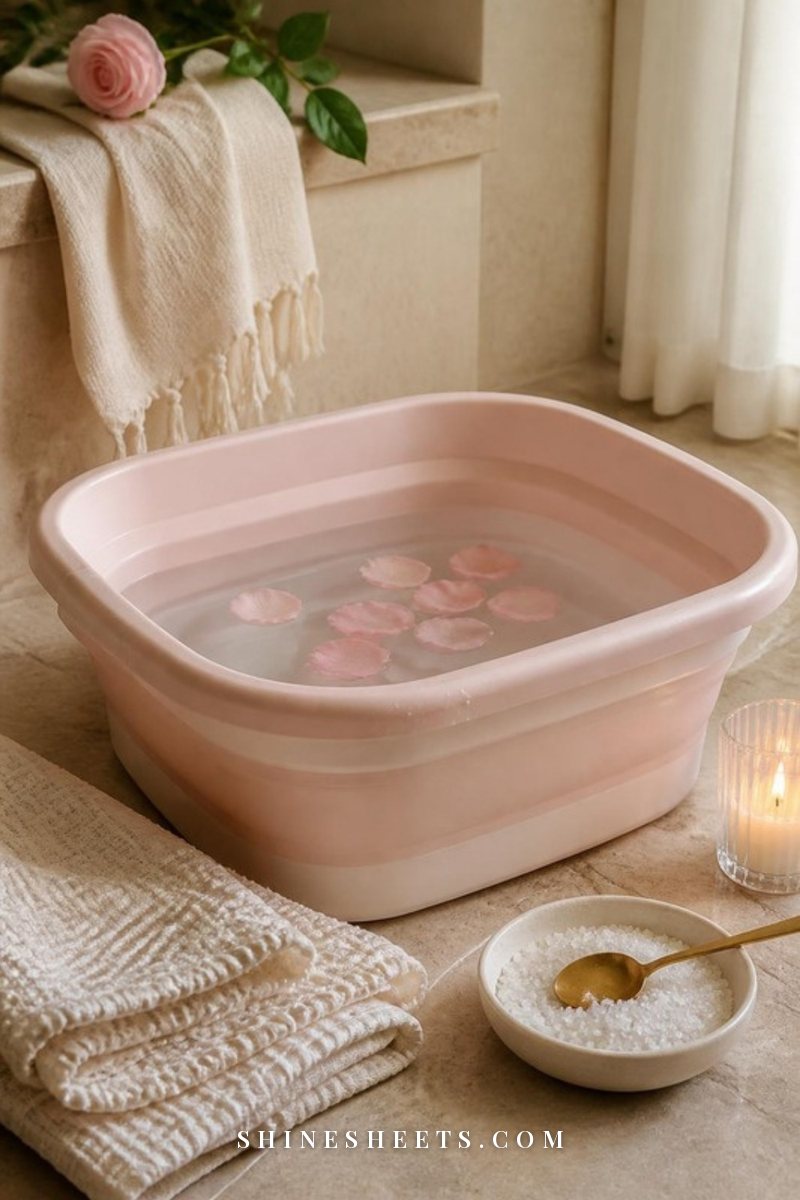
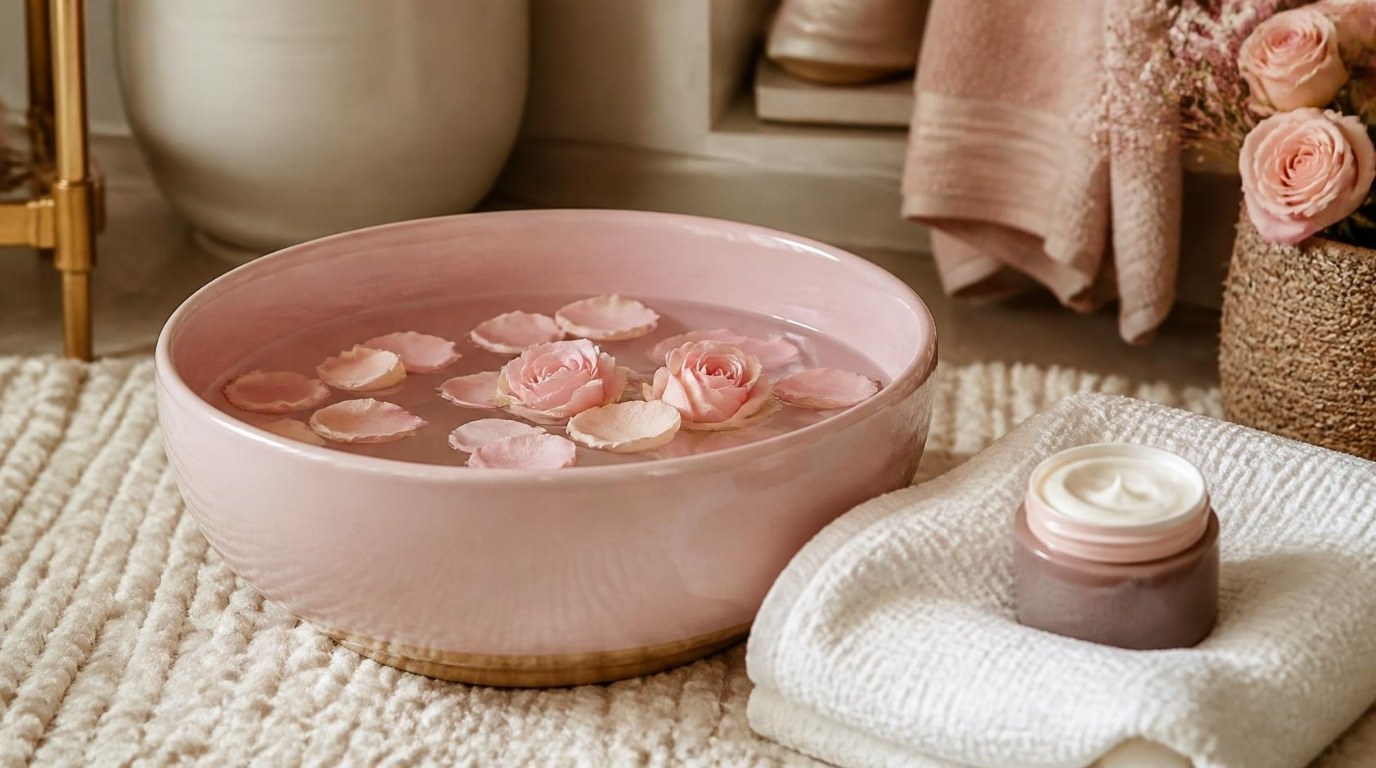
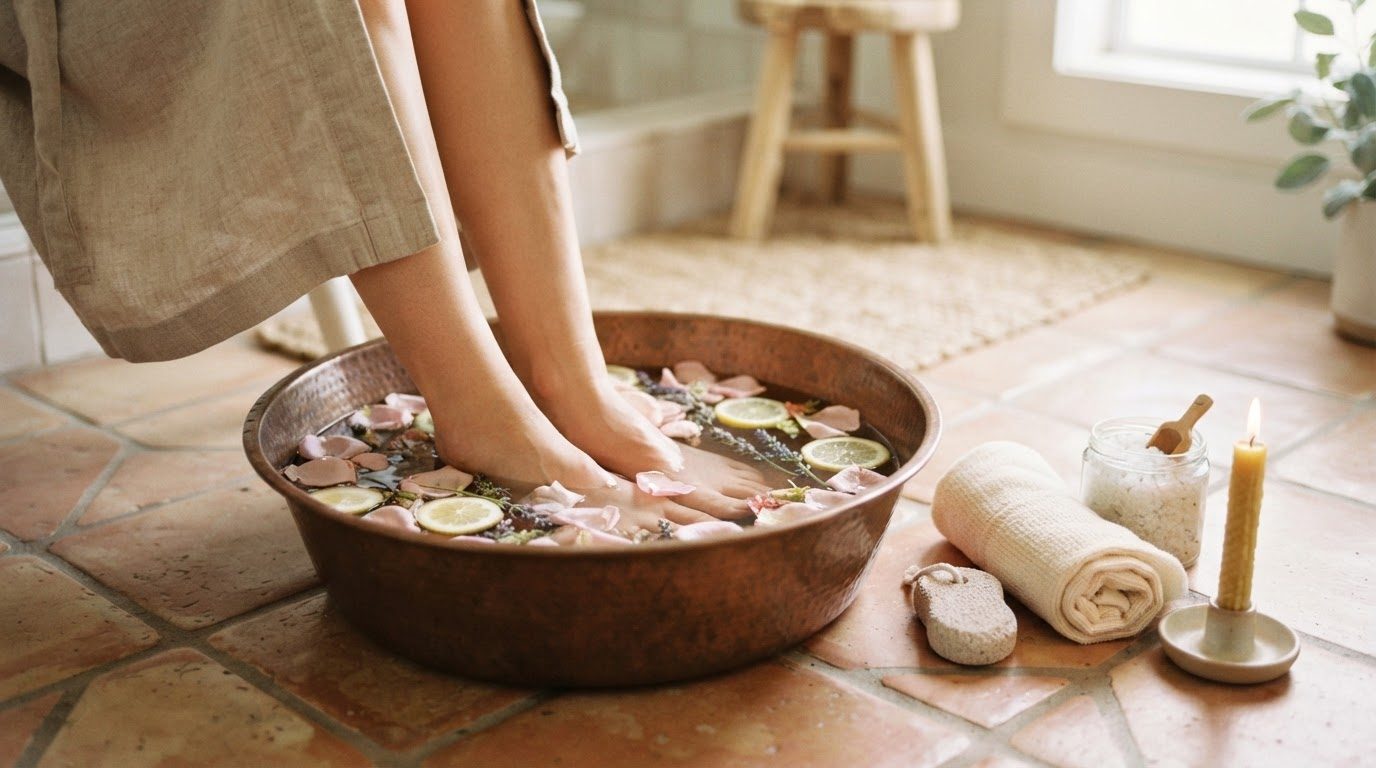
Once a week, give your feet a little extra care. Softer, smoother skin holds on to less dead skin, which means less for bacteria to feed on. It also just feels lovely, especially with a candle and a cup of evening tea nearby.
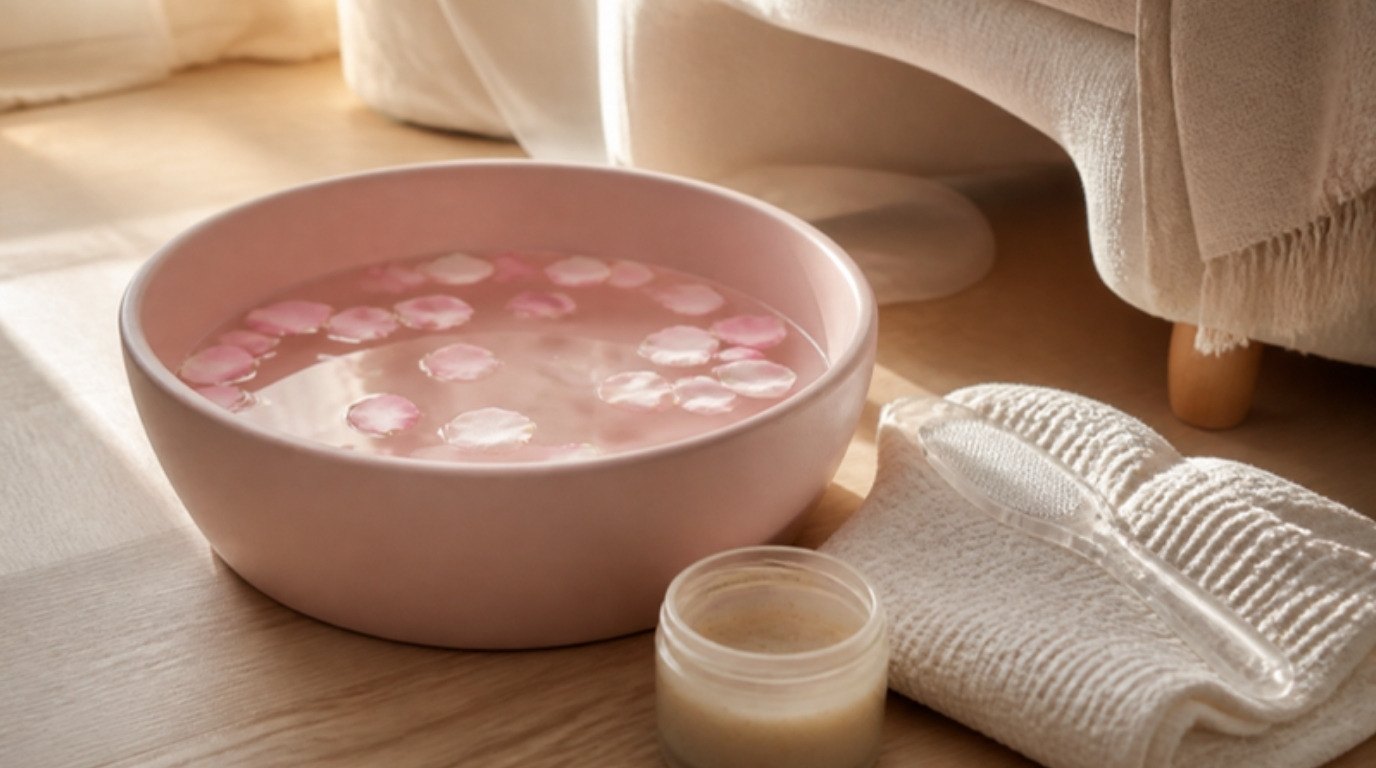
- Soak for 10 minutes. Fill a basin with comfortably warm (not hot) water and a little gentle soap. Plain warm water works beautifully, and Epsom salt is an optional extra if your skin likes it.
- Exfoliate gently. Massage a gentle exfoliating foot scrub over your soles and heels for a minute or two, then rinse.
- Smooth rough spots. Use a natural pumice stone on damp skin with light pressure on heels and calluses only. Stop before the skin feels tender.
- Dry thoroughly. Same as every day, between every toe.
- Moisturize heels, not between the toes. Rub a rich cream into heels and soles, but keep the spaces between your toes dry.
Rinse the pumice stone after use and let it dry completely so it stays clean. If you want a fuller routine for soft heels, my gentle seven-day foot care routine walks through it, and an at-home pedicure is a nice way to tidy nails and cuticles at the same time.
Please skip harsh home remedies. Bleach soaks are never safe for skin, and strong vinegar soaks can sting and irritate, especially on cracked or broken skin. If something burns, rinse your feet with plain water and stop.
5 Mistakes That Make Foot Odor Worse
Sometimes the issue is not what you are missing but what is quietly working against you.
- Covering the smell with perfume or body spray. It masks odor for an hour, then mixes with it. Fix the moisture instead.
- Putting socks on damp feet. Rushing out of the shower straight into socks traps water right where bacteria love it.
- Wearing the same pair every day. Even great shoes need a day off to dry.
- Storing shoes in a closed gym bag. Take them out as soon as you get home and let them air.
- Ignoring itchy, peeling skin. That can be a sign of a fungal infection that will not go away with hygiene alone.
If you fix even two of these, you will probably notice a difference within days.
When To See a Doctor or Podiatrist
Most foot odor is harmless and improves with the steps above within a couple of weeks. But some signs deserve a professional look, and there is nothing embarrassing about asking. Doctors and podiatrists see feet all day.
Book an appointment with a doctor or podiatrist if you notice:
- Itchy, peeling, scaly or cracked skin between your toes or on your soles.
- Thick, crumbly, discolored or yellow toenails, which can point to a fungal nail infection.
- Very heavy sweating that soaks through socks and shoes or gets in the way of daily life.
- Sores, blisters, redness, warmth or swelling that does not heal.
- A sudden change in smell that is strong and unusual for you.
- Odor that does not improve after a few weeks of consistent care.
If you have diabetes or problems with circulation, check your feet daily and contact your doctor about any cut, blister, crack or color change, even a small one. Do not treat these yourself with scrubs, pumice stones or soaks without medical advice.
A professional can tell you whether you are dealing with simple sweat and bacteria, a fungal infection or excessive sweating, and recommend a treatment that fits. Keeping a quick note of what you have noticed (when it started, what you tried, which shoes make it worse) can make the appointment easier.
Final Thoughts
Smelly feet are one of those very human things that feel far more embarrassing than they are. The fix is rarely dramatic: wash between your toes, dry them properly, wear breathable socks and give your shoes the rest and air they need.
Start with one or two habits this week, maybe a shoe rotation and cedar inserts, and build from there. Your feet carry you through every single day, and a few small, kind minutes of care is a lovely way to thank them.