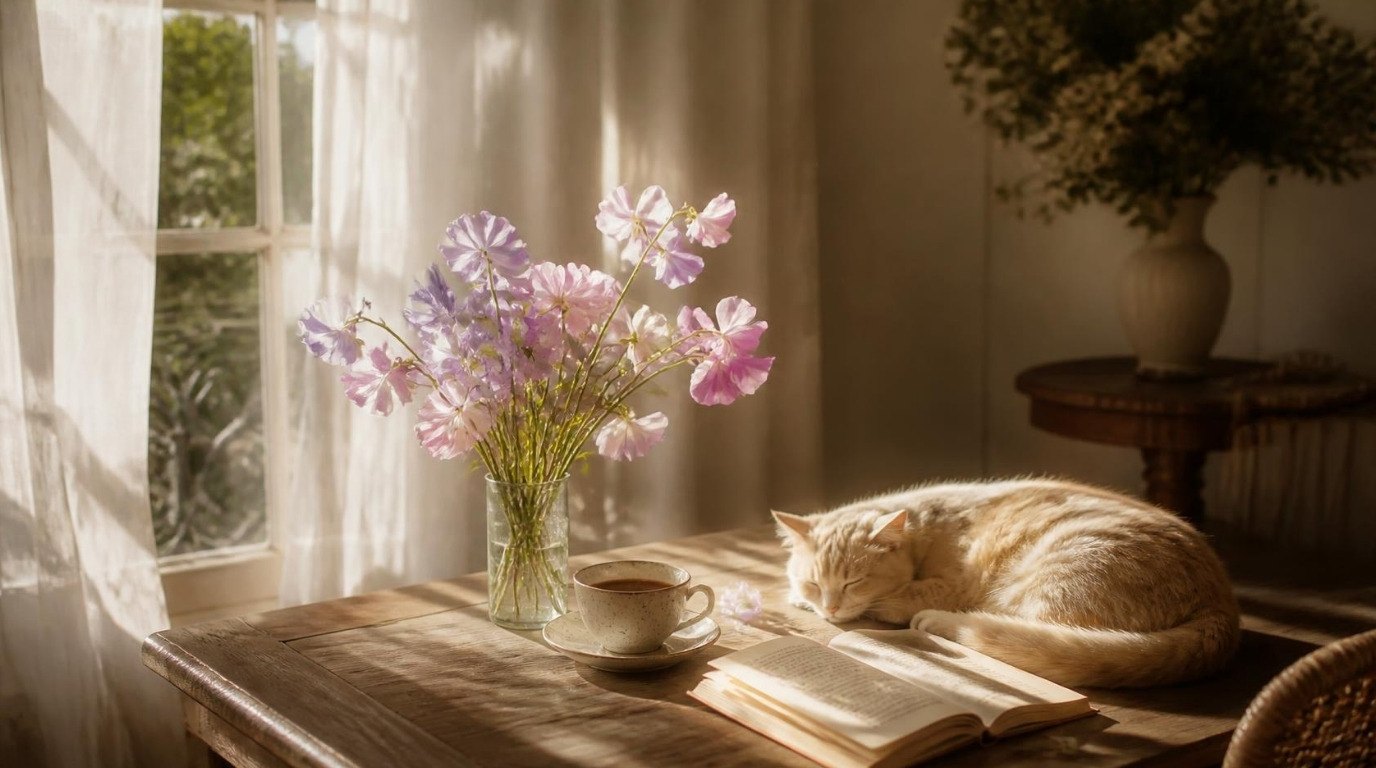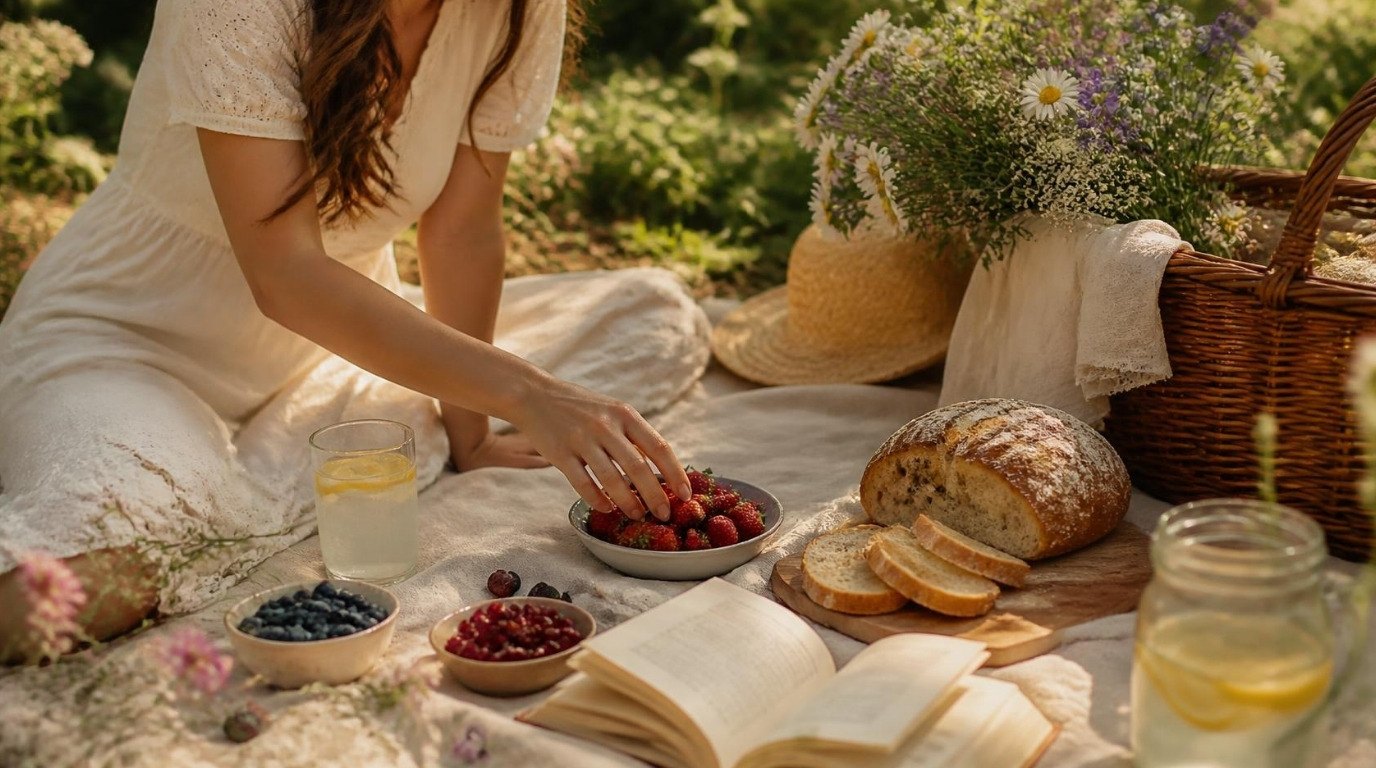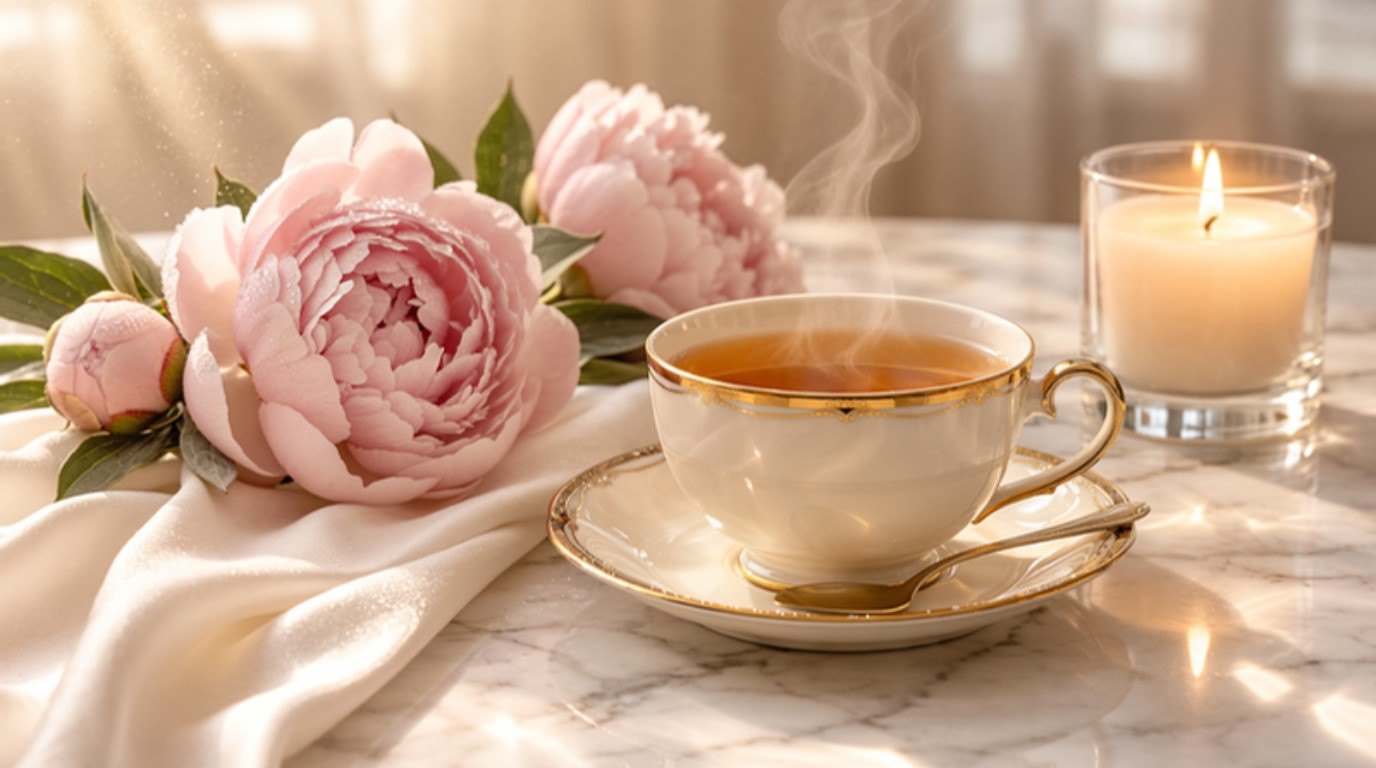
Good moments don't usually need to be bigger to make you happier. They need a few more seconds of your attention. The warm mug in your hands, a friend's laugh, the light on the wall at the end of the day: most of them are already there, quietly passing by while your mind skips ahead to the next thing.
That's what savoring is about. It's the simple, research-backed habit of noticing a good feeling and staying with it a little longer, so it can actually land. Psychologists have studied it for decades, and the encouraging part is that it's a skill, not a personality trait. Anyone can practice it, and it takes minutes, not hours.
In this guide you'll find what savoring really means, the three directions it can go, why your brain tends to rush past the good stuff, a table of small savoring practices with the time each one needs, 10 gentle ways to savor everyday moments, what tends to get in the way, and why savoring is not the same as forcing yourself to be positive.
No big life changes required. Just a little more noticing.
What Savoring Actually Is

Savoring means deliberately paying attention to a positive experience and doing something, inside or out, that helps the good feeling stay or grow. Psychologist Fred Bryant, one of the researchers who shaped this field, describes it as the way we notice, appreciate and enhance the positive things in our lives.
It's different from simply having a good moment. You can eat a lovely piece of chocolate while reading emails and barely register it. Savoring is eating that same square slowly, noticing the taste, and letting yourself think "oh, this is nice". Same moment, very different effect.
The Three Directions of Savoring
Savoring can point in three directions in time, and each one feels a little different:
- Looking back (reminiscing): revisiting a happy memory, a trip, a conversation or a small win and letting the warm feeling come back.
- Enjoying now (savoring the moment): fully noticing what's good while it's happening, like the first sip of tea or a hug that lasts a second longer.
- Looking forward (anticipating): enjoying something before it arrives, like a weekend plan, a visit or a new book waiting on your nightstand.
Most of us lean toward one direction naturally. Some people are wonderful at nostalgia and terrible at looking forward; others love planning but rush through the actual day. Using all three gives you more chances to feel good from the same experience.
Why Your Brain Rushes Past Good Moments
There's a reason good moments slip away faster than bad ones. Human brains have a well-known negativity bias: threats, problems and worries grab attention quickly because noticing them helped our ancestors stay safe. Pleasant things don't trigger the same alarm, so the brain files them as "fine, nothing to fix" and moves on.
Add a busy schedule, a phone in your hand and a habit of planning the next thing, and a good moment can come and go in a few seconds without leaving much of a trace. Savoring gently overrides that habit. You're not ignoring problems; you're simply giving the good parts equal airtime.
I'm prone to anxiety, and I've noticed my mind is very good at scanning for what could go wrong. Savoring hasn't changed that completely, but it has given the other side of the scale a little more weight.
Savoring Practices at a Glance
Here's a quick reference for choosing a practice that fits your moment and the time you have. Screenshot it and keep it somewhere you'll see it.
| Savoring type | When to use it | Small practice | Time needed |
|---|---|---|---|
| In the moment | During a daily pleasure: tea, a shower, a walk | Slow down and notice one sense at a time | 30 seconds–2 minutes |
| Out loud | When you're with someone you like | Say "I'm really enjoying this" while it's happening | 5 seconds |
| Mental snapshot | A view, a laugh, a cozy evening | Pause, look around, tell yourself "remember this" | 10–20 seconds |
| Sharing | After good news, big or small | Tell one person and let them celebrate with you | 2–5 minutes |
| Evening reflection | Before bed | Write down three good moments and one detail of each | 5 minutes |
| Reminiscing | A low or flat day, a quiet Sunday | Look through photos of one happy memory | 5–10 minutes |
| Anticipating | A busy or dull week | Plan one small thing to look forward to and imagine it | 5 minutes |
| Glimmer pause | Outdoors, on the way somewhere | Stop for one breath at something beautiful | One breath |
10 Ways To Savor Good Moments
These are small on purpose. Pick one or two that feel natural, practice them for a week, and add more only if you want to.
1. Slow Down One Daily Pleasure

Choose one thing you already do every day and decide to really experience it. The first sip of tea or coffee is the classic: hold the warm mug, breathe in the scent, take one slow sip and notice the taste before you reach for your phone. A cream ceramic tea mug you love holding can quietly turn this into a little ritual.
It works with anything: the first minute of a warm shower, putting on hand cream, stepping into fresh sheets. Thirty seconds of full attention is enough. You're training your brain to notice that good things are happening.
2. Name What You Enjoy Out Loud
Saying "this is so nice" or "I love this song" while it's happening sounds almost too simple, but putting words to a feeling helps it register and often makes it a little stronger. It also invites the people around you to notice it too, which turns a private pleasure into a shared one.
If talking out loud feels awkward, start with low-stakes moments: a meal with a friend, a sunny walk, a funny show. A small "I'm really enjoying this" is plenty.
3. Use All Five Senses

Pleasure gets richer the more senses you bring into it. Next time you're having a good moment, run through them slowly: what you see, what you hear, what you smell, what you feel on your skin, and what you taste if there's anything to taste.
Evenings are a lovely time for this. Light a lavender scented candle, notice the soft flicker, the scent, the weight of a blanket on your legs and the quiet. You don't need to do anything else; noticing is the practice.
4. Take a Mental Snapshot
When something feels good, pause for ten seconds, look around and tell yourself, "I want to remember this." Notice two or three specific details: the color of the sky, the sound of a friend's laugh, the feeling of sand or grass under you.
This little act of intention helps the moment stick in memory, which means you can come back to it later. It's especially sweet at the end of a trip, a celebration or an ordinary cozy evening you'd like to keep.
5. Share Good News With Someone
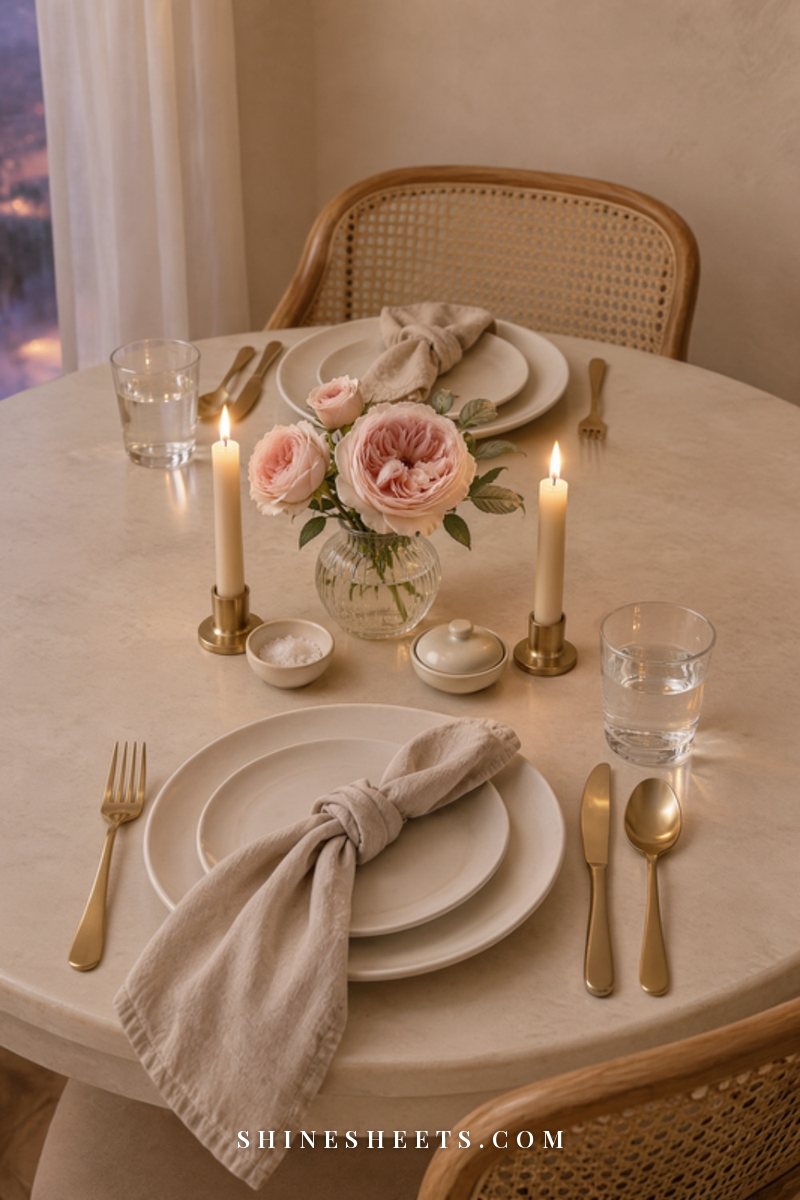
Telling someone about something good, a compliment at work, a small win, a nice message, gives the experience a second life. Researchers call this capitalizing, and studies suggest it tends to boost good feelings beyond the event itself, especially when the other person responds warmly.
Choose someone who's likely to be happy for you. And try to return the favor: when a friend shares their good news, ask a follow-up question and let them enjoy it a little longer. You'll be savoring together.
6. Write Three Good Moments at Night

Before bed, write down three good moments from the day, even tiny ones, and add one specific detail to each. Not "lunch was nice" but "the soup was warm and my friend made me laugh about her cat". The detail is what brings the feeling back.
This is my favorite one because it fits so easily after evening tea. A guided gratitude journal can help on nights when your mind goes blank, and if you'd like more ideas, my gratitude journal prompts give you plenty to choose from. Five minutes is all it takes.
7. Look Back at Photos

Reminiscing is savoring in the past tense. Pick one happy memory, a trip, a birthday, an ordinary day that felt good, and spend five or ten minutes looking through those photos. Let yourself remember what you heard, smelled and felt, not only what you saw.
Physical photos make this extra special. A pastel instant photo camera turns everyday moments into little prints you can tuck into a journal or pin above your desk, and revisiting them later is pure savoring. If memories bring up mixed feelings, that's okay; choose a gentle one for now.
8. Plan Something To Look Forward To
Anticipation is its own pleasure, and research suggests it can be one of the happiest parts of an experience. Put one small thing on your calendar each week: a walk with a friend, a new book, a long bath, a favorite show.
Then let yourself enjoy it in advance. Imagine it in detail for a minute or two. You can make it even cozier by creating the anticipation on purpose: set aside a new herbal tea sampler and promise yourself a different one every Sunday evening.
9. Linger on Compliments
When someone says something kind, most of us brush it off before it lands: "Oh, this old thing?" Try this instead: say "thank you", take one breath and let the words sink in. Later, you can even repeat it to yourself or write it down.
You don't have to fully believe a compliment to receive it. Letting it stay for a few seconds is enough practice, and over time it gets easier to hear good things about yourself without squirming.
10. Pause on a Small Glimmer Outside
Glimmers are tiny cues of safety and joy: sunlight through leaves, a dog wagging at a stranger, the smell of rain. When you notice one, stop for one full breath and really look. That's it. One breath is a complete savoring practice.
If you love this idea, my list of glimmers has a hundred examples to help you spot them. The more you look, the more you'll find.
How To Turn Savoring Into a Gentle Habit
Savoring works best when it becomes something you do without thinking, rather than one more thing on your to-do list. The easiest way is to attach it to moments that already happen every day, so they act as little reminders.
- Pair it with a daily anchor. Your morning drink, your commute, washing your hands, getting into bed. Choose one anchor and make it your savoring cue for a week.
- Start with one practice, not ten. A single habit you actually keep does more than a long list you forget by Wednesday.
- Keep it short. Thirty seconds counts. If you only manage one slow breath with the sunset, that's a real practice, not a failure.
- Try a different direction each week. One week of in-the-moment savoring, one week of evening reflection, one week of planning something to look forward to. Notice which one feels most natural to you.
- Leave yourself a gentle cue. A favorite mug by the kettle, your journal on your pillow or a candle on the coffee table can remind you to pause without a single alarm.
Expect to forget sometimes. Everyone does. When you notice you rushed through a lovely moment, you can still savor it afterward by replaying it for a few seconds. That counts too, and it's a kind way to keep going instead of starting over.
It may help to know that savoring tends to feel a little forced at first. Most new habits do. After a couple of weeks, many people find they start noticing good moments on their own, without trying. That's the brain learning a new default, one small pause at a time.
What Gets in the Way (and Kind Fixes)
Savoring sounds easy, but a few very normal habits can quietly block it. None of them mean you're doing it wrong. They just need a gentle workaround.
Your Phone
Phones pull attention away from the moment, and taking photos of everything can turn experiences into tasks. Try this: take one photo, then put the phone in your bag and enjoy the real thing for a few minutes. Phone-free first sips, meals or walks are an easy place to start.
Multitasking
It's hard to enjoy tea while answering messages and planning dinner. Pick one pleasant activity a day to do on its own, even for two minutes. If you'd like more support with this, my guide on how to be present has simple ways to come back to the moment.
"This Won't Last" Thoughts
Sometimes the mind jumps in with "enjoy it now, because it'll be over soon" or "something bad is probably coming". If you notice that, try a softer reply: "Yes, it will pass, and that's exactly why I'm enjoying it now." Knowing a moment is temporary can actually make it sweeter instead of sadder.
Guilt
If you feel you don't deserve to enjoy something while others are struggling, or while your to-do list is long, you're not alone. Enjoyment isn't selfish, and it doesn't take anything away from anyone. A rested, nourished you has more to give. Let yourself have the good thing.
Savoring Is Not Toxic Positivity

Savoring is not about pretending everything is fine or pushing away sad, angry or anxious feelings. Hard feelings still count, and they deserve care too. Savoring simply makes room for the good parts alongside the hard ones, without demanding that you feel happy all the time.
A gentle way to think about it: you can be grieving and still enjoy the warmth of a cup of tea. You can be stressed about work and still laugh with a friend. Both are true. If you've ever felt pressured to "just look on the bright side", my article on toxic positivity explains the difference and what to say instead.
And if you'd like to build a slower rhythm overall, so there's more space for savoring in the first place, my guide on how to slow down and enjoy life is a lovely next read.
A Gentle Note on Feeling Flat
Savoring can lift your mood, but it isn't a fix for everything. If you've felt flat, empty or unable to enjoy things you used to love for more than a couple of weeks, or if you're struggling to sleep, eat or get through the day, please talk to a doctor or a therapist. Losing interest in pleasure can be a sign that you need more support, and asking for help is a strong, kind thing to do for yourself.
Final Thoughts
Savoring doesn't ask you to change your life. It asks you to notice the good that's already in it and to stay a few seconds longer when it shows up.
Start with one moment today: the first sip, a kind word, the light on the wall. Let it land. Those small seconds of attention add up, and over time they can make an ordinary week feel a lot more full.