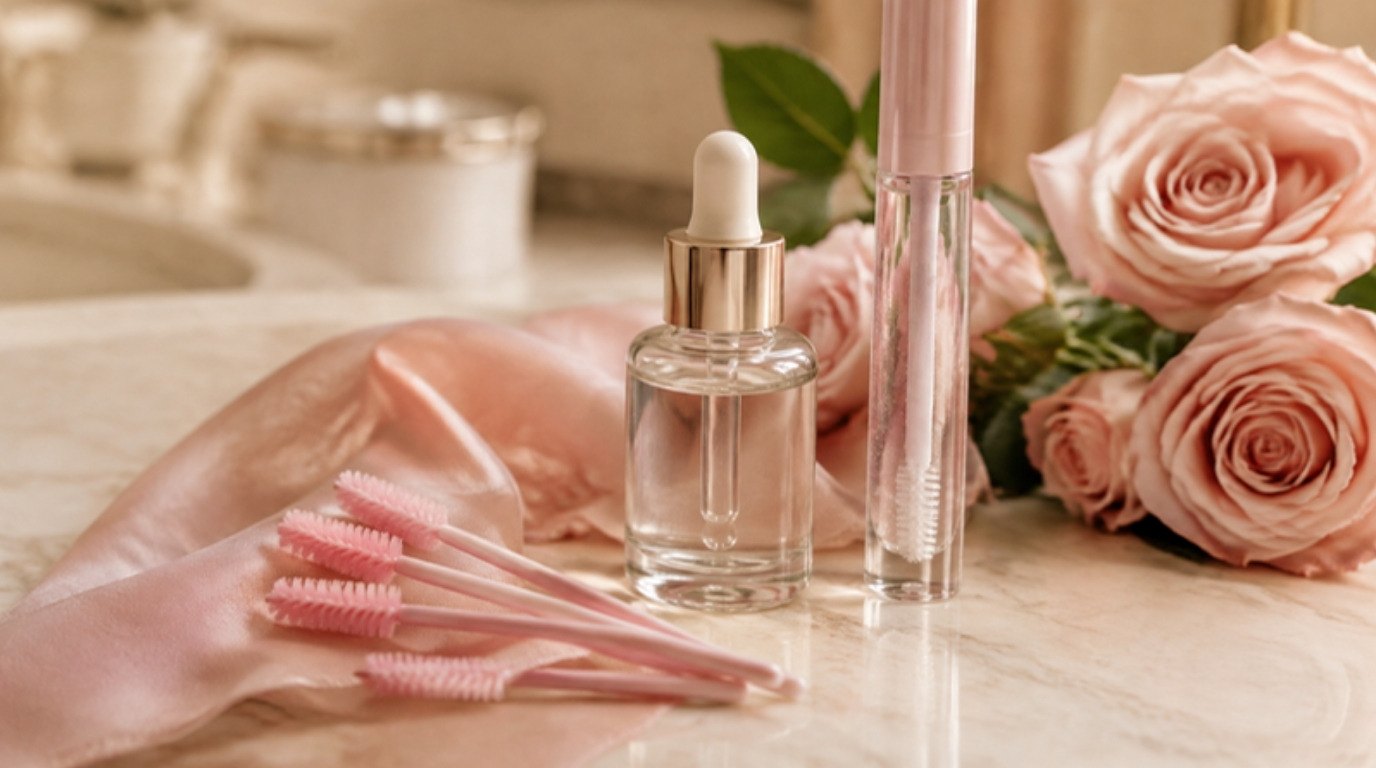
Lash extensions last longest when you treat them like a little investment that needs a tiny bit of daily care, not like something you can forget about until your next appointment. A few gentle habits, and a few things you simply stop doing, make the difference between a set that looks full for three weeks and one that looks patchy after one.
First, a quick clarification, because these two get mixed up all the time. Lash extensions are individual synthetic fibers glued one by one (or in small fans) onto your natural lashes. A lash lift is different: nothing is added, your own lashes are simply curled and set upward with a perming-style solution. The care for each is not the same, so if you had a lift, my lash lift aftercare guide is the one you want. This article covers extensions only.
In this guide to lash extensions aftercare, you'll find what to do before your first set, the first 24–48 hours, a simple daily routine, 7 habits that quietly shorten wear, a habit table, how fills and removal work and when to stop and see a doctor. One promise up front: your lash artist's aftercare instructions always come first. Everything here is meant to sit alongside them, not replace them.
Before Your First Set: Patch Test and a Few Questions

Good aftercare actually starts before the appointment. Lash adhesives usually contain cyanoacrylate, and some people's eyes or skin react to it, even if they've never had trouble with makeup. That's why many salons offer a patch test: a few extensions applied to a small area 24–48 hours before a full set. If yours offers one, say yes, especially if you have sensitive eyes or skin (mine is combination and sensitive, so I'm always on team patch test).
A few questions worth asking your lash artist before you book:
- How long should I keep them dry? Adhesives differ, so the answer can be anywhere from a few hours to 48 hours.
- Which cleanser do you recommend? Many artists have a preferred lash foam they know works with their adhesive.
- How often should I come for fills? Usually every 2–3 weeks, but it depends on your natural lash cycle.
- What length and weight suit my natural lashes? Extensions that are too long or heavy for your own lashes can stress them.
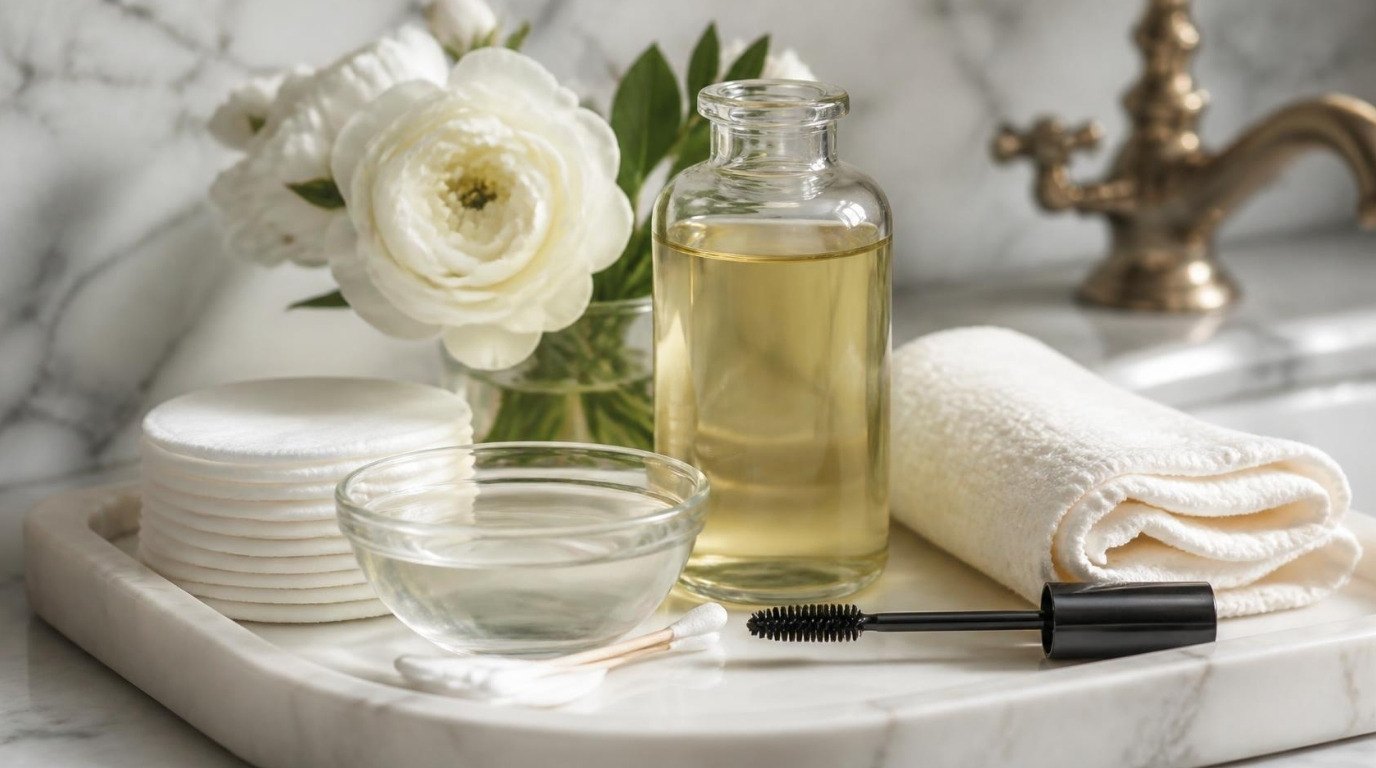
Arrive with clean lashes: no mascara, no eye makeup and no oily eye cream. If you wore waterproof mascara the day before, take it off carefully the night before so any residue is gone. My guide on how to remove waterproof mascara walks through gentle ways to do it.
The First 24–48 Hours

This is when the adhesive finishes curing, which simply means it's hardening into its strongest bond. What you do now has a bigger effect on how long your set lasts than almost anything else.
- Keep them dry for as long as your artist says. Wash your face around the eyes with a damp cloth instead of splashing.
- Skip steam and heat. No sauna, steam room, very hot showers on the face or leaning over a steaming pot or kettle.
- Pause sweaty workouts. A gentle walk is fine. Hot yoga and long sweaty sessions can wait a day or two.
- Hands off. No rubbing, tugging or "just checking" with your fingers.
- Sleep on your back if you can, so the fresh lashes aren't pressed into the pillow.
- No eye makeup. Leave the lash area completely bare.
If your artist's instructions say something different from this list, follow theirs. They know the exact product they used on your lashes.
Your Daily Lash Extensions Aftercare Routine
Once the bond is set, daily care takes about two minutes. Think of it like brushing your teeth: small, boring and absolutely worth it.
Brush Gently With a Clean Spoolie
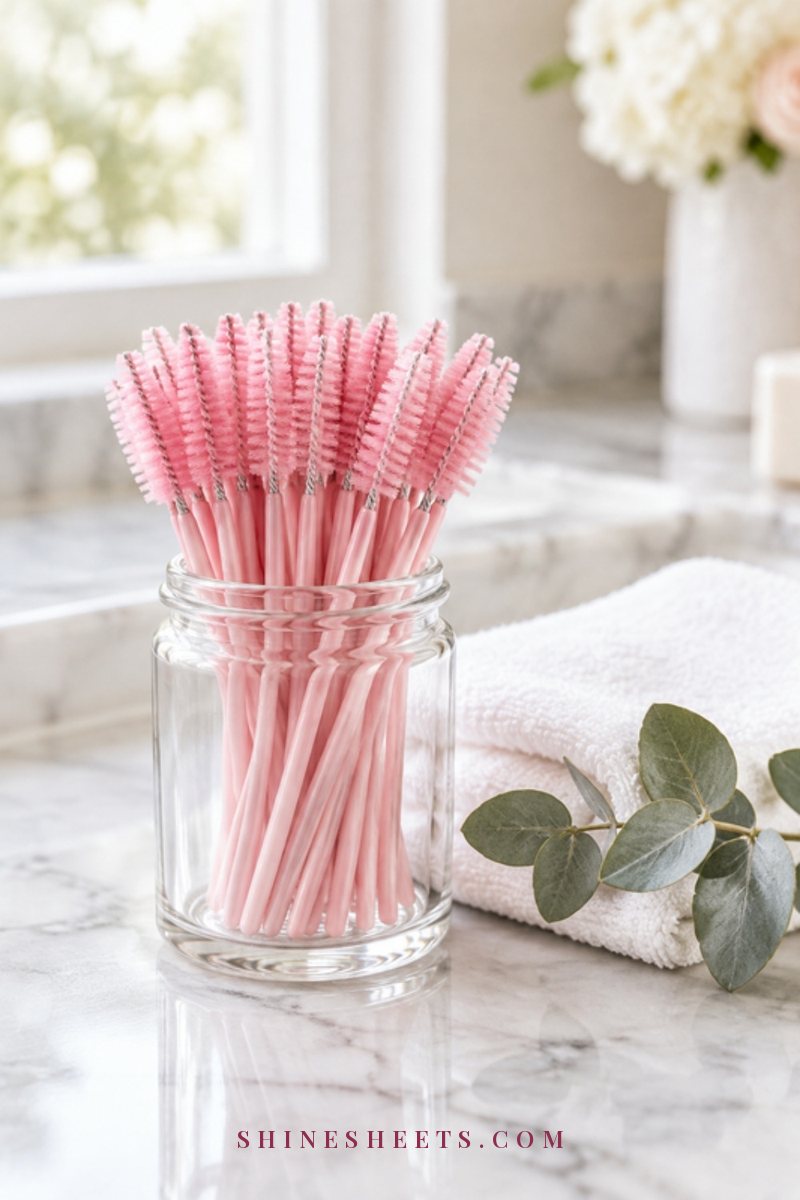
Extensions can twist, cross or tangle overnight. A gentle brush every morning keeps them pointing in the right direction and helps you spot any that are growing out at an odd angle.
Look straight ahead or slightly down, place the spoolie on top of the lashes (not underneath at the root) and brush from the middle to the tips in light strokes. Never brush wet lashes hard, and never brush straight from the root, where the bond sits. A pack of disposable spoolie brushes makes it easy to use a clean one every few days instead of an old wand that collects dust and bacteria.
Cleanse With an Oil-Free Lash Foam
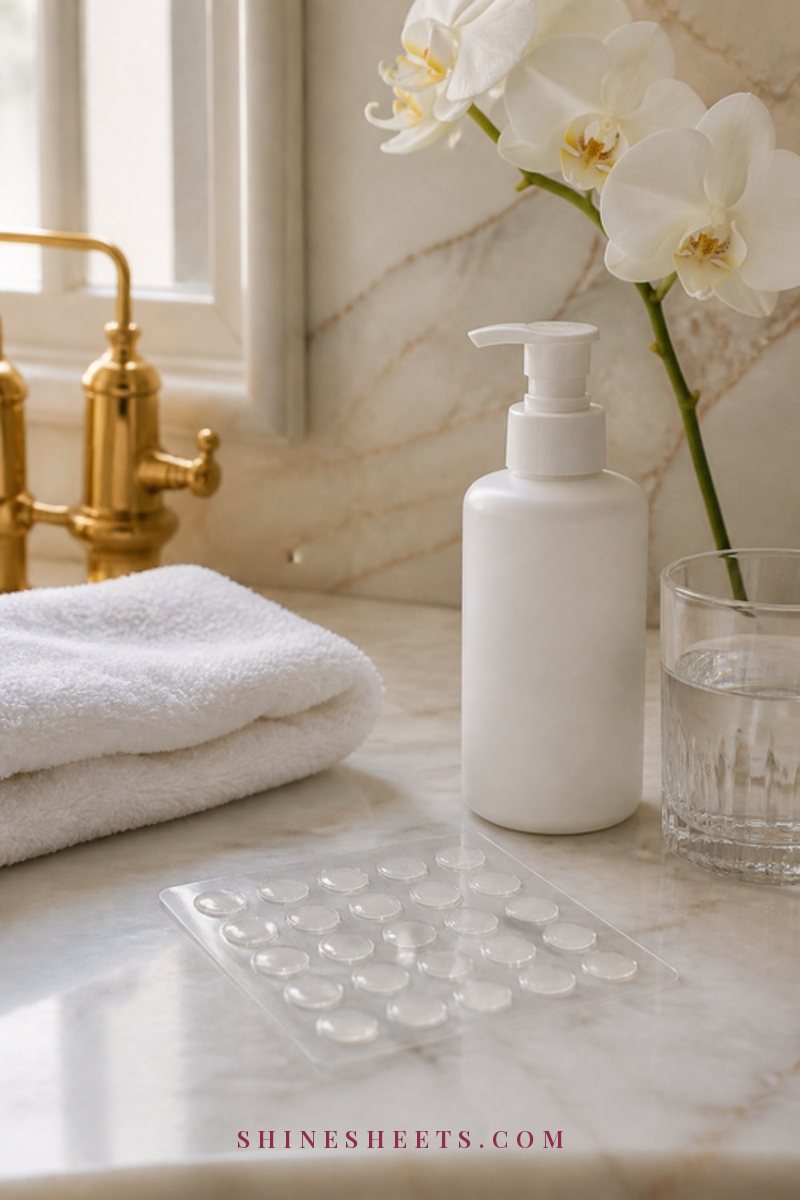
This step surprises many people: lash extensions need more cleansing, not less. Oil, dust, makeup residue and dead skin build up around the lash base, which can weaken the bond and irritate the lash line.
Here's a simple routine for every day or every other day (or as your artist suggests):
- Wash your hands.
- Pump one dose of an oil-free lash foam cleanser onto clean fingertips or a soft, fluffy cleansing brush.
- With your eyes closed, sweep it gently along the lash line and down through the lashes for about 30–60 seconds, in a downward direction.
- Rinse with lukewarm water, cupped in your hands and splashed gently, or with a damp cloth.
For the rest of your face, an oil-free micellar water on a cotton pad works well around (not on) the lashes when you remove makeup.
Pat Dry, Then Brush Again
Don't rub with a towel. Instead, pat the skin around the eyes and gently press a soft, folded cloth or a few white cotton pads under the lashes to soak up water. You can also hold a hairdryer on its coolest, lowest setting at arm's length for a few seconds. Once dry, brush through with a clean spoolie so they set in a neat, fluffy line.
Sleep on Your Back or a Silk Pillowcase

Friction is a quiet enemy of extensions. If you sleep with your face pressed into a cotton pillow, the lashes on that side get bent, twisted and pulled every single night.
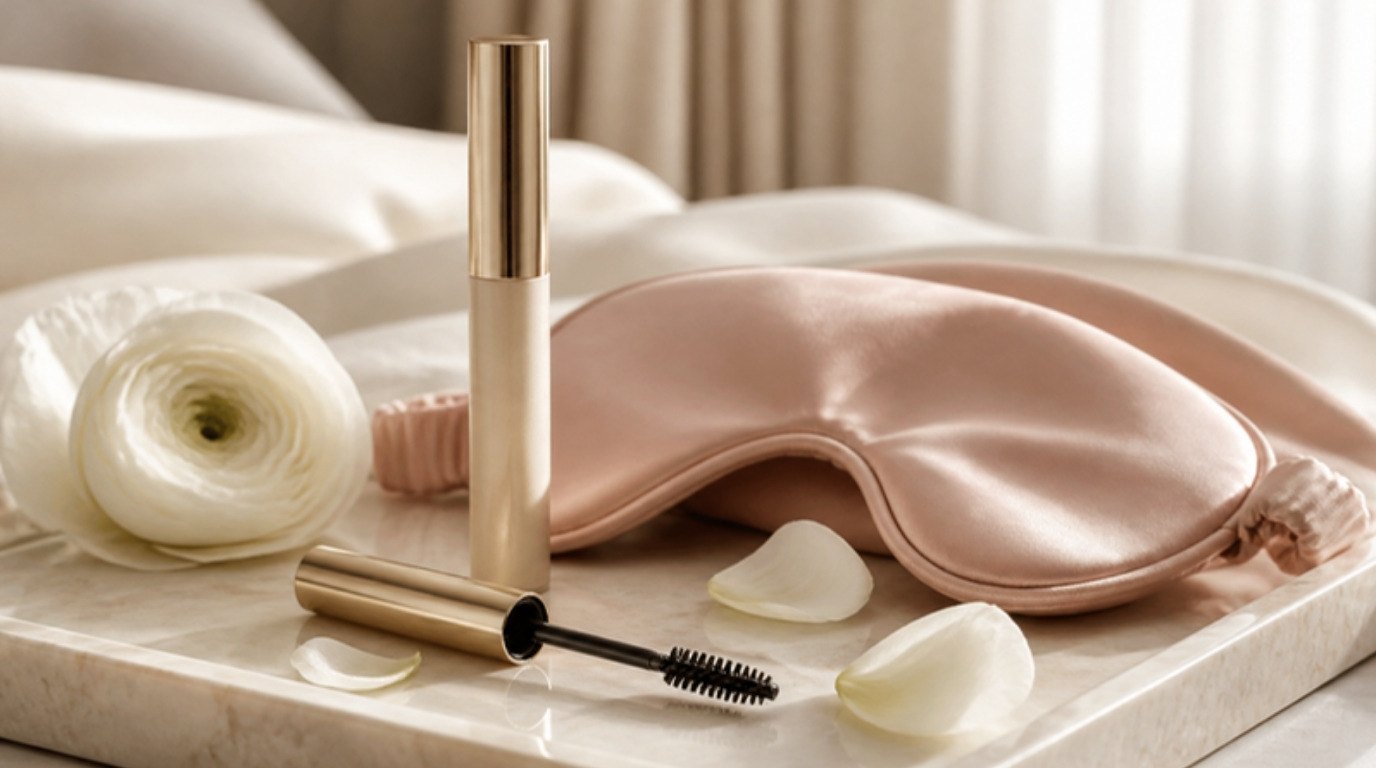
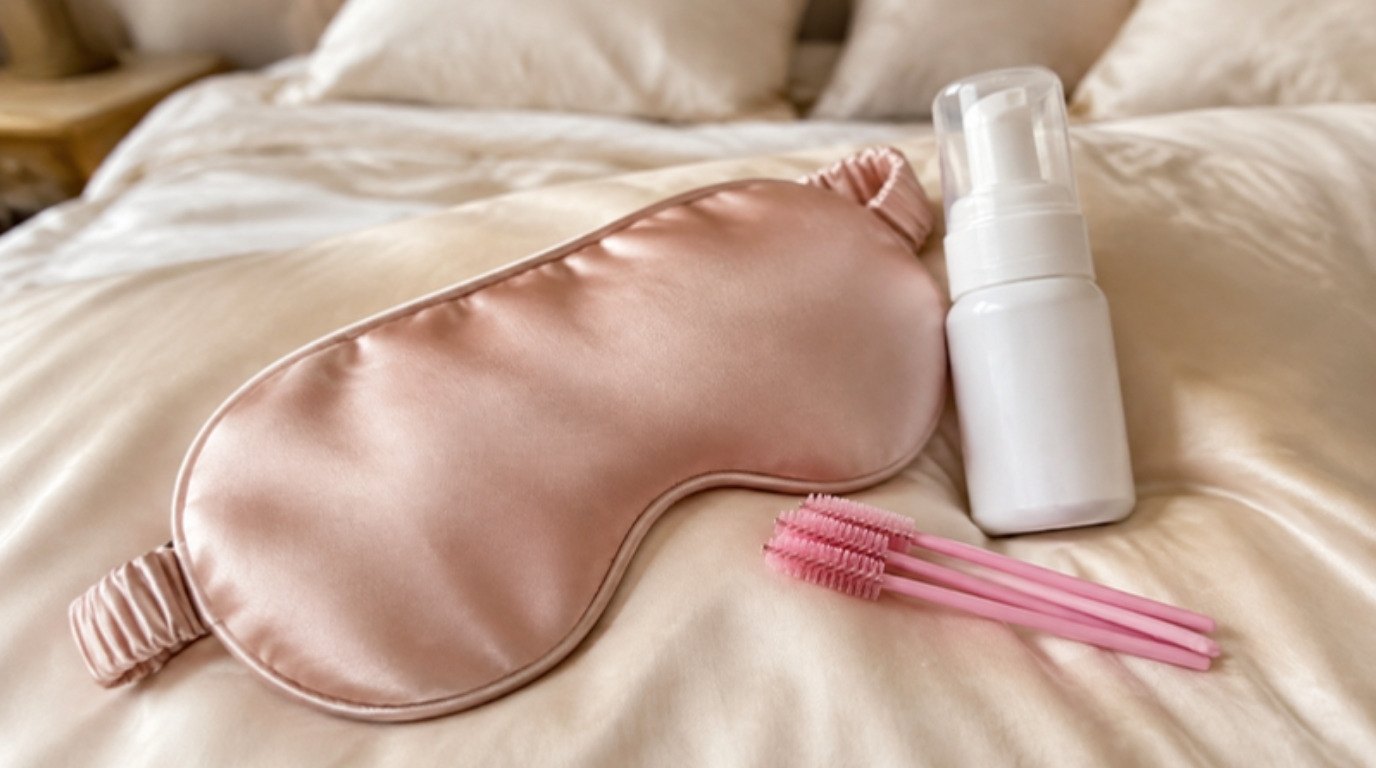
If back sleeping doesn't come naturally (it doesn't for me on anxious nights, when I curl up), two small helpers make a difference. A blush silk pillowcase lets lashes glide instead of catching, and my post on silk pillowcase benefits explains why it's kinder to skin and hair, too. And a contoured satin sleep mask with eye cups keeps fabric off your lashes completely, so it never presses on them. Look for deep, rounded cups and an adjustable strap.
7 Habits That Shorten Lash Extension Wear
Most "my extensions fell out so fast" stories come down to one or two of these. None of them make you a bad client. They're just easy to fall into.
1. Using Oil-Based Removers
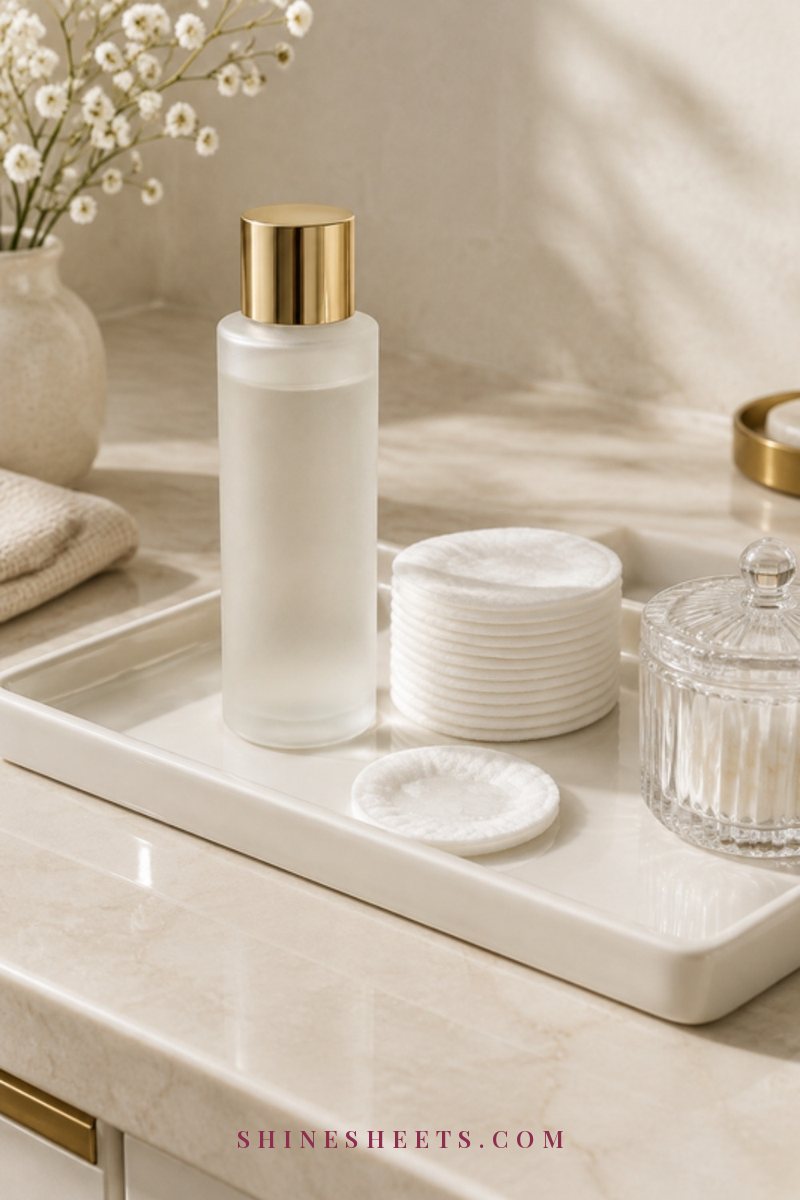
Oil is great at breaking down makeup, and it's just as good at breaking down lash adhesive. Cleansing oils, balms, oily eye creams and bi-phase removers near the lash line can loosen the bond over time. Check labels for oils and keep them for the rest of your face, away from the eye area.
2. Wearing Mascara on Extensions
Extensions are already darker and fuller than natural lashes, so mascara isn't needed. It also clumps the fibers together, and removing it usually requires rubbing or an oily remover, which brings you back to habit number one. If you love mascara, enjoy it during a break between sets. My mascara tips are waiting for that moment.
3. Using a Lash Curler
Extensions come with their own curl. A curler can crimp the fibers, bend them at an odd angle and put pressure on the bond, which can pull natural lashes out along with the extension. Put the curler away while you wear them.
4. Rubbing Your Eyes
Itchy, tired eyes make rubbing almost automatic. Each rub tugs on the bond and on your natural lashes. When your eyes feel tired or itchy, close them and press gently on the brow bone, or hold a cool, clean cloth over closed lids for a minute instead.
5. Picking or Pulling
A single extension growing out at a strange angle is very tempting to tug. Please don't. Pulling an extension takes your natural lash with it, and the follicle can need weeks to grow a new one. If a lash bothers you, leave it and let your artist trim or remove it at your next appointment.
6. Sleeping Face Down
Night after night of friction bends and loosens extensions, usually more on one side. If you notice that one eye always looks thinner, that's likely your favorite sleeping side. A silk pillowcase or contoured mask, as above, helps a lot.
7. Skipping Cleansing
It feels gentler to leave them alone, but buildup around the lash line weakens the bond and can irritate the eyelid. Cleansing with an oil-free foam every day or every other day is one of the best things you can do for both your extensions and your natural lashes.
Lash Extensions Aftercare Table
Here's everything in one place. Screenshot it for your bathroom shelf.
| Habit | Why it matters | What to do instead | How often |
|---|---|---|---|
| Oil-based removers | Oil breaks down lash adhesive and loosens the bond | Oil-free lash foam and oil-free micellar water around the eyes | Every time you cleanse |
| Mascara on extensions | Clumps fibers and needs rubbing or oil to remove | Skip it; extensions already add darkness and volume | For as long as you wear a set |
| Lash curlers | Crimps fibers and stresses the bond and natural lashes | Rely on the curl your artist chose; ask for a different curl next time | Never while wearing extensions |
| Rubbing eyes | Tugs on the bond and pulls natural lashes | Press gently on the brow bone or use a cool, clean cloth | Whenever eyes feel itchy or tired |
| Picking | Removes the natural lash along with the extension | Leave it and ask your artist to trim or remove it | At every fill appointment |
| Face-down sleeping | Nightly friction bends and loosens extensions | Back sleeping, a silk pillowcase or a contoured sleep mask | Every night |
| Skipping cleansing | Buildup weakens the bond and irritates the lash line | Gentle oil-free foam cleanse, pat dry, brush | Daily or every other day |
Makeup and Skincare Around Extensions
You don't have to give up makeup, you just have to choose it a little more carefully.
- Eyeshadow: powder shadows are the easiest choice. Creamy or oily formulas can travel to the lash line.
- Eyeliner: if you wear it, choose a water-based or gel formula that comes off with your foam cleanser. Avoid the waterline right at the base of the extensions.
- Eye cream: apply only on the orbital bone, well below the lash line, and choose a light gel texture.
- Sunscreen and serums: keep oily textures a finger's width away from the lashes.
- Steam and heat: after the first 48 hours, the occasional sauna or hot shower is usually fine, but frequent, long heat exposure can still shorten wear.
A Simple Weekly Lash Care Rhythm
If daily steps feel easy to forget, it helps to tie them to things you already do. Here's a rhythm that keeps everything in place without much thought:
- Every morning: a quick brush from the middle to the tips with a clean spoolie, about 20 seconds.
- Every evening (or every other evening): remove face makeup with an oil-free remover, then cleanse the lashes with foam, rinse, pat dry and brush. I like pairing it with my evening tea, so lash care happens right before I sit down to journal.
- Twice a week: switch to a fresh spoolie and wash or swap your pillowcase, so oil and dust don't build up where your lashes rest all night.
- Once a week: take a calm look in good daylight. Notice any twisted extensions, grown-out ones or spots that feel itchy, and note them for your artist.
- Every 2–3 weeks: your fill appointment, arriving with clean, makeup-free lashes.
That's it. A handful of small, repeatable steps tends to protect a set far better than an occasional big effort, and it gives you a few quiet minutes for yourself each day.
Fills Every 2–3 Weeks: What To Expect

Your natural lashes grow and shed in cycles, and it's normal to lose a few each day. Each extension falls out with the natural lash it was attached to, so even with perfect care, your set will look a little thinner after a couple of weeks. That's not a sign you did something wrong.
A fill (sometimes called an infill) replaces the extensions that have shed and removes grown-out ones. Most people go every 2–3 weeks. If you leave it longer than about 4 weeks, many salons will need to do a full new set, which takes longer. Come to your fill with clean lashes, just as you did the first time.
It's also lovely to give your natural lashes a break now and then. If you'd like them to feel stronger between sets, my guide on how to grow eyelashes covers gentle habits that support them.
Why You Should Never Pull Them Off
When extensions start looking patchy, it can be tempting to just pull the rest off at home. Here's why I'd always wait for a professional:
- Each extension is bonded to a natural lash. Pulling it off usually pulls out your natural lash, too.
- Repeated pulling can stress the hair follicle and leave sparse spots that take weeks to fill in.
- Home "hacks" with oils, steam or glue removers you're unsure of can get into your eyes and irritate them.
It's okay if a few look a little messy for a few days. Your natural lashes will thank you for waiting.
Safe Professional Removal

When you're ready to take a break or switch artists, book a removal. A trained lash artist applies a professional remover made for lash adhesive, protects your lower lashes and skin with pads, waits for the bond to soften and then slides the extensions off gently. It usually takes 15–30 minutes and should never hurt. If anything stings during removal, tell them right away so they can stop and rinse.
After removal, give your lashes a little rest: gentle cleansing, no curling for a day or two and plenty of patience while your natural lashes recover.
When To Stop and See a Doctor
Most people wear extensions without any trouble, but your eyes matter more than any set of lashes. Stop and contact a doctor if you notice:
- Redness, swelling or puffiness of the eyelids that doesn't fade within a day
- Itchy, watery or burning eyes
- Pain, light sensitivity or blurry vision
- Bumps, crusting or tenderness along the lash line
Let your lash artist know as well, and ask them to remove the extensions professionally if needed. Please don't use DIY glue, home removal tricks or anything not made for the eye area to try to sort it out yourself.
Final Thoughts
Lash extensions aftercare is mostly about kindness: keep them dry at the start, cleanse them gently, brush them every morning and protect them from friction while you sleep. Skip the oils, the mascara and the curler, and leave anything that needs pulling to your artist.
With those small habits in place, your set can stay full, soft and comfortable from one fill to the next, and your natural lashes stay healthy underneath it all.