
Living with more purpose rarely starts with a big life change. It starts with small, quiet decisions you make on purpose instead of on autopilot: what you say yes to, how your evenings go, where your attention lands when you pick up your phone. Stack enough of those choices together and your days begin to feel like yours.
That's what makes this idea so freeing. You don't need a new city, a new wardrobe or a perfectly empty home. You need a clear sense of what matters to you and a few gentle habits that help you choose it more often.
This guide is all about intentional living and how to start without pressure. We'll cover what it means and what it isn't, how to find your core values, 7 areas of life to bring intention to, a swap table for everyday autopilot habits, small daily practices, and how to keep going when life gets busy.
No hustle, no guilt, no perfect routine required. Just a little more choosing.
What Intentional Living Means

Intentional living means making choices on purpose, based on your values, rather than drifting along with habit, pressure or whatever happens to be in front of you. It's the difference between "this is just how my week goes" and "this is how I want my week to go."
In practice, it looks like small things:
- Pausing before you agree to a plan and asking if you actually want it.
- Choosing how you spend a free evening instead of losing it to scrolling.
- Keeping things in your home because you use or love them, not because you feel you should.
- Spending time with people who feel good to be around.
- Letting rest be a real part of your week, not a leftover.
It's less of a lifestyle and more of a question you keep asking: is this what I want, or is it just what's happening? Even asking it once a day changes things more than you'd expect.
What Intentional Living Is Not
Online, intentional living often gets tangled up with a very specific look: white walls, three outfits, a perfectly styled morning routine. That can be lovely, but it isn't the point. Here's what intentional living is not:
- It's not perfection. You will still have chaotic weeks, messy drawers and evenings on the sofa watching nothing in particular. That's allowed.
- It's not strict minimalism. Some people feel most like themselves surrounded by books, plants and colorful things. Intention is about why you keep things, not how few you own.
- It's not an aesthetic. No one needs a linen apron or a specific mug to live on purpose.
- It's not productivity. Doing more is not the goal. Often, the intentional choice is to do less.
- It's not a test you pass. There's no finish line. It's a practice you return to.
If decluttering does appeal to you, the benefits of minimalist living are real, and a lighter home can make intentional choices easier. Just let it be a tool, not a rule.
Start With Your Values

You can't live on purpose without knowing what your purpose leans toward. Values are your compass here: the few things that matter most to you, the ones you'd want your days to reflect.
Here's a simple way to find them in about 20 minutes:
- Brainstorm (5 minutes). Write down every value that feels true: calm, family, creativity, freedom, health, kindness, learning, beauty, security, adventure, faith, honesty. Aim for 15 to 20 words.
- Circle (5 minutes). Circle the ones that make you feel something when you read them.
- Choose your top 3 to 5 (5 minutes). If you could only keep a handful, which would they be? Fewer is better. Five values you live by beat fifteen you forget.
- Write a one-line "why" for each (5 minutes). For example: Calm, because I'm a kinder, clearer person when I'm not rushing. Or: Connection, because the best moments of my life have been with people I love.
Write them on the first page of a sage linen notebook or anywhere you'll see them often. If you need help with the brainstorm, my core values list has 100 personal values and a few gentle exercises to narrow them down to your top five.
One small honest admission: my values list looked very different the first time I wrote it compared to a year later. That's normal. Values shift as your life does, and it's fine to revisit them.
7 Areas To Bring Intention To
Once you know your values, you can start bringing them into the different corners of your life. Here are 7 areas to look at. You don't need to work on all of them at once. In fact, please don't. Pick the one that feels most out of tune right now and start there.
1. Time

Time is where intention shows up first, because it's where autopilot hides best. Days fill up with obligations, errands and "quick" tasks, and suddenly a whole month has passed without the things you care about.
Try this: at the start of each week, look at the next seven days and ask, where is there room for one of my values? Then block that time, even if it's just 30 minutes. A walk on Wednesday for health. A phone call on Thursday for connection. A quiet Sunday morning for calm.
An undated weekly planner works beautifully for this because you can start any week, skip a week without wasted pages and write in your values at the top. Any notebook works too. The paper matters less than the pause.
2. Home and Belongings
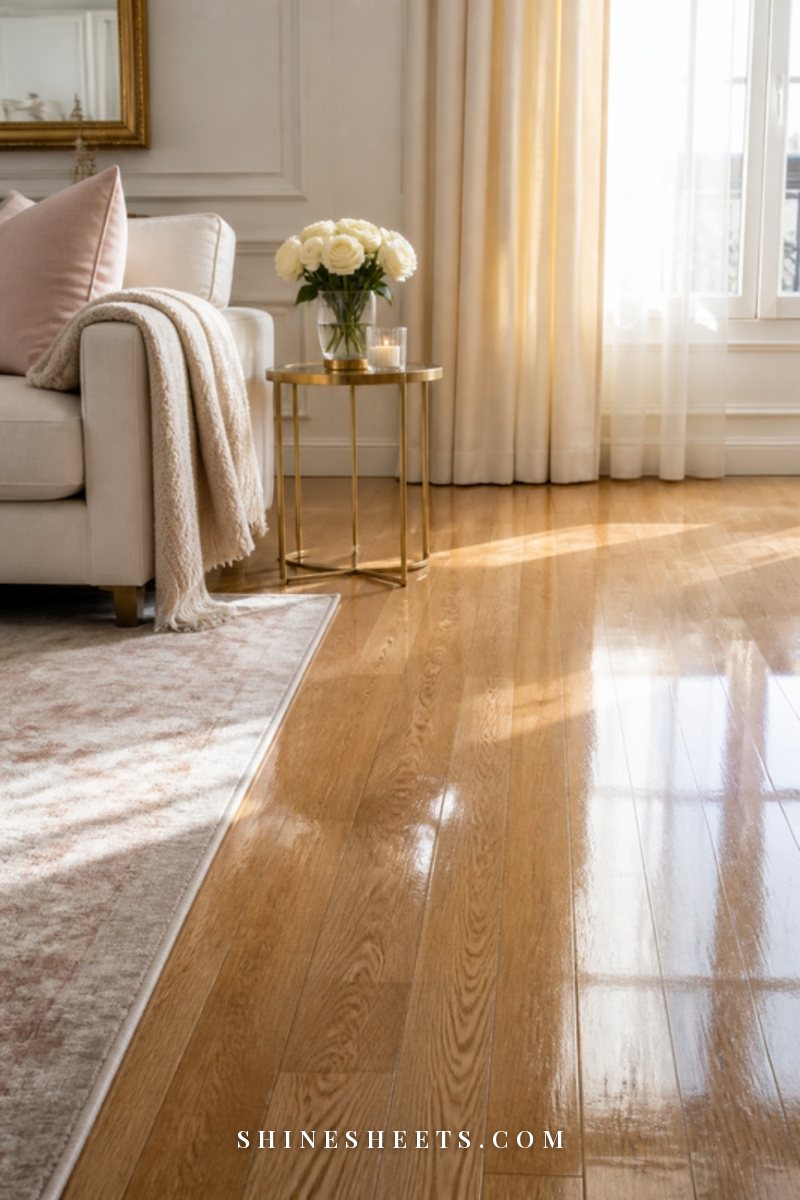
Your home quietly shapes your days. A cluttered entry makes mornings rushed. A calm corner with a good chair makes reading feel easy. Intentional living at home is about setting up your space to support the life you want.
Start small: choose one surface, like your nightstand or kitchen counter, and keep only what you use or love there. Then ask one question about anything new before it comes home: where will this live, and will I truly use it?
You don't need to declutter your whole home in a weekend. Fifteen minutes on one spot, once a week, adds up to a home that feels lighter within a couple of months.
3. Money Habits
This isn't about getting rich or following a strict budget. It's about noticing whether your spending matches what you care about. Small, unconscious purchases are often where money slips away from your values.
A gentle practice: once a week, look over what you spent and sort it into two quiet piles in your head, aligned (it supported something you value) and autopilot (it just happened). No judgment, just noticing. Over time, many people find they naturally spend a little less on autopilot and a little more on what truly matters to them.
Another easy habit is a 48-hour pause for non-essential purchases. If you still want it in two days, it's probably a real want. For bigger money decisions, a qualified financial professional is the right person to talk to.
4. Relationships

Your relationships are where your values become real. It's one thing to say connection matters. It's another to text your friend back, plan the visit or put your phone down at dinner.
Make a short list of the 3 to 5 people you most want close. Then pick one small, regular way to show up for each: a weekly call, a monthly coffee, a voice note when you think of them. That's it. Intentional relationships don't require grand gestures. They require consistency.
It's also okay to notice which relationships leave you drained and gently give them a little less of your energy. Spending time on purpose sometimes means spending less time in places that don't feel good.
5. Health and Rest

Health and rest are easy to postpone "until things calm down." The trouble is, things rarely calm down on their own. Intentional living treats sleep, movement and rest as part of the plan, not a reward for finishing everything else.
Choose one anchor in this area. A regular bedtime, give or take 30 minutes. A 15-minute walk after lunch. A no-screens wind-down for the last half hour of the evening. One anchor is enough. Once it feels natural, you can add another.
For me, this area included being honest about coffee. Some mornings it perks me up beautifully; other mornings it makes me anxious and jittery. Noticing which days are which and switching to tea when I need calm was a small, very intentional choice that made a real difference. If you have a health concern, your doctor is always the right first stop.
6. Phone and Media
The phone is where autopilot is strongest. Most of us pick it up dozens of times a day without deciding to. Intentional media use isn't about quitting, it's about choosing what gets your attention.
A few simple shifts:
- Keep your phone out of reach for the first 20 minutes after you wake up.
- Unfollow or mute five accounts that leave you feeling worse after you look.
- Choose one thing you'll read, watch or listen to on purpose this week, instead of whatever the feed serves up.
- Charge your phone outside the bedroom if you can.
None of these need a special app. A physical habit, like leaving your phone in a basket by the door when you get home, is often the most effective one.
7. Work
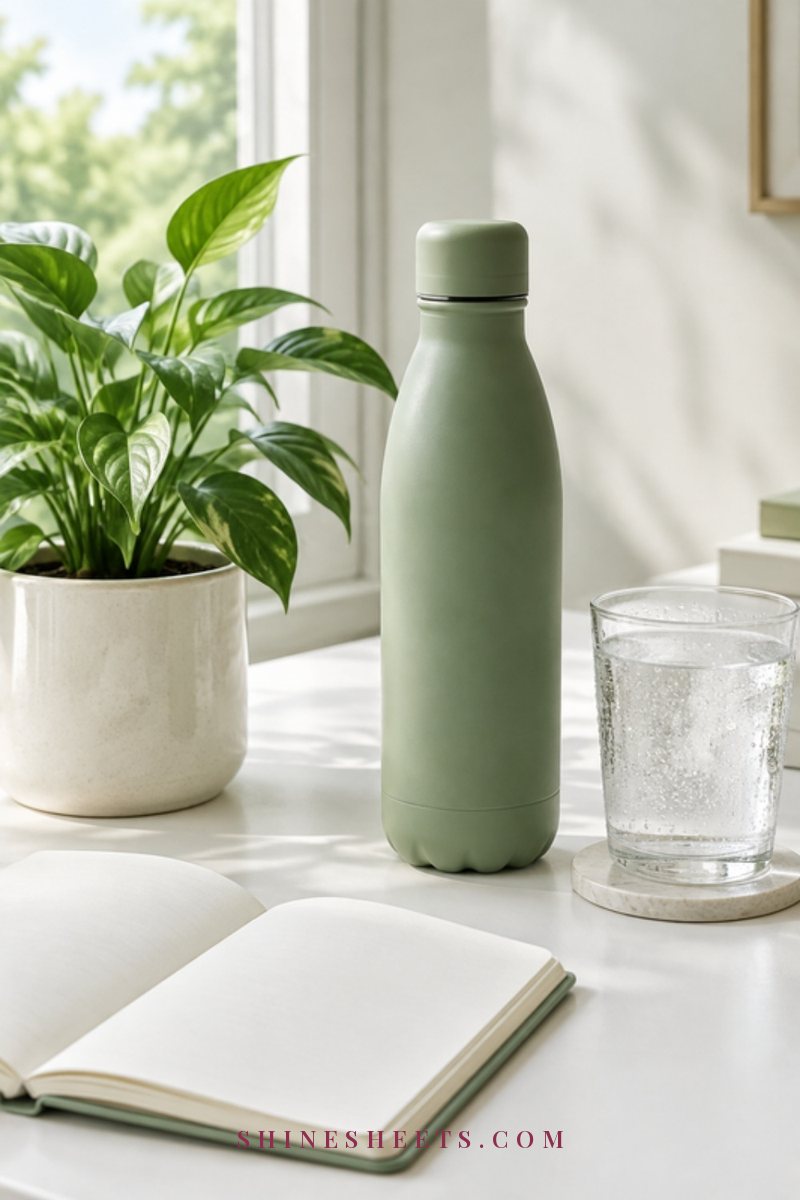
Whatever your work looks like, at a desk, at home, on your feet or looking after others, it takes up a big piece of your energy. Intention here isn't about climbing faster. It's about bringing your values into how you work and protecting the edges of your day.
Try choosing one value to bring to work each week. If it's calm, maybe that means single-tasking for one hour every morning. If it's kindness, maybe it's thanking one person specifically. If it's balance, maybe it's a clear stop time, written down.
A tidy workspace helps more than you'd think. A gold-accent desk organizer that gives pens, notes and chargers their own place means less mental clutter when you sit down to work.
The Autopilot to Intentional Swap Table
Here's the swap table that ties it all together. For each life area, there's a common autopilot habit, an intentional swap you could try instead, and the value it supports. Pick one row to start with this week. Screenshot it if you'd like it handy.
| Life area | Autopilot habit | Intentional swap | Value it supports |
|---|---|---|---|
| Time | Saying yes to every request, then feeling stretched thin | Wait one hour before answering and check your calendar and energy | Calm, balance |
| Home and belongings | Buying décor on impulse, then not knowing where to put it | Ask "where will this live?" before anything new comes home | Peace, simplicity |
| Money habits | Small online purchases late at night | A 48-hour pause and a weekly "aligned or autopilot" look | Security, freedom |
| Relationships | Meaning to call friends "soon" for months | One small, regular touchpoint for each of your closest people | Connection, loyalty |
| Health and rest | Staying up late scrolling, then running on empty | A set bedtime and a 30-minute screen-free wind-down | Health, calm |
| Phone and media | Checking the phone first thing in the morning | Keep it out of reach for the first 20 minutes of the day | Presence, focus |
| Work | Answering messages all evening | A clear stop time, written in your planner | Balance, wellbeing |
Notice that every swap is small. Intentional living isn't about overhauling everything. It's about one honest change at a time.
Small Daily Practices That Keep You on Track
Values and life areas are the big picture. These four small practices are what keep the big picture alive day to day. Each one takes a few minutes or less.
A 2-Minute Morning Intention

Before the day pulls you in, take two minutes with your tea or coffee and finish this sentence: Today, I want to feel ___, so I will ___.
For example: "Today, I want to feel calm, so I will take a real lunch break away from my desk." Or: "Today, I want to feel connected, so I will call my sister on the way home." Write it down if you can, in a notebook or on a sticky note. Pour your tea into a favorite cream mug and let the ritual become a small signal that the day is starting on purpose. My guide on how to set intentions has many more examples if you'd like ideas.
One "Is This Aligned?" Question Before Saying Yes
When a new request, plan or purchase comes up, pause and ask one quiet question: is this aligned with what I said matters to me?
You don't need to say no to everything that isn't perfectly aligned. Life includes obligations. But this one question helps you see clearly, and over time it makes it much easier to turn down the things that only drain you. A simple script for those moments: "Thank you for asking. I'm keeping my schedule light right now, so I'll pass this time."
A Weekly Reflection
Once a week, for about 15 minutes, sit down with a guided reflection journal or plain notebook and answer three questions:
- When did I feel most like myself this week?
- Where did I slip into autopilot?
- What's one small thing I want to choose on purpose next week?
Sunday evening works well for many people, but any day is fine. Every few months, a deeper check-in helps you see bigger patterns, and my guide to a quarterly review walks you through one. For an even fuller picture of where your life is now, a life audit is a lovely once-a-year practice.
A Gentle Not-To-Do List
To-do lists tell you what to add. A not-to-do list helps you decide what to let go of, and it's often the more freeing of the two. Keep it short, three to five items, and write it somewhere you'll see it.
A few examples:
- Don't check work messages after dinner.
- Don't say yes on the spot.
- Don't scroll in bed.
- Don't fill every weekend with plans.
- Don't compare my progress to other people's highlight reels.
Be gentle with it. If you slip, just notice and begin again tomorrow. It's a reminder, not a rulebook.
How To Start Without Feeling Overwhelmed
Reading about 7 life areas and 4 daily practices can make it sound like a big project. It doesn't have to be. Here's a calm way to begin:
- Week 1: Find your 3 to 5 values and write a one-line why for each.
- Week 2: Choose one life area that feels most out of tune and try one swap from the table.
- Week 3: Add the 2-minute morning intention.
- Week 4: Do your first weekly reflection and write a short not-to-do list.
After that, stay with one area for at least a month before moving to the next. Change that comes slowly tends to stay. If your inner voice says you're doing it too slowly, that's usually a sign you're doing it right.
And if you find yourself drawn to a softer, slower way of living overall, my guide to the soft life pairs beautifully with this one.
Intentional Living in Busy Seasons
Some seasons of life are simply full: a move, a new job, caring for someone, a hard stretch you just need to get through. During those times, intentional living can shrink down to something very small, and that still counts.
In a busy season, try this "minimum version":
- One value. Choose the single value that matters most right now, often rest or calm.
- One daily choice. A short walk, an early night, a few quiet minutes with tea.
- One weekly check-in. Even five minutes: what helped, what can wait.
Give yourself permission to pause the bigger practices. Coming back to them later isn't failing. It's a very intentional choice to protect your energy when you need it most.
Final Thoughts
Intentional living isn't a new version of you that you have to become. It's the version of you that's already there, underneath the rushing, waiting for a little more room. Every small choice you make on purpose gives her that room.
Start with your values, choose one area and make one swap this week. That's enough to begin, and beginning is the most intentional step of all.