Spontaneity isn't a personality type you either have or don't. It's a small muscle that gets stiff when life becomes all calendars, budgets and "maybe next month" – and it loosens up again with a little practice. The people who seem effortlessly fun usually aren't wilder than you. They've just left a bit of room in their week for something unplanned to happen.
This guide is a light, practical look at how to be more spontaneous without turning your life upside down. You'll find why things get so rigid in the first place, the idea of planned spontaneity (yes, it's a real thing, and it works beautifully for planners), 20 easy ideas to try, an idea jar table you can screenshot, plus gentle tips if unplanned things make you anxious and a few safety basics for solo outings.
Nothing here requires a big budget or a dramatic leap. Small, slightly surprising yeses are the whole point.
Why Life Gets So Rigid
Very few people choose a rigid life on purpose. It sneaks in, one sensible decision at a time. Here are the usual reasons, and none of them mean something is wrong with you:
- Routine. Routines are wonderful – they save energy and calm the mind. But when every evening and weekend runs on the same track, there's simply no space left for anything new.
- Anxiety. When you're prone to worry (I am, though I mostly manage it), the unknown can feel like a threat. Planning everything becomes a way to feel safe.
- Overplanning. Some of us plan fun so thoroughly that it stops being fun. By the time the reservation, the route and the backup plan are sorted, the outing feels like a work project.
- Budget. If money is tight, spontaneity can sound expensive. In reality, many of the best unplanned moments cost little or nothing.
- Tiredness. After a long week, the couch wins. Totally fair – but if the couch wins every single time, life can start to feel a bit gray.
Seeing which of these applies to you helps you choose the right fix. A routine-lover needs an open slot. An anxious planner needs tiny, low-stakes yeses. A tight budget needs a list of low-cost ideas ready to go.
Spontaneity Is a Skill, Not a Personality
It's easy to look at a friend who books a train on a whim and think, "I'm just not like that." But spontaneity behaves a lot like any other skill. The first few times feel awkward, slightly uncomfortable and maybe a little silly. Then it gets easier, because your brain collects proof that unplanned things usually turn out fine – and often turn out lovely.
A few things make the skill grow faster:
- Lower the bar. Spontaneous doesn't have to mean a weekend in another country. Taking a different street home counts.
- Keep it short. A 30-minute adventure is far easier to say yes to than a whole day.
- Repeat it. One small unplanned thing a week does more than one huge one a year.
- Notice the good bits. After each little adventure, write one line about what you liked. Those notes become your evidence the next time you hesitate.
If you tend to hold on tightly to how things "should" go, my gentle guide on how to let go of control pairs well with everything in this article.
Planned Spontaneity: The One Open Block Rule

This sounds like a contradiction, but it's the most useful idea in this whole guide. Planned spontaneity means you schedule the space, not the activity. Once a week, you protect one open block of time – two to four hours is ideal – and you decide what to do with it only when it arrives.
Here's how to set it up:
- Pick the block. Saturday afternoon, Sunday morning or one weeknight evening. Put it in your planner as "open" and treat it like an appointment.
- Set a fun budget. Decide in advance how much this block may cost: nothing, a little (about the price of a coffee and a museum ticket) or a treat. Knowing the number removes most of the guilt.
- Keep a short list ready. The idea jar further down is perfect for this. When the block arrives, you choose in under five minutes.
- Let the mood decide. Sunny and energetic? Go out. Rainy and tired? Choose something gentle at home. Both count.
- Don't fill it with chores. This is the one rule. Laundry has the other six days.
For planners, this is a relief: you still know when the fun is happening. You just let the what stay open. After a month or two, you'll probably notice the habit spilling into the rest of your week too.
20 Easy Ways To Be More Spontaneous
Read through and pick two or three that make you smile. Some take ten minutes, a few take a whole day. Mix them up and save the rest for later.
1. Try a Yes-Day Rule
Choose one day a month where your default answer is yes – within reason, within budget and within your values. A friend suggests a walk? Yes. A coworker mentions a new lunch spot? Yes. The rule takes the decision fatigue away, because you already decided in the morning.
Keep two safety rails: you can still say no to anything unsafe or too expensive, and you can stop when you're tired. It's a game, not a test.
2. Take a New Route Home
This is the smallest adventure on the list and one of the most underrated. Walk, drive or ride a different way home one day this week. Turn down the street you've always wondered about. You'll spot a bakery, a mural or a little park you never knew existed, and your brain wakes up a bit when the scenery changes.
3. Start an Idea Jar
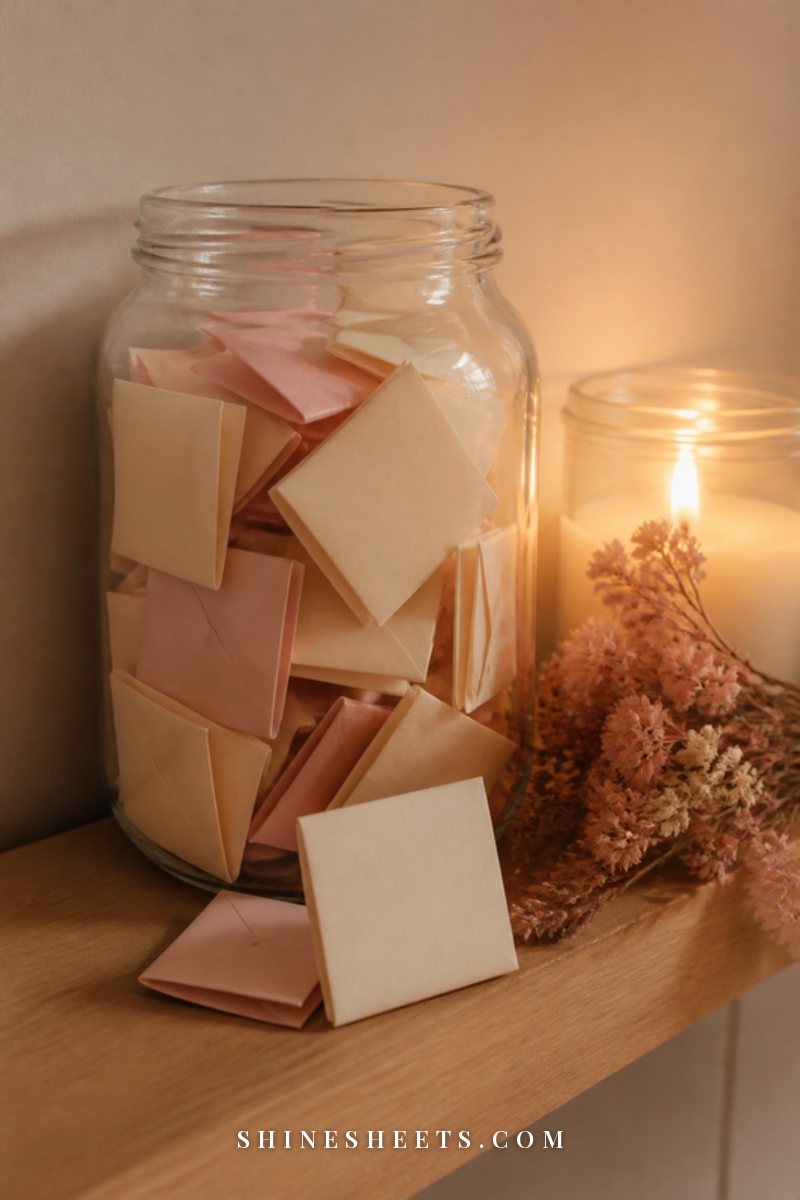
An idea jar is your secret weapon against "I don't know what to do." Write small adventures on slips of paper, fold them and drop them into a jar. When your open block arrives, pull one out and go with it (one re-draw allowed if it truly doesn't fit the weather).
A glass jar with a lid looks pretty on a shelf and reminds you the ideas are there. Color-code the slips with pastel sticky notes: pink for solo ideas, mint for friends, yellow for no-cost ones. The full table with ideas for your jar is below.
4. Take Yourself on a Solo Date

A solo date is spontaneity on easy mode: no coordinating schedules, no waiting for anyone to reply. Go to a café, a matinee movie or a bookshop on your own and stay as long as you like. Bring a book or simply watch the world go by.
If you'd like a whole list of ideas for this, my guide to solo date ideas for any budget has plenty to fill your jar.
5. Make Last-Minute Plans With a Friend
Text a friend at 4 p.m. and ask if they're free for a walk or a tea at 6. Last-minute plans often feel lighter than ones booked three weeks ahead, because there's no time to overthink them or cancel out of tiredness.
Try: "Random idea – are you free for a quick walk and a coffee tonight? Totally fine if not!" The "totally fine if not" makes it easy for both of you.
6. Plan a Last-Minute Day Trip
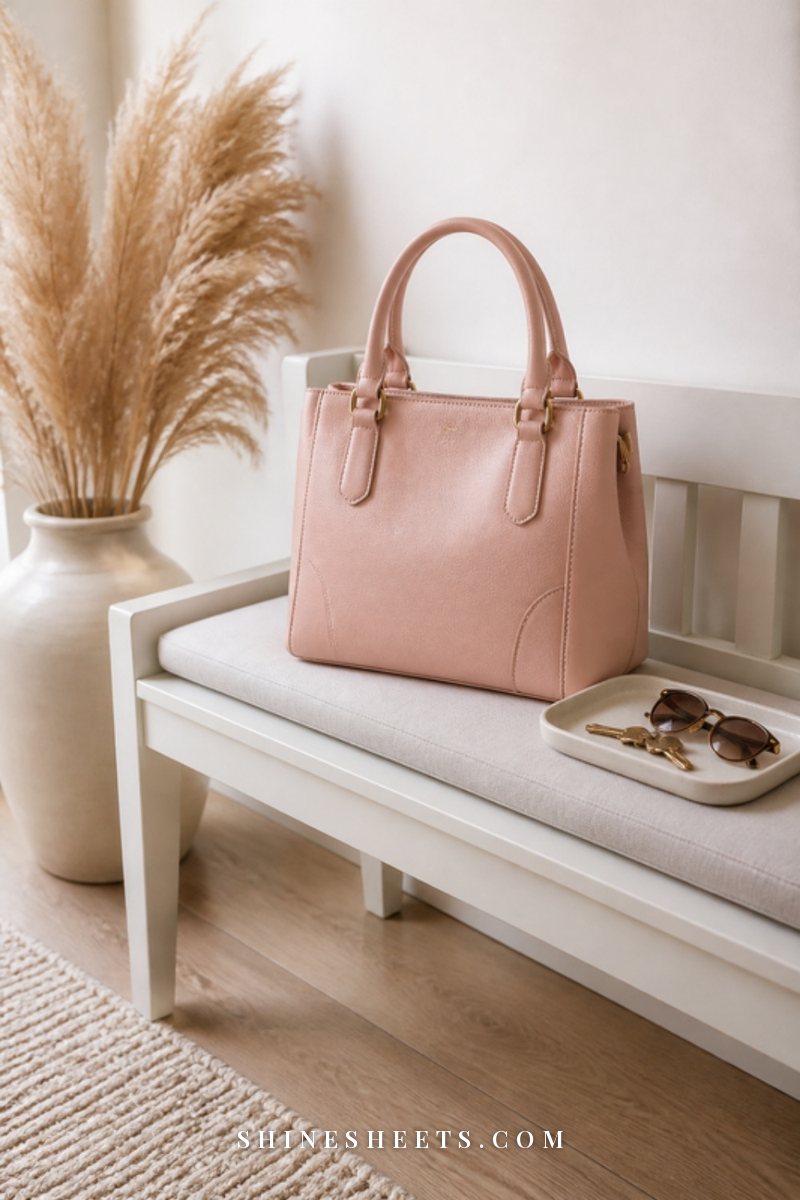
Pick a town, beach, lake or hiking trail within one or two hours of home and go the same morning you decide. Keep the plan loose: get there, walk around, find somewhere to eat, come home before dark.
A day bag ready by the door makes this so much easier. A cream crossbody bag keeps your hands free, and a pair of comfortable white everyday sneakers means you can wander for hours. Look for cushioned soles and a style that goes with jeans and dresses alike.
7. Try a New Café
Next time you want a coffee or tea, skip your usual place and try one you've never been to. Order something you wouldn't normally order. It's a tiny change, but it breaks the autopilot – and you might find a new favorite corner to read in.
8. Drop In to a Class
Many studios offer drop-in classes: pottery, dance, yoga, painting, pilates, even improv. Check what's on that evening and just go. Drop-in means no commitment, so if you don't love it, you've only spent one hour.
Arrive ten minutes early and tell the teacher it's your first time. They'll usually look after you a little.
9. Be a Tourist in Your Own City
Spend an afternoon doing exactly what a visitor would: the old town walk, the famous viewpoint, the free gallery, the market everyone mentions in travel guides. Locals almost never do these things, which is precisely why they feel fresh.
An instant camera turns the day into a little event – you only get a handful of shots, so you notice more and save the photos for a pinboard or journal.
10. Dance in Your Living Room

Put on a song you loved years ago and dance like no one's watching (because no one is). Three songs, full volume, curtains open or closed, your choice. It sounds silly, and that's exactly why it works: it reminds your body that play is allowed on an ordinary Tuesday.
11. Go on a Sunrise Walk
Set an alarm a little earlier one morning and walk while the sky changes color. The streets are quiet, the air is fresh and you start the day with a small sense of adventure before anyone else is awake. Bring a warm drink in a travel cup and keep it to 20–30 minutes if mornings aren't your thing.
12. Visit a Random Museum
Search for museums near you and pick the one you'd never normally choose – a museum of textiles, old maps, local history or design. Small, quirky museums are often the most memorable, and many have a pay-what-you-wish day once a month.
13. Pick a Library Book by Its Cover
Walk into the library, go to a section you never visit and borrow a book purely because the cover is pretty. No reviews, no research. Give it 30 pages. If it's not for you, return it – it cost nothing and you tried something new.
14. Go on a Thrift Store Hunt
Give yourself a small budget and one mission – a vintage teacup, a silk scarf, a frame for your favorite photo – and see what you find. Thrifting is a natural spontaneity trainer, because you never know what's on the shelves until you're there.
15. Have a Picnic in Winter Coats
Who says picnics are for summer? Pack a thermos of hot tea, a blanket and a simple snack, bundle up in your warmest coat and sit in the park for half an hour. It feels delightfully unusual, the park is almost empty, and the tea tastes twice as good in the cold.
16. Try a New Hobby Taster
Sign up for a one-time taster: a calligraphy session, a candle-making evening, a beginner's knitting circle. You're not committing to a new identity, just a single evening of curiosity. If you'd like low-cost ideas, my list of cheap hobbies that don't feel cheap is a good place to start.
17. Rearrange One Room
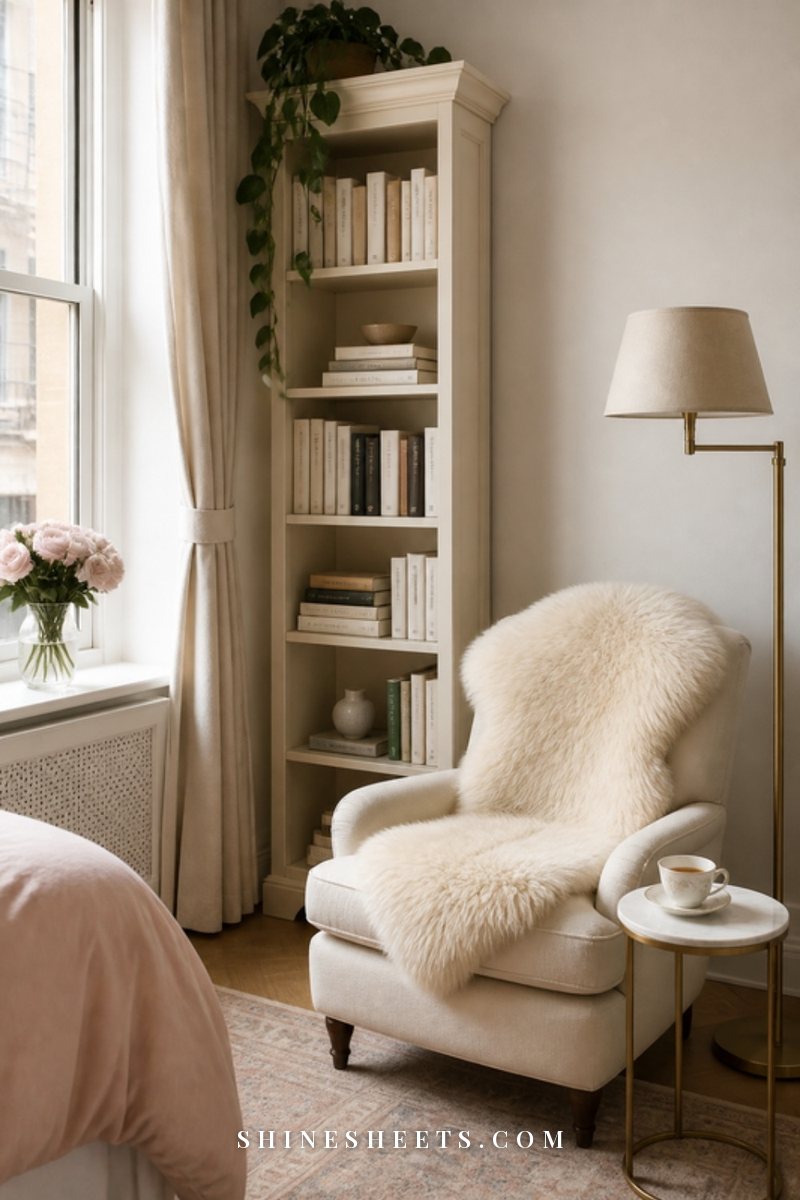
Spontaneity can happen at home too. Move the sofa, turn your bed to face the window, swap two lamps between rooms or create a reading corner where there wasn't one. A room that looks different makes an ordinary evening feel new.
Give yourself one hour and one room. If you hate the new layout after a week, move it back.
18. Ask a Local for a Tip
Ask a barista, a shop owner or the person next to you on a bench: "What's your favorite place around here that most people don't know about?" People love sharing their secret spots, and you might end up somewhere wonderful you'd never find online.
19. Have a Phone-Off Afternoon
Switch your phone off (or onto do-not-disturb) for one afternoon and see where the hours take you. Without constant notifications, you notice more, wander more and follow small impulses – a side street, a bench, a conversation. Tell one person you'll be offline so nobody worries.
20. Say Yes to an Invite You'd Usually Skip
The book club, the neighbor's get-together, the coworker's birthday drinks (a mocktail is perfectly fine). Next time you feel the automatic "no, thanks" forming, pause and ask yourself: am I actually busy, or am I just comfortable? If it's the second one, go for an hour. You can always leave early.
Your Idea Jar Table
Use this table to fill your jar, or simply screenshot it and choose a row whenever your open block comes around. Cost levels: $0 = no cost, $ = under the price of a nice lunch, $$ = a small treat.
| Idea | Time needed | Cost level | Solo or with friends |
|---|---|---|---|
| Take a new route home | 15–30 min | $0 | Solo |
| Sunrise walk with a warm drink | 30 min | $0 | Solo or with a friend |
| Dance to three old favorite songs | 10 min | $0 | Solo |
| Library book chosen by its cover | 1 hour | $0 | Solo |
| Phone-off afternoon | 3–4 hours | $0 | Solo |
| Rearrange one room | 1 hour | $0 | Solo or with a roommate |
| Winter coat picnic in the park | 1 hour | $ | With friends |
| Try a new café | 1 hour | $ | Solo |
| Ask a local for a hidden spot | 1–2 hours | $ | Solo |
| Thrift store hunt with one mission | 1–2 hours | $ | Solo or with friends |
| Random museum visit | 2 hours | $ | Solo or with friends |
| Last-minute walk and tea with a friend | 1–2 hours | $ | With a friend |
| Drop-in class | 1–2 hours | $$ | Solo or with friends |
| Tourist day in your own city | Half day | $$ | Solo or with friends |
| One-time hobby taster | 2–3 hours | $$ | Solo or with friends |
| Last-minute day trip | Full day | $$ | Solo or with friends |
Add your own rows over time. Anything from your bucket list that's close to home and low-cost belongs in the jar too – it's the easiest way to stop "someday" ideas from staying someday forever.
If Spontaneity Makes You Anxious
If the word "spontaneous" makes your stomach tighten a little, you're in good company. Unplanned plans can feel like too many unknowns at once. The answer isn't to force yourself into big leaps – it's to make the leaps so small they barely feel like leaps.
- Start tiny. Choose from the $0, under-30-minute rows first. A new route home is spontaneous, and it's also very safe.
- Keep a fun budget. A set amount each month (even a small one) means you never have to wonder whether you can afford a last-minute coffee or ticket. The decision is already made.
- Know your exit. Before you go, decide how you'll get home and when you're allowed to leave. Having an exit makes it much easier to walk in.
- Plan the basics, not the details. Charge your phone, bring water and a snack, check the weather. Then let the rest happen.
- Bring a calm friend. For the first few adventures, invite someone easygoing. Their relaxed energy tends to rub off.
- Celebrate afterwards. Write one line in your journal about how it went. A small adventure journal just for these notes becomes a lovely record of your braver moments.
If anxiety is stopping you from enjoying life most days, not just on adventure days, a therapist can help you find tools that fit you. That's a strong, kind thing to do for yourself.
Staying Safe on Solo Outings
Spontaneous should never mean careless. A few simple habits let you wander freely and still feel secure:
- Tell someone. Send a quick message: where you're going and roughly when you'll be back.
- Share your location. Turn on location sharing with a trusted friend for the day, and switch it off when you're home.
- Keep your phone charged. Leave with a full battery and, for day trips, a small power bank.
- Know your way back. Check the last train or bus before you set off, especially in winter when it gets dark early.
- Trust your gut. If a place or person feels off, leave. You never owe anyone an explanation.
- Stay in public spaces. When you're meeting new people – at a class or event – stick to busy, well-lit places.
Making It Stick Week After Week
The magic of spontaneity comes from repetition, not intensity. Here's a simple rhythm that works for most people:
- Every week: one open block and one tiny unplanned thing (a new route, a new café, a phone-off hour).
- Every month: one yes-day and one bigger adventure from the jar.
- Every season: one last-minute day trip or a full tourist day in your own city.
After a few months, you'll notice you hesitate less and enjoy more. For a few more ideas on bringing playfulness back into ordinary days, my guide on how to have more fun in your life is a sweet companion to this one.
Final Thoughts
Being more spontaneous doesn't mean giving up your routines, your planner or your sense of calm. It means leaving a little door open in your week and walking through it now and then.
Start with one small yes – a new street, a new café, one song in the living room. Those tiny moments add up to a life that feels lighter, brighter and a lot more like yours.