The guests people love to have back aren't the ones who bring the most expensive gift. They're the ones who make the house feel easier, not fuller. They know when they're arriving, they keep their things in one place, they offer before they're asked, and they leave the guest room looking like nobody slept there.
None of that takes special talent. Knowing how to be a good houseguest is a handful of small habits: a few questions before you go, a thoughtful little gift, some awareness of your host's routines and a proper thank-you afterward. Whether you're staying with your best friend, your partner's parents or a cousin you haven't seen in years, the same basics apply.
Below you'll find what to confirm before the trip, host gift ideas, how to pack so you don't take over the room, ten habits hosts genuinely notice, how to offer money without awkwardness, what to say when something goes wrong, a do-and-avoid table for every phase of the stay and how to leave on a lovely note.
What Makes a Guest Easy To Host

Hosting is generous, but it's also work. Your host is cleaning a room, buying extra groceries, adjusting their schedule and sharing their bathroom. A great guest simply tries to take some of that weight off instead of adding to it.
Almost every houseguest rule comes back to three ideas:
- Be predictable. Your host should know when you arrive, when you leave and roughly what your days look like.
- Be contained. Your things, your mess and your noise stay within your space as much as possible.
- Be grateful out loud. Notice what they did for you and say so, more than once.
If you keep these three in mind, you'll make good choices even in situations no etiquette guide covers. For the wider picture of everyday manners, my list of social etiquette rules is a nice companion to this one.
Before You Go: 6 Things To Confirm

Most houseguest friction starts before you even arrive, usually with a vague plan. A short message a week or so beforehand clears up nearly everything.
- Exact dates and times. Not "the weekend" but "I'll arrive Friday around 6 and head out Sunday after lunch." Hosts plan meals, cleaning and their own errands around this.
- How long is comfortable. The old saying about guests and fish (both start to smell after three days) exists for a reason. If you're staying longer than a weekend, ask openly whether that works.
- What to bring. Ask: "Should I bring towels or a hair dryer, or do you have those?" It saves space in your bag and shows you're thinking of them.
- Allergies and pets, both ways. Mention your allergies or dietary needs early, and ask about theirs before you bring a scented gift or anything edible. If you'd like to bring your own pet, ask first and accept a no gracefully.
- Your transport. Plan how you'll get there and get around. Being picked up from the airport is a kindness, not a given. Offer to take a taxi or train unless they insist.
- Their plans. Ask what's happening in their week. They may still have work, a class or a standing Saturday morning ritual, and that's perfectly fine.
A simple script: "I'm so excited to see you! Just so you can plan, I'm thinking Friday at 6 until Sunday after lunch. Is there anything I should bring, and is there anything happening that weekend I should work around?"
What To Bring: Host Gift Ideas

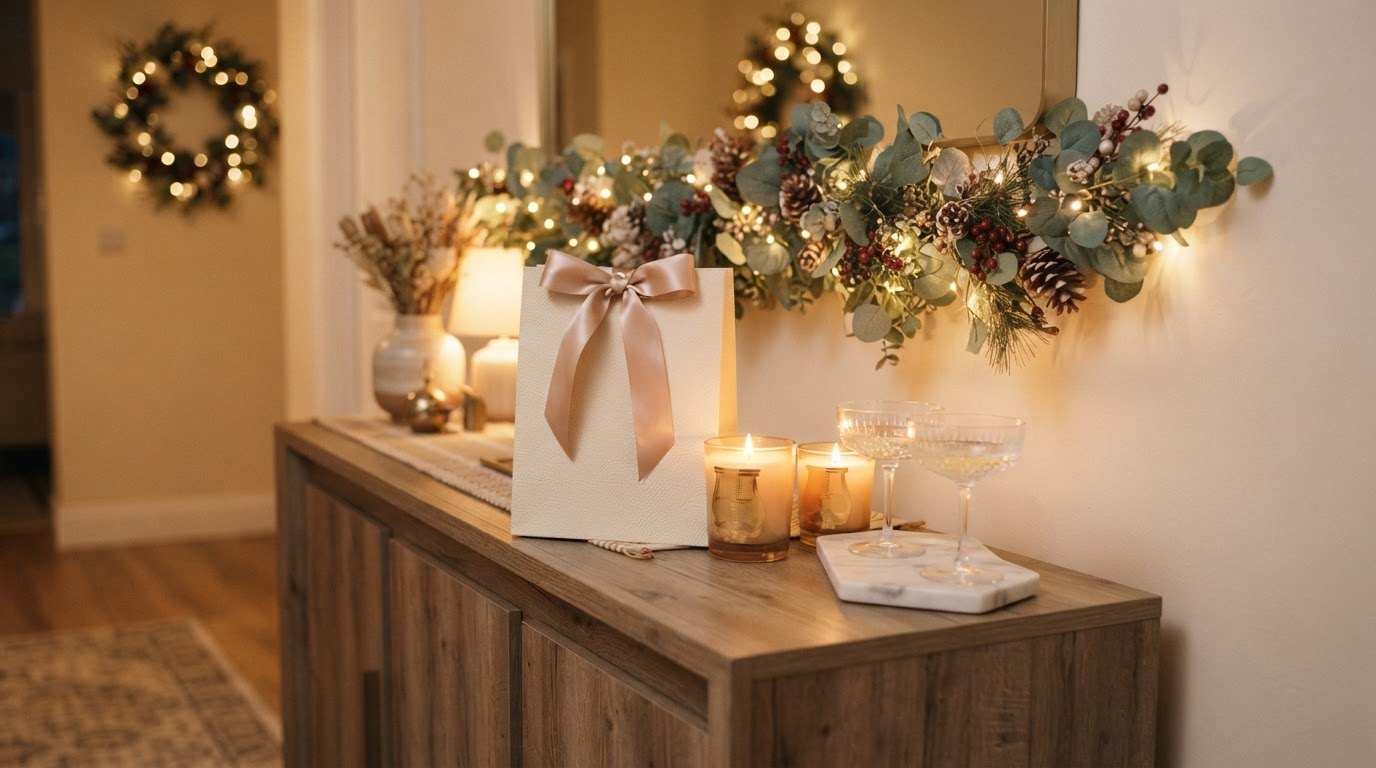
A host gift is a small thank-you in object form. It doesn't need to be big or expensive, but it should be something that feels personal and doesn't create more work (cut flowers that need a vase immediately are lovely, but hand them over with a smile and offer to arrange them yourself).
A few ideas that almost every host appreciates:
- A candle. A soft, not overpowering scent in a pretty glass jar. A candle in a cream glass jar fits nearly any home and is my go-to suggestion when you don't know their style well. Ask about scent sensitivities first.
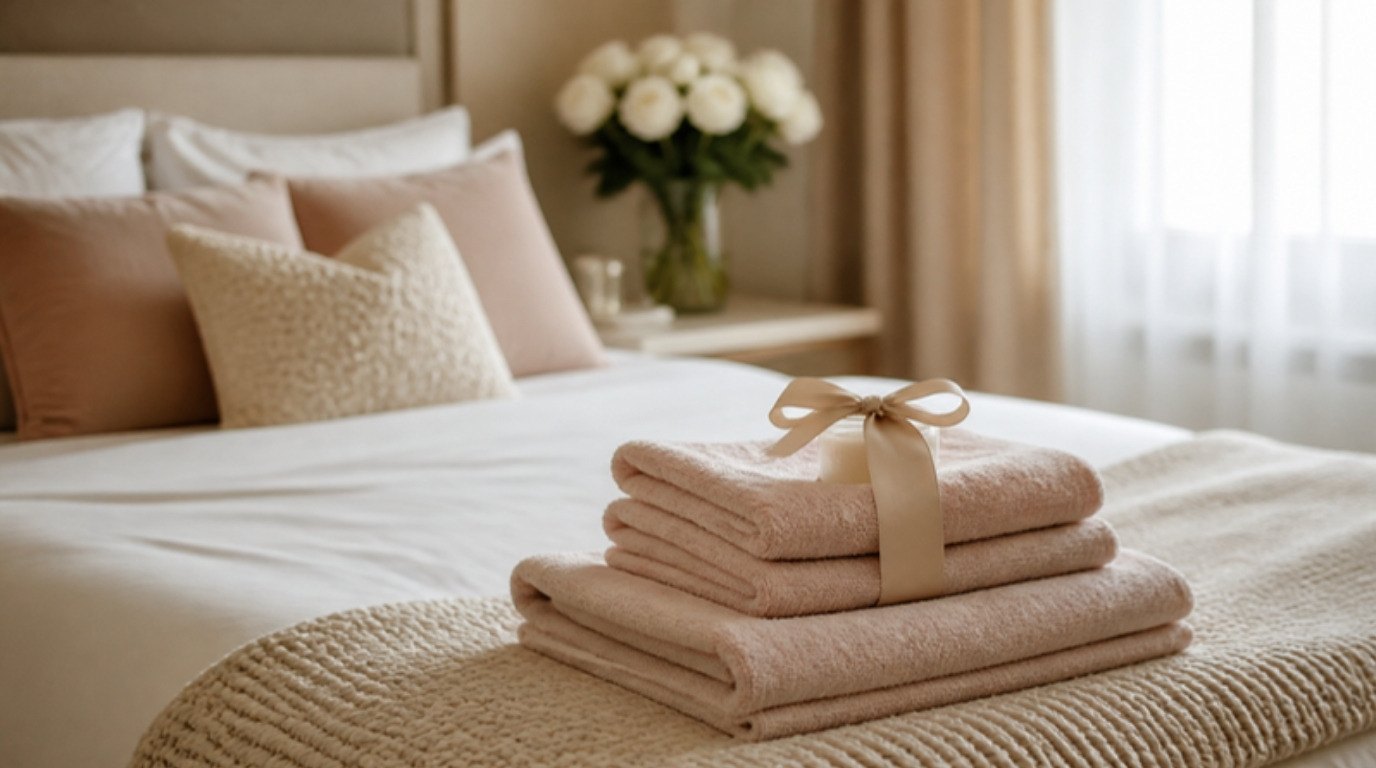
- Linen hand towels. A set of linen hand towels is one of those things people rarely buy for themselves and love having for their own guests.
- Nice hand soap. A good-looking bottle for the kitchen or guest bathroom.
- Flowers or a small plant. Easy, cheerful, and they keep thanking your host after you've gone.
- Something from your hometown. A small local item makes a lovely conversation starter.
- A bottle of wine or nice tea. Optional, and only if you know they enjoy it.
- An experience. Treating them to dinner out or a movie during the stay counts as a gift too.
Bring the gift on arrival, or leave it in the guest room with a short note when you go. Both feel thoughtful.
Packing So You Don't Spread Out
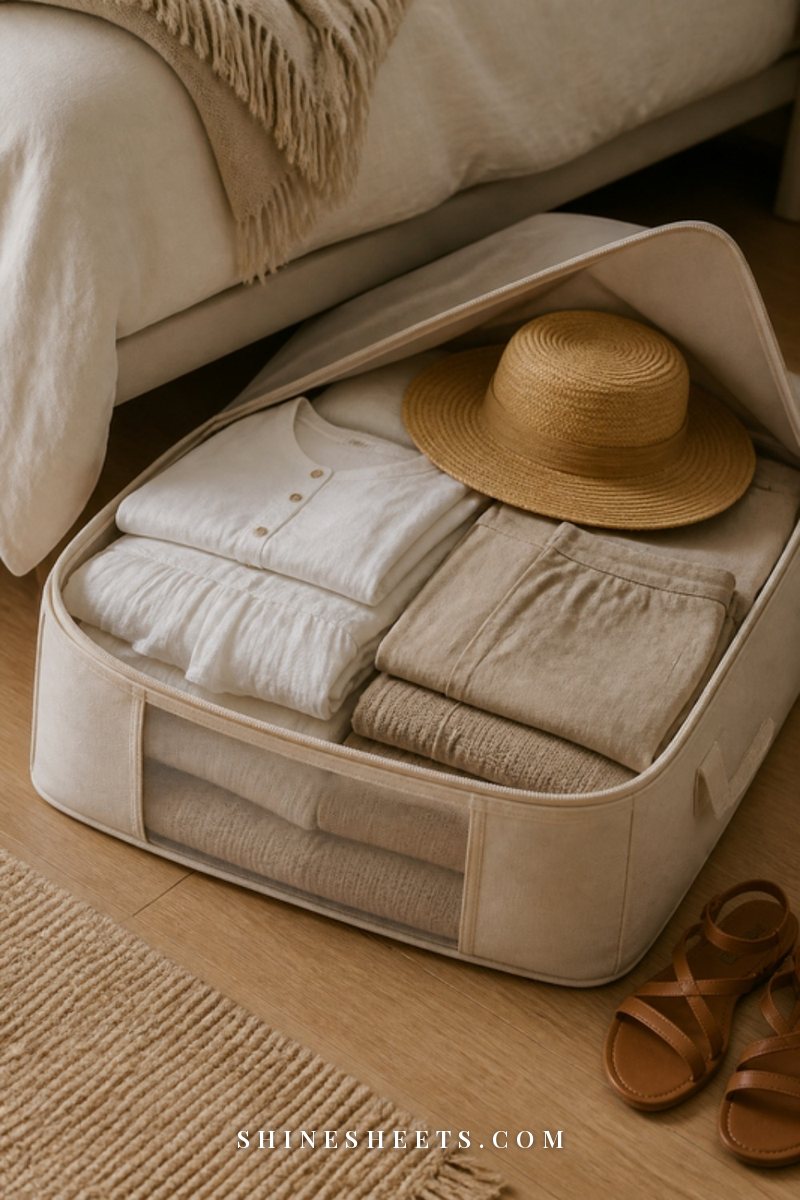
The way you pack decides how much space you take up. A suitcase that explodes across the guest room floor makes even a large room feel crowded, and a host walking past will notice.
- Use packing cubes. A set of pastel packing cubes keeps clothes sorted inside your bag, so you can live out of it without unpacking everything onto chairs.
- Bring your own toiletries. Everything in one hanging travel toiletry bag that goes back to your room after each use, so the shared bathroom stays theirs.
- Pack slippers. Many homes are shoes-off. A pair of soft travel slippers keeps your feet warm and saves you padding around in socks on cold floors.
- Bring a small laundry bag. Dirty clothes go in it, not on the floor.
- Keep your phone charger and a book in your bag. You'll want both, and you won't need to borrow anything.
If you're packing light for a weekend, my carry-on packing list helps you fit everything into one small bag.
Arriving: The First Hour
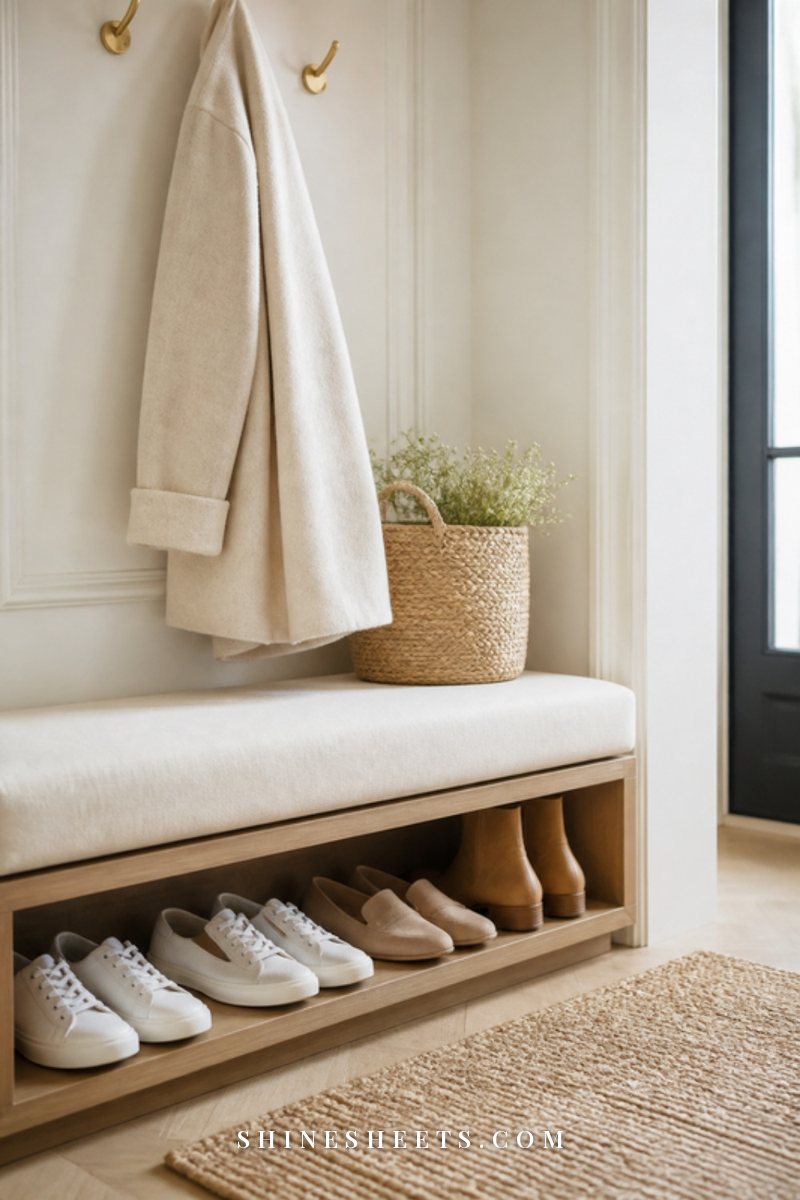
The first hour sets the tone for the whole visit. A few small things make it smooth.
- Arrive when you said you would. If you're running more than 15 minutes late, send a quick message. Arriving early can be just as awkward, so wait in a café if you need to.
- Follow the house shoe rule. Look at what they're doing. If shoes are lined up by the door, take yours off without being asked.
- Hand over your gift and say thank you. Before you sit down, before you check your phone.
- Ask for the quick tour. Where to put your bag, which towels are yours, how the shower works, whether there's anything you should know about the house (a door that sticks, a cat that shouldn't go out).
- Ask about their routines. "What time do you usually get up? Is there a good time for me to shower?" It's the single most considerate question you can ask.
During the Stay: 10 Habits Hosts Notice

These are the things hosts quietly talk about afterward, in a good way or a not-so-good way.
- Make the bed every morning. It takes two minutes and makes the whole room look cared for.
- Keep your things contained. Clothes in your bag or the drawer they offered, toiletries in your bag, shoes by the door. Nothing of yours in the living room overnight.
- Leave the bathroom as you found it. Wipe the sink, hang your towel to dry, clear hair from the drain, keep showers reasonably short if there's one bathroom.
- Offer to help, specifically. "Can I help?" is easy to refuse. "I'll do the dishes tonight" or "Let me set the table" is easier to accept.
- Respect quiet hours. Keep calls, music and late-night snacking quiet, and don't wander around the house at 6 a.m. if they sleep in.
- Ask before you use things. The washing machine, the good coffee, their car, their skincare. Asking is always welcome.
- Mind your phone. Ask for the Wi-Fi password once, and be present at meals and conversations rather than half on your screen.
- Have some plans of your own. A morning walk, a museum, a coffee with another friend. Hosts need a little time alone, even when they love you.
- Follow their household rhythm. If they eat at 7, eat at 7. If they turn lights off when leaving a room, do the same.
- Say thank you during the stay, not just at the end. "That bed is so comfortable" or "Thank you for making breakfast" means a lot in the moment.
Meals are often the heart of a visit, so it's worth brushing up on the basics in my guide to table manners if you're staying with family you'd like to impress.
Money: Offering To Pay Without Making It Awkward
Your host is already giving you a free place to stay. Contributing in some way is part of being a good guest, and the easiest approach is to offer something concrete rather than a vague "let me know if I owe you anything."
Ways to contribute:
- Treat them to one meal out during the stay.
- Pick up groceries or a few breakfast basics on your first morning.
- Pay for activities you do together, like tickets or parking.
- Cover takeout one evening.
A few scripts that feel natural:
- "You're hosting me all weekend, so dinner on Saturday is on me. Pick wherever you like."
- "I'm heading to the store anyway, what can I pick up for the house?"
- "Please let me get these tickets, you've done so much already."
If they say no, offer once more, then let it go gracefully. Some hosts truly enjoy treating you, and arguing over the bill is more awkward than accepting kindly.
Awkward Moments and What To Say
Even perfect guests have the occasional awkward moment. What matters is how you handle it: quickly, honestly and kindly.
If You Break or Stain Something
Tell your host right away, even if it seems small. Hiding a chipped mug is far worse than the mug itself. Say: "I'm so sorry, I knocked over your glass and it broke. Please let me replace it." Then actually follow through, either with an identical item or a gift card if it's hard to find.
If There Are Kids or Pets
Follow the parents' rules, not your own, even if they're different from how you'd do it. Don't give children sweets or screen time without checking first. With pets, ask before feeding them anything, keep doors closed as instructed and tell your host if you're allergic rather than quietly suffering.
If You Need Some Space
Staying with others can be tiring, especially for introverts. It's okay to say: "I'm going to read in my room for an hour, I'll come find you after." A short, cheerful explanation keeps it from feeling like a rejection.
If You're Staying With Your Partner's Family
This one can feel like a test, even when it isn't. Lean on the basics: be on time for meals, offer to help in the kitchen, ask one or two warm questions about their home or family photos, and keep any disagreements with your partner for a private walk later. If you're unsure about a house rule (sharing a room, morning routines, what to wear to dinner), quietly ask your partner rather than guessing. Small, steady kindness goes much further than trying to impress.
If Plans Change
If you need to leave earlier or stay later than agreed, ask as soon as you know. "Would it be okay if I stayed until Monday morning? Totally fine if not, I can book a hotel for the last night." Giving them an easy out is the kind part.
Do and Avoid: A Table for Every Phase of the Stay
This is the whole guide in one place. Screenshot it before your next visit.
| Phase | Do | Avoid |
|---|---|---|
| Planning | Confirm exact dates and times, ask what to bring, mention allergies | Vague plans, inviting extra people, assuming a pickup |
| Packing | Bring your own toiletries, packing cubes, slippers and a laundry bag | Overpacking, expecting to borrow chargers or hair tools |
| Arriving | Arrive on time, follow the shoe rule, give your gift, ask about routines | Arriving early or late without a message, spreading out immediately |
| Daily life | Make the bed, tidy the bathroom, offer specific help, keep quiet hours | Leaving things around the house, long showers, using things without asking |
| Money | Treat them to a meal, pick up groceries, pay for shared activities | Vague offers, arguing over the bill, keeping score |
| Awkward moments | Tell them right away, apologize, replace what you broke | Hiding damage, overriding parents' rules, sulking about plans |
| Leaving | Strip the bed if they want, tidy the room, leave at the agreed time | Leaving damp towels, forgotten items, lingering past goodbye |
| Afterward | Send a thank-you note within a few days, return the favor | Forgetting to follow up, only thanking by a quick emoji |
Leaving: Return the Room As You Found It
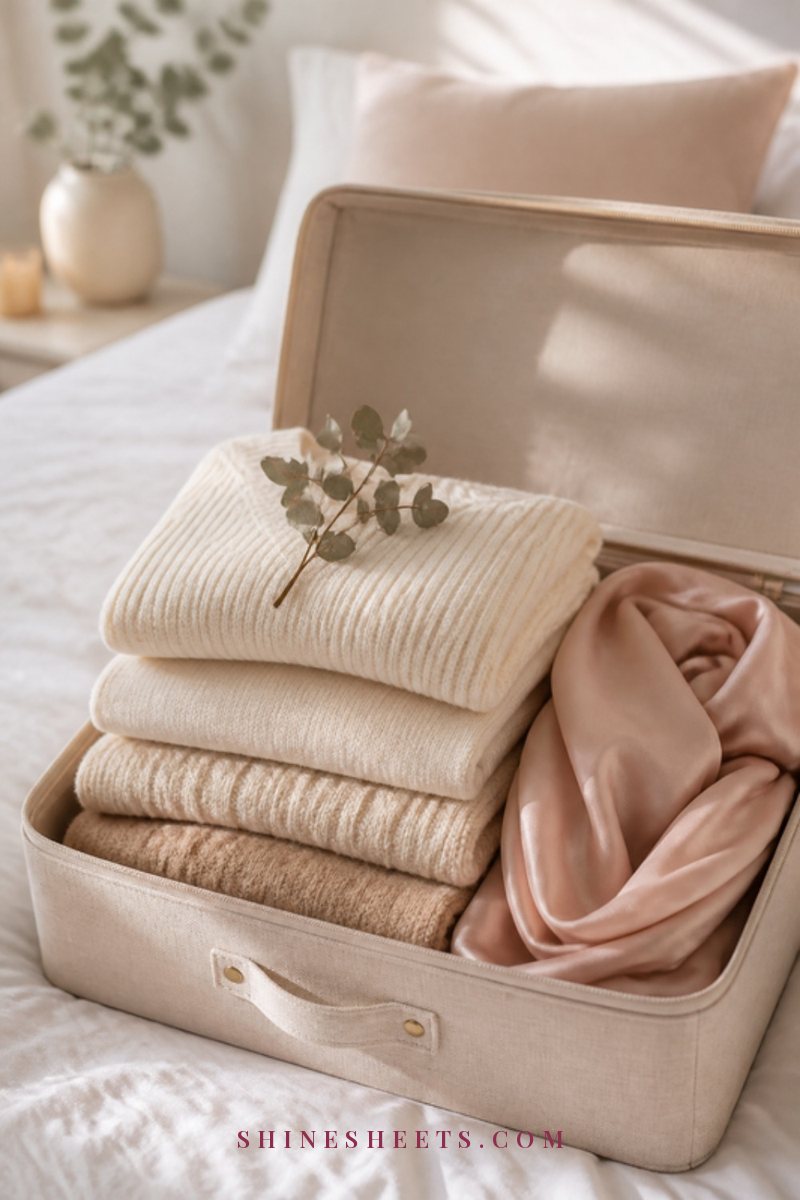
The way you leave is what your host will remember most. Aim for a guest room that looks like it's ready for the next person, minus the clean sheets.
- Ask about the bed. "Would you like me to strip the bed or leave it made?" Some hosts love having the sheets ready for the wash, others prefer to do it themselves.
- Fold used towels and put them where your host asks, usually on the stripped bed or in the laundry basket.
- Empty the trash in your room and take any bottles or wrappers with you.
- Do a final sweep under the bed, in drawers and in the bathroom for chargers, earrings and toiletries.
- Leave on time. A long goodbye at the door is sweet; an extra three hours on the sofa is less so.
- Say a proper thank-you in person, naming one specific thing you loved about the stay.
If you love hosting yourself, you'll find ideas to repay the kindness in my post on guest room ideas that make people feel at home.
The Thank-You Note
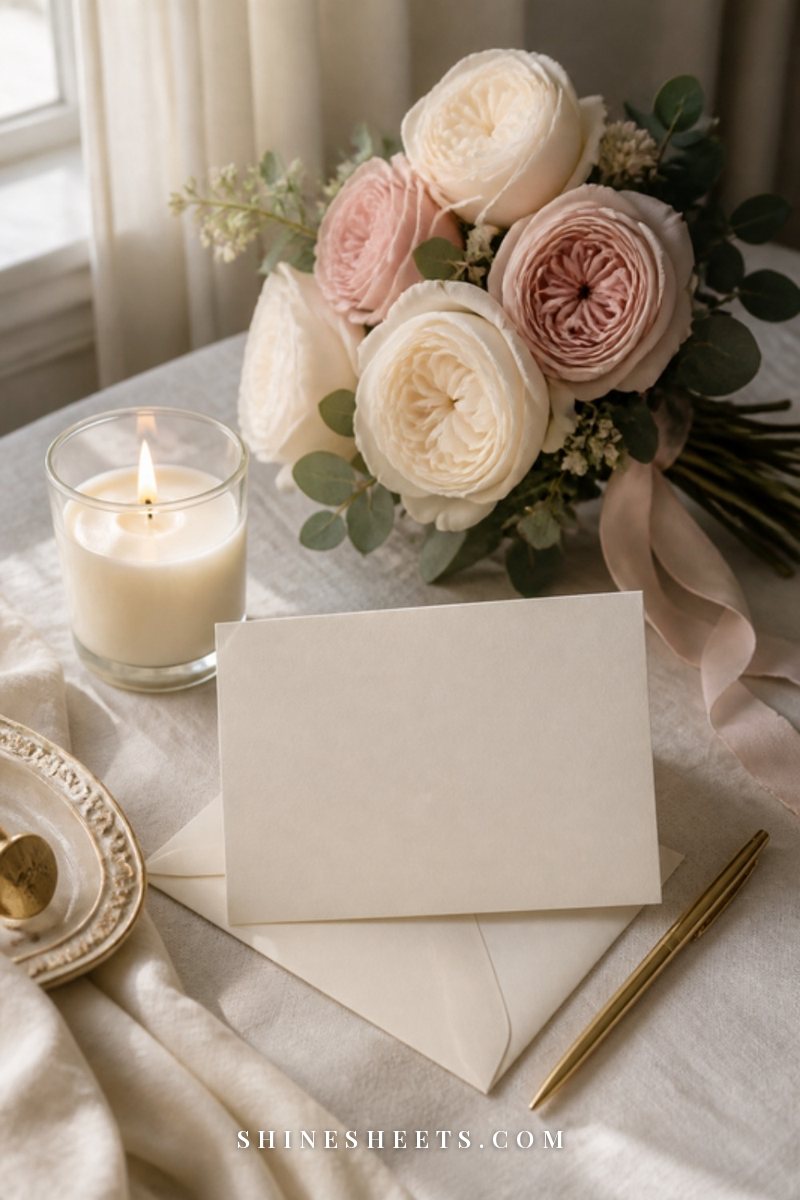
A handwritten note within a few days of getting home is what turns a good guest into an unforgettable one. A text is fine for a casual weekend with your best friend, but a note in the mail feels special and gets kept.
Keep a small box of blank thank-you cards at home so you're never hunting for one. A simple structure that always works:
- Thank them for hosting. "Thank you so much for having me last weekend."
- Mention one or two specific moments. "The long breakfast on Saturday and our walk by the lake were my favorite parts."
- Notice their effort. "The guest room was so lovely, I slept better than I have in weeks."
- Look forward. "I can't wait to have you stay with me next time."
Four sentences are plenty. For more wording ideas, my guide to thank-you notes has examples for every occasion.
Final Thoughts
Being a good houseguest isn't about being perfect or invisible. It's about making your host feel that having you was easy and lovely, and that they'd happily do it again.
Confirm your plans, keep your things tidy, offer help you actually mean and say thank you more than feels necessary. Those small habits are what make people hug you a little longer at the door, and invite you back.