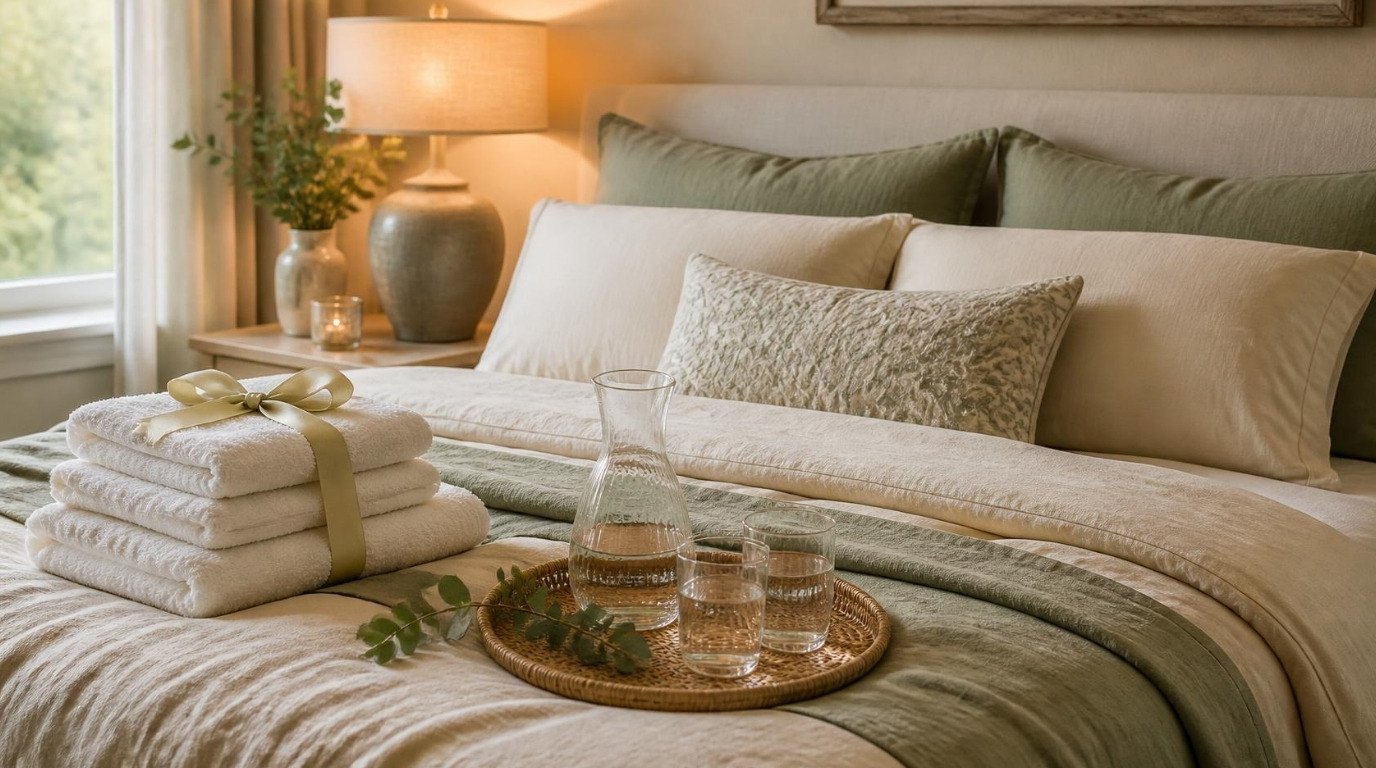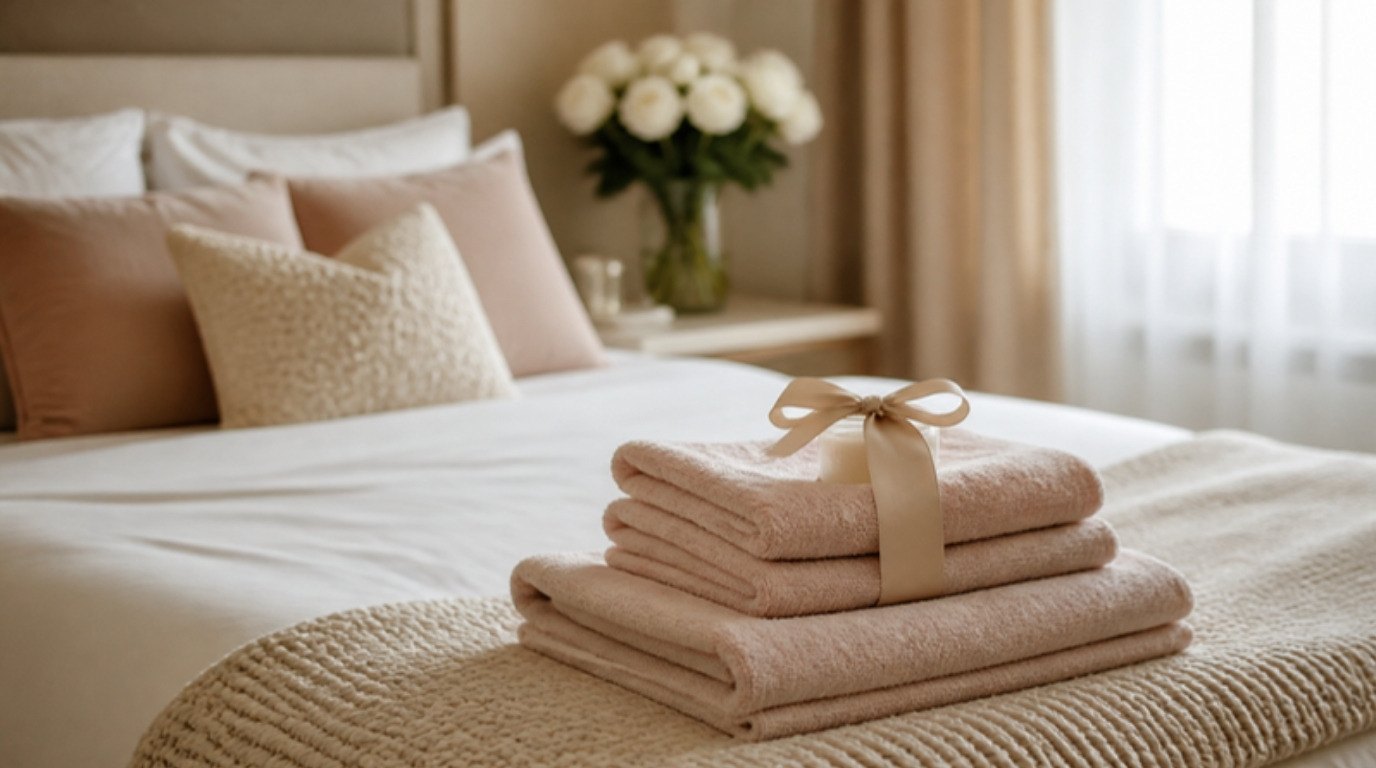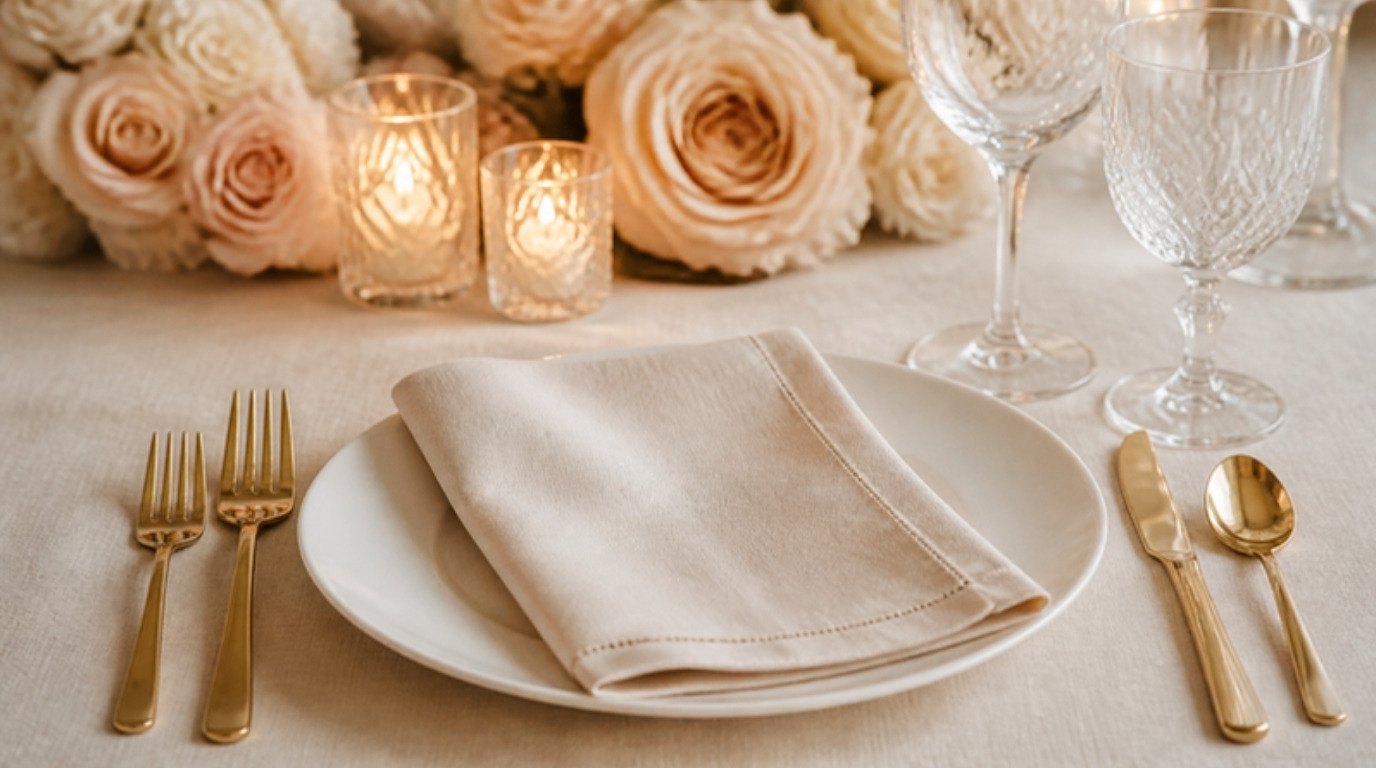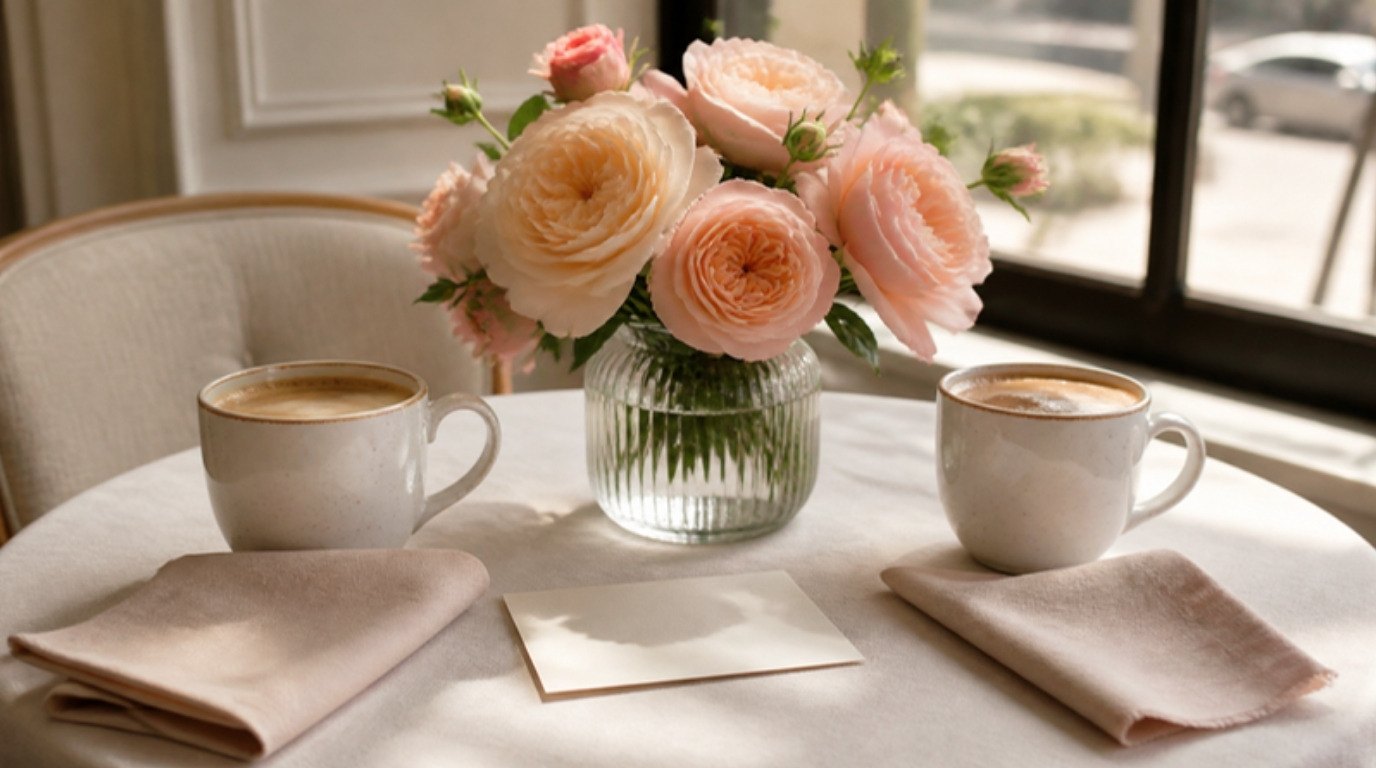
A great Friendsgiving isn't about a perfect table or an impressive spread. It's about the feeling people carry home: that they were welcome, that they laughed, that someone noticed them. The easiest way to create that feeling is to plan the logistics early, share the work and leave yourself enough energy to actually enjoy your friends.
That's the beauty of Friendsgiving compared with a traditional holiday dinner. There are no rules, no inherited expectations and no one keeping score. You get to decide what matters, and most people find that the simplest version is also the most memorable.
This guide is full of practical Friendsgiving ideas for hosting a warm, easy gathering: a planning timeline (two weeks out, the week of and the day of), how to coordinate a potluck without chaos, table and decor ideas, gratitude activities and games, hosting in a small space, budget tips, how to be a thoughtful guest and an after-party cleanup routine that doesn't keep you up until midnight.
Whether it's your first time hosting or your fifth, you'll find a calm plan here.
What Is Friendsgiving?
Friendsgiving is a gathering of friends around a shared meal in the Thanksgiving season, usually a few days or a week before or after the holiday itself. It started as a way for people who couldn't travel home, or simply wanted to celebrate with their chosen people, to have their own version of the day.
Today it can look like almost anything: a sit-down dinner for eight, a relaxed potluck in a studio apartment, a long lunch on a Saturday or an evening with games and dessert. What ties them together is gratitude and togetherness, not tradition.
It's also a wonderful way to deepen friendships. If you've moved recently or are building a new circle, inviting a few people to a small Friendsgiving is one of the gentlest ways to turn acquaintances into friends (my guide on how to make friends as an adult has more ideas like this).
Your Friendsgiving Planning Timeline
A little planning spread over two weeks means the day itself feels easy. Here's how I'd break it down.
Two Weeks Before
- Pick a date and time. Weekend afternoons or early evenings usually work best. Check that it doesn't clash with anyone's travel plans.
- Decide on your guest list. Count your seats honestly. Six to ten guests is a lovely size for most homes.
- Send invitations. A group message is perfectly fine. Include the date, time, address, whether it's a potluck and a gentle "let me know about any allergies or dietary needs."
- Choose your format. Full potluck, host provides the main and everyone brings one dish, or a dessert-and-games evening.
- Check what you own. Count chairs, plates, glasses and serving dishes. Ask a friend to lend extras now rather than the day before.
The Week Of
- Confirm the potluck list so you know what's coming and can fill any gaps.
- Plan the layout. Where will people sit, where will food go, where will coats land?
- Shop for non-food items: candles, napkins, a few flowers, cards for the gratitude activity.
- Do a light clean of the main spaces. My pre-guest cleaning checklist keeps it focused on what guests actually notice.
- Make a playlist that will last at least three hours so you're not skipping songs all night.
The Day Of
- Set the table in the morning so it's done before anything else gets busy.
- Clear the counters and create a landing zone for the dishes guests bring.
- Empty the dishwasher and the trash before anyone arrives. This one step makes cleanup so much easier.
- Prep a drinks station so guests can help themselves.
- Light candles and start the music about 15 minutes before guests arrive.
- Take ten minutes for yourself. Change, sit down, breathe. A relaxed host makes everyone relax.
Friendsgiving Planning Timeline at a Glance
Here's the whole plan in one table you can screenshot and keep handy.
| When | Task | Time needed | Can someone help? |
|---|---|---|---|
| 2 weeks before | Set date, guest list and format | 20 minutes | Co-host |
| 2 weeks before | Send invitations with allergy question | 10 minutes | No |
| 2 weeks before | Count chairs, plates and glasses; borrow extras | 20 minutes | Friends or neighbors |
| 10 days before | Share potluck sign-up | 10 minutes | Co-host |
| Week of | Confirm dishes and fill gaps | 15 minutes | Co-host |
| Week of | Buy candles, napkins, flowers and cards | 1 hour | Anyone |
| Week of | Plan seating and serving layout | 20 minutes | No |
| 2 days before | Light clean and clear entryway | 1–2 hours | Housemates |
| Day before | Make playlist, prep gratitude cards | 30 minutes | Anyone |
| Morning of | Set table, clear counters, empty dishwasher | 1 hour | Housemates |
| 1 hour before | Set up drinks station and dish landing zone | 20 minutes | Early guest |
| 15 minutes before | Candles, music, ten quiet minutes for you | 15 minutes | No |
How To Coordinate the Potluck
The simplest rule is the best one: everyone brings one dish. It keeps things fair, nobody spends a fortune and the host isn't cooking for three days.
To avoid ending up with six desserts and nothing else, use a simple sign-up approach:
- Create a shared list. A shared note or a pinned group message works perfectly. Split it into a few broad categories (main, sides, salads, desserts, drinks) and let people add their name next to one.
- Set a light limit per category. For example, two desserts and three sides for a group of eight.
- Collect dietary needs early. Note allergies and preferences at the top of the list so everyone can plan around them.
- Ask for ready-to-serve dishes. Oven and stove space will be limited. Ask guests to bring dishes that are served at room temperature or need only a quick reheat, and tell them in advance if your oven will be busy.
- Give non-cooks easy roles. Someone can bring drinks, ice, flowers, bread from a bakery or the after-dinner game. Everyone contributes, nobody feels pressure.
As the host, I'd provide the main dish (or coordinate a friend who loves to), plus the basics everyone forgets: serving spoons, a few extra plates and containers for leftovers.
Setting a Warm Friendsgiving Table
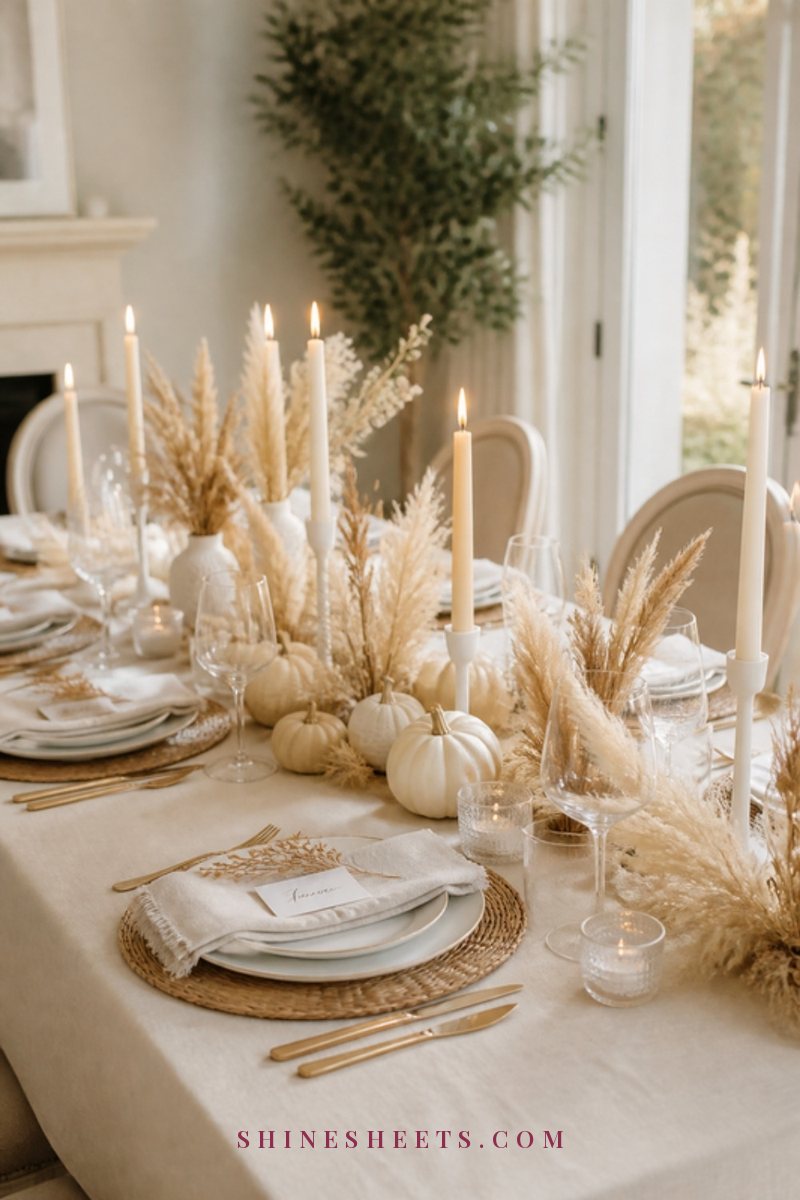
The table is where the mood is set, and it doesn't need to be elaborate. A few good basics do most of the work.
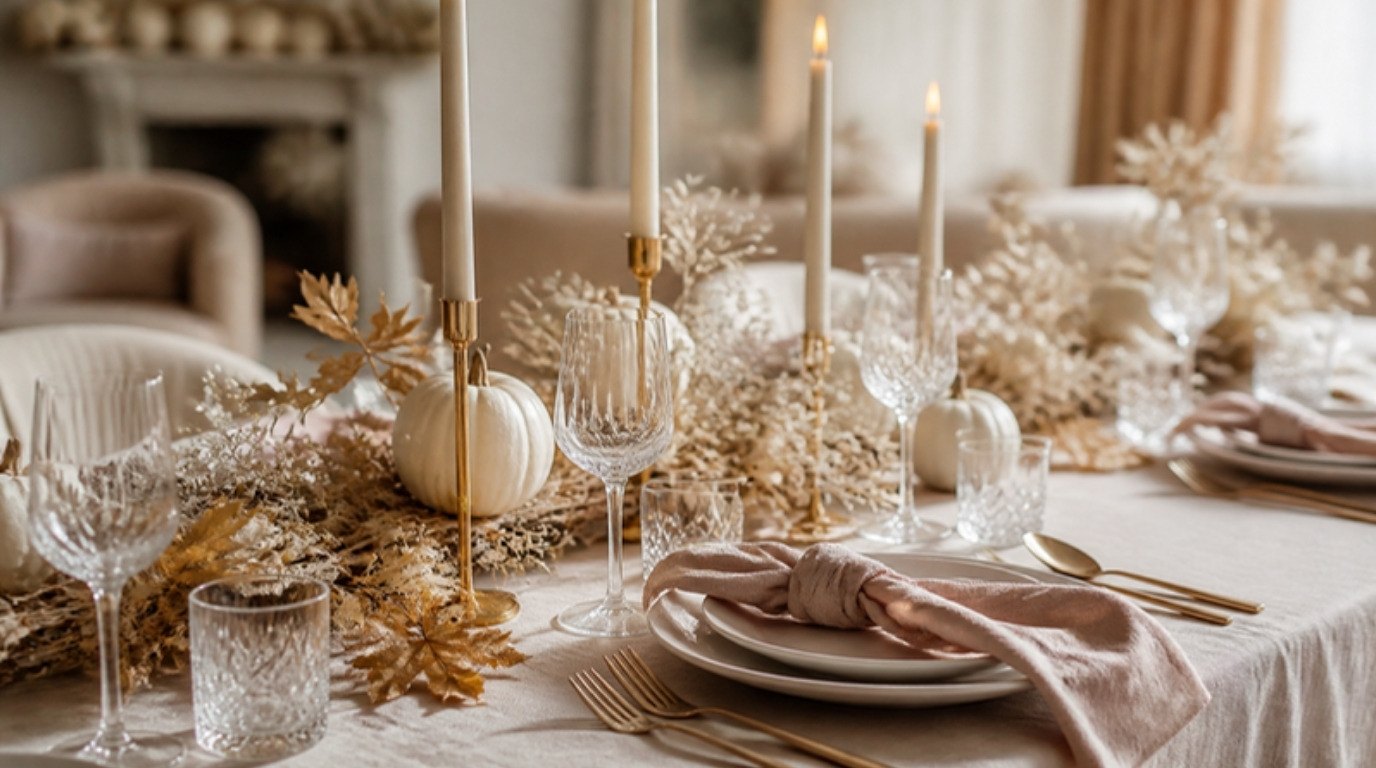
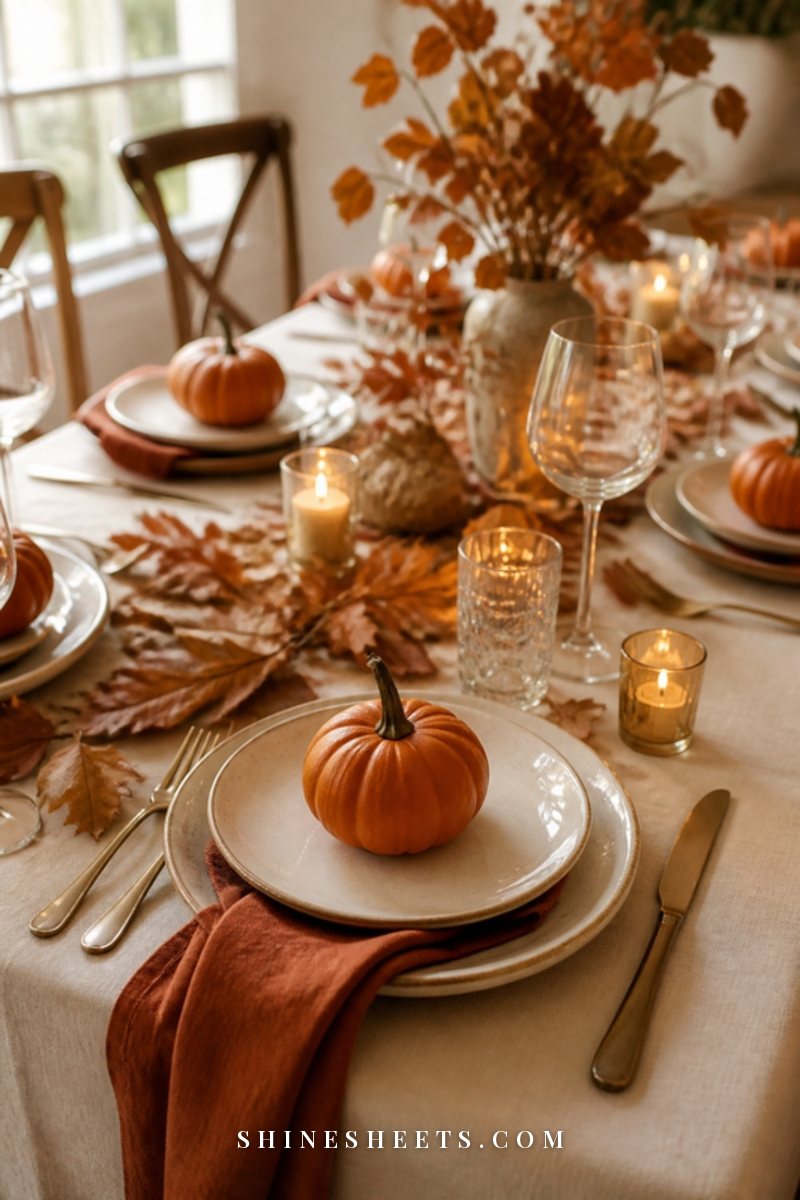
- Start with a tablecloth. A cream linen tablecloth instantly softens any table, hides mismatched surfaces and looks beautiful even slightly wrinkled.
- Add napkins with a little color. A set of blush linen napkins adds warmth without competing with the food. Fold them simply or tie them with twine and a sprig of rosemary.
- Mix in some gold. A gold flatware set makes even plain white plates look special, and it works for every gathering after this one too.
- Keep the centerpiece low. A runner of leaves, a few small pumpkins and some greenery lets people see and talk across the table.
- Use candlelight. Tall cream taper candles in gold candle holders make the whole room glow. Keep them away from napkins and leaves, and never leave them burning unattended.
Mismatched plates and borrowed chairs are completely fine. In fact, they make it feel more like a gathering of friends than a formal dinner. For step-by-step place settings, my Thanksgiving table setting guide has layouts for every table size.
Simple Friendsgiving Decor Ideas
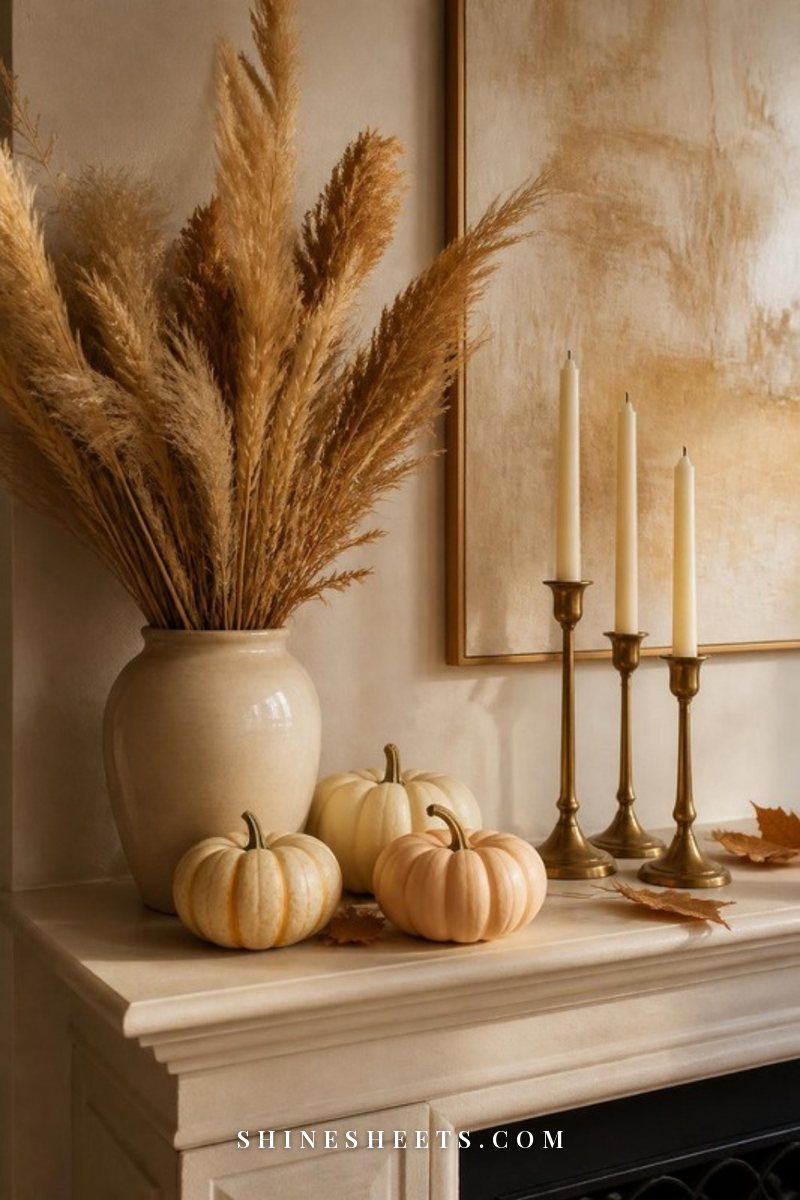
Beyond the table, a few touches make your home feel ready for a celebration:
- A welcome moment at the door. A small arrangement of branches or a wreath and a warm lamp switched on in the entry.
- Seasonal stems. Dried wheat, eucalyptus or branches with autumn leaves in a tall vase look elegant and cost very little.
- White and cream pumpkins. Grouped on a mantel, a sideboard or a windowsill, they feel harvest-like without leaning into anything spooky.
- Soft lighting. Turn off the overhead lights and use lamps, fairy lights and candles. It's the quickest way to transform a room.
- A blanket basket. If people will linger in the living room after dinner, a basket of throws invites them to settle in.
Gratitude Activities and Games
A little structure after the meal helps conversation flow and gives everyone a moment to share something meaningful, without anyone feeling put on the spot.
Gratitude Cards

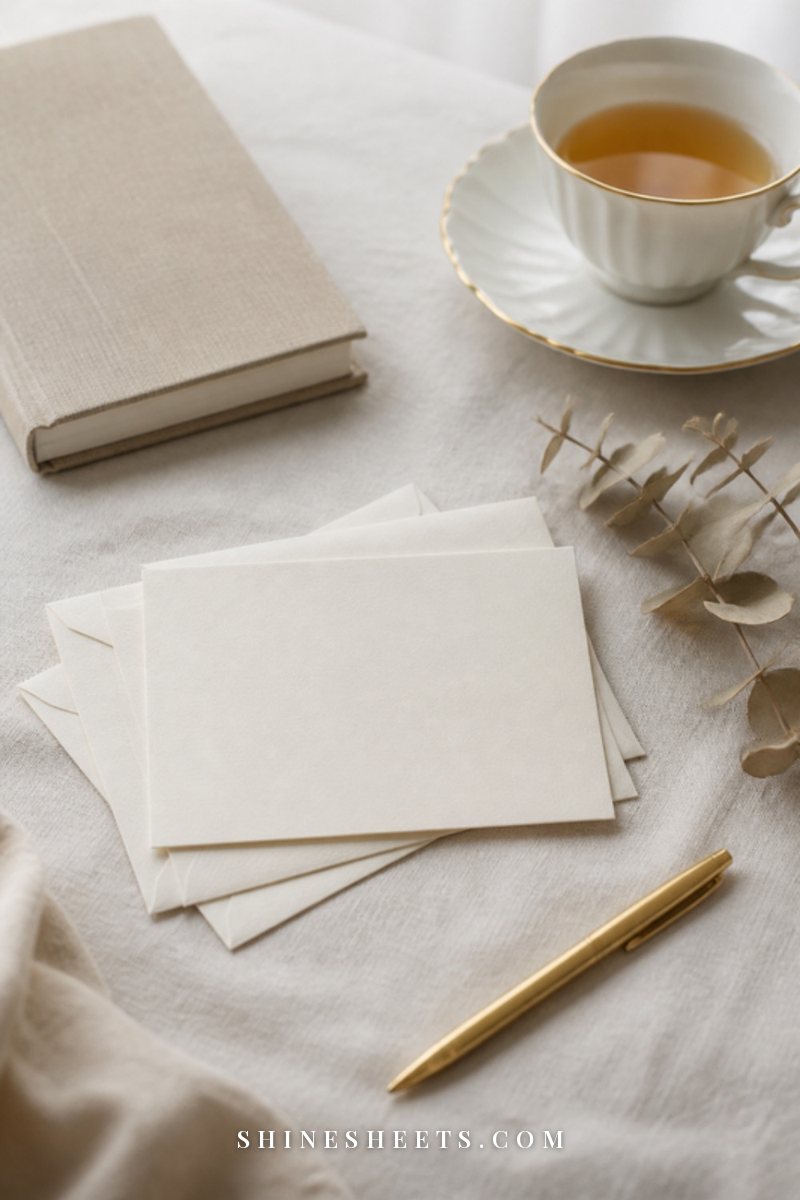
Place a small stack of cream notecards and a few pens at each place setting. During dessert, everyone writes one thing they're grateful for this year, anonymously, and drops it into a jar. Take turns reading them aloud and guessing who wrote which. It's sweet, often funny and surprisingly moving.
The Gratitude Toast
Before eating, invite anyone who wants to share a quick toast: one thing they're thankful for, in one sentence. Keep it optional so nobody feels pressured. A good opening line for the host: "I'm grateful that every person at this table said yes tonight."
Thank-You Notes to Each Other
Write each guest's name on a card and pass them around the table. Everyone adds one kind line about that person. At the end of the night, each guest takes their card home. It's a small keepsake that people often hold on to for years.
Games for After Dinner
- Two truths and a lie, gratitude edition: two true things you're grateful for and one made up.
- Charades or a drawing game in two teams, great for mixed groups who don't all know each other.
- A favorite memory round: each person shares a favorite moment from the past year with this group.
- A classic card or board game that four to eight people can play while dessert is out.
If your group loves a games night in general, my girls' night ideas have more easy activities you can borrow.
Making Every Guest Feel Welcome
Friendsgiving often brings together people from different parts of your life: work friends, neighbors, old friends and someone's new partner. A few thoughtful touches help everyone feel like they belong.
- Greet every guest at the door. Take their coat and their dish, offer a drink and introduce them to at least one person right away. Those first two minutes shape how the whole evening feels for them.
- Introduce people with a hook. Instead of just names, add a detail: "This is Mia, she just got back from a hiking trip, and you've been wanting to go." It gives them something to talk about immediately.
- Mix the seating. Simple place cards (a handwritten name on a folded card) let you seat people who don't know each other next to someone friendly and chatty.
- Offer non-alcoholic options that feel just as special, such as sparkling water with citrus slices or a warm pot of tea, so nobody feels singled out.
- Label dishes for allergies. A small card next to each dish noting common allergens helps guests with dietary needs relax and serve themselves.
- Create a quiet corner. Not everyone loves a loud room all night. A softly lit chair or a spot on the balcony gives introverts a place to recharge.
And if someone is far from family this season, a little extra warmth goes a long way. A personal invitation and a seat next to you can mean more than you'll ever know.
What To Do If Plans Change
Even the best plans wobble. Someone cancels the morning of, a dish doesn't arrive or the oven decides to be difficult. A calm host simply adapts:
- Keep one easy backup in the pantry or freezer, something that needs no prep, in case a dish falls through.
- Rearrange seats quietly if someone can't come, so the table doesn't feel gappy.
- Let small things go. Nobody remembers that dinner was 30 minutes late. They remember laughing while they waited.
Hosting Friendsgiving in a Small Space
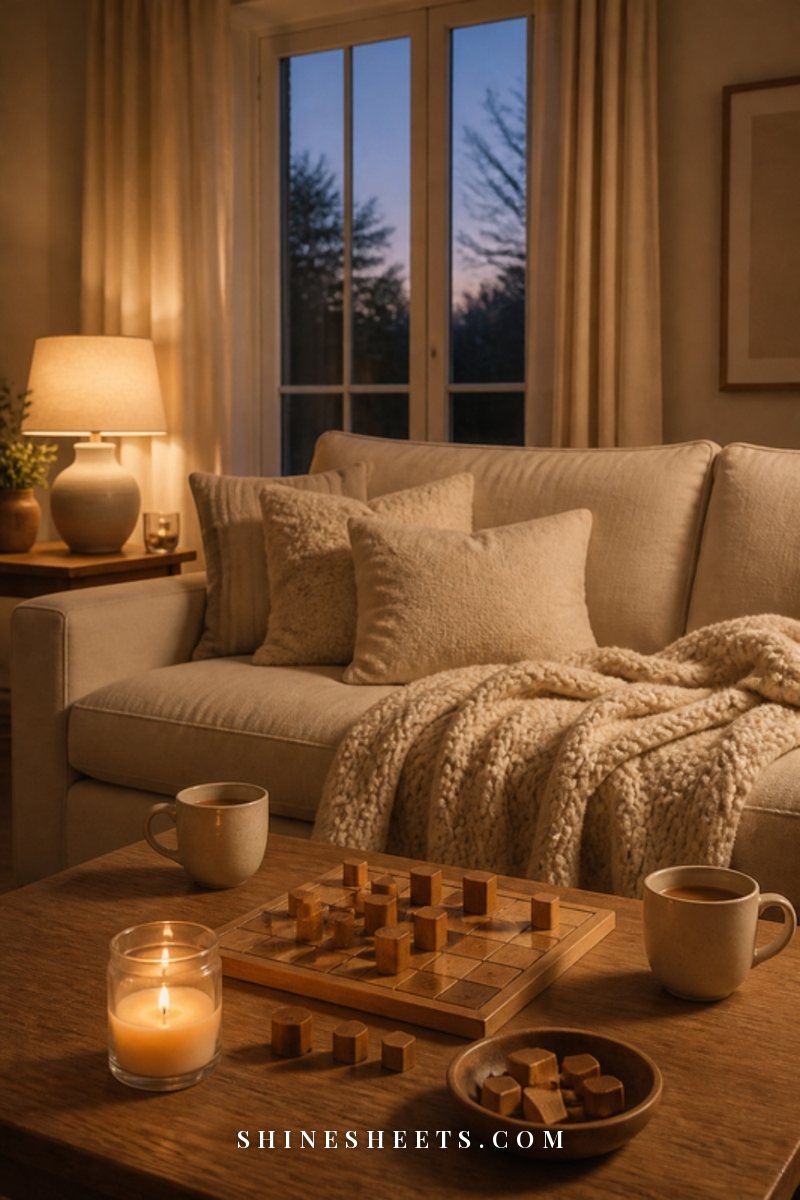
You don't need a dining room to host a lovely Friendsgiving. A small space can feel even more intimate.
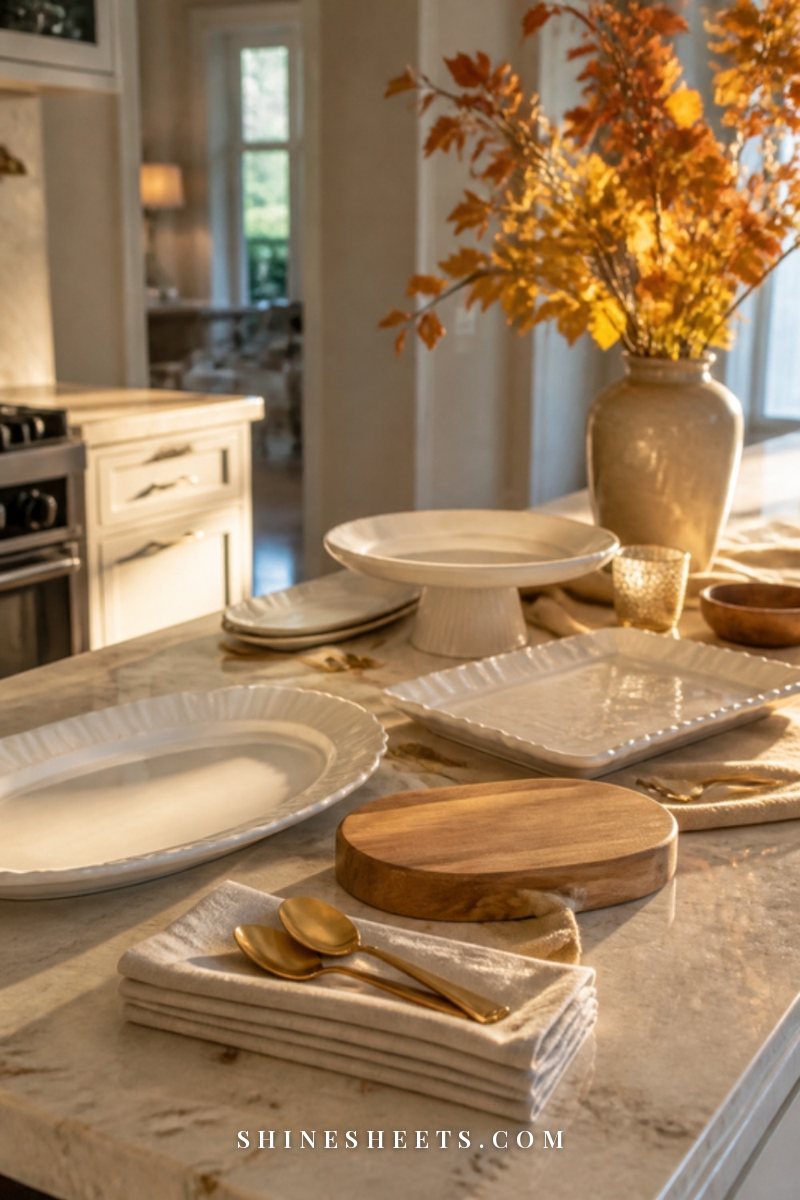
- Go buffet-style. Set dishes along a counter or a desk and let people serve themselves. It saves table space for plates.
- Use floor seating. A low coffee table with floor cushions and blankets feels relaxed and inviting.
- Clear surfaces. Temporarily move decorative objects, books and extra furniture to the bedroom to open up space.
- Plan a coat spot. A bed or a rack in another room keeps the main space clear.
- Keep the guest list small. Four to six people in a studio can be wonderful. Twelve is a squeeze.
- Use vertical space. A bar cart or tiered stand holds drinks and cups without taking up counter room.
Friendsgiving on a Budget
Hosting doesn't have to be expensive. Here's where you can save without anyone noticing:
- Share the costs openly. The potluck format already does this. Drinks can be a shared contribution too.
- Borrow before buying. Chairs, serving dishes and extra glasses can almost always come from a friend.
- Forage your decor. Leaves, branches, pinecones and greenery from outside are free and beautiful.
- Buy reusable basics once. A linen tablecloth, napkins and candleholders last for years and make every future gathering easier.
- Shop your home. Glass jars become vases, a cutting board becomes a serving board and a scarf becomes a table runner.
- Skip disposable everything. Real plates feel more special, and the dishwasher can handle them while you visit.
How To Be a Thoughtful Friendsgiving Guest
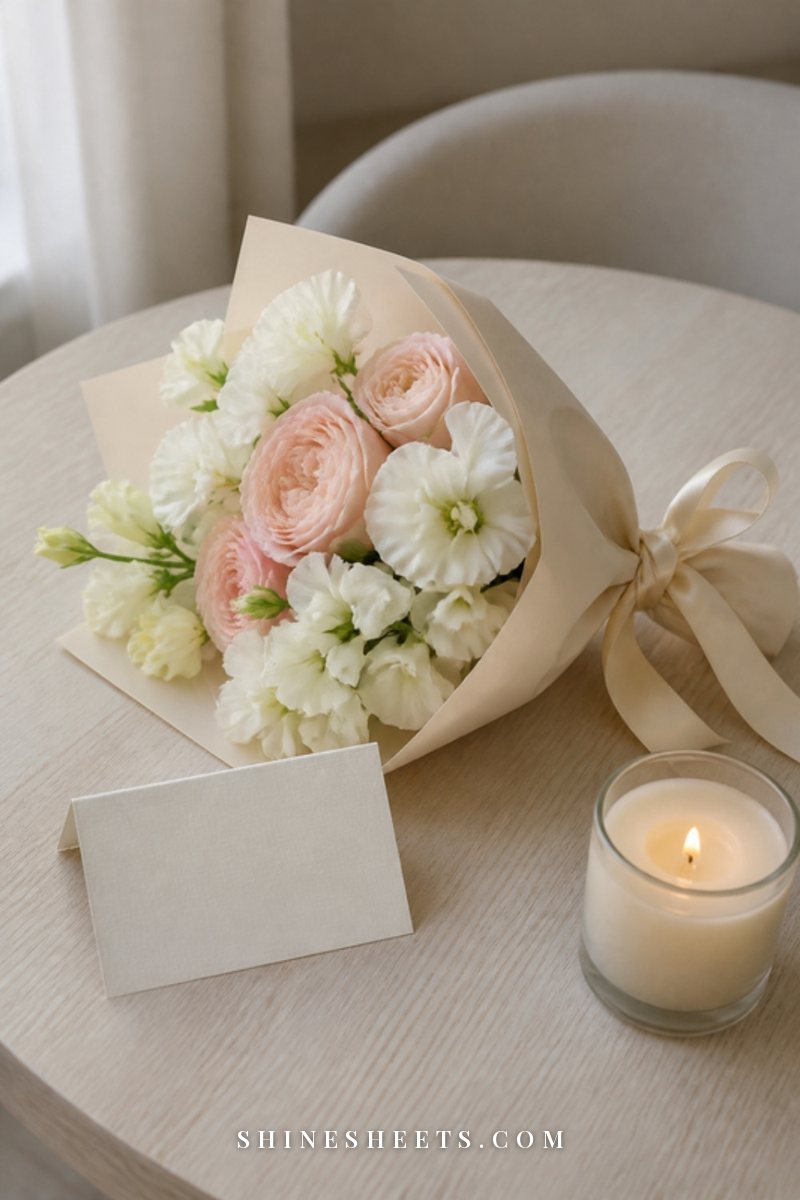
If you're attending rather than hosting, these little things make you the guest everyone wants back:
- Reply quickly and sign up for a dish early so the host can plan.
- Bring your dish ready to serve, with its own serving spoon, and take your dish home at the end.
- Arrive on time, not early. Hosts need those final minutes.
- Bring a small extra, like flowers already in a jar (so the host doesn't have to hunt for a vase), a candle or a card.
- Offer specific help: "Can I fill the water glasses?" is more useful than "Let me know if you need anything."
- Include the quieter guests. If you notice someone who doesn't know many people, sit with them or bring them into the conversation.
- Help with ten minutes of cleanup before you leave, then send a thank-you message the next day.
Easy After-Party Cleanup Habits
The end of the evening is where many hosts lose their good mood. A little system helps:
- Start with an empty dishwasher and trash can, as mentioned above. You'll thank yourself.
- Set out leftover containers so guests can take food home. Less to store, less waste.
- Accept help. When guests offer, give them small, clear jobs: clearing plates, wiping the table, taking out recycling.
- Do a 20-minute reset after everyone leaves: food in the fridge, dishwasher running, candles out, table cleared. Leave everything else for the morning.
- Soak, don't scrub. Fill pans with warm, soapy water and let them sit overnight.
- Launder linens the next day. Treat any stains on the tablecloth and napkins before washing.
Then send a quick group message thanking everyone for coming. Friendships grow through small, warm follow-ups like this, and my guide on how to keep friendships alive has more of these gentle habits.
Final Thoughts
The best Friendsgiving isn't the most elaborate one. It's the one where the host is relaxed, everyone brings something to share and the evening leaves people feeling a little more connected than when they arrived.
Plan early, share the work, light the candles and let the rest unfold. Your friends will remember the warmth far longer than any detail on the table.