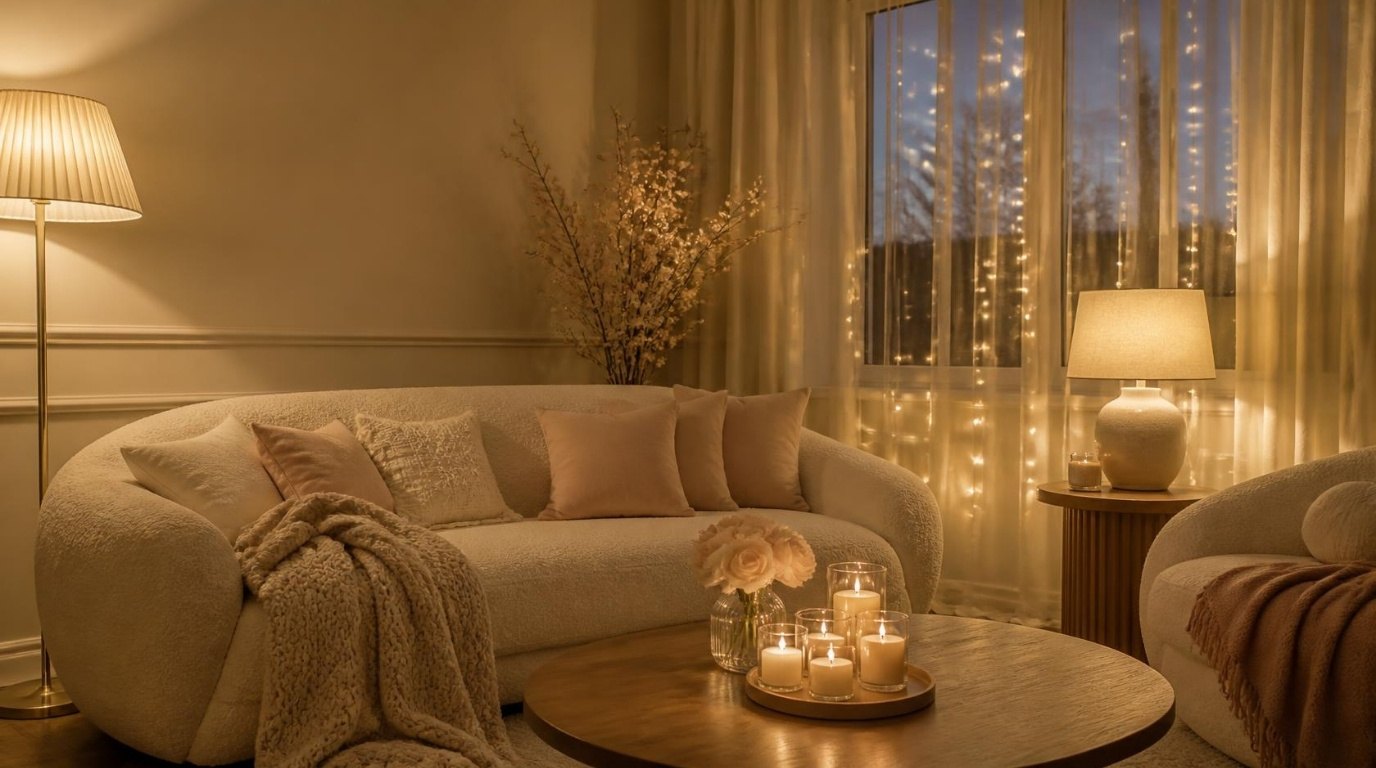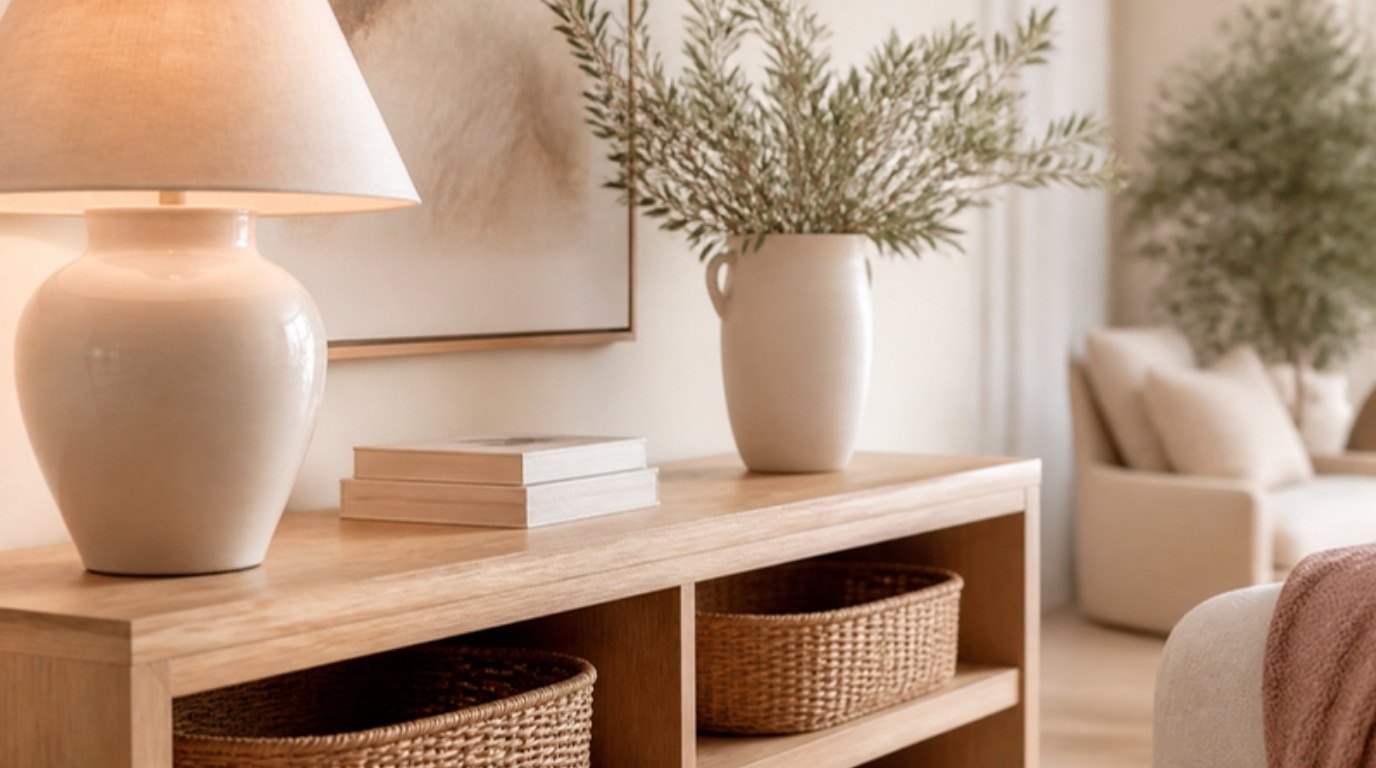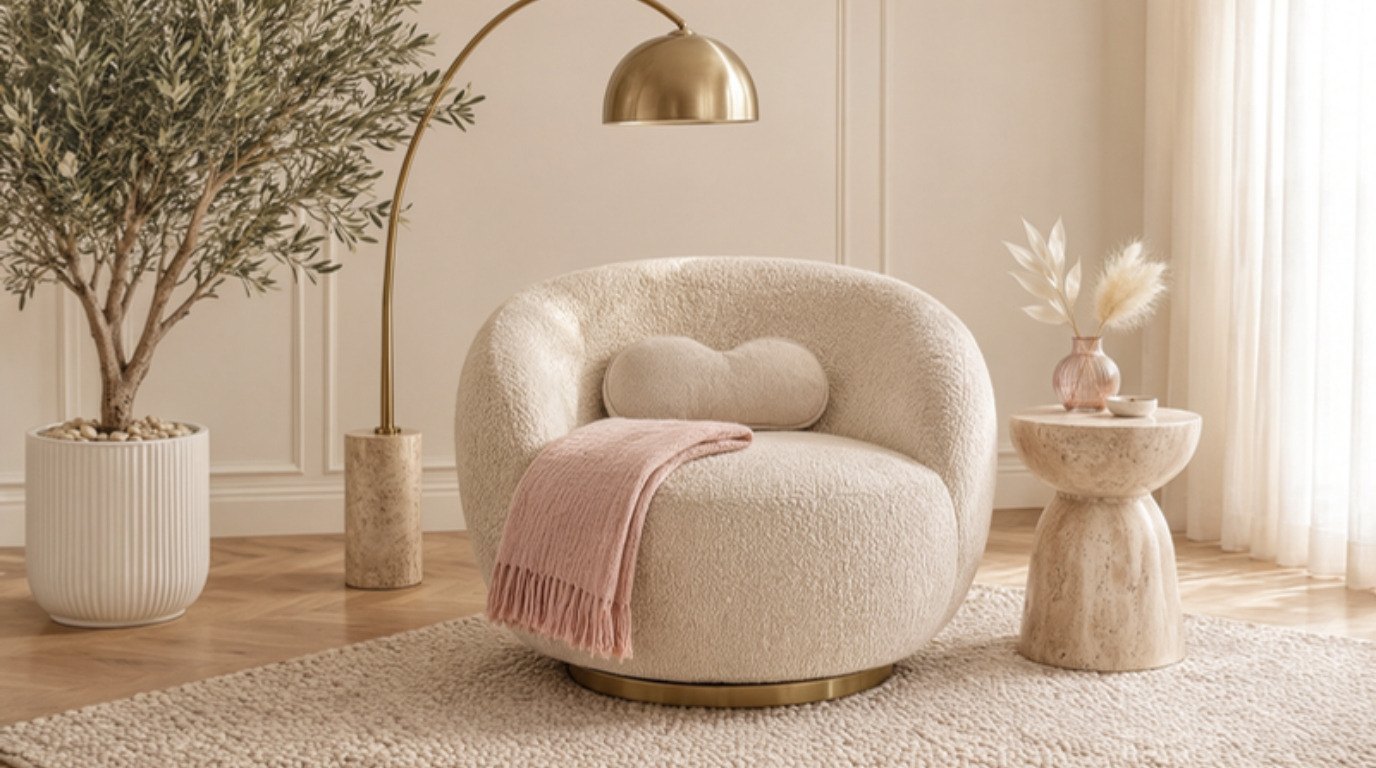
An empty corner usually isn't a decorating failure. It's a room telling you it's missing one of two things: a job or a bit of softness. Once you know which one, the corner almost decorates itself, and you stop buying random little tables that never quite fit.
Corners are also some of the most forgiving spots in a home. They're out of the main walkway, they get two walls to lean things against, and they're the perfect size for one small, lovely idea. A single chair, a tall plant or a lamp can make a whole room feel finished.
This guide starts with a quick decision so you know what your corner needs, then walks through 15 empty corner ideas room by room, with a table comparing space and budget, scale and height rules, how to light a dark corner and how to keep walkways clear. Everything is renter-friendly, and none of it involves cramming a corner full of clutter.
First, Decide: Does This Corner Need Function or Softness?
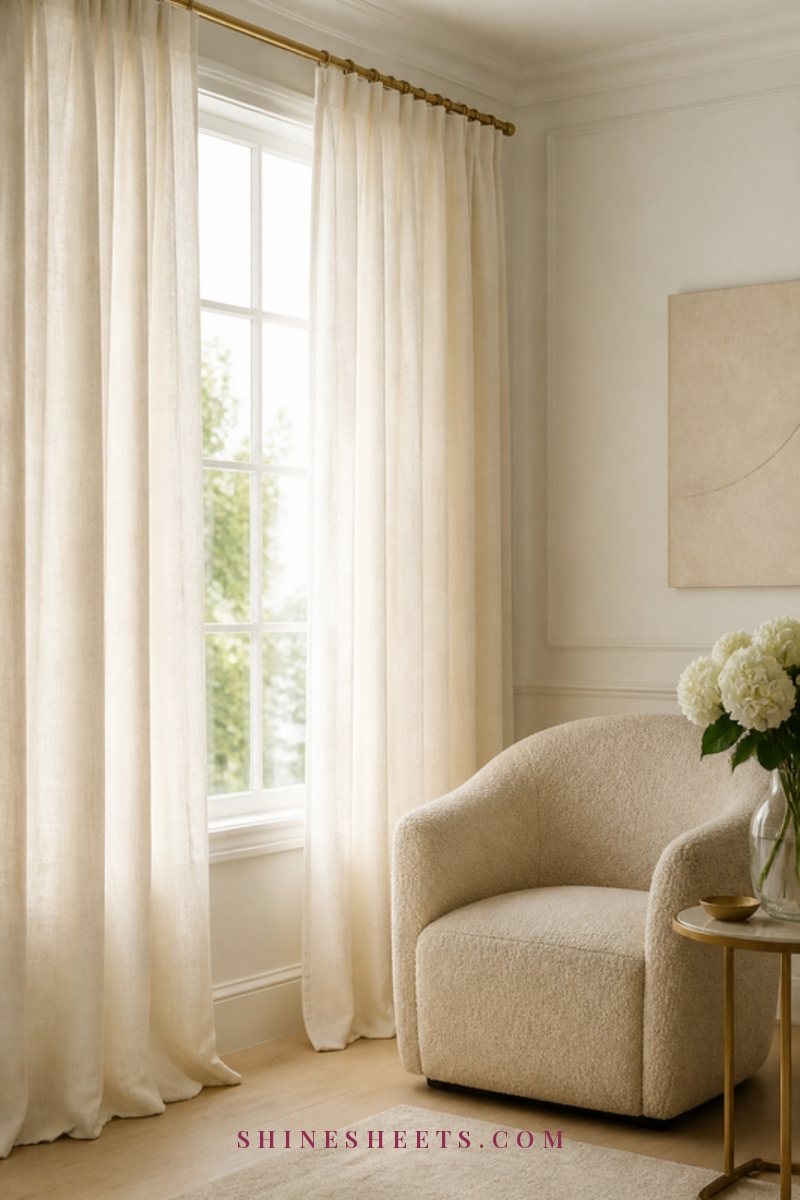
Before you buy anything, stand in the doorway and look at the corner for a minute. Then ask yourself these four questions:
- Is something missing from this room? A place to sit, put down a cup, store blankets or work for an hour? If yes, the corner needs function.
- Is the corner dark? If it turns into a shadowy hole every evening, it needs light before anything else.
- Does the room already feel full? If you have enough seating and storage, the corner needs softness: something tall, green or textured that fills the space without adding work.
- How much floor do you actually have? Measure it. A 2x2-foot corner and a 4x4-foot corner have very different options.
A simple formula I'd follow: function first, then light, then softness. A reading chair also needs a lamp; a tall plant might need a stand so it doesn't disappear. Pick one main idea per corner and let everything else support it.
Empty Corner Ideas at a Glance
Here's every idea in this guide side by side. Screenshot it and keep it handy when you're measuring.
| Corner idea | Best room | Space needed | Budget level |
|---|---|---|---|
| Reading chair with floor lamp | Living room, bedroom | About 3x3 ft | Medium |
| Tall plant or faux tree | Any room | About 2x2 ft | Low to medium |
| Corner shelf | Bathroom, kitchen, living room | Wall only | Low |
| Leaning mirror | Bedroom, entryway, living room | Under 1 ft deep | Low to medium |
| Small desk nook | Bedroom, living room | About 3x2 ft | Medium |
| Coffee or tea station | Kitchen, dining room | About 2x1.5 ft | Low |
| Bar cart | Dining room, living room | About 2.5x1.5 ft | Medium |
| Ladder shelf with throws | Living room, bedroom | About 2x1.5 ft | Low to medium |
| Floor cushions | Living room, bedroom | About 3x3 ft | Low |
| Corner bench | Dining room, entryway | About 4x1.5 ft per side | Medium to high |
| Gallery of frames meeting at the corner | Living room, hallway, dining room | Wall only | Low to medium |
| Tall floor vase with branches | Entryway, living room | About 1x1 ft | Low |
| Folding screen | Bedroom, studio apartment | About 4x1 ft | Medium |
| Plant stand cluster | Sunny living room, bedroom | About 2x2 ft | Low to medium |
| Corner cabinet | Dining room, bathroom, living room | About 2x2 ft | Medium to high |
15 Empty Corner Ideas for Every Room
Read through, notice which ones match your answer from the decision questions above, and choose one for each corner you're working on. You can always add a second, smaller layer later.
1. A Reading Chair With a Floor Lamp
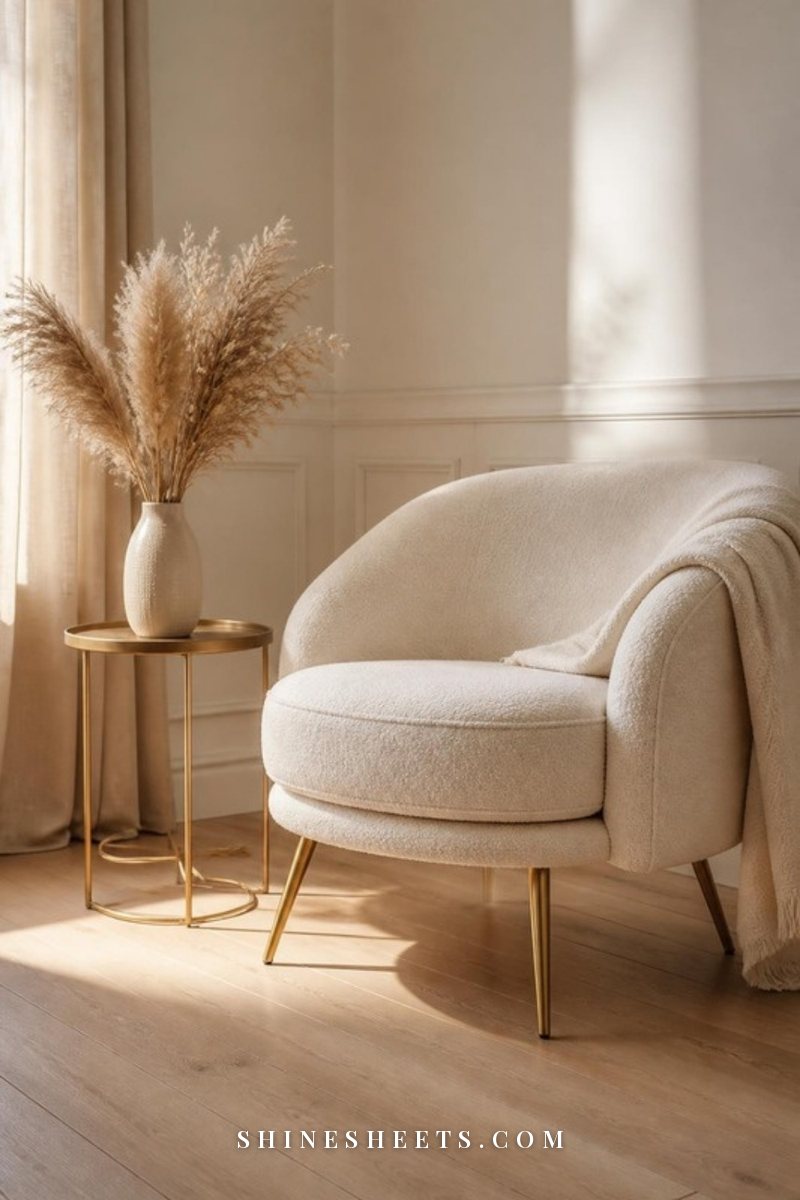
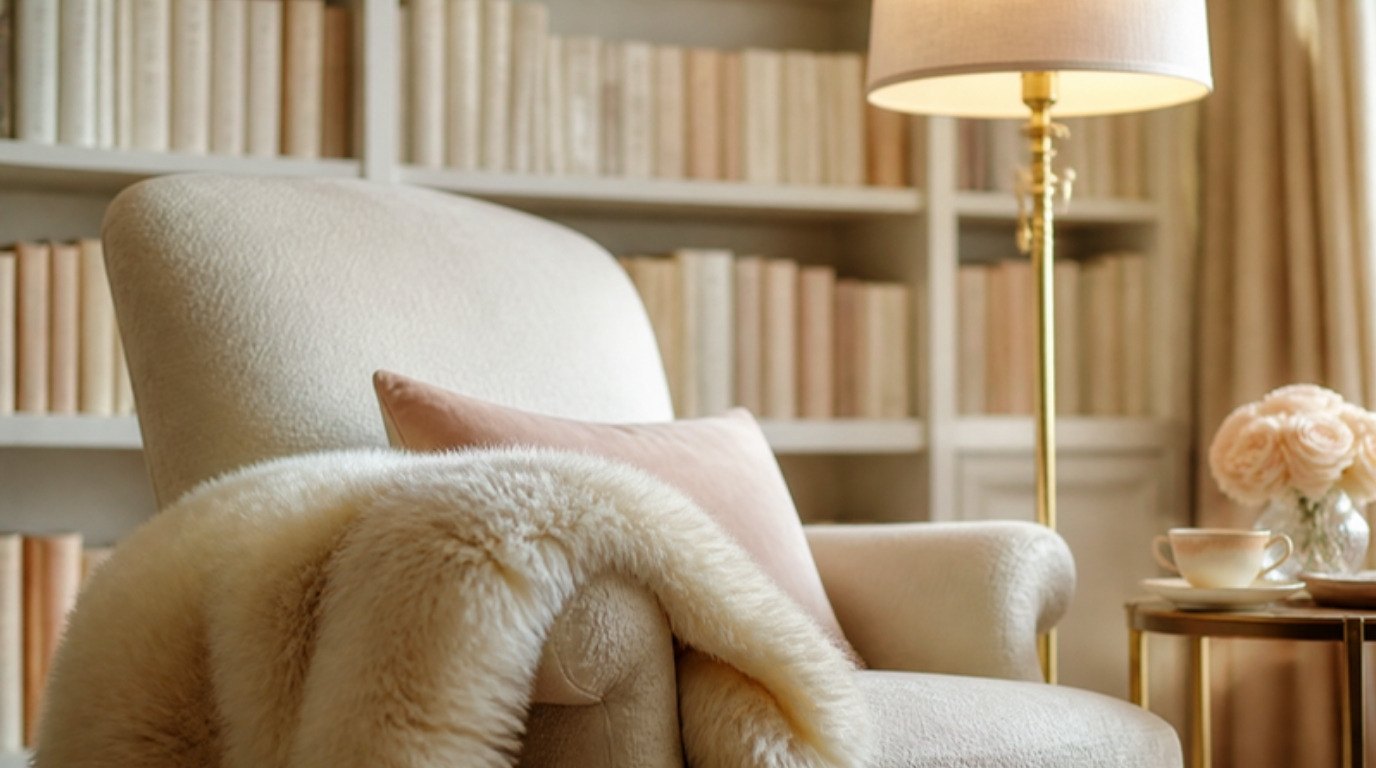
The classic for a reason. One comfortable chair, angled slightly toward the room, plus a lamp behind or beside it turns a dead corner into the spot everyone wants to sit in.
A cream bouclé accent chair with a rounded back softens the hard angle of the walls. Pair it with an arched floor lamp in brass so the light falls over your shoulder onto the page. Add a small side table for a mug and a basket for a throw, and you're done. For more layouts, see my guide to reading nook ideas.
Space tip: leave about 18 inches between the chair and the wall behind it if the lamp sits back there, so the room doesn't feel squeezed.
2. A Tall Plant or Faux Tree
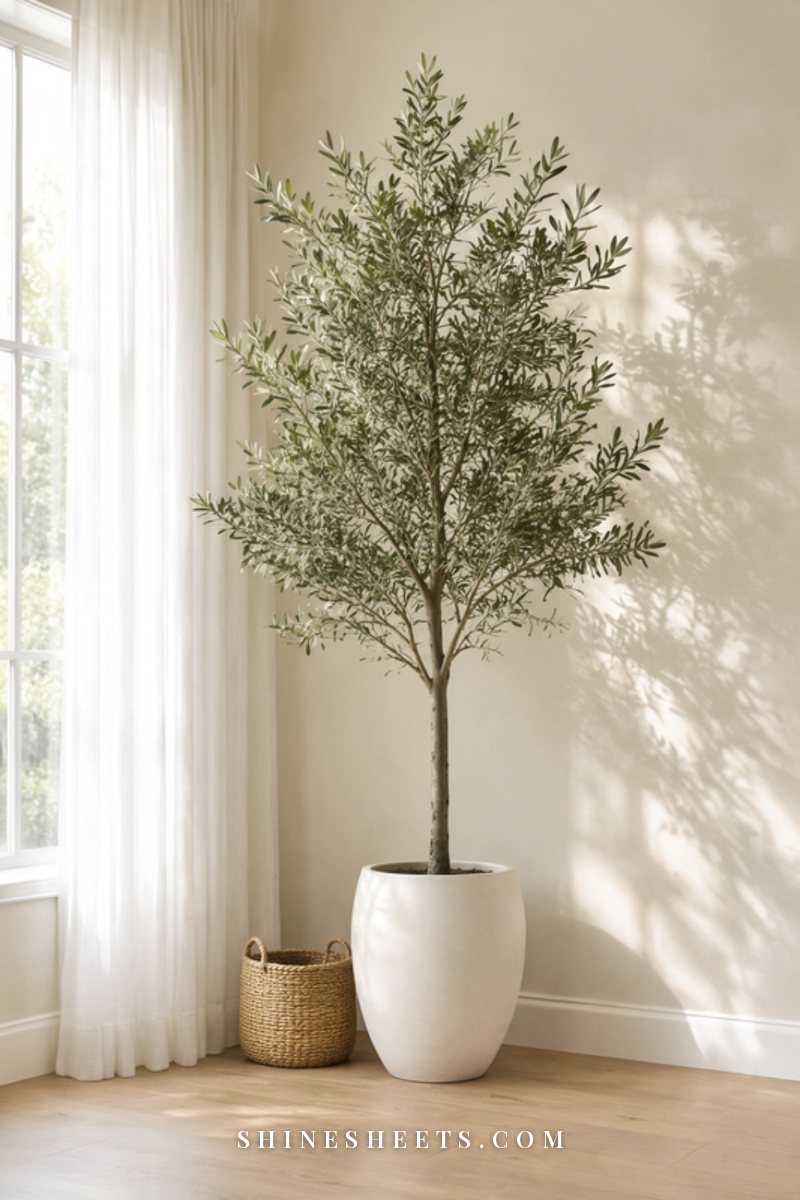
If your corner needs softness and nothing else, a tall plant is the easiest answer. It adds height, life and a little shadow play on the walls.
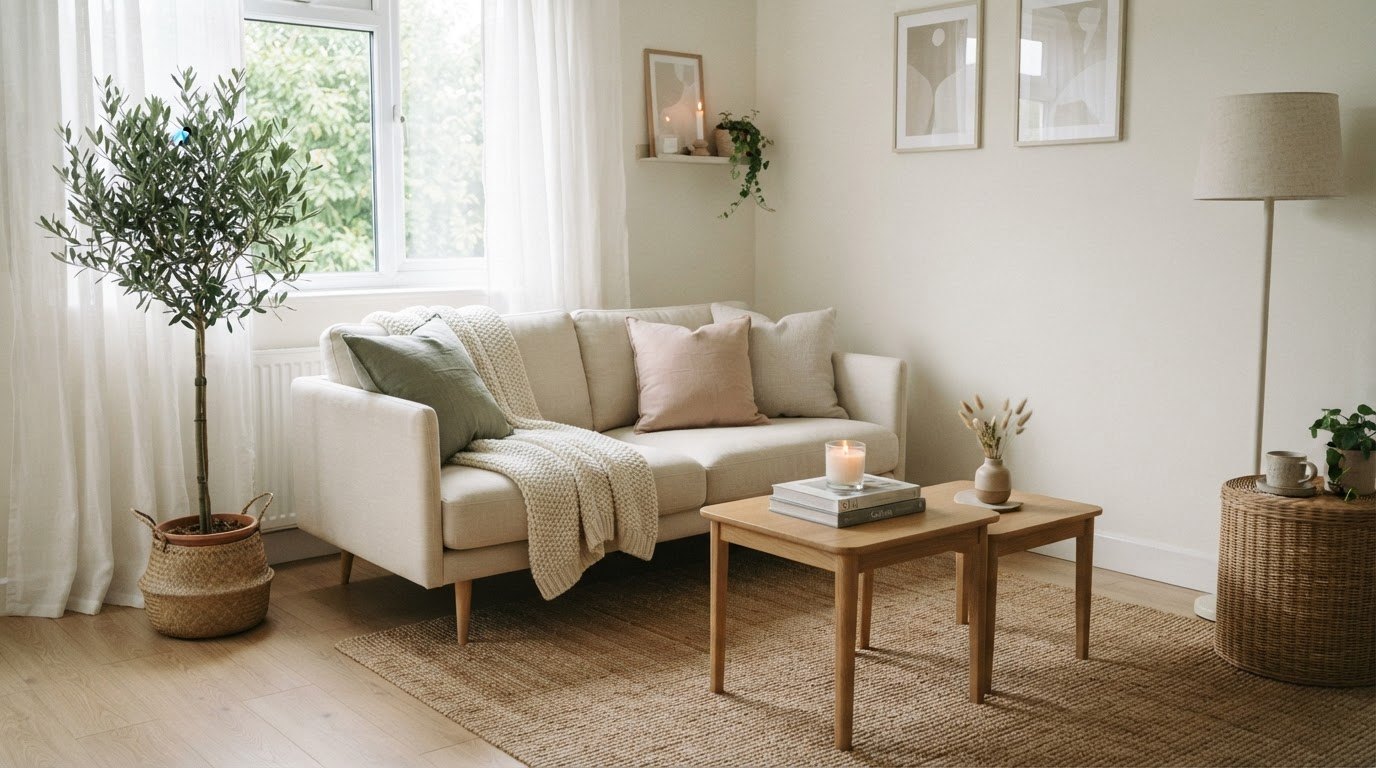
A faux olive tree in a white pot is a pick for low-light corners where a real tree would struggle. Look for one between 5 and 6 feet tall, with natural-looking trunk texture and slightly uneven leaves. If you prefer real, a fiddle leaf fig or a snake plant likes bright, indirect light; check the care needs and whether the plant is safe for pets before buying.
3. A Corner Shelf
Corner shelves turn unused wall space into display or storage without taking any floor. They're brilliant in small bathrooms (for towels and a candle), in kitchens (for cookbooks or mugs) and in living rooms (for a few plants and books).
Look for a white floating corner shelf set with three or four tiers. Keep the styling light: one thing per shelf, plus some empty space. If you rent, a freestanding corner shelf unit gives the same look with no holes.
4. A Leaning Mirror
A tall mirror leaning in a corner reflects light from the room back into the shadowy angle and makes small spaces feel bigger. It's especially lovely in bedrooms and near entryways for a last outfit check.
Angle it slightly so it reflects a window or a lamp, not the laundry basket. And a kind safety note: secure even a leaning mirror with an anti-tip strap or a small wall anchor, especially with pets or little visitors. My guide to mirror decor ideas has more placement tips.
5. A Small Desk Nook
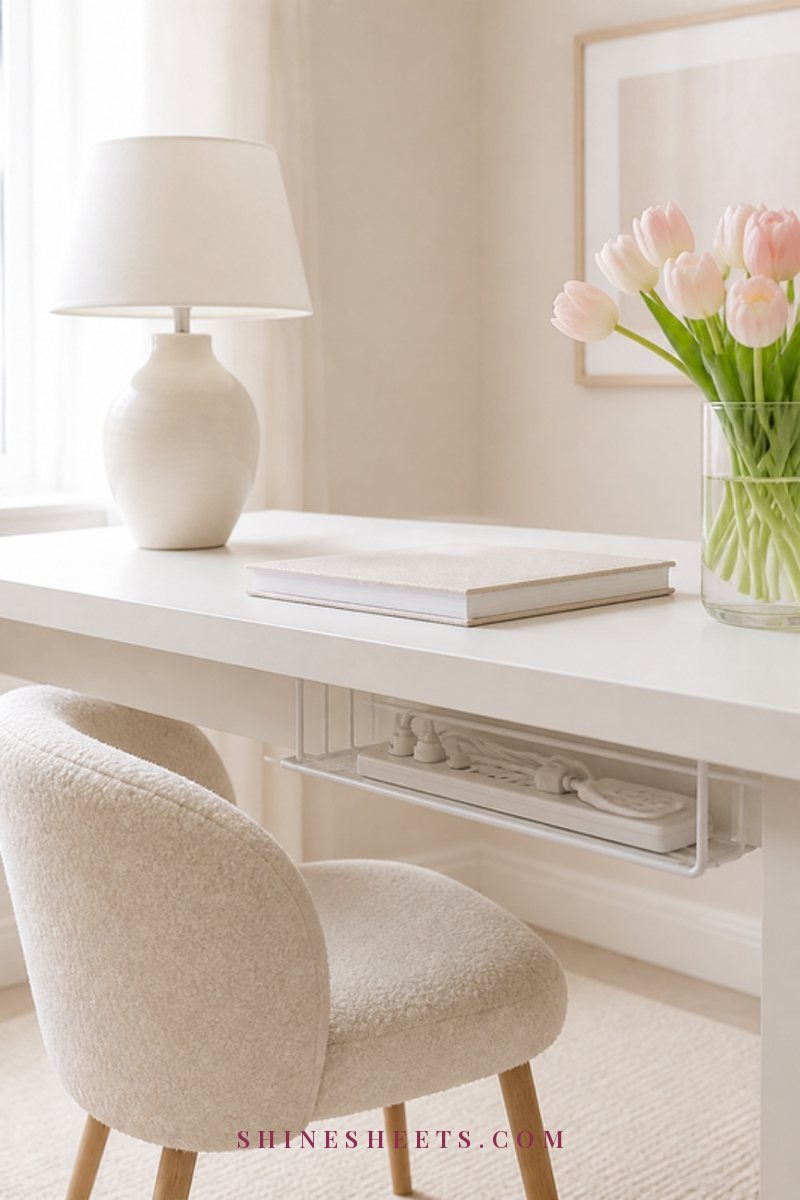
A corner is often the best place for a compact desk, because two walls make it feel contained and calm. You get a place to write, pay bills or journal without giving up a whole room.
Choose a desk about 30 to 40 inches wide and 18 to 24 inches deep. Face it toward the wall or angle it toward a window, add a task lamp, and keep only three things on top (a notebook, a pen cup and a mug). A pegboard or a small shelf above holds the rest.
6. A Coffee or Tea Station
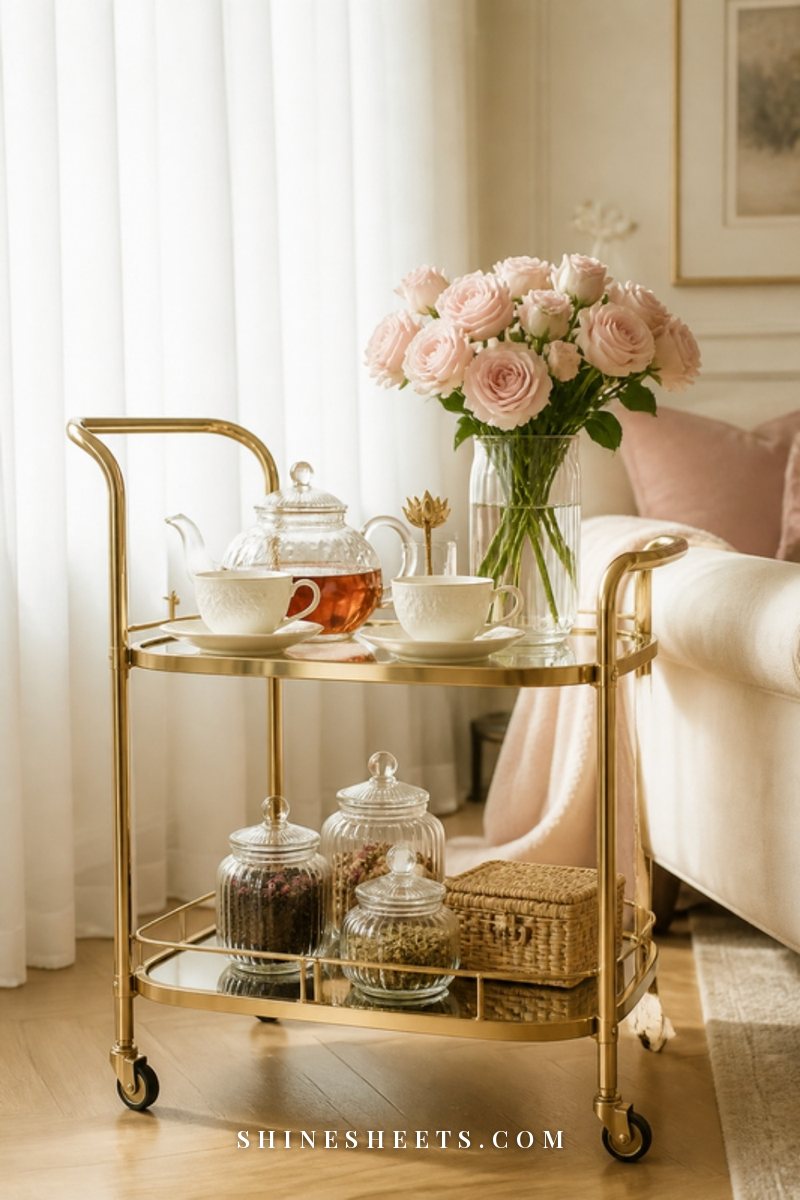
A kitchen or dining room corner is perfect for a little drink station. A narrow cabinet or cart holds the kettle or coffee maker, mugs, a tray and a few jars, so the main counter stays clear.
My evening tea ritual is one of my favorite parts of the day, so this one is close to my heart. Group everything on a tray so it looks tidy, keep cords tucked behind the cabinet, and put the mugs you use most at the front. For full setups, see my guides to coffee corner ideas and tea corner ideas.
7. A Bar Cart
A small cart on wheels works almost anywhere and moves with you when you move. Style it as a drinks cart, a tea cart, a plant cart or even extra bathroom storage.
The secret to making it look pretty is structure: tall things at the back (bottles, a vase, a lamp), medium things in the middle (glasses, a pitcher) and one small bowl or tray at the front. Leave a few inches of empty space on each level so it doesn't look crowded.
8. A Ladder Shelf With Throws
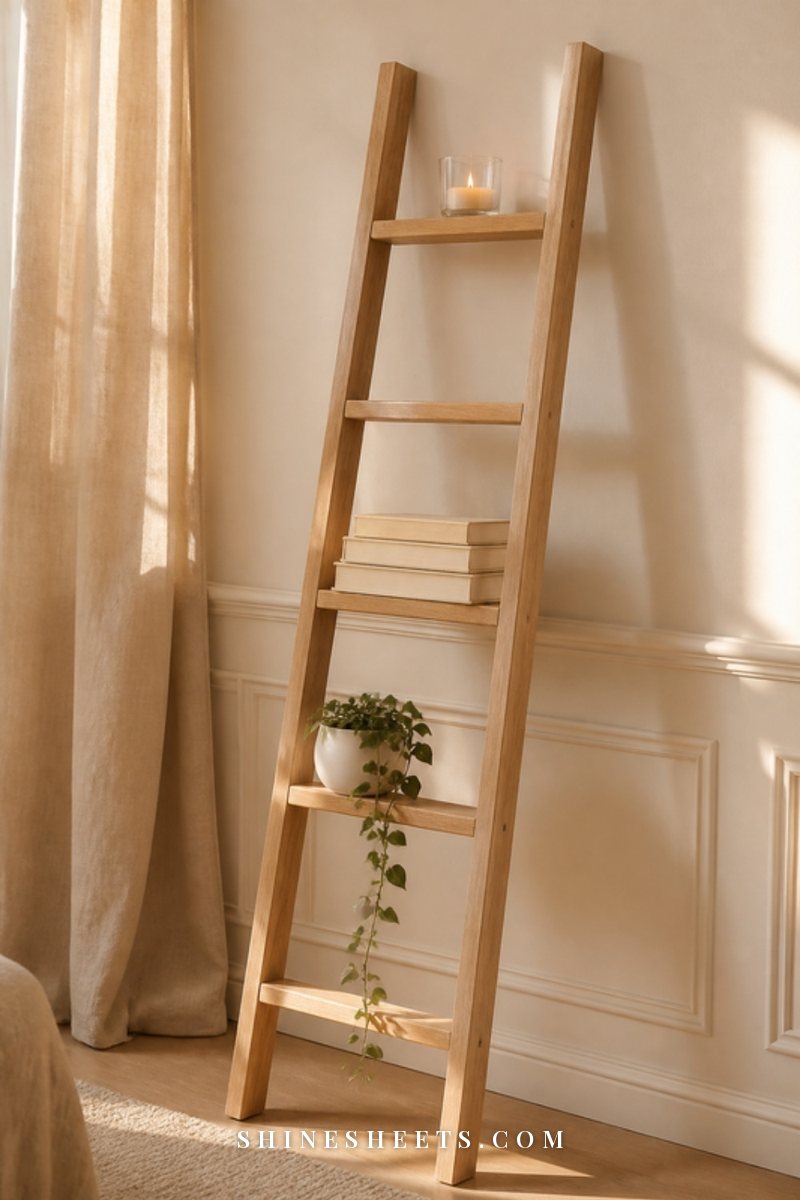
A ladder shelf adds height in a slim footprint, and it's an easy way to store throws where you'll actually grab them on chilly evenings.
A white corner ladder shelf with a few deep rungs can hold folded blankets on the lower levels and a small plant or a few books higher up. Fold throws in thirds lengthwise so they hang neatly, and stick to two or three colors so it looks calm rather than busy. Anchor it to the wall if it's freestanding.
9. Floor Cushions
If a chair feels too heavy for your corner, two or three floor cushions create a soft, low-key place to sit, read or have tea with a friend.
A woven floor cushion in cream looks tidy when nobody's using it. Layer it on a small rug, add one larger cushion against the wall as a backrest and a basket with a throw. It's a lovely option for bedrooms and kids' or guest rooms because everything can be stacked away in seconds.
10. A Corner Bench
In a dining room or kitchen, an L-shaped bench tucked into the corner seats more people than chairs in the same space and makes the table feel like a café booth.
Look for a freestanding corner bench (no built-in work needed) and soften it with seat cushions and a few pillows. In an entryway, a single bench in the corner with a hook or two above becomes a shoe-and-bag landing spot. Leave at least 36 inches of walking space around it.
11. A Gallery of Frames Meeting at the Corner
Instead of filling the floor, use the walls. A small gallery of frames that wraps around the corner, half on one wall and half on the other, makes the corner feel like a deliberate feature.
Keep the frames in one or two finishes (white and gold works beautifully), line up the inside edges about 2 to 3 inches from the corner on each side, and keep the center of the group around eye level (about 57 to 60 inches from the floor). Renter-friendly picture-hanging strips work for lighter frames; test one first.
12. A Tall Floor Vase With Branches
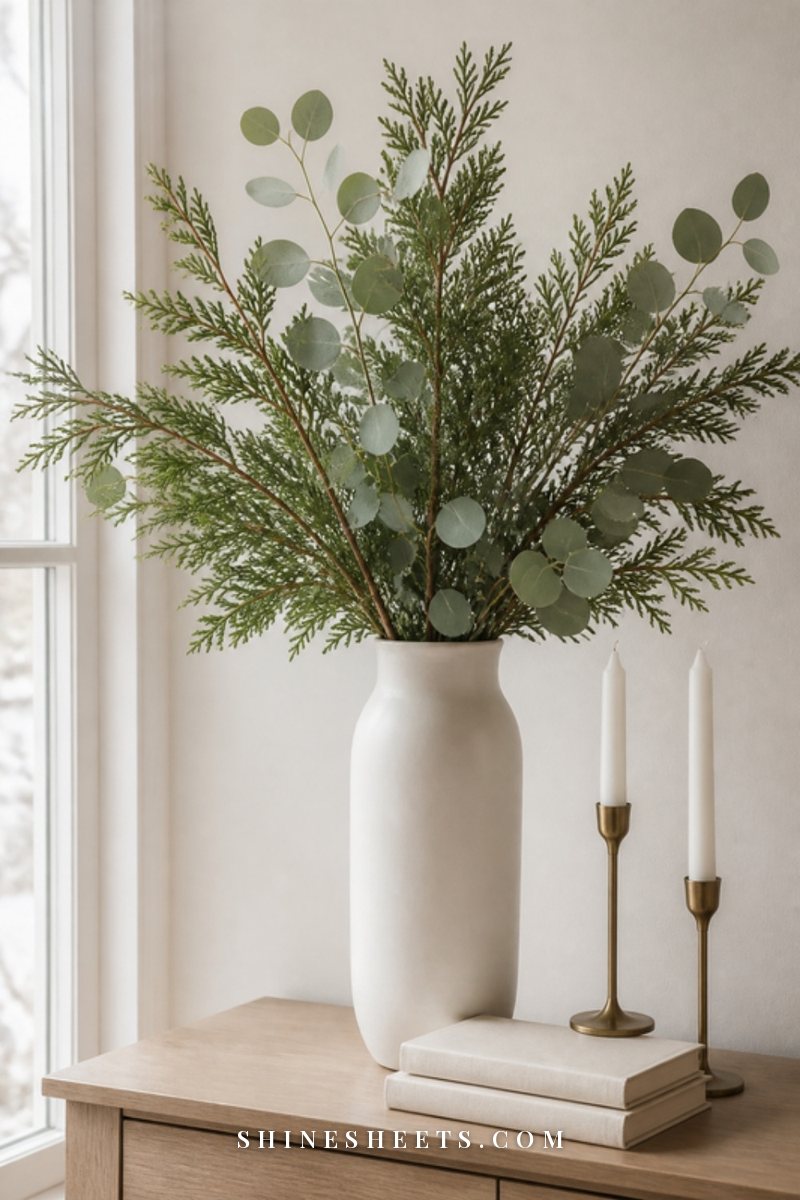
This is the most budget-friendly idea on the list and one of the prettiest. A tall vase on the floor with a few long branches adds height and an organic shape in barely a square foot.
Choose a vase at least 18 inches tall, with a heavy base so it won't tip. Fill it with dried pampas, eucalyptus, olive branches or faux stems. Keep the arrangement loose and slightly taller than the vase itself; about one and a half times its height is a good guide.
13. A Folding Screen
A folding screen softens a corner, adds pattern or texture and hides what you'd rather not see (a laundry basket, a vacuum, a messy work corner). It's especially useful in studio apartments to suggest separate zones.
A cream rattan folding screen lets light filter through, so it never feels heavy. Open it in a gentle zigzag rather than flat for stability, and check that it stands securely on the floor.
14. A Plant Stand Cluster
If your corner gets good light, a small group of plants on stands at different heights creates a little indoor garden without a single tall tree.
Use three stands in different heights (for example 12, 24 and 36 inches), each with one plant, and arrange them in a loose triangle. Matching pots in white or terracotta keep it calm even if the plants are all different. Use saucers to protect floors, and check each plant's light and pet-safety needs.
15. A Corner Cabinet
A corner cabinet is made exactly for this awkward spot. It gives you closed storage for the boring things and glass or open shelves on top for pretty dishes, books or collected treasures.
In a dining room it can hold serving pieces; in a bathroom, towels and spare supplies; in a living room, games and blankets. Vintage corner cabinets are often easy to find secondhand. Anchor it to the wall, especially if it's tall.
Scale and Height Rules for Corners
Most corners look awkward because of scale, not style. A tiny table in a big corner looks lost; a huge chair in a small corner looks stuck. These quick rules help:
- Go taller than you think. Corners are a great place for height. Something reaching at least two-thirds of the way up the wall (a plant, lamp, ladder shelf or screen) makes the room look taller.
- Match the corner's visual weight to the room. A large room with heavy furniture needs a substantial chair or a big tree. A small room needs one slim, light piece.
- Use the rule of three heights. If you're layering, combine something tall, something medium and something low (lamp, chair, basket).
- Angle big pieces slightly. A chair set at a gentle diagonal feels welcoming; pushed flat into the corner it can look like it's in time-out.
- Leave breathing room. A few inches between furniture and the walls makes the corner feel airy rather than stuffed.
How To Light a Dark Corner
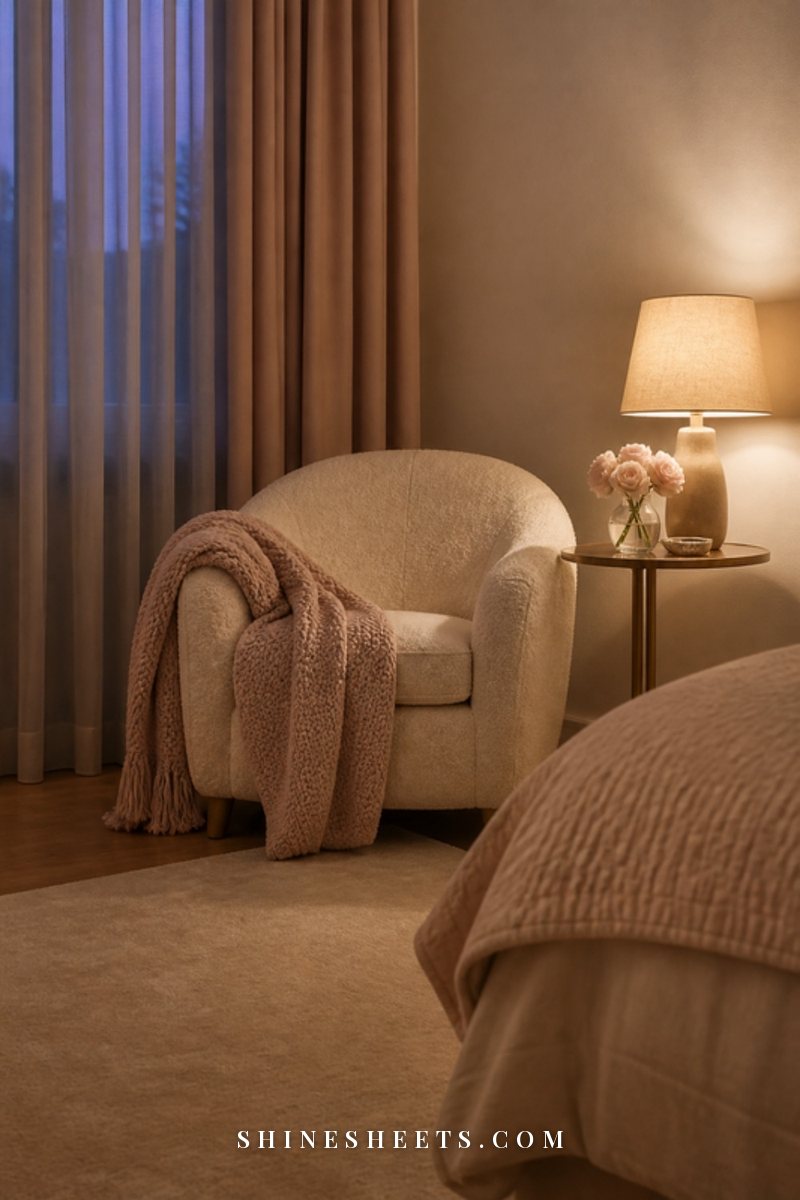
Dark corners make a room feel smaller and a little gloomy in the evening. Adding light there is one of the quickest ways to make the whole space feel warmer. For more ideas, my guide to lighting ideas goes room by room.
- A floor lamp is the hero. An arched or tall lamp washes light up the walls and fills the corner.
- Uplight from the floor. A small uplight hidden behind a plant throws leafy shadows onto the walls, which looks beautiful at night.
- Choose warm bulbs. Around 2700K looks soft and flattering; cool white bulbs make corners feel flat.
- Plug-in wall sconces. Great for renters: no wiring needed, just tidy the cord with a cord cover painted the wall color.
- Battery-operated or LED candles. A pretty option on a tray or shelf. If you prefer real candles, keep them in glass holders on a stable surface away from curtains, plants and throws, and never leave them burning unattended.
Keeping Walkways Clear
A corner idea only works if it doesn't block the way you move around the room. Before you commit, try this: put painter's tape on the floor outlining the piece's footprint and live with it for a day or two.
- Leave at least 30 to 36 inches for main walkways and about 18 inches between a chair and a coffee table.
- Keep corners near doors lighter and slimmer so doors open fully.
- Tuck cords along baseboards or under rugs so nobody trips.
- Don't let a corner become a drop zone. If it starts collecting bags and mail, give those things a proper home somewhere else.
Renter-Friendly Corner Tips
Almost every idea above works without drilling or painting. A few habits make it even easier:
- Prefer freestanding pieces. Ladder shelves, carts, screens, plant stands and cabinets all move with you.
- Use removable hooks and strips for light things. Test on a hidden spot first and follow the weight limit on the package.
- Anchor tall furniture anyway. Anti-tip straps leave only a tiny hole that's easy to fill, and safety matters more than a perfect wall.
- Protect floors. Felt pads under furniture legs and saucers under plants prevent scratches and water marks.
Room-by-Room Quick Picks
If you'd rather skip the decision-making, here are my go-to choices for each room:
- Living room: a reading chair with a floor lamp, or a tall faux tree.
- Bedroom: a small desk nook, a leaning mirror or a ladder shelf with throws.
- Kitchen: a coffee or tea station, or a corner shelf for mugs.
- Dining room: a corner bench, a bar cart or a corner cabinet.
- Entryway: a tall floor vase with branches or a small bench with hooks above.
- Bathroom: a corner shelf for towels or a slim corner cabinet.
- Studio apartment: a folding screen to suggest a separate zone.
Final Thoughts
An empty corner is really an invitation. Give it a job or a little softness, add some light, leave room to walk around it, and it becomes one of the nicest spots in your home.
Start with the corner that bothers you most, choose one idea from this list, and let it settle in for a week before adding anything else. One thoughtful corner at a time is all it takes to make a room feel complete.