
Some tasks feel impossible alone and strangely easy the moment someone else is in the room. That's not a willpower problem. It's how a lot of brains work: another calm person nearby acts like a gentle anchor, and suddenly the email gets sent, the drawer gets sorted and the boring form gets filled in.
There's a name for this, and once you know it, you can use it on purpose instead of waiting for it to happen by accident. I still find it a little funny how much easier laundry folding becomes when a friend is sitting nearby, quietly reading. She isn't helping. She's just there, and somehow that's enough.
This guide explains body doubling: what it is, why it works, who it often helps, six different ways to try it, a simple table to help you choose, how to set up a session, plus etiquette and what to do when you both start chatting. No special apps, no hustle, just a kinder way to get started.
What Is Body Doubling?

Body doubling means doing a task while another person is present. They might be sitting across the table, in the same room, or on a quiet video or phone call. The key detail is that they're not helping you with the task. They're doing their own thing, or simply being there, while you do yours.
It can be as simple as two friends working on laptops at the same kitchen table, or as structured as a scheduled online focus session where everyone shares their goal at the start and checks in at the end.
Body doubling is different from:
- Teamwork, where you're working on the same project together.
- Coaching or tutoring, where someone guides you.
- An accountability partner, who usually checks your progress over weeks. (That's a lovely tool too, and my guide to finding an accountability partner explains how it works.)
With body doubling, the other person's presence is the whole tool. That's what makes it so easy to try.
Why Body Doubling Works
There's no single magic reason. It's more like several small nudges working together, and different people feel different ones most strongly.
A Gentle Cue To Start

Starting is often the hardest part of any task. When a session begins at a set time with another person, that shared start acts like a starting bell. You sit down because they sit down, and the first five minutes stop feeling like a wall you have to climb on your own.
Quiet Accountability
Nobody is watching your screen or grading you. But knowing someone will ask "how did it go?" in an hour makes it easier to stay with the task. It's a soft, friendly kind of accountability rather than pressure.
Less Drifting
When you're alone, it's very easy to pick up your phone "for a second" and look up twenty minutes later. With another person nearby, you tend to notice the drift sooner and come back to the task more quickly. Their calm focus is a little contagious.
The Task Feels Less Lonely
A lot of dull tasks feel heavy partly because they're isolating. Sorting paperwork, answering emails or cleaning the bathroom alone can feel like being stuck in a small grey room. Having company, even silent company, makes the same task feel lighter and more human.
Who Body Doubling Often Helps
Body doubling can help almost anyone, but it tends to be especially useful if you:
- Procrastinate on boring or overwhelming tasks, even ones you care about.
- Work from home and miss the gentle structure of having other people around.
- Find it hard to start, but are fine once you get going.
- Study alone and drift onto your phone more than you'd like.
- Put off household admin like bills, forms and phone calls.
- Feel more anxious when you're alone with a big task.
You may have heard of body doubling through ADHD communities, where it's a popular and well-loved strategy. It's helpful to know that you don't need any label for it to work for you. If focus struggles feel constant and are getting in the way of daily life, a doctor can talk it through with you. For everyday procrastination, though, body doubling is simply a friendly tool you can pick up whenever it helps.
If procrastination is your main challenge, my guide on how to stop procrastinating has more tricks that pair nicely with body doubling.
6 Ways To Body Double
There's no one right way to do it. Pick the version that suits your task, your energy and the people in your life.
1. A Friend at the Same Table

The classic version. Invite a friend over (or go to theirs), sit at the same table and each work on your own thing for an hour or two. One of you might be doing emails while the other journals or plans the week.
Try: "Want to come over Saturday morning and do a work session? I'll make coffee, we each bring one thing to finish, then we go for a walk." Having a little reward planned afterward makes it feel like a treat rather than a chore.
2. A Quiet Video Call

If your body double lives across town or across the country, a video call works beautifully. Say hello, share what you're each working on, then mute your microphones and get on with it. Some people keep the camera on, others turn it off after the first few minutes. Both are fine.
This is especially helpful when you work from home. A pair of cream noise-cancelling headphones can make the call feel less distracting, so you only hear your friend when you actually want to.
3. A Co-Working Café or Library

You don't need to know the people around you for body doubling to work. Sitting in a library, a quiet café or a shared work space surrounds you with strangers who are also focusing, and that calm energy can carry you along.
This is lovely for longer study or writing sessions. Bring just what you need for one task, choose a seat facing away from the busiest part of the room, and order your drink before you start so you're not getting up every few minutes.
4. A Partner Doing Chores Alongside You
Body doubling doesn't have to be desk work. If you live with a partner, roommate or family member, do household tasks at the same time. You fold laundry while they tidy the kitchen. You clear the hallway while they sort the recycling.
You're not doing the same chore, just the same kind of activity in the same window of time. Put on a playlist, agree on a finish time, and it often feels more like a little shared project than housework.
5. A Silent Focus Session With an Online Group
There are many online communities that host scheduled focus sessions where people join, share their goal, then work quietly for a set time. You don't need any particular platform. Look for whatever study group, community forum or creative group you already belong to; many run informal sessions.
This is a good option if you'd rather not ask a friend, or if you like a bit of structure without the social side. Start with one short session to see how it feels.
6. A Study-Buddy Phone Call
Sometimes you don't want a camera at all. A simple phone call works too. Call a friend, say what you're each doing, then put the phone down on speaker or with earbuds in, and carry on with your tasks. You can hear each other typing, tidying or turning pages.
It's low effort and surprisingly comforting, especially for tasks around the house where you're moving from room to room.
Body Doubling Types at a Glance
Not sure which version to try first? This table matches each type to the tasks it suits best. Screenshot it for the next time you feel stuck.
| Body doubling type | Best for | Setup | What to avoid |
|---|---|---|---|
| A friend at the same table | Emails, planning, creative projects | Pick a time, 1–2 hours, one task each, a treat after | Inviting someone who'll want to chat the whole time |
| A quiet video call | Working from home, long-distance friends | Say hello, share tasks, mute, check in at the end | Leaving microphones on with background noise |
| A co-working café or library | Studying, writing, reading | Bring one task, order first, face away from the busy area | Packing five different projects |
| A partner doing chores alongside you | Laundry, tidying, decluttering | Same time window, different chores, a playlist | Turning it into a debate about who does more |
| A silent online focus group | Structure without social pressure | Join a short session, share your goal, work quietly | Spending the session browsing the group instead |
| A study-buddy phone call | Household admin, moving around the house | Speaker or earbuds, state tasks, hang up at the agreed time | Calls that run long with no finish time |
How To Set Up a Body Doubling Session
A good session has a simple shape: a clear start, a focused middle and a short check-in at the end. Here's how to set one up in under five minutes.
Before: Say Your One Task Out Loud

At the very start, each of you says one specific task out loud. Not "work on stuff" but "reply to the three emails I've been avoiding" or "sort the papers on my desk into keep, file and recycle."
Saying it to another person makes it real. Writing it at the top of an undated focus planner helps too, especially if you like to look back at what you've finished. Keep it to one main task, plus an optional small bonus task if you finish early.
During: Set a Time and Settle In
Agree on how long you'll work. Twenty-five to fifty minutes is a good range for a first session, with a short break if you're going longer. A white minimalist desk timer keeps you off your phone while still letting you see how much time is left.
If you like working in short sprints, body doubling pairs beautifully with the Pomodoro technique: work for 25 minutes, take a five-minute break together, then go again.
Put your phone face down or in another room, make your tea or coffee before you begin, and start. If you drift, no drama. Notice it and come back.
After: Check In at the End
When the timer goes off, take two or three minutes to check in. Each person shares:
- What they got done (even if it's only part of the task).
- What got in the way, if anything.
- One next step for the next session.
Keep it kind and brief. The check-in is a little celebration, not a performance review. Half a task done is still more than none, and it's often the hardest half.
Body Doubling Etiquette

A few simple courtesies keep body doubling enjoyable for everyone, so people actually want to do it again:
- Be on time. The shared start is half the magic.
- Keep it mostly quiet. A little background music is fine if you both agree; loud calls or videos are not.
- Don't remark on the other person's task. No "you're still on that?" They're working at their own pace.
- Mute when you're not talking on video or phone sessions.
- Agree on breaks ahead of time so nobody feels awkward getting up.
- Say thank you. A quick "this really helped me" at the end means a lot.
- Respect a no. If a friend can't join this week, that's fine. Try another type of body doubling instead.
What To Do If You Get Chatty
This is the most common hiccup, especially with close friends. You sit down to work and forty minutes later you've caught up on everything except the task. It happens, and it's not a failure. It just means you both needed a chat.
A few ways to keep the session on track:
- Schedule chat time on purpose. Ten minutes of catching up before you start, and more after. Knowing there's time to talk later makes it easier to stay quiet now.
- Use a gentle phrase. "I love this, can we save it for our break?" is kind and clear.
- Sit side by side instead of facing each other if you're in person. It's naturally less chatty.
- Pick a less social version for important tasks: a library, an online focus group or a muted video call.
- Keep a note pad for things you want to tell each other, so you don't lose the thought.
If you notice that you can't settle into focus at all, even with company, it might help to read my guide to deep work for beginners, which has more on protecting longer stretches of attention.
Making It Comfortable Enough To Come Back To
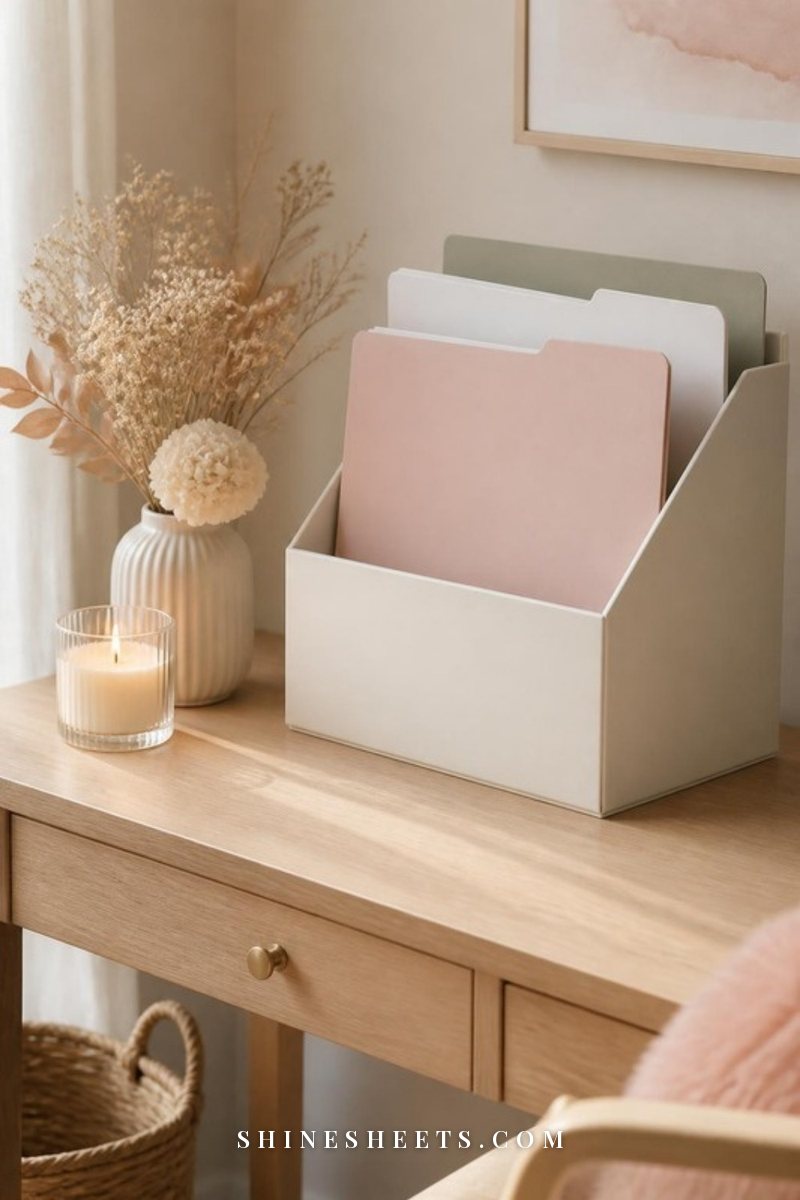
The best body doubling routine is the one you actually look forward to. A few small comforts make a big difference:
- A ritual drink. Your favorite tea or coffee in a cream ceramic mug signals "we're starting now." (Coffee sometimes perks me up and sometimes makes me jittery, so for long sessions I'd choose tea.)
- Something soft to wear. A beige knit cardigan feels comfortable for hours without being pajamas, which helps your brain stay in work mode.
- A pleasant spot. Good light, a clear surface and one plant or candle. My guide to cozy home office ideas has lots of easy ways to make a corner feel calm.
- A regular slot. The same time each week, like a Tuesday evening admin hour or a Sunday morning planning session, turns it into a habit rather than a decision.
- A small reward. A walk, a nice lunch or a chapter of a book afterward gives you something to look forward to.
When Body Doubling Isn't Enough
Body doubling is a wonderful tool, but it isn't a fix for everything. If you're exhausted, burned out or stuck in a long low patch, the kindest step may be rest rather than another work session. Productivity tools work best when you're already looking after your sleep, food and stress.
A few signs that you might need something other than another focus session:
- You feel tired before the session even starts, most days of the week.
- Your to-do list keeps growing no matter how many sessions you do, which usually means there's simply too much on it.
- You dread every task equally, even the ones you used to enjoy.
In those moments, it can help to step back and look at your load as a whole: what can be dropped, delegated or done less perfectly. Body doubling is wonderful for getting started, but it can't make an overfull week fit into too few hours, and it isn't supposed to.
It's also okay if body doubling doesn't suit you. Some people focus better in complete solitude, and that's just as valid. Try it a few times in different forms before deciding, and keep what helps.
Final Thoughts
Body doubling is a reminder that you don't have to do everything alone to do it well. A friend at the table, a quiet call or a calm library can carry you through the tasks that feel heavy on your own.
Choose one small task this week, invite one person or find one quiet place, and give it a single session. That gentle company might be exactly the nudge you've been missing.