Being bad at something new is not a problem to get through as fast as possible. It is one of the most freeing places you can be. Nobody expects much from a beginner, including you, if you let it. The wobbly first sketch, the lopsided first row of crochet, the clumsy first sentence in a new language – they are not evidence that you're "not a creative person." They are simply what the beginning looks like for everyone.
The hard part, for most of us, is not the skill. It's the feeling. As adults we're used to being competent, and being clumsy in front of ourselves (or other people) can sting more than it should. A beginner's mindset is the gentle shift that lets you enjoy the early stage instead of rushing to escape it.
In this guide you'll find what beginner's mindset actually means, why being new feels so uncomfortable as an adult, what growth mindset research says in plain words, eight ways to enjoy being bad at something new, and a reframe table for the thoughts that try to talk you out of it. No hustle, no pressure to monetize anything. Just permission to play.
What Beginner's Mindset Means
The idea comes from Zen Buddhism, where it is called shoshin – "beginner's mind." The teacher Shunryu Suzuki described it beautifully in his book Zen Mind, Beginner's Mind: in the beginner's mind there are many possibilities, but in the expert's mind there are few.
Put simply, beginner's mindset means meeting something with three qualities:
- Openness – you're willing to try things you don't understand yet.
- Curiosity – you're more interested in "what happens if…" than in "am I good at this?"
- No fixed expectations – you let the result be whatever it is, without deciding in advance what it should look like.
The lovely thing is that beginner's mindset isn't only for brand-new hobbies. You can bring it to cooking a familiar dish, rearranging a room, or a walk you've done a hundred times. But it shines most clearly when you start something truly new, because that's when the inner critic is loudest.
If you are looking for a practical daily routine for learning, my guide on how to learn something new every day covers the schedule side. This article is about the feeling side – how to actually enjoy being new.
Why Being Bad at Something New Feels So Hard as Adults

Children are terrible at almost everything for years, and they mostly don't mind. Somewhere along the way, most of us lose that ease. These are a few of the reasons it can feel so uncomfortable to start again.
Comparison
When you pick up watercolors today, you aren't only comparing yourself with other beginners. You're comparing yourself with professional artists, polished videos and people who have practiced for a decade. Of course your first attempt looks small next to that. It was never a fair comparison.
Perfectionism
If you tend to hold yourself to very high standards, being new can feel almost unbearable, because beginning means doing things imperfectly over and over. My article on letting good enough be enough goes deeper into this, and it pairs nicely with everything here.
Identity
As adults we build a sense of who we are: "I'm organized," "I'm not artistic," "I'm not sporty." Trying something new can feel like it threatens that picture. If you've always been "the capable one," being clumsy can feel strangely personal.
Fear of Looking Silly
Maybe the hardest one. Being seen while you're still learning – at a class, in a group, even by a partner glancing over your shoulder – can make you want to quit before you've really started. A small honest admission: I still feel a little flush of embarrassment when I'm new at something in front of others. The difference now is that I don't let that feeling make the decision.
What Growth Mindset Research Says, Simply
You may have heard of growth mindset, the idea popularized by psychologist Carol Dweck. In short: people who see abilities as something that can develop with effort and good strategies tend to handle mistakes and setbacks differently from people who see abilities as fixed traits.
It's worth keeping this in proportion. Later research has shown that brief mindset programs have modest effects on their own, and believing in growth doesn't magically make you skilled. But the core idea is still a kind one: your current level is a starting point, not a verdict. That's exactly the attitude beginner's mindset invites.
If you'd like the fuller picture, with everyday examples, my guide to growth mindset vs fixed mindset explains the difference and how to shift gently.
8 Ways To Enjoy Being a Beginner
You don't need all eight. Choose two that feel easy and try them with whatever new thing is on your mind this month.
1. Pick Something Low-Stakes
Start with something where being bad costs nothing. Not the thing tied to your income, your reputation or a big goal – something just for you. Crochet, watercolor, a new walking route, baking bread for no one in particular, learning a few words of Italian.
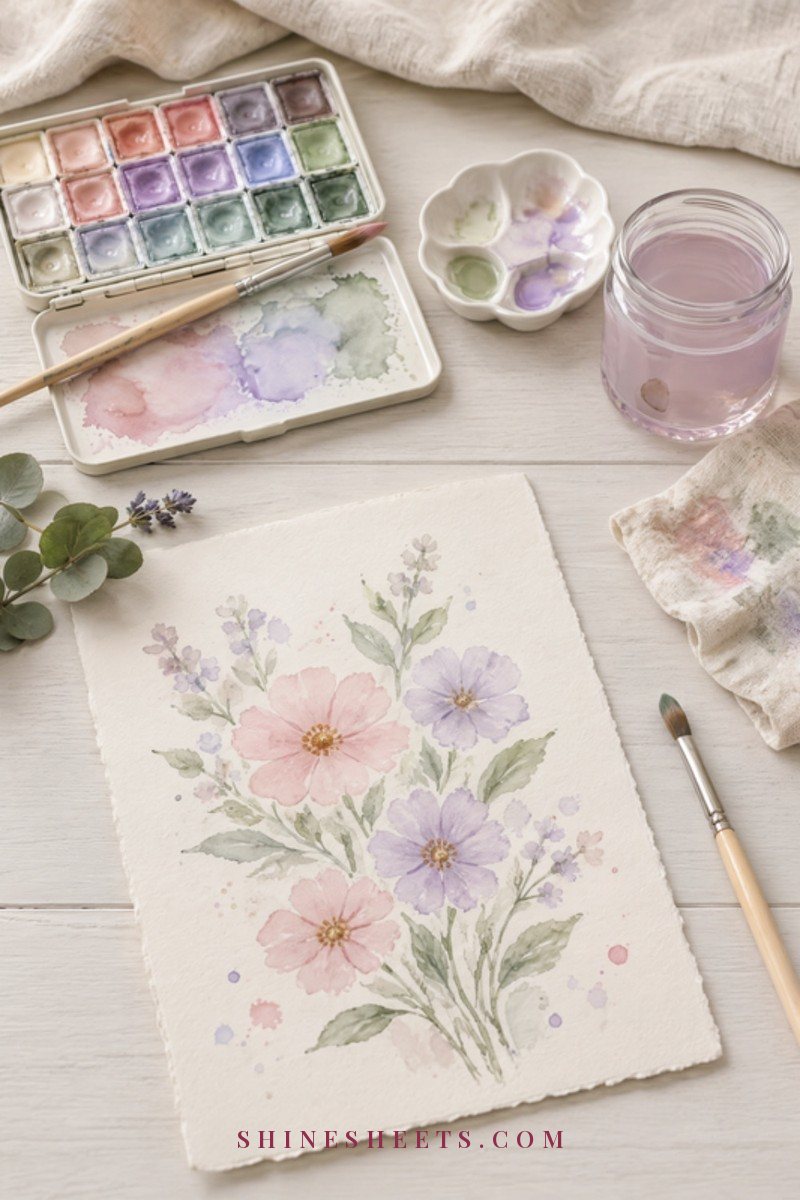
A sage crochet starter kit or a small beginner watercolor set in pastel shades is a lovely low-stakes way in: inexpensive, calming, and completely fine if your first attempts look funny. If you need inspiration, my list of hobbies for fun, creativity and relaxation has plenty of gentle ideas.
2. Set Show-Up Goals Instead of Skill Goals
Skill goals ("paint a beautiful landscape by spring") put all the focus on the result, which a beginner can't control yet. Show-up goals put the focus on the part you can control.
Try this formula: "I will spend [15–20 minutes] on [my new thing], [two or three times] a week, and that counts as success no matter how it turns out." Write it at the front of your notebook so it's the first thing you see.
3. Laugh at Early Attempts
The first crochet coaster that curls like a potato chip. The watercolor flower that looks like a sad cabbage. These are genuinely funny, and laughing at them takes away their power to discourage you.
Give your early pieces silly names. Keep the worst one somewhere you'll see it. A few months from now, it becomes your favorite proof of how far you've come.
Laughing also keeps your body relaxed, and relaxed hands simply learn better. A tense, frowning practice session feels like a test. A light, giggly one feels like play, and play is where beginners improve fastest.
4. Keep a Note of Your Firsts
Beginners have something experts don't: lots of firsts. The first full row without dropping a stitch. The first time a color blend looked right. The first question you understood the answer to.
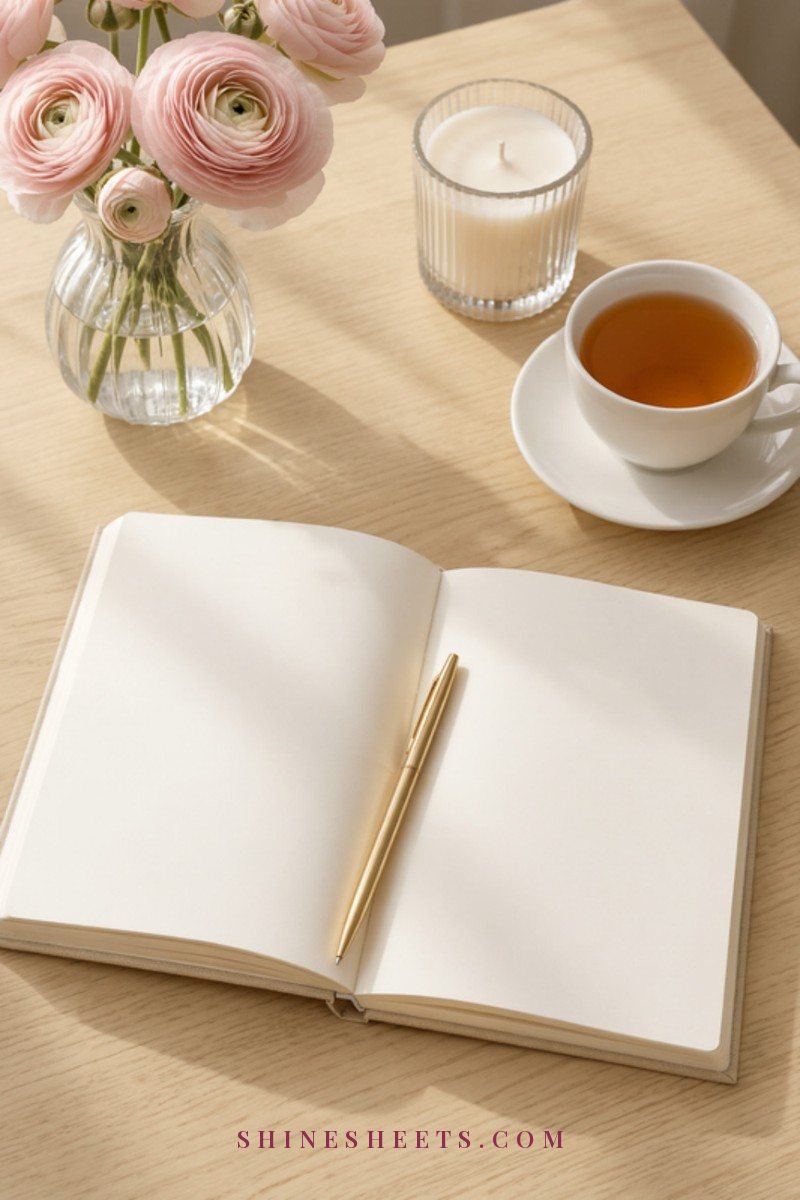
Keep a simple list of these in a cream linen notebook, one line each, with the date. Using lavender gel pens just for this list makes it feel like a small celebration. I like adding to mine after evening tea, when there's a quiet minute to notice what went right.
5. Ask Beginner Questions
One of the great privileges of being new is that you're allowed to ask anything. "Why does this work?" "What does that word mean?" "Is it normal that mine looks like this?" Experts often stop asking these questions, and they miss things because of it.
Make a habit of writing down one question each time you practice. Look it up later or ask a teacher, a friend or a beginner-friendly online group. Curiosity, not competence, is the point.
Notice, too, how often a beginner question turns out to be a very good question. Teachers usually love them, because they show you are paying attention rather than pretending to understand.
6. Compare Only With Your Past Self
If you must compare (and we all do), choose the only fair comparison: you, a few weeks ago. Keep your first attempt and look at it next to your latest one every month.
This works beautifully with sketching. Use a dedicated cream hardcover sketchbook and never tear pages out – the whole book becomes a visible record of your progress, wobbly lines and all.
7. Learn Alongside Others
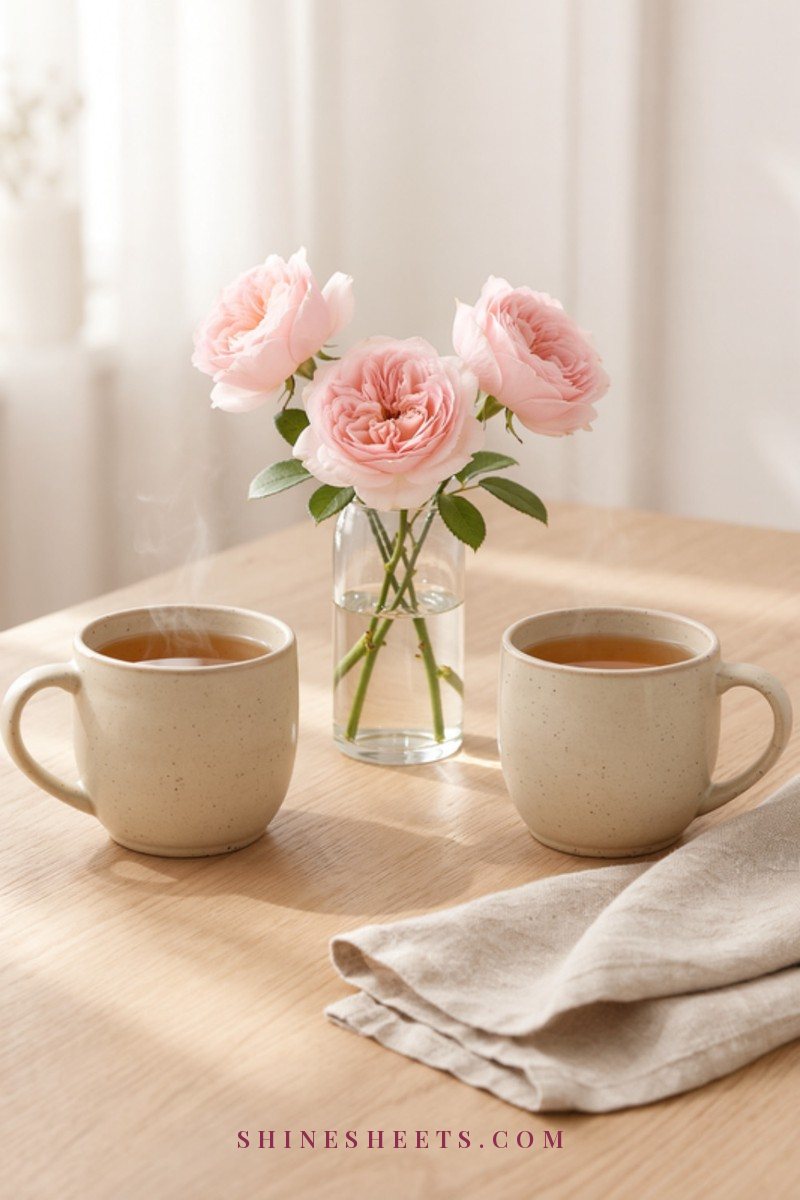
Being a beginner feels lighter when you're not the only one. A community class, a library workshop, a friend who also wants to learn, or an online group for absolute beginners can turn the awkward stage into something shared and even fun.
If groups make you nervous, start with one person. Invite a friend for a slow afternoon of tea and sketching, where the only rule is that nobody has to be good at it.
8. Celebrate Small Wins
Your brain learns what matters from what you notice. If you only notice mistakes, being new feels like constant failing. If you also notice the small wins, it starts to feel like play.
Pick a tiny ritual for when something goes right: light a candle, put on a favorite song, tell someone who'll be happy for you. It sounds small, but these moments are what keep you coming back on the days when you'd rather quit.
Beginner's Mindset Reframes for Everyday Thoughts
The inner critic usually speaks in the same few sentences. When you hear one, try the reframe and the small action next to it. Screenshot this table if you like and keep it near your practice spot.
| Familiar thought | Beginner's mindset reframe | Small action |
|---|---|---|
| "I'm just not a creative person." | "I haven't practiced this yet." | Do 10 minutes today, with no goal for the result |
| "Everyone else is better than me." | "They started somewhere too." | Compare your latest try only with your first one |
| "This looks terrible." | "This looks like week two." | Give it a funny name and keep it |
| "I'm too old to start this." | "Starting now is the only way to start." | Book one beginner class or tutorial |
| "I'll look silly in front of people." | "Beginners are supposed to look new." | Practice with one kind friend first |
| "If I can't do it well, why bother?" | "Enjoying it is a good enough reason." | Set a show-up goal instead of a skill goal |
| "I keep making the same mistake." | "Now I know what to ask about." | Write one beginner question to look up |
| "I've wasted so much time." | "I've collected a lot of firsts." | Add one line to your list of firsts |
You won't believe the reframe every time, and that's fine. The point is to give the critic a gentle answer instead of letting it have the last word.
What Beginner's Mindset Looks Like in Real Life
It can help to picture the difference. The same activity feels completely different depending on the mindset you bring to it. Here are a few everyday examples.
Learning a Language
The expert-minded version of you wants to speak fluently before saying a word out loud. The beginner-minded version is delighted to order a coffee in clumsy Spanish and get it (mostly) right. She keeps a little list of words she loves the sound of, and she isn't embarrassed to ask someone to repeat themselves slowly.
Starting Gentle Exercise at Home
Instead of comparing yourself with a fitness instructor, you notice small things: you held a stretch a few seconds longer, your balance felt steadier, you remembered the sequence without pausing the video. You let wobbly be wobbly. A beginner doesn't need to look graceful; she needs to keep showing up kindly.
Picking Up a Craft
With crochet, embroidery or watercolor, beginner's mindset looks like enjoying the colors and textures, getting curious about why a stitch went wrong, and finishing a small, imperfect piece rather than abandoning a big perfect plan. A tiny finished project teaches you more than a huge unfinished one.
Trying Something at Work or at Home
Beginner's mindset isn't only for hobbies. Organizing a closet in a new way, using a new planner layout or learning a new app can all bring up the same "I should already know this" feeling. Saying "I'm new at this, so I'm going to be slow" out loud – even just to yourself – takes the pressure off immediately.
How To Choose Your First Beginner Project
If you're not sure where to start, these three questions make the choice easier. Answer them quickly, without overthinking.
- What have I been curious about for a while? Not what would be impressive or useful – just what keeps catching your eye.
- What can I try in my own home in under 30 minutes? Low effort to start means you're far more likely to actually start.
- What can I begin for a small cost? A starter kit or a borrowed library book is plenty. There's no need to buy professional supplies before you know you like it.
Choose the idea that gets the most "yes" answers and give it four weeks. At the end, ask yourself one simple question: Did I enjoy the time I spent on it? If yes, keep going. If not, you haven't failed – you've learned something about yourself, and you get to be a beginner at something else.
When the Fear of Getting It Wrong Gets Loud
Sometimes the discomfort of being new isn't just mild embarrassment – it's a heavier fear that stops you from starting at all. If you notice that you plan, research and prepare for months but never actually begin, that may be fear of failure at work.
Be extra gentle in that case. Make the first step absurdly small: open the kit, watch one five-minute video, draw a single line. My guide on moving forward with fear of failure has more kind ideas for when the fear feels bigger than the hobby.
And remember that coffee isn't always your friend here. On days when caffeine makes me jittery, everything feels higher-stakes than it is, so I often save new things for a calm evening with tea instead.
Keep It a Hobby, Not a Hustle

There is a quiet pressure these days to turn everything we enjoy into a side income or a content project. The moment a hobby has to earn money or impress followers, you stop being a beginner and start being a small business – with all the stress that comes with it.
Give yourself permission to keep your new thing just for you. You can be a lifelong beginner at watercolor and simply love it. You never need to sell a single coaster. Joy is a complete reason to keep going.
If you ever do want to share or sell what you make, that can come much later – and only if it still feels fun.
A gentle test when you feel the pull to turn it into more: Would I still do this if nobody ever saw it? If the answer is yes, protect that feeling. It is the whole reason you started.
Final Thoughts
A beginner's mindset is really a kind of generosity toward yourself. It lets you be curious instead of judged, playful instead of perfect, new instead of behind. The wobbly lines and lopsided rows are not the price you pay before the good part. They are the good part, in their own funny way.
Let yourself be bad at something lovely this week. You might be surprised how much lighter it feels.