Your first solo trip doesn't need to be brave, far away or life-changing. It just needs to be well chosen. The women who come home glowing from a trip alone usually didn't pick the most exotic place on the map. They picked a place that matched their comfort level, planned the first and last day carefully, and left the middle loose enough to enjoy.
That's the whole secret, really: confidence on a solo trip comes from preparation, not personality. You don't have to be outgoing, fearless or "a natural traveler." You need a few good systems, a sensible first night and permission to do things at your own pace.
This guide gathers my favorite solo travel tips for women for planning your first trip alone: how to choose a destination (with a simple comparison table), how to plan and budget, the safety habits that actually matter, packing light, eating alone, meeting people, handling the lonely moments and enjoying every bit of your own company. There's also a pre-trip checklist at the end you can screenshot before you leave.
A little honest admission before we start: I'm prone to anxiety, so the unknown is not my natural habitat. Everything below is written with a nervous first-timer in mind.
Why Solo Travel Is Worth It, Even If You're Nervous
Traveling alone gives you something that's surprisingly rare in everyday life: every single decision is yours. You eat when you're hungry, you leave the museum when you're bored, you sleep in without negotiating. For many women, a few days like that is the clearest look they've had at what they actually enjoy.
It also builds a quiet kind of confidence. Finding your way from the airport, ordering in a language you don't speak, figuring out a train ticket machine – none of it is dramatic, but every small win adds up. You come home knowing you can handle things, and that feeling lasts much longer than the tan.
Being nervous doesn't mean you're not ready. It just means you care about doing it well. If spending time alone still feels strange at home, practicing a few solo date ideas first (a movie, a museum, a long lunch with a book) is a lovely, low-stakes warm-up.
How To Choose Your First Solo Destination
For a first trip alone, the best destination is one that feels easy, not one that impresses people. Look for these four things:
- Easy arrival. A direct flight or a simple train ride, and a clear, well-lit way from the airport or station to where you're staying.
- Walkable center. If you can walk to most things (or take one simple metro line), you'll spend less time stressing and more time wandering.
- A reputation for solo travelers. Search the destination name plus "solo female travel" and read a few recent trip reports and forum threads. Patterns matter more than one dramatic story.
- A shorter trip. Three to five nights is the sweet spot for a first time. Long enough to settle in, short enough that a lonely evening doesn't feel endless.
Domestic trips count, too. A long weekend in a city two hours away is still solo travel, and it's a wonderful way to test how you feel before you book something bigger.
Here's how the most common first-trip types compare:
| Destination type | Pros | Watch out for | Best for |
|---|---|---|---|
| City break | Lots to do, good public transport, easy to fill time, cafés and museums are solo-friendly | Pickpockets in crowded areas, higher prices, sensory overload | First-timers who like structure and want plenty of options |
| Beach town | Slow pace, built-in relaxation, easy to read and rest alone | Evenings can feel quiet or couple-heavy, fewer things to do off-season | Women who want rest more than sightseeing |
| Nature or small town | Calm, safe-feeling, great for hiking, journaling and thinking | Limited transport, few late-night options, spotty phone signal | Introverts and anyone recovering from a busy season |
| Wellness retreat or group tour | Everything is planned, built-in company, very low stress | Less freedom, fixed schedule, can be pricier | Very nervous first-timers who want a gentle start |
If you've been collecting places on a list for years, pick the one that sits closest to "easy" in this table and save the more adventurous ones for trip number two. (My bucket list ideas guide has plenty more if you need inspiration.)
Before You Go: 6 Planning Tips
Good planning for a solo trip isn't about filling every hour. It's about removing the moments that tend to cause panic: arriving tired, getting lost at night, running out of battery, losing your card.
1. Plan the First and Last Day in Detail
Write out exactly how you'll get from the airport to your accommodation: which train or taxi, roughly how long it takes, what it costs, the address in the local language. Do the same for the way back. Everything in between can be loose, but these two days deserve a plan, because that's when you're tired, carrying luggage and most likely to feel overwhelmed.
2. Book Your First Night Somewhere Central and Well-Reviewed
For the first night especially, choose location and reviews over price. Look for a place with a 24-hour reception (or a clear self check-in), lots of recent reviews from solo women and a central, busy street rather than a quiet side road far from everything. Read the newest reviews for words like "safe," "well-lit" and "helpful staff."
Small boutique hotels and well-reviewed guesthouses are often perfect for first-timers: staff tend to remember you, and you'll have someone to ask for a dinner recommendation.
3. Set a Simple Travel Budget
Split your budget into four buckets: getting there, sleeping, eating and doing things. Then add an emergency cushion of about 10–15% that you don't touch unless something goes wrong (a missed train, a late taxi instead of a dark walk). If budgeting feels new, my guide to budgeting for beginners walks through the basics.
A daily spending number is easier to follow than a total. If your daily food and fun budget is $70, you'll know instantly whether that extra museum ticket fits.
4. Carry Two Ways To Pay
Bring at least two cards from different accounts, plus a little local cash. Keep one card in your bag and one somewhere else (a zipped inner pocket of your suitcase, for example). Tell your bank you're traveling, save their emergency number in your phone and turn on transaction notifications so you see any odd charges right away.
5. Save Everything Offline
Save offline maps of the areas you'll visit, and save screenshots of your bookings, tickets and accommodation address. Keep a photo of your passport in a secure folder on your phone and a paper copy in your suitcase. A slim portable charger is worth its space in gold, because a dead phone is the moment most solo travelers start to panic.
6. Plan One Thing per Day, Not Five
Choose one "anchor" activity for each day – a museum, a hike, a food market, a boat trip – and let the rest of the day unfold around it. Solo travel is tiring in a way you don't expect, because you're making every decision and paying attention the whole time. One anchor keeps the day feeling purposeful without turning it into a checklist.
Staying Safe: 6 Tips That Actually Matter
A quick, kind note first: most solo trips are wonderfully uneventful. These habits aren't about being scared. They're about making smart, calm choices so you can relax and enjoy the trip.
7. Share Your Itinerary With Someone at Home
Send a friend or family member your flight numbers, accommodation addresses and rough plan for each day. Agree on a simple check-in, like a quick text every evening. Turning on location sharing with one trusted person is another easy layer. If you're a US citizen traveling abroad, you can also register your trip with the Smart Traveler Enrollment Program so the nearest embassy can reach you in an emergency.
8. Arrive in Daylight Whenever You Can

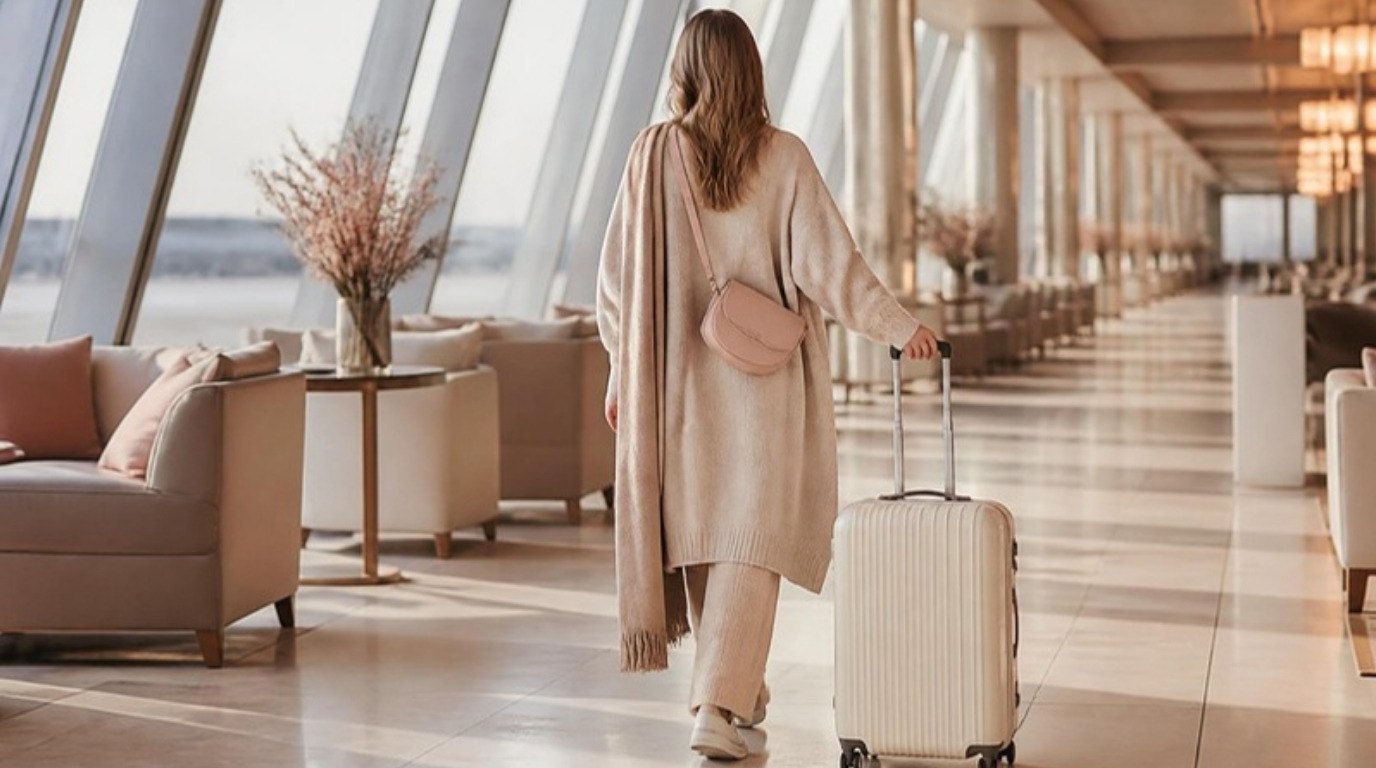
This one tip removes so much stress. Arriving in daylight means you can see where you're going, read street signs, find your entrance and get a feel for the neighborhood before dark. If a cheaper flight lands at midnight, it's usually worth paying a little more for one that lands at 2 p.m. If you can't avoid a late arrival, pre-book a taxi or transfer instead of figuring it out on the spot.
9. Choose a Bag That Zips Shut
Wear your bag across your body, in front of you in crowds, and pick one with a zip rather than a magnetic snap. An anti-theft crossbody bag with a locking zipper and slash-resistant strap is a smart pick for city breaks. Keep your phone in the bag (not your back pocket) when you're not using it, and don't hang your bag on the back of a café chair.
10. Add a Simple Layer to Your Room
Always use the deadbolt or chain, and check that the windows and balcony door lock. Many solo travelers also like a door stop alarm: it wedges under the door and sounds loudly if it's pushed open. It's small, weighs almost nothing and makes it much easier to fall asleep in a new place (which, for an anxious sleeper like me, is half the battle).
11. Blend In a Little
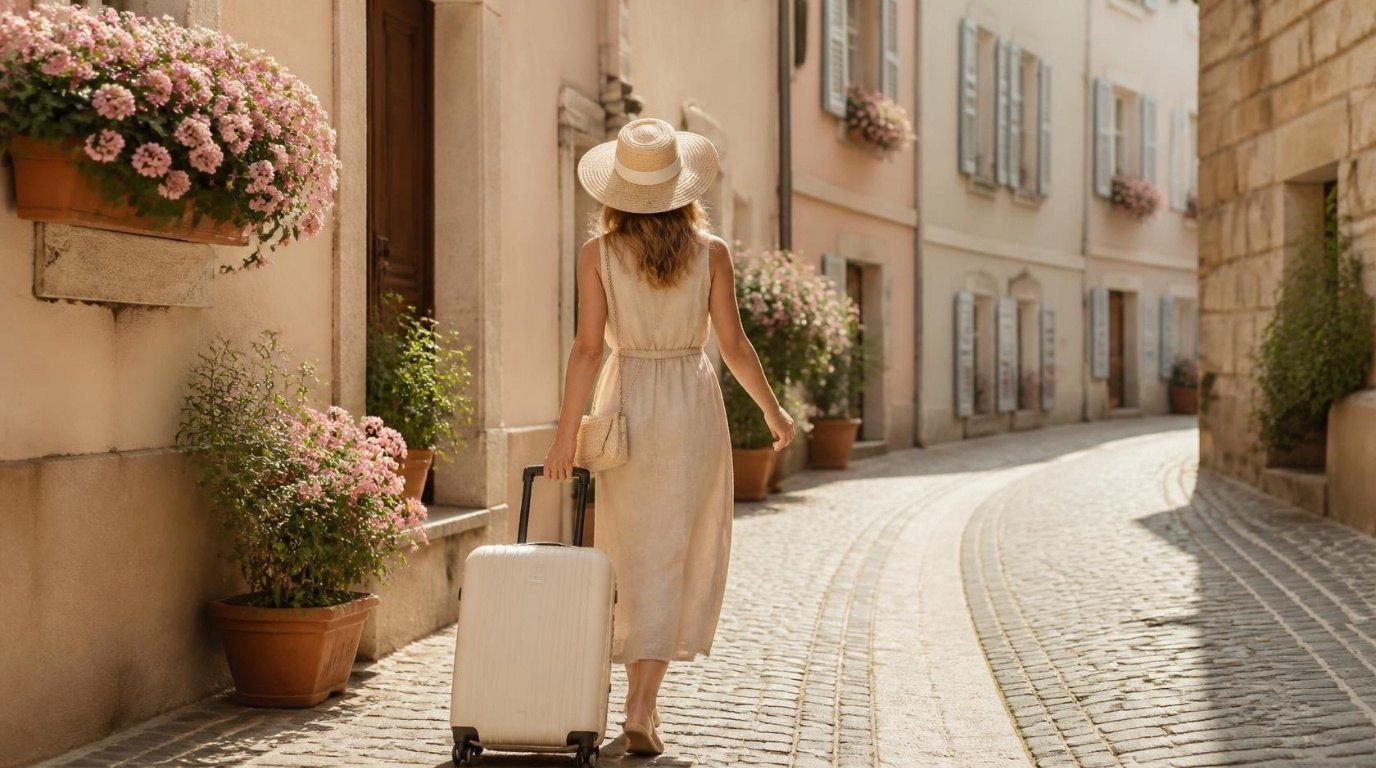
Walk like you know where you're going, even when you don't. Check your map before you leave a café rather than standing on a corner staring at your phone. If you need to look something up, step into a shop or café. Dressing a little like locals do (look at what women around you are wearing on day one) also helps you feel less like a visitor.
12. Trust Your Instincts, Every Time
If a street, a person or a situation feels wrong, leave. You don't owe anyone politeness or an explanation. Cross the road, walk into a busy shop, get in a taxi, change your table, go back to your hotel. Your gut picks up on things your mind hasn't caught yet, and a "maybe I overreacted" is a tiny price for feeling safe.
Keep a few words in the local language ready: "no, thank you," "help" and the address of your accommodation. Save the local emergency number in your phone before you land.
On the Trip: 6 Tips for Enjoying Your Own Company
Once the logistics are handled, the real trip begins. This is the part people worry about most – eating alone, feeling lonely, not knowing what to do with yourself – and it's usually the part they end up loving.
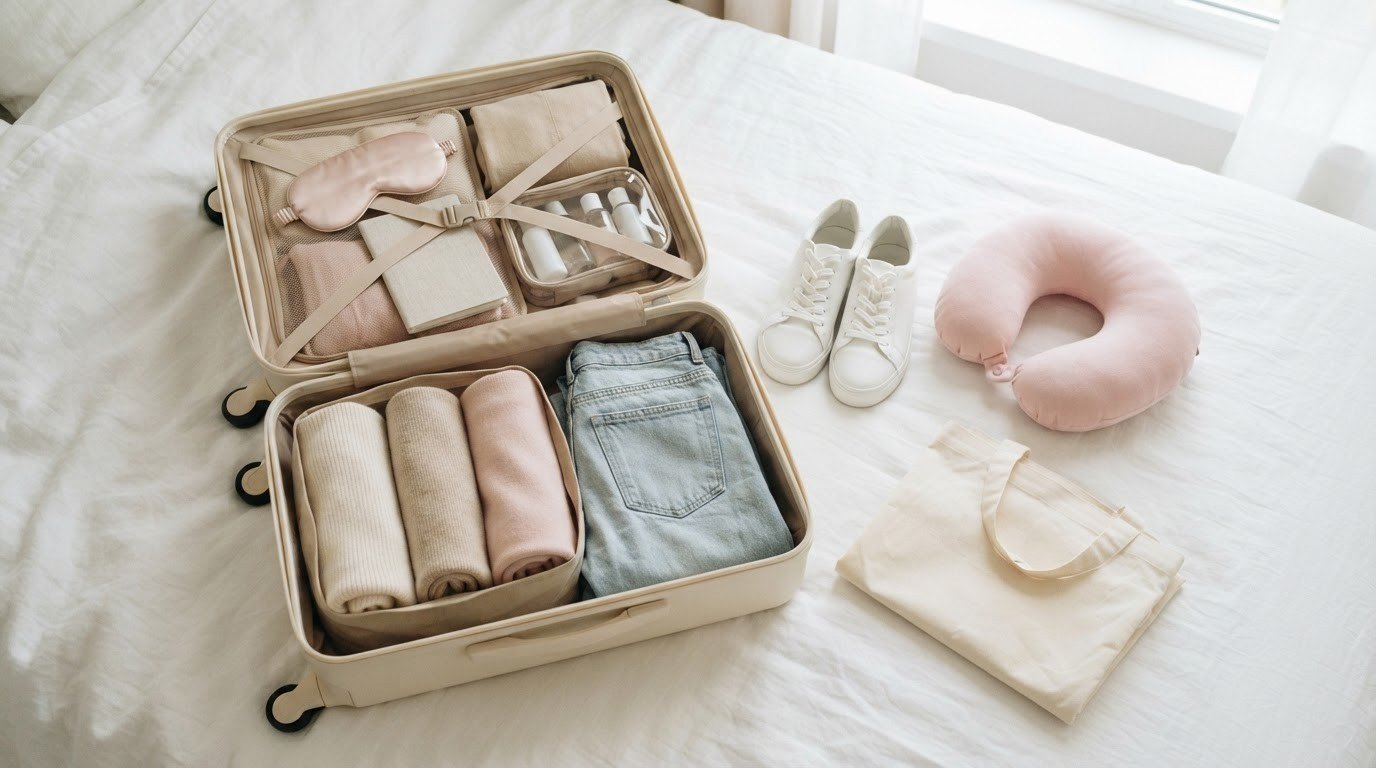
13. Pack Light Enough To Carry Everything Yourself
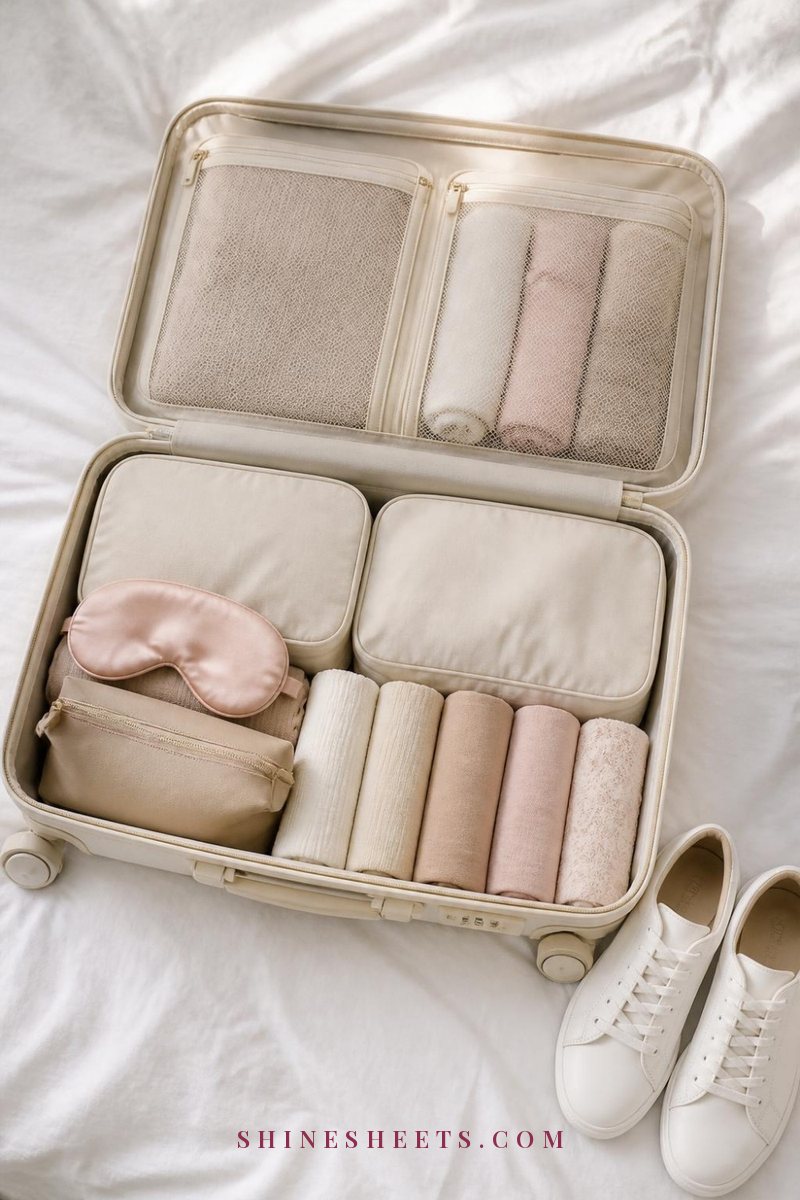
When you travel alone, nobody is watching your bag while you buy a ticket or carrying your suitcase up the stairs. The golden rule: you should be able to lift your luggage over your head and walk ten minutes with it without needing a break.
A carry-on and a small personal bag is plenty for most trips under a week. A set of packing cubes keeps everything findable, so you're not unpacking your whole suitcase on a hostel bed. Stick to one color palette so every top works with every bottom, and pack a soft silk sleep mask for flights and bright hotel rooms. My carry-on packing list has the full breakdown.
14. Eat Alone Like You Mean It

Eating alone is the moment most women dread, and the one that gets easier fastest. A few things help:
- Start with lunch. Lunch alone feels much more normal than dinner, and it's often cheaper too.
- Sit at the bar or counter. You'll have something to watch, and bartenders and chefs often chat with solo guests.
- Bring a book or journal. Not to hide behind, but to give your hands something to do while you settle in.
- Pick a window seat. People-watching is the best free entertainment in any new city.
After the first meal or two, you'll notice something lovely: nobody is looking at you. They're busy with their own evening. You get to simply enjoy yours.
15. Meet People Without Forcing It
You don't have to talk to anyone on a solo trip, but if you'd like some company now and then, there are easy, low-pressure ways in. Book a walking tour, a cooking class or a day trip on the first or second day – you'll meet other travelers and learn the city at the same time. Hostels with private rooms often host social evenings you can join and leave whenever you want.
A simple opener works almost everywhere: "Have you done anything great here so far?" Travelers love giving recommendations. And if you meet someone new, keep your accommodation details to yourself and meet in public places – friendly and careful can absolutely go together.
16. Make a Plan for the Lonely Moments
Loneliness usually shows up at predictable times: the first evening, a rainy afternoon, dinner time on day three. Knowing that ahead of time makes it much less scary. When it hits, try one of these:
- Call or video-chat someone at home for ten minutes.
- Go somewhere busy and pleasant, like a market, a park or a lively café.
- Do something comforting and familiar: a long bath, a favorite show, an early night.
- Remind yourself that a lonely hour doesn't mean the trip is failing. It's just an hour.
If you feel your anxiety rising, my guide on how to calm anxiety fast has a few breathing and grounding tricks that work just as well in a hotel room as at home.
17. Keep a Travel Journal

Spend five or ten minutes each evening writing down what you did, what you ate, one thing that surprised you and one thing you were proud of. It's a lovely way to process a big day, and it turns into the best souvenir you'll bring home. A linen-covered travel journal with thick pages that can hold pressed flowers and ticket stubs is a sweet pick. (Evening tea and journaling is one of my favorite rituals at home, and it travels beautifully.)
18. Let Yourself Enjoy It Fully
Here's the part nobody tells you: at some point on your trip, you'll be sitting somewhere – on a bench, in a café, at the end of a long walk – and realize you're completely, quietly happy. Nobody needs anything from you. You're not rushing anyone or being rushed. Notice that moment and let it sink in.
Say yes to the second gelato, the detour down the pretty street, the afternoon nap. Solo travel is one of the purest forms of being on your own side. If you want to bring that feeling home, my guide on how to be happy alone picks up right where your trip leaves off.
Your Pre-Trip Checklist for Solo Travel
Screenshot this and go through it a week before you leave, then once more the night before.
One week before:
- Passport or ID valid for the whole trip (many countries require six months' validity)
- Travel insurance booked and the policy number saved on your phone
- Bank told about your trip, card notifications turned on
- Two payment cards from different accounts, plus a little local cash
- Itinerary, flight numbers and accommodation addresses shared with someone at home
- Offline maps saved for every area you'll visit
- Airport-to-accommodation route written down, including the address in the local language
- Local emergency number saved in your phone
The night before:
- Phone, portable charger and travel adapter fully charged
- Copies of passport and bookings: one on your phone, one paper copy in your suitcase
- Bag packed light enough to carry by yourself
- Cards and cash split between two places
- Door stop alarm, sleep mask and any medication in your carry-on
- One anchor plan for your first day (and nothing else required)
Final Thoughts
Your first trip alone doesn't have to be perfect to be wonderful. Choose an easy place, plan the first and last day, carry a few smart safety habits with you and leave plenty of room for slow, unplanned hours.
You'll probably feel nervous at the airport and proud on the way home. Both feelings are part of it. And somewhere in between, you'll find out just how good your own company can be.