Red flags are rarely dramatic in the beginning. They tend to show up as small moments you're tempted to explain away: a joke that stung, a no that got pushed, a plan that changed for the third time. Green flags are quieter still. They look like consistency, kindness and a feeling of calm, which is exactly why they're so easy to overlook when you're used to chaos.
Learning to read both isn't about becoming suspicious of everyone you date. It's about trusting what you see and giving yourself permission to act on it early, before you're too invested to look clearly.
This guide covers red flags and green flags in dating with 45 real-life examples: 15 red flags, 15 pink flags (the "pay attention" ones in between) and 15 green flags. Each example comes with a simple "what to do next," so you're never left wondering how to respond. You'll also find a gut-check method, a few calm scripts and a short safety note.
What Red, Pink and Green Flags Really Mean
Think of these like a traffic light, not a verdict on someone's whole character:
- Red flags are behaviors that point to control, disrespect or danger. One serious red flag is enough to step away.
- Pink flags (my softer word for yellow) are "slow down and pay attention" moments. They might mean nothing, or they might grow. Context and patterns matter.
- Green flags are signs of emotional safety, respect and maturity. They don't guarantee a perfect match, but they make a healthy relationship possible.
Two important notes. First, nobody is all green. Everyone has a few pink flags, including you and me, and that's simply being human. Second, one moment is information, but a pattern is an answer. Pay the most attention to what keeps happening.
If you want a bigger-picture view of what good looks like long term, my guide to the signs of a healthy relationship pairs well with this one.
The Traffic-Light Table: 45 Real Examples
Here's the heart of this guide. Screenshot it, save it, revisit it after a date when something felt a little off (or wonderfully right). Each example is drawn from everyday dating situations, with a calm next step next to it.
15 Red Flags: Stop and Step Back
| # | Real-life example | What to do next |
|---|---|---|
| 1 | They ignore a clear no – about a drink, a kiss, a plan – and keep pushing until you give in. | Treat this as a dealbreaker. Someone who doesn't respect a small no won't respect a big one. End things. |
| 2 | They get angry or sulk for days when you spend time with friends or family. | Name it once: "I'm going to keep seeing my friends." If the pressure continues, step away. |
| 3 | They check your phone, demand passwords or track your location without asking. | Say clearly that your privacy isn't up for negotiation. Controlling behavior tends to grow, not fade. |
| 4 | They insult you, then say "I was only joking" when you're hurt. | Respond calmly: "That didn't feel like a joke." Watch whether they apologize or double down. |
| 5 | They regularly lie, even about small things, and get defensive when asked. | Trust is the foundation. If you can't believe the small stories, don't build on the big ones. |
| 6 | Every ex was "crazy" and nothing that went wrong was ever partly their fault. | Notice the pattern of blame. Ask yourself how they'd describe you after a disagreement. |
| 7 | They pressure you to move fast: moving in, meeting family or talking about marriage within weeks. | Slow it down on purpose. Someone who truly likes you will be fine with your pace. |
| 8 | They make you feel like you're imagining things or "too sensitive" when you bring up a concern. | Write down what happened right after it happens. Trust your notes over their version. |
| 9 | They criticize how you dress, eat or look, especially in front of other people. | Say: "Please don't talk about my body like that." If it continues, they're showing you how they see you. |
| 10 | They lose their temper in scary ways: yelling, slamming doors, breaking things. | Prioritize your safety. Don't argue in private, tell someone you trust and get support. |
| 11 | They are kind to you but rude to waiters, drivers or anyone they think doesn't matter. | Take it seriously. How someone treats people with less power is how they'll treat you eventually. |
| 12 | They make you responsible for their moods: "You made me feel this way, so you fix it." | Kindly hand it back: "I care how you feel, but I'm not responsible for your reactions." |
| 13 | They keep financial secrets or push you to lend or share money early on. | Keep your finances separate while dating. Money pressure early is a clear warning. |
| 14 | They punish you with silence for days instead of talking through a disagreement. | Say you're open to talking when they're ready, then don't chase. Repeated silent treatment is a control tactic. |
| 15 | You feel anxious, small or on edge around them more often than you feel relaxed. | Your body is giving you data. Talk it through with a friend or counselor and consider stepping back. |
15 Pink Flags: Slow Down and Pay Attention
| # | Real-life example | What to do next |
|---|---|---|
| 1 | They are often late or cancel last minute, with a good excuse each time. | Mention it once kindly. If it's a pattern with no change, decide how much flexibility you're willing to give. |
| 2 | They talk about themselves most of the date and ask few questions back. | Could be nerves. See if they're more curious on date two or three. |
| 3 | They text a lot one week, then go quiet the next. | Ask what kind of communication feels normal to them. Consistency usually shows within a month or two. |
| 4 | They still talk about an ex a lot, even if it's not negative. | Ask gently whether they feel ready to date. Some people need more time to heal. |
| 5 | They're vague when you ask what they're looking for. | Ask once, directly. If the answer stays vague, believe the vagueness. |
| 6 | They make plans only late at night or at the last minute. | Suggest a daytime plan a few days ahead. Their response will tell you a lot. |
| 7 | They're very private about their life and haven't introduced you to anyone after a few months. | Ask about it without accusation. Some people are slow to share; others are hiding something. |
| 8 | They drink more than you're comfortable with on most dates. | Suggest alcohol-free plans and see how they react. Trust your comfort level. |
| 9 | They avoid every serious conversation with jokes. | Humor is lovely, but try one calm, direct question. Notice whether they can stay with it. |
| 10 | They have very different values about money, family or the future. | Talk openly. Differences can work if both people can respect and discuss them. |
| 11 | They speak badly about their friends or coworkers often. | Listen for whether it's venting or a habit of contempt. The second is a warning. |
| 12 | They apologize but repeat the same behavior soon after. | Point out the pattern once. An apology only means something when behavior changes. |
| 13 | They are glued to their phone during your time together. | Mention that you'd love more present time. See whether they adjust. |
| 14 | They seem jealous of your friendships but don't try to control them. | Talk about reassurance and trust early, before it grows into something bigger. |
| 15 | You feel you have to perform or be "the cool girl" around them. | Practice showing a little more of your real self. The right person will like it more, not less. |
15 Green Flags: Keep Going
| # | Real-life example | What to do next |
|---|---|---|
| 1 | They respect your no the first time, without sulking or debating. | Relax into it. This is the base everything good is built on. |
| 2 | They're consistent: their texts, plans and words match their actions. | Enjoy the calm. Consistency is less exciting than chaos but far more loving. |
| 3 | They ask questions about your life and remember the answers. | Return the curiosity. Shared interest grows real closeness. |
| 4 | They can say "I was wrong" or "I'm sorry" and change the behavior. | Value it. Accountability is rare and makes conflict feel safe. |
| 5 | They're kind to strangers, waiters and people who can't do anything for them. | Take note. This kindness tends to show up in your relationship too. |
| 6 | They support your friendships and want you to have a full life outside them. | Invite them into your world gradually and keep your own circle strong. |
| 7 | They make plans ahead and follow through. | Match their effort and enjoy feeling like a priority. |
| 8 | They're honest about what they want, even when it's not what you hoped. | Appreciate the honesty, then decide what you want based on facts. |
| 9 | They handle disagreements calmly and stay on the topic. | Practice it together: one issue at a time, no name-calling. |
| 10 | They celebrate your wins without making it about themselves. | Share your good news freely and celebrate theirs too. |
| 11 | They're open about their life and introduce you to people who matter to them. | Return the openness at a pace that feels good to you. |
| 12 | They're comfortable with your pace for physical and emotional closeness. | Keep communicating what feels good. Comfort and consent go hand in hand. |
| 13 | They take care of their own responsibilities: work, bills, health, home. | Enjoy partnership instead of rescuing. Two whole people make a strong team. |
| 14 | They make you laugh, and you feel lighter after time with them. | Notice how often you leave feeling good. That feeling counts. |
| 15 | You feel like yourself around them, not a performance of yourself. | Hold on to this one. Feeling safe to be you is the greenest flag of all. |
Why We Miss Red Flags (and Overlook Green Ones)
If you've ever looked back and thought, "How did I not see that?", please be gentle with yourself (a little self-compassion goes a long way here). There are very human reasons red flags slip past us:
- Chemistry is loud. Early attraction makes it easy to fill in gaps with the story you want to believe.
- Familiar feels safe. If you grew up around unpredictability, intensity can feel like love and calm can feel boring.
- We hope people will change. It's kind to believe in someone. It's not kind to yourself to wait forever.
- We don't want to be "too picky." Having standards isn't picky. It's self-respect.
Green flags get overlooked for similar reasons. Someone who texts back reliably, plans dates ahead and asks how your week went might not set off fireworks. But that steady warmth is exactly what feels good on a random Tuesday, a year in.
The Three-Question Gut Check
After a date or a confusing moment, take five minutes with a guided journal or your phone notes and answer these three questions honestly:
- How did my body feel? Relaxed, open and light? Or tense, guarded and tired?
- Did their words match their actions? Look at what they did, not what they promised.
- Would I be okay if a friend were treated this way? We're often clearer about our friends than about ourselves.
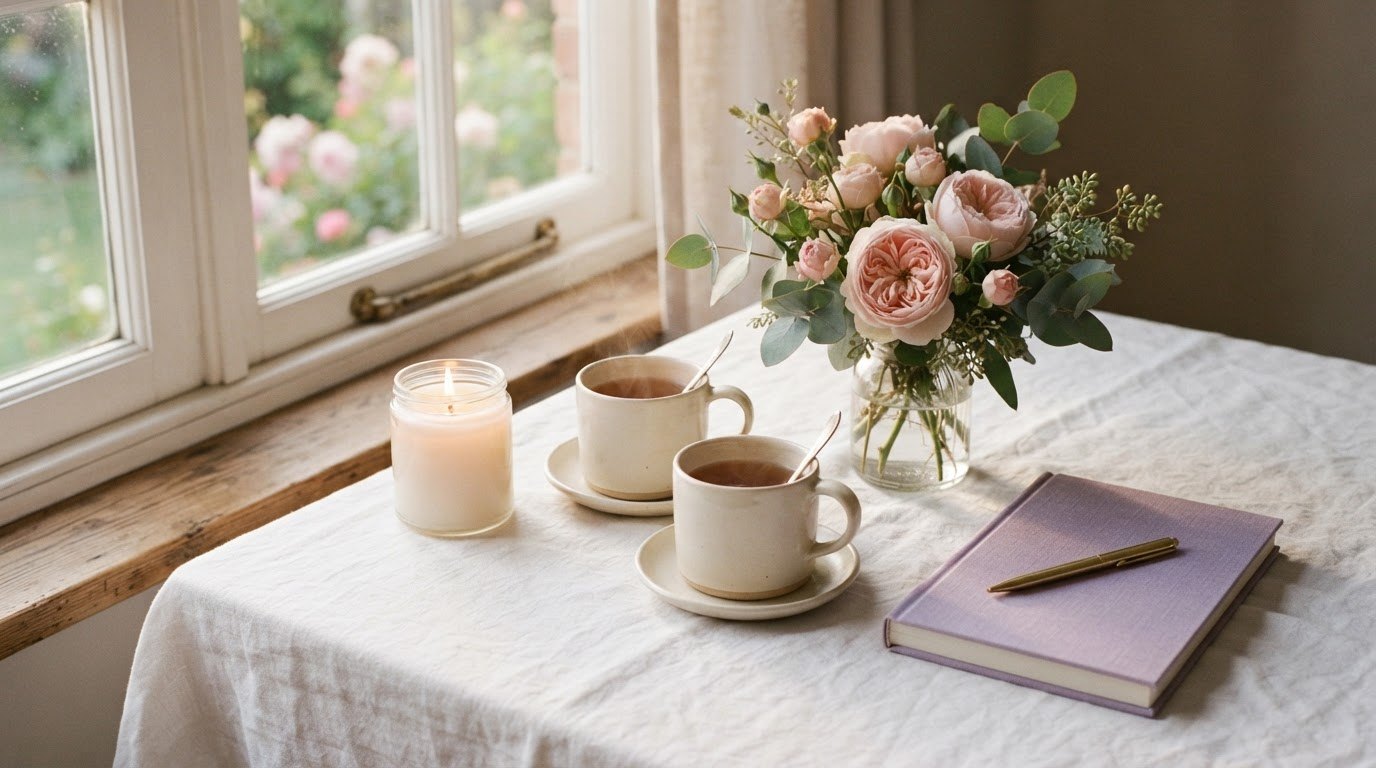
Writing your answers down matters more than it seems. Patterns are hard to spot in the moment but obvious on paper after a few weeks. I like doing this kind of reflection in the evening with a cup of tea (a caffeine-free chamomile tea is a good pick here) and a simple glass candle on the table. It turns overthinking into calm noticing.

How To Respond to a Pink Flag Without Overreacting
Pink flags are where most of the real decisions happen. You don't need to end things, but you also don't need to pretend you didn't notice. A simple, calm approach:
- Notice it. Name it to yourself: "They canceled last minute again."
- Mention it once. Keep it short and warm: "I've noticed plans change a lot. Consistency matters to me. Is that something that works for you?"
- Watch what happens next. Healthy people adjust or explain honestly. Unhealthy patterns repeat or get defensive.
- Decide based on the pattern. If it improves, great. If it doesn't, it was never really pink.
Speaking up early feels scary, but it's the kindest thing for both of you. My guide on communication in relationships has more gentle ways to bring things up without starting a fight.
5 Calm Scripts for Red-Flag Moments
When something feels off, having words ready makes it so much easier to respond instead of freezing. Here are five you can adapt:
- When a no is pushed: "I already said no. I need you to respect that."
- When a joke hurts: "That didn't land as a joke for me. Please don't talk to me like that."
- When things move too fast: "I like you, and I want to take this slower. That's important to me."
- When you're being guilt-tripped: "I hear that you're upset. I'm still going to keep my plans."
- When you're ending it: "I've realized we want different things, and I'm going to step away. I wish you well."
You don't owe anyone a long explanation for leaving. A clear, kind sentence is enough. If saying no is hard in general, my guide on how to set boundaries walks through it step by step.
Your Own Pink Flags (We All Have Them)
This part is a little uncomfortable, but it's also freeing. Reading flags isn't only about the other person. Most of us carry a few habits into dating that make it harder to see clearly or to be seen clearly. A few common ones:
- Over-explaining your no. If every boundary comes with a three-paragraph apology, it invites debate. Short and kind is enough.
- Ignoring your own discomfort to keep the peace. Going along with plans you don't enjoy teaches the other person that everything is fine when it isn't.
- Racing ahead in your head. Planning a future after two dates makes it hard to notice who someone actually is right now.
- Testing instead of asking. Waiting to see if they'll "figure out" what you need rarely works. Asking directly is far kinder to both of you.
None of these make you a bad partner. They're simply worth noticing with curiosity rather than shame. When you get clearer about your own patterns, it becomes much easier to tell the difference between a real red flag and an old fear speaking up.
Building Green Flags Into Your Own Dating Life
Spotting green flags is easier when you know your own non-negotiables. Before your next date, write down three things you need to feel safe and three things that would make you genuinely happy. Keep it simple, like "follows through on plans," "kind to my friends," "makes me laugh."
Then be the green flag you're looking for: be honest about what you want, show up when you say you will and say no clearly when something isn't right. Healthy people are drawn to that kind of steadiness. For more ideas on making early dates feel relaxed and safe, see my first date tips.
A Short Safety Note
Some red flags aren't just about compatibility. If someone threatens you, scares you, controls your money or movements, or hurts you physically or emotionally, that's abuse, and it's never your fault. Please reach out to someone you trust.
In the US, the National Domestic Violence Hotline offers free, confidential support by phone, text and chat at thehotline.org. If you're in immediate danger, call 911.
For early dates, a few simple habits help: meet in public, tell a friend where you'll be, arrange your own way home and keep your phone charged with a slim portable charger in your bag. Some women also like carrying a personal safety alarm keychain for extra peace of mind.
Final Thoughts
Red flags aren't there to make you afraid of love. They're there to protect your heart so it can land somewhere safe. And green flags aren't boring. They're what calm, steady love looks like up close.
You're allowed to walk away from what feels wrong, slow down when something feels uncertain and lean in when someone makes you feel like yourself. Trust what you notice. You deserve a relationship that feels like peace.