Play isn't a reward you earn once everything else is done. For grown-ups, it's one of the simplest ways to rest a busy mind, because for a little while nothing you do has to count, improve or be useful. That's exactly what makes it so restoring.
Somewhere along the way, most of us quietly decide that play belongs to childhood. We still enjoy things (a good series, a nice dinner, a walk), but doing something purely for the joy of it, with no goal, score or productivity attached, starts to feel a little silly. It isn't. It's one of the oldest ways humans recharge.
This guide is all about play for adults: what play actually is, what research describes in plain words, why we stop, 7 play personalities to help you find your kind of fun, a table with easy ideas for each and 8 gentle ways to start again. If you're looking for broader ideas to enjoy life, my guide on how to have more fun is a lovely companion. This one is about play itself.
You don't need to become a different person to play. You only need permission, and you have mine.
What Play Really Is
Play is hard to define, which is part of its charm. Researchers who study it tend to agree on a few qualities. Play is:
- Voluntary. You choose it. Nobody assigns it, and you can stop whenever you like.
- Done for its own sake. The point is the activity itself, not what it produces. A doodle that ends up in the bin still counts.
- Absorbing. Time tends to slip a little. You stop checking your phone because you forget it's there.
- A little unstructured. There may be rules (a card game has them), but there's room to improvise, be clumsy and laugh at yourself.
- Done for joy. Not always big, giggly joy. Sometimes it's a quiet, contented kind of pleasure.
This is why the same activity can be play for one person and work for another. Knitting a scarf because you love the feeling of the yarn is play. Knitting twenty scarves to sell by Friday probably isn't. The difference is not what you do, but why and how you do it.
What Research Says About Play, in Plain Words
Play has been studied for decades, mostly in children and animals, and more and more in adults. I want to keep this honest and simple, because it's easy to overpromise. Here's what the research generally describes:
- Play is linked to lower stress. Adults who make room for playful activities tend to report feeling less stressed and more able to cope with everyday pressure. Play gives the mind a break from constant planning and evaluating.
- Play is linked to more creativity. When nothing is at stake, people try more ideas, combine things in new ways and take small risks. That loose, curious thinking often carries over into the rest of life.
- Play is linked to closer connection. Laughing together, sharing a game or being a bit silly with someone builds trust and warmth. Couples and friends who play together often describe feeling closer.
Psychiatrist Stuart Brown, who has spent much of his career studying play, describes it as something adults need throughout life, not something to grow out of. He also popularized the idea that people have different "play personalities", which inspired the types you'll find below.
None of this means play is a cure for anything. It simply means that play is a healthy, normal part of a balanced life, and it deserves a little space in yours.
Why Adults Stop Playing
Nobody decides to stop playing. It slowly fades. These are the most common reasons, and you may recognize more than one:
- Busyness. When the days are full of tasks, play is the first thing to go, because it never feels urgent. Rest becomes an endless phone feed, because a feed needs no decision.
- Self-consciousness. Adults worry about looking silly, doing something badly or being seen enjoying something "childish". The inner critic can be loud, especially if you're used to being competent at everything.
- The feeling that everything must be useful. Many of us have absorbed the idea that time should be productive. Even hobbies quietly turn into side projects, fitness goals or skills to show off.
It helps to name these gently. They aren't flaws. They are habits that made sense for a while. And if you notice discomfort with doing nothing in particular, my piece on why boredom is good for you explores that feeling kindly.
I'll admit that the "it has to be useful" voice is the loudest one for me. I've caught myself turning journaling into a self-improvement project more than once, when what I really wanted was to sit with my evening tea and write whatever came up.
7 Play Personalities
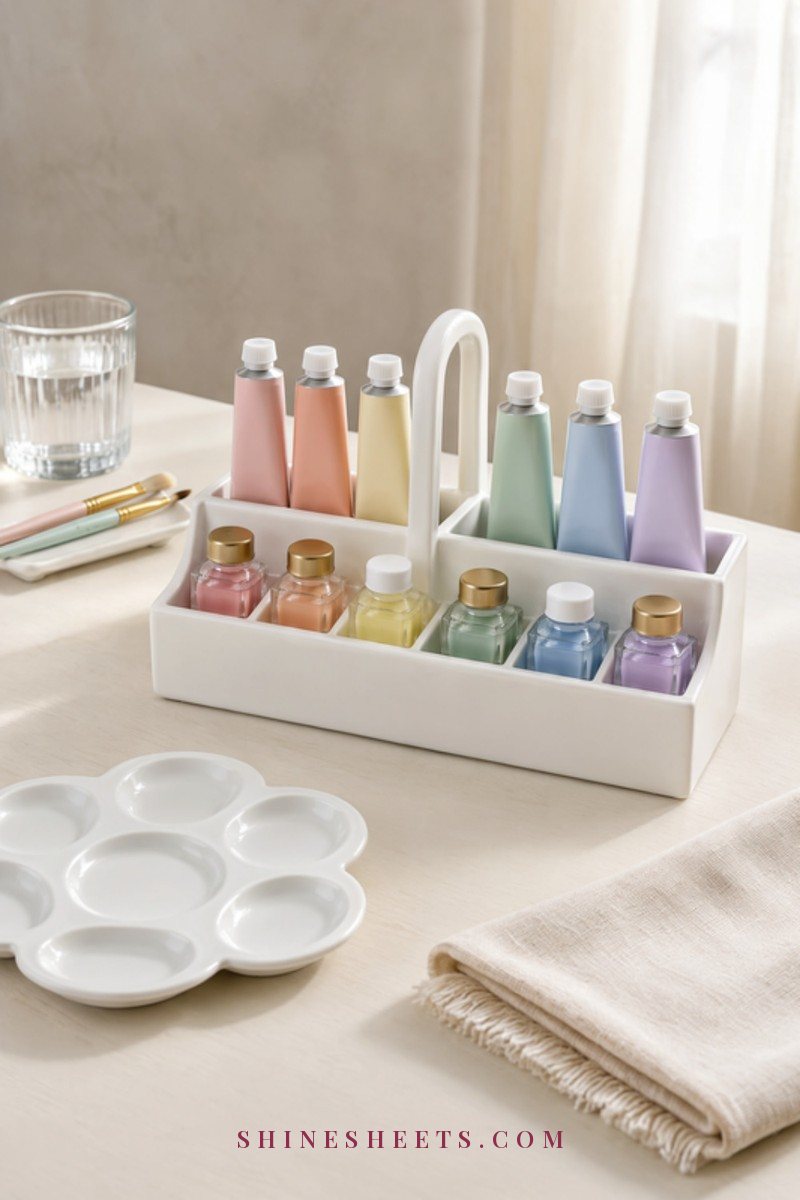
Not everyone enjoys the same kind of play, and that's a relief. If board games make you yawn, you're not "bad at fun". You may simply be a mover or a creator. Read through these and notice which ones make you smile. Most people are a mix of two or three.
1. The Creator
You love making things: painting, sewing, baking for fun, arranging flowers, rearranging a shelf. The joy is in watching something appear from nothing. Easy examples: a watercolor session, a small embroidery, making a collage from old magazines.
2. The Explorer
You light up when you discover something new: a street you've never walked down, a new idea, a different kind of music. Easy examples: a walk with no destination, a visit to a museum room you've never seen, reading about a random topic for an hour.
3. The Mover
You feel most playful when your body is moving. Not exercise with goals, but movement for joy. Easy examples: dancing to a favorite song, skipping a few steps on a walk, swimming without counting laps, a jump rope in the garden.
4. The Collector
You enjoy gathering, sorting and arranging things you love. Easy examples: pressing flowers, collecting pretty stones or shells on walks, curating a playlist, organizing a little shelf of favorite books by color.
5. The Storyteller
You love imagination and narrative. Easy examples: writing a silly short story, playing a storytelling game with friends, inventing backstories for strangers in a café (quietly, in your head), rereading a childhood novel.
6. The Joker
You play through humor. Laughing, teasing kindly, making others laugh. Easy examples: a funny charades round, sending a friend a ridiculous voice note, watching old comedies together.
7. The Competitor
You enjoy a friendly challenge, rules and the thrill of winning (or nearly winning). Easy examples: a card game night, a crossword race with a friend, mini golf, a quiz evening.
The Play Personality Table
Here's a quick overview to help you choose where to start. Screenshot it if you like.
| Play personality | What lights it up | 3 easy ideas | Time needed |
|---|---|---|---|
| The Creator | Making something from nothing | Watercolor, clay, a small collage | 20–60 minutes |
| The Explorer | Discovery and novelty | A new route, a museum room, a random topic | 30–90 minutes |
| The Mover | Movement for its own sake | Kitchen dancing, skipping, playful swimming | 5–30 minutes |
| The Collector | Gathering and arranging | Pressed flowers, a playlist, a color-sorted shelf | 15–45 minutes |
| The Storyteller | Imagination and narrative | A silly short story, a storytelling game, rereading a favorite | 20–60 minutes |
| The Joker | Laughter and lightness | Charades, a funny voice note, an old comedy | 5–60 minutes |
| The Competitor | Friendly challenge | A card game, a crossword race, mini golf | 20–90 minutes |
For a huge list of activities sorted by mood, my collection of hobbies for fun, creativity and relaxation is a good place to browse once you know your type.
8 Easy Ways To Start Playing Again
Start small. One of these this week is plenty. The aim isn't to schedule a perfect playful life, it's to remember how it feels.
1. Revisit a Childhood Favorite
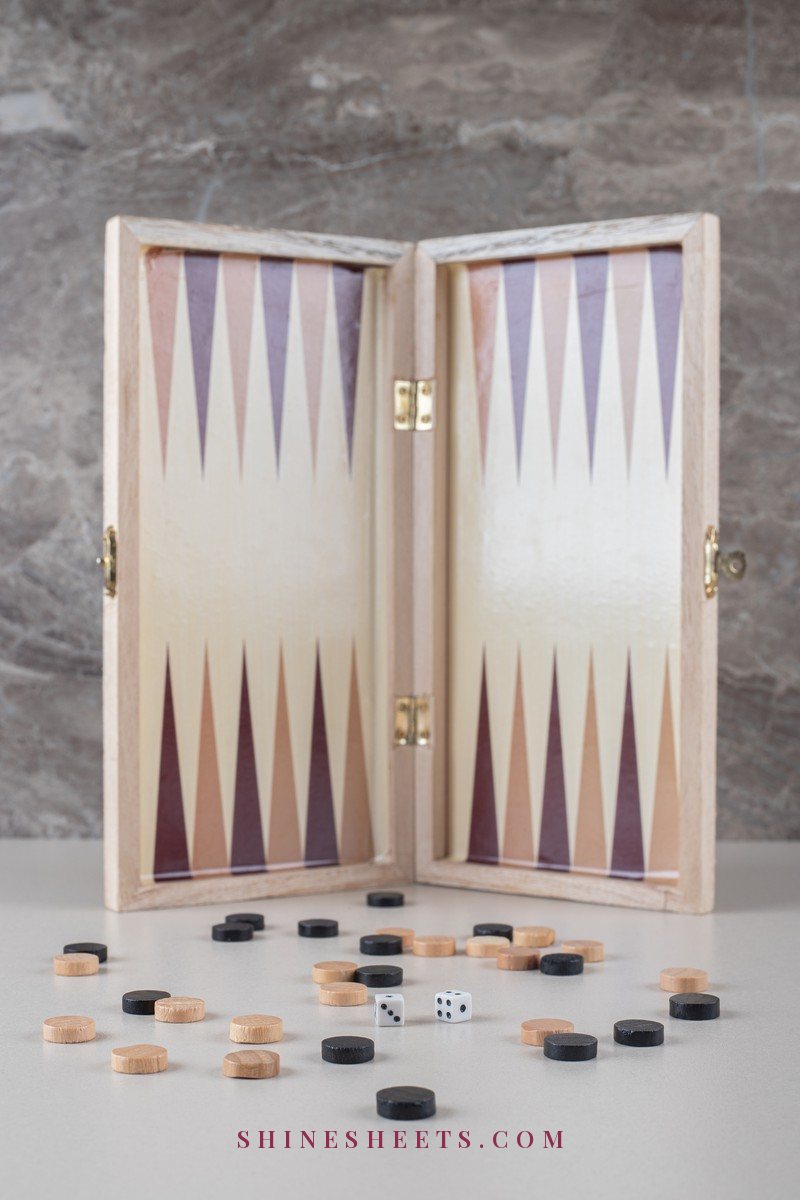
Think back to what you loved doing before anyone asked you to be good at it. Building forts, drawing horses, roller skating, card games with a grandparent, making up dances. Pick one and try a grown-up version for 20 minutes.
Ask yourself: what did I do for hours without being told? The answer is often a strong hint about your play personality. If those memories feel tender, my gentle inner child healing exercises can help you approach them with kindness.
2. Host a Jigsaw or Board Game Night
A jigsaw is one of the easiest ways back into play, because it's calm, absorbing and impossible to do "wrong". Set one up on a side table and add a few pieces whenever you pass by. A pastel jigsaw puzzle with a soft floral or landscape image is a pick here; I'd choose 500 pieces for a first one and 1,000 if you want it to last a few evenings.
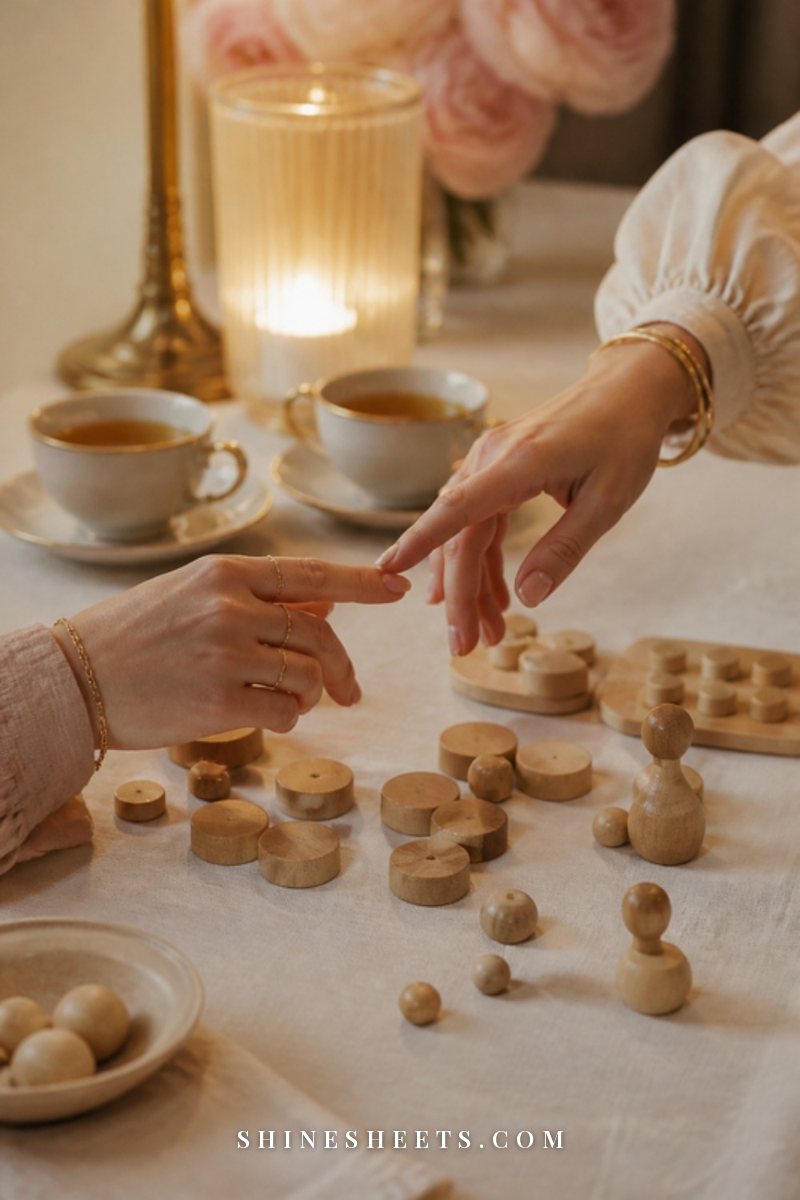
If you prefer company, invite one or two friends for a board game evening. Keep it simple: tea, a candle, a game everyone can learn in five minutes.
3. Doodle or Color
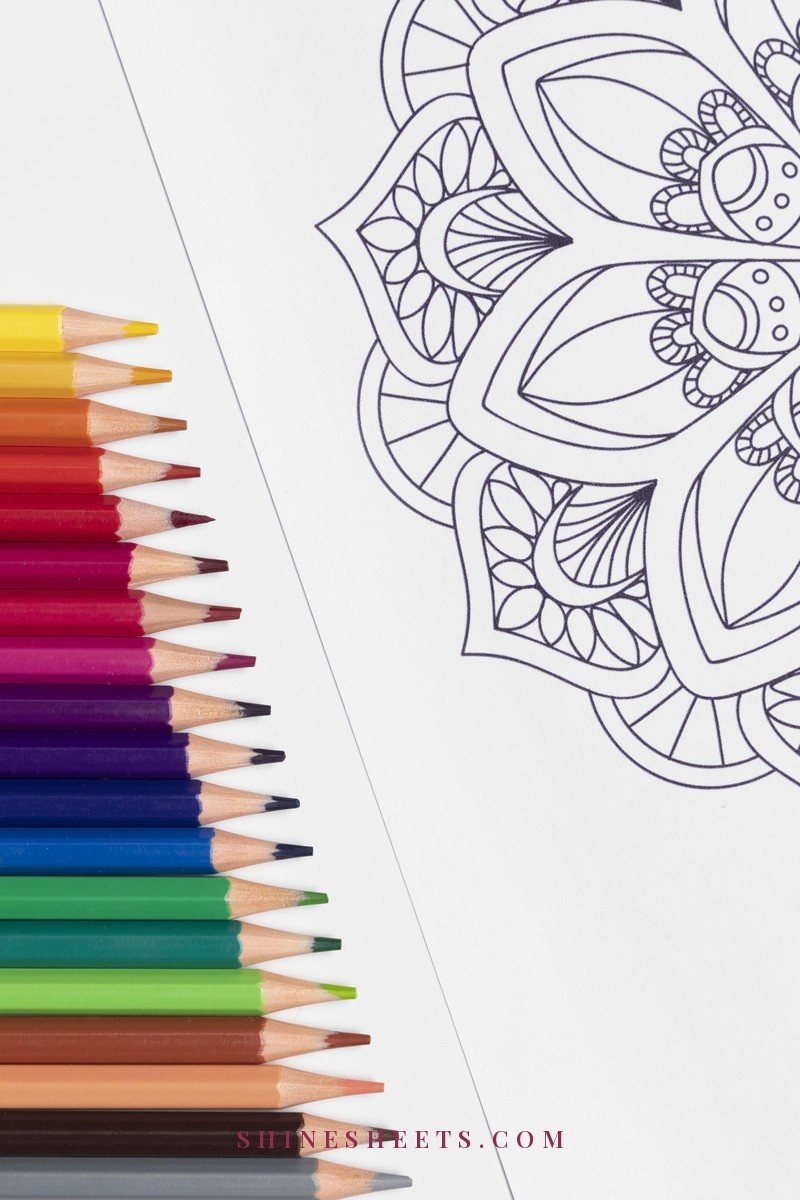
Doodling and coloring are play in its gentlest form. Your hands are busy, your mind wanders and nothing needs to be finished. Keep a pen and loose paper by the sofa and doodle while you listen to music or a podcast.
A cream adult coloring book with floral designs is a lovely start if a blank page feels intimidating. Look for thick paper printed on one side only, so colors don't bleed through. If you'd like to go a step further, a lavender watercolor set with a few soft pastel shades and a water brush lets you play with color without any setup. My guide on how to be more creative every day has more small ideas if you enjoy this kind of play.
4. Dance in the Kitchen
Put on one song you loved as a teenager and dance while the kettle boils. No choreography, no mirror, no one watching. Three minutes is enough. This is the quickest form of play there is, and it shifts your mood surprisingly fast. If you feel self-conscious, close the curtains and start with just swaying. Nobody has ever regretted dancing badly to a good song.
5. Build Something With Your Hands
Working with your hands pulls you into the present in a way that screens can't. Try sculpting, a simple wooden model, a small terrarium or rearranging flowers from the market. A sage air-dry clay kit is a pick for this: soft, easy to shape, and it dries without an oven. Make a tiny dish, a little figure or something completely abstract. If it turns out lopsided, even better.
6. Take a Playful Walk With a Small Mission
Turn an ordinary walk into a tiny adventure by giving it a playful mission. A few ideas:
- Find five things that are pink.
- Take a turn you've never taken before at every second corner.
- Look for the prettiest door in your neighborhood.
- Collect one fallen leaf, petal or stone that catches your eye.
The mission doesn't matter. It simply gives your attention somewhere fun to go.
7. Play a Silly Game With Friends
Laughing together is one of the best parts of adult friendship, and games make it easy. Charades, a drawing game, a storytelling game or a lighthearted card game all work. A baby blue card game for friends with quick rounds and simple rules is a pick for this; look for one meant for small groups that you can learn in a few minutes and that's built around laughter, not trivia.
Tip: make the first round a practice round. It takes the pressure off anyone who's nervous about getting it wrong.
8. Protect a Weekly No-Purpose Hour
This is the one that ties everything together. Choose one hour a week (Sunday afternoon, a weekday evening) and protect it like an appointment. The only rule: whatever you do in it must have no purpose. No learning, no improving, no tidying, no content for anyone.
Some weeks you'll paint. Some weeks you'll lie on the floor listening to music. Some weeks you'll do a jigsaw with a cup of tea. All of it counts. If you don't know what to do when the hour starts, sit for five minutes and let your curiosity choose.
Tiny Moments of Play in an Ordinary Day
Play doesn't always need its own time slot. Once you start noticing it, you'll find little openings for it everywhere. A few easy ones:
- Make a chore a game. Put on two songs and see how much of the kitchen you can tidy before they end. Laugh when you lose.
- Use a playful object. Write your grocery list in a colored pen, drink your tea from the mug that makes you smile, wear the fun socks.
- Change one small routine. Take a different route home, eat breakfast by a different window, read in the bath instead of on the sofa.
- Say yes to a small silly idea. A friend suggests a picnic on the living room floor or a blanket fort for movie night? Yes.
- Doodle in the margins. Little stars, flowers and swirls next to your to-do list make the list itself feel lighter.
- Play with your senses. Light a candle you love, try a new tea, rearrange flowers in a vase three different ways and keep the one you like best.
These tiny moments won't replace a proper hour of play, but they keep the habit warm in between. Over time, a playful attitude spreads into the rest of your day, and ordinary tasks start to feel a little less heavy.
It also helps to notice who you're most playful with. Some friends bring out your silly side instantly, while others make you feel you have to be polished. Spend a little more time with the first kind, and let yourself be the one who suggests the game.
How To Keep Play From Becoming Another Goal
Here's the trap: we discover play is good for us, and immediately turn it into a project. Suddenly there's a play streak, a play tracker and a feeling of failure if you skip it. A few gentle guardrails:
- No tracking. Don't count minutes or keep score of how often you play.
- No sharing pressure. You don't have to post the painting or tell anyone about it.
- Allow quitting. If something stops being fun, stop. Unfinished puzzles are allowed.
- Keep it cheap and simple. You don't need a full craft setup. Paper and a pen are enough.
- Let it be bad. The wonkier the drawing, the more it counts as play.
If you notice yourself saying "I should play more", soften it to "I'm allowed to play". That one word changes everything.
When Nothing Feels Fun
Sometimes play feels out of reach not because you're busy or self-conscious, but because nothing feels enjoyable at all. If that has been true for a few weeks, or you feel flat, tired and disconnected most days, please be gentle with yourself and reach out. A therapist or doctor can help you understand what's going on and find support. That's not a failure of willpower. It's a sign you deserve some care.
Final Thoughts
Play is not a luxury or a reward for finishing your to-do list. It's a small, joyful way of being human that you're allowed to keep for your whole life.
Start with one tiny thing this week: a song in the kitchen, a few puzzle pieces, a doodle beside your tea. Let it be a little silly and completely useless, and notice how much lighter everything else feels afterward.