The new sofa that made you smile every evening for a month. The pay rise that felt huge for one paycheck. The apartment with the big window you swore you'd never take for granted. And then, quietly, each one became just... normal. That isn't you being ungrateful. It's your brain doing exactly what it was built to do.
That quiet fading has a name: hedonic adaptation. In this guide I'll walk you through what it means in plain words, why it happens to everyone, why it's actually protective, and eight gentle, very doable ways to keep joy fresh in the life you already have (no shopping spree required).
It took me a long time to stop blaming myself for "getting used to" good things. Once I understood the mechanism, I could work with it instead of against it, and that changed far more than any new purchase ever did.
What Is Hedonic Adaptation?
Hedonic adaptation is our tendency to get used to changes in life, both good and bad, and drift back toward our usual level of happiness. Psychologists sometimes call that usual level a "baseline" or "set point." Something lovely happens, your mood lifts, and then over weeks or months the lift slowly flattens out until the new thing is simply part of the background.
You may also hear it called the "hedonic treadmill." The image is a bit bleak but accurate: you keep walking toward the next good thing, expecting it to finally make you happier for good, and you end up roughly where you started.
Here's the part that matters most: it works in both directions. We also adapt to disappointments, losses and inconveniences. The same system that makes a new car feel ordinary is the one that helps us recover after a breakup, a move or a hard season. It isn't a design flaw. It's a stabilizer.
What hedonic adaptation is not:
- Not a sign you're spoiled. Everyone does it, at every income level.
- Not proof that nothing can make you happy. Some things fade slowly, and you can slow the fading on purpose.
- Not something to fight with willpower. You work with it through small habits, not by scolding yourself.
Everyday Examples of Hedonic Adaptation
Once you know what to look for, you'll see it everywhere. A few classic examples:
- A new phone. For a week you notice how fast and smooth it is. By month two, you only notice it when it's slow.
- A pay rise. The first paycheck feels like a gift. A few months later your spending has quietly stretched to fit it, and the extra money no longer feels extra.
- A new apartment. The light, the extra closet, the quiet street. Then it becomes "home," and you start noticing the scuffed floor instead.
- A big achievement. The degree, the promotion, the finished project. The glow is real, but brief, and soon your mind is on the next goal.
- A relationship. The early sparkle settles into something steadier. That's healthy, but it can feel like something's "missing" if you don't understand the shift.
- Little luxuries. The fancy coffee that was a treat becomes the daily default, and now an ordinary one feels like a downgrade.
If that last achievement point stings a bit, you might also recognize the arrival fallacy: the belief that reaching a goal will finally make you feel settled. They're close cousins.
Why Getting Used to Things Is Actually Protective
It can feel unfair that good things fade. But imagine the opposite. If every pleasant change kept its full intensity forever, your attention would be flooded and you'd stop noticing what's new and important. And if every painful change kept its full sting, nobody could recover from a loss.
Adaptation frees up your attention for what's changing now. That's useful. It's why you stop hearing the hum of the fridge, and it's also why the hurt of a rejection softens with time. Your brain is constantly asking, "Is this new? Does this need my attention?" Things that stay the same get filed under "safe, no action needed."
The goal isn't to stop adapting. The goal is to bring a little newness and attention back to the good parts of your life, gently and on purpose, so they don't slip entirely into the background.
Why Joy Fades Faster When Life Feels Rushed
Hedonic adaptation happens to everyone, but some conditions speed it up. Two of the biggest ones are hurry and comparison.
Hurry Skips the Noticing Part
Joy needs a moment of attention to land. When you eat breakfast while answering messages, walk past the flowers on your table without looking, or rush from one plan to the next, good moments happen around you instead of to you. The pleasure is there, but you don't register it, so it fades before it ever really arrived.
A quick self-check: if you can't remember anything you enjoyed yesterday, it's probably not because nothing good happened. It's because there was no pause to catch it.
Comparison Moves the Goalposts
Comparison quietly resets your baseline. You loved your little balcony until you saw someone's rooftop terrace online. Nothing about your balcony changed, but suddenly it feels smaller. Constantly looking at other people's highlights keeps nudging your expectations upward, so what you have feels ordinary faster. If this one hits home, my guide on how to stop comparing yourself to others has kind, practical ways to step off that particular treadmill.
"More" Becomes the Default Fix
When a pleasure fades, the instinct is to get a bigger or newer version. That works for a little while and then fades too, often faster. That's why the ideas below focus on attention, variety and connection rather than buying the next upgrade.
8 Ways To Keep Joy Fresh
None of these require money or a big life change. Pick one or two that feel easy this week, and let the rest wait. Joy is not another task to perfect.
1. Savor Good Moments on Purpose
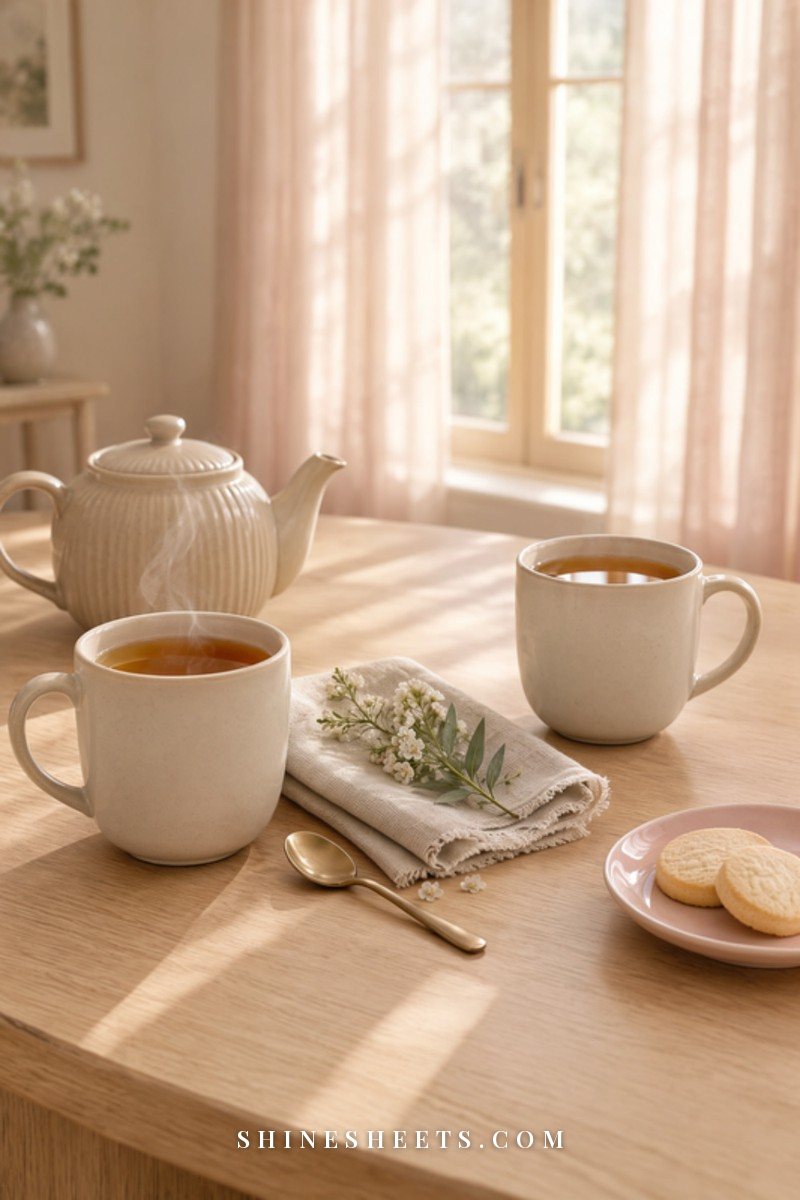
Savoring means stretching a good moment by paying full attention to it. It's the simplest antidote to adaptation because it brings back the noticing that fading takes away.
How to do it: Once a day, choose one small pleasure (your first sip of tea, the warm water in the shower, a song you love) and give it 30 seconds of full attention. Notice temperature, smell, texture, sound. Then say to yourself, in your head, "This is nice." It sounds almost too small, but naming the feeling helps it stick.
A morning drink in a mug you genuinely love makes this easier. A pick for this would be a simple cream ceramic mug with a comfortable handle and a weight that feels good in your hands, because a ritual that feels pleasant is one you'll actually repeat. For many more ways to soak up good moments, my guide to savoring the little things goes deeper.
2. Choose Variety Instead of More
We adapt fastest to things that are exactly the same every time. Small variations keep your brain paying attention, and they cost nothing.
How to do it: Take the pleasures you already have and change one detail. Walk a different route to the same park. Try a different tea flavor on Sunday. Rearrange the books on your shelf by color. Meet your friend at a new cafe instead of the usual one. The pleasure stays the same, but the slight newness makes it feel fresh again.
A simple formula: same joy, new detail. Ask, "What's one tiny thing I could change about this?" instead of "What could I get instead?"
3. Space Your Pleasures Out
A treat you have every day stops being a treat. The same treat once a week stays special for much longer. Spacing out gives your baseline time to "reset," so the pleasure lands fully again.
How to do it: Choose one daily habit that used to feel special (a face mask, a bubble bath, a favorite show, a bakery stop) and move it to once or twice a week. Put it on a specific day, like "Friday evening bath." Anticipation becomes part of the joy, and research on happiness suggests that looking forward to something can be almost as pleasant as the thing itself.
This is gentle, not about restriction. You're not denying yourself; you're giving the good thing room to breathe.
4. Rotate Your Belongings
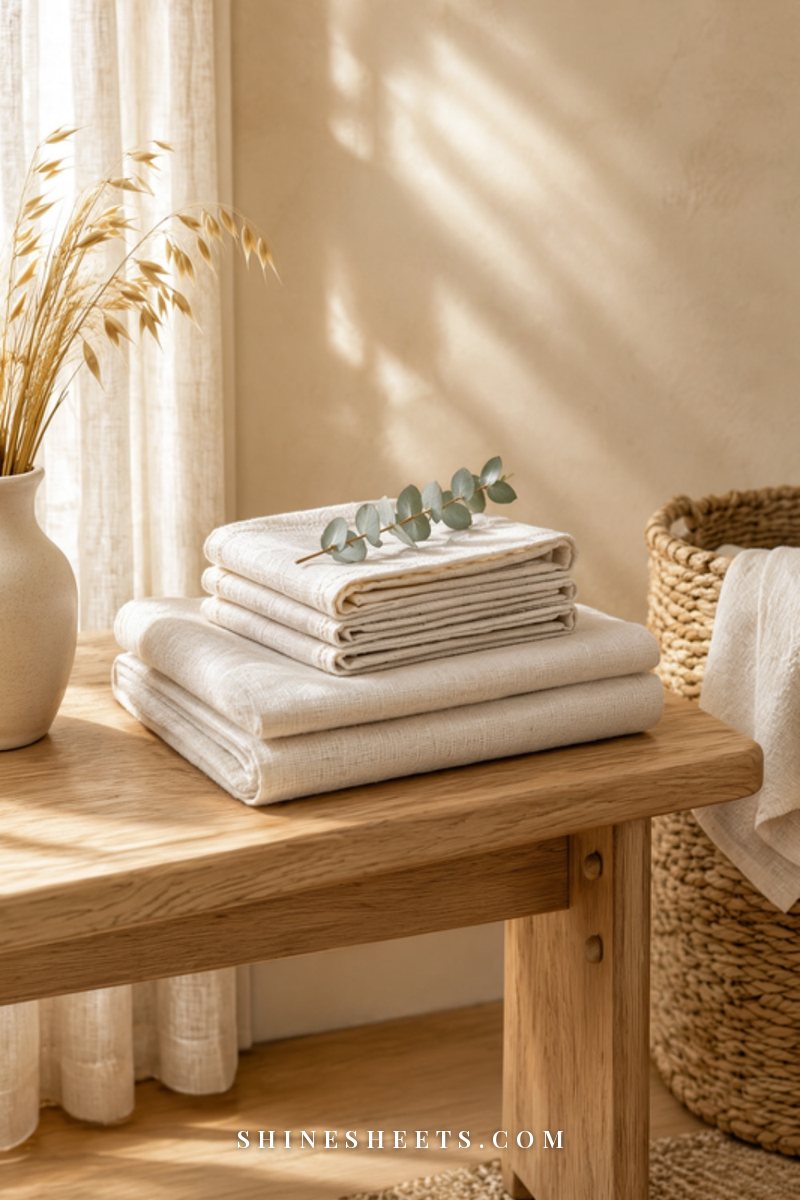
Things that are always in sight quietly become invisible. Rotating them, the way stores rotate their displays, helps you see them again.
How to do it: Every four to six weeks, put a few decor pieces, throws, mugs or accessories away in a box, and bring out a few that were stored. Swap the cushions on your sofa, move a painting to a different wall, or bring a lamp from the bedroom into the living room. When the stored items come back, they feel almost new, even though you've owned them for years.
Soft lighting is one of the easiest things to move around and enjoy again. Look for warm white fairy lights with a timer and battery pack, so you can drape them over a shelf one month and around a window frame the next without any rewiring. If you've been feeling the pull to buy more, my guide on how to be happy with less stuff pairs perfectly with this habit.
5. Notice Your Glimmers
Glimmers are the tiny moments that make you feel safe, calm or quietly happy: sunlight on the wall, a kind text, the smell of clean laundry, a dog wagging at you on the street. They're the opposite of triggers, and they're everywhere once you start looking.
How to do it: Set a soft intention to spot three glimmers a day. You don't need to write them down (though you can). Just pause and mentally say, "Glimmer." Over a couple of weeks, your attention starts catching them automatically, which is exactly the kind of noticing adaptation dulls. If you'd like inspiration, here's a long list of glimmers to look out for.
Evenings are a lovely time to look back on the day's glimmers. A lavender scented candle in a glass jar is a pick for this, ideally one with a cotton wick and a soft, not overpowering scent, so lighting it becomes a little signal that it's time to slow down. Never leave a candle burning unattended or near curtains.
6. Write Gratitude Specifically

Gratitude lists can turn into autopilot ("my family, my health, my home") and then they fade too. The fix is specificity. The more precise the detail, the more your brain actually re-experiences it.
How to do it: Two or three times a week, write down three things, each with a concrete detail and a reason. Instead of "my apartment," try "the way the morning light hits the kitchen counter, because it makes breakfast feel calm." Instead of "my friend," try "Sara sending me that silly photo when she knew I was nervous."
A little formula that helps: what + detail + why it mattered. Two or three times a week is plenty; doing it every single day can make it feel like a chore, which is its own kind of adaptation.
Journaling after my evening tea is one of my favorite rituals, and having a dedicated notebook makes it feel special. A guided gratitude journal with short prompts and space for just a few lines per day is a kind choice if a blank page feels intimidating. Pair it with a pastel pen set in soft colors, because a small aesthetic pleasure makes it more likely you'll open the journal at all. If you need fresh questions, my gratitude journal prompts have plenty.
7. Imagine Life Without Something You Love
This one sounds a little sad, but it's surprisingly powerful. Briefly imagining that something good had never happened (or wasn't in your life) breaks the "of course it's here" feeling and brings back appreciation.
How to do it: Pick one thing you've stopped noticing: your warm bed, your best friend, your morning walk, your health on an ordinary day. Take two minutes to imagine how your week would look without it. Then come back to the present and notice it's still here. Keep this light and short; the point is appreciation, not worry. If you're prone to anxiety like I am, choose something simple and practical (like your favorite blanket) rather than a person.
8. Spend on Shared Experiences
When it comes to where your money and time go, experiences tend to fade more slowly than objects, and shared experiences fade most slowly of all. You relive them in conversation, they become stories, and they connect you to people.
How to do it: Instead of upgrading something you already own, put a little of that budget or time toward a shared moment: a picnic, a board game night, a museum afternoon, a long walk with a friend, a cooking class together. It doesn't have to cost anything. A Sunday walk with someone you love and a thermos of tea counts.
Afterward, talk about it. "Remember when we got caught in the rain?" is savoring in disguise, and it keeps the memory bright for years.
Your Joy Refresh Table
Here's a quick table you can screenshot. It shows common things we get used to, why the joy faded, a small way to refresh it, and how often to try. Use it as a starting point and fill in your own versions in your journal.
| Thing you got used to | Why it faded | Small refresh idea | How often |
|---|---|---|---|
| Your home | Same layout, same view every day | Move one piece of furniture or swap cushions and throws | Every 4–6 weeks |
| Morning coffee or tea | Drunk on autopilot while busy | First three sips with no phone, full attention | Daily |
| Your wardrobe | Same five outfits on repeat | Store half your clothes, swap them back next season | Every season |
| A close friendship | Routine chats, same plans | Try a new place or activity together | Monthly |
| Your relationship | Early sparkle settled into routine | Recall a favorite memory together, plan one new date | Every 2 weeks |
| Your neighborhood | Same route every day | Take a new street or visit a spot you've never tried | Weekly |
| A pay rise or extra money | Spending stretched to fit it | Name one specific thing it made easier this month | Monthly |
| Your favorite treat | Had it so often it became normal | Move it to one set day and look forward to it | Weekly |
| Your health on a good day | Only noticed when something hurts | Thank your body for one thing it did today | 2–3 times a week |
You don't need to do all of these. Choose the two rows that made you nod, and start there.
The Other Side: You Adapt to Hard Times, Too
It's worth remembering that hedonic adaptation is also a quiet ally. When something difficult happens, like a move you didn't want, a loss, a disappointment or a change in health, it can feel like the heaviness will last forever. Often it doesn't. Most people slowly find their footing again, sometimes faster than they expected. If you're in the middle of a big shift, my guide on how to cope with change may feel supportive.
That said, adaptation isn't guaranteed, and it's not a race. Some experiences take a long time to soften, and some need support. If low mood, emptiness or a lack of joy has lasted for more than a couple of weeks, or if nothing feels good anymore, please talk to a therapist or your doctor. That isn't a failure to adapt; it's a sign you deserve extra care, and getting help is a strong, sensible step.
Small Ways To Make Joy a Habit
If eight ideas feel like a lot, here's a gentle weekly rhythm that combines them without effort:
- Every day: 30 seconds of savoring with your morning drink, and spotting one or two glimmers.
- Two or three evenings a week: three specific gratitudes in your journal, with a candle and tea if you like.
- Once a week: one spaced-out treat on a set day, and one small "new detail" (a new route, a new cafe, a new playlist).
- Once a month: rotate a few belongings and plan one shared experience.
That's it. No tracking, no streaks, no pressure. Think of it less as a self-improvement plan and more as giving your attention back to the life you've already built.
Final Thoughts
Getting used to good things doesn't mean you don't appreciate them. It means you're human, with a brain that's very good at keeping you steady. The joy hasn't disappeared; it's just slipped into the background, waiting for you to notice it again.
A slower sip of tea, a rearranged shelf, a gratitude line with one real detail, an afternoon with someone you love. Small, gentle, repeatable. That's how ordinary days start to feel a little brighter again, and how the life you already have becomes the one you truly enjoy.