Being independent isn't about needing no one. It's about trusting yourself enough that you can handle most of what life hands you, and choosing to lean on people because you want to, not because you feel lost without them. That kind of independence feels calm, not lonely.
A lot of us were never really taught this. We learned to check with a friend before buying a coat, to wait for someone to come along before trying a new café, to hand the tricky phone calls to whoever seemed more capable. None of that is a flaw. It just means a few muscles haven't had much practice yet.
This guide is all about how to be more independent in four areas of life: emotionally, practically, financially and socially. You'll also find a section on staying independent inside a relationship, a gentle warning about going too far the other way, and a 30-day independence challenge with one small task a day.
Nothing here asks you to become a different person. It asks you to take yourself a little more seriously, one small, slightly brave step at a time.
What Independence Really Means (and What It Doesn't)

Independence is self-trust in action. It's knowing that if the sink leaks, the plan falls through or a friendship changes, you'll figure out a next step. You might feel wobbly, you might ask for advice, but you won't fall apart waiting for someone to rescue you.
Here's what it is not:
- Isolation. Independent women still have close friends, family and partners. They just aren't held hostage by needing constant reassurance.
- Doing everything alone to prove a point. Refusing all help is its own kind of fear, and we'll talk about that later.
- Never feeling scared. Independence is mostly doing slightly scary things while scared, and noticing you survived.
- A personality type. It's a set of skills. Skills can be learned at any stage of life.
If you only remember one line from this article, let it be this: every time you handle something yourself, you collect evidence that you can. That evidence is what builds confidence, much more than any pep talk. My guide on how to trust yourself goes deeper into that idea if it resonates.
Emotional Independence: Becoming Your Own Safe Place
Emotional independence is the foundation for everything else. When your mood depends entirely on a quick reply, a compliment or someone else's approval, every other area of life feels shaky too. The goal isn't to stop caring what people think. It's to have your own steady center to come back to.
1. Learn To Self-Soothe First
When something upsets you, notice your first instinct. Is it to text three people immediately? That's very human, and you don't have to stop reaching out. Just add a short pause first.
Try the 10-minute rule: before you message anyone about a hard feeling, give yourself ten minutes. Breathe slowly (in for four, out for six), make a cup of tea, walk around the block or write the feeling down in a few sentences. After ten minutes, decide whether you still want to talk it through. Often you will, and that's lovely. Sometimes you'll realize you already know what you need.
I'm prone to anxiety, and this tiny pause changed a lot for me. It didn't make me need people less. It made me show up to conversations calmer and clearer.
2. Make Small Decisions Without Polling Everyone
If you routinely send outfit photos to the group chat, ask a friend which paint color to choose or need three opinions before booking a haircut, start with tiny decisions and make them alone.
- Pick a restaurant without asking for votes.
- Choose a book, a candle or a sweater based purely on what you like.
- Decide what to do with a free Saturday before telling anyone your plans.
Use this quick formula when you feel stuck: "What would I choose if nobody ever saw this?" Then go with that answer. Low-stakes choices are the training ground for the bigger ones.
3. Practice Being Okay Alone
Being alone and feeling lonely are not the same thing. Time with yourself, on purpose, is how you learn what you actually enjoy when no one is watching. Start with one hour a week where you're alone with your phone in another room: read, journal, take a bath, cook something simple for yourself or sit with music.
If an hour feels long, start with twenty minutes. If you'd like ideas for making solitude feel warm instead of empty, my guide on how to be happy alone has plenty.
4. Validate Yourself Before You Ask Others
Before you ask "Did I do okay?", answer it yourself. Write three lines in a simple guided journal: what happened, what you did well, and what you'd tweak next time. Then, if you still want someone's opinion, ask. You'll notice you need fewer reassurances when you've already given yourself a fair review.
Practical Independence: Everyday Life Skills
Practical skills are where independence becomes visible. These are the little tasks that feel intimidating until you've done them once, and then feel completely ordinary. You don't need to learn them all this month. Pick the one that makes you wince the most and start there.
5. Run Your Own Errands Solo
The post office, the pharmacy, returning something to a store, going to the bank to ask a question. If you usually bring someone along for moral support, try one errand alone this week. Before you go, write down what you need to say in one sentence (for example: "I'd like to return this, I have the receipt"). Having the words ready takes away most of the nerves.
6. Learn Small Home Repairs
Hanging a picture, tightening a loose cabinet handle, unclogging a slow drain, resetting a tripped breaker, changing a lightbulb in a tricky fixture. Each of these takes under 30 minutes once you've watched one tutorial and have the right tools on hand.
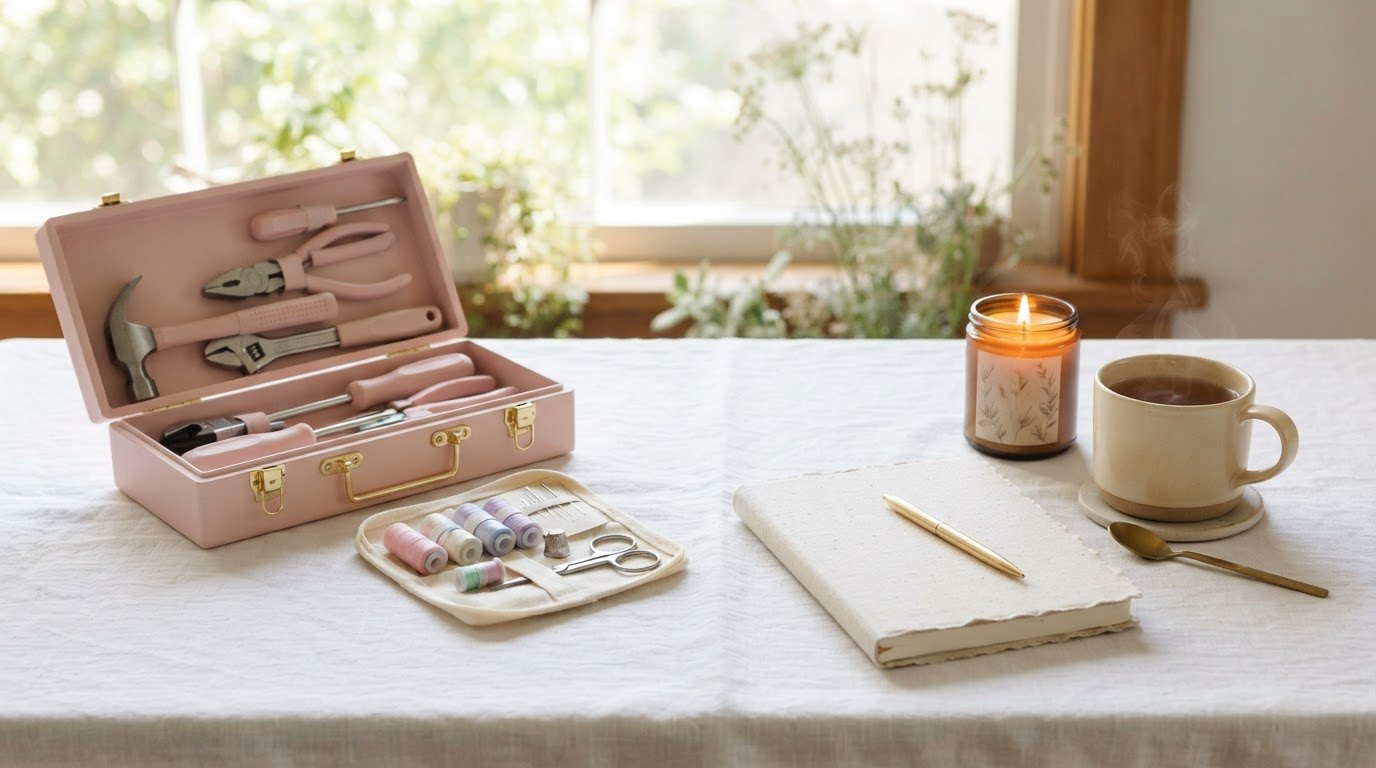
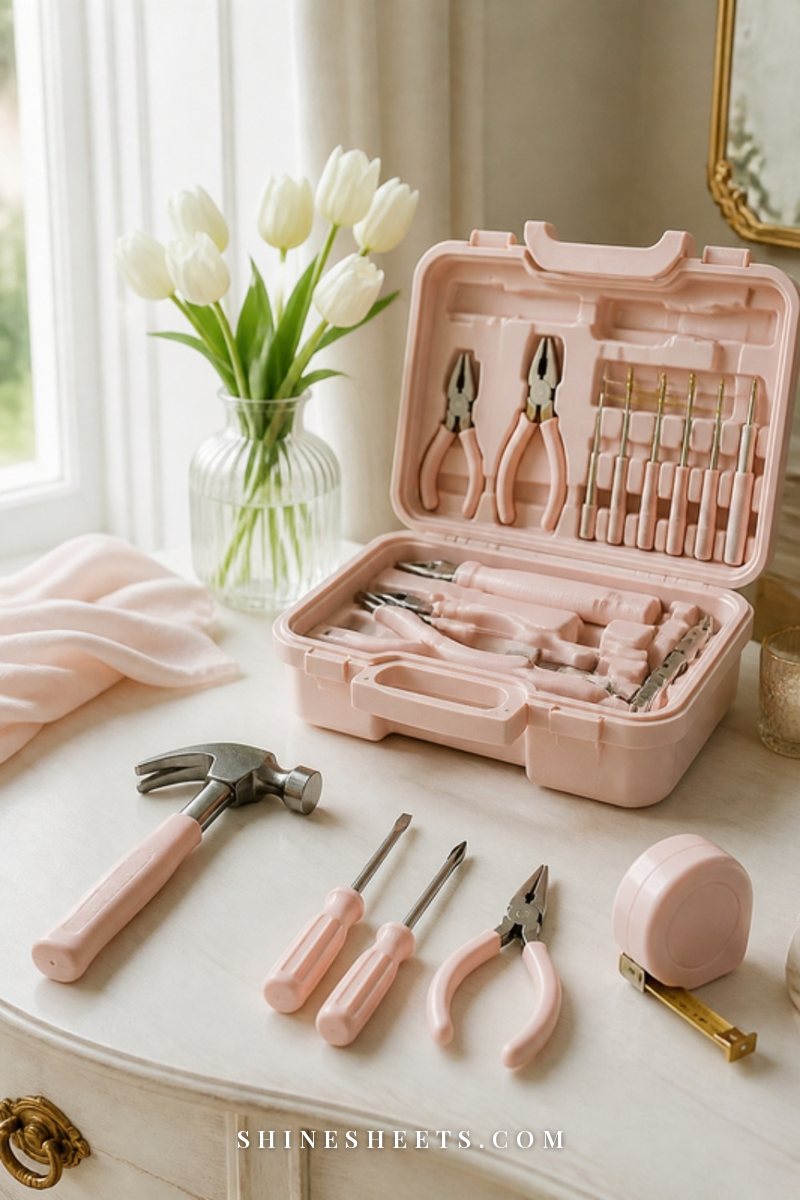
A pretty, compact pink household tool kit is a pick I'd suggest, because when the tools live in one place, you actually reach for them. Look for one with a hammer, a screwdriver set with flat and Phillips heads, pliers, a measuring tape and a small level. If you want the full list of skills worth learning, my guide to life skills every woman should know is a good companion to this section.
7. Get Comfortable Navigating
Plenty of capable women still panic in an unfamiliar train station or rely on a friend to drive everywhere new. Practice in low-pressure ways:
- Take public transport somewhere new on a weekend afternoon, when there's no time pressure.
- Look at the route before you leave so it doesn't feel completely foreign.
- Walk to a nearby neighborhood you don't know and find your way back.
- Plan one day trip alone, with tickets, a timetable and a café you want to visit.
For trips, I like keeping documents, cards, chargers and a lip balm together in a soft travel organizer pouch. Knowing exactly where everything is makes traveling solo feel much less chaotic.
8. Make the Phone Calls You've Been Avoiding
Booking an appointment, calling the insurance company, disputing a charge. These calls feel huge and usually take seven minutes. Use this mini script: "Hi, my name is ___. I'm calling about ___. Could you help me with ___?" Write your account number and the key dates on a sticky note before you dial. Then reward yourself afterwards with something small. Your brain learns quickly when hard things come with a little treat.
Financial Independence: The Calm Basics
Financial independence doesn't mean being wealthy. It means knowing where your money goes, having some of it in your own name and not feeling helpless if something unexpected happens. This isn't investment advice, just the gentle basics that create a lot of peace.
9. Have an Account That's Yours
Whatever your living situation, having at least one bank account in your own name, with your own login, is a quiet form of security. If you share finances with a partner, that's completely fine. Having a personal account alongside joint ones is simply sensible, and it doesn't say anything about trust.
10. Know Your Numbers Monthly
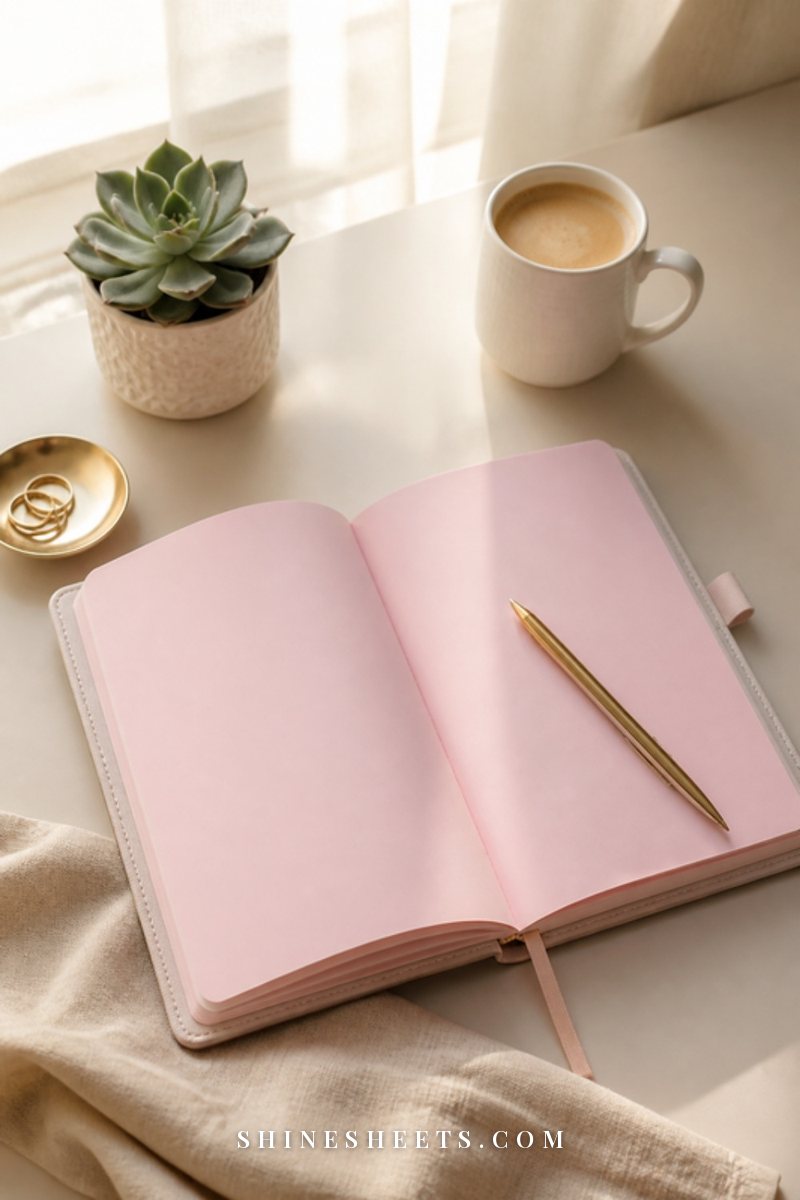
Once a month, sit down for 30 minutes and look at three numbers: what came in, what went out and what's left. That's it. You don't need a complex system. A pastel monthly budget planner or a simple notes page works, as long as you actually open it.
Make it pleasant: light a candle, put on a playlist, pour yourself a tea. The goal is to stop money feeling like a scary closed door.
11. Build a Small Emergency Cushion
An emergency fund is one of the most freeing things you can build, because it turns a crisis into an inconvenience. Start with a small, reachable goal, like one month of basic expenses, and set up an automatic transfer on payday, even if it's a small amount. My step-by-step guide to building an emergency fund walks through exactly how to start when money feels tight.
Social Independence: A Life That's Yours
Social independence means your weekends, interests and joy aren't fully dependent on other people's availability. You still love your people. You just don't put your life on hold until someone else is free.
12. Go on Solo Dates
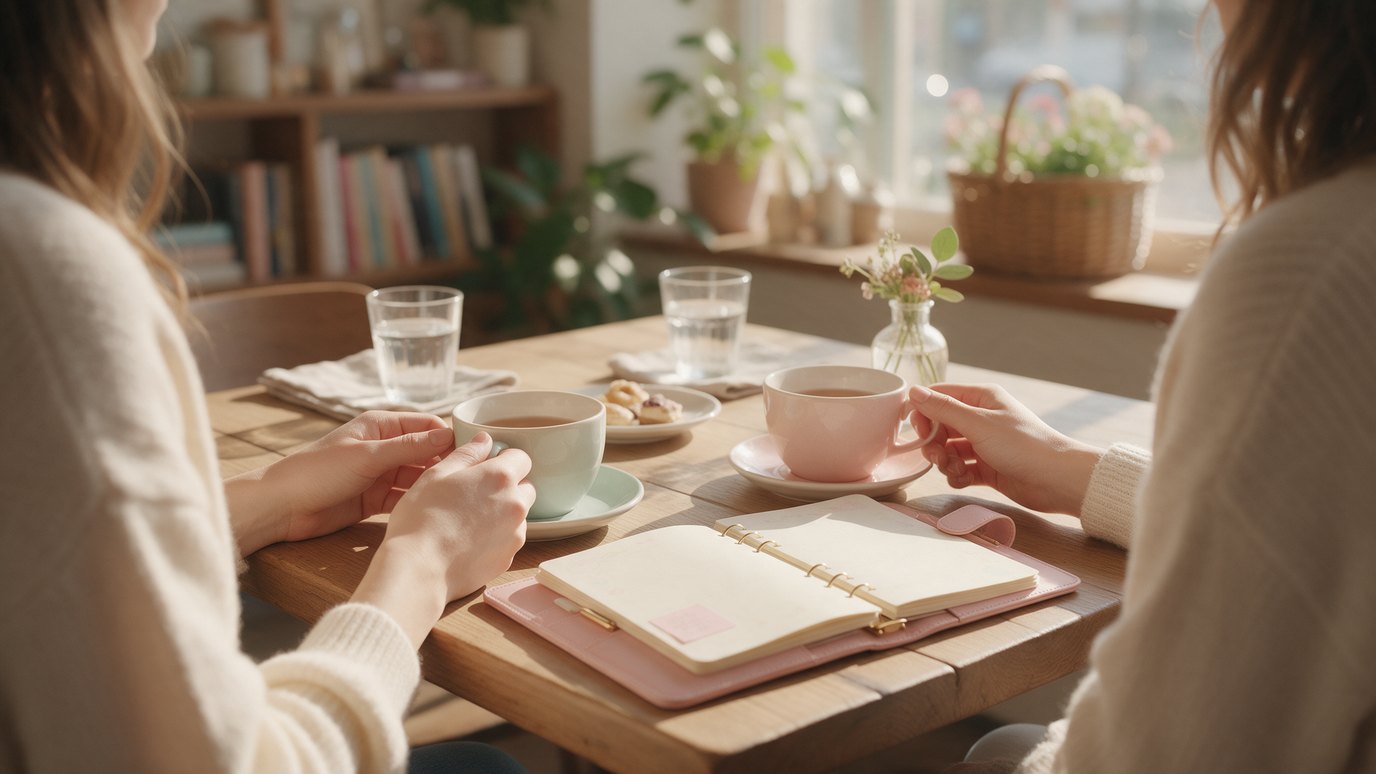
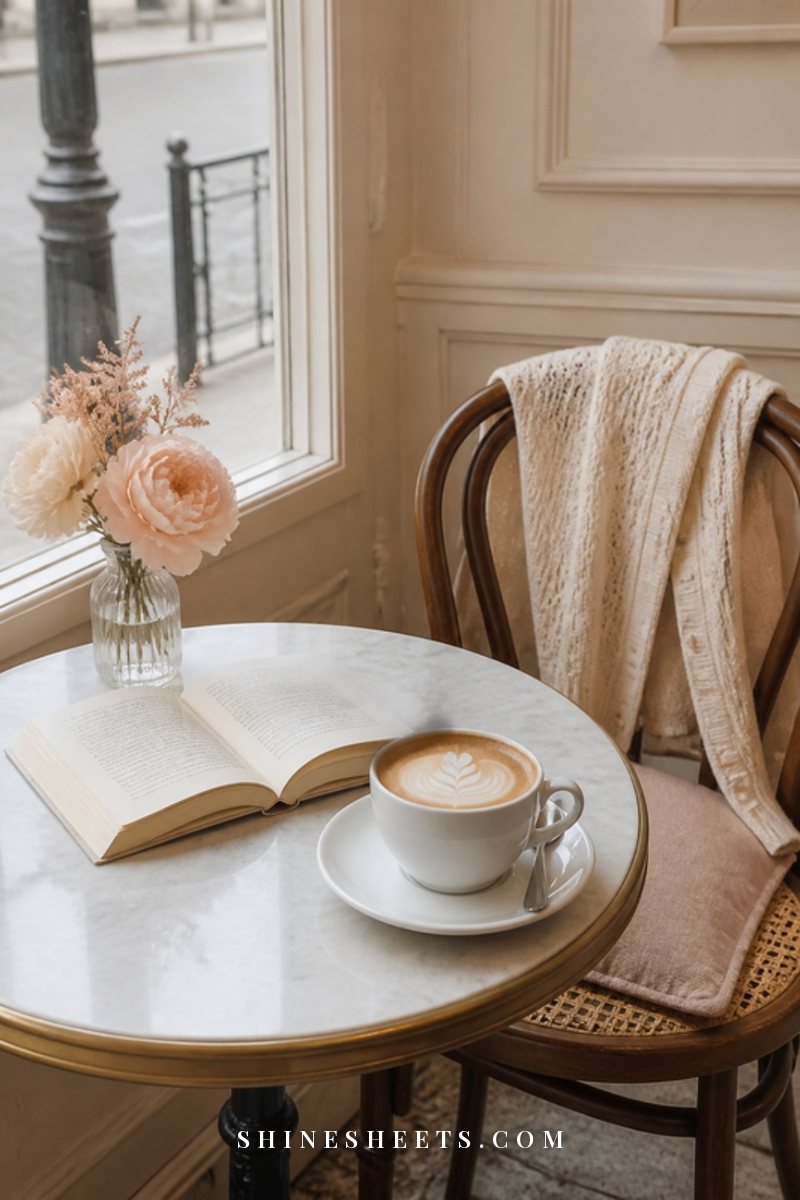
A solo date is time you plan for yourself, with the same care you'd put into plans with someone you love. Start easy: a coffee and a book at a café, a museum visit, a matinee movie, a long walk ending at a bakery. Graduate to a solo dinner, a class or a weekend trip.
The first few times can feel a bit exposed. Bring a book, sit near a window and remember that nobody is paying attention as much as you think. If you need inspiration, I put together a long list of solo date ideas for every budget and comfort level.
13. Keep Hobbies That Belong Only to You
Have at least one interest that isn't shared with a partner, a best friend or a group chat. Reading, pottery, running, journaling, gardening, learning a language. Something you do because it fills you up, not because it's a social activity.
Evenings with tea, a good novel and a warm cream bedside reading lamp are one of my favorite forms of independence. It sounds small, but having a ritual that's entirely yours is a powerful reminder that your own company is good company.
Independence in Relationships: Interdependence
Being more independent doesn't mean holding people at arm's length. The healthiest relationships are interdependent: two whole people who choose to share a life, support each other and still have their own friends, interests and opinions.
Signs you're in a good interdependent rhythm:
- You can spend an evening apart without anxiety.
- You make decisions together but also keep some that are fully yours.
- You each have friends outside the relationship.
- You can disagree without feeling like the relationship is at risk.
- You ask for help when you need it, and you offer it freely.
If you notice you've slowly merged into someone else's routine (their friends, their hobbies, their schedule), there's no need for a dramatic change. Add one thing back that's yours this week. Book that class. Call that old friend. Keep one evening a week for yourself. Independence in a relationship is maintenance, not rebellion.
The 30-Day Independence Challenge
This is the heart of the guide. One small task a day, grouped into four themes so each week builds on the last. Most tasks take under 30 minutes. If you miss a day, simply pick up where you left off. Screenshot it, or copy it into your journal and tick things off as you go.
| Day | Task | Area |
|---|---|---|
| 1 | Write down three things you'd love to be able to do on your own | Emotional |
| 2 | Make one small decision today without asking anyone | Emotional |
| 3 | Use the 10-minute rule before texting about a feeling | Emotional |
| 4 | Spend 30 phone-free minutes alone | Emotional |
| 5 | Write a three-line self-review of your day | Emotional |
| 6 | Buy something you like without sending a photo for approval | Emotional |
| 7 | Journal: where do I lean on others out of habit, not need? | Emotional |
| 8 | Run one errand alone that you usually share | Practical |
| 9 | Make one phone call you've been avoiding | Practical |
| 10 | Put together a basic tool kit and learn where your breaker box is | Practical |
| 11 | Fix or tighten one small thing at home | Practical |
| 12 | Plan a route somewhere new and go there alone | Practical |
| 13 | Learn one new skill from a tutorial (unclog a drain, sew a button) | Practical |
| 14 | Organize your important documents in one folder | Practical |
| 15 | Check that you have an account in your own name | Financial |
| 16 | Write down last month's income and spending | Financial |
| 17 | Cancel one subscription you don't use | Financial |
| 18 | Set a small emergency fund goal | Financial |
| 19 | Set up an automatic transfer on payday | Financial |
| 20 | List your passwords and accounts somewhere safe | Financial |
| 21 | Schedule a monthly 30-minute money date with yourself | Financial |
| 22 | Have coffee alone at a café with a book | Social |
| 23 | Sign up for one class or club that interests you | Social |
| 24 | Spend an evening on a hobby that's only yours | Social |
| 25 | Go to a museum, gallery or movie alone | Social |
| 26 | Reach out to an old friend because you want to | Social |
| 27 | Say no to one plan you don't really want | Social |
| 28 | Plan a solo day trip | Social |
| 29 | Ask for help with one thing, on purpose | Balance |
| 30 | Reread day 1 and write down what you can now do on your own | Balance |
Notice day 29. It's there on purpose. Real independence includes knowing when to ask, which brings us to the last important point.
When Independence Turns Into Hyper-Independence
Some women swing the other way: they refuse every offer of help, carry everything alone and feel uncomfortable relying on anyone. This is sometimes called hyper-independence, and it often grows from experiences where asking for help didn't feel safe. It can look strong from the outside and feel exhausting on the inside.
Signs you might be leaning that way:
- You'd rather struggle for hours than ask a simple question.
- Accepting a favor makes you feel like you owe something big.
- You downplay your needs so nobody has to help.
- You feel weak when you lean on someone, even briefly.
If this sounds familiar, practice the opposite with the same gentleness: ask for one small thing a week (a ride, a recommendation, a second opinion) and notice that the relationship survives, and often gets warmer. Healthy independence has room for other people in it.
Small Habits That Keep You Independent Long Term
The challenge gets you started. These habits keep the momentum going once the 30 days are over:
- Try one new thing alone each month. A new route, a new class, a new café, a new recipe for one.
- Keep a "handled it" list. Every time you solve something yourself, write it down. Reread it on days you feel unsure.
- Review your money monthly. Thirty minutes, same day each month, no judgment.
- Protect one evening a week for yourself. No plans, no obligations, just your own rhythm.
- Ask "what do I think?" before "what do you think?" Your opinion goes first, then you can gather others.
Over time, these small habits add up to something that feels a lot like freedom.
Final Thoughts
Becoming more independent is less about one big leap and more about a hundred small moments where you choose yourself: the phone call you finally make, the café table for one, the shelf you hang without waiting for help.
Be patient with the parts that still feel wobbly. You're not behind, you're practicing. And every small thing you handle on your own is quiet proof that you're more capable than you were giving yourself credit for.