Grace isn't something you're born with or without. It's mostly a handful of small, learnable habits: moving a little slower, speaking a little softer, listening a little longer and recovering from little mishaps without a big fuss. None of it requires a finishing school, a certain budget or a certain kind of body. It just asks you to be a bit more present in the way you move through your day.
I think of grace as calm presence rather than perfection. A graceful woman still trips over a rug, forgets a name and spills her tea now and then. The difference is that she doesn't let the moment shrink her. She smiles, fixes what she can and carries on, and the people around her relax because she did.
This guide covers how to be more graceful in everyday life: posture for standing, sitting and walking, your voice and pace, listening, table manners basics, entering a room, compliments, mistakes, staying composed under stress, kindness, discretion and phone habits. At the end there's a 30-day poise practice table you can screenshot and work through one small drill at a time.
Take what feels right for you and leave the rest. Grace looks a little different on everyone, and that's exactly how it should be.
What Grace Really Means (and What It Doesn't)
Before we get practical, it helps to clear away a few myths, because they're what make grace feel out of reach.
Grace is not being thin, tall, quiet or expensive-looking. It isn't about pearls, a particular accent or never laughing loudly. It isn't stiffness, either. Some of the most graceful women I can think of are warm, funny and a little bit messy. What they share is ease. Their bodies look comfortable, their attention feels generous and they don't rush other people.
In practice, grace usually comes down to three things:
- Calm movement: unhurried, deliberate and comfortable in your own body.
- Considerate attention: making the people around you feel seen and at ease.
- Gentle composure: staying steady when something goes wrong, including with yourself.
Notice that none of these is about looking a certain way. They're about how you feel to be around. If you love a little Old Hollywood glamour (I do), think of the way those actresses moved on screen. It wasn't the gowns that made them memorable. It was the pause before they spoke.
How To Be More Graceful: 15 Everyday Habits
These are small on purpose. Pick one or two to focus on this week rather than trying to transform everything at once. Graceful habits stick best when they're practiced lightly and often.
1. Slow Everything Down by 10 Percent
If you only try one thing from this list, make it this one. Most of what reads as "clumsy" or "frazzled" is simply speed. We grab, we rush through doors, we put cups down with a clatter because our mind is already on the next thing.
Try slowing your everyday movements by about 10 percent. Not slow motion, just slightly less hurried. Set your bag down instead of dropping it. Close cabinet doors with your hand until they meet the frame. Pick up your glass with your whole hand and put it down quietly. It feels strange for the first day or two and then it starts to feel lovely, like your body finally got a moment to breathe.
Mini drill: for one full morning, make every object you touch land silently. Mugs, keys, phone, hairbrush. It's a surprisingly effective way to retrain your hands.
2. Stand Tall Without Stiffening
Good posture is the foundation of poise, but the goal is relaxed length, not a soldier's stance. Here's a simple check you can do anywhere:
- Plant your weight evenly across both feet, knees soft rather than locked.
- Imagine a thread gently lifting the crown of your head toward the ceiling.
- Roll your shoulders up, back and down once, then let them rest.
- Let your arms hang naturally at your sides, fingers softly curved.
- Unclench your jaw and take one slow breath into your belly.
Do this check every time you're waiting: in line, for the kettle, at a crosswalk. If long desk days have rounded your shoulders, my gentle posture exercises for desk days are a good daily companion. Some women also like a soft, adjustable posture corrector as a gentle reminder for short stretches of time. Look for breathable fabric and wide, padded straps, and wear it for 20 to 30 minutes at most so your own muscles do the real work.
3. Walk With Unhurried Steps
A graceful walk is less about the hips and more about rhythm. Rushed, short steps with your head poking forward look anxious. Steady, medium steps with your head level look composed, even when you're running late.
- Lead with your chest, not your chin.
- Let your heel touch first, then roll through to your toes.
- Keep your steps a natural length; overly long strides look like marching.
- Let your arms swing softly instead of clutching your bag to your body.
- Look ahead at eye level, not down at the floor or your phone.
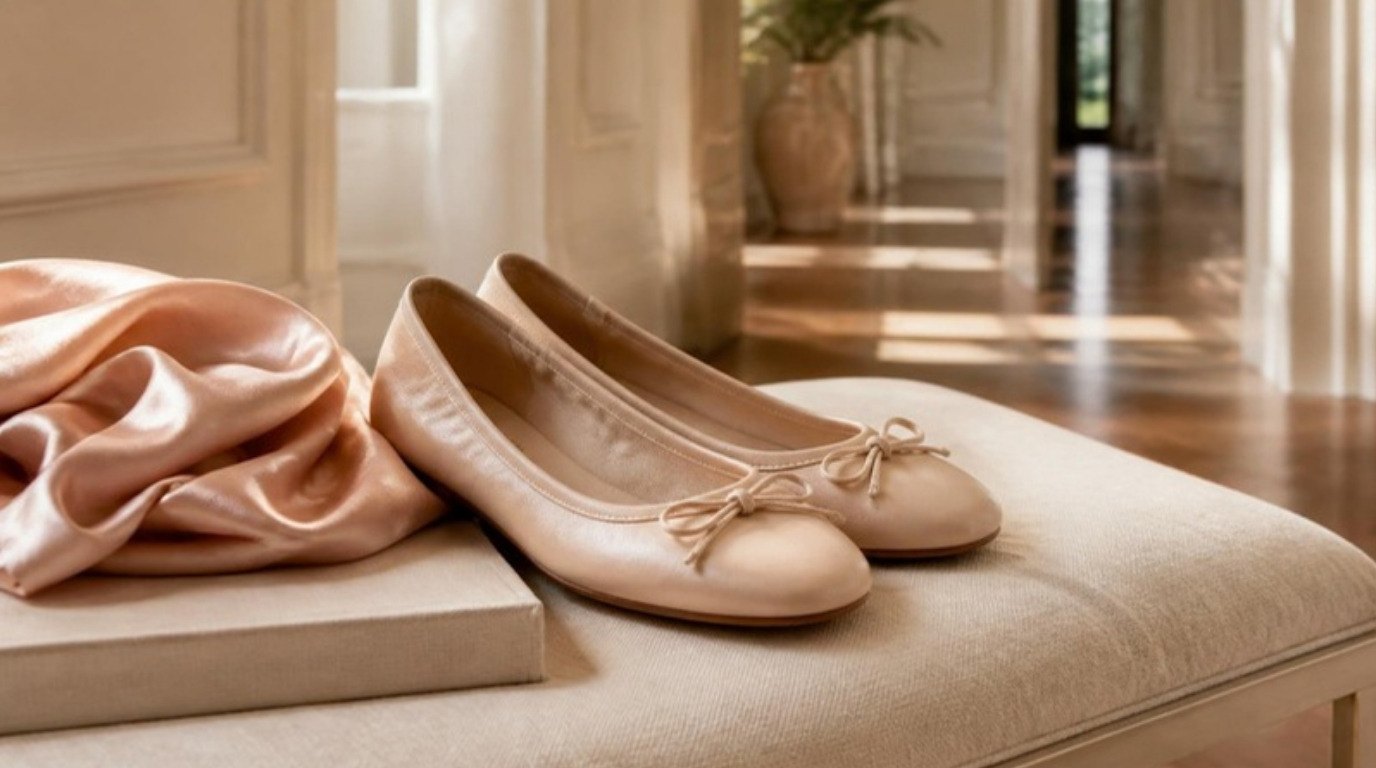
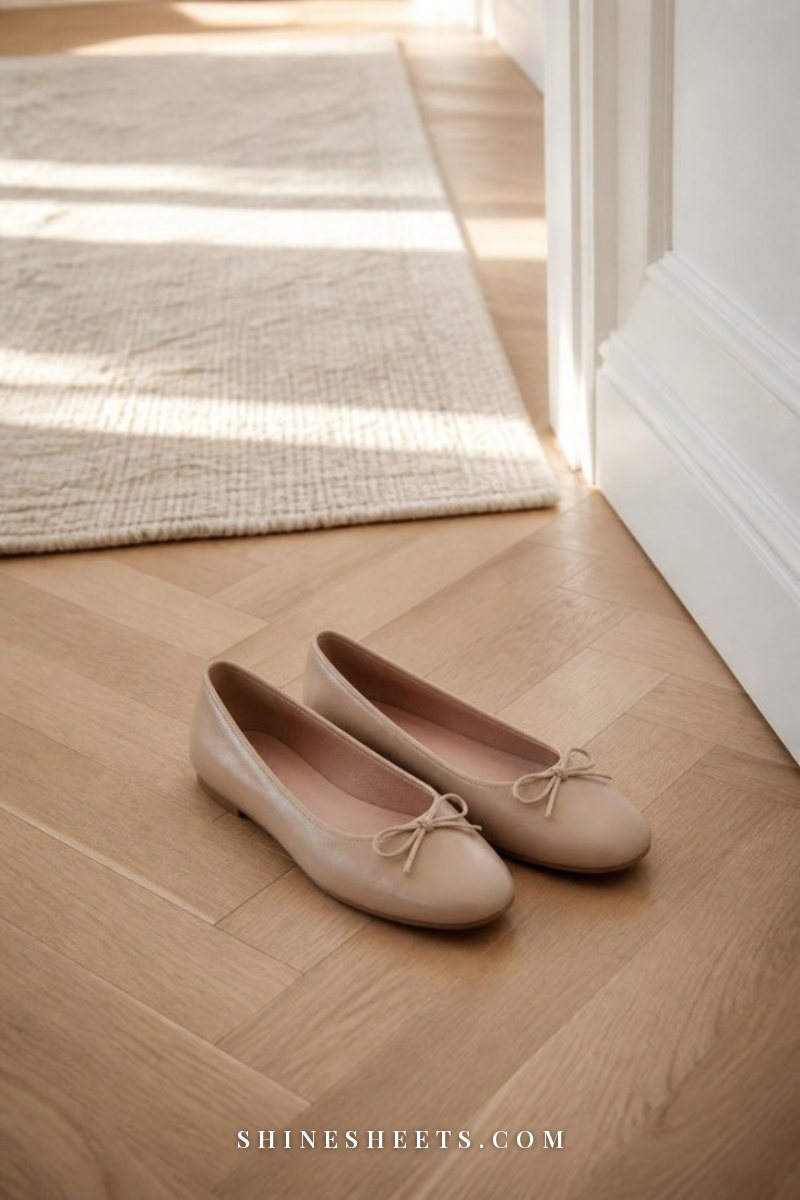
Shoes matter more than we admit. It's hard to walk with ease in shoes that pinch. A pair of soft beige ballet flats for women with a cushioned insole and a flexible sole is a pick for long days, because you'll actually walk like yourself in them. If you love heels, choose a height you can walk in for an hour without thinking about your feet. Comfort is quietly elegant.
4. Sit With Ease
How you lower yourself into a chair says a lot. Instead of dropping, stand close enough that the back of your legs touch the seat, then sit down with control, keeping your back long. Getting up works the same way in reverse: scoot slightly forward, place your feet under you and rise without pushing off the table.
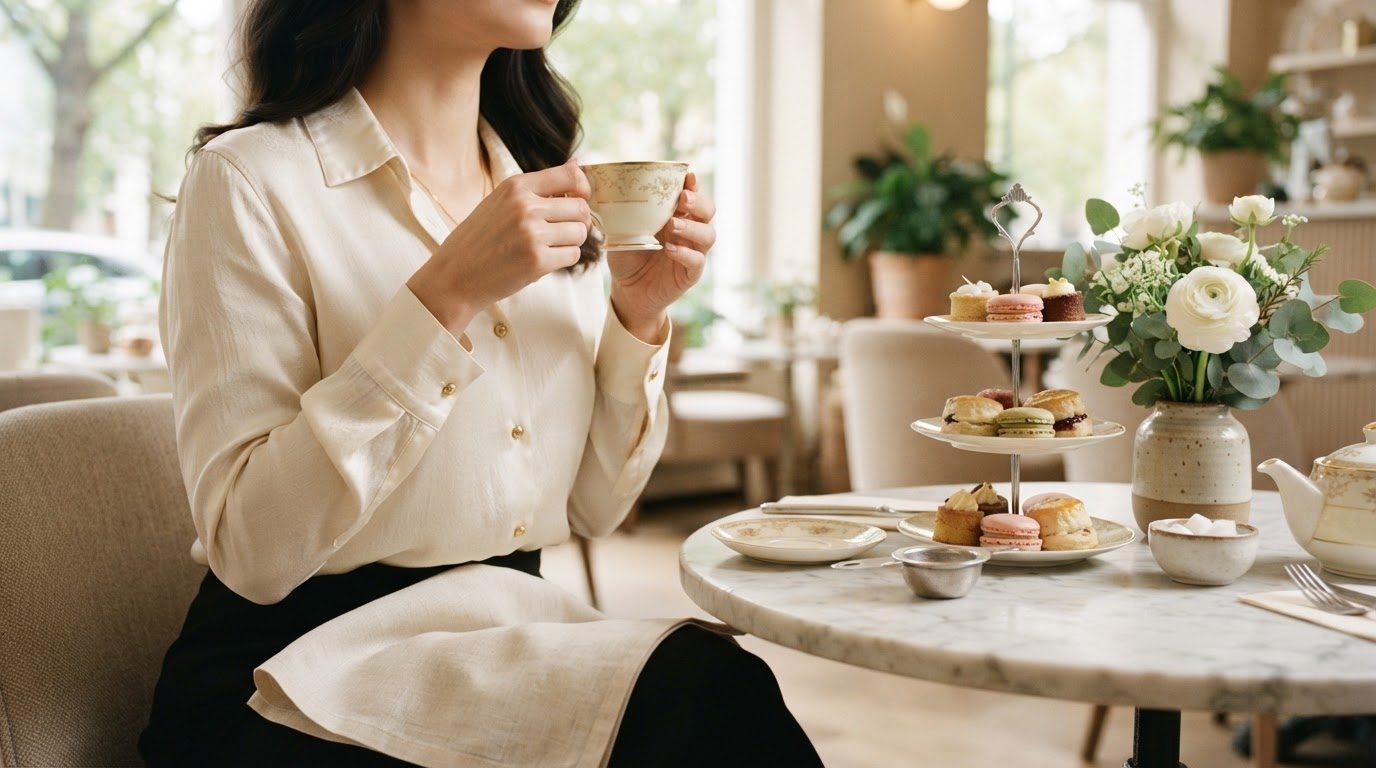
Once seated, sit toward the back of the chair so it supports you, with both feet on the floor or ankles crossed and tucked slightly to one side. Rest your hands loosely in your lap or on the table. Fidgeting, jiggling a foot or playing with your hair are all very human (I'm a hair-twirler when I'm anxious), so don't scold yourself. Just notice and let your hands settle again.
5. Lower and Slow Your Voice
A calm voice is one of the most underrated parts of poise. When we're nervous, our pitch climbs, our pace speeds up and sentences end with a little question mark even when they aren't questions.
Try these three adjustments:
- Breathe before you begin. One quiet breath in through your nose before a sentence lowers your pitch naturally.
- Finish your sentences. Let the end of a statement land downward instead of trailing off.
- Pause instead of filling. Swap "um" and "like" for a short silence. Pauses sound thoughtful, not awkward.
Volume is part of this too. Graceful doesn't mean whispering; it means speaking at a level that suits the room. In a café, people at the next table shouldn't be able to follow your story.
6. Listen Like You Mean It
People rarely remember how polished you looked. They remember how you made them feel, and nothing makes someone feel valued like being truly heard. Graceful listening looks like this: turn your body toward the person, keep your hands still, let them finish completely, and respond to what they actually said before you share your own story.
A simple formula: pause, reflect, ask. Pause for a beat after they finish. Reflect one detail back ("That sounds like a really long week"). Then ask one follow-up question. If you'd like to go deeper, my guide on habits of a good listener has plenty more.
7. Learn a Few Table Manners Basics
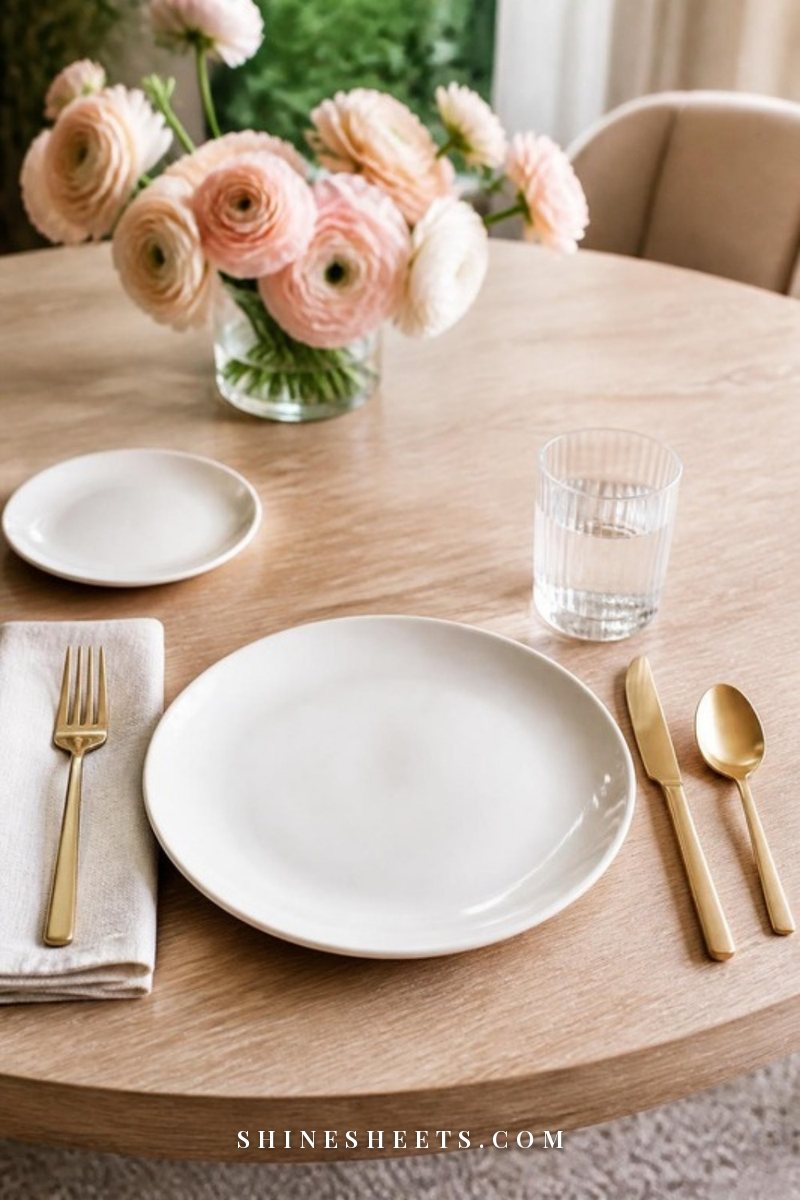
You don't need to memorize every fork. A few basics will carry you through almost any dinner with ease:
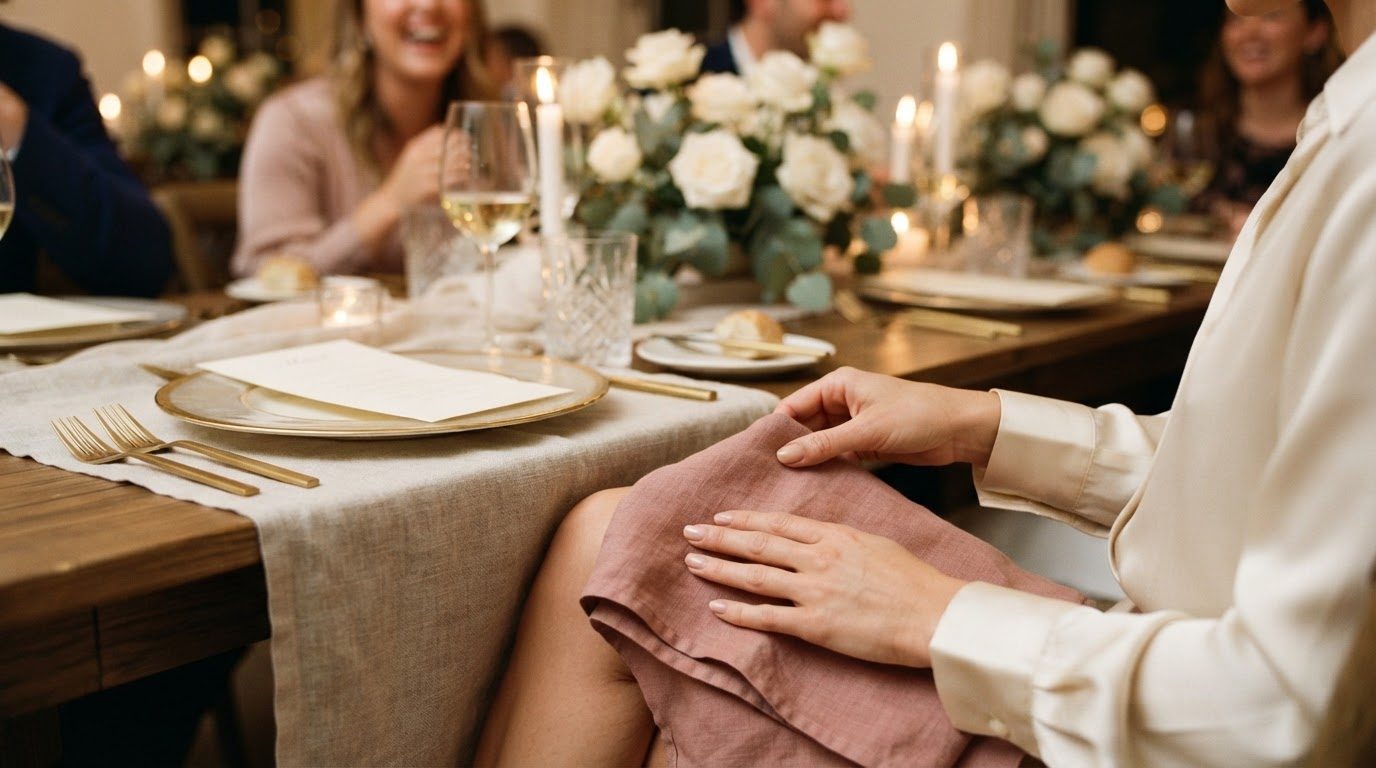
- Napkin first. Once everyone is seated, place your napkin on your lap. If you step away, leave it loosely on your chair.
- Outside in. With several pieces of cutlery, start from the outside and work inward with each course.
- Solids left, liquids right. Your bread plate is on the left, your glasses on the right.
- Small bites, pauses between. Put your cutlery down on the plate while you chat rather than waving it.
- Pass, don't reach. Ask for the salt instead of stretching across someone.
- Wait for the table. Begin eating when your host does, or when everyone has been served.
The easiest way to practice is at home. Set your own table properly once a week, even for a solo dinner, with cream linen napkins and your nicest plates. It turns a weeknight meal into a little ritual and makes the basics feel natural by the time you're at a restaurant. For more on everyday polish, my lady etiquette rules cover the social side.
8. Enter a Room Calmly
Walking into a room full of people can make even confident women feel exposed. The trick is to give yourself a three-second pause at the threshold. Stand tall, take a breath, look around with a soft smile and then move toward someone you know or the host.
Avoid rushing in head-down or immediately reaching for your phone as a shield. If you don't know anyone, find the person standing alone or the host and say, "Hi, I'm ___. How do you know everyone here?" That one line opens nearly every conversation. A classic like a hardcover modern etiquette book can be a calm, reassuring read if social situations make you nervous. Look for one with a modern, inclusive tone rather than strict old rules.
9. Accept Compliments With Two Words
Deflecting a compliment ("Oh, this old thing? It was on sale") feels modest, but it can leave the other person feeling a bit dismissed. The graceful response is simple: "Thank you." If you want to add warmth, add one short sentence:
- "Thank you, that's so kind of you to notice."
- "Thank you, I really enjoyed working on it."
- "Thank you, you just made my day."
Giving compliments gracefully works the same way. Be specific and sincere, and compliment choices rather than bodies: "Your presentation was so clear" lands better than remarks about weight or shape, which can be loaded for people.
10. Handle Mistakes With a Light Touch
Spilled a drink? Mispronounced a name? Tripped on the stairs? Grace isn't avoiding these moments; it's how you respond to them. The graceful formula is: acknowledge briefly, fix calmly, move on.
"Oops, let me grab a napkin." "I'm sorry, could you say your name again so I get it right?" A short, light apology followed by action is far more elegant than five apologies and a red face. And if you made a mistake that affected someone, own it simply: "That was my fault, and I'll fix it." No long explanations needed.
The hardest part is usually afterward, when your mind replays the moment on a loop. Remind yourself that most people forget other people's small mistakes within minutes. They're far too busy worrying about their own.
11. Stay Composed Under Stress
Composure is grace under pressure, and it's a skill rather than a personality type. I'm prone to anxiety myself, and what helps me most is having a plan for the first ten seconds of a stressful moment, before my thoughts take over.
Try this three-step reset:
- Exhale slowly, longer than you inhale, two or three times.
- Drop your shoulders and unclench your hands. Your body tells your brain whether it's safe.
- Lower your voice and slow your words before you respond to anyone.
If a conversation is heating up, it's perfectly graceful to say, "Let me think about that and get back to you." Taking a pause is not weakness; it's often the most composed move in the room. For moments when nerves feel bigger, these grounding techniques to calm anxiety fast work anywhere, quietly.
12. Be Kind and Discreet
Real grace has a moral side. It shows up in the way you treat the server, the new colleague and the person who isn't in the room. A few habits to practice:
- Skip the gossip. If a conversation turns to picking someone apart, change the subject gently: "Anyway, how was your trip?"
- Keep confidences. If someone tells you something personal, it stays with you.
- Correct privately. If someone has spinach in their teeth or a tag sticking out, tell them quietly, just between you two.
- Include people. Notice who's standing at the edge of the group and open the circle.
- Don't overshare. You're allowed to keep parts of your life private; a little mystery is graceful.
13. Keep Your Phone Habits Graceful
Phones are where a lot of modern poise quietly slips. A few simple rules make a big difference:
- Keep your phone in your bag, not on the table, during meals and coffee dates.
- If you're expecting an important call, say so at the start and step away when it comes.
- Put it on silent in shared spaces: waiting rooms, trains, shops.
- Use headphones for videos and voice notes in public.
- When someone is talking to you, stop typing and look up. Every time.
It's a small act of respect that people notice more than you'd think, and it keeps you present in your own life too.
14. Dress for Ease, Not Effort
Grace in how you dress isn't about labels or a particular "rich" look. It's about clothes that fit well, are cared for and let you move freely. If you're constantly tugging a hem, adjusting a strap or worrying about a gap, it's very hard to look at ease.
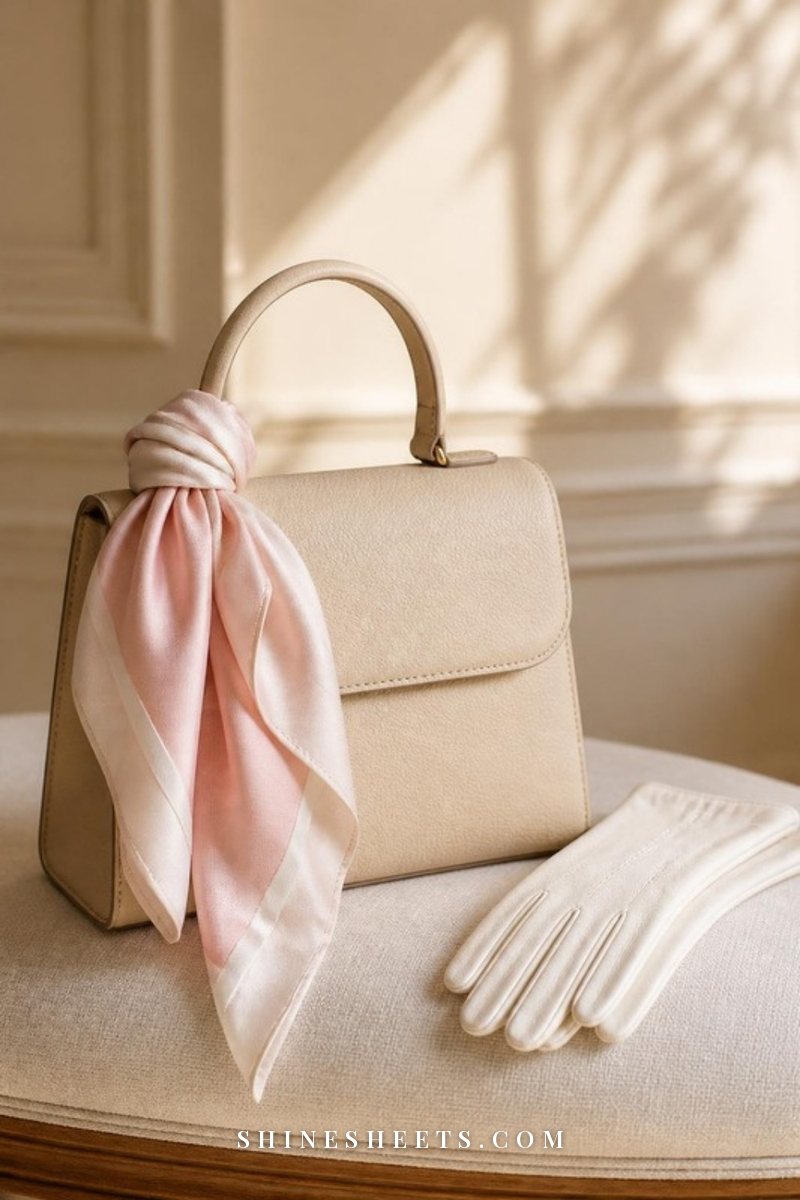
Before you leave the house, do a quick movement test: sit down, bend to pick something up and raise your arms. If anything rides up, gapes or pinches, swap it. Then add one soft finishing touch. A blush silk scarf is one of the easiest: knot it loosely at your neck, tie it on your bag handle or drape it over your shoulders on a cool evening. Look for real silk or a good-quality satin with hand-rolled edges. For more ideas, my guide on how to dress classy on a budget covers fit, fabric and color.
15. Give Yourself Grace Too
This one might be the most important. A woman who is harsh with herself every time she stumbles will always feel tense, and that tension shows. Grace toward others grows from grace toward yourself.
When you catch yourself rushing, slouching or snapping at someone, try saying (silently, or out loud if you're alone): "That's okay. I'll try again." Then reset your posture, breathe and continue. No spiral, no lecture. Being graceful is a practice you return to, not a test you pass or fail. If you'd like a bigger picture of the kind of woman you want to grow into, these lady rules to build a beautiful life on pair nicely with this list.
The 30-Day Poise Practice
This is the heart of the guide: a gentle, four-week plan with one focus per week and one tiny daily drill. Each drill takes a few minutes or simply happens during things you already do. Days 29 and 30 are for bringing it all together.
| Days | Focus | Daily drill |
|---|---|---|
| Days 1–7 | Body and posture | Do the five-point standing check every time you wait for something. Set one object down silently each hour. |
| Days 8–14 | Movement and pace | Walk one stretch of your day (hallway, parking lot, stairs) at a steady, level-headed pace. Sit down and stand up with control at every meal. |
| Days 15–21 | Voice and listening | In one conversation a day, use pause, reflect, ask. Replace one "um" with a silent pause. |
| Days 22–28 | Composure and kindness | Practice the three-step reset once a day, even when calm. Do one discreet kindness (include someone, keep a confidence, thank someone by name). |
| Days 29–30 | Bringing it together | Set a proper table for one meal, phone away. Enter one room with the three-second pause and simply notice how it feels. |
Keep a little record as you go. A blush linen-bound journal on your nightstand works well: write one line each evening about a moment you felt poised and one moment you'd like to redo. I like doing this after my evening tea, when the day has softened a bit. After a month, you'll have a lovely little proof that you've changed.
If you miss a day, don't restart the whole plan. Simply pick up where you left off. Grace and perfectionism don't mix well.
Small Habits That Quietly Undo Poise
Sometimes being more graceful is less about adding new habits and more about softening a few old ones. Here are six common ones to watch for, gently:
- Over-apologizing. Save "sorry" for real mistakes; try "thank you for waiting" instead of "sorry I'm late."
- Interrupting with excitement. It usually comes from enthusiasm, but let people finish their sentence first.
- Narrating your stress. "I'm so stressed, I'm so behind" keeps everyone tense. Breathe first, then speak.
- Rushing goodbyes. End conversations with eye contact and a warm closing line, not a mumble as you leave.
- Complaining about the details. The food, the weather, the line. Keep the small grumbles to yourself.
- Self-criticism in public. "I'm so awkward" or "I look terrible" invites everyone to look. Let the moment pass instead.
Pick just one to notice this week. Awareness alone does most of the work.
Final Thoughts
Learning how to be more graceful isn't about becoming someone else. It's about moving through your own life with a little more ease, a little more attention and a lot more kindness, toward other people and toward yourself.
Start small: one slower movement, one quiet pause before you speak, one conversation where you really listen. Those tiny moments add up faster than you'd expect, and one day you'll notice that the calm, poised woman you admired has been you all along.