Being a highly sensitive person isn't about being fragile. It means your nervous system takes in more: more sound, more light, more of other people's moods, more meaning in small moments. That depth is a gift, but it also means you fill up faster, and ordinary self-care advice often isn't built for a body that notices everything.
The good news is that you don't need to toughen up or hide away from the world. You need a rhythm that gives your senses regular chances to settle, and a few tools for the moments when everything gets too loud.
This guide is all about highly sensitive person self-care as a practical, everyday how-to. You'll find ten self-care practices that fit a sensitive nervous system, a trigger-and-reset table, a step-by-step overstimulation reset for the moment you feel flooded and a gentle reminder of why your sensitivity is a strength.
Make a cup of tea, find a quiet spot if you can and read at your own pace. There's no rush here.
What It Means To Be a Highly Sensitive Person

High sensitivity is a temperament trait, not a disorder or a diagnosis. Researchers estimate that roughly one in five people are born with a nervous system that processes information more deeply. It shows up as noticing subtle details, feeling emotions strongly, being moved by art or music and getting overwhelmed by noise, crowds or busy schedules faster than others seem to.
If you're still wondering whether this describes you, my article on the signs you are a highly sensitive person walks through the most common ones. This guide picks up where that one leaves off: what to actually do with the trait day to day.
One thing worth knowing: being highly sensitive isn't the same as being introverted, though many sensitive people are both. Some highly sensitive people love socializing; they just need more recovery afterward. Self-care for you isn't about avoiding life. It's about pacing it.
10 Self-Care Practices for Highly Sensitive People
Read through all ten, then choose two to start with this week. Small, steady changes are kinder to a sensitive nervous system than a dramatic overhaul.
1. Protect Quiet Time Every Day
Highly sensitive people need daily downtime the way plants need water: not as a reward, but as basic maintenance. Without it, the day's input keeps stacking up until even small things feel like too much.
Aim for 20 to 30 minutes of low-input time every day, ideally at the same time so it becomes a habit. Low-input means no conversation, no screens, no background TV. You might sit with tea, take a bath, lie on your bed with the lights low or stretch slowly on the floor.
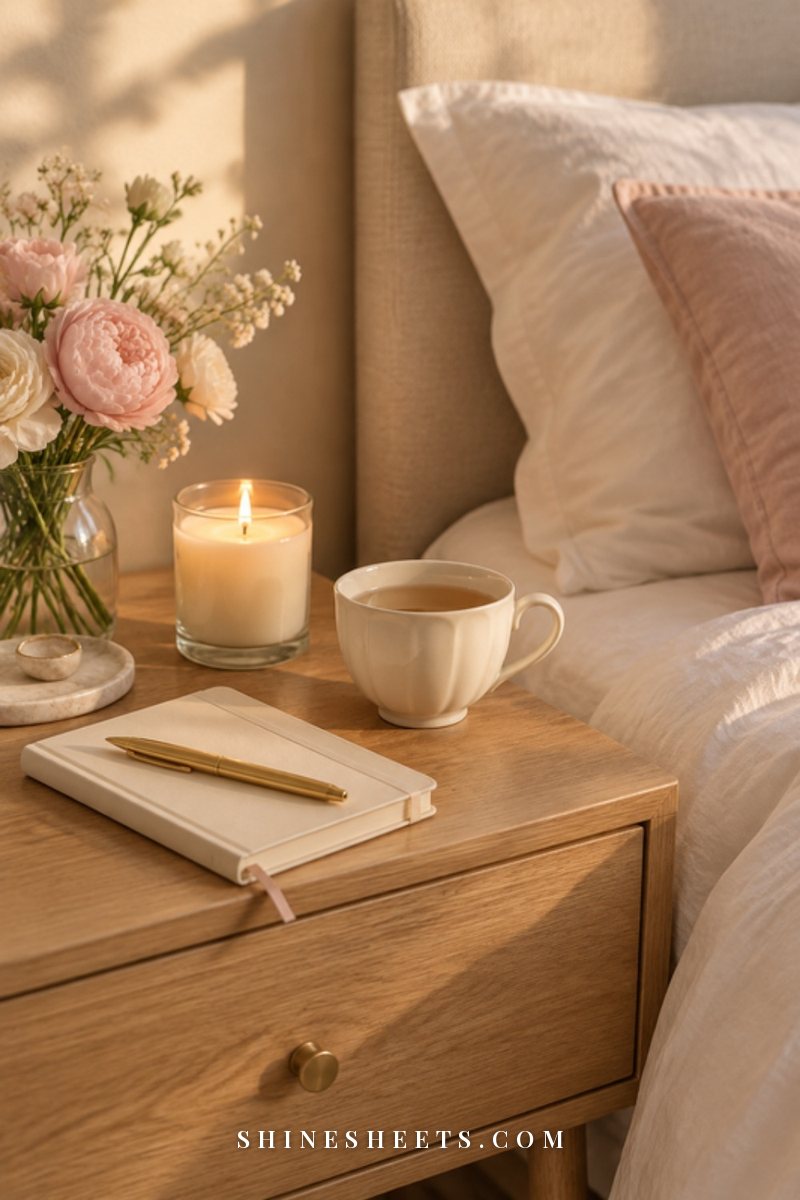
If 30 minutes feels impossible, start with 10. Put it in your calendar like any other appointment, because for a sensitive person it's just as important. My own version is evening tea with a glass candle and nothing else on the go; it's the part of the day my shoulders finally drop.
2. Build a Softer Morning

How you start the day sets the tone for how much you can handle later. A rushed, loud morning (alarm blaring, phone in hand, news on, coffee gulped) uses up a lot of your capacity before you've even left the house.
Try a gentler sequence:
- A soft alarm sound or a sunrise-style light instead of a jarring ring.
- Five minutes in bed before reaching for your phone, just breathing and stretching.
- Open the curtains and let natural light in slowly.
- A warm drink in silence or with quiet music.
- Lay out clothes and pack your bag the night before so the morning has fewer decisions.
A small honest note: coffee sometimes perks me up and sometimes makes me jittery and anxious, so on days that already feel full, I switch to tea. If caffeine affects you the same way, it's worth noticing your pattern.
3. Manage Noise and Light
Sound and light are two of the biggest drains for sensitive people, and they're also the easiest to adjust. You're allowed to make your environment quieter and softer without explaining it to anyone.
A few practical swaps:
- Noise: keep a pair of soft foam earplugs in your bag for busy cafes, commutes or noisy neighbors. Look for low-pressure foam that expands gently and doesn't ache after an hour.
- Light: swap cool, bright bulbs for warm ones around 2700K and use lamps instead of overhead lights in the evening.
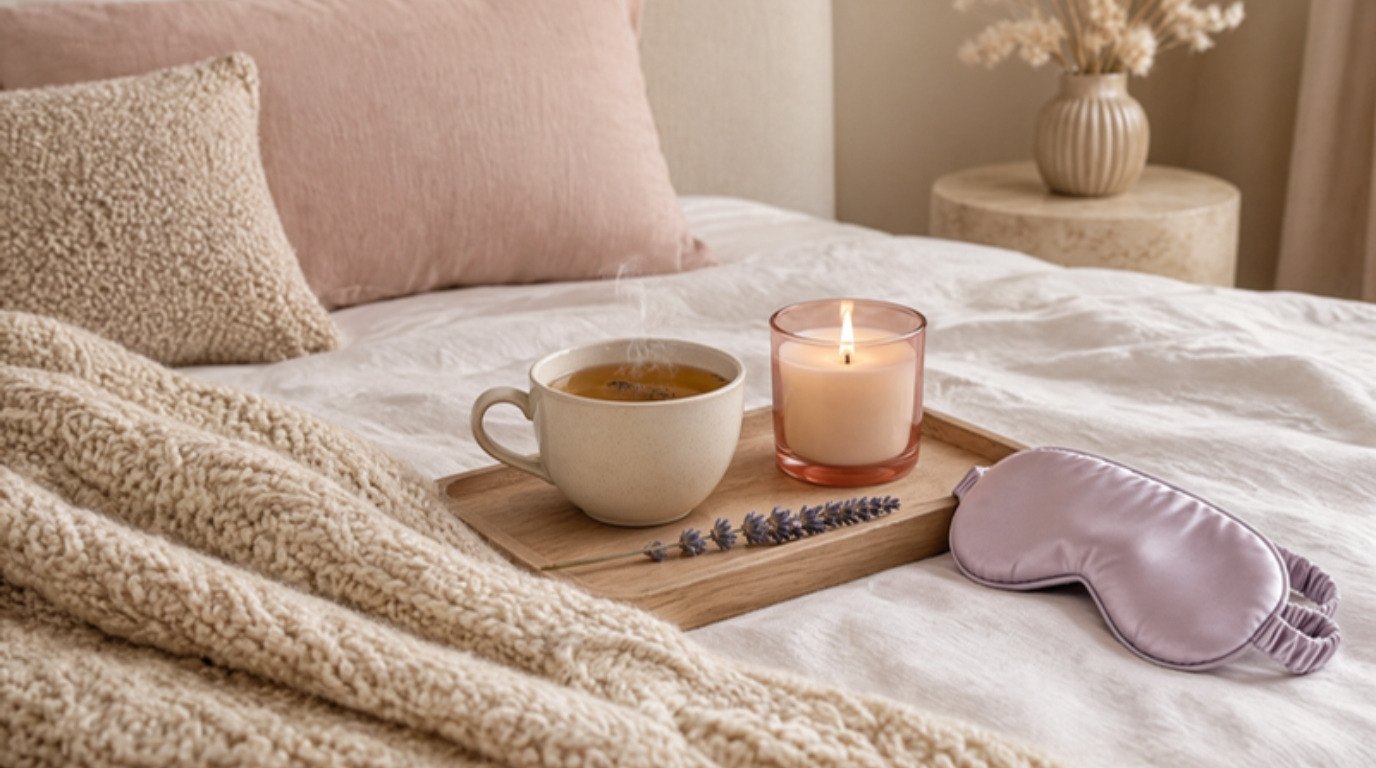
- Sleep: a soft eye mask in lavender silk blocks streetlight and early sunrise; look for a contoured or padded one that doesn't press on your eyes.
- Screens: lower brightness and turn on a warm display setting after sunset.
Scent and texture count too. Strong perfumes, scratchy fabrics or tight waistbands can quietly add to your load all day, so notice which ones bother you and choose softer options where you can. It might sound small, but a sensitive body registers all of it.
Even one of these can make a noticeable difference by the end of the day.
4. Leave Buffer Time Between Plans
Back-to-back plans are hard on everyone, but for a highly sensitive person they're often the reason a good day ends in tears or a headache. Your system needs time to process one experience before taking in the next.
A simple rule: leave at least 30 minutes between commitments, and after anything big (a party, a family visit, a long meeting, travel), leave a few hours. On weekends, try a "one big thing per day" limit.
And if a day fills up anyway, you're allowed to shorten something. Leaving a gathering an hour early, moving a coffee date to a video call or asking to meet somewhere quieter are all small changes that protect your energy without letting anyone down. Most people are far more understanding than our worried minds expect.
When you plan your week, look at it as a whole. If Tuesday and Thursday are full, keep Wednesday evening empty on purpose. White space in your calendar isn't wasted time. It's where you recover.
5. Create a Calming Home Corner
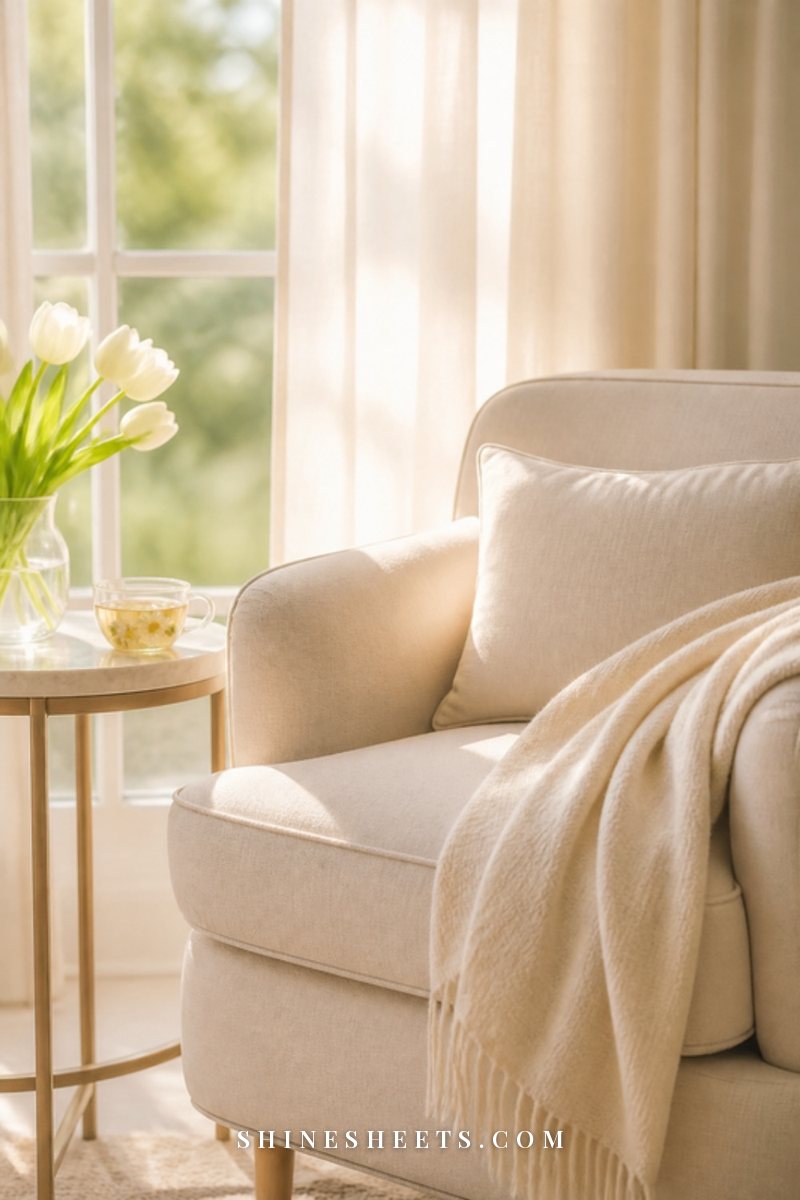
Having one spot in your home that's designed only for calm gives your nervous system a place to land. It doesn't need to be a whole room, just a corner that feels softer than everything else.
What to include:
- A comfortable chair, floor cushion or the end of your sofa.
- A warm lamp or a glass candle (never leave a candle burning unattended).
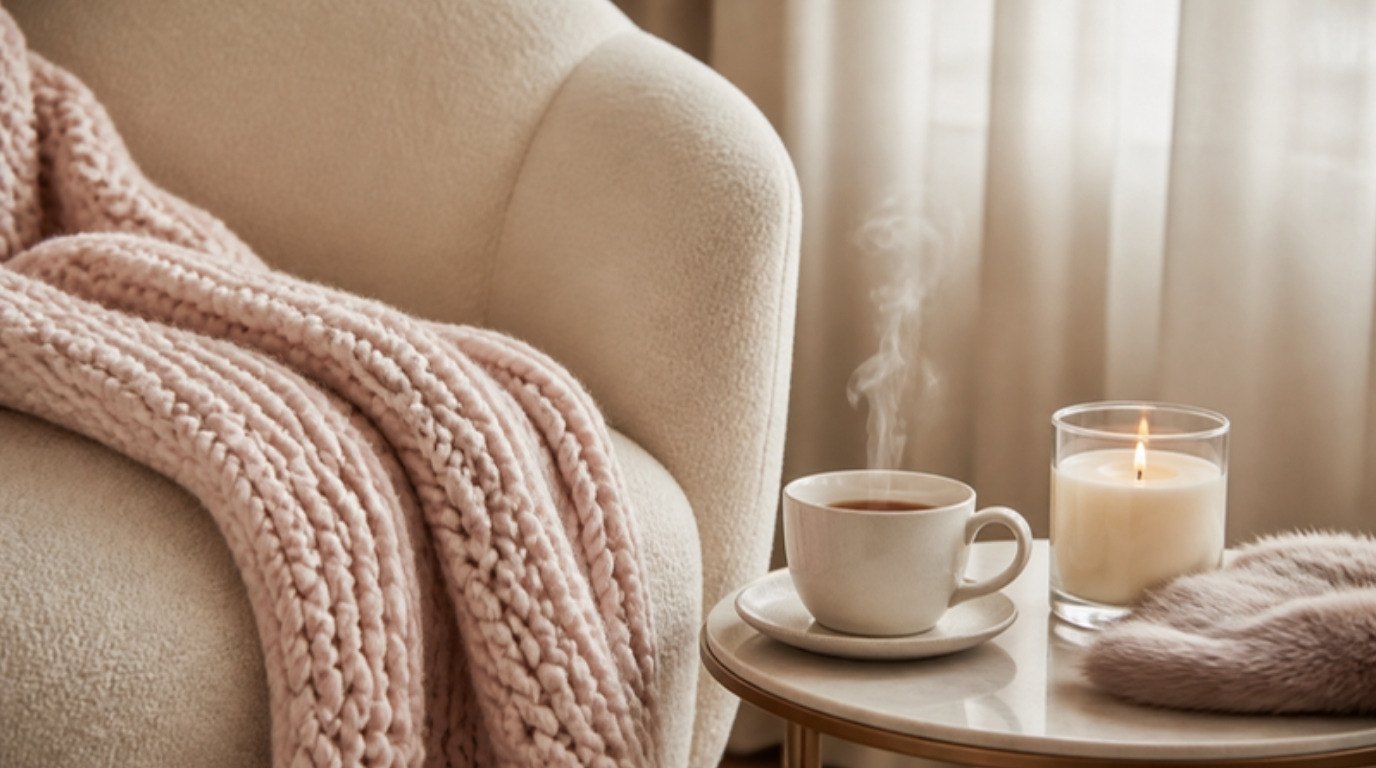
- Something soft to wrap up in, like a chunky cream knit throw blanket.
- A small table for tea and a book or journal.
- A plant, a vase of flowers or a calming scent you love.
Keep the corner clear of clutter, work and screens. Over time, simply sitting there will start to signal "safe" to your body.
6. Limit News and Screen Time
Sensitive people often feel the news more deeply, and an endless feed of other people's opinions, tragedies and highlight reels can leave you anxious for hours. You can stay informed without letting it flood you.
Try these limits:
- Check the news once a day at a set time, not first thing in the morning or right before bed.
- Choose one or two calm, written sources instead of video or social feeds.
- Set a 20-minute daily limit on the apps that leave you feeling worse.
- Mute or unfollow accounts that make you feel tense, even if you like the person.
- Keep your phone out of the bedroom, or at least across the room.
You're not ignoring the world by protecting your attention. You're making sure you have enough left to care about the things you can actually affect.
7. Set Gentle Boundaries With Kind Scripts
Highly sensitive people often pick up on other people's needs so quickly that they forget their own. Boundaries don't have to be harsh to work. They just need to be clear.
A few kind scripts you can borrow:
- Leaving early: "I've had such a nice time. I'm going to head home now and rest."
- Turning down a plan: "Thank you for asking. I need a quiet weekend, but I'd love to see you next week."
- Asking for less noise: "Would you mind turning the music down a little? I'm finding it hard to focus."
- Needing space after a hard talk: "I want to keep talking about this. Can I have an hour to think first?"
Saying these out loud gets easier with practice. If boundaries feel especially tough, my guide on how to set boundaries without feeling guilty has more scripts and steps.
8. Take Regular Nature Breaks

Nature tends to be soothing for sensitive people because it offers rich input that's gentle rather than demanding. Birdsong, rustling leaves and soft green views give your senses something to rest on.
You don't need a forest. Try:
- A 10-minute walk around the block at lunch, phone in your pocket.
- Sitting by an open window with your tea for five minutes.
- Visiting a park or garden once a week.
- Bringing nature in: a few houseplants, fresh flowers or a bowl of stones from a walk.
When you're outside, slow down and notice three things you can see, two you can hear and one you can feel. It's a small grounding practice that works well for a busy mind.
9. Recover After Social Events
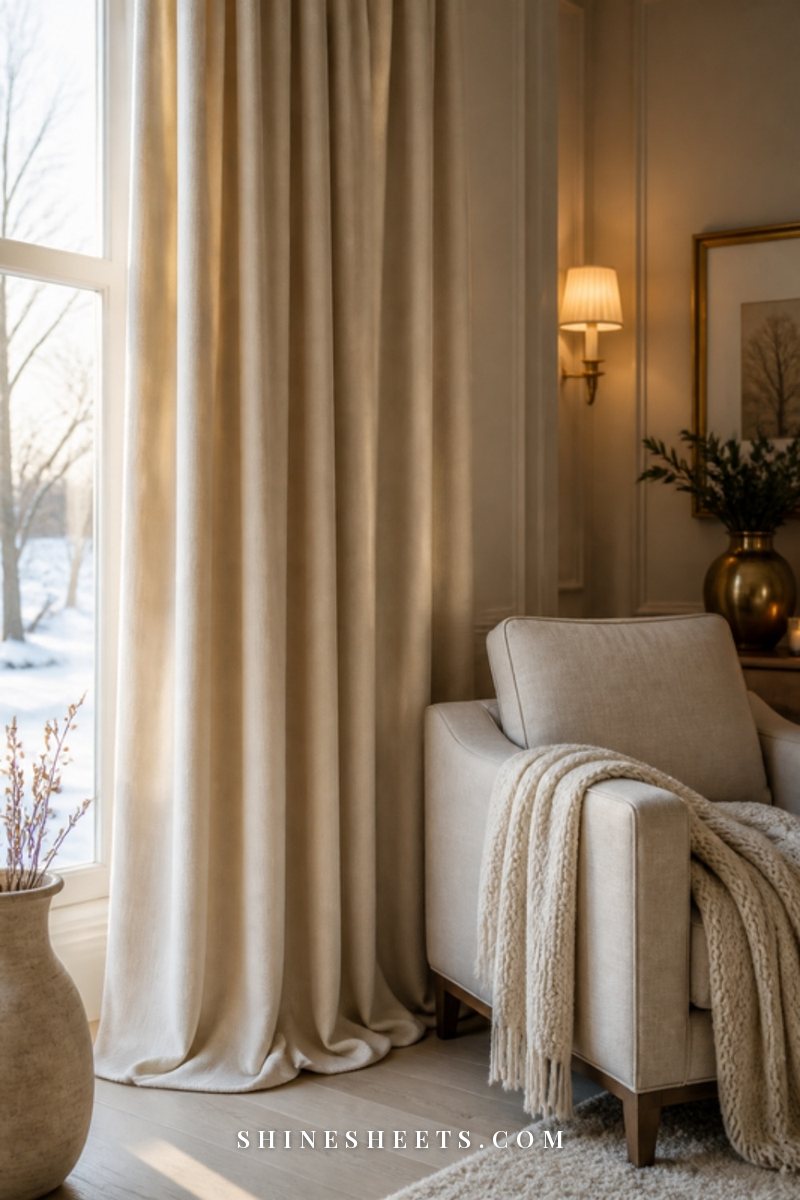
Even social time you love can leave you drained. That doesn't mean something is wrong with you or your friendships. It means your system worked hard to take everything in, and now it needs to settle.
Build a recovery plan for after events:
- Plan a quiet evening or morning after any big gathering.
- Change into soft clothes, dim the lights and skip the post-event recap with friends until the next day.
- Have a warm drink. An herbal tea sampler is a nice thing to keep on hand so you can choose a calming blend depending on your mood.
- Take a shower or bath to mark the shift from "out" to "home."
- Go to bed a little earlier than usual.
My article on your social battery and how to recharge goes deeper into this, and if you're both sensitive and introverted, self-care for introverts has more ideas for guilt-free recovery.
10. Honor Your Feelings With Journaling
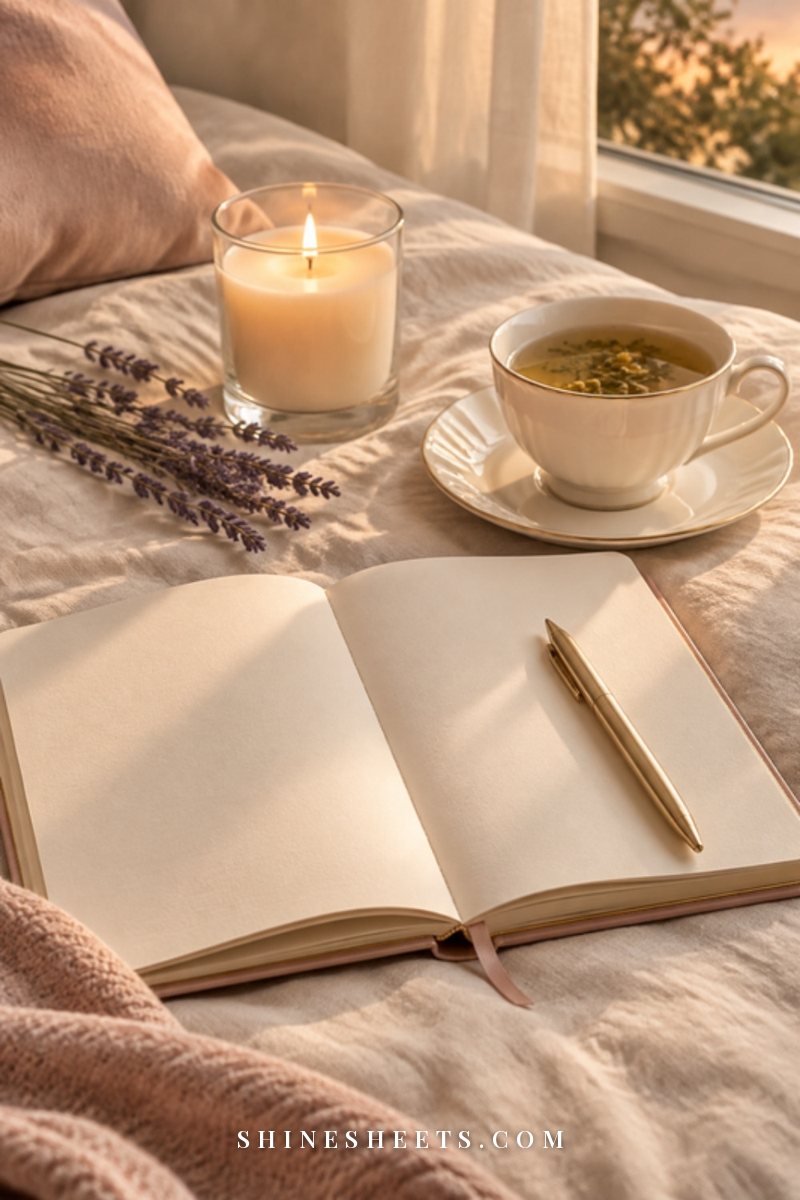
Highly sensitive people feel a lot, and those feelings need somewhere to go. Journaling gives emotions a place to land so they don't keep circling in your head all night.
Keep it simple: five to ten minutes in the evening, answering one or two of these prompts:
- What drained me today, and what filled me back up?
- What did I notice today that other people might have missed?
- What do I need more of tomorrow?
- What feeling is sitting with me right now, and where do I feel it in my body?
A guided reflection journal can help on nights when a blank page feels like too much; look for one with short daily prompts and plenty of space to write freely. I like journaling right after my evening tea, when the house is quiet and I'm already halfway to calm.
Overload Triggers and Resets at a Glance
This table helps you catch overwhelm before it builds. Screenshot it, or copy it into your journal, and add your own triggers as you learn them.
| Common overload trigger | Early sign | Quick reset | Long-term habit |
|---|---|---|---|
| Loud, crowded places | Jaw clenching, wanting to leave, irritability | Step outside or into a restroom for 5 minutes, earplugs in | Choose quieter times to shop or socialize |
| Bright or harsh light | Squinting, headache, tired eyes | Dim the lights, close your eyes for a minute | Warm bulbs and lamps at home |
| Back-to-back plans | Snapping at people, feeling teary | Cancel or shorten one thing today | 30-minute buffers and one big plan per day |
| Too much news or screen time | Restlessness, racing thoughts | Put the phone in another room for 20 minutes | Set news times and daily app limits |
| Other people's strong emotions | Feeling heavy or anxious after a conversation | Slow breathing, a short walk alone | Gentle boundaries and recovery time |
| Clutter and visual noise | Feeling scattered, unable to focus | Clear one surface in front of you | A calm corner kept clear of clutter |
| Rushed mornings | Starting the day already on edge | Three slow breaths before leaving | Prep the night before, softer wake-up |
| Long social events | Feeling drained, wanting silence | A quiet break mid-event | Plan a recovery evening afterward |
The Overstimulation Reset: What To Do in the Moment
Sometimes overwhelm arrives fast: too many sounds, too many people, too much at once. In those moments, your body needs a quick signal that it's safe. Here's a five-step reset you can do almost anywhere in about five minutes.
- Name it. Quietly tell yourself, "I'm overstimulated. This will pass." Naming it softens the panic that something is wrong.
- Reduce input. Close your eyes, put in earplugs, step into a quieter room or face a wall. Even turning away from the busiest part of the room helps.
- Slow your breath. Breathe in for 4 counts and out for 6, about five times. A longer exhale tells your body it can relax.
- Ground through touch. Press your feet into the floor, hold something cool or textured or wrap your hands around a warm mug.
- Choose one next step. Decide whether you'll stay, take a longer break or head home. Any of these is a valid choice.
If you'd like more daily tools to calm your body before it gets to this point, my guide to nervous system regulation has simple practices that pair well with this reset.
Seeing Your Sensitivity as a Strength
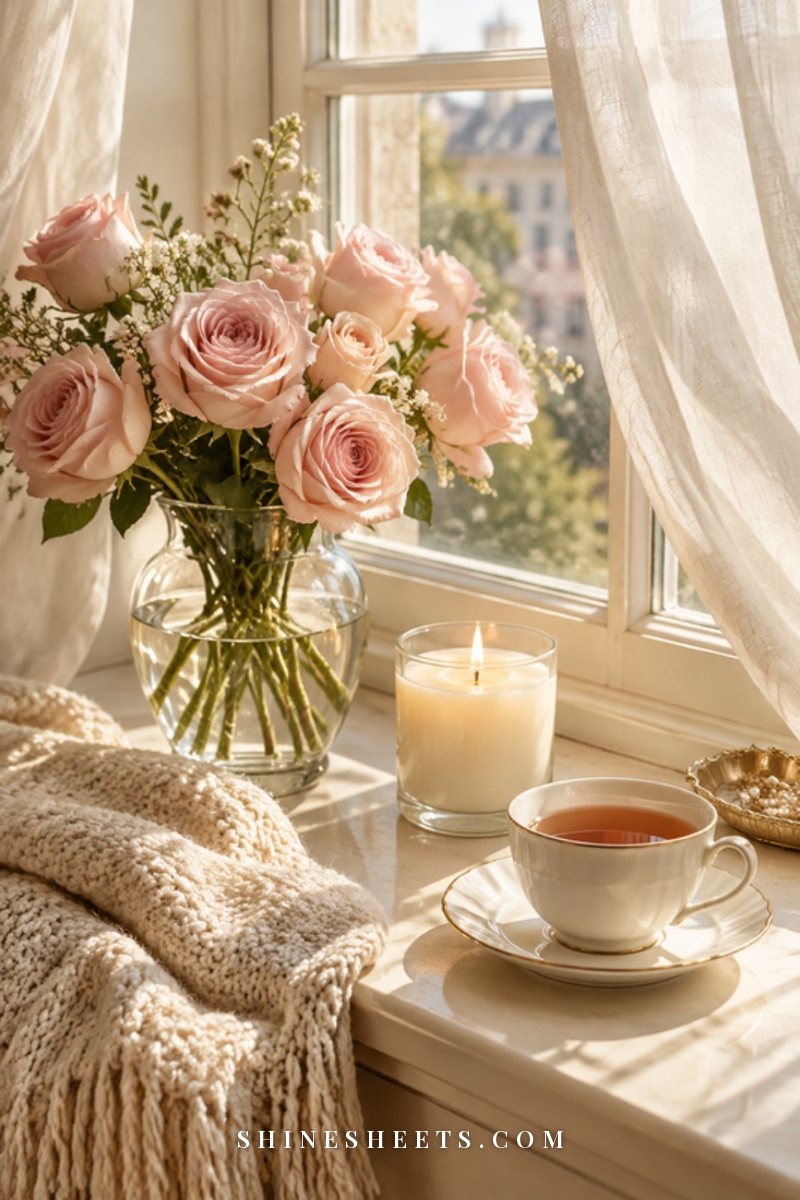
It's easy to see sensitivity only as something to manage, especially if you've been told you're "too much" or "too emotional." But the same nervous system that gets overwhelmed is also the one that notices beauty, reads a room with kindness and feels deeply connected to the people you love.
Sensitive people are often the ones who:
- Notice when a friend is quietly struggling.
- Think carefully before making decisions.
- Bring creativity and depth to their work and hobbies.
- Feel joy, gratitude and wonder intensely.
- Create calm, thoughtful homes and relationships.
Self-care isn't about fixing your sensitivity. It's about protecting it so those strengths have room to show up.
When To Reach Out for Extra Support
Self-care helps a lot, but it isn't meant to carry everything. If overwhelm, anxiety or low mood sticks around for weeks, if you're struggling to sleep or get through daily tasks, or if you feel like you can't cope no matter what you try, please talk to a doctor or a licensed therapist. A therapist who understands high sensitivity can help you find a pace and tools that fit you.
This article is for general encouragement and isn't a replacement for professional care. Reaching out isn't a sign that you've failed at self-care. It's another way of looking after yourself.
Final Thoughts
Highly sensitive person self-care isn't about shrinking your life to avoid overwhelm. It's about giving a deep, perceptive nervous system the quiet, rhythm and kindness it needs to thrive in a loud world.
Start with one practice this week, maybe ten quiet minutes with tea or a buffer before your next plan. Little by little, you'll learn what your sensitivity needs, and you'll have more of yourself to share with the people and moments you love.