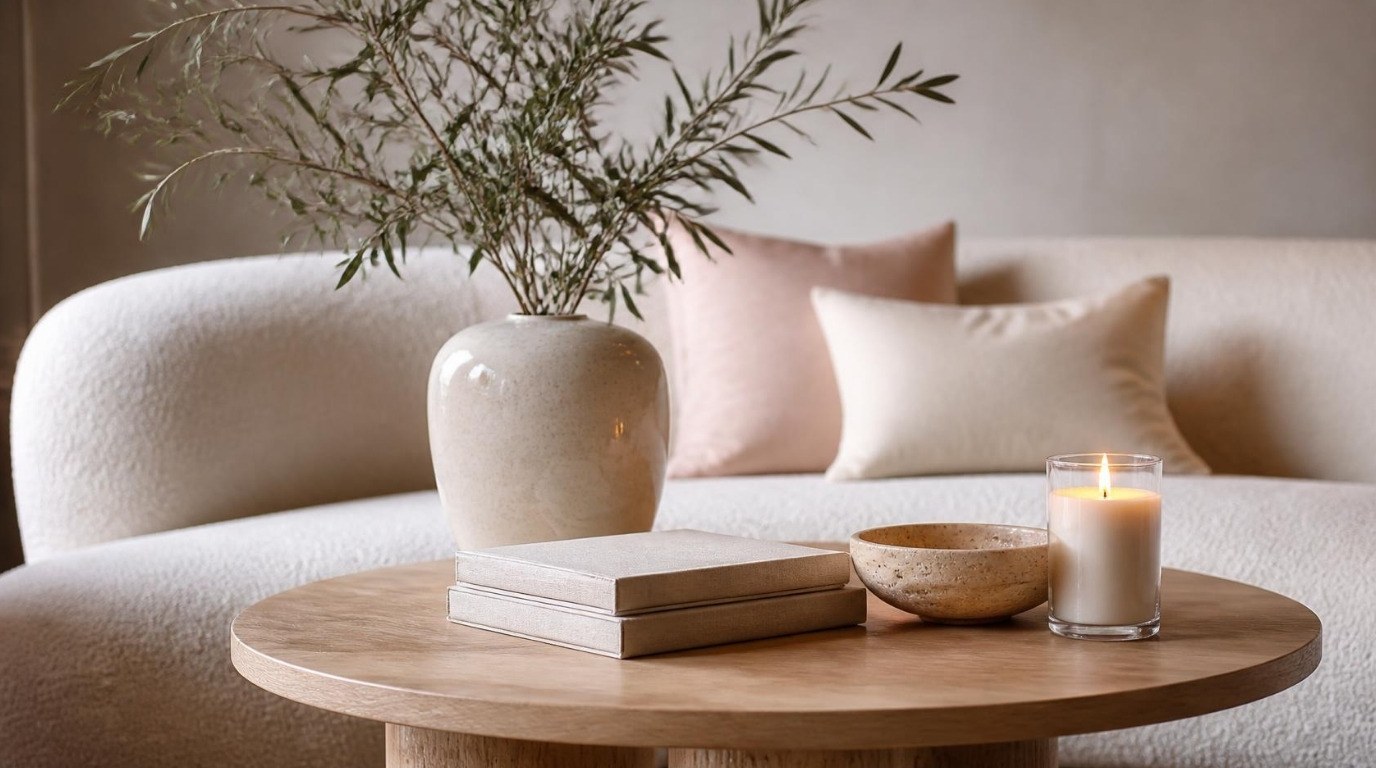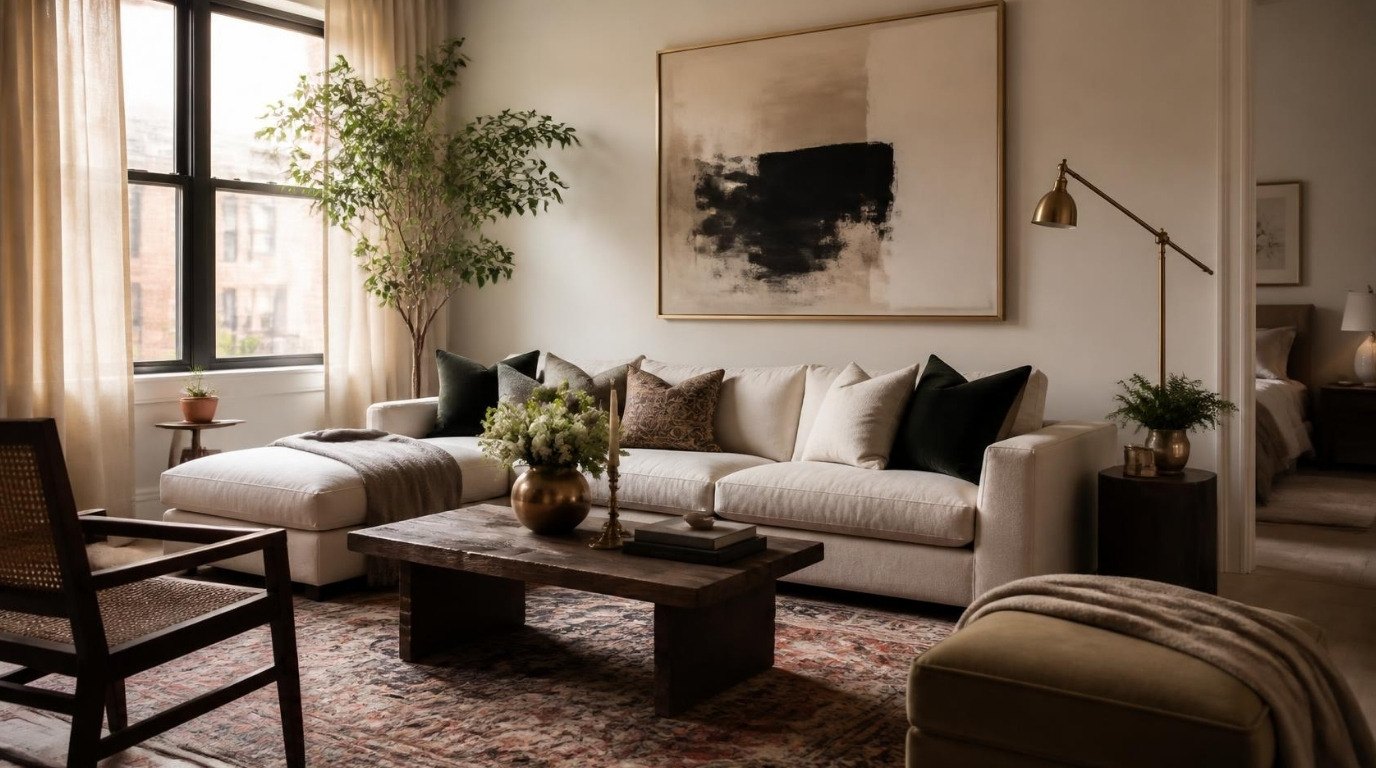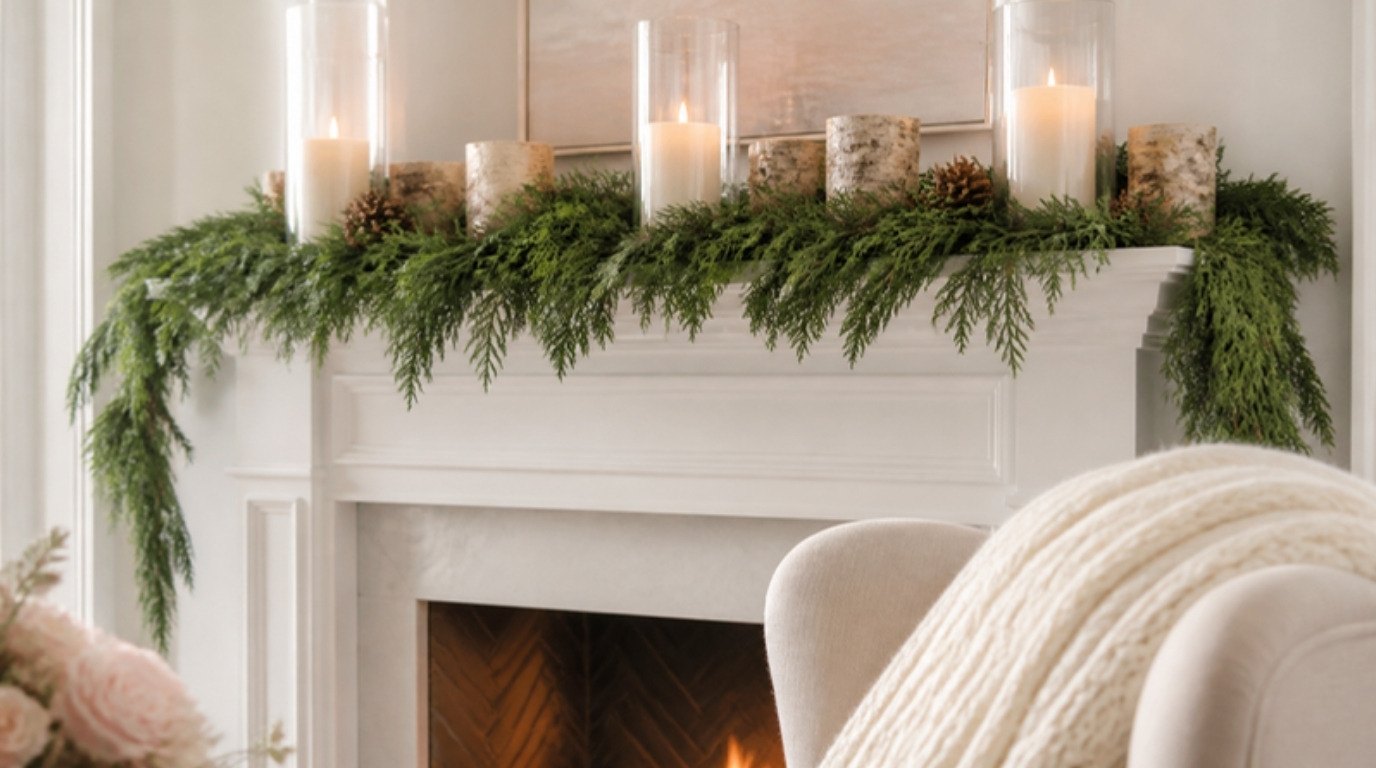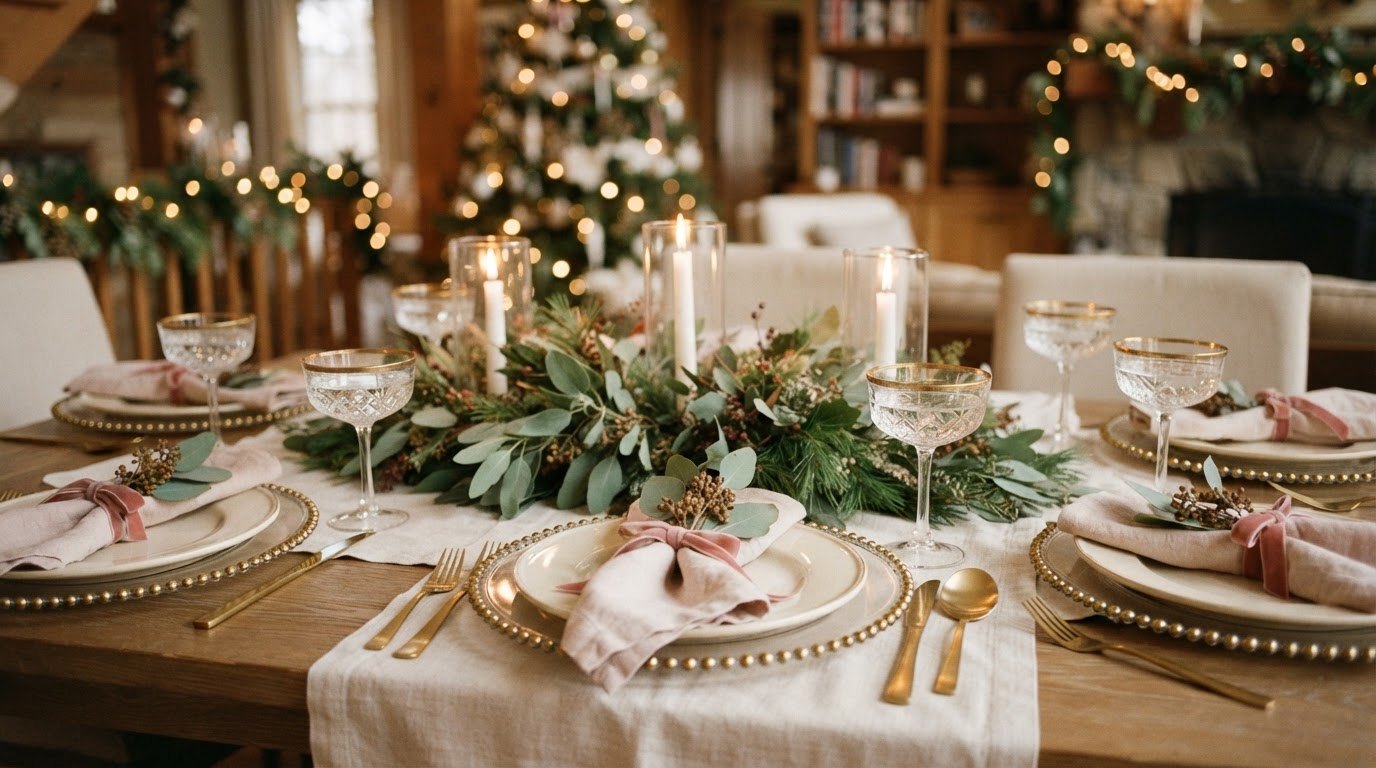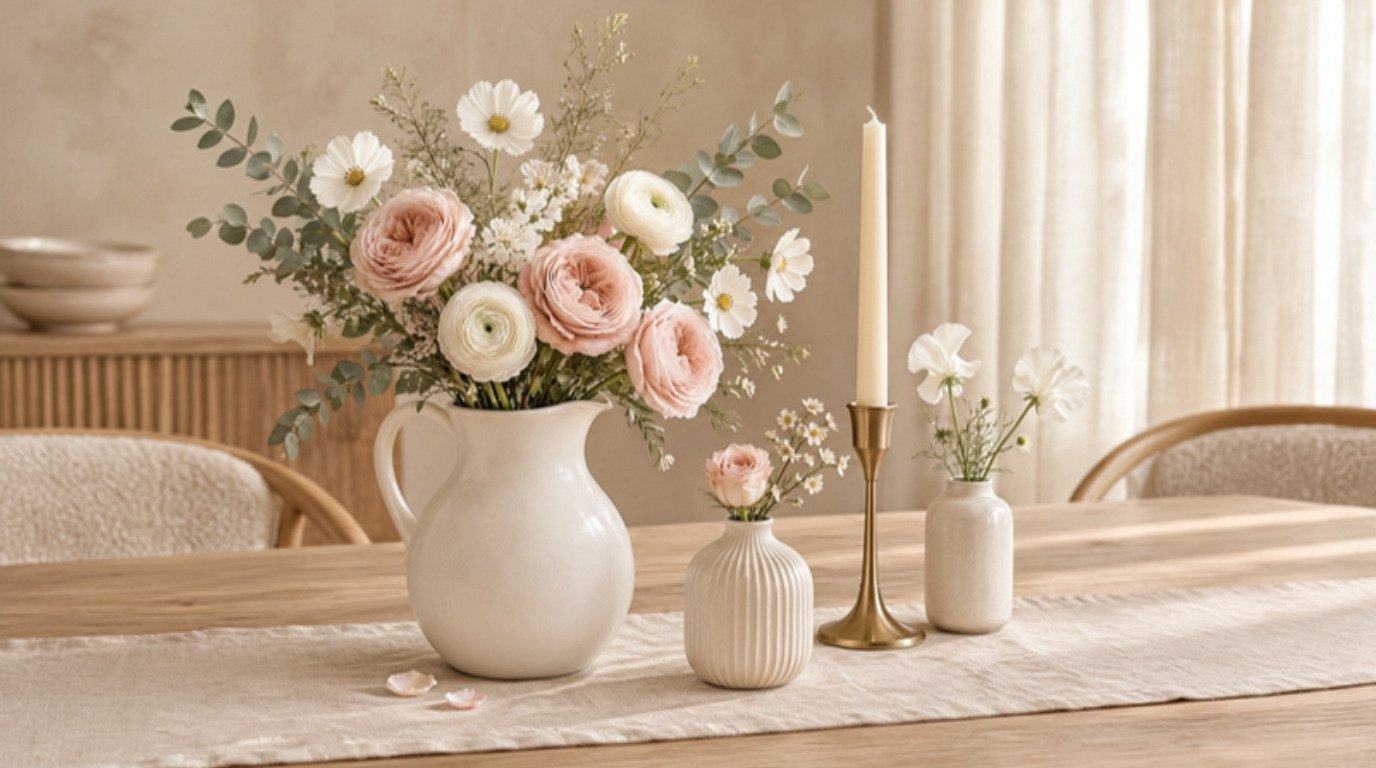
A dining table doesn't need a big occasion to look loved. One small, thoughtful arrangement in the middle tells everyone who walks past that this is a place where people sit down, stay a while and actually enjoy being home, even if dinner is leftovers on a Tuesday.
The best everyday centerpieces are low, simple and easy to move. They cost very little, they last more than a weekend, and they don't make you clear the whole table every time someone wants to spread out a puzzle, a laptop or a pile of mail.
This guide is all about dining table centerpiece ideas for ordinary days: the basic rules that make any arrangement look intentional, 12 easy everyday ideas, a comparison table with cost and how long each one lasts, how to size a centerpiece for round and long tables, and how to swap things for the seasons without buying a whole new look. Nothing here is about holidays, just the calm, cared-for table you get to enjoy most of the year.
The Basics of a Good Everyday Centerpiece
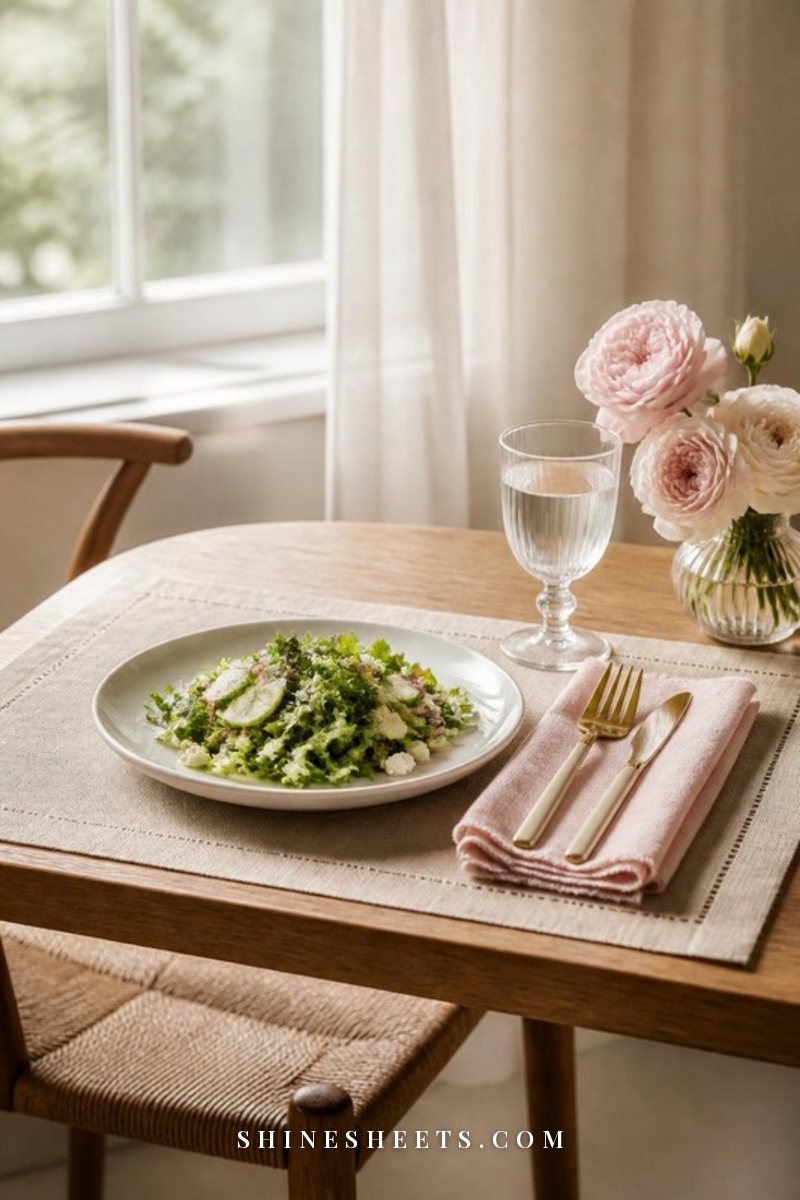
Before you buy a single vase, it helps to know the four simple rules designers follow. Once you know them, almost anything you already own can become a centerpiece.
- Keep it low enough to see over. When you're sitting down, you should be able to look at the person across from you without peeking around a bouquet. Aim for under about 12 inches tall, or go tall and very slim (a few airy branches you can see through).
- Corral it. A tray, a runner or a shallow bowl turns a handful of random objects into one deliberate arrangement. It also means you can lift the whole thing off in one move when you need the space.
- Use odd numbers. Three bud vases, three candles, five little objects. Odd groupings look relaxed and natural; even pairs tend to look stiff and formal.
- Leave room for plates. On an everyday table, the centerpiece should take up the middle third at most. If plates, glasses and a serving dish can't fit around it, it's too big for daily life.
A little formula I like: one base + one hero + one or two small fillers. The base is the tray or runner, the hero is the tallest or most eye-catching piece (flowers, a pitcher, a plant), and the fillers are small things that add texture, like a candle or a little bowl. That's it. If you love this kind of simple formula, my guide to coffee table styling uses a similar approach for the living room.
12 Everyday Dining Table Centerpiece Ideas
Here are 12 easy ideas, from almost no cost to a small one-time buy. Mix and match them, or rotate a few through the year so your table never feels stale.
1. A Single Vase of Grocery-Store Flowers
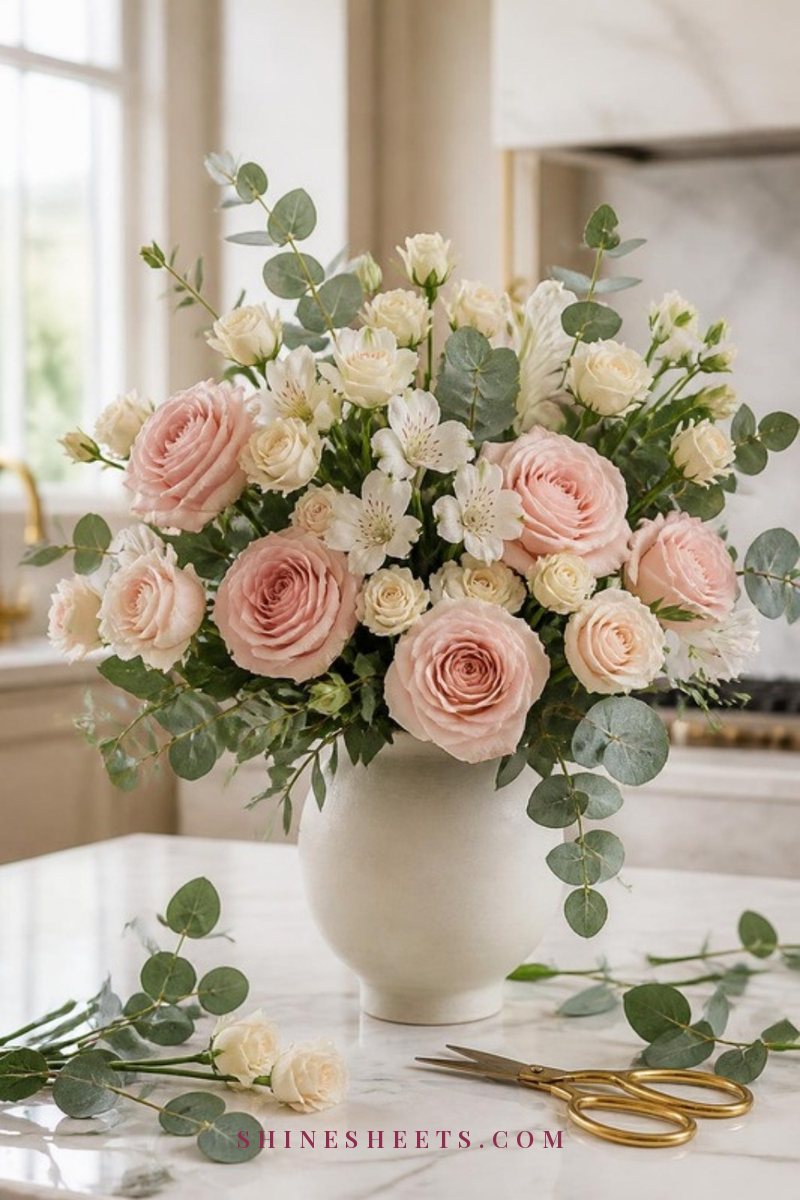
One bunch of grocery-store flowers in the right vase looks far more expensive than it is. The trick is to choose one type of flower in one color (all white tulips, all pink carnations, all cream roses) instead of a mixed bouquet, and to cut the stems short so the arrangement stays low and full.
A white ceramic pitcher vase is one of the most useful pieces you can own for this. Its wide mouth lets flowers fall naturally, and it looks just as pretty empty on a shelf. Change the water every two days, trim the stems at an angle when you do, and most grocery-store flowers will last about a week.
2. A Bowl of Seasonal Fruit
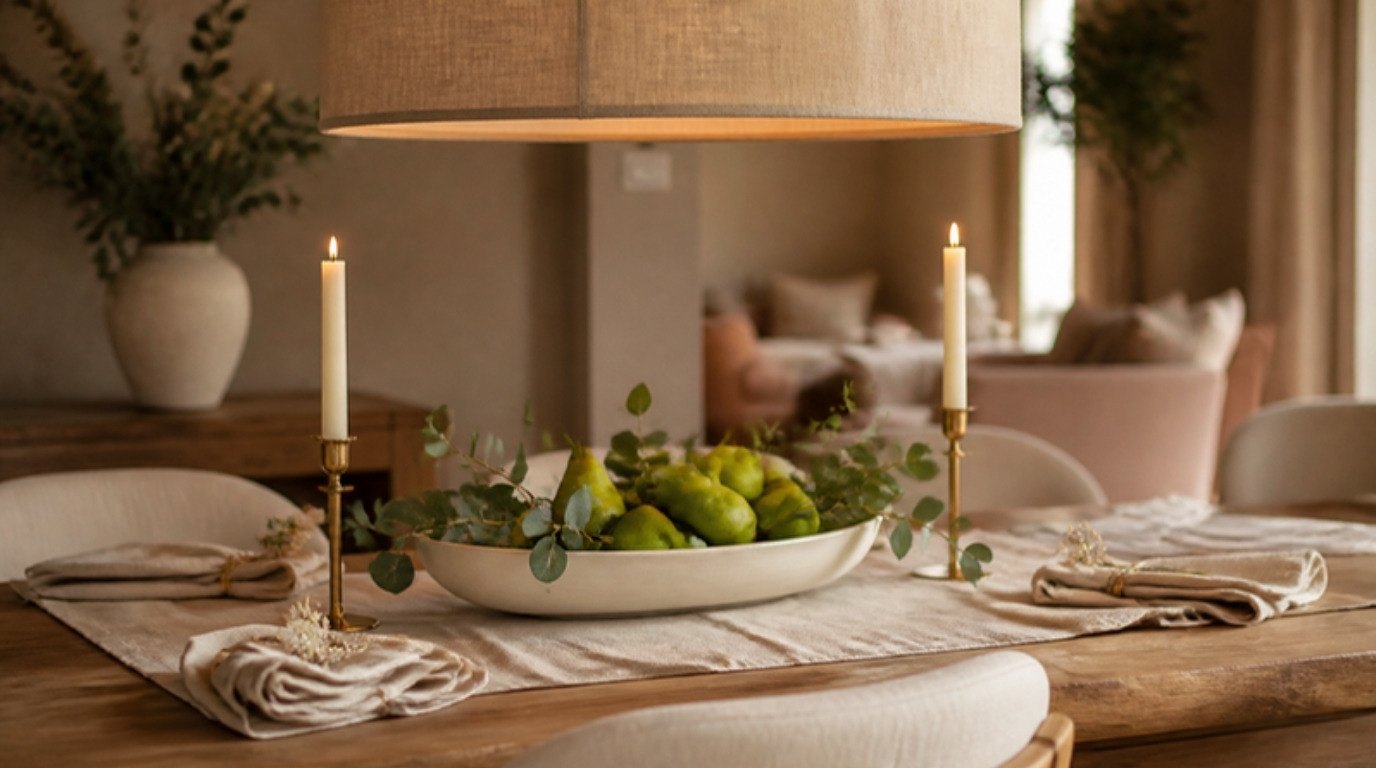
A wide bowl of fruit is the original everyday centerpiece, and it's practical too, because it gets eaten and refilled. Choose fruit in one or two colors for a calmer look: a bowl of only lemons, only green pears or only clementines looks styled, while a jumble of everything looks like a grocery delivery.
Use a shallow ceramic or wooden bowl rather than a deep one so the fruit sits up and shows off its shape. Check it every couple of days and remove anything that's getting soft before it spoils the rest.
3. A Cluster of Bud Vases
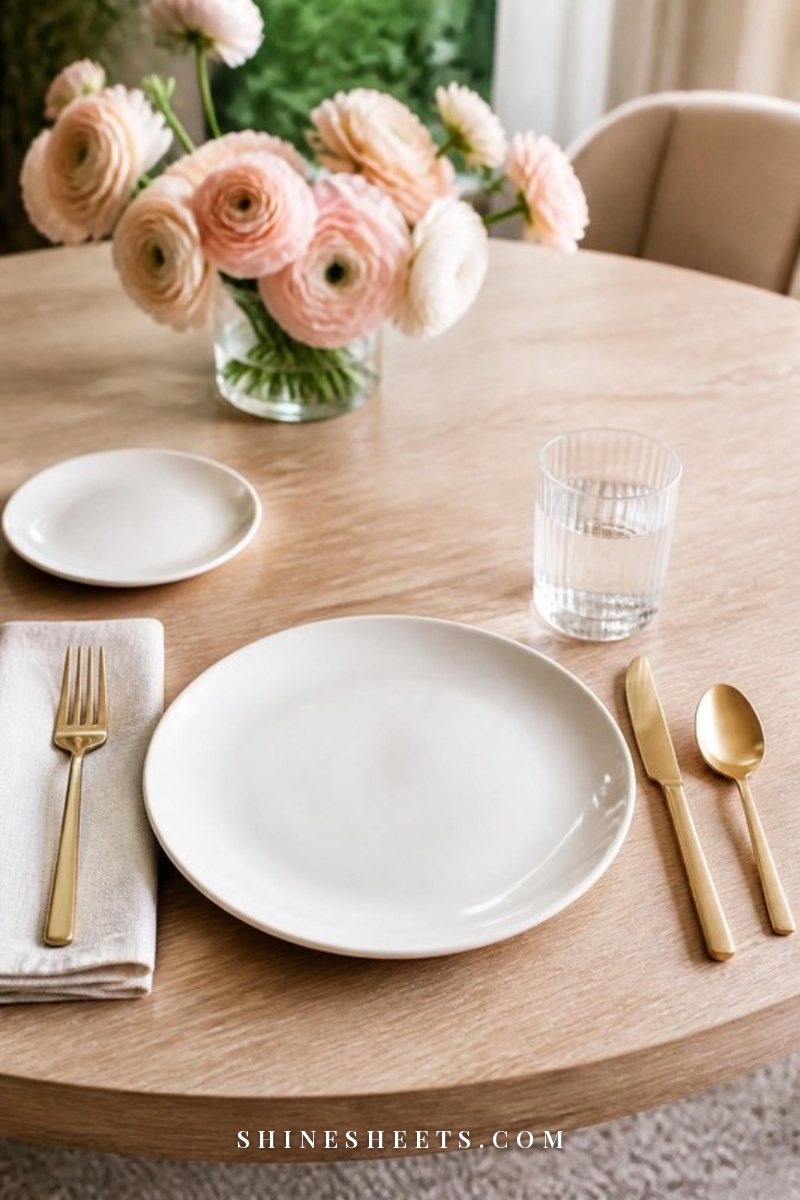
Bud vases are the secret for anyone on a budget. One stem in each of three small vases looks thoughtful and intentional, and you can fill them with a single grocery-store stem, a sprig of greenery from outside or a few leftover flowers from a bigger bouquet.
A set of cream bud vases in different heights and shapes makes this effortless. Group them closely in the center of a round table, or space them in a loose line down a long one. They're also low enough that conversation never gets blocked.
4. Potted Herbs
Two or three small pots of herbs like rosemary, thyme or basil make a fresh, living centerpiece that smells lovely when you brush past it. They suit kitchen tables and breakfast nooks especially well.
Keep them in matching plain pots or slip their nursery pots into small cream ceramic planters, and set them on a saucer or tray to protect the table from water. Herbs need a bright spot, so move them to a sunny windowsill for a few hours a day if your table is in a darker corner.
5. A Candle Trio on a Tray
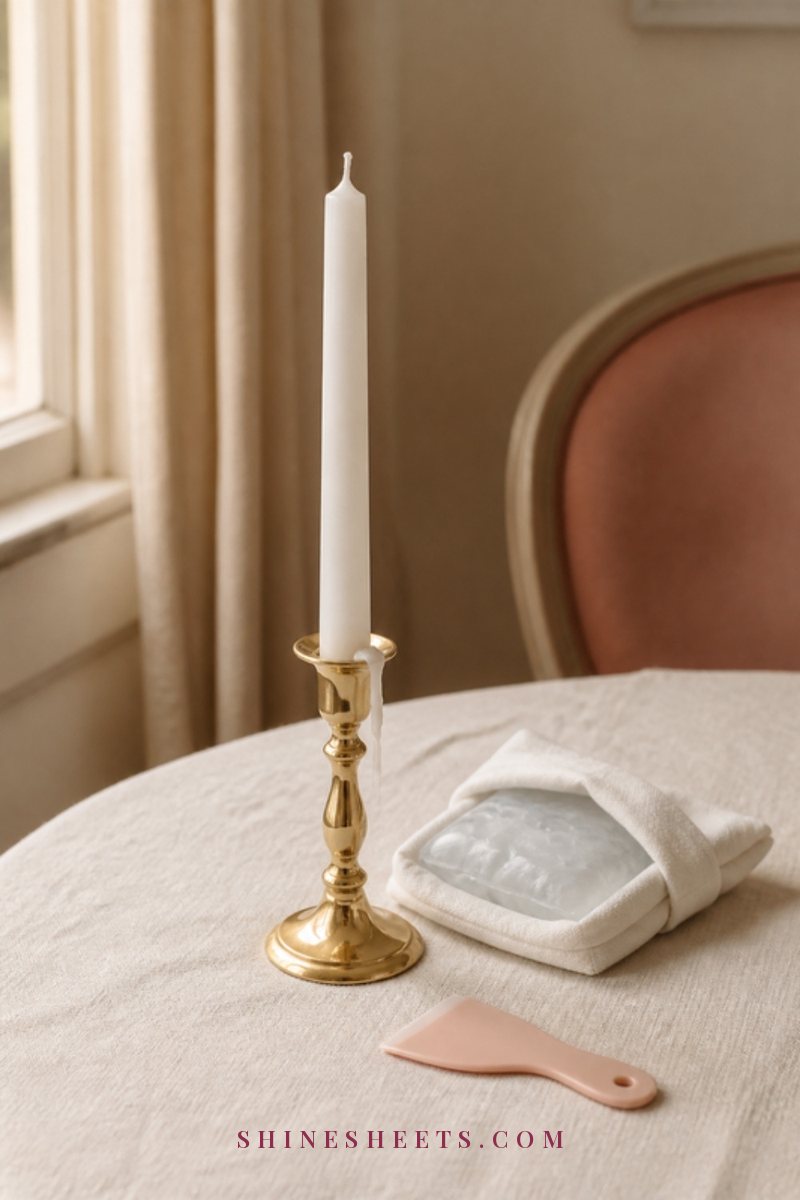
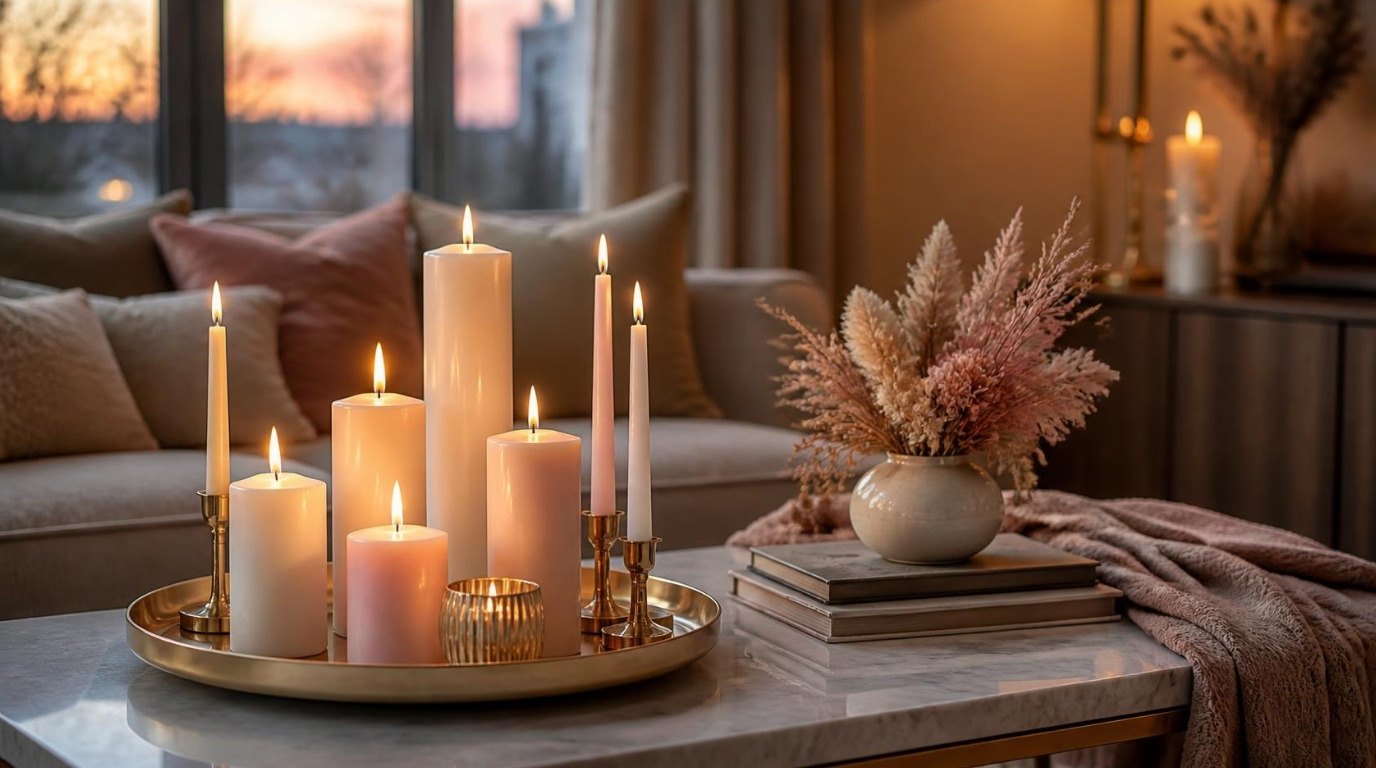
Candles instantly make a table feel like an invitation, even when nothing else on it has changed. Group three candles of different heights on a tray: two tapers and one pillar, or three pillars in different sizes.
An oval wooden tray is the base I'd choose here because its soft shape works on both round and rectangular tables. A set of gold taper candle holders adds a little Old Hollywood glamour to an ordinary weeknight dinner. For more ways to group candles, see my guide on how to style candles at home.
A gentle safety note: never leave a lit candle unattended, keep it well away from flowers, dried stems, paper napkins and branches, and blow it out before you leave the room. The NFPA's candle safety tips are worth a quick read. If you have pets or little visitors, flameless LED candles give the same soft look.
6. A Wooden Dough Bowl
A long, shallow wooden dough bowl is one of the easiest ways to make a table look styled without fuss. Its low, oval shape is made for long tables, and it holds almost anything: a few pillar candles, a pile of lemons, some moss balls or a loose handful of dried stems.
A wooden dough bowl centerpiece also works as an everyday catchall, which is perfect for real life. Thrift stores often have beautiful old wooden bowls for a few dollars, too. My guide on how to decorate with thrifted finds has tips for spotting good pieces and cleaning them up.
7. A Linen Runner With One Statement Piece
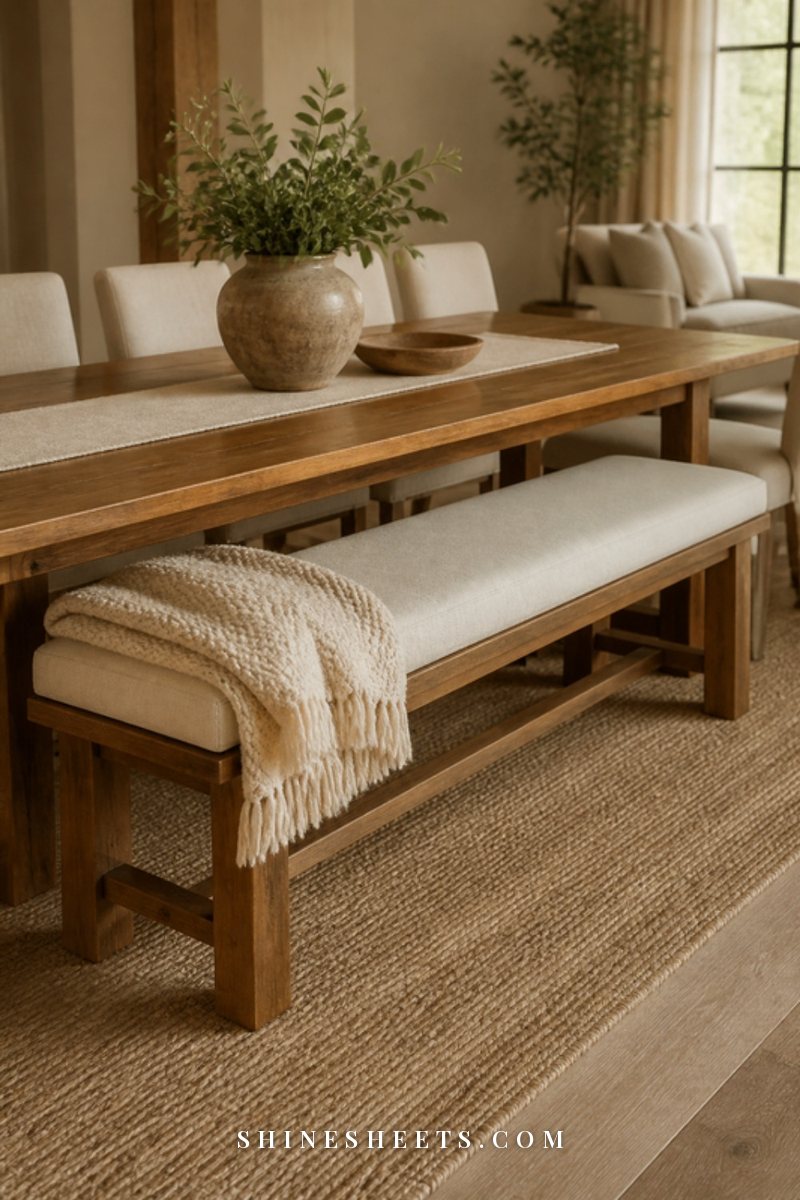
Sometimes the most elegant table has just two things on it: a runner and one beautiful object. The runner adds softness and texture, and the single piece in the middle gives the eye one clear place to land.
A beige linen table runner is endlessly forgiving; it goes with wood, white and painted tables, and a slightly rumpled linen look is part of its charm. Let it hang about 6 to 12 inches over each end of the table. Then add one statement piece: a large vase, a sculptural bowl or a big ceramic jug.
8. Branches in a Tall Jug
Branches are the budget secret of every lovely table. A few cut stems in a tall, narrow jug give height and drama for almost nothing: spring blossoms, summer greenery, autumn leaves or bare winter twigs.
Because branches are airy, they're the one exception to the "keep it low" rule. Choose a slim jug and keep the arrangement loose, so you can still see through it. If you cut branches from your own garden, split the bottom inch of each stem and change the water every few days. Many leafy branches last one to two weeks.
9. A Small Plant
A small potted plant is the lowest-maintenance centerpiece of all. A pothos, a peace lily, a little fern or a small orchid can sit in the middle of the table for months, needing only a little water and the occasional turn toward the light.
Choose a pot that's wider than it is tall so it stays low, and always use a saucer underneath. If your dining room is dim, pick a plant that tolerates low light, or swap it with a plant from a brighter room every couple of weeks.
10. Stacked Books With a Vase
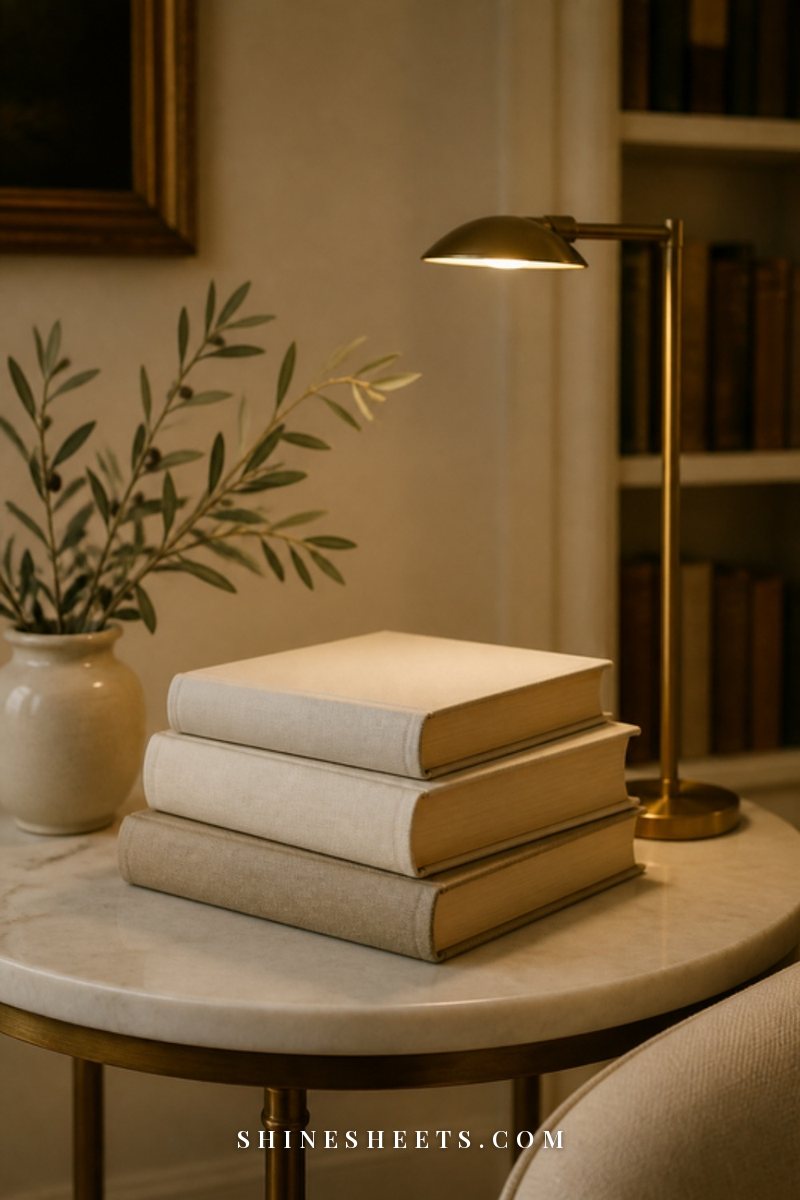
A short stack of two or three pretty hardcover books with a small vase or candle on top adds height and a collected, personal feel. It's especially nice on a table pushed against a wall or in a dining nook that doubles as a reading spot.
Choose books with soft-colored covers or remove the dust jackets to reveal plain linen covers. Turn the spines toward the wall if the titles are distracting. Keep candles off the stack (paper and flame are not friends); a small vase or a little bowl is a safer topper.
11. A Ceramic Pitcher
A beautiful ceramic pitcher is a centerpiece on its own, no flowers required. A white, cream or soft blush pitcher with a nice curved handle looks like something you found at a country market, and it adds instant charm to even the simplest table.
Leave it empty some weeks, and fill it with a few stems or a handful of greenery on others. You can use the same white pitcher vase from idea one, which is exactly why it's such a smart buy: it works three or four different ways.
12. A Cake Stand With Small Objects
A cake stand isn't just for cake. Raised up on its pedestal, a small collection of objects instantly looks curated: a little candle, a mini vase, a few seashells, a tiny potted succulent or a couple of pretty stones.
A white ceramic cake stand works with any style, and it gives you height without blocking the view. Keep it to three or five small items with a little breathing room between them, and change them whenever you want a fresh look.
Centerpiece Comparison Table: Shape, Cost and How Long It Lasts
Here's a quick way to compare all 12 ideas at a glance. Costs are rough estimates for buying the main piece or refill once; if you already own the base, many cost nothing at all.
| Centerpiece idea | Best table shape | Cost | How long it lasts |
|---|---|---|---|
| 1. Grocery-store flowers | Round or square | Low (flowers weekly) | About 1 week |
| 2. Bowl of seasonal fruit | Round | Low | About 1 week, refilled as eaten |
| 3. Cluster of bud vases | Round or long | Low | Vases forever; stems 4–7 days |
| 4. Potted herbs | Small round or kitchen table | Low | Weeks to months with sun |
| 5. Candle trio on a tray | Any | Medium (one-time) | Months; replace candles as needed |
| 6. Wooden dough bowl | Long rectangle or oval | Medium (one-time) | Years |
| 7. Linen runner + one statement piece | Long rectangle | Medium (one-time) | Years; wash the runner monthly |
| 8. Branches in a tall jug | Round or long | Very low | 1–2 weeks |
| 9. Small plant | Round or square | Low | Months to years |
| 10. Stacked books with a vase | Against a wall or square | Very low | As long as you like |
| 11. Ceramic pitcher | Round or square | Medium (one-time) | Years |
| 12. Cake stand with small objects | Round | Low to medium (one-time) | As long as you like |
If you want one long-lasting base and something fresh on top, combine a "years" option with a "1 week" one: a runner with a weekly bud vase, or a dough bowl with seasonal fruit.
How To Size a Centerpiece for Round vs Long Tables
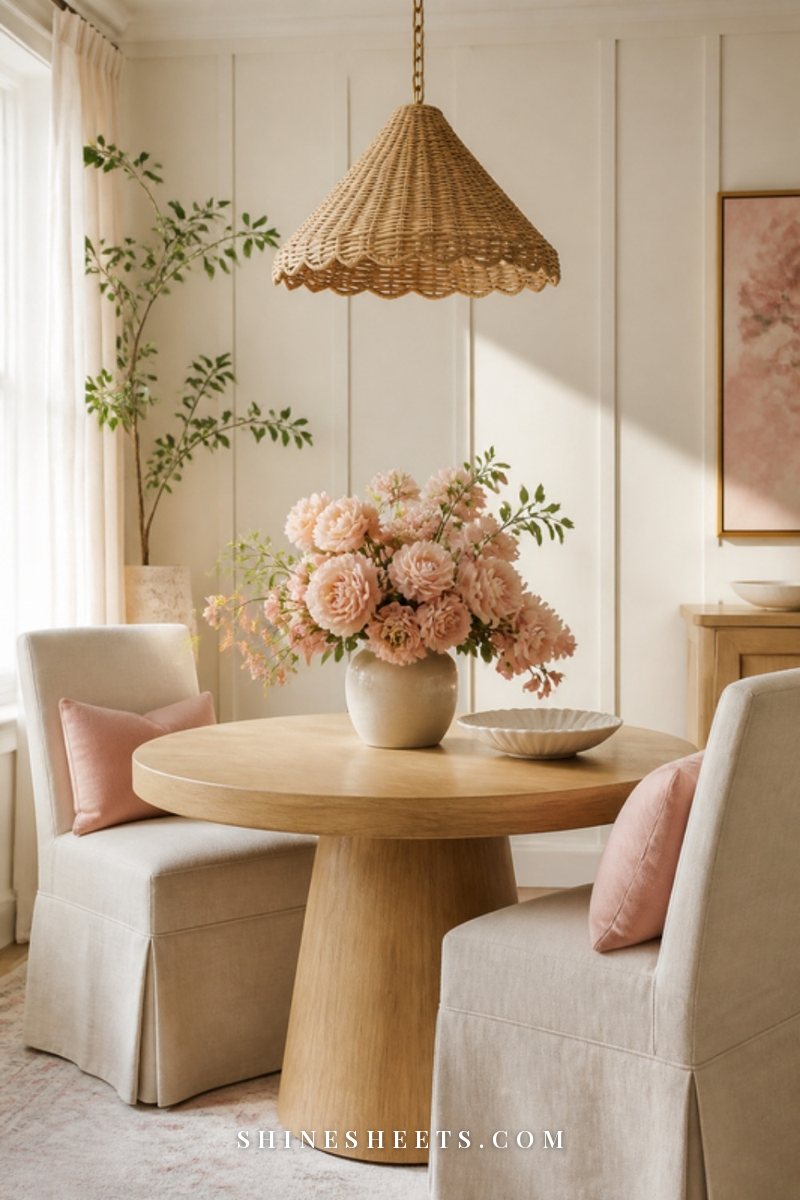
The same centerpiece can look perfect on one table and lost or crowded on another. A few simple guidelines help:
- Round tables: keep everything in one compact cluster in the center, roughly a third of the table's width or less. A single vase, a bowl, a plant or a tight group of three bud vases works beautifully. Avoid long, narrow arrangements; they look like they're floating.
- Long rectangular tables: think in a line. A runner, a dough bowl or three to five small pieces spaced along the center fill the length without blocking anyone. Leave at least 12 inches clear at each end so no one feels squeezed.
- Square tables: treat them like round ones, with one centered grouping on a square or round tray.
- Small tables for two: one bud vase or one small candle is plenty. Anything more and you'll be moving it every meal.
- Oval tables: an oval tray or dough bowl echoes the shape and always looks right.
For a bigger picture of how your table fits the rest of the room, my cozy dining room ideas cover lighting, rugs, chairs and walls, too.
Swapping Centerpieces for the Seasons on a Tiny Budget
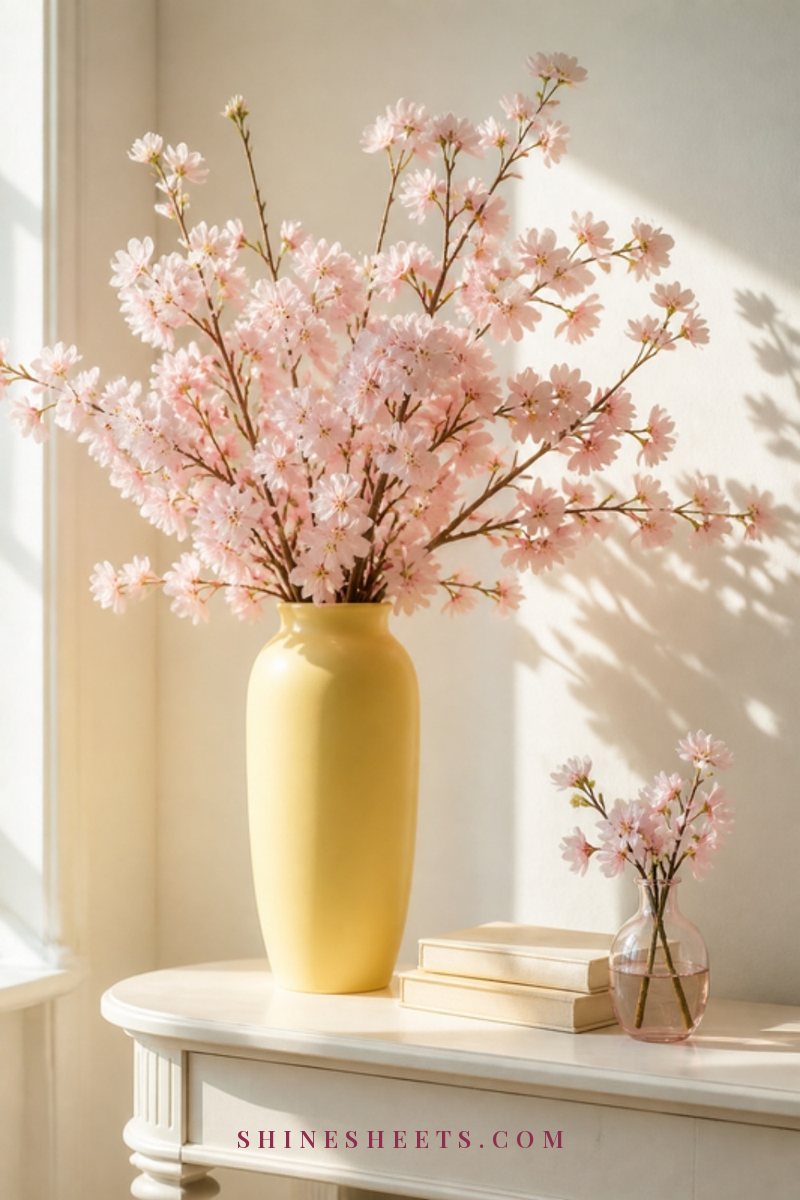
You don't need a new centerpiece every season. Keep your base pieces (a tray, a runner, a pitcher, a set of bud vases) and change only what goes in or on them. Here's how that can look through the year:
- Spring: blossom branches, tulips or a few stems of something soft and pink in your bud vases. My spring decor ideas have more fresh touches for the whole home.
- Summer: a bowl of lemons, a big bunch of greenery or a few garden roses in the pitcher.
- Autumn: branches with turning leaves, dried grasses in the dough bowl or a bowl of pears.
- Winter: bare twigs in the tall jug, white flowers, a small plant and more candles on the tray for long, dark evenings.
One small habit makes this almost effortless: when you bring home groceries, pick up one bunch of flowers or one bag of seasonal fruit for the table. It costs less than a takeout coffee and keeps your table feeling fresh all year.
How To Live With a Centerpiece When You Actually Use the Table
An everyday centerpiece should make life easier, not create one more thing to tidy. A few practical habits help:
- Give it a landing spot. Decide where the centerpiece goes when you need the whole table (a sideboard, a shelf, a windowsill) so it moves in five seconds.
- Keep it on a tray whenever possible, so you lift one thing instead of six.
- Protect the table. Use saucers under plants and felt pads under heavy pieces to prevent rings and scratches.
- Do a weekly reset. Once a week, change the water, remove wilted stems, wipe the tray and straighten the runner. It takes about five minutes.
- Stop when it looks good. If you keep adding "just one more" piece, take one away. A calm table always has some empty space.
Final Thoughts
A dining table centerpiece doesn't have to be fancy or seasonal or expensive. A single bunch of flowers, a bowl of lemons or one pretty pitcher on a runner is enough to make an ordinary dinner feel a little more special.
Start with what you already have, add one base piece you love, and let the table change slowly with the seasons. The most beautiful tables are the ones that get used every day, crumbs and all.