

There’s a quiet revolution happening in the world of relationships. It’s not about grand gestures or elaborate date nights. It’s simpler and more profound. It’s about relaxation.
In our hyper-connected, achievement-oriented world, we’ve forgotten something essential. The art of simply being together in a state of calm presence. This forgotten art might be the key to deeper connections.
I discovered this truth on a rainy afternoon. My partner and I had been arguing for weeks about trivial matters.
The tension had become our normal state of being. That day, trapped indoors by the weather, we did something radical. We relaxed.
The Science of Tension and Connection
Our bodies weren’t designed for constant alertness. The sympathetic nervous system—our fight-or-flight response—was meant for occasional dangers. Not daily commutes and deadline pressures.
When we exist in this state of tension, we bring it home to our loved ones. Our capacity for empathy diminishes. Our patience wears thin. Our ability to truly see another person fades.
Research confirms this intuitive understanding. Studies show that chronic stress impairs communication between couples. It reduces emotional availability and even dampens our capacity for joy in shared experiences.
The solution seems obvious yet remains elusive for many. We must prioritise relaxation as a cornerstone of relationship health.
Relaxation as a Shared Language
Relaxation isn’t merely the absence of activity. It’s a state of being that allows for deeper presence. When we relax together, we create a shared language beyond words.
I once knew a couple married for sixty years. Their secret wasn’t complicated. Every evening, they sat in matching chairs. They held hands in comfortable silence. No phones, no television, no distractions.
“We learned to breathe together,” the wife told me with a knowing smile. “After that, everything else became easier.”
This wisdom appears across cultures. Japanese concepts like “ma” celebrate the space between objects or events. This space isn’t empty but full of possibility. The same applies to relationships.
The Intimacy of Shared Stillness
True intimacy flourishes in moments of relaxed connection. When we set aside our social masks and performance anxiety, we allow ourselves to be truly seen.
This vulnerability requires safety. Safety requires relaxation. The equation is simple but profound.
Consider the ancient practices of tantric connection. While often misunderstood as merely sexual, authentic tantric practices focus on presence.
They teach partners to synchronise breath and energy. They emphasise mindful touch and sustained eye contact.
These practices create a container for deeper intimacy. They slow down interactions that modern life has accelerated beyond recognition.
For those wanting a guided experience, exploring a couples tantric massage can offer a powerful, hands-on way to reconnect through breath, touch, and intention.
Practical Pathways to Relaxed Connection
How might we bring this wisdom into our daily relationships? The pathways are numerous and accessible.
Breathwork for Two
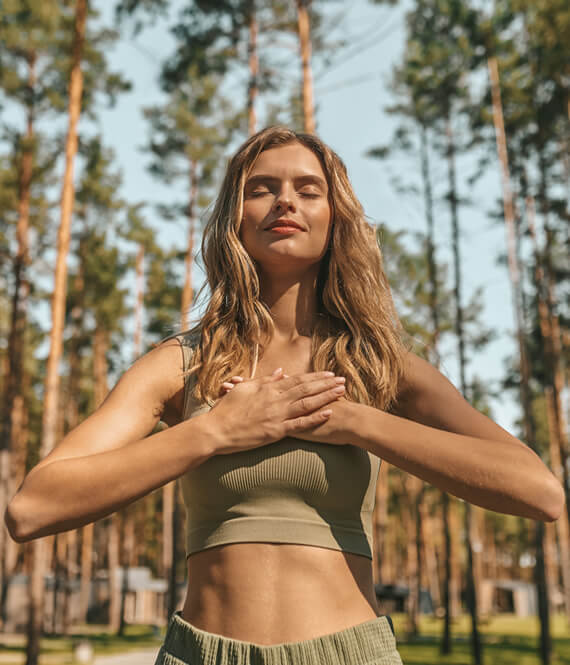
Begin with the foundation of life itself: breath. Set aside five minutes each day to breathe together. Sit facing each other with knees touching.
Synchronise your inhales and exhales. Notice how quickly your nervous systems align.
This simple practice creates neurological harmony. Your hearts may even begin to beat in rhythm. Scientists call this “entrainment.” Poets might call it love made visible.
The Touch of Presence
Physical touch releases oxytocin, our bonding hormone. But rushed or distracted touch doesn’t have the same effect. Presence amplifies the power of connection.
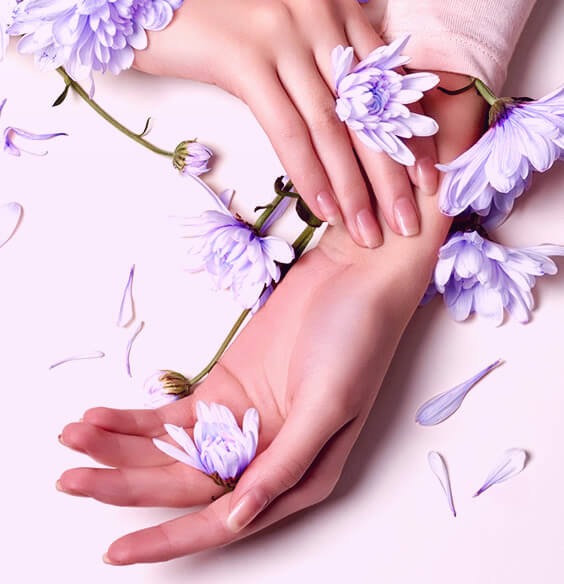
Try this: Spend ten minutes giving your partner a hand massage. Focus entirely on the sensation. Notice the temperature of their skin. Feel the unique contours of their fingers. This isn’t merely touch—it’s communication through contact.
The principles of mindful touch found in tantric massage traditions offer wisdom here. The emphasis remains on presence rather than outcome. The journey becomes more important than the destination.
Digital Detox Dates
Create sacred spaces free from technological intrusion. Place the phones in another room. Turn off notifications. Give each other the increasingly rare gift of undivided attention.
A friend implemented this practice with surprising results. “We rediscovered conversation,” she told me. “Real conversation, where you follow thoughts down unexpected paths.”
Nature as Nervous System Reset
Natural environments automatically lower stress hormones. Take advantage of this biological reality. Walk together in parks or forests. Sit by water. Watch clouds from a blanket on the grass.
Nature provides a shared focus outside yourselves. This often makes conversation flow more easily. Difficult topics become more approachable under open skies.
The Challenges of Prioritizing Relaxation
This path isn’t without obstacles. Our culture values productivity above presence. We’ve internalized these values in ways that make relaxation feel indulgent or even irresponsible.
I struggled with this myself. Scheduling relaxation felt contradictory. Wasn’t relaxation supposed to be spontaneous? I discovered that in our current world, we must intentionally create space for what once came naturally.
Another challenge arises from differing relaxation styles. Some find peace in movement—walking, gardening, gentle yoga. Others need complete stillness.
Honor these differences while finding overlap in your relaxation Venn diagram.
The Ripple Effects of Relaxed Relationships
When we prioritise relaxation in our primary relationships, the benefits extend outward. We become more patient parents. More attentive friends. More compassionate colleagues.
Our relationship becomes a sanctuary rather than another source of stress. This transformation doesn’t require exotic retreats or expensive interventions. It requires only attention and intention.
The most beautiful aspect of this approach is its accessibility. Relaxation costs nothing. It requires no special equipment. It’s available to anyone willing to prioritise presence over productivity.
A Personal Testimony
I’ve witnessed this transformation in my own life. Those rainy-day moments of enforced relaxation became intentional practice. We learned to create islands of calm in our week.
Arguments didn’t disappear, but their character changed. With relaxed nervous systems, we could disagree without activation. We could listen without defensiveness. We could find humour in our differences.
The quality of our connection deepened. Conversations ventured into territories previously unexplored. Silence became comfortable rather than threatening.
The Invitation
Consider this an invitation to a radical experiment. For one week, prioritise relaxation in your relationship above all other goals and notice what shifts.
Pay attention to subtle changes in communication patterns.
You might discover that relaxation isn’t self-indulgence. It’s relationship maintenance of the highest order. It’s the soil in which love grows stronger roots.
In a world that values doing, be brave enough to prioritise being. In this space of shared calm, you may find the relationship you’ve been seeking all along—one breath, one moment, one heartbeat at a time.

Hi! I am author + writer on personal development, beauty, relationships and self-care, sharing insights through this blog since 2018. After years of practicing personal growth, emotional wellness and feminine lifestyle (plus 19 years in a thriving relationship), I share effective and tested advice to help you foster beauty, self-improvement and order in your life. Some articles are written by a small team of beautiful writers I trust.








Leave a Comment