Jealousy in a friendship rarely looks like a dramatic movie villain. It usually looks like a small, confusing moment: you share good news and the air goes flat, or a compliment lands with a little sting at the end. Most of the time it's not a sign that your friend is a bad person. It's a sign that she's struggling with something, and it's leaking into the way she treats you.
That matters, because the way you handle it depends on what's really going on. An occasional pang of envy is human and usually passes on its own. A steady pattern of digs, distance and competition is different, and it deserves a kind, honest response instead of quiet endurance.
This guide walks you through the signs of a jealous friend without labeling anyone, what those signs might mean, and how to handle it with warmth: a sign-by-sign table with kind responses, five gentle scripts for the conversation, how to protect your own joy and what to do if you're the one feeling jealous. No snooping, no testing, no games. Just clear, grown-up ways to care for the friendship and for yourself.
Jealousy Is Normal: A Pang vs a Pattern

Let's start with something freeing: every single person feels jealous sometimes. Your friend gets engaged while you're single, gets the promotion you wanted, moves into the sunny apartment with the window seat. A little twist in your stomach is normal. Feeling it doesn't make anyone a bad friend. Acting on it in hurtful ways, over and over, is what changes things.
Here's a simple way to tell the difference:
- A pang is short and occasional. It shows up around a big moment (a wedding, a new job, a move), it fades within days or weeks, and your friend still shows up for you overall.
- A pattern repeats for months. It shows up around many of your good moments, small and big, and it comes with behavior that leaves you feeling smaller after you spend time together.
I find it helps to look back over the last three to six months rather than judging one bad afternoon. One cold reaction to your news on a day she was exhausted is not a pattern. Six cold reactions in a row probably is.
And one more gentle truth: jealousy and love can live in the same person at the same time. Your friend can genuinely care about you and still feel envious of your life. Holding both makes it much easier to respond without anger.
10 Signs of a Jealous Friend

Before you read these, a kind reminder: one or two signs on their own don't mean much. Everyone has off days, clumsy moments and seasons of being distracted. Look for repeated behavior, especially when several of these show up together.
1. Backhanded Compliments
"You look so good, I almost didn't recognize you." "That's such a brave outfit." "Wow, I'd never have the confidence to post that." These compliments start sweet and end with a small sting. One of them might be a clumsy choice of words. A steady stream of them often means your friend is struggling to say something purely nice without balancing it with a little dig.
2. Downplaying Your Good News
You share that you got the job, and she says, "Oh, that company has a lot of turnover though." You mention your trip, and she points out how expensive it is. Downplaying shrinks your moment so it feels less threatening to her. You may notice you start pre-shrinking your news yourself just to avoid the reaction.
3. Going Quiet When You Share Wins

This one is subtle. She's chatty when you talk about a bad week, full of questions and comfort. But when you share something good, the conversation goes flat: a quick "nice," a change of subject, or a reply that takes two days. It's worth noticing if the warmth only shows up when you're down.
4. Competing or One-Upping
You ran your first 5K, and she mentions the half marathon she did years ago. You redecorated your bedroom, and suddenly she's planning a full home makeover. Every story becomes a little contest. Some people one-up out of habit or nerves, but if it happens around almost everything you share, it can be jealousy looking for reassurance.
5. Gossip About You
If you hear, more than once and from different people, that your friend has been sharing your private news or making unkind remarks behind your back, take it seriously. Please don't go digging for proof or checking her messages. Simply notice what reaches you naturally, and remember that a friend who talks about others to you may also talk about you to others.
6. Leaving You Out
Group plans happen and you only hear about them afterward. She invites everyone to her birthday dinner except you, or "forgets" to add you to the chat. Being left out once can be an honest mistake. Being left out repeatedly, especially right after something good happened for you, can be a quiet way of putting distance between her and the thing she envies.
7. Criticizing Your Partner or Other Friends
A true friend will tell you if something truly worries her about someone in your life. That's different from constant small criticism of your partner, your new friends from work or your sister. When nobody you love is ever good enough, it can be a sign she feels threatened by your other relationships, or afraid of losing her place in your life.
8. Hot-and-Cold Behavior
One week she's texting every day and calling you her best friend. The next week she's distant, short with you or leaves you on read. Hot-and-cold friendships are exhausting because you never know which version you'll get. If the cold spells line up with your good moments, jealousy may be part of the story.
9. Jokes at Your Expense in Front of Others
Teasing between close friends can be playful and warm. But if the jokes mostly happen in front of other people, target your looks, your relationship or your achievements, and leave you feeling embarrassed rather than included, that's not just banter. "Relax, I'm kidding" doesn't erase how a joke landed.
10. Quietly Celebrating Your Setbacks
This is the hardest sign to see, and the one that hurts most. She's oddly upbeat when your date goes badly, more engaged when your plans fall through, quick to say "I knew that wouldn't work out." Nobody's perfect at hiding a small flicker of relief, but a friend who seems happier when you're struggling is telling you something important.
Sign, Meaning and Kind Response: A Quick Table
This is the heart of the guide. For each sign, here's what it might mean (not what it definitely means) and a calm way to respond in the moment. Screenshot it if it helps.
| Sign | What it might mean | Kind response |
|---|---|---|
| Backhanded compliments | She wants to say something nice but feels insecure next to you | Take the kind part only: "Thank you!" and move on. If it repeats, mention it privately. |
| Downplaying your good news | Your news touches a sore spot in her own life | "I'm really excited about it, actually." Calm, not defensive. |
| Going quiet when you share wins | She doesn't know how to celebrate while feeling stuck | Keep sharing, a little less often, and ask about her life too. |
| Competing or one-upping | She needs reassurance that she's doing well too | "That sounds amazing. I'm proud of mine too." Then let it rest. |
| Gossip about you | She's processing envy out loud with other people | Share less private news with her and talk to her directly if it continues. |
| Leaving you out | She's creating distance from what she feels she lacks | "I noticed I wasn't at the last few plans. Is everything okay between us?" |
| Criticizing your people | She's afraid of losing her place in your life | "I hear you. I'm happy with them, and you're still important to me." |
| Hot-and-cold behavior | Her mood about her own life swings, and you feel it | Stay steady and warm without chasing her during the cold spells. |
| Jokes at your expense | Humor is her safe way to let out envy | "That one didn't feel great to me." Say it lightly, then privately if needed. |
| Celebrating your setbacks | Your struggles make her feel less behind | Lean on other friends for comfort during hard moments and notice the pattern. |
Why a Friend Might Feel Jealous

Understanding the why doesn't excuse hurtful behavior, but it can soften your response and help you decide what to do. Some common reasons:
- Insecurity. When someone feels unsure of her own worth, your good news can feel like a measuring stick she's falling short of.
- Different life stages. You're traveling while she's deep in a hard job. You're dating while she's going through a breakup. Friendships often wobble when your lives move at different speeds.
- Fear of being left behind. A new partner, a new city or a new circle of friends can make an old friend worry she'll lose you.
- A hard season of her own. Money stress, health worries, family trouble. When your own life feels heavy, someone else's joy can feel loud.
- Constant comparison. Flipping through everyone's highlights makes it very easy to measure your real life against other people's best moments, including yours.
Notice that none of these are about you doing something wrong. You don't need to apologize for a good life. You can, though, respond with a little extra compassion when you see what she might be carrying.
How To Handle a Jealous Friend

There's no single right way to respond, because every friendship has its own history. These steps go from gentle and private to firmer, so you can start small and move along only if you need to.
Check Your Own Lens First
Before you talk to her, spend ten minutes being honest with yourself. Is this a real pattern, or one moment you've been replaying? Are you having a sensitive season yourself? Has anything changed in how you share news, how often you're available or how much you ask about her life?
Writing it out helps. A guided reflection journal with prompts can make this easier than staring at a blank page. Try three quick questions: What exactly happened? How many times has something like this happened in the last few months? What do I want from this friendship now? Sometimes this step reveals that you just need more time together, not a big talk.
Don't Shrink Your Life To Keep the Peace
When a friend reacts badly to your joy, it's tempting to dim it. You stop mentioning the promotion, play down the new relationship, laugh off the compliment you got. A little sensitivity is kind. Hiding big parts of your life to avoid her reaction is not sustainable, and it teaches you that your happiness is a problem.
You're allowed to be proud of your life. You're allowed to be happy around people you love.
Talk Privately With I-Statements

If the pattern keeps going, a calm private conversation is usually the kindest next step. Choose a quiet moment, not a group dinner and not right after a tense exchange. In person or on a call is better than text, because tone matters so much here.
The simple formula: "When [specific thing] happens, I feel [feeling]. I'd love [what you want]." Talk about your experience instead of her character. "You're jealous" puts anyone on the defensive. "I've noticed I feel a bit lonely when I share good news" opens a door.
Keep it short, around five to ten minutes, and let her respond without rushing to fill the silence. She may be embarrassed, defensive or relieved. All of those are normal first reactions.
5 Gentle Scripts for the Conversation
Adjust the words so they sound like you. These are starting points, not lines to recite.
- Opening the talk: "Can I share something that's been on my mind? It's small, but I care about us, so I'd rather say it than let it sit."
- About your good news: "When I shared my news about the job, it felt like the conversation moved on really quickly. I felt a little deflated. I'd love to be able to celebrate things with you."
- About remarks or jokes: "The remark about my outfit at dinner stung more than you probably meant it to. Could we keep the teasing just between us, or skip that kind of joke?"
- About distance: "I've noticed we've been less in touch lately, especially since I moved. I miss you. Is something going on, or have I done something that hurt you?"
- Inviting her side: "I know life has been a lot for you lately. If anything about my situation is hard to be around, you can tell me. I'd rather talk about it than drift apart."
If she opens up about feeling envious, thank her. That takes courage. You don't have to fix her feelings. "Thank you for telling me. I really appreciate you being honest" is enough.
Share Your Wins Selectively
This isn't about hiding your life. It's about matching what you share to what the friendship can hold right now. If she's going through a painful breakup, maybe you mention your new relationship briefly instead of sharing every sweet detail. Save the full celebration for friends who are in a place to celebrate with you.
Think of it as timing, not secrecy. When her season gets lighter, you can share more again.
Encourage Them Genuinely
Sometimes jealousy softens when a friend feels seen. Notice what's going well for her and say so, specifically and sincerely. "Your presentation sounded so organized, I was really impressed" lands much better than a vague "you're amazing."
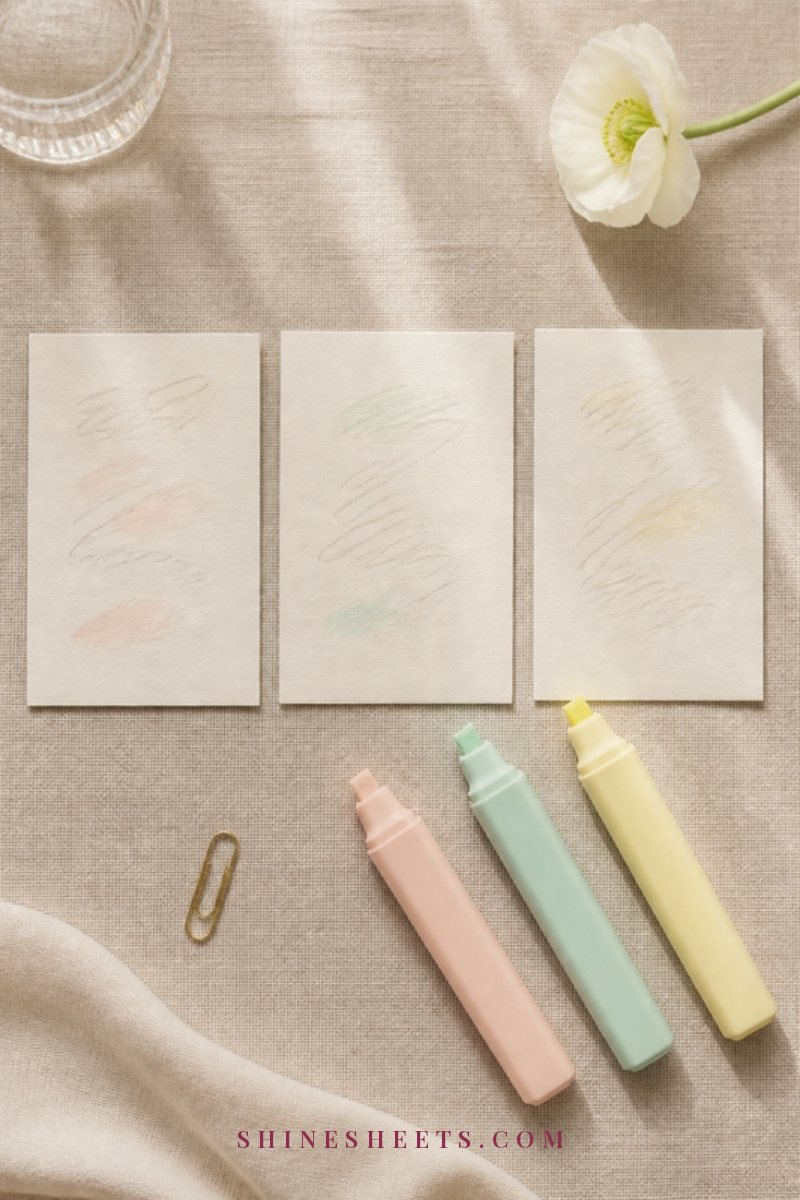
A short handwritten note can mean more than a dozen texts. Keep a few blank cream notecards and a soft pastel pens set in a drawer, and write three or four honest sentences: something you admire, a memory you love, why you're glad she's in your life. Only do this if you mean it. Encouragement used as a tactic to "fix" her jealousy will feel hollow to both of you.
You can also invite her into something that's just yours together, like a standing tea date once a month. A ceramic mug set for two kept for those afternoons sounds like a small thing, but rituals quietly remind both of you that the friendship has its own space, separate from whatever is happening in your lives.
Set Clear Boundaries
If the conversation doesn't change much, boundaries protect you without requiring a dramatic ending. A boundary is about what you will do, not controlling what she does. For example:
- "If the jokes come up in front of others again, I'm going to change the subject or step away."
- "I'm going to keep some things private for now."
- "I'm happy to meet up, but I'm not going to talk about my relationship when it turns into criticism."
Say it once, calmly, and then follow through quietly. If you'd like more wording ideas, my guide on how to set boundaries without feeling guilty has scripts for all kinds of situations.
Step Back if It Stays Hurtful
Some friendships can't hold both people's growth, at least not right now. If you've been honest, set boundaries and given it time, and you still leave most meetups feeling small, anxious or drained, it's okay to step back. That might mean seeing her less often, keeping things light, or letting the friendship rest for a season.
It can help to compare what you're feeling with the signs of a toxic friendship, and to notice whether you're the only one making an effort, which is a different problem covered in my piece on one-sided friendships. And when you need a reminder of what healthy feels like, these signs of a good friend are a lovely measuring stick.
Stepping back isn't a punishment. It's simply choosing where your energy goes.
If a friendship ever turns frightening or controlling, or the stress starts affecting your sleep, mood or daily life, please talk with someone you trust. A therapist or counselor can help you sort through the feelings and decide what's right for you.
What To Do If You're the Jealous One

Maybe you read this list and recognized yourself in a few signs. First: welcome, and thank you for being honest. Feeling jealous of a friend you love is incredibly common, and noticing it is the most important step.
A few kind things to try:
- Name the feeling privately. "I'm feeling envious of her new home" is less scary written down than swirling in your head. A few minutes of journaling, maybe after an evening cup of tea, helps you see what's underneath.
- Find the wish inside the envy. Jealousy often points at something you want for yourself: more stability, more adventure, more love. That's useful information.
- Say the kind thing anyway. You can feel a pang and still text "I'm so happy for you." Acting kindly while feeling mixed is not fake. It's mature.
- Take a short break from comparison. Mute stories or accounts that send you spiraling for a week or two.
- Consider telling her. "I'll be honest, I've felt a little jealous lately, and I don't want it to get between us" can bring two friends closer.
For a deeper dive, my guide on how to stop being jealous goes into the roots of the feeling and gentle ways to work through it. And if you love reading your way through things, a warm book about friendship on your nightstand can be a good companion while you sort it out.
Final Thoughts
Noticing the signs of a jealous friend doesn't mean you have to choose between keeping the peace and keeping yourself. Most of the time, a little honesty, a few boundaries and a lot of kindness are enough to steady things.
And if the friendship can't make room for your joy right now, that's not a verdict on your worth. The right people will be glad to see you shine, and you deserve friendships where your good news is good news for everyone.