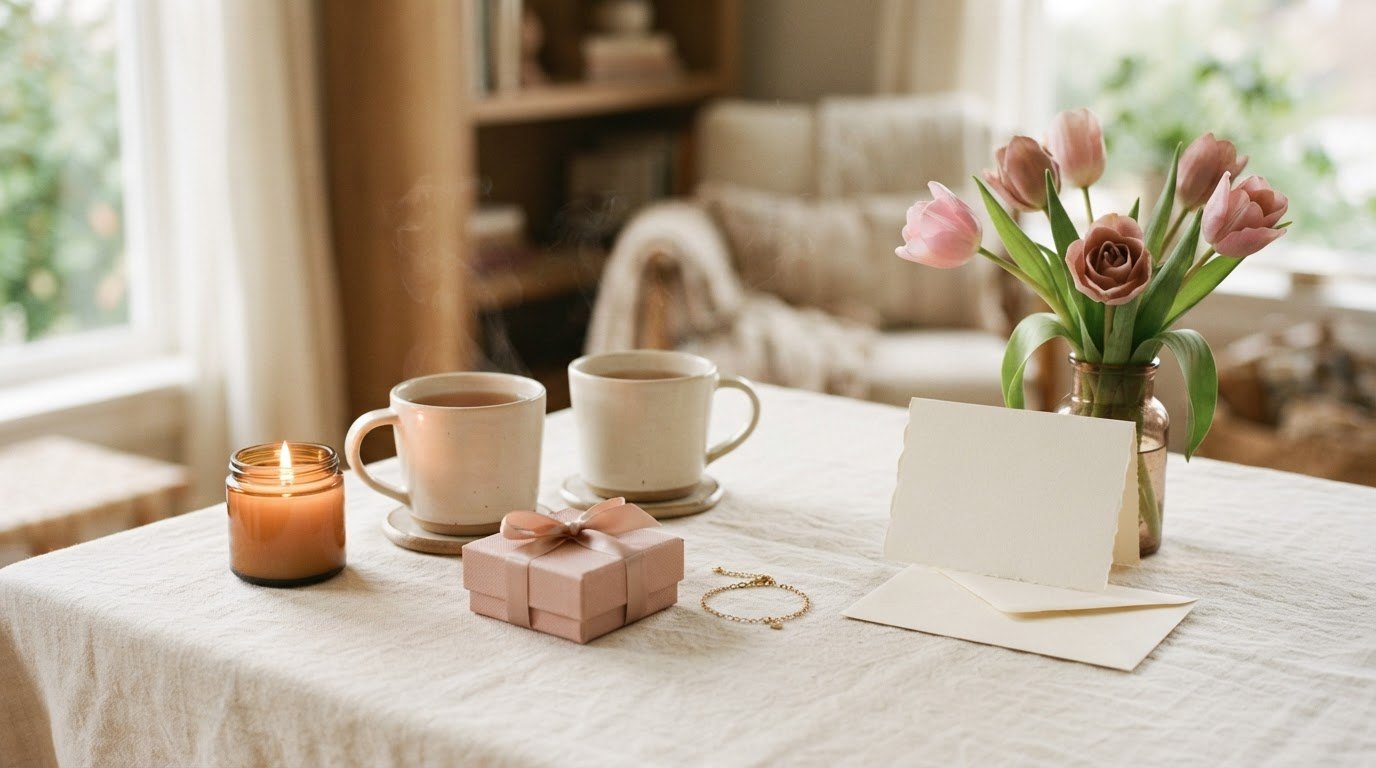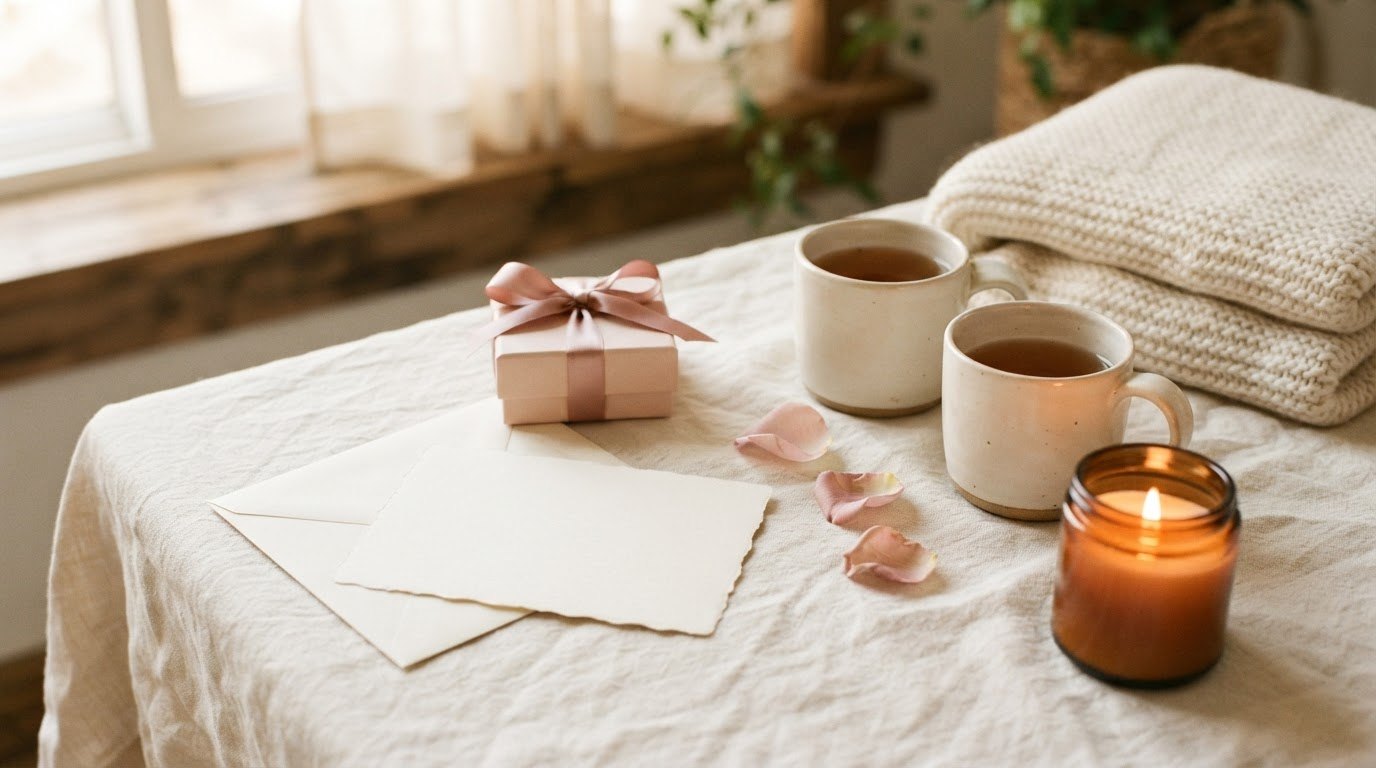
Most friendships don't fade because people stop caring. They fade because the care gets lost in translation. One friend shows love by remembering every detail of your week, another by showing up with soup when you're sick, and a third by texting "this made me think of you" at midnight. If you're only listening for one of those, the others can slip right past you.
That's where the love languages idea becomes surprisingly useful for friends, not just couples. Once you notice how a friend naturally gives and receives care, small gestures stop being guesswork. You stop sending long voice notes to the friend who'd rather have a walk, and you stop feeling hurt when the friend who never says "I love you" quietly fixes your shelf.
This guide is all about friendship love languages: what each of the five looks like between friends, the signs a friend speaks it, four simple ideas for each, a long-distance version for when you live apart, how to spot a friend's language, how to share your own, and how to mix them in a group. There's also a table at the top you can screenshot for later.
None of this is about keeping score. It's about making the love you already have land a little more softly.
What Friendship Love Languages Really Mean

The love languages idea comes from Gary Chapman's book The 5 Love Languages, which was written about romantic relationships and describes five ways people tend to express and receive love. It's a helpful lens, not science, and nobody fits neatly into one box. Still, as a way of paying attention, it works beautifully for friendship.
Between friends, a love language is simply the kind of care that makes someone feel most seen. Most of us have one or two that matter more than the rest. We also tend to give care in the language we'd like to receive, which is why two people who adore each other can still end up feeling a little unappreciated.
If you've already read my guide on finding your own and your partner's love languages, think of this as the friendship edition. The five languages are the same, but the gestures look different. Friends don't usually cuddle on the sofa or plan anniversary dinners, and the stakes feel lighter, which makes this a lovely place to practice.
A small honest admission: for a long time I thought the "best" friends were the ones who called the most. It took me a while to realize some of my closest friends barely call at all. They just show up in other ways, and I'd been undercounting them.
The 5 Friendship Love Languages at a Glance
Here's the whole idea in one table. Read across a row to see how that language shows up in a friend, one small gesture that usually lands, and a version for when you live in different cities.
| Love language | Signs she speaks it | Small gesture | Long-distance version |
|---|---|---|---|
| Words of affirmation | Sends kind texts, remembers what you said, lights up at compliments | Tell her one specific thing you admire about her | A handwritten card in the mail or a voice note on a hard day |
| Quality time | Suggests plans, hates rushed meetups, puts her phone away | A two-hour walk with no other plans afterward | A standing video call where you both make tea |
| Acts of service | Offers to help, drives you to the airport, shows up with tools | Take one annoying task off her plate | Research something for her or order a meal to her door |
| Gifts | Brings little souvenirs, keeps tickets, remembers your favorites | A small "saw this and thought of you" treat | A tiny care package with a note |
| Physical touch | Hugs hello and goodbye, links arms, sits close | A real hug, held a beat longer (if she likes it) | Matching items you can both wear or wrap up in |
Most friends will recognize themselves in two rows. That's normal. Pick the one that makes her face soften the most and start there.
1. Words of Affirmation
This friend feels loved through words. Not grand speeches, just honest, specific sentences that tell her she matters. A vague "you're the best" is sweet, but "the way you handled that meeting was so calm, I'd have panicked" is what she'll remember for weeks.
Signs she speaks it:
- She's the one who sends "proud of you" texts out of nowhere.
- She quotes things you said months ago.
- Harsh words, even said in passing, stay with her for a long time.
- She keeps cards and screenshots of nice messages.
4 simple ideas:
- The specific compliment. Once a week, tell her one exact thing you admire. Formula: "I love how you ___, it makes me feel ___."
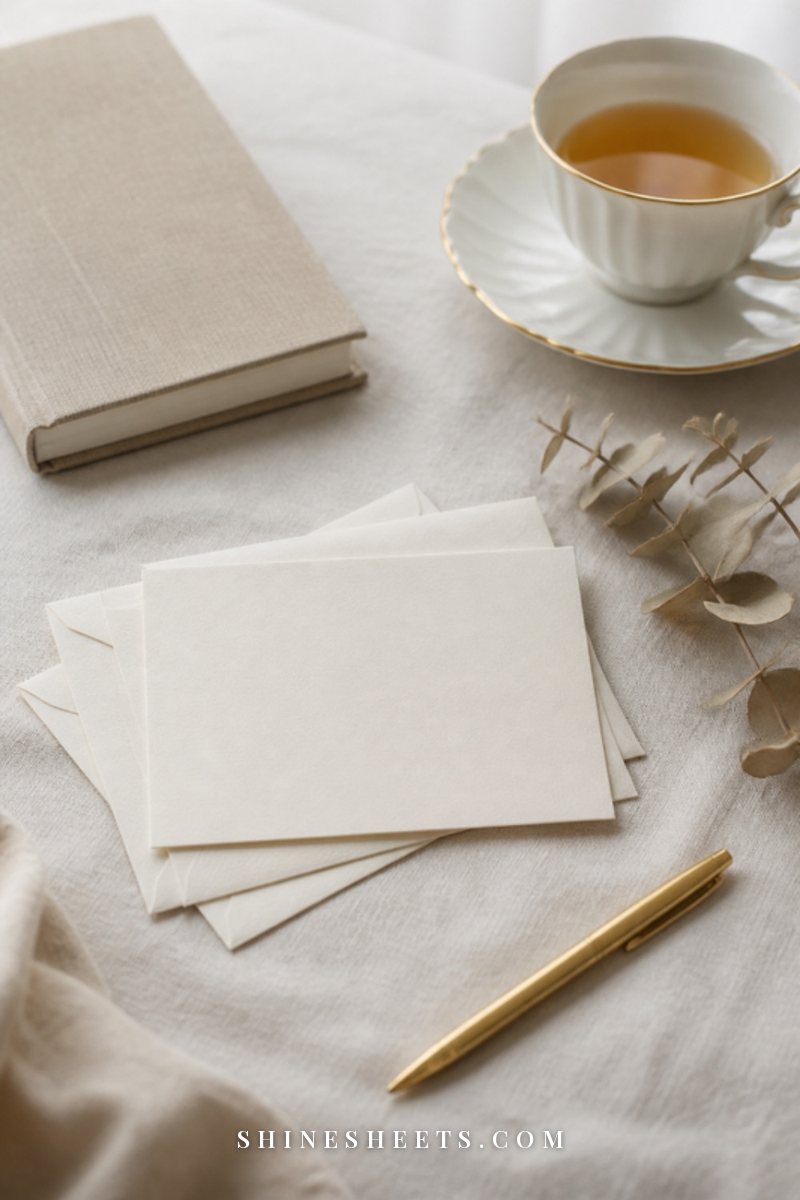
- The handwritten note. Keep a small stack of blank cream notecards in a drawer and write three sentences when she comes to mind. Tuck one into her bag or post it.
- The before-and-after text. If she has a big day coming, send a "you've got this" in the morning and a "how did it go?" that evening. The second one matters more than people think.
- Say it out loud in a group. Praise her in front of others: "She's the reason this trip happened." It costs nothing and means a lot.
Long-distance version: a voice note. Hearing your voice say "I was just thinking about how brave you've been lately" lands differently from a text. Keep it under two minutes so it feels easy, not like homework.
2. Quality Time

For this friend, love means presence. She doesn't need anything fancy, but she does need your full attention. A rushed coffee where you check your phone twice can feel worse to her than not meeting at all.
Signs she speaks it:
- She's usually the one suggesting plans and picking a date.
- She gets quietly hurt when you cancel last minute.
- She prefers one long evening to five quick check-ins.
- Her phone stays face down when you're together.
4 simple ideas:
- The open-ended walk. Block two hours with nothing after it. Walk, sit somewhere, keep going if the conversation is good.
- The standing ritual. First Sunday of the month, same café, same time. Rituals take the planning pressure off both of you.
- Doing ordinary things together. Run errands, fold laundry, repot plants. Side-by-side time counts too, and it often leads to the best talks.
- Better questions. Swap "how's work?" for something with more room in it. My list of deep questions to ask your friends is a lovely place to start.
Long-distance version: a standing video call where you both make tea and do something small at the same time, like journaling, painting your nails a sheer pink or tidying a drawer. Pick a matching pair of cream mugs, keep one and send her the other, so it feels like you're at the same table.
3. Acts of Service
This friend shows love with her hands. She's the one who notices your bike tire is flat and quietly pumps it up, or who brings a casserole dish over when you've had surgery. Words are nice, but help is what tells her you really care.
Signs she speaks it:
- Her first response to your bad news is "what can I do?"
- She helps you move, paint or assemble furniture without being asked twice.
- She feels deeply grateful when someone takes something off her plate.
- Broken promises ("I'll help on Saturday") bother her more than forgotten birthdays.
4 simple ideas:
- The specific offer. "Let me know if you need anything" puts the work back on her. Try: "I'm free Thursday evening, can I come help you pack the kitchen?"
- The small rescue. Pick up her dry cleaning, water her plants while she's away, return the package she keeps forgetting.
- Help with the boring part. Proofread her cover letter, compare insurance quotes with her, sit next to her while she makes the phone call she's been dreading.
- Follow through. If you offered, do it. For this friend, reliability is the love language.
Long-distance version: do the research. Find three apartments in her new city, compare flights, or send a meal delivery to her door on a hard week. Being useful from far away still says "I'm here."
4. Gifts
The gifts language is the most misunderstood one, because people assume it's about money. It isn't. It's about proof that you were thinking of her when she wasn't there. A pressed flower from your walk can mean more than anything expensive.
Signs she speaks it:
- She brings you tiny souvenirs from every trip.
- She remembers your favorite tea, candle scent and color.
- She keeps ticket stubs, wrapping ribbons and little notes.
- She's thoughtful about wrapping, even for small things.
4 simple ideas:
- The "saw this and thought of you." A packet of her favorite tea, a bookmark, a lip balm in the flavor she loves. Under ten dollars, given for no reason.
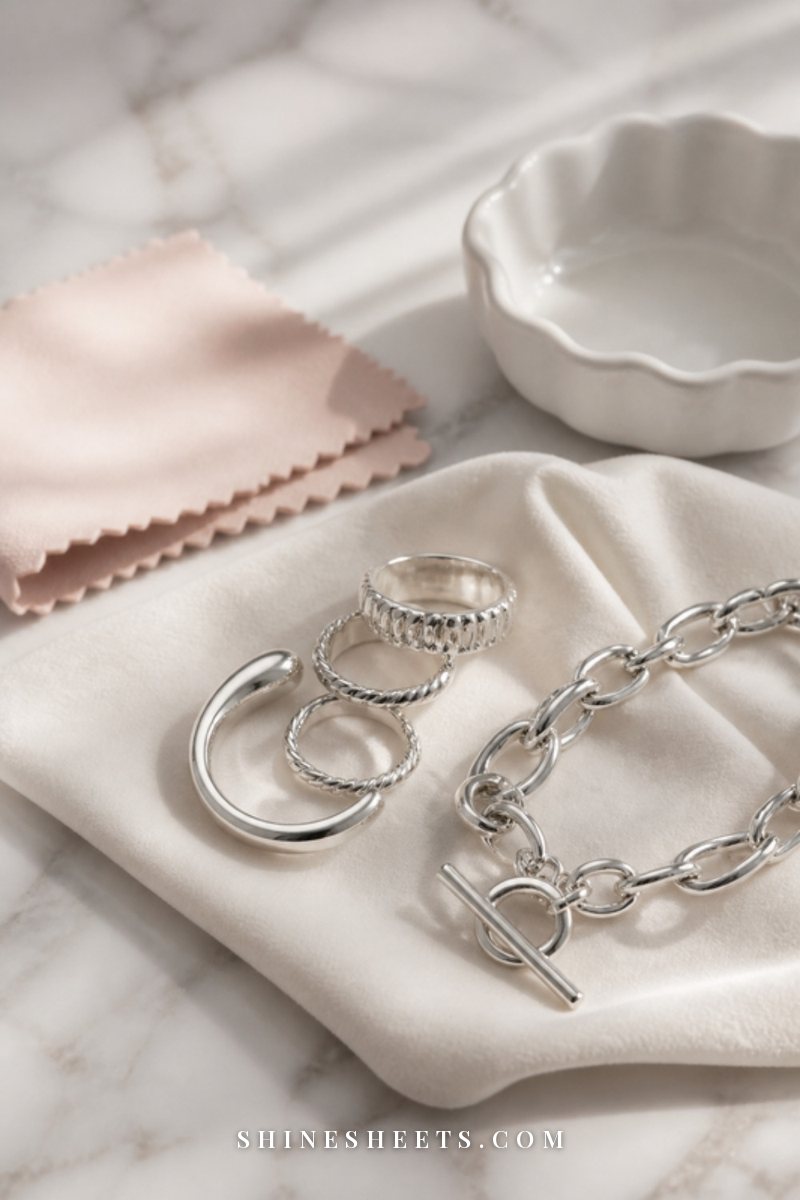
- The matching keepsake. A blush friendship bracelet set is sweet at any age, especially for a milestone like a new job or a move.
- The photo. Print one favorite picture of the two of you and slip it into a mini gold photo frame. People rarely print photos anymore, which is exactly why it feels special.
- The remembered detail. She mentioned wanting to try a certain flower? Bring a single stem next time. The gift is that you listened.
Long-distance version: a tiny care package. A note, a tea bag, a small candle and something from your town. It doesn't need to be big to feel like a hug in a box. If you're stuck for ideas, my list of ways to cheer up a friend has plenty of small, kind ones.
5. Physical Touch

Between friends, physical touch is about warmth and closeness: a long hug at the airport, linking arms on a walk, sitting shoulder to shoulder on the sofa. For some women it's the clearest signal that a friendship is truly safe.
One gentle rule matters here more than anywhere else: touch is always with consent. Some friends love hugs, some don't, and some love them on good days and need space on hard ones. If you're not sure, ask: "Hug?" It takes one second and it's kind.
Signs she speaks it:
- She greets and says goodbye with a hug, every time.
- She links arms or touches your shoulder while she talks.
- She'd rather sit next to you than across the table.
- She seems a little lonely after long stretches apart.
4 simple ideas:
- The real hug. Hold it a beat longer than usual, especially when she's had bad news.
- Sit close. Choose the sofa over two armchairs for your next movie night, and share a cream knit throw blanket between you.
- Pamper together. Swap hand massages with lotion during a girls' night in, or braid each other's hair the way you did as kids.
- Link arms. On walks, at concerts, crossing a busy street. Small, natural and very comforting.
Long-distance version: send something she can physically wrap up in or wear, like a soft scarf or a matching bracelet you also wear. Every time she touches it, she'll think of you. Then plan a visit and save the long hug for the arrivals hall.
How To Spot Your Friend's Love Language

You don't need to send your friend a quiz. Most people show you their love language all the time if you know where to look. These three clues tell you the most:
Clue 1: What She Does for Others
We usually give care the way we want to receive it. If she always brings little gifts, gifts probably matter to her. If she's the first to offer a ride, acts of service likely do. Watch her for a month and notice what she does without being asked.
Clue 2: What She Asks For
Listen for requests, even small ones. "Can we actually catch up properly soon?" is quality time. "Can you read this before I send it?" is acts of service. "Will you tell me honestly if this looks okay?" might be words of affirmation.
Clue 3: What She Complains About
Gentle complaints are gold. A friend who says "nobody ever remembers my birthday" values gifts or words. One who says "we never see each other anymore" is telling you, very clearly, that quality time is her language.
A small tip: jot down what you notice in a journal after you see her. I do this after my evening tea sometimes, a line or two about who I saw and what made them light up. Over a few months, patterns appear that you'd never spot in the moment.
How To Share Your Own Love Language
Spotting her language is half the story. The other half is letting her know yours, kindly and without making it sound like a complaint. Friends aren't mind readers, and most would be relieved to know exactly what makes you feel cared for.
Try one of these mini scripts:
- Light and casual: "I just realized I'm such a quality time person. Even a walk with you fills my cup more than anything."
- Appreciative first: "I loved your text this morning, it made my whole day. Words really get me."
- Gentle request: "I'm a hugger, so if you're okay with it, I'll always want one hello."
Lead with what you'd love more of, not what she's doing wrong. "I really love it when..." opens a door. "You never..." closes one. And if something has genuinely been bothering you for a while, my sister guide on how to bring up a problem with a friend walks you through that bigger conversation gently.
Mixing Love Languages in a Friend Group
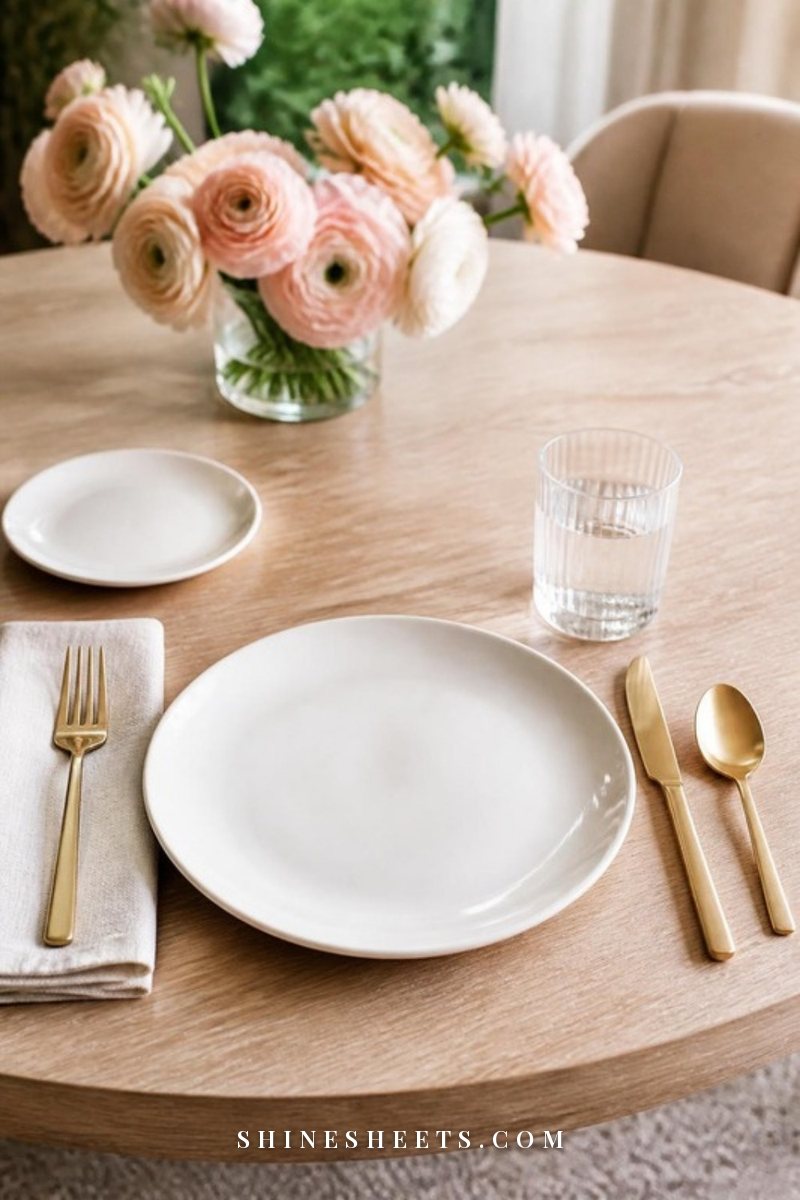
Groups are where love languages get fun. Your friends probably speak different ones, so the trick is to build gatherings with a little something for everyone. Here's a simple formula for a group night:
- Time: keep the evening unhurried, with no hard end time.
- Words: go around and share one thing you appreciate about the person on your left.
- Service: split the work so nobody hosts alone, one brings drinks, one sets the table, one stays to wash up.
- Gifts: a tiny token on each plate, like a single flower or a tea bag with a note.
- Touch: hugs at the door for anyone who wants one, and a sofa big enough to squeeze onto.
You don't need all five every time. Rotating them across the year is plenty. For more ways to keep a whole circle close when everyone's busy, have a look at my guide on keeping friendships alive as an adult, and if your group is scattered across cities, these long-distance friendship ideas translate many of the gestures above.
Why No Love Language Is Wrong
This is the part I most want you to keep. Friends show care differently, and none of those ways is better or worse. The friend who never writes cards isn't less devoted than the one who does. She might be the one who'd drive three hours if you called at 2 a.m.
A few gentle reminders:
- It's not a scorecard. If you start tallying who gave what, the lens has stopped helping. Put it down for a while.
- People change. A friend going through a hard season might need acts of service for a few months, even if words usually matter more.
- You can stretch. If hugs feel awkward for you, a warm hand on the shoulder still counts. Meet each other halfway.
- Receive generously. Try to recognize love in her language, not only yours. That small shift alone can soften a friendship that's started to feel one-sided.
And if you notice a friendship feels heavy no matter what you try, that's okay too. Not every friendship stays in the same shape forever, and kindness includes kindness to yourself.
Final Thoughts
Friendship love languages aren't rules or labels. They're a way of listening a little more closely to the people you already love. Pick one friend this week, think about which row of the table she lives in, and try one small gesture in her language.
It might be a card, a walk, a favor or a long hug. Whatever it is, it will tell her something every friend deserves to hear: you see her, and she matters to you.