Feeling unappreciated by your partner rarely means they've stopped loving you. Much more often, it means your effort has become invisible: so steady and so reliable that it quietly blends into the background of everyday life. The good news is that invisible things can be made visible again, gently, without a big fight or a list of grievances.
It's also one of the loneliest feelings to have while sharing a home with someone. You can be in the same room, doing the same routine, and still feel like the things you do don't really count. That ache is real, and it deserves attention instead of being swallowed.
This guide covers why feeling unappreciated by your partner is so common, how to figure out what you actually need, six questions to ask yourself first, how to bring it up kindly, five gentle conversation starters and small rituals that rebuild appreciation both ways. A cream linen notebook for your thoughts is a lovely companion for the reflection part.
Why Feeling Unappreciated in a Relationship Is So Common
Almost every couple goes through a season like this. It doesn't mean something is broken. It usually means a few very ordinary things have piled up at once.
Invisible Effort
Some work is easy to see: cooking a big dinner, fixing a shelf. Other work is almost invisible: remembering the dentist appointment, noticing you're out of laundry detergent, sending the birthday card to their aunt. When the invisible work is mostly yours, it's very easy for no one to notice it, including your partner.
The Mental Load
Beyond the tasks themselves there's the planning, tracking and worrying that keeps a home running. That thinking is tiring, and it rarely gets a thank-you because nobody sees it happen. My guide to lightening the mental load goes deeper if this one feels familiar.
Different Love Languages
You might show love by doing things, while your partner shows it with hugs or by spending time together. Each of you may be giving love in a way the other doesn't fully register. If you've never compared notes, my article on how to find your love language and your partner's is a gentle starting point.
Routine and Stress
When life gets busy, appreciation is often the first thing to slip. Work pressure, family worries, money stress or plain tiredness can make both of you run on autopilot. Thank-yous fade not because they don't care, but because everyone is just getting through the week.
Long relationships also settle into habits. In the early days, every kind gesture felt new and got noticed. A few years in, the same gestures become "just how things are." That's a sign of comfort and trust, but it also means appreciation needs a little more intention than it used to.
Assumptions on Both Sides
It's easy to assume your partner knows how much you do, or that they should just notice. It's equally easy for them to assume you're fine because you haven't said otherwise. Two kind people can drift apart on assumptions alone.
What You Might Actually Need
Feeling unappreciated is a big, foggy feeling. Underneath it there's usually one clearer need. Naming it makes the conversation much easier, because you can ask for something specific instead of hoping they'll guess.
- Thanks: you want your effort noticed and acknowledged out loud.
- Help: you want some of the load actually shared, not just praised.
- Attention: you want time together where you feel seen, not just scheduled.
- Recognition: you want your choices, ideas or sacrifices respected and valued.
Often it's a mix, but one usually stands out. A simple way to find it: finish the sentence "I would feel so much better if…" five times, quickly, without editing. The answer that comes up most is probably your main need.
6 Questions To Ask Yourself First

Before you bring this up, give yourself 15 quiet minutes with a cup of tea and these questions. Reflecting first helps you speak calmly and clearly, instead of letting everything spill out at once on a tired Tuesday night.
1. What Effort Feels Unseen?
Be specific. Not "everything I do," but "planning every weekend" or "handling all the bills." Specific is easier to hear and easier to fix.
2. When Did This Feeling Start?
Did it creep in after a new job, a move, a busy season or a hard conversation? Knowing the timing often shows you it's a change in circumstances, not a change in love.
3. What Would Appreciation Look Like?
Picture a week where you feel truly appreciated. What happens? A thank-you at dinner, help with the morning routine, a planned evening together? This picture becomes your request.
4. Have I Actually Said It?
An honest one. Many of us hint, sigh or hope instead of saying the plain words. If your partner has never heard "I've been feeling unappreciated," they may genuinely not know.
5. What Is My Partner Carrying Right Now?
This isn't about excusing anything. It's about context. If they're stretched thin too, a calm conversation about both of your loads will go much further than a one-sided complaint.
6. Is This About This, or Something Deeper?
Sometimes the dishes are really about the dishes. Sometimes they're about feeling alone, unheard or not chosen. If it feels deeper, that's worth naming too, gently, and possibly with a little support.
I'm prone to anxiety, and I've noticed that when I skip this reflecting part, I tend to say everything at once and nothing clearly. Writing it down first makes me calmer and kinder, every time.
How To Bring It Up Without a Fight
The way you start this conversation shapes almost everything that follows. For more general tips on asking clearly and kindly, my guide on how to ask for what you need in a relationship has scripts for many situations. Here's the short version for this one.
Choose a Calm Time
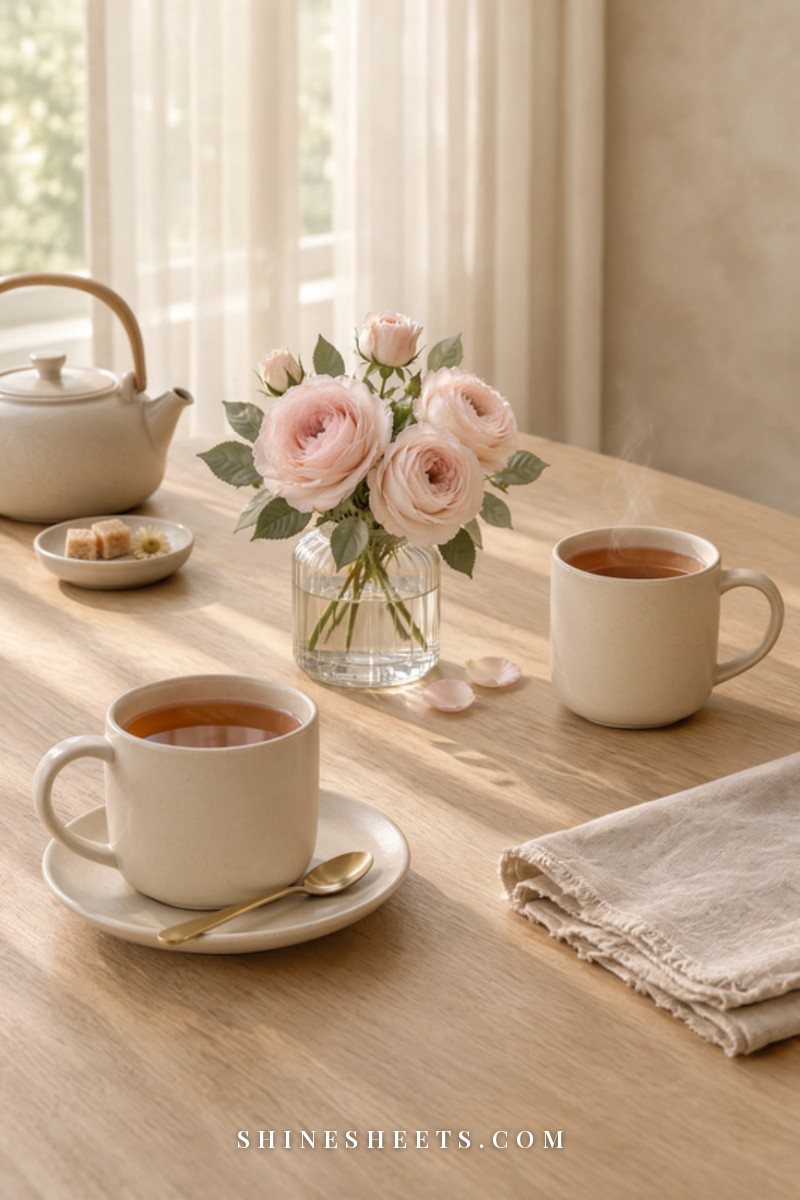
Not right after an argument, not when one of you is walking out the door, not late at night when you're both exhausted. A slow weekend morning or a quiet evening works best. Make two cups from an herbal tea sampler, sit side by side and say, "Can we talk about something that's been on my mind? It's not a big emergency."
Use I Feel, When, I Need
This simple formula keeps the focus on your experience instead of their faults:
- I feel unappreciated
- when I plan our weekends and it doesn't get mentioned
- I need to hear that you notice, and maybe to share the planning sometimes.
Compare that with "You never appreciate anything I do." Same feeling, completely different conversation.
Name One Specific Request
Pick one thing, not ten. "Could you take over the grocery order every week?" is something they can say yes to today. A long list feels like an accusation and is much harder to act on.
Invite Their Side
After you've shared, ask, "How has this felt for you lately?" They might feel unappreciated too, or overwhelmed, or simply unaware. Their answer is part of the picture, not a distraction from yours.
Listen Before You Fix
Give them a few minutes to talk without jumping in. Reflect back what you hear: "So you've been feeling stretched at work and didn't realize I was carrying this." Feeling heard on both sides is what turns a hard talk into a closer one.
If They Get Defensive
Even with the kindest wording, your partner might bristle at first. "I do lots of things too!" is a very human reaction, especially if they're tired or already feeling criticized elsewhere. Defensiveness usually means they feel blamed, not that they don't care.
Try not to match their energy. Slow your voice down and say something like, "I'm not saying you don't do anything. I'm saying I've been feeling a bit invisible, and I'd love us to figure it out together." Then pause. Often that one reassurance is enough to lower the shields.
If things heat up anyway, it's completely fine to stop. "I don't want this to turn into a fight. Can we take a break and come back to it tomorrow evening?" Pausing isn't giving up. It's protecting the conversation, so it can actually go somewhere when you're both calmer.
And give it a day or two. Many people need time to take in what they heard. It's common for a partner who seemed defensive on Sunday to quietly start helping on Tuesday, or to come back and say, "I've been thinking about what you said."
5 Gentle Conversation Starters
If finding the first words is the hardest part, borrow one of these. Change them to sound like you.
- "I love our life together, and there's one thing I'd like us to look at, because I've been feeling a bit invisible lately."
- "Can I share something small that would make a big difference for me?"
- "I've noticed I've been quietly resentful about a few things, and I'd rather talk about it than let it grow."
- "I think we show love in different ways. Can we talk about what makes each of us feel appreciated?"
- "I don't need a big gesture. I'd just love to hear that you notice what I do, and to share a few things more evenly."
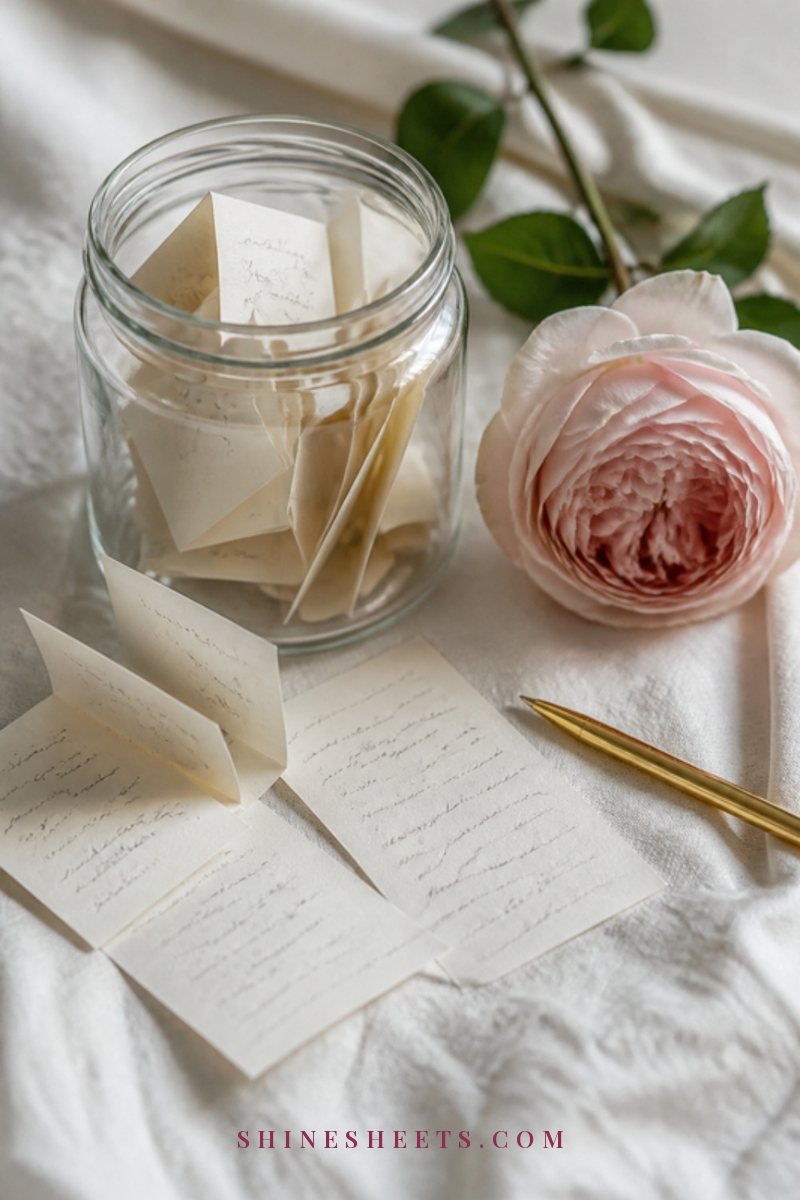
If talking face to face feels too hard to start, writing a short, kind note on a pretty blush stationery set can open the door. Keep it warm and brief, and suggest a time to talk properly.
The Appreciation Needs Table
Use this table to connect your feeling to a clear need, a way to ask and one small daily habit. Screenshot it, or copy your row into your notebook before you talk.
| What you feel | What you might need | How to ask | Small daily habit |
|---|---|---|---|
| Invisible, like my effort doesn't count | Thanks and acknowledgment | "It would mean a lot to hear when you notice what I do." | One specific thank-you each evening, from both of you |
| Exhausted from carrying most of the load | Practical help | "Could you fully own the laundry from now on?" | Each partner owns a few tasks from start to finish |
| Lonely even when we're together | Attention and time | "Can we have one phone-free evening a week, just us?" | Ten minutes of real conversation after dinner |
| Like my ideas or choices don't matter | Recognition and respect | "I'd love us to decide this together." | Ask each other's opinion before small plans |
| Taken for granted after a busy season | Reconnection | "I miss us. Can we plan something small this weekend?" | A short weekly check-in with tea |
| Quietly resentful and unsure why | Clarity | "I need a bit of time to figure out what I'm feeling, then I'd love to talk." | Five minutes of journaling a few times a week |
Small Rituals To Rebuild Appreciation Both Ways

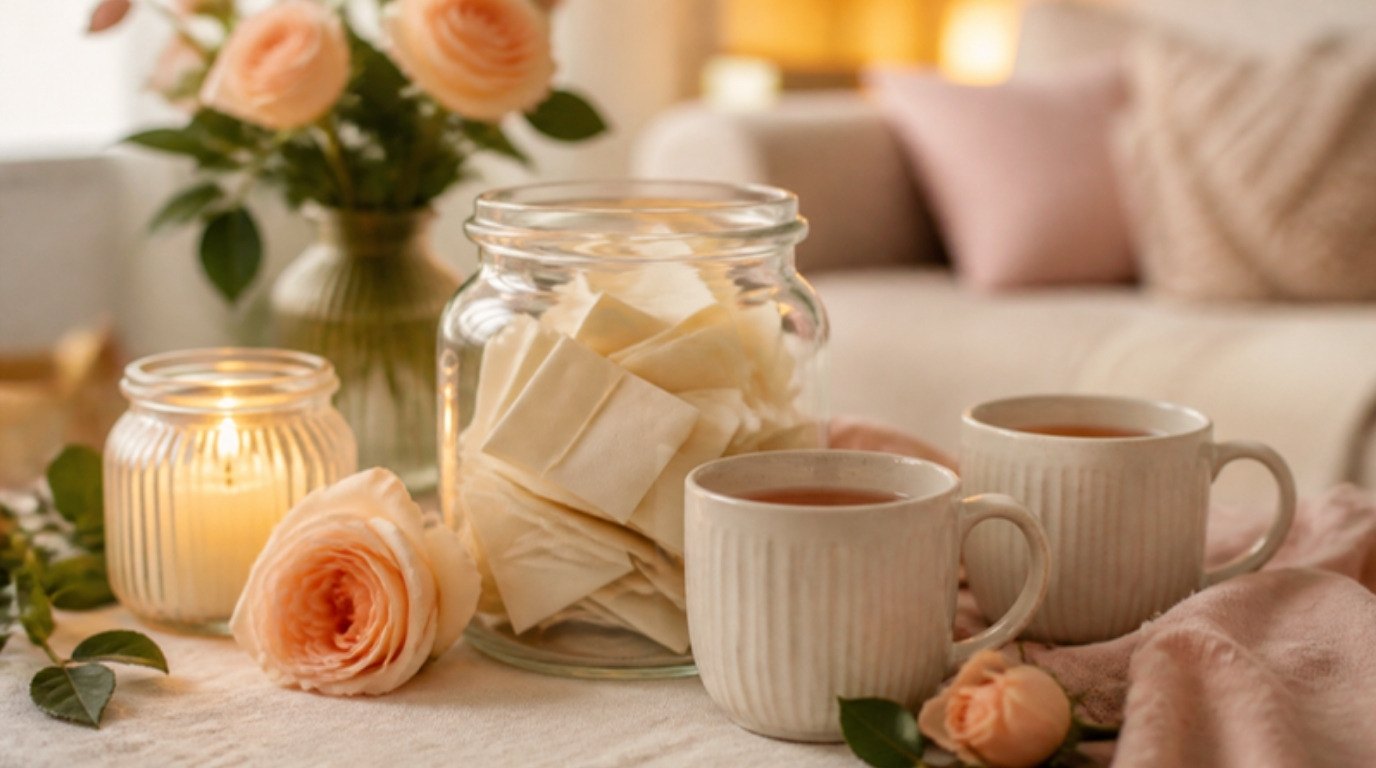
Appreciation grows best through small, repeated moments rather than one big talk. These rituals work in both directions, because the goal is for both of you to feel seen. Something as simple as lighting a warm white candle at dinner can mark the moment as yours.
Daily Thank-Yous
Once a day, each of you names one specific thing the other did. Not "thanks for everything," but "thank you for picking up my prescription, it saved me a stressful trip." Specific thanks show that you really noticed, and they take less than a minute.
A Weekly Check-In

Pick a regular 20-minute slot, maybe Sunday evening. Ask three questions: What felt good this week? What felt heavy? What's one thing we can do differently next week? A couples journal gives you a shared place to jot answers and notice progress over time.
For more ideas like this, my guide to gratitude rituals for couples has plenty of gentle options.
Share the Load Visibly
Write down the household tasks, including the invisible ones like planning meals and remembering birthdays, and decide together who owns what. Seeing it all on paper often surprises both partners. My simple system for sharing chores fairly as a couple walks you through it step by step.
Once the list exists, revisit it every month or so. Life changes: a new job, a busy season, an injury. A fair split in spring may feel lopsided by autumn, and a quick adjustment keeps resentment from quietly building again.
Notice Their Effort Too
This is the part that makes it work long term. When you start noticing and thanking your partner's effort, it becomes much easier for them to do the same. Appreciation tends to be catching.
When You Both Feel Unappreciated
Here's something that surprises a lot of couples: when one partner opens up about feeling unappreciated, the other often says, "Me too." Both of you may be working hard in different ways and both quietly waiting for a thank-you that never comes.
If that happens, try not to turn it into a contest about who has it worse. Instead, treat it as good news. You're on the same side, and you both want the same thing. A simple way forward is to each share one thing that would help you feel valued this week, then agree to try both.
It can also help to make a short list together of what each of you does that the other may not see. Read the lists out loud, slowly. Many couples find this one exercise does more than weeks of hints, because suddenly the invisible becomes visible for both of you at once.
What To Avoid While You Work on This
When you're hurting, some reactions feel natural but tend to backfire. Gently steer away from these:
- Scorekeeping. Tallying who did more turns partners into opponents. Focus on what you need going forward instead.
- Guilt-tripping. Sighing loudly or saying "I guess I'll do it, as always" adds tension without asking for anything clear.
- Silent tests. Waiting to see if they notice something you never mentioned usually ends in disappointment for both of you.
- Doing less to make a point. Pulling back to teach a lesson rarely teaches anything. A direct, kind request works far better.
If you slip into one of these, that's okay. Simply name it and reset: "That came out sharper than I meant. What I really need is a bit more help in the mornings." Owning a moment like that often softens the whole conversation.
When Nothing Changes
Sometimes you do everything gently and clearly, and still nothing shifts. If weeks of honest conversations lead nowhere, a couples therapist can help you both see patterns that are hard to notice from the inside. It's not a sign of failure. It's a sign you care enough to get support.
And if feeling unappreciated comes with being belittled, controlled or made to feel unsafe, that's different from an ordinary rough patch. Please reach out to a trusted person or local support services. You deserve to feel safe and respected at home.
Final Thoughts
Feeling unappreciated by your partner is painful, but it's also a signal pointing to something you need. When you name that need kindly and ask for it clearly, you give your relationship a real chance to meet you there.
Start with one honest sentence and one small ritual. Appreciation, like love, grows in the everyday moments you choose to notice.