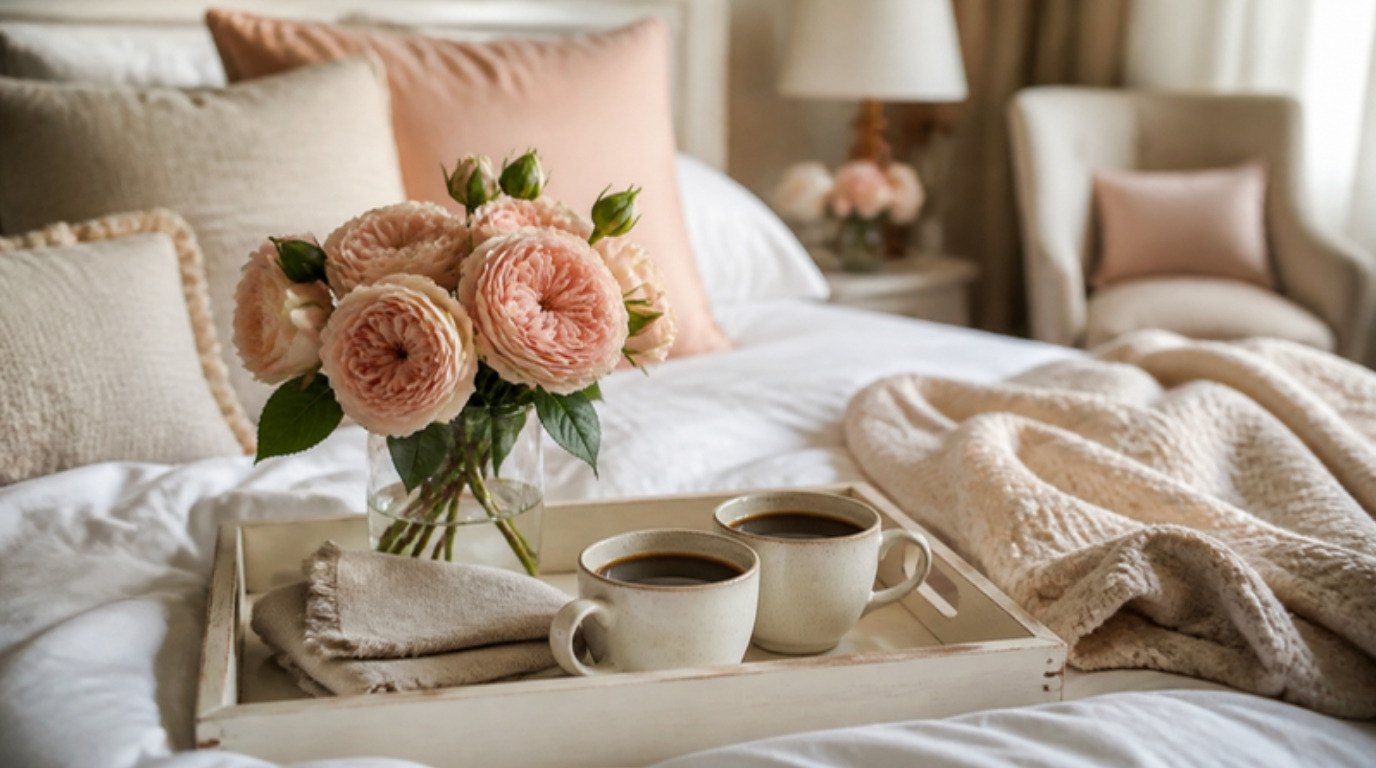
Most relationships don't fade because of one big problem. They fade through small moments of not being noticed: the coffee that appears every morning, the car that always has gas, the text that says "home safe," all slowly turning into things that just happen. Gratitude is how you keep seeing them. It turns everyday effort back into what it really is, a quiet act of love.
The good news is that a gratitude practice for couples doesn't need to be a big project. It doesn't need long talks, special journals or a perfect relationship to begin with. It needs tiny, repeated habits that make "I see you" part of your normal day. One minute in the morning. A note on Sunday. A specific thank-you instead of a vague one.
This guide walks you through a simple gratitude practice for couples: why gratitude matters between partners, a formula for saying thank you so it really lands, 15 rituals grouped into daily, weekly, monthly, written and hard-season habits, a 7-day starter table, how to set up a shared gratitude jar, and how to practice gratitude when you're upset without turning it into scorekeeping.
Start with one ritual this week. That's plenty.
Why Gratitude Matters in a Relationship
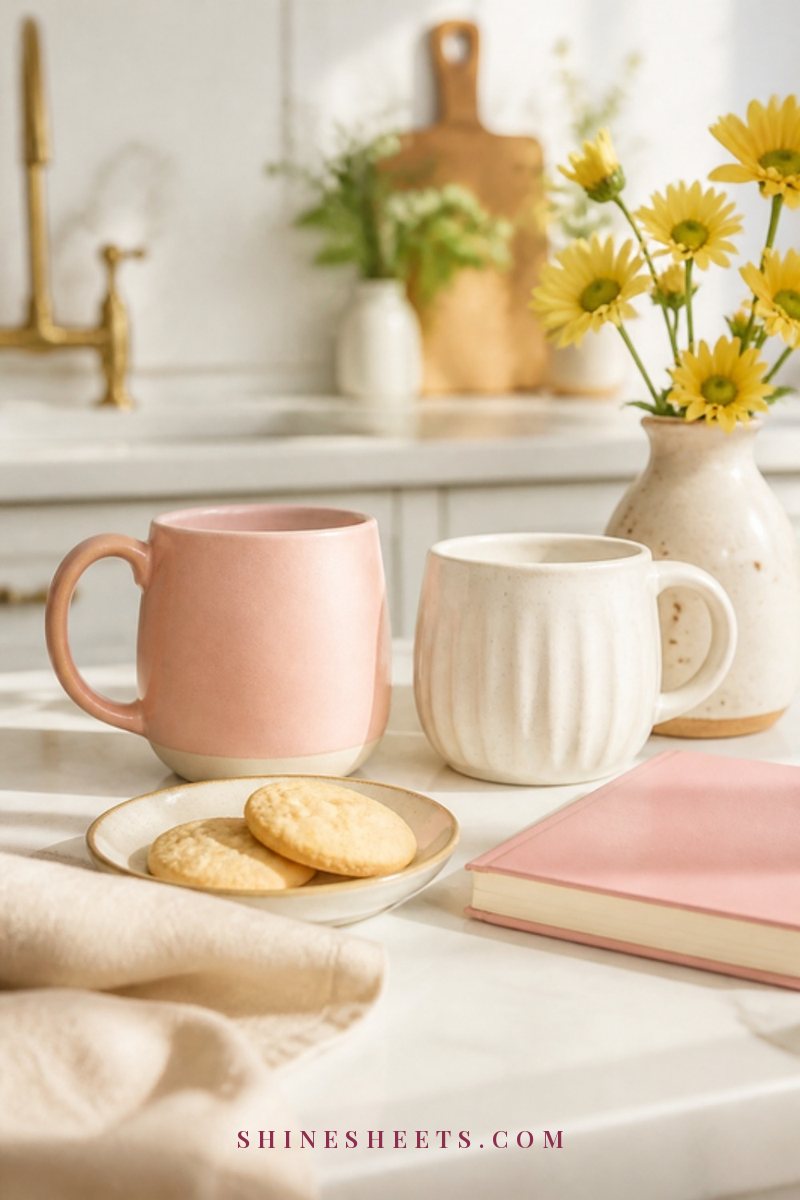
When you live with someone or see them often, a lot of what they do becomes background. You stop noticing the dishes they always wash, the way they remember your appointments or how they listen when you vent. Not because you don't care, but because familiarity hides effort.
Gratitude gently pulls that effort back into the light. It helps in a few very human ways:
- You feel noticed. Being thanked specifically tells your partner that what they do matters, and most people quietly long to hear that.
- You take each other less for granted. Looking for things to appreciate trains your attention toward the good instead of only the annoying.
- It softens hard moments. When you have a steady habit of appreciation, a difficult conversation lands on warmer ground.
- It's contagious. When one person starts saying thank you more, the other often follows without being asked.
Gratitude isn't a fix for serious problems, and it doesn't replace honest conversations. Think of it more as daily maintenance, the small care that keeps a relationship feeling warm. It pairs beautifully with understanding your love languages, because you'll start to notice what your partner gives and how they like to receive it.
How To Say Thank You So It Lands
"Thanks, babe" is lovely, but it's easy to say on autopilot and easy to hear the same way. A specific thank-you feels completely different. Here's the simple formula I come back to:
Thank-you formula: what you did + why it mattered to me.
- "Thank you for taking the trash out this morning. I was running late and it meant I didn't have to stress about it."
- "Thank you for asking about my meeting. It made me feel like you really remember what's going on in my life."
- "Thank you for staying calm when I was upset last night. It helped me calm down faster."
- "Thank you for planning Saturday. I love when I don't have to be the one who organizes everything."
A few extra tips:
- Thank the person, not just the task. "You're so thoughtful" or "You always think ahead" names a quality you love.
- Thank effort, not only results. "Thank you for trying that new recipe" counts even if it didn't turn out.
- Keep it short. One or two sentences is perfect. Gratitude doesn't need a speech.
- Look at them when you say it. Eye contact and a hand on their arm make it feel real.
15 Gratitude Rituals for Couples
These rituals are grouped by rhythm, so you can pick what fits your life. You don't need all 15. Choose one daily habit and one weekly or monthly habit, and let the rest be ideas for later.
Daily One-Minute Rituals

Daily rituals work because they're tiny. Each one takes about a minute and slips into something you already do.
1. The Morning Thank-You
Before you both leave or start work, say one specific thank-you about something from yesterday. "Thank you for making dinner last night" is enough. It starts the day on a warm note and takes ten seconds.
2. Three Good Things at Bedtime
Lying in bed, each of you shares three good things from the day, and at least one has to involve the other person. On rough days it can be tiny ("you made me laugh about the parking ticket"). It's a gentle way to end the day connected.
3. The Midday Appreciation Text
Send one text in the middle of the day that starts with "I appreciate…" or "I was just thinking about how you…". No emojis needed, no reply expected. It's a small surprise in an ordinary afternoon.
4. The Doorway Pause
When one of you comes home, stop what you're doing for a few seconds, look up and say "I'm glad you're home." It sounds small, but being welcomed instead of ignored changes how the whole evening feels.
Weekly Gratitude Rituals

Weekly rituals give you a little more space to reflect. Pick a day that's usually calm, like Sunday afternoon.
5. The Sunday Appreciation Walk
Take a 20-minute walk together and take turns sharing the best moment of your week with each other. Walking side by side makes it easier to talk openly than sitting face to face.
6. Thank the Invisible Work
Once a week, name one piece of "invisible" work your partner did: remembering a birthday, booking an appointment, keeping track of what the household needs. Mental load is rarely seen, which is exactly why it deserves a thank-you.
7. The Weekly Check-In With Gratitude First
If you already do a relationship check-in, start it with two minutes of appreciation before any logistics or problems. It sets a kind tone for whatever comes next. My relationship check-in questions work well right after this warm-up.
Monthly Gratitude Rituals

Monthly rituals are where gratitude gets a little more intentional and a lot more memorable.
8. The Monthly Highlight Reel
On the last evening of the month, light a glass jar candle, look back through your photos together and pick your three favorite moments of the month. Talk about why they mattered. It's like a tiny photo album of your relationship.
9. The Thank-You Date
Once a month, one of you plans a simple date as a thank-you for something specific: "This is to thank you for handling everything while I was sick." It doesn't have to cost anything. A walk and a favorite coffee is perfect.
10. Gratitude for Growth
Each month, tell your partner one way you've noticed them growing: being more patient, trying something new, handling stress differently. Being seen for who you're becoming is one of the most meaningful kinds of gratitude.
Written Gratitude Rituals

Words on paper last longer than words said out loud. You can reread them on hard days.
11. A Shared Gratitude Journal
Keep a couples journal for two on the nightstand or coffee table. A few times a week, each of you writes one line of appreciation for the other. No pressure to write a lot. Over a year it becomes a lovely record of all the small ways you showed up for each other. If you want more structured prompts, my journal prompts for couples are a sweet place to start.
12. The Hidden Note
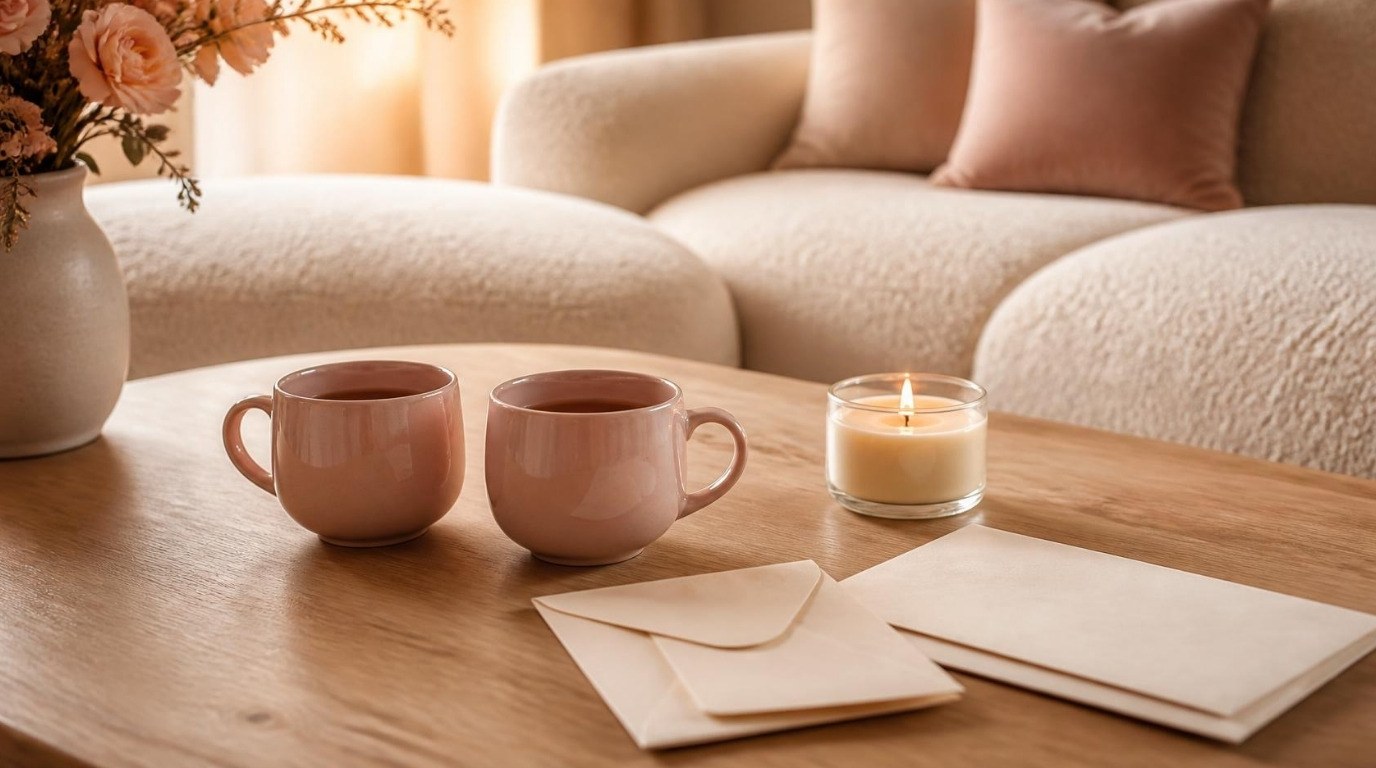
Once a week, tuck a short thank-you note somewhere your partner will find it: a coat pocket, a book, a lunch bag, under their pillow. Keep a stack of cream notecards and a gold pen in a drawer so it's easy to do on a whim. Need some words? My sweet notes for your partner can help.
13. The Yearly Gratitude Letter
Once a year (on your anniversary, or at the end of the year), write each other a letter about what you're most grateful for from the past twelve months. Read them together, then keep them in a box. They become a treasured little archive.
Gratitude in Hard Seasons
When life is stressful (a busy work stretch, an illness, a move, grief), gratitude can feel hard to reach. These two rituals are made for those times.
14. One Small Thing
On hard days, lower the bar to just one small thing: "Thank you for bringing me water." "Thank you for sitting with me." It reminds you both that you're still on the same team, even when everything feels heavy.
15. Gratitude for Showing Up
In difficult seasons, thank your partner for effort rather than outcome: "I know this week was a lot. Thank you for still showing up." Recognizing effort when results feel slow can mean more than any grand gesture.
Your 7-Day Couple Gratitude Starter

If you'd like a gentle way to start, try this one-week plan together. Each day takes less than five minutes.
| Day | Ritual | Time | Try saying |
|---|---|---|---|
| Day 1 | The morning thank-you | 1 minute | "Thank you for… It meant…" |
| Day 2 | Midday appreciation text | 1 minute | "I was just thinking about how you…" |
| Day 3 | Three good things at bedtime | 3 minutes | "One good thing today was when you…" |
| Day 4 | Thank the invisible work | 2 minutes | "I noticed you took care of… Thank you." |
| Day 5 | The hidden note | 3 minutes | "Just a little reminder that I appreciate you." |
| Day 6 | Gratitude for growth | 2 minutes | "I've noticed you've been… and I love that." |
| Day 7 | Start the gratitude jar together | 5 minutes | "My favorite moment this week was…" |
Screenshot it and keep it on your phone. At the end of the week, talk about which ritual felt most natural, and keep that one going.
How To Start a Shared Gratitude Jar
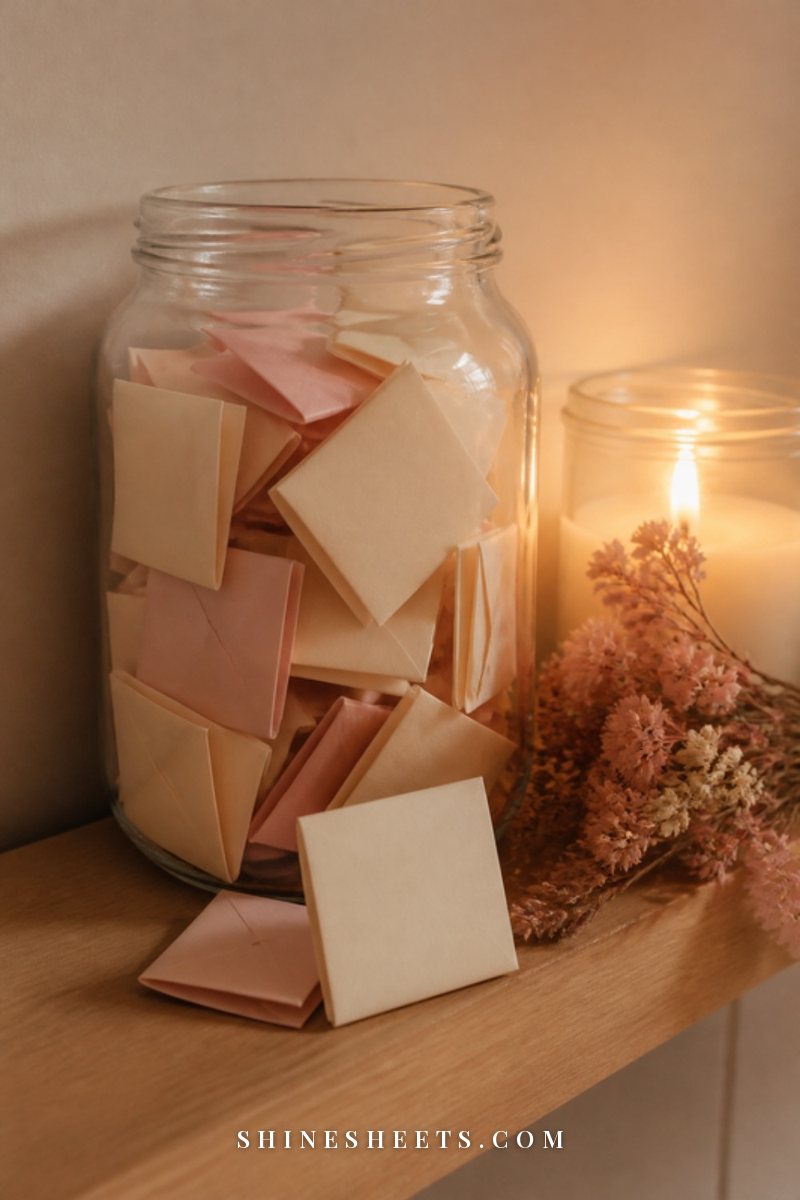
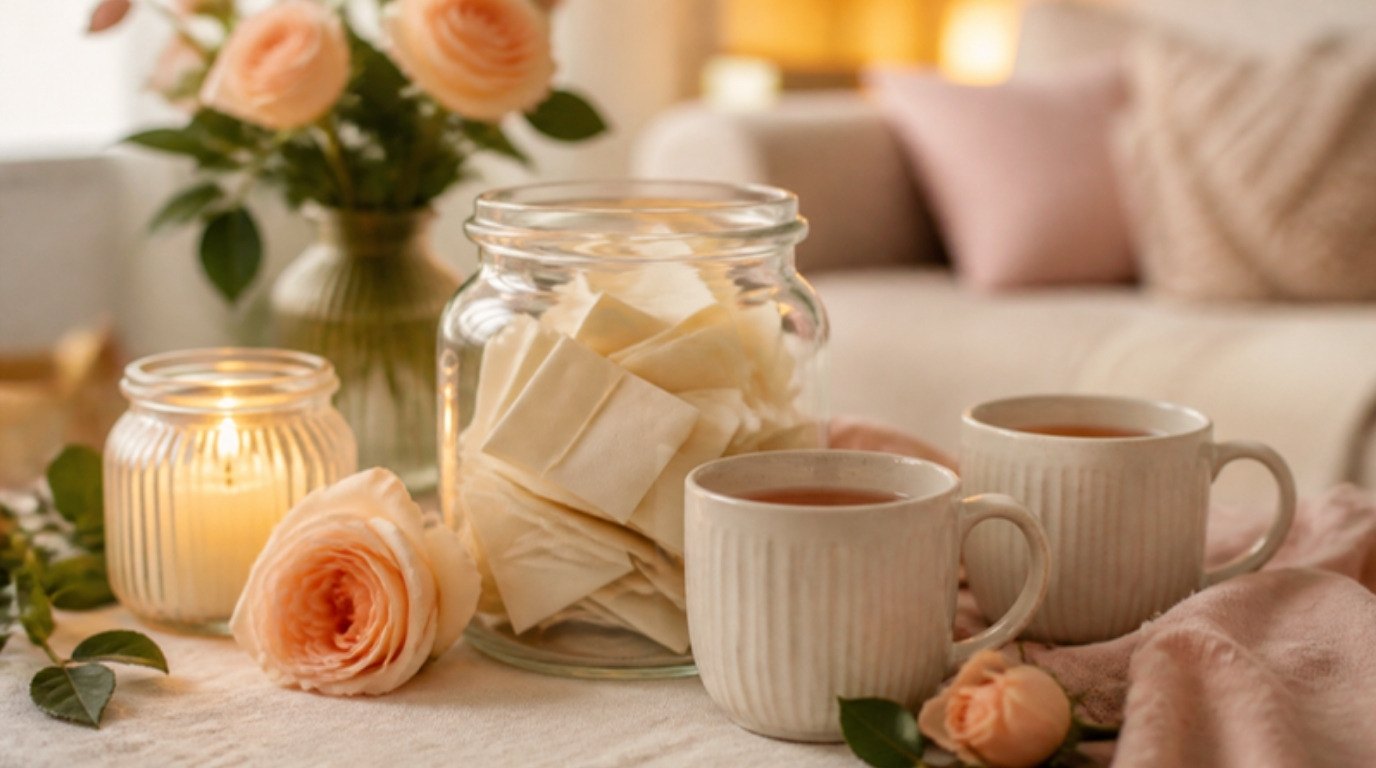
A gratitude jar is one of the simplest and sweetest rituals for couples. Here's how to set one up:
- Choose your jar. Any clear glass jar works, or try a love notes jar with cards if you'd like everything in one place.
- Keep paper and a pen next to it. Small slips of paper make it quick. The easier it is, the more you'll use it.
- Agree on a simple rhythm. For example, each of you adds one note a week about something you appreciated about the other.
- Put it somewhere visible. A kitchen shelf or the entry table works better than a closet.
- Read them together. Choose a special day to open the jar: your anniversary, the end of the year or a hard day when you both need a reminder.
Some couples like to read one note out loud whenever things feel tense. It's a lovely way to remember who you are together. For extra inspiration on what to notice, my list of things to be grateful for is full of small, everyday ideas.
Gratitude When You're Upset
Being grateful doesn't mean pretending everything is fine. You can be annoyed about the dishes and still be grateful for the person. Both things can be true.
When you're upset, gratitude can help in small ways:
- Take a pause first. If you're angry, cool off before talking. Gratitude isn't something to force in the heat of a fight.
- Name one thing you still appreciate. Silently, to yourself. It reminds you that this person isn't the enemy.
- Open the hard talk with something kind. "I really appreciate how hard you've been working lately, and I want to talk about something that's been bothering me." It sets a softer tone.
- Don't use gratitude to dodge the problem. If something needs to be discussed, discuss it. Appreciation is a foundation, not a replacement for honesty.
Gratitude Without Scorekeeping
Gratitude can quietly turn into a ledger: "I thanked you three times this week and you only thanked me once." That takes all the warmth out of it.
A few ways to keep it generous:
- Give without expecting a match. Say thank you because it's true, not to earn one back.
- Don't use gratitude as a hint. "Thanks for finally doing the laundry" is criticism wearing a nice coat.
- Notice different styles. Your partner may show appreciation through actions rather than words. That still counts.
- Ask, don't track. If you'd love to hear more appreciation, say so kindly: "It means so much to me when you notice the little things. I'd love to hear that more."
Matching Gratitude to How Your Partner Feels Loved
Not everyone hears appreciation the same way. A heartfelt sentence can mean the world to one person and barely register with another, who would feel far more thanked by a small gesture. If you know how your partner tends to give and receive love, you can shape your gratitude to fit:
- Words. Specific spoken thank-yous, notes, a sweet text in the afternoon. Use the formula above and say it out loud.
- Time. Thank them by giving undivided attention: a phone-free walk, a slow coffee together, really listening to the story about their day.
- Acts of service. Return the favor without being asked. If they always handle the laundry, quietly fold it this week and say, "You always do this, so I wanted to take it off your plate."
- Small gifts. A favorite snack on the counter, a single flower, a book they mentioned. The gift says "I noticed," which is the heart of gratitude.
- Touch. A long hug when they come home, a hand on their back while you say thank you. For some people, that lands more than any sentence.
Not sure what your partner prefers? Notice how they show love to you. People often give in the way they'd most like to receive. You can also simply ask: "What makes you feel most appreciated?" The answer might surprise you.
If Your Partner Isn't Into It
Some people feel a little awkward about anything that sounds like a "ritual." If your partner rolls their eyes at the idea of a gratitude jar, that's okay. You don't need a formal practice to bring more appreciation into your relationship.
- Lead by example. Start saying specific thank-yous yourself, without announcing a new habit. Many people start returning them naturally after a few weeks.
- Keep it light. Gratitude doesn't have to be serious. A playful "Have I told you lately that you're the best dish-washer in the state?" still counts.
- Invite, don't insist. "I'd love to try writing each other one note a week. Want to try it for a month?" feels much easier to say yes to than a whole new system.
- Let their way count. If they show appreciation through actions instead of words, say so: "I know making me coffee every morning is your way of saying thank you, and I love it."
Many people who roll their eyes at a jar end up being the ones who reread every note.
Final Thoughts
Gratitude doesn't need to be grand to change how a relationship feels. It's the morning thank-you, the note in a coat pocket, the quiet "I'm glad you're home." Choose one small ritual, practice it for a week and watch how much warmer ordinary days start to feel. Being seen is a gift, and you get to give it every day.